A dining room sideboard is one of the easiest places to add a designer touch to your space. When styled well, it becomes both functional storage and a visual anchor that elevates the entire room. The key is restraint, balance, and intentional layering.
Below are ten dining room sideboard styling ideas that feel polished and designer-level, each explained clearly and followed by why it works.
1. Start With a Clean, Clear Surface
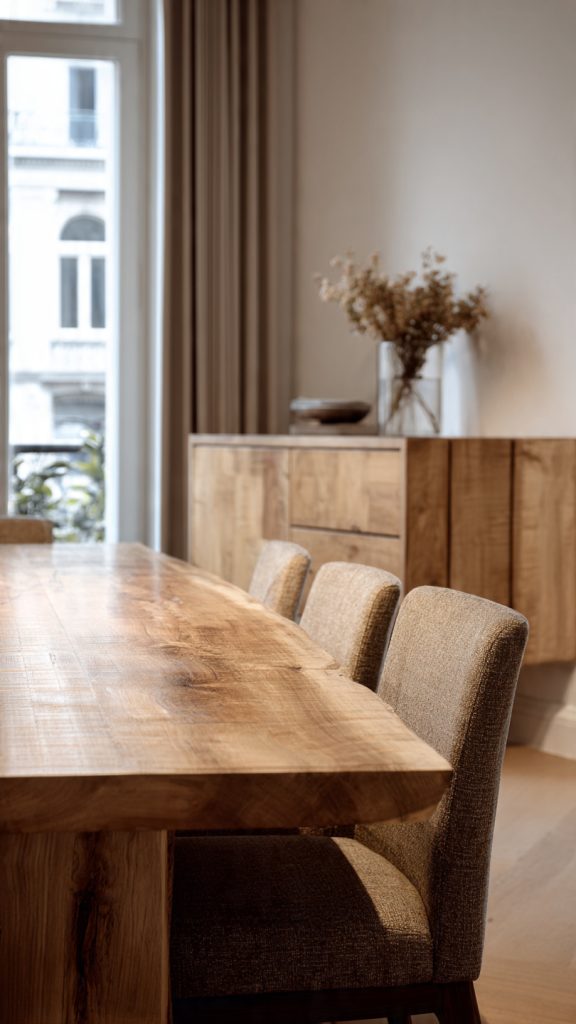
Before styling, remove everything from the sideboard and start fresh. A clean surface makes it easier to build a thoughtful, layered look.
Why it works:
Starting with a blank slate prevents clutter and allows each styling choice to feel intentional.
2. Anchor the Space With One Large Piece
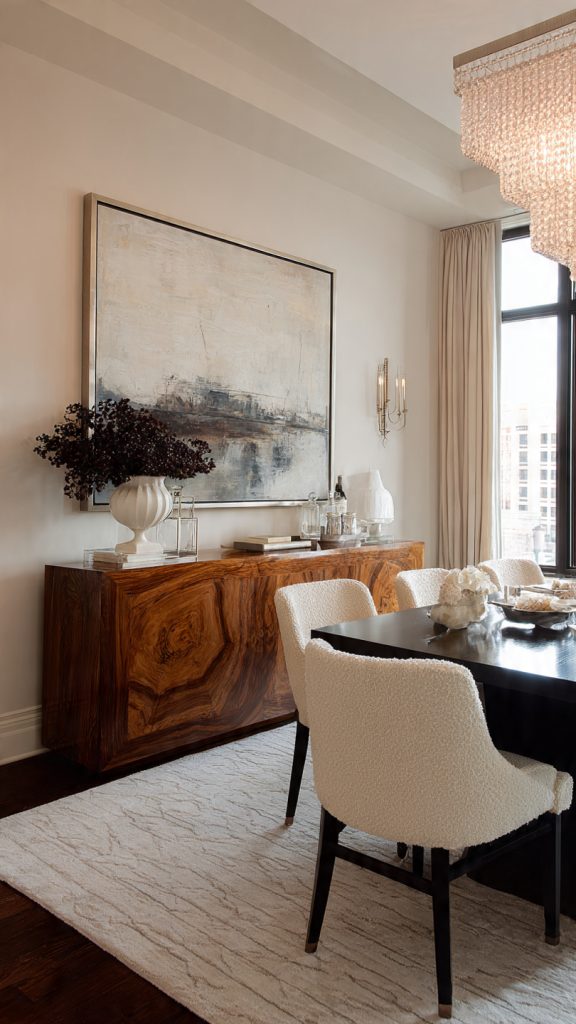
Use one substantial item such as a large mirror, artwork, or framed print centered above or leaning against the wall.
Why it works:
A large anchor creates a focal point and gives the sideboard a strong, designer-style foundation.
3. Layer Items at Varying Heights
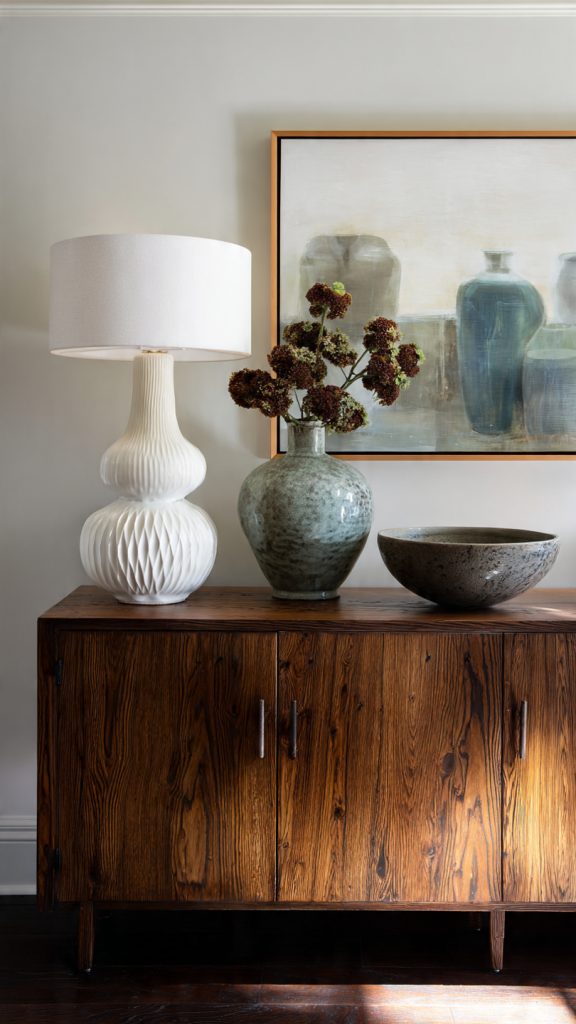
Combine tall, medium, and low objects—such as a lamp, vase, and bowl—to create visual depth.
Why it works:
Height variation adds interest and keeps the styling from looking flat or repetitive.
4. Use Decorative Trays to Group Objects
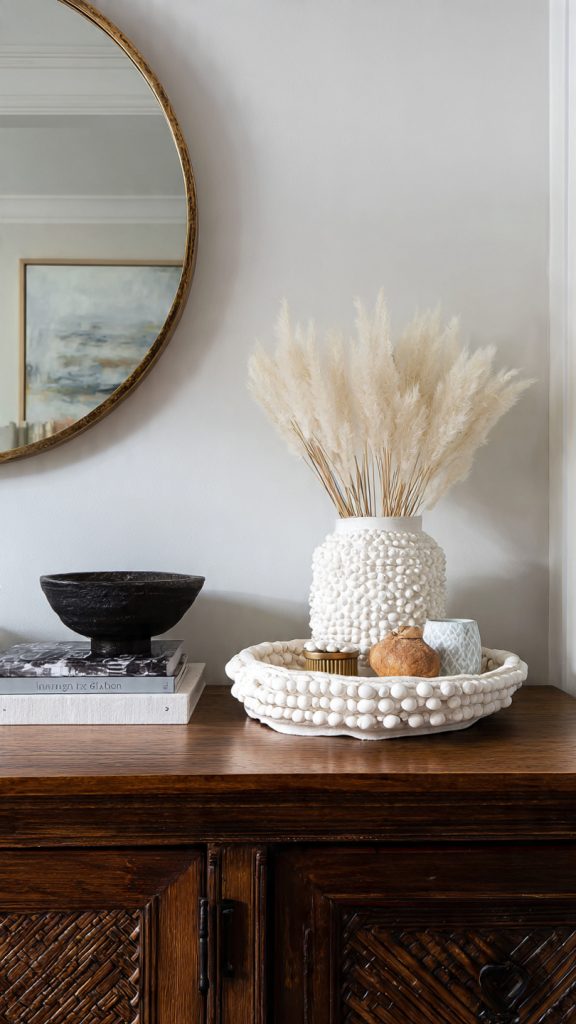
Place smaller items on a tray to keep them visually organized and contained.
Why it works:
Trays create structure and make collections of objects feel curated rather than scattered.
5. Mix Materials Thoughtfully
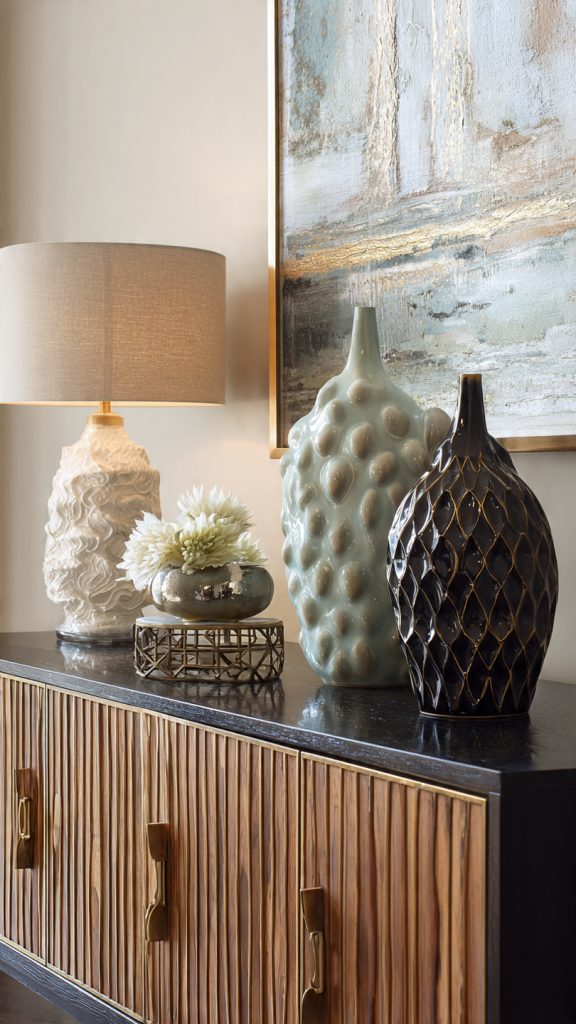
Blend materials like ceramic, wood, glass, and metal instead of sticking to just one texture.
Why it works:
Material contrast adds richness and a layered, high-end feel.
6. Incorporate Something Organic
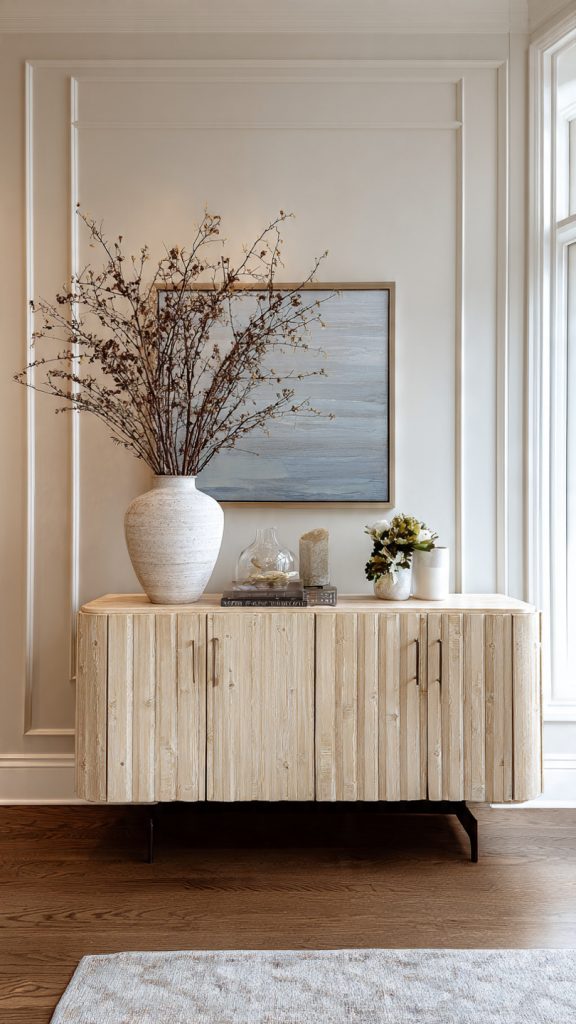
Add a natural element such as greenery, branches, or dried florals to soften the look.
Why it works:
Organic elements bring life and warmth, balancing harder surfaces and clean lines.
7. Keep the Color Palette Tight
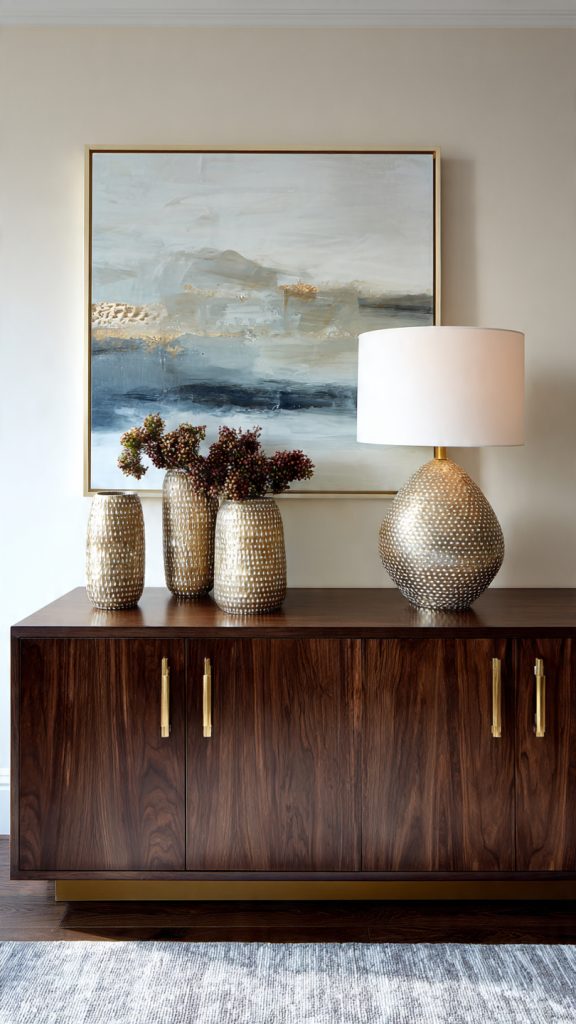
Stick to two or three complementary colors that align with the dining room’s overall palette.
Why it works:
A restrained color scheme feels cohesive and designer-approved.
8. Balance Symmetry With Asymmetry
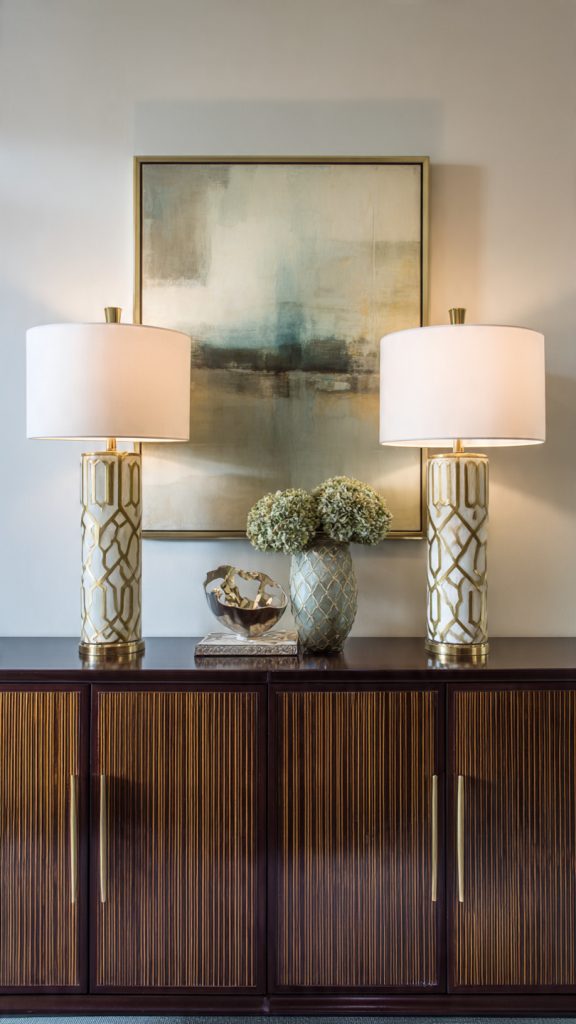
Use symmetry for structure—such as matching lamps—then offset it with an asymmetrical accent.
Why it works:
This balance creates a look that feels polished but not overly formal.
9. Leave Negative Space
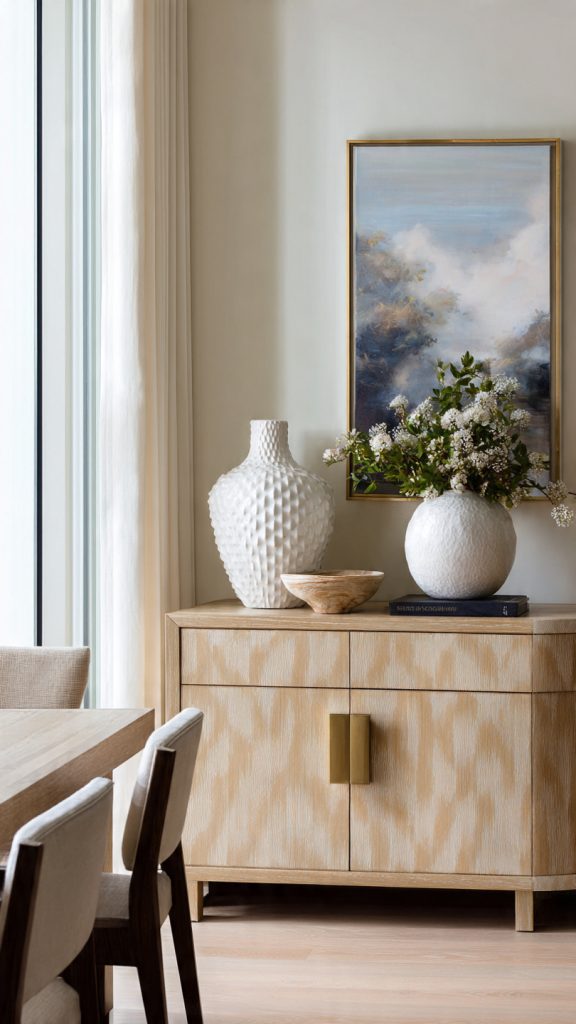
Avoid filling every inch of the sideboard. Leave breathing room between items.
Why it works:
Negative space makes the styling feel elevated and prevents visual overwhelm.
10. Style for Function as Well as Beauty
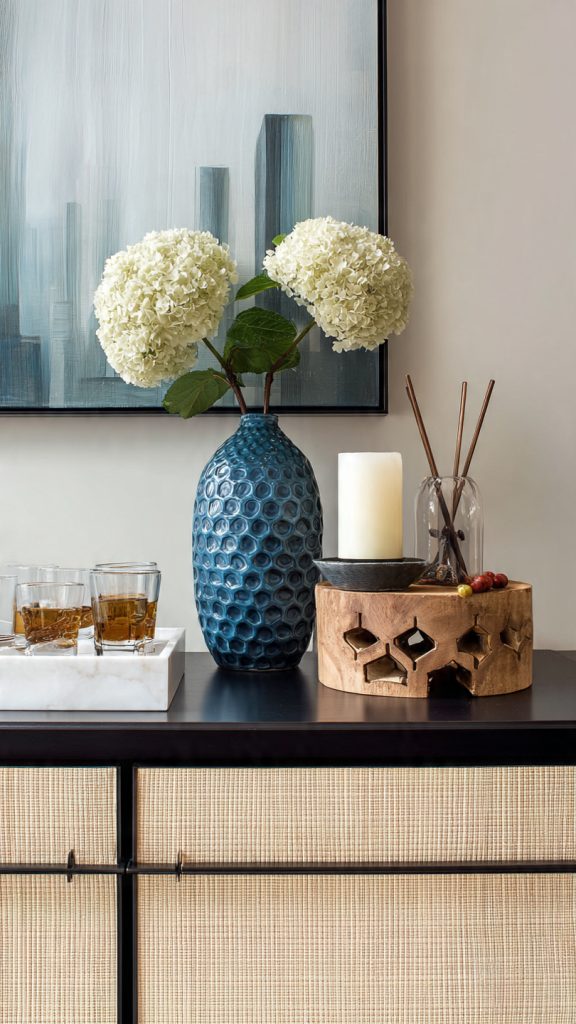
Include practical pieces like serving trays, bowls, or bar accessories alongside decorative elements.
Why it works:
Designer spaces always consider function, making the styling feel livable and authentic.
Conclusion
Designer-style sideboard styling is all about intention. By focusing on scale, balance, and restraint, you can turn a simple dining room sideboard into a polished focal point that elevates the entire space.