Designing a living room and dining room combo can feel challenging. Without walls to define each space, it’s easy for the layout to feel cluttered, disconnected, or awkward. But when done right, a combined living and dining area can feel spacious, intentional, and beautifully cohesive.
The secret lies in smart zoning—using furniture placement, proportions, lighting, and visual balance to guide how the space is used and experienced. A well-planned layout creates natural movement, clear purpose, and a seamless transition between relaxing and dining.
Below are 10 living room and dining room combo layout ideas that prioritize flow, comfort, and functionality—whether you’re working with a small apartment or a large open-concept home.
1. Sofa as a Natural Divider
One of the most effective ways to separate a living room from a dining area is by floating the sofa between the two spaces. Instead of pushing it against a wall, position the sofa so its back faces the dining area while the front faces the TV or focal point.
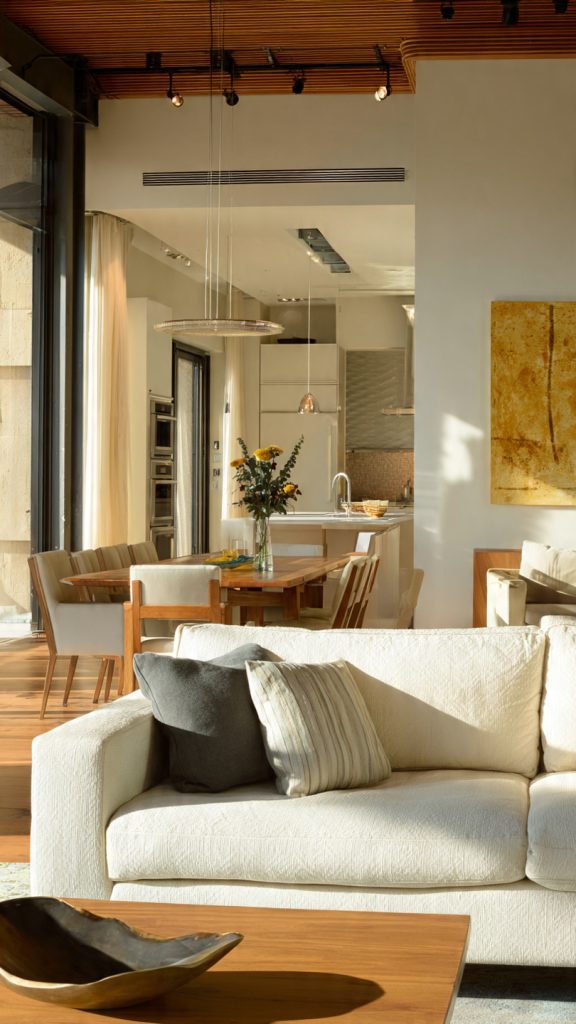
This instantly creates two distinct zones without blocking light or closing off the room. It’s a particularly smart solution for open-plan apartments and rectangular layouts.
Why it works
- Clearly defines zones without walls
- Maintains an open, airy feel
- Encourages natural circulation
Keep the sofa proportional to the room so it doesn’t overwhelm the space or interrupt walkways.
2. Rug-Defined Zones
Area rugs are one of the easiest and most visually appealing ways to separate a living and dining combo. A large rug anchors the living room seating area, while a second rug—often more durable—defines the dining zone.
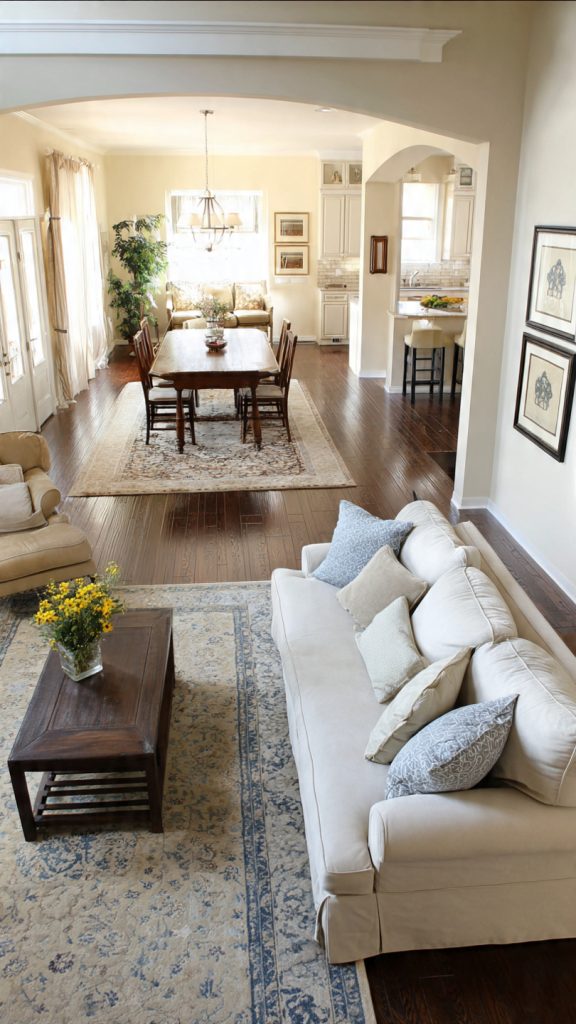
This approach creates instant structure while adding warmth and texture. The key is coordination: the rugs should complement each other rather than compete.
Why it works
- Creates clear visual boundaries
- Adds softness and warmth
- Works well in both small and large spaces
Make sure dining chairs can slide in and out easily without catching on the rug’s edge.
3. Dining Table as the Central Anchor
In some open layouts, the dining table works best as the central element of the space. The living area sits on one side, while the kitchen or secondary zone sits on the other, creating balance and symmetry.
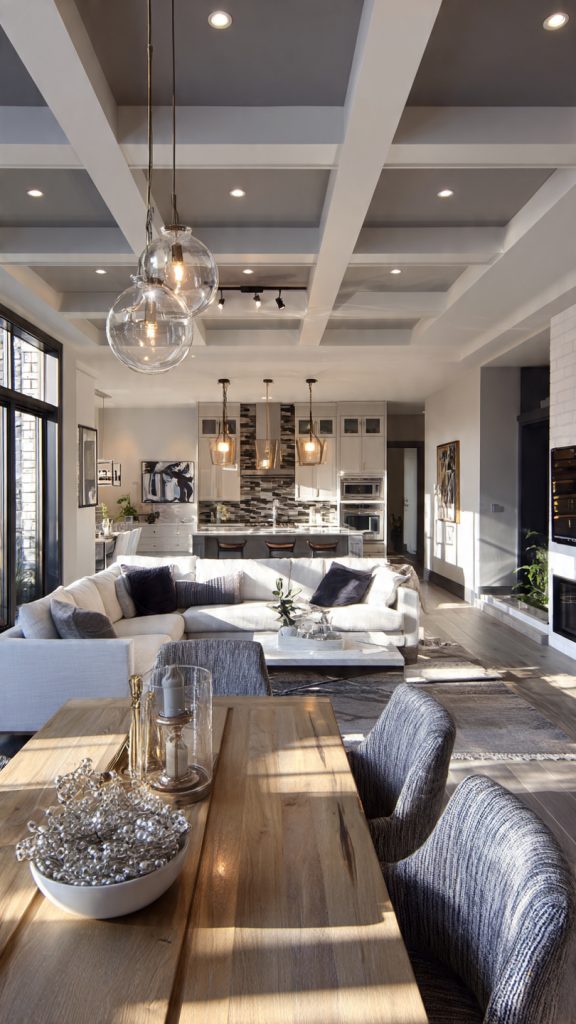
This layout works especially well in square or wide floor plans where a centered anchor helps organize the room.
Why it works
- Improves flow and circulation
- Makes the layout feel intentional
- Keeps the space visually balanced
Choosing the right table shape—round, oval, or rectangular—can further enhance the flow.
4. L-Shaped Living Area with Adjacent Dining
An L-shaped sectional naturally defines the living area while leaving space for a dining table nearby. The shape visually encloses the seating area, creating a cozy feel without walls.
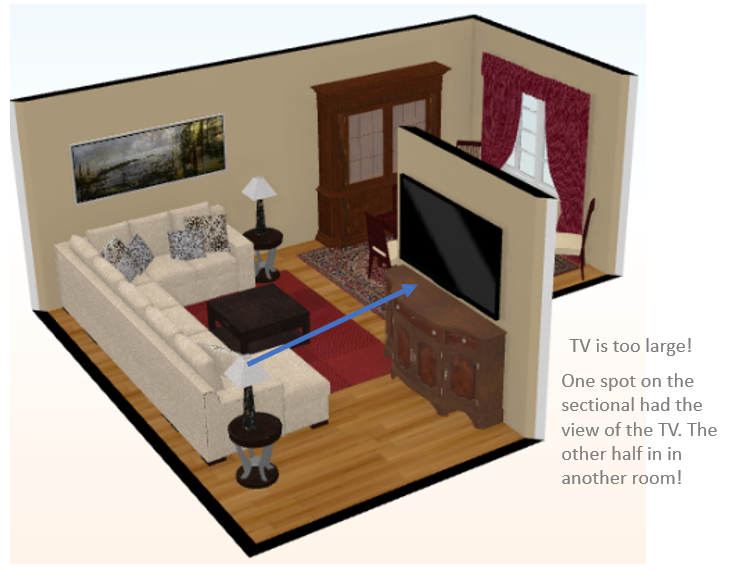
This layout is ideal for families or anyone who prioritizes lounging and entertaining.
Why it works
- Maximizes seating
- Keeps zones clearly defined
- Feels relaxed and functional
Avoid oversized sectionals in smaller rooms to maintain openness and movement.
5. Parallel Side-by-Side Layout
For long or narrow open-plan rooms, a parallel layout works beautifully. The living room runs along one side of the space, while the dining area runs alongside it on the other.
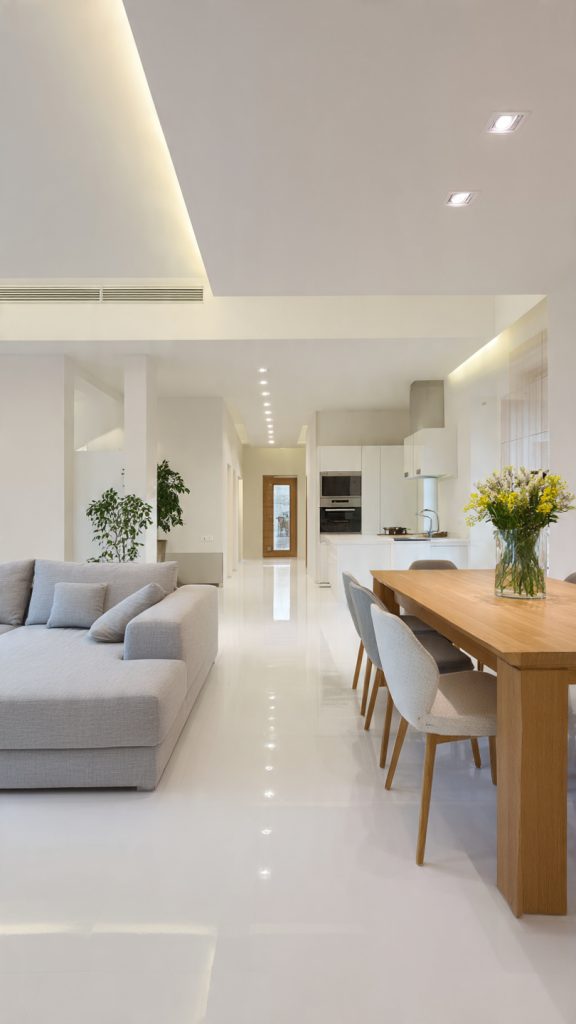
Furniture follows the length of the room, creating a clean, organized look that enhances flow.
Why it works
- Ideal for narrow layouts
- Keeps walkways clear
- Makes the space feel longer and larger
Consistent lighting and finishes help unify both zones visually.
6. Round Dining Table for Softer Flow
A round dining table introduces curves into a space dominated by straight lines, making the transition between living and dining areas feel more fluid.
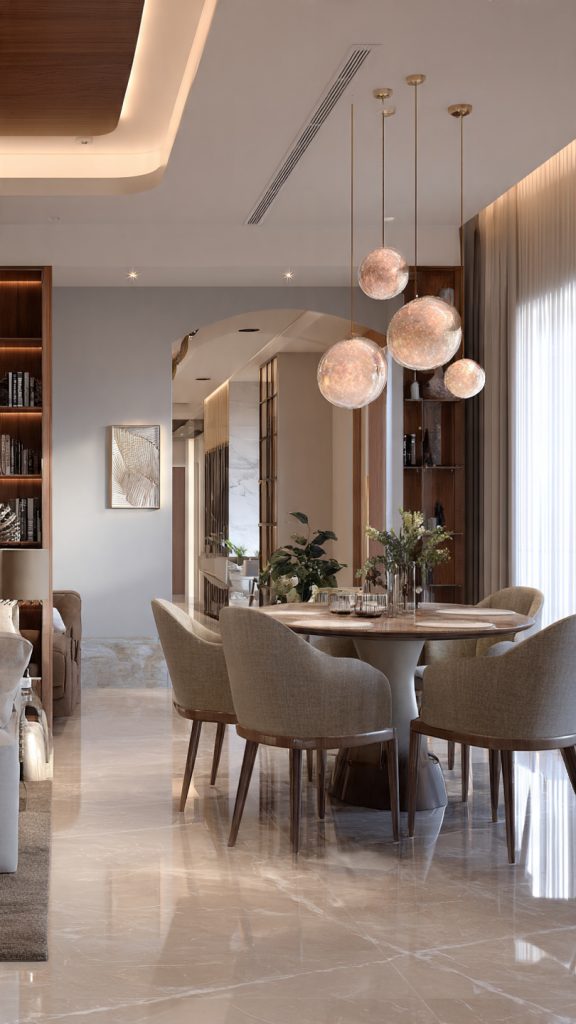
This layout is especially effective in small or awkward spaces where sharp corners can disrupt movement.
Why it works
- Improves circulation
- Softens the overall layout
- Encourages a more relaxed feel
Pair with slim chairs or a pedestal base to keep the footprint light.
7. Lighting-Defined Zones
Lighting can be a powerful zoning tool. A statement pendant or chandelier above the dining table instantly defines the dining area, while softer ambient lighting creates a relaxed atmosphere in the living space.
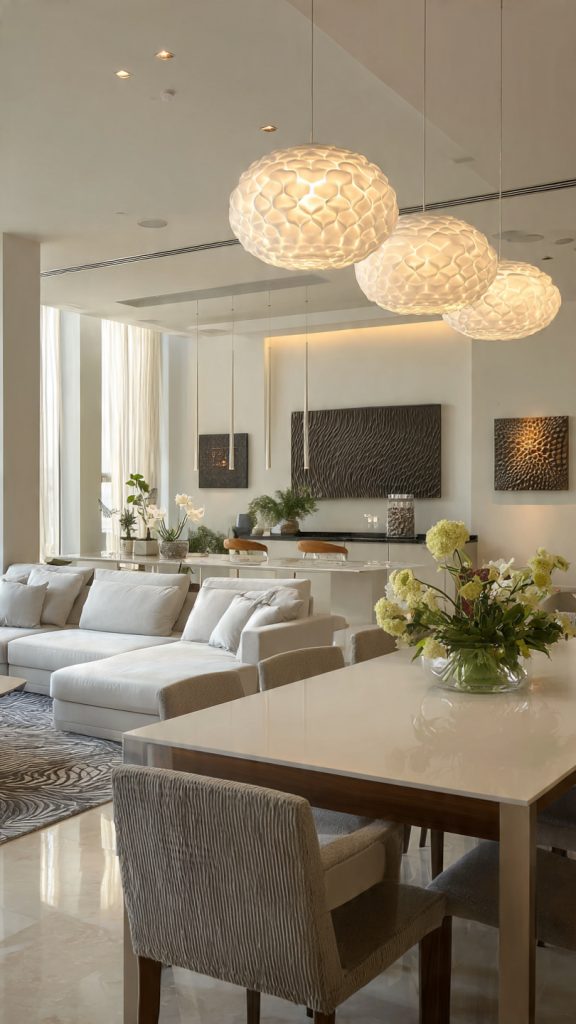
This method works well when you want to maintain a fully open floor plan without visual barriers.
Why it works
- Creates vertical separation
- Enhances mood and functionality
- Keeps the layout open
Use cohesive finishes across lighting fixtures to maintain visual harmony.
8. Console Table as a Subtle Divider
A console table placed behind a sofa or between zones offers gentle separation while adding functionality. It provides space for lamps, décor, or storage without blocking light or sightlines.
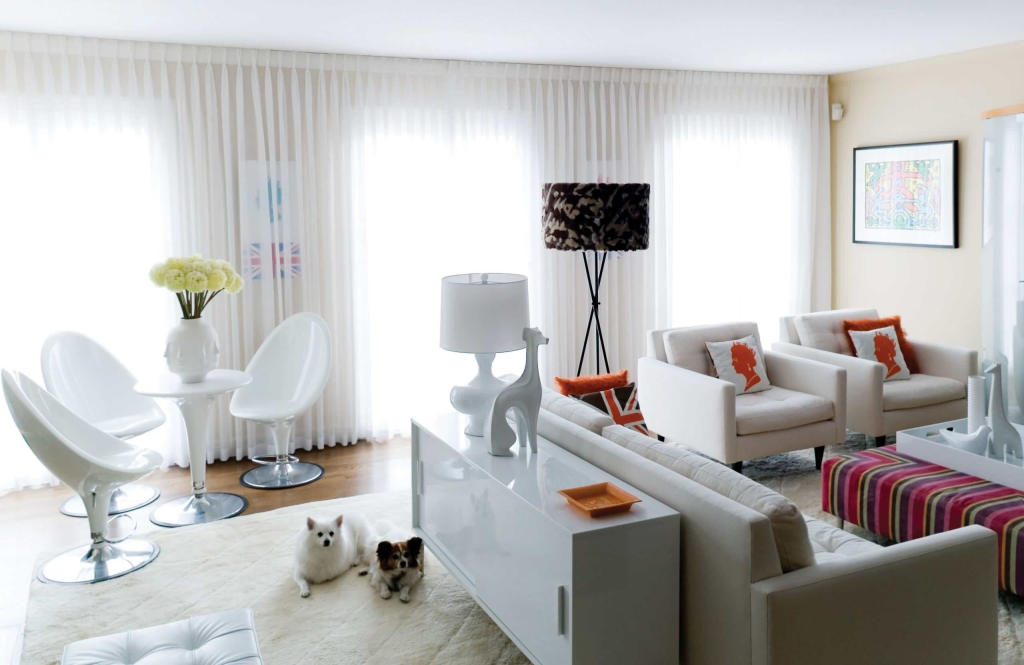
This is a great option for smaller spaces where bulky furniture would feel heavy.
Why it works
- Adds structure without clutter
- Offers extra storage or display space
- Maintains openness
A slim profile ensures walkways stay comfortable and uncluttered.
9. Color-Cohesive Layout
Instead of physically separating zones, use a consistent color palette to tie the living and dining areas together. Shared tones, materials, or accent colors create cohesion while allowing each area to have its own identity.
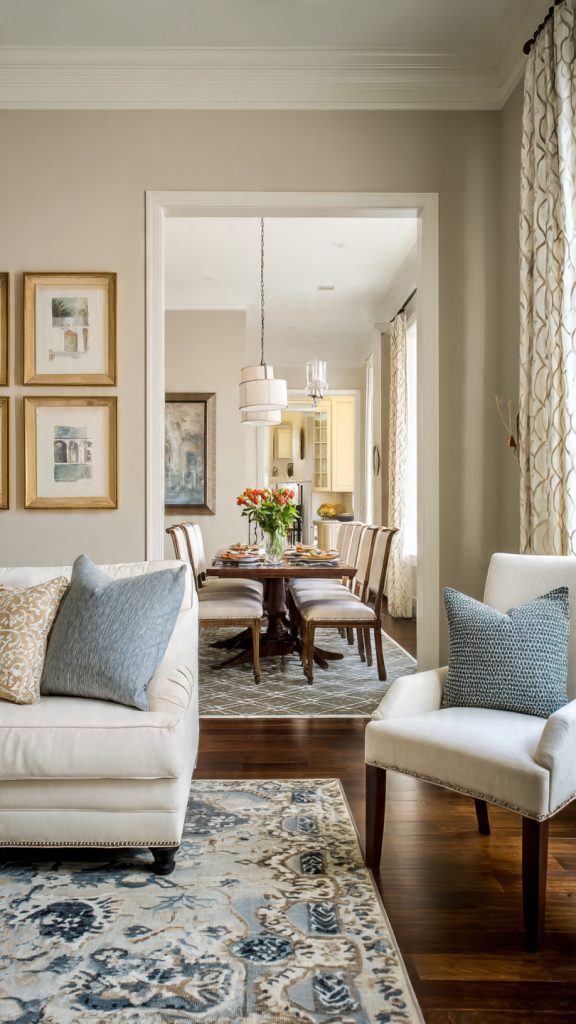
Subtle shifts—such as deeper tones in the living area and lighter tones in the dining space—add depth without disrupting flow.
Why it works
- Creates a unified look
- Enhances visual harmony
- Works across all design styles
Repeating materials like wood, metal, or fabric strengthens the connection between zones.
10. Minimalist Open-Flow Layout
A minimalist approach allows the living and dining areas to blend seamlessly. Fewer furniture pieces, clean lines, and generous spacing create a calm, uncluttered environment where flow feels effortless.
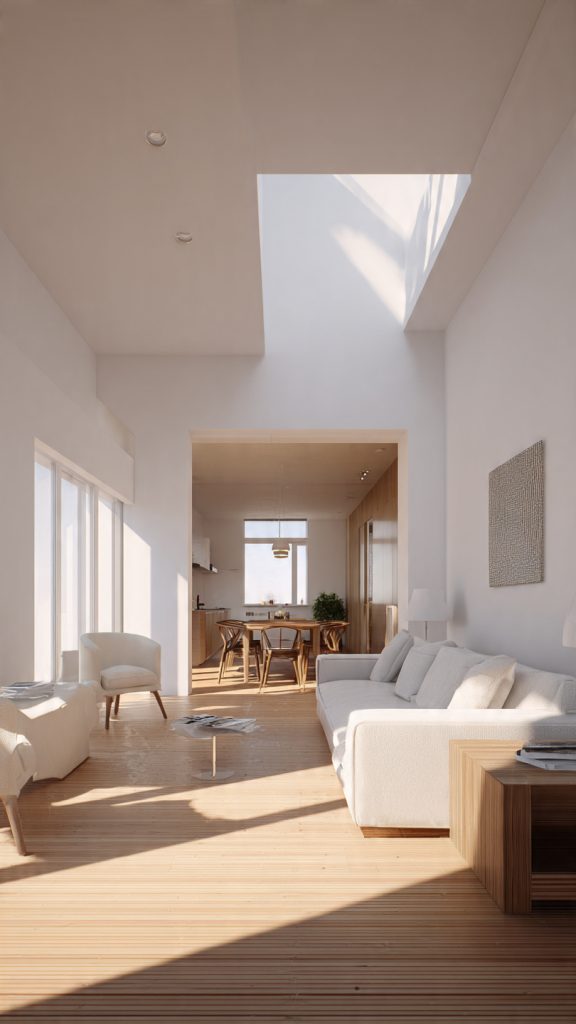
This layout relies on proportion and thoughtful placement rather than dividers.
Why it works
- Maximizes openness
- Feels modern and serene
- Highlights quality over quantity
Choose statement pieces carefully and avoid overcrowding the space.
Final Thoughts
A living room and dining room combo doesn’t need walls to feel organized. With the right layout, you can create a space that flows naturally, functions beautifully, and feels intentional.
Whether you prefer subtle zoning or clearly defined areas, the key is balance—between openness and structure, comfort and movement. Start with how you use the space daily, then build a layout that supports both living and dining without compromise.
When flow is done right, your open-plan space doesn’t just look good—it feels right.