Raised garden beds are no longer just practical solutions for growing plants—they’ve become statement features in modern outdoor design. When done right, raised beds can elevate a garden’s appearance, adding structure, balance, and a polished, high-end feel. Whether you’re working with a compact backyard, a patio, or a larger landscape, thoughtfully designed raised garden beds can make the entire space feel intentional and luxurious.
From natural wood finishes to sleek modern materials, the following raised garden bed ideas focus on visual impact as much as functionality. These designs prove that gardening can be both productive and beautifully styled.
1. Natural Cedar Raised Beds for Timeless Appeal
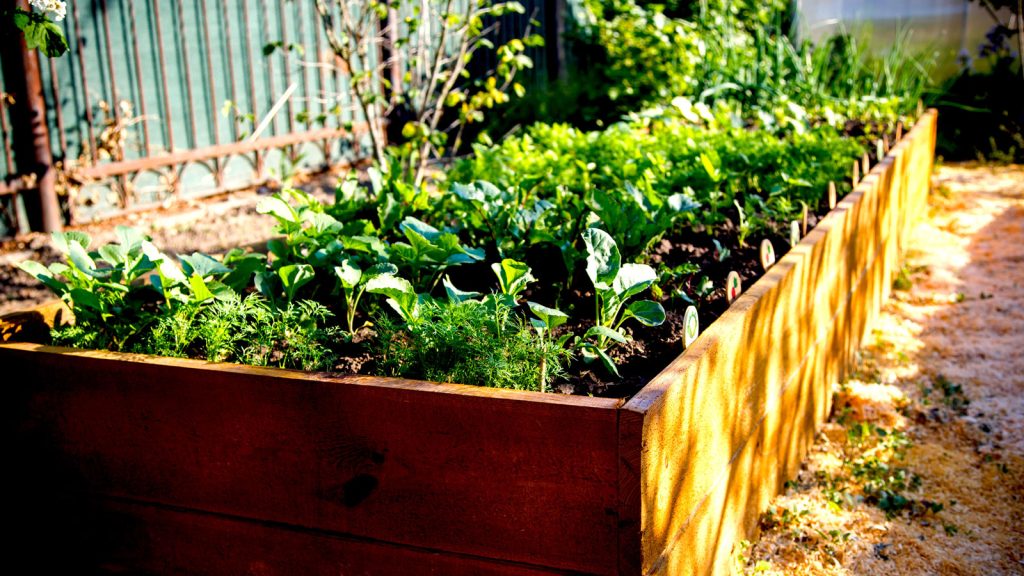
Cedar raised garden beds are a favorite for homeowners who want a refined yet natural look. The warm tones of cedar instantly elevate a garden space, creating a sense of craftsmanship and quality. In small or medium-sized gardens, cedar beds provide structure without feeling bulky or overpowering.
Visually, cedar beds work well in both rustic and contemporary settings. Their clean lines frame plants neatly, making herbs, vegetables, and flowers appear more organized and intentional. Over time, cedar develops a soft silvery patina that adds character while still maintaining a high-end aesthetic.
To enhance the upscale look, many gardeners choose wide planks with minimal visible fasteners. Corner joints are often clean and squared, reinforcing the feeling of solid construction. Pairing cedar beds with gravel walkways or stone borders further elevates the design, creating contrast between the warmth of the wood and the cool tones of the surrounding materials.
Cedar raised beds also photograph beautifully. The color variation in the wood complements green foliage, making these beds especially appealing for visually driven garden designs and lifestyle-focused outdoor spaces.
2. Sleek Metal Raised Beds for a Modern Look
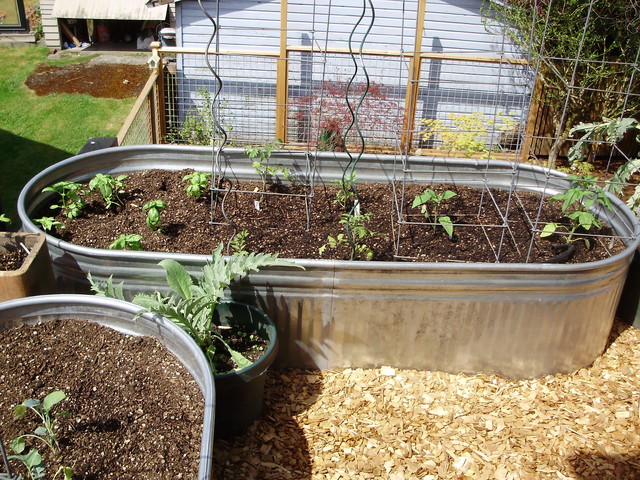
Metal raised garden beds bring a bold, modern edge to outdoor spaces. Often made from galvanized steel or corten steel, these beds offer crisp lines and a minimalist appearance that instantly feels high-end. Their smooth surfaces and uniform shapes create a striking contrast against organic plant forms.
Corten steel beds are particularly popular for upscale gardens. As the metal weathers, it develops a rich rust-colored patina that looks intentional and sophisticated rather than worn. This evolving finish adds depth and texture to the garden, making the beds feel like architectural elements rather than simple planters.
In compact gardens, metal raised beds help define zones clearly. Their slim profiles allow for efficient use of space while maintaining a polished aesthetic. When arranged in symmetrical layouts, they create a sense of balance and order that enhances the overall design.
Metal beds also pair well with contemporary materials such as concrete pavers, minimalist fencing, and modern outdoor furniture. The result is a cohesive, designer-inspired garden that feels curated and refined.
3. Stone Raised Garden Beds for Luxury Landscaping
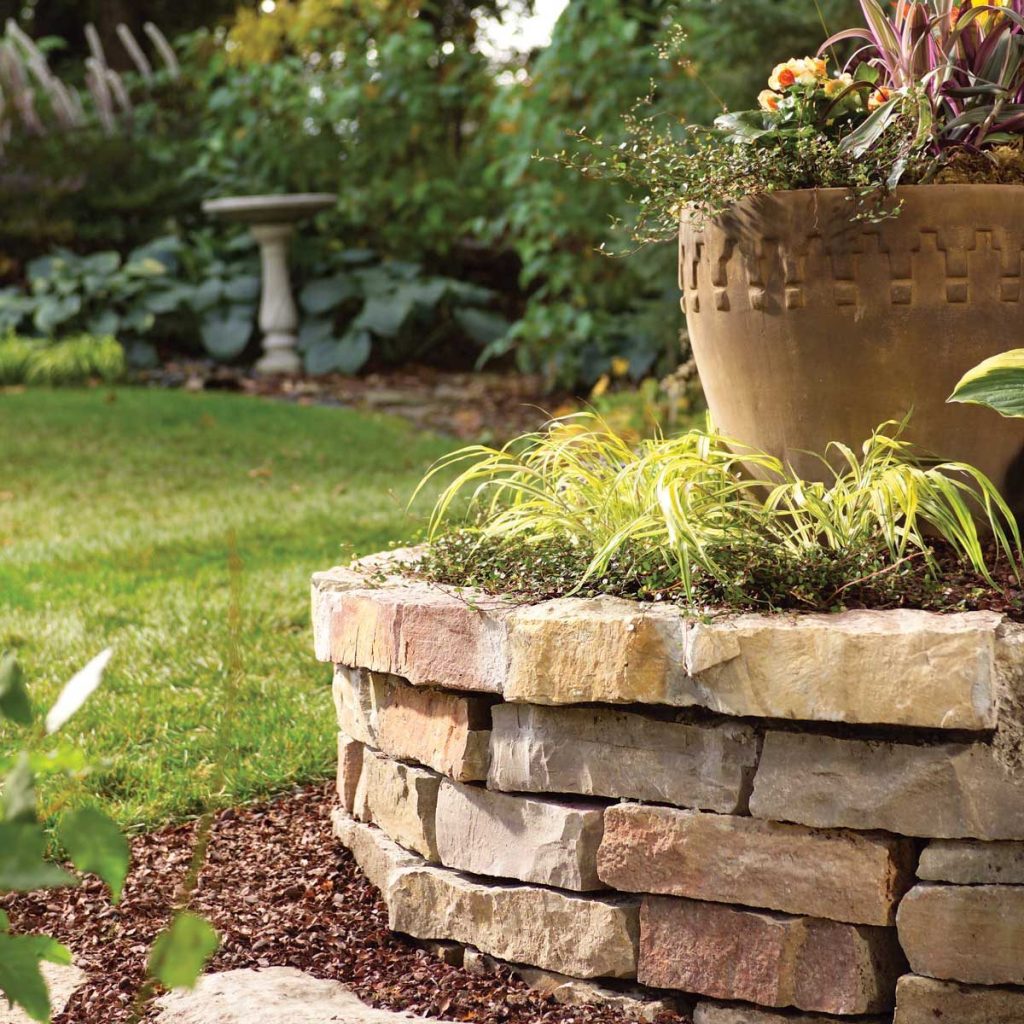
Stone raised garden beds instantly signal quality and permanence. Built from natural stone, stacked rock, or stone veneer, these beds resemble features found in high-end landscape designs and luxury outdoor spaces. Their weight and texture add a sense of grandeur that elevates any garden.
Visually, stone beds create strong borders that frame plants beautifully. The natural variation in stone color and texture adds richness, making each bed feel unique. In small gardens, even a single stone raised bed can serve as a focal point that draws attention and anchors the space.
Stone beds work especially well in gardens with Mediterranean, cottage, or traditional design influences. When combined with gravel paths, sculpted shrubs, or climbing plants, they create a layered, upscale look that feels timeless rather than trendy.
Lighting can further enhance the luxury feel. Soft uplighting along stone walls highlights their texture in the evening, transforming raised beds into dramatic design features after sunset.
4. Concrete Raised Beds for Minimalist Elegance
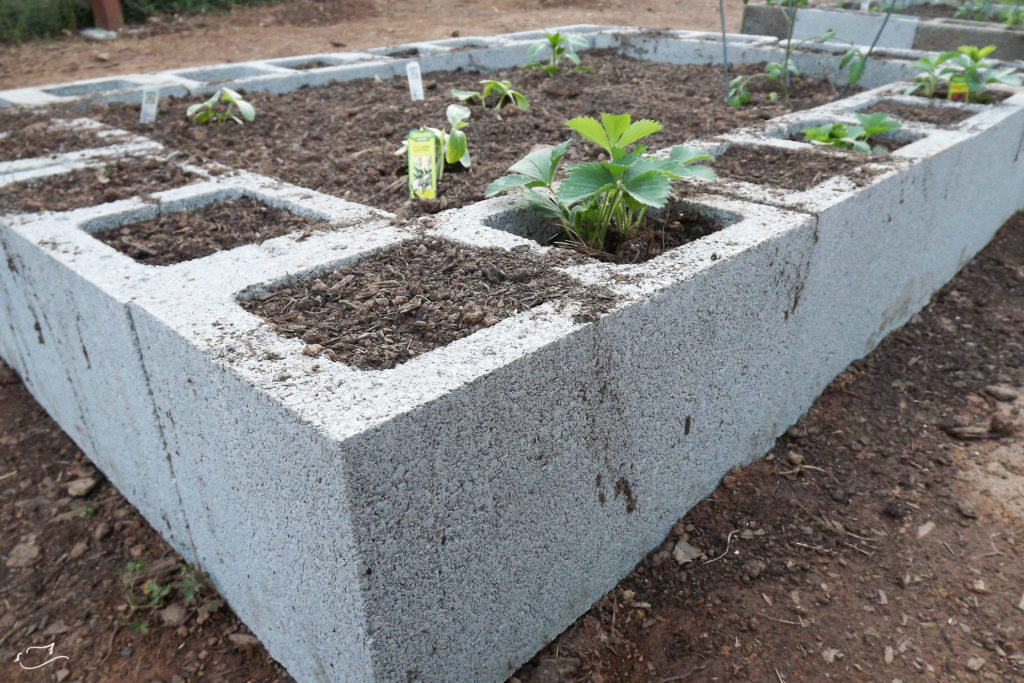
Concrete raised garden beds are a popular choice for modern, high-end outdoor spaces. Their smooth surfaces and neutral tones provide a clean backdrop that allows plants to take center stage. When designed thoughtfully, concrete beds feel architectural and intentional rather than utilitarian.
Precast concrete beds offer sharp edges and consistent finishes, contributing to a refined look. Poured-in-place concrete beds, on the other hand, can be customized to fit unique garden layouts, creating seamless integration with patios, seating areas, or retaining walls.
In smaller gardens, concrete raised beds help maintain visual simplicity. Their muted color palette reduces visual clutter, making the space feel calm and cohesive. Pairing concrete beds with ornamental grasses, structured shrubs, or monochromatic planting schemes enhances the high-end aesthetic.
Concrete also works well alongside materials like wood, metal, and stone. Mixing textures while maintaining a restrained color palette results in a sophisticated garden design that feels professionally styled.
5. Tiered Raised Beds for Visual Depth
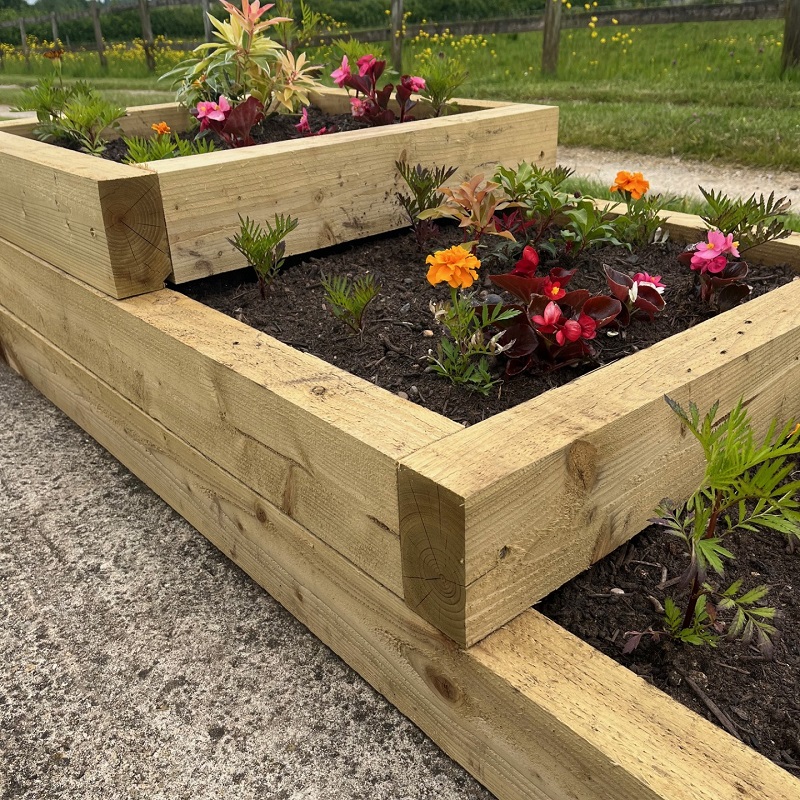
Tiered raised garden beds introduce height variation, adding depth and dimension to outdoor spaces. By stacking beds at different levels, gardeners can create a dynamic layout that feels intentional and high-end. This approach works particularly well in sloped yards or compact gardens where vertical interest is essential.
Visually, tiered beds guide the eye upward, making the garden appear larger and more layered. Each level can feature different plant types, creating contrast in color, texture, and height. This layered planting approach enhances the overall richness of the garden.
Materials such as wood, stone, or concrete can be used to create tiered designs. Keeping the materials consistent throughout the tiers maintains a cohesive look, while clean edges and precise alignment reinforce a polished finish.
Tiered raised beds also allow for thoughtful spacing and symmetry. When designed with balance in mind, they bring a sense of order and sophistication that elevates the entire garden.
6. Raised Beds with Integrated Seating
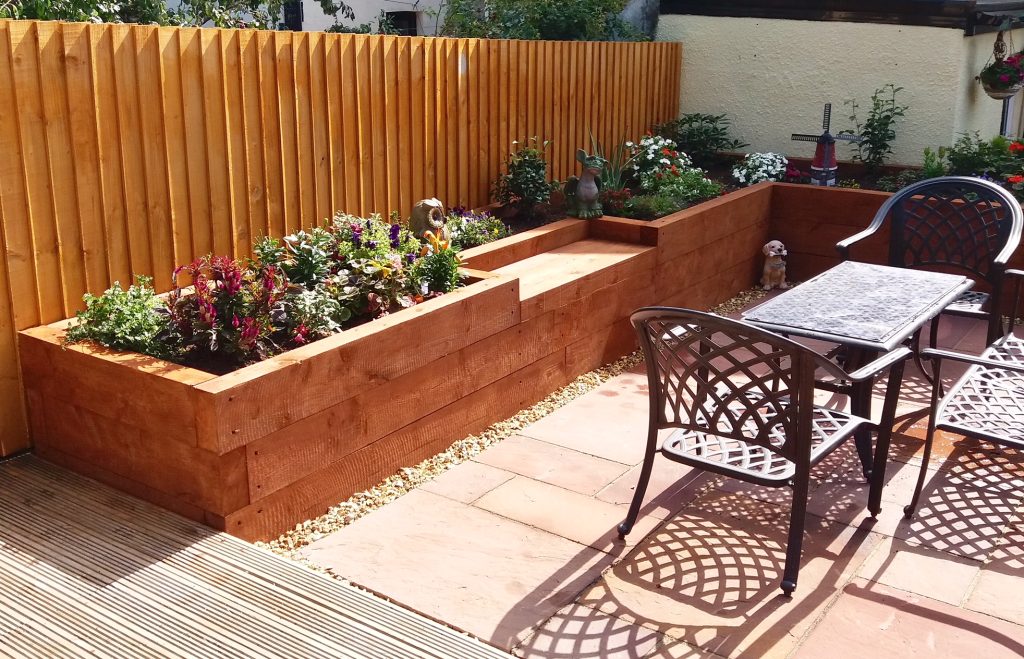
Raised garden beds that incorporate seating combine function with luxury. Built-in benches along the edges of raised beds create inviting spaces to sit, relax, and enjoy the garden. This integrated approach feels custom and high-end, similar to features found in professionally designed landscapes.
Visually, seating adds weight and purpose to raised beds, making them feel like permanent structures rather than temporary garden solutions. Wood-topped seating softens the design, while stone or concrete bases maintain a refined foundation.
In smaller gardens, integrated seating maximizes space efficiency. Rather than adding separate furniture, the raised bed itself becomes a multifunctional feature. This streamlined design contributes to a clean, uncluttered aesthetic.
These raised beds often become focal points, especially when placed near pathways or patios. Paired with subtle lighting and carefully chosen plants, they create an elegant outdoor experience.
7. Symmetrical Raised Beds for Formal Style
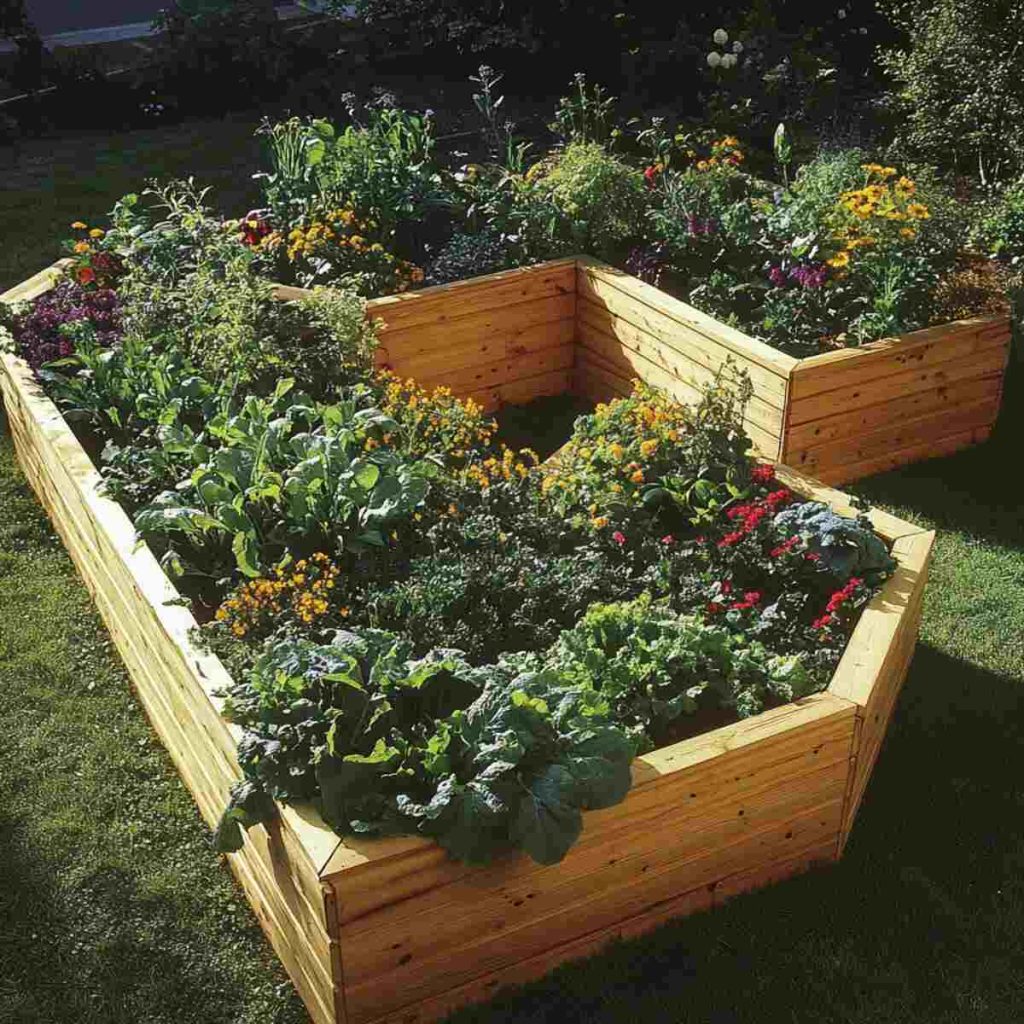
Symmetry is a hallmark of high-end garden design. Raised beds arranged in balanced, mirrored layouts create a formal, structured look that feels deliberate and refined. This approach works well in front yards, courtyards, and organized backyard layouts.
Visually, symmetrical raised beds bring a sense of calm and order. When paired with straight pathways or central focal points, they guide movement and frame the garden beautifully. The repetition of shapes and materials reinforces a cohesive design language.
Materials such as wood, metal, or stone can all be used effectively in symmetrical layouts. Keeping proportions consistent ensures the design feels polished rather than crowded, especially in smaller spaces.
Formal planting schemes—such as evenly spaced herbs, low hedges, or uniform flower varieties—enhance the upscale feel. The result is a garden that looks thoughtfully curated and timeless.
8. Painted Raised Beds for a Designer Finish
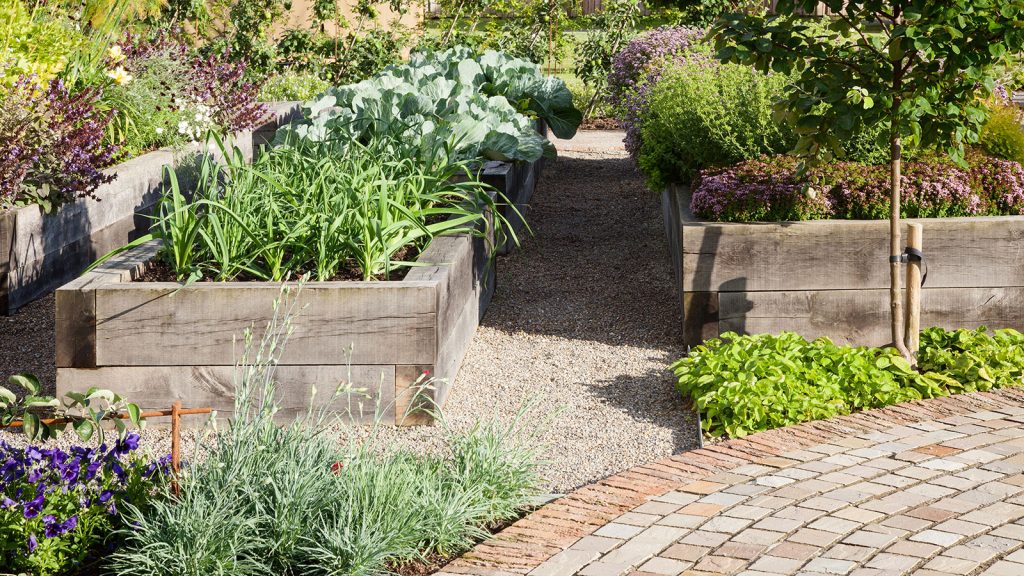
Painted raised garden beds offer an opportunity to introduce color in a controlled, high-end way. Neutral shades such as charcoal, soft gray, or muted green provide a designer-inspired look that feels intentional rather than playful.
Visually, painted beds stand out against natural greenery while still maintaining elegance. Darker colors tend to recede visually, helping beds blend seamlessly into the landscape while highlighting the plants themselves.
High-quality finishes are key to achieving a luxury look. Smooth surfaces, even coats, and weather-resistant paints ensure the beds maintain their polished appearance over time. Matte or satin finishes often look more refined than glossy ones.
Painted raised beds work especially well in modern and transitional gardens, where color is used sparingly to enhance structure and visual clarity.
9. Raised Beds with Decorative Edging
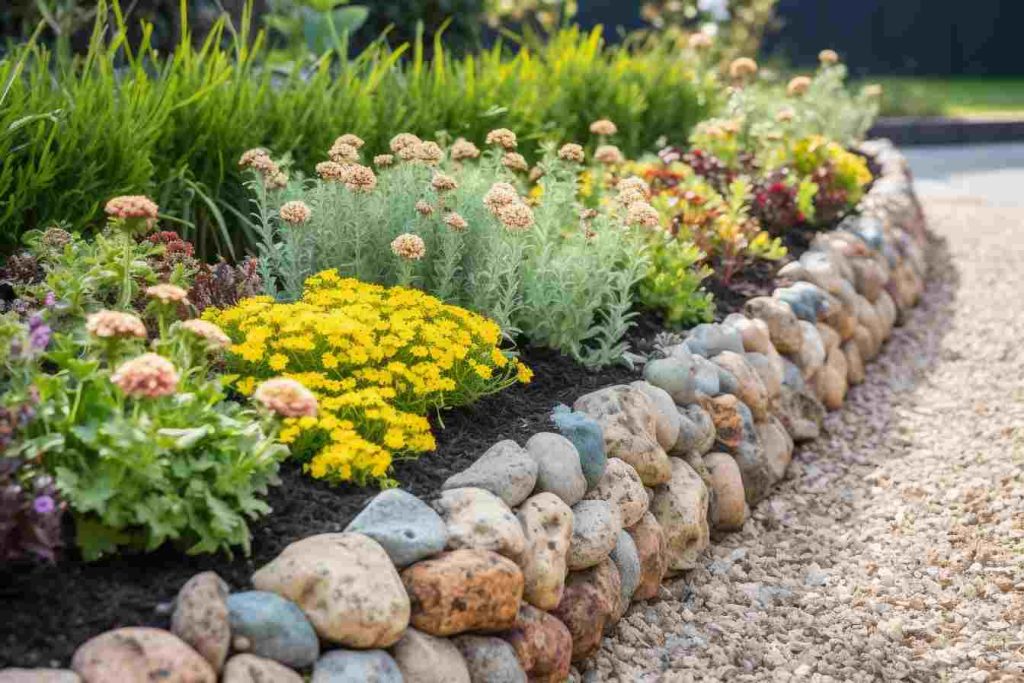
Decorative edging elevates raised garden beds by adding detail and craftsmanship. Elements such as metal trim, stone caps, or wood borders create clean lines that frame the beds beautifully.
Visually, edging acts as a finishing touch, much like trim in interior design. It defines the shape of the raised bed and adds contrast between materials. In high-end gardens, these details make the difference between ordinary and exceptional design.
Edging also enhances durability, protecting the structure of the raised bed while maintaining a refined appearance. Choosing materials that complement the surrounding landscape ensures cohesion and balance.
This approach works well in both small and large gardens, adding sophistication without overwhelming the space.
10. Mixed Material Raised Beds for Custom Appeal
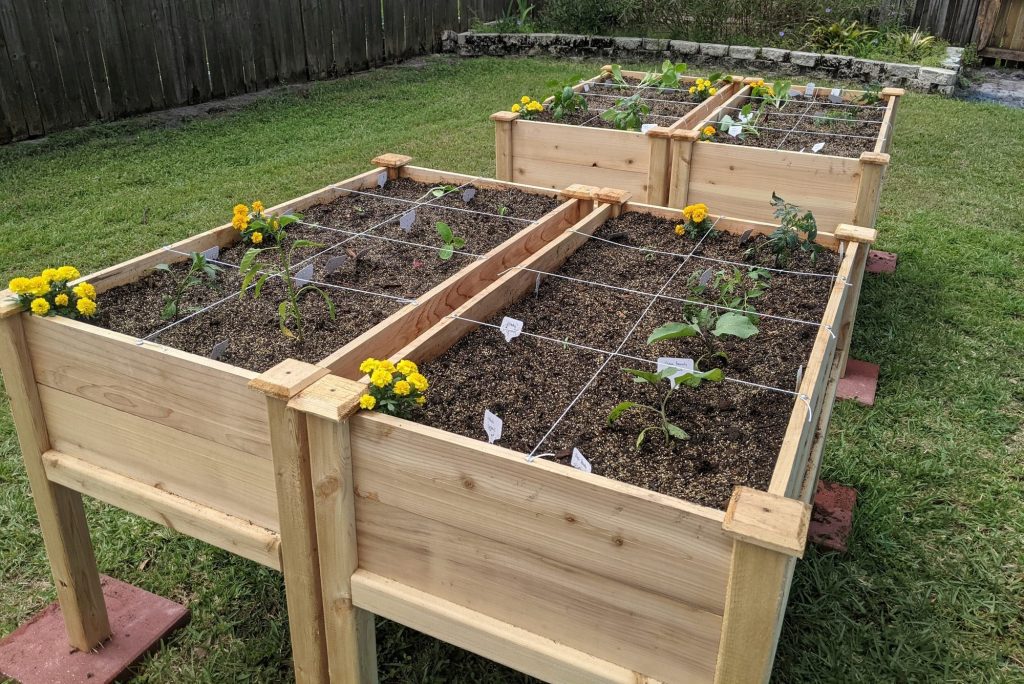
Mixed material raised beds feel bespoke and thoughtfully designed. Combining materials such as wood and metal, stone and concrete, or concrete and wood creates visual interest and depth.
Visually, the contrast between textures adds richness to the garden. When done carefully, mixed materials feel intentional rather than chaotic. Limiting the palette to two or three complementary materials maintains a cohesive, high-end look.
These raised beds often become statement features, drawing attention and adding character to the garden. They work particularly well in modern landscapes where design creativity is encouraged.
Mixed material raised beds showcase individuality and craftsmanship, making the garden feel custom-built and professionally styled.
Final Thoughts
High-end raised garden beds are defined by thoughtful design, quality materials, and visual balance. Whether you prefer the warmth of wood, the sleekness of metal, or the permanence of stone, raised beds can transform your garden into a refined outdoor space.
By focusing on structure, symmetry, and finishes, even simple garden beds can achieve a luxurious appearance. These raised garden bed ideas prove that beauty and functionality can coexist, turning everyday gardening into a visually elevated experience.