Designing a small space isn’t about squeezing in more furniture—it’s about arranging what you need in a way that feels intentional, comfortable, and visually open. Interior designers rely on a handful of proven layout strategies that consistently make compact rooms feel larger, more functional, and easier to live in.
Whether you’re working with a studio apartment, a small living room, or a tight open-plan layout, the right furniture placement can completely change how the space functions.
Below are 10 small space furniture layout ideas designers use repeatedly because they work—again and again.
1. Floating Furniture Away From the Walls
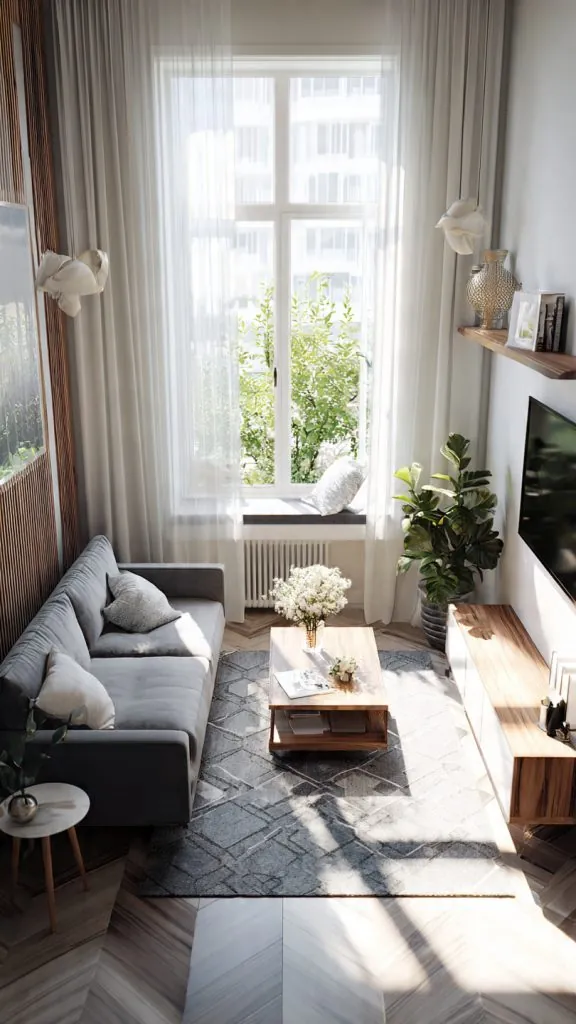
One of the biggest small-space mistakes is pushing all furniture against the walls. Designers often float key pieces—like sofas or chairs—slightly away from the perimeter to create breathing room and improve circulation.
This technique makes the room feel more intentional and less like everything is crammed into the edges.
Why designers use it
- Creates better flow
- Prevents a boxed-in feeling
- Makes the layout feel more refined
Even a few inches of space can make a noticeable difference.
2. Multi-Functional Furniture at the Core
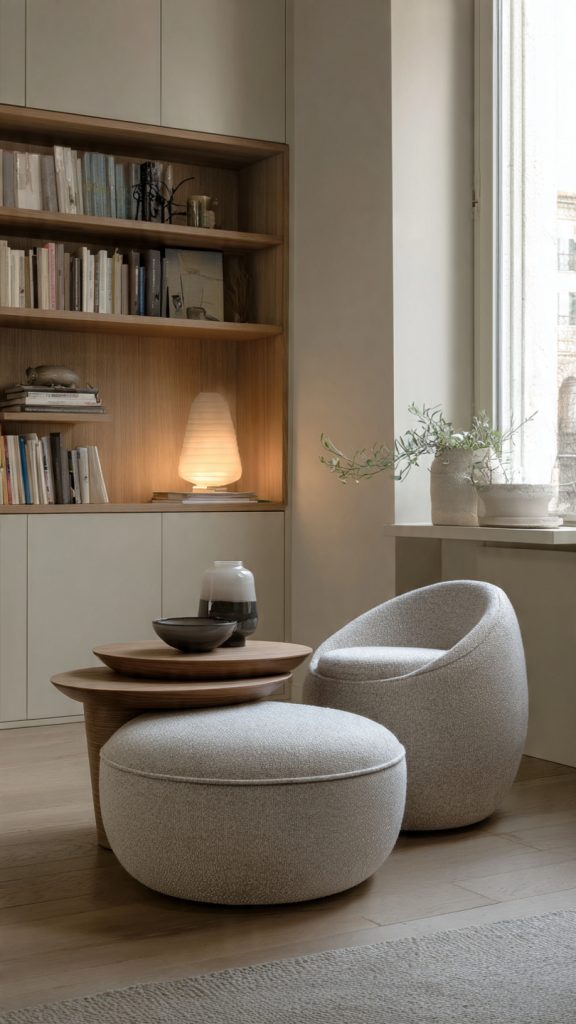
In small spaces, every piece of furniture should earn its place. Designers consistently choose multi-functional items—storage ottomans, nesting tables, sofa beds, or dining tables with hidden storage.
Placing these pieces at the center of the layout maximizes functionality without adding clutter.
Why designers use it
- Reduces the total number of pieces
- Improves storage without sacrificing style
- Keeps the space flexible
The goal is fewer items that do more.
3. Using Area Rugs to Define the Layout
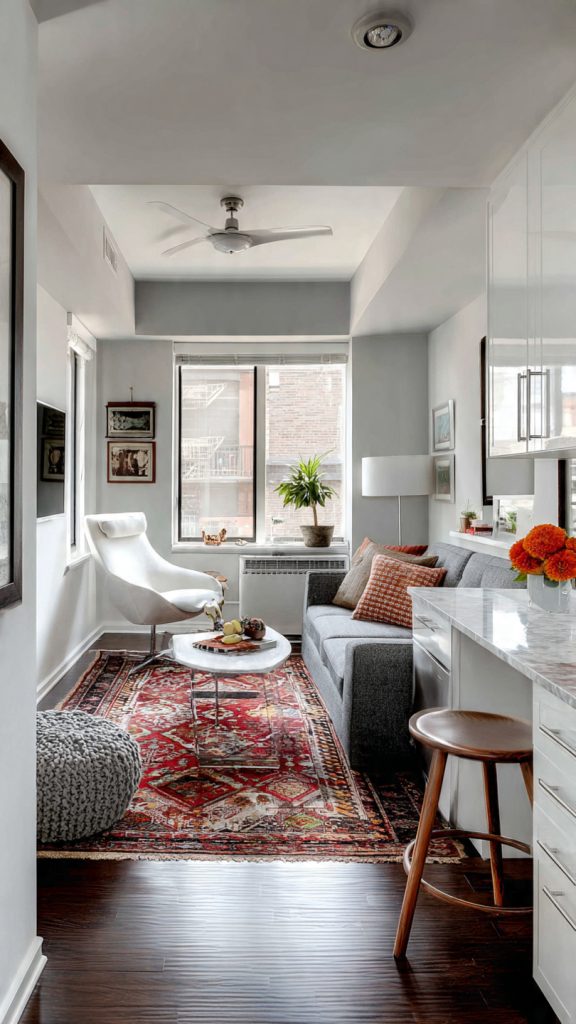
Even in small rooms, area rugs play a critical role. Designers use rugs to anchor furniture groupings and visually define zones, especially in studio apartments or open layouts.
A properly sized rug helps the furniture feel connected and prevents the room from feeling scattered.
Why designers use it
- Creates structure in open spaces
- Adds warmth and texture
- Makes layouts feel intentional
Rugs should be large enough for furniture legs to sit on comfortably.
4. L-Shaped or Corner Seating Layouts
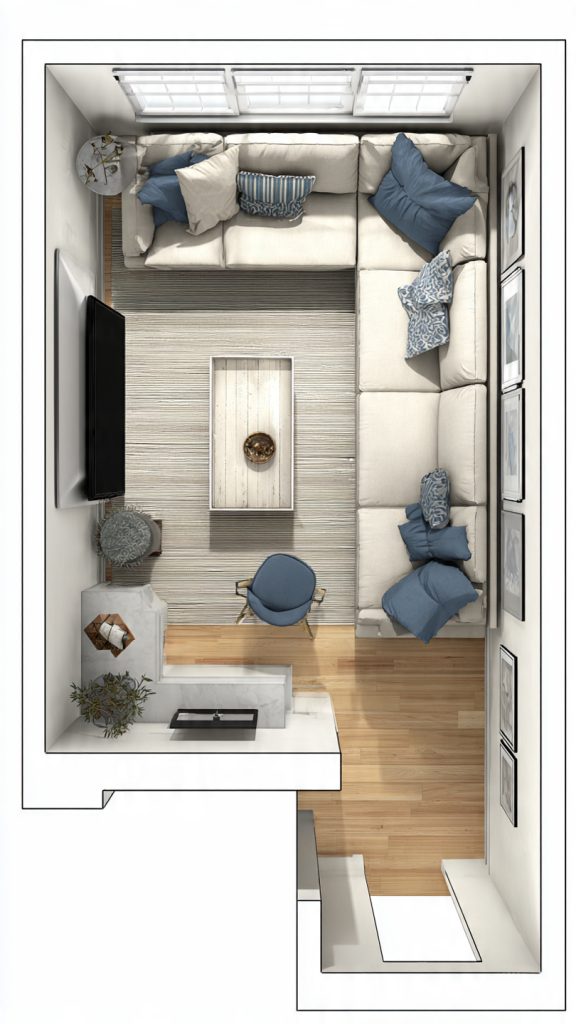
Corner seating—especially L-shaped sofas or banquettes—is a designer favorite for small spaces. By hugging walls and corners, these layouts maximize seating while keeping the center of the room open.
This approach works well in small living rooms, dining nooks, and studio layouts.
Why designers use it
- Maximizes seating efficiency
- Keeps walkways clear
- Creates a cozy, grounded feel
Scale matters—oversized sectionals can overwhelm compact rooms.
5. Vertical Emphasis Instead of Horizontal Spread
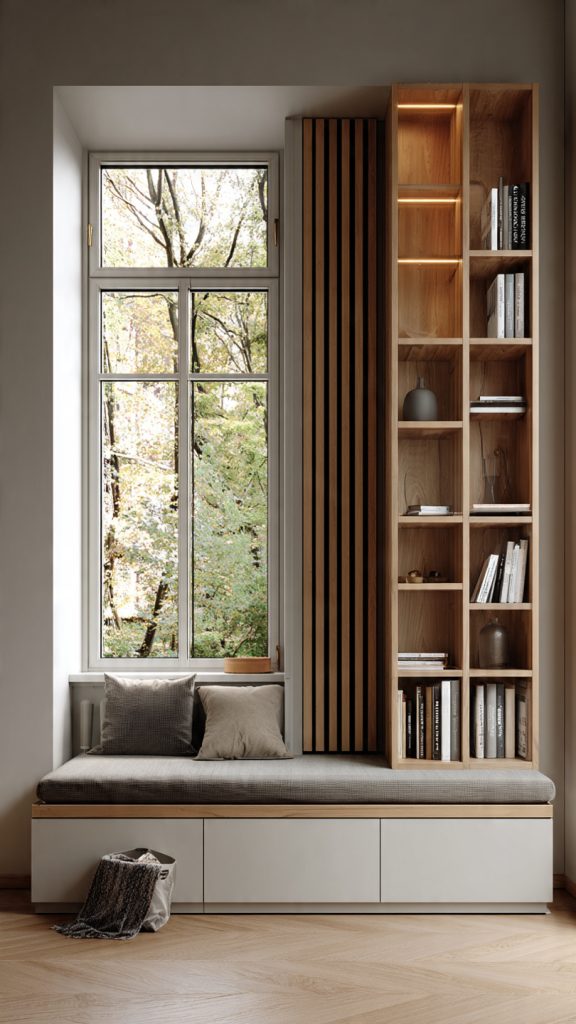
Designers often think vertically when floor space is limited. Tall shelving, wall-mounted storage, and vertical décor draw the eye upward, making the room feel larger.
By keeping furniture footprints compact and using vertical elements, the layout feels lighter and less crowded.
Why designers use it
- Frees up floor space
- Enhances perceived height
- Reduces visual clutter
Wall-mounted pieces are especially effective in very tight spaces.
6. Clear Circulation Paths
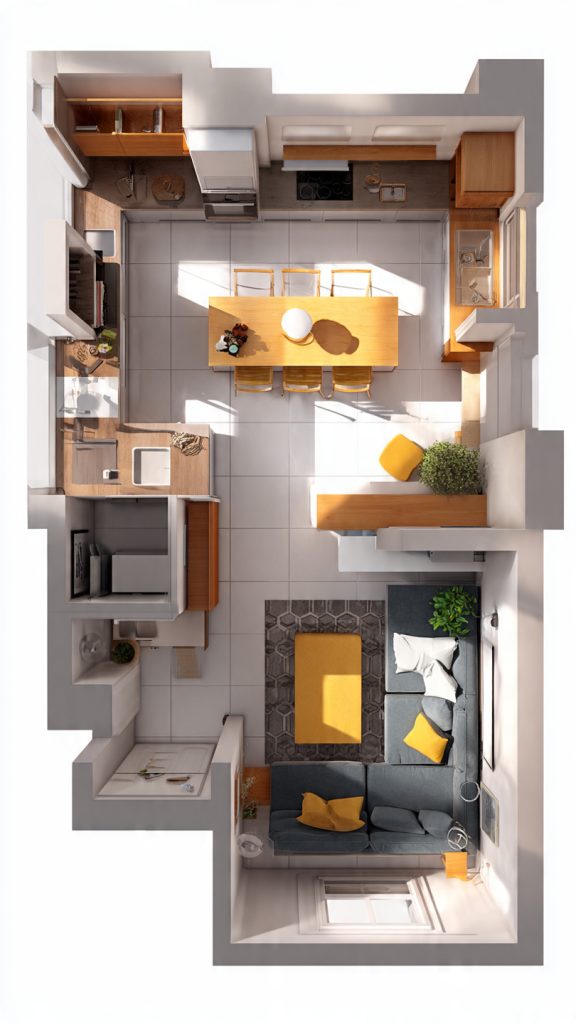
A small space should never feel like an obstacle course. Designers always prioritize clear circulation paths—making sure there’s enough room to move comfortably between key areas.
Furniture is arranged to support natural movement rather than block it.
Why designers use it
- Improves daily functionality
- Prevents cramped layouts
- Makes rooms feel calmer
Clear pathways instantly make a space feel more livable.
7. Scaled-Down Furniture Proportions
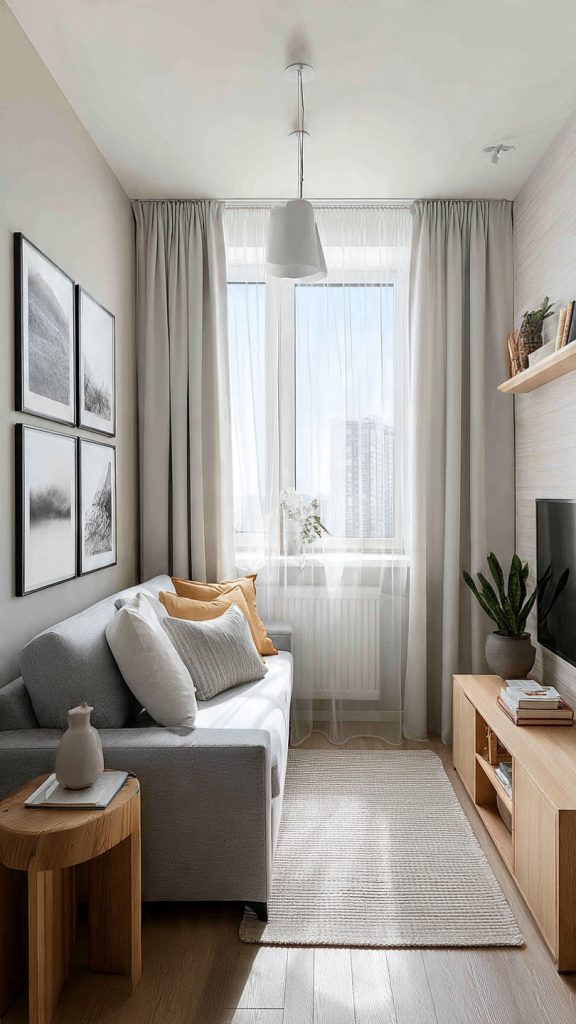
Oversized furniture can overpower a small room. Designers often opt for slimmer sofas, armless chairs, and compact tables with clean lines.
Scaled-down furniture creates balance and keeps the room from feeling heavy.
Why designers use it
- Maintains visual openness
- Improves proportion
- Allows more flexibility
Leggy furniture styles also help maintain an airy look.
8. Symmetry for Visual Calm
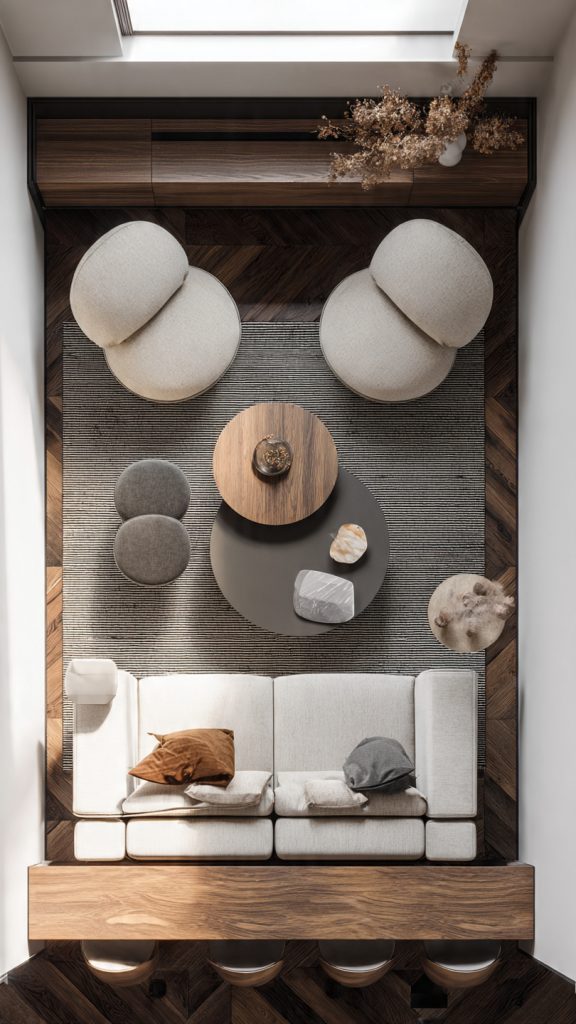
Symmetry brings order to small spaces. Designers frequently use symmetrical layouts—matching chairs, balanced lighting, or evenly spaced furniture—to create a sense of calm and control.
Even subtle symmetry helps a compact room feel organized.
Why designers use it
- Reduces visual chaos
- Creates a polished look
- Makes layouts feel intentional
This technique works especially well in small living rooms and bedrooms.
9. Minimalist Anchor Pieces
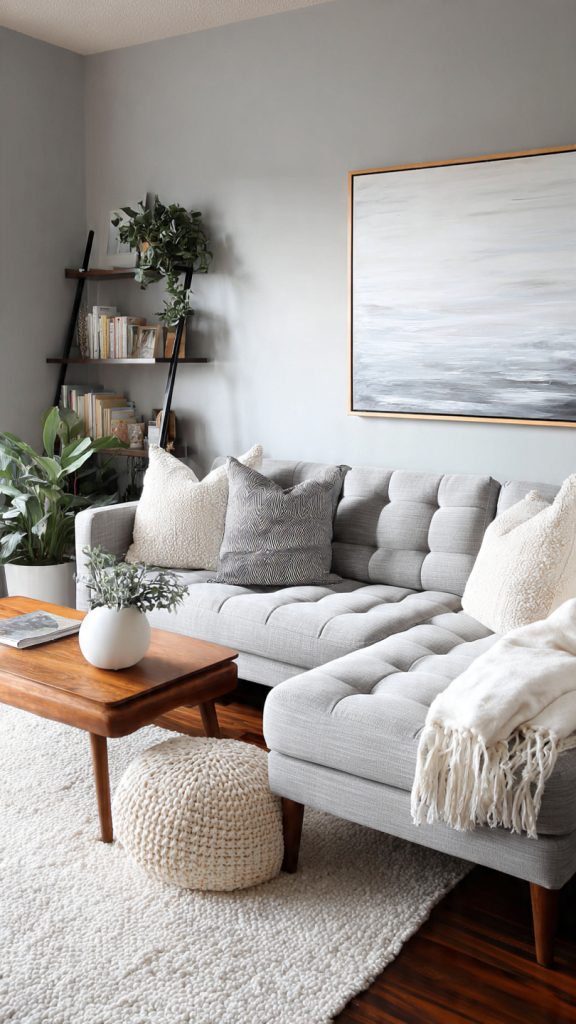
Rather than filling a room with many small items, designers often rely on one or two strong anchor pieces—a well-proportioned sofa, a statement chair, or a compact dining table.
Everything else supports those anchors.
Why designers use it
- Prevents clutter
- Simplifies the layout
- Enhances focus
Less furniture often results in a more functional space.
10. Flexible, Moveable Layouts
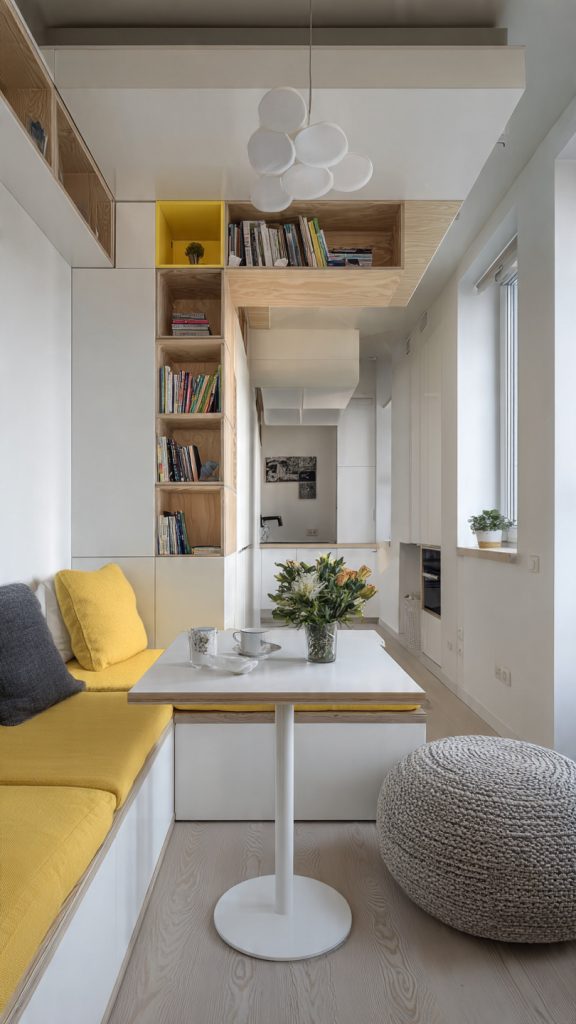
Designers love layouts that adapt. Lightweight chairs, movable stools, nesting tables, and rolling carts allow the space to change depending on the need.
This flexibility is especially valuable in small apartments where rooms serve multiple purposes.
Why designers use it
- Supports multiple functions
- Adapts to daily life
- Keeps spaces versatile
A layout that can shift easily always feels larger.
Final Thoughts
Small spaces don’t need complicated solutions—they need smart ones. Designers rely on these layout ideas because they consistently make rooms feel more open, functional, and intentional.
By focusing on furniture placement, proportion, and flow, even the smallest space can feel comfortable and thoughtfully designed.
If you apply just a few of these designer-approved layout strategies, your small space will feel less cramped—and far more livable.