In a world that feels increasingly fast-paced and chaotic, our homes have become more than just places to eat and sleep—they are our sanctuaries. The trend of “cozy living,” a concept deeply rooted in the Danish philosophy of hygge (pronounced hoo-ga), is about more than just soft blankets and warm lighting. It’s about creating an atmosphere of well-being, comfort, and connection.
Turning a room into a cozy retreat is an art form, not a science. It’s less about adhering to a strict design rulebook and more about curating a space that feels personal, safe, and inviting. It’s the feeling of sinking into a plush armchair with a good book, the warm glow of candlelight on a winter evening, or the simple joy of soft textures under your fingertips. A truly cozy room engages all the senses—sight, touch, sound, and even smell—to create a holistic environment that nurtures your soul.
What Exactly Makes a Room “Cozy”? (The Psychology)
Before we dive into the specific ideas, it helps to understand the psychology behind coziness. Coziness is not just about aesthetics; it is a biological and emotional response to our environment.
The key psychological elements of coziness are:
- Enclosure and Safety: Humans have an innate desire for protective, sheltered spaces. This is why deep-colored walls, canopied beds, and rooms with lower ceilings often feel cozier than vast, open-plan spaces. We feel safe when we are “cocooned.”
- Sensory Engagement: A cozy room stimulates multiple senses at once. It feels soft (tactile), smells warm (olfactory), looks dim and golden (visual), and sounds quiet or gently rhythmic (auditory). When all senses are engaged positively, your brain releases oxytocin—the “bonding and relaxation” hormone.
- Nostalgia and Personalization: Cozy spaces often contain personal items—family photos, well-loved books, a grandmother’s quilt. These objects tell a story and ground us, providing a sense of continuity and belonging that is deeply comforting.
- Warmth (Literal and Figurative): Physically, our body temperature drops when we are stressed. Warming the environment (through fire, warm lighting, or heavy textiles) signals to our nervous system that it is safe to relax.
Understanding these principles helps you realize that true coziness goes beyond buying a few pillows. It is about curating an environment that speaks to your soul.
Whether you’re looking to overhaul a living room, make your bedroom a more peaceful place, or carve out a cozy nook in a corner, these 14 ideas will help you craft a space that feels like a warm embrace the moment you walk in.
14 Cozy Room Ideas
1. Layer Your Lighting
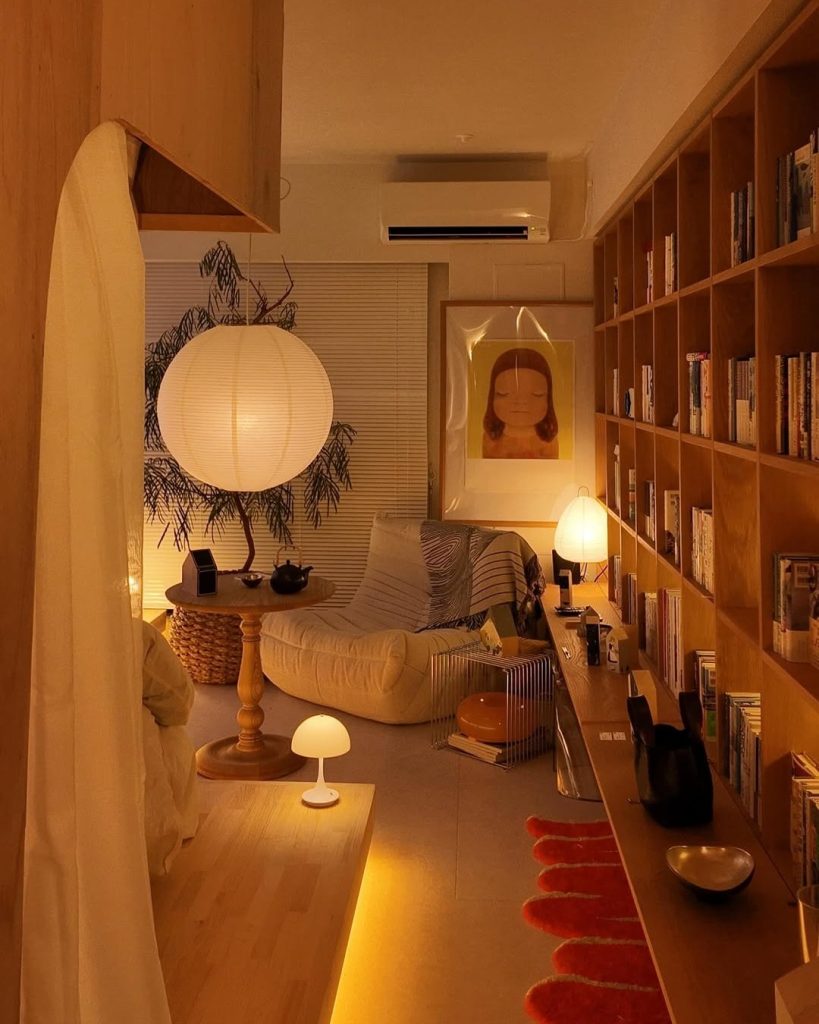
Harsh, single-source overhead lighting is the enemy of coziness. The secret to a warm and inviting room is layered lighting.
- How to do it: Incorporate three types of lighting: ambient (general, soft lighting like dimmable overheads or floor lamps), task (focused light for reading, like a swing-arm lamp), and accent (decorative lighting that highlights features or creates atmosphere). Use dimmer switches and strategically place lamps to create pockets of soft, warm light.
2. Create a Textural Wonderland
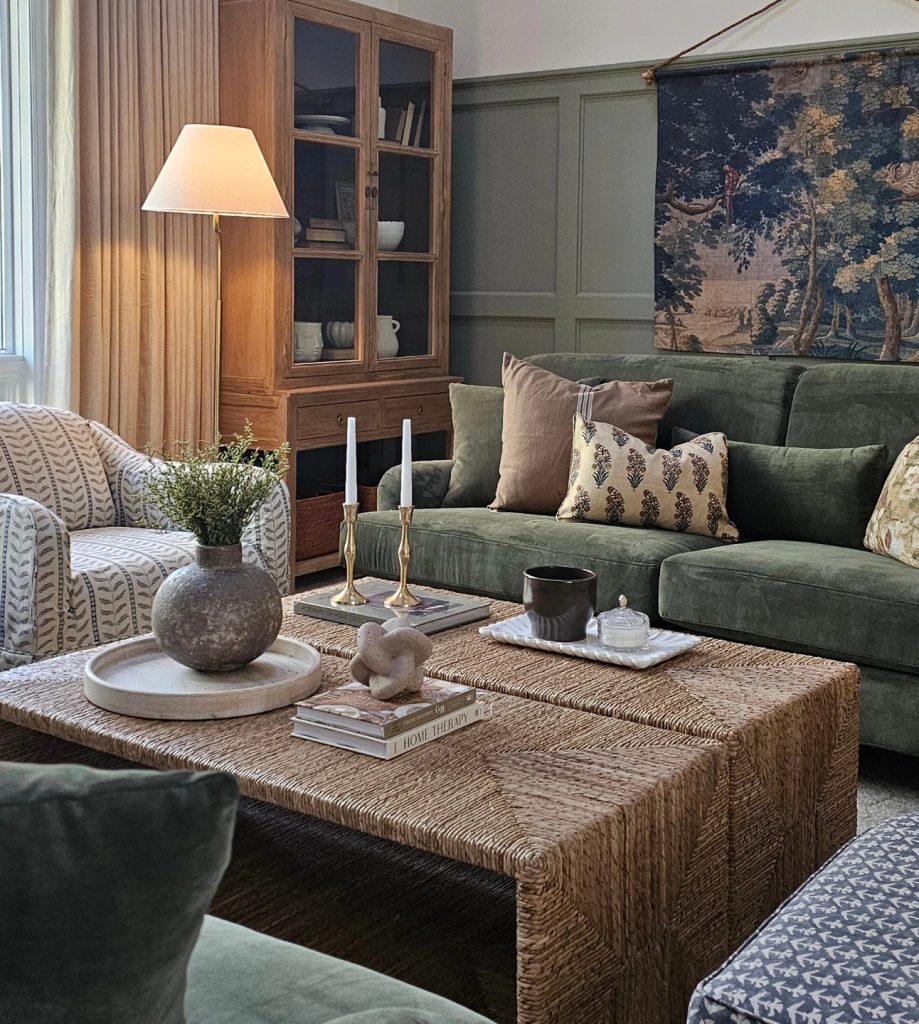
Cozy spaces are tactile. Smooth, hard surfaces can feel cold, so it’s essential to incorporate a variety of textures that invite touch.
- How to do it: Mix and match materials like chunky knits, smooth velvet, nubby wool, soft faux fur, and smooth linen. Think a chunky cable-knit throw draped over a velvet sofa, or a wool rug layered over a jute base. The interplay of these textures adds depth and visual warmth.
3. The Art of the Plush Rug
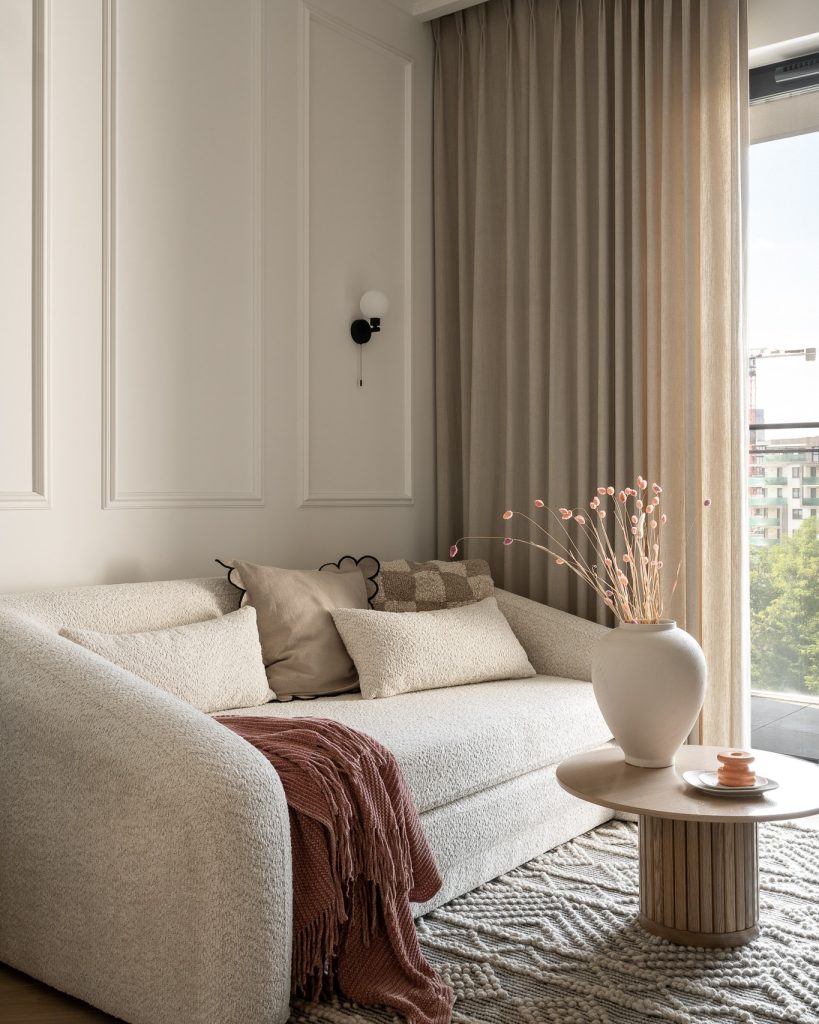
Hardwood or tile floors, while beautiful, can make a room feel echoey and cold. A soft rug underfoot is a fundamental step to instant coziness.
- How to do it: Choose a rug that is large enough to anchor your main furniture grouping. A high-pile or shag rug will feel luxurious, but a flat-woven wool rug can also add warmth. For the ultimate cozy factor, layer a smaller sheepskin or faux fur rug on top of a larger natural-fiber rug.
4. Warm Up Your Walls
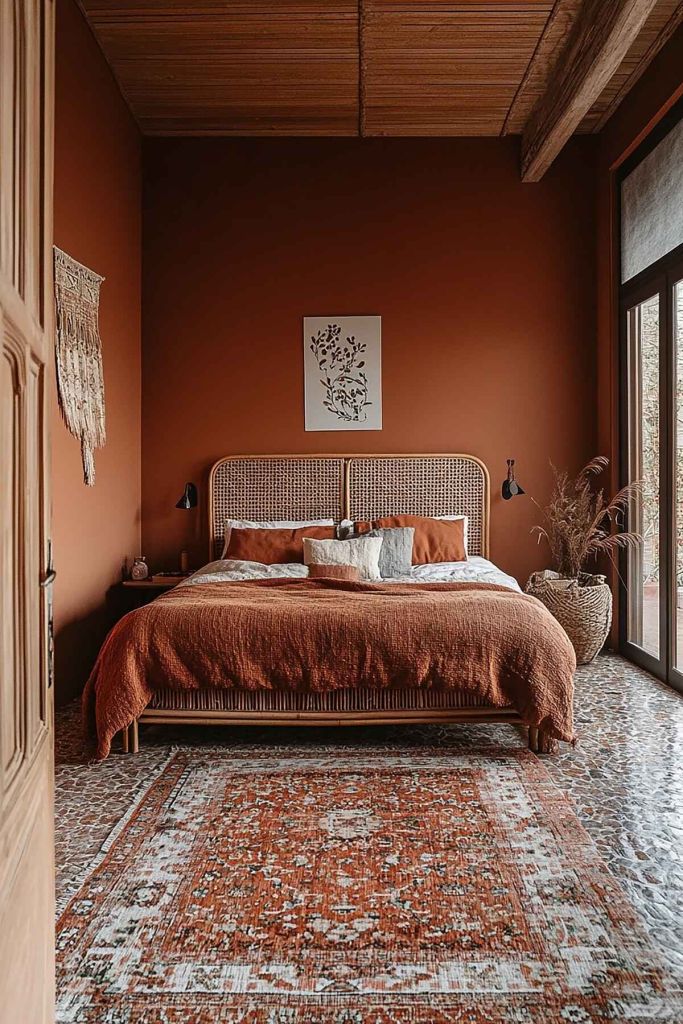
Bare, stark white walls can feel clinical. Introducing color and texture to your walls can completely change the mood of a room.
- How to do it: Paint is an obvious choice, but consider a warm, earthy tone like a soft terracotta, warm beige, or olive green. For maximum texture, explore wallpaper with a grasscloth finish, beadboard wainscoting, or even peel-and-stick wallpaper with a subtle pattern. A large piece of macramé or a woven tapestry can also act as a textural focal point.
5. Embrace the Power of a Reading Nook

Even the smallest corner can be transformed into a coveted cozy spot if you dedicate it to relaxation.
- How to do it: Find an unused corner, alcove, or even a large closet. Add a comfortable armchair or a chaise lounge. Place a small side table for your mug and a stack of books. Ensure there is a dedicated light source, like a floor lamp or sconce, and finish with a soft throw pillow and a blanket.
6. Curate a Natural Indoor Oasis
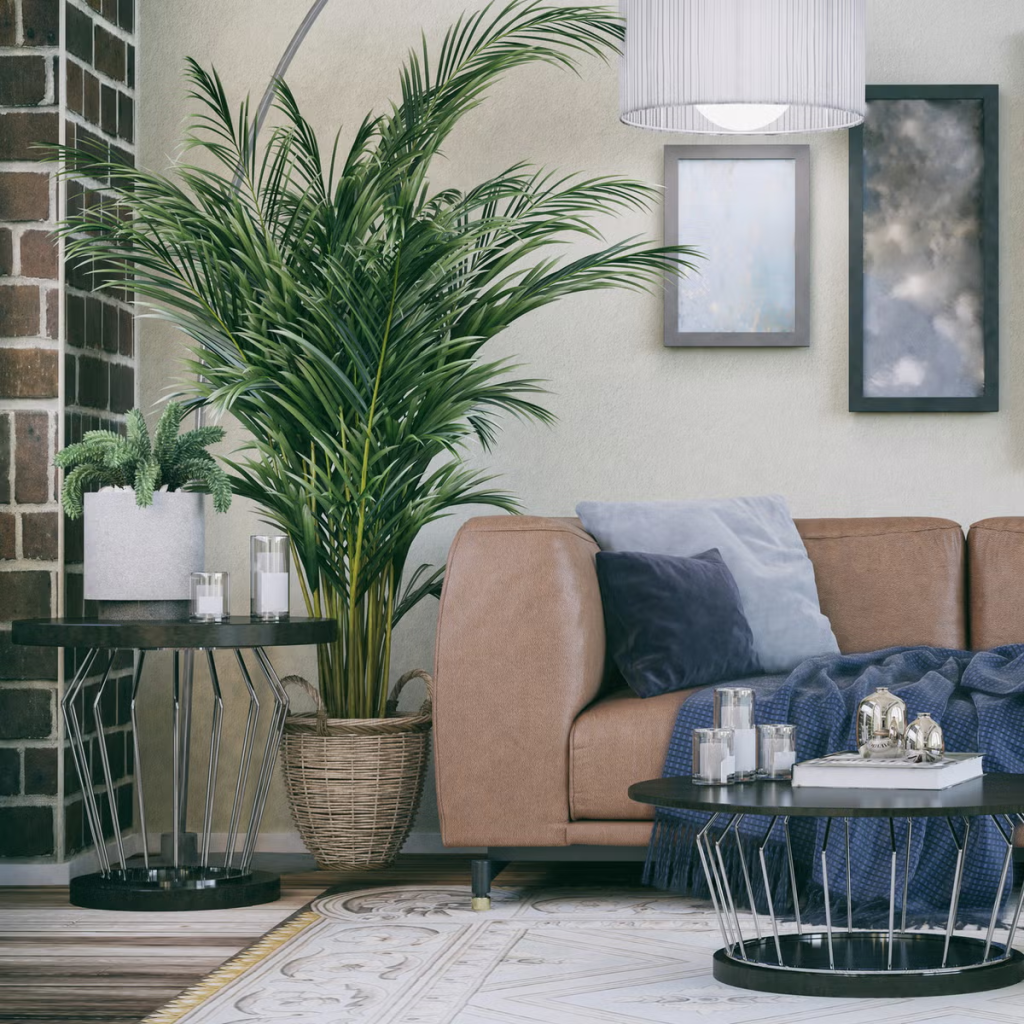
Bringing the outdoors in is a surefire way to make a space feel alive and grounded.
- How to do it: Incorporate plenty of houseplants. The greenery adds life, color, and a sense of calm. Don’t just stop at plants; use natural elements like a bowl of pinecones, driftwood, stones, or a vase of dried eucalyptus. These organic elements add an earthy, calming presence that is inherently cozy.
7. Optimize Your Windows for Warmth
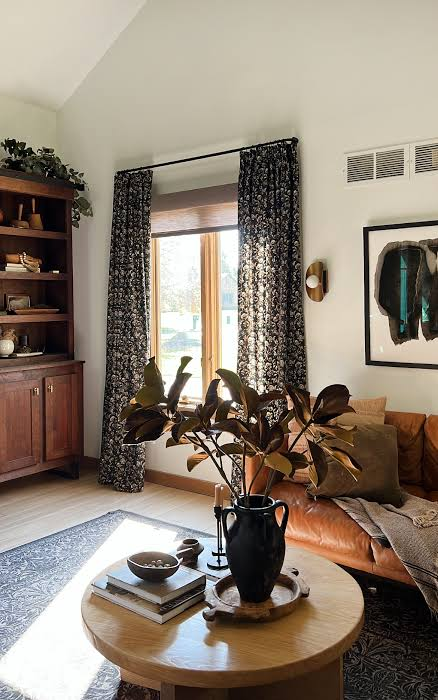
Windows are a source of light but can also be a source of drafts and a cold feeling at night. Proper window treatments are essential for a cozy room.
- How to do it: Layer your window treatments. Start with blackout or thermal curtains for insulation and to block outside light for a more restful sleep. Then, layer them with sheer curtains or bamboo blinds to provide privacy while still allowing soft, diffused natural light to filter in during the day.
8. Scent is a Silent Atmosphere-Changer
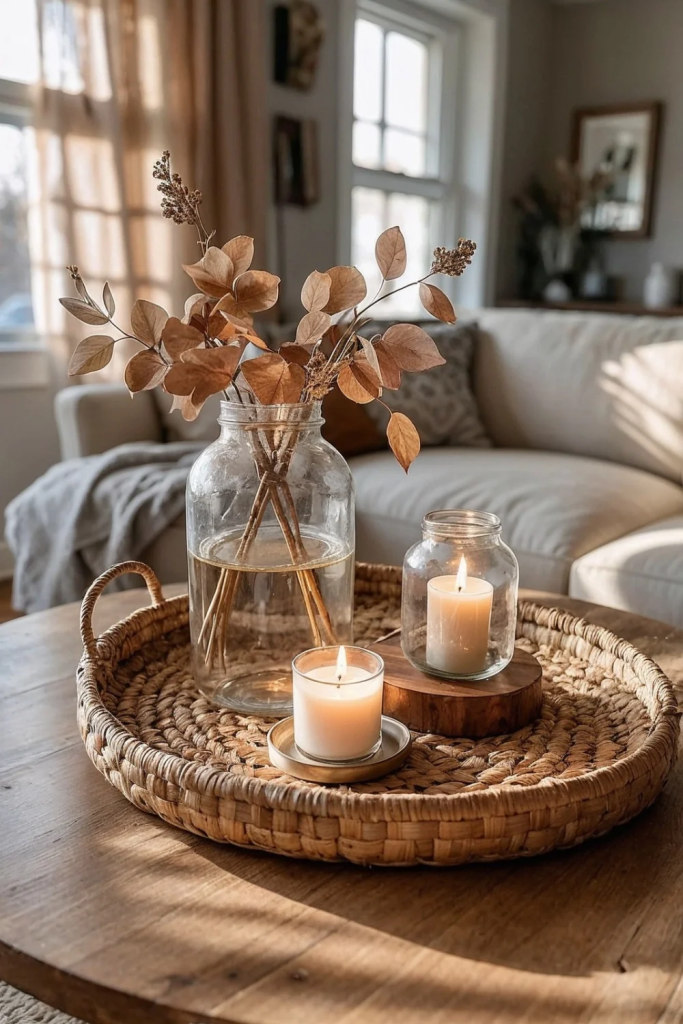
Cozy is a feeling, and scent is one of the most powerful triggers for memory and emotion.
- How to do it: Introduce comforting scents through soy wax candles with notes of vanilla, sandalwood, or cinnamon. Use a reed diffuser with a fresh, clean scent like lavender or bergamot. For a more mindful approach, try an essential oil diffuser with a calming blend like cedarwood and orange to create a custom, soothing atmosphere.
9. A Personal Gallery Wall
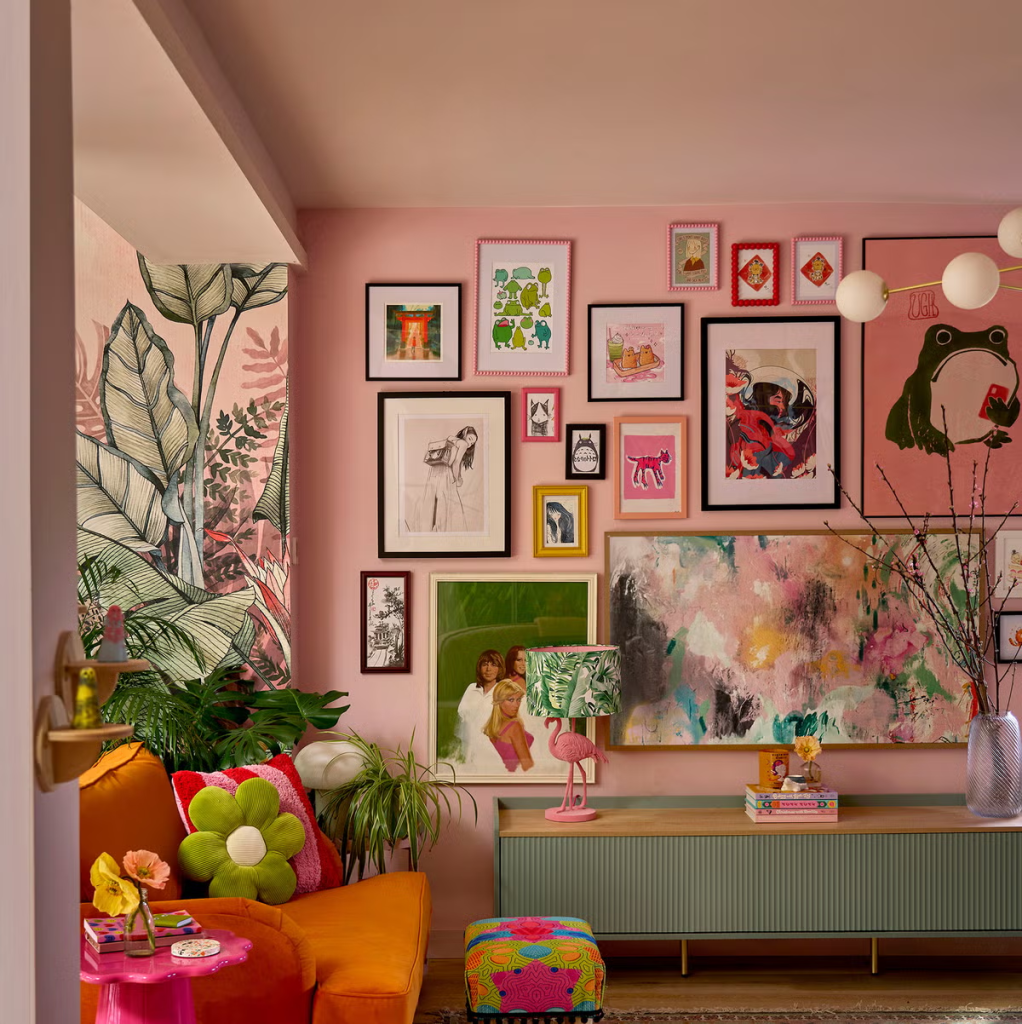
A gallery wall makes a room feel personal, lived-in, and full of stories—a key element of coziness.
- How to do it: Don’t just stick to a perfectly symmetrical grid. Mix and match frames of different sizes, materials, and styles. Include a variety of items: personal photographs, art prints, pressed flowers, postcards, and small mementos. The “messy” and personal curation is what makes it charming.
10. Candle Clusters for Instant Ambiance

Few things evoke a sense of cozy more than the flickering light of a candle.
- How to do it: Think in groups. Cluster pillar candles of varying heights on a tray for a centerpiece, or line the mantlepiece with a row of votives. Scented candles add olfactory warmth, but unscented ones are perfect for adding that soft, magical glow without overwhelming the senses.
11. The Fluffy Throw Blanket Strategy
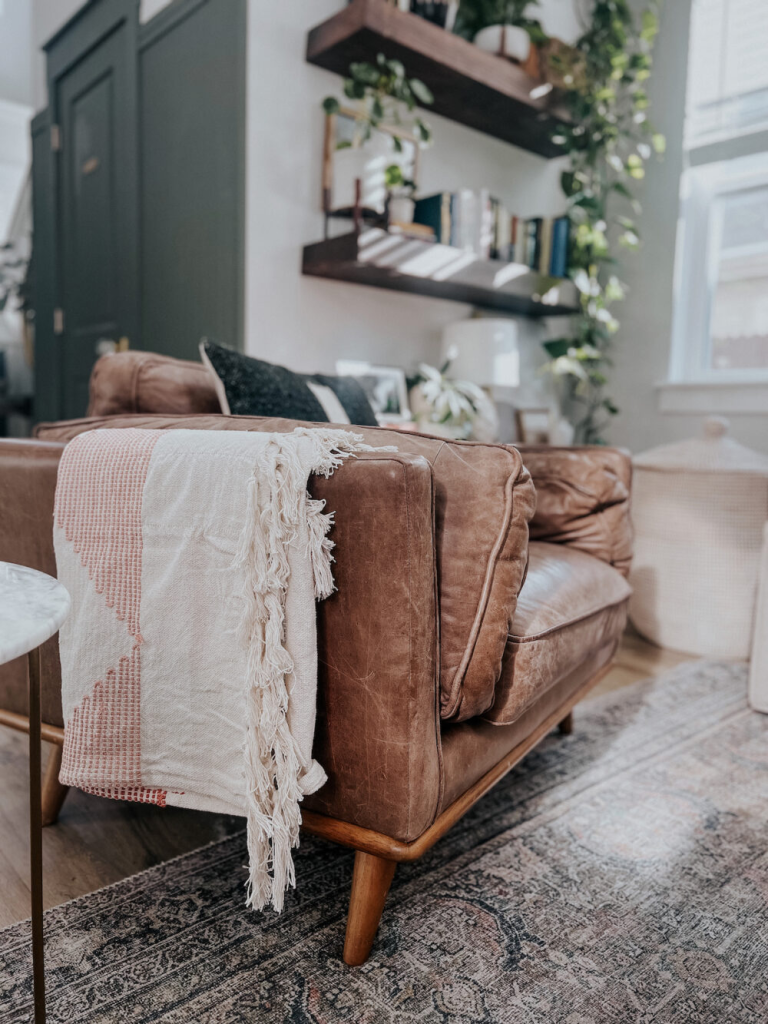
Every piece of seating in a cozy room should be inviting, and a throw blanket is the easiest way to achieve that.
- How to do it: Keep a soft throw blanket draped over the back of every sofa and armchair. This signals to guests (and yourself) that you are welcome to curl up. Don’t fold them perfectly; the slightly “undone” look makes the room feel more relaxed and lived-in.
12. Introduce a Crackling Soundscape

Sound is a crucial, often overlooked, element of a cozy atmosphere. Silence can sometimes feel stark, but gentle background noise can soothe the soul.
- How to do it: If you have a fireplace, use it! For those without, technology is your friend. You can find 8-10 hour videos of crackling fireplaces with rain sounds or gentle jazz on YouTube. A small water fountain or a vinyl record player playing soft, acoustic music also provides a wonderful auditory backdrop.
13. Opt for Deep, Comforting Colors
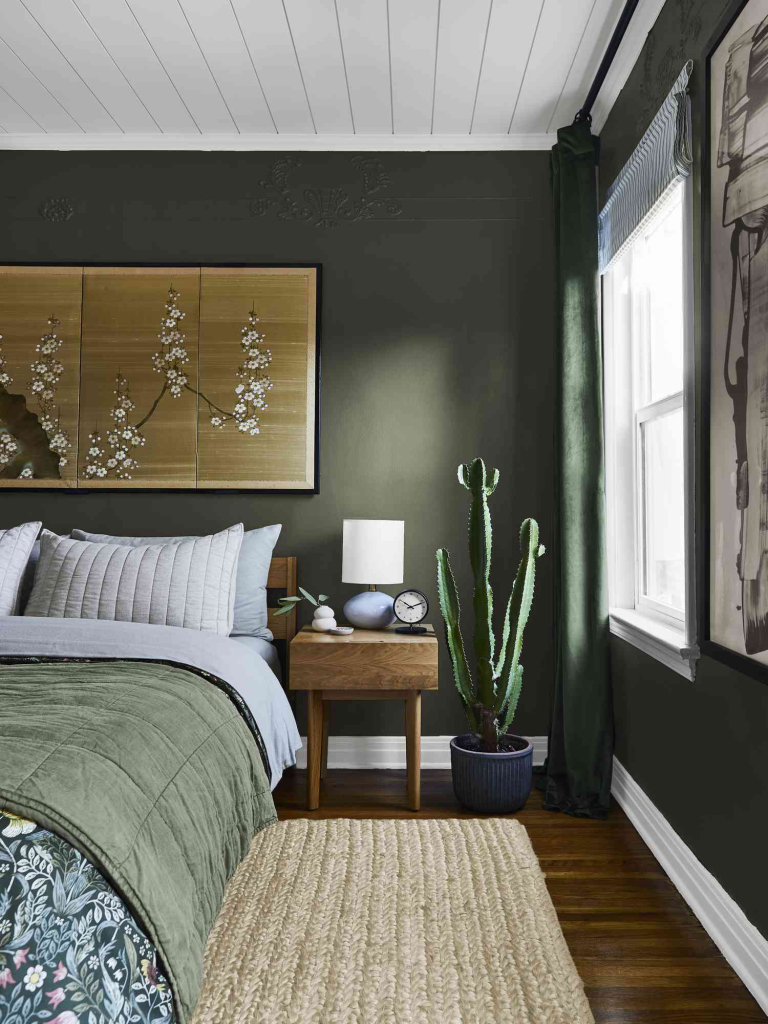
While light and airy is nice, deep, saturated colors are the ultimate in “cocooning.”
- How to do it: Don’t be afraid of the dark side. Paint an accent wall in a rich charcoal, deep forest green, or navy blue. These colors make the walls feel like they are enclosing the space, creating a safe, cave-like feeling that is incredibly cozy. Balance it with warm wood tones and lighter textiles.
14. The Golden Rule: Keep it Clutter-Free

Cozy does not mean messy. A chaotic space filled with clutter creates a feeling of anxiety, not relaxation.
- How to do it: Effective storage is the unsung hero of coziness. Use woven baskets, stylish storage ottomans, and closed cabinets to hide the visual noise. A curated, tidy space where every item has a purpose or a sentimental value is far more calming than a packed, dusty room. Minimalism with a heart.
Frequently Asked Questions (FAQ)
Q1: What is the best color for a cozy room?
Deep, earthy tones like charcoal gray, olive green, terracotta, navy blue, and warm beige are the best for creating a “cocooning” effect. However, any color can be cozy if it is used in a matte finish and paired with warm lighting and soft textures.
Q2: How do I make a small room feel cozy without making it feel smaller?
Use a single, large piece of art rather than many small ones to avoid visual clutter. Stick to a monochromatic color palette (different shades of the same color) to unify the space. Use mirrors strategically to reflect light, and ensure your furniture has legs so you can see the floor underneath, which tricks the eye into seeing more space.
Q3: How do I make a room cozy for summer without overheating?
Swap heavy wool throws for lighter linens and cottons. Switch from deep, dark colors to lighter earthy tones like sand, sage green, or sky blue. Use sheer white curtains to keep light soft but airy. Instead of a fireplace, use a ceiling fan on a low setting to create a gentle breeze, and use fresh, cool scents like mint or eucalyptus instead of warm vanilla.
Q4: Can a modern/minimalist room be cozy?
Absolutely. Minimalism and coziness are not opposites. The key is to focus on warm minimalism. Use natural wood tones, textured linen, warm off-white paints (rather than stark white), and a few carefully chosen, meaningful decor items. The lack of clutter itself is calming.
Q5: What is the single cheapest way to make a room cozier?
Changing your lighting by switching to warm bulbs or using lamps instead of overhead lights. It costs almost nothing but completely transforms the mood of a space instantly.
Conclusion
Creating a cozy room is a journey, not a destination. It’s about listening to your own needs and nurturing a space that reflects your personality and provides a sense of peace. You don’t need to implement every single idea on this list. Often, it’s the smallest, most personal touches—a family photo, a worn book, a favorite mug—that make the biggest difference. Begin with one or two changes that resonate with you and let your space evolve. At its heart, a cozy room is less about decor and more about how it makes you feel: secure, warm, and completely at home. So, dim the lights, grab your softest blanket, and start creating the sanctuary you deserve.
