In a world dominated by sleek minimalism and mass-produced furniture, the allure of a vintage room is undeniable. It’s more than just a design trend; it’s a storytelling medium. Vintage style brings warmth, character, and a sense of history into a space, creating an environment that feels curated over time rather than assembled in an afternoon.
But designing a vintage room isn’t about simply filling your space with old items. It’s about curating a collection of pieces that speak to a specific era while remaining functional for modern life. Whether you are drawn to the opulence of the Victorian era, the geometric shapes of Art Deco, or the rustic charm of mid-century Americana, incorporating vintage elements can transform your room into a cozy, nostalgic sanctuary.
Why Vintage Works: The Psychology of Nostalgia in Design
Before diving into the practical ideas, it is worth understanding why vintage decor resonates so deeply with us. Vintage spaces trigger a psychological effect known as “reminiscence bump”—the tendency for adults to recall memories from their youth more vividly. Even if you didn’t grow up in the 1950s or 1970s, vintage design connects us to collective cultural memories, offering comfort and stability in a fast-paced digital world. Furthermore, vintage decor is inherently sustainable; by reusing and repurposing old items, you are reducing waste and giving beautiful objects a second life, which adds a layer of ethical satisfaction to your design choices.
room into a cozy, nostalgic sanctuary. Here are 13 well-structured ideas to help you master the art of vintage decorating.
The 13 Ideas
1. Start with a Statement Wall (Wallpaper)
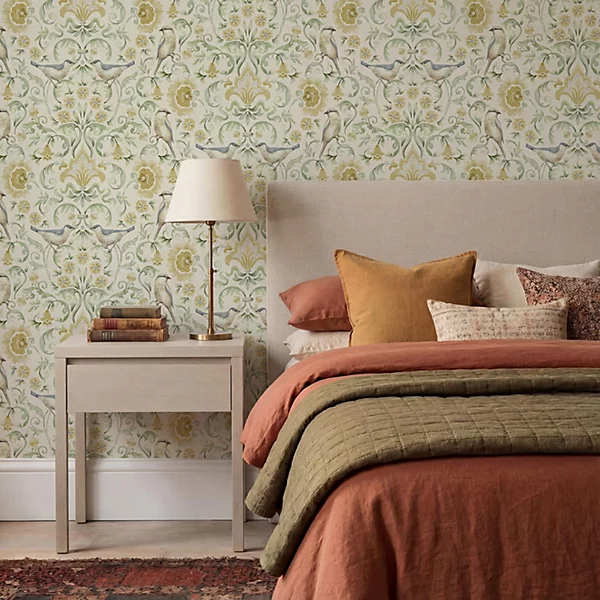
Nothing sets the vintage tone quite like wallpaper. To achieve an authentic look, steer clear of modern digital prints and opt for classic patterns like damask, floral chintz, or bold toile. For a 1970s bohemian vibe, consider a peel-and-stick paper with a large-scale geometric or tropical pattern.
- Pro Tip: If covering an entire room feels too bold, use wallpaper on a single “feature” wall or line the back of a built-in bookcase for a subtle nod to the past.
2. Scout for Solid Wood Furniture
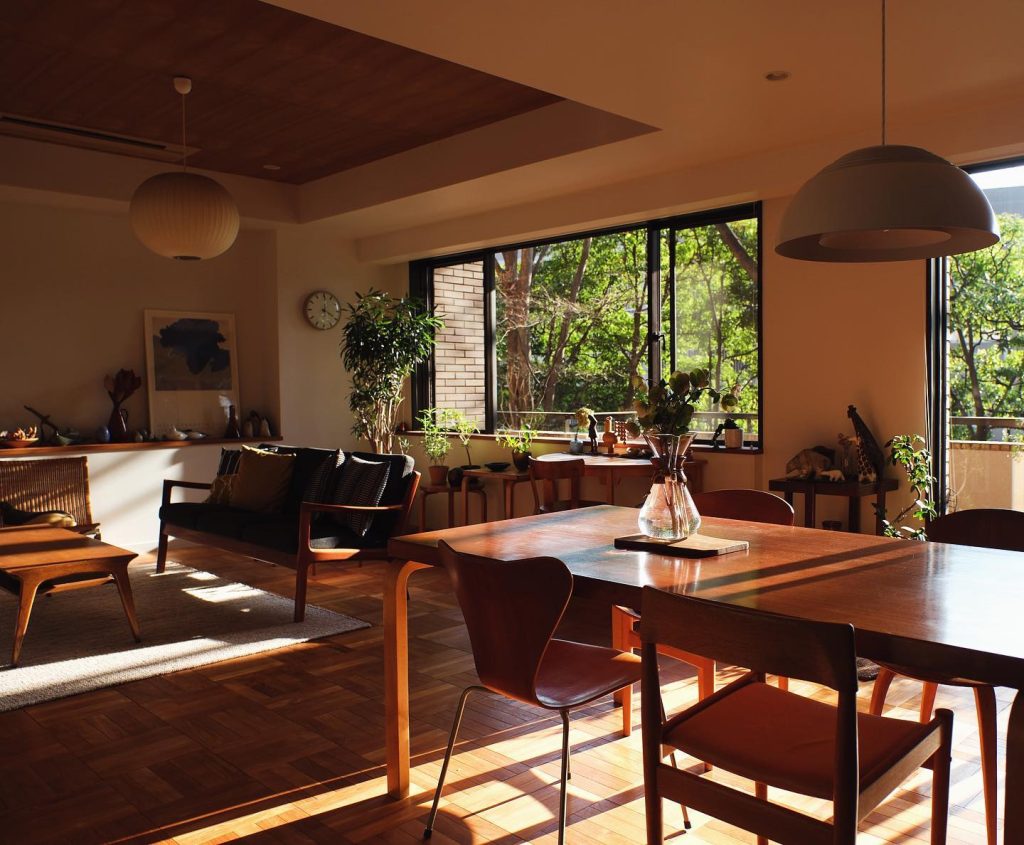
Mass-produced particleboard furniture lacks the soul of a vintage piece. Look for solid wood furniture like a sturdy oak dresser, a walnut sideboard, or a mahogany vanity. The patina—the scratches, dents, and fading—is a feature, not a flaw, as it tells the story of the piece’s life.
- Where to Look: Estate sales, local flea markets, and online marketplaces like Facebook Marketplace are goldmines for affordable vintage wood.
3. Master the “Lived-In” Look with Textiles
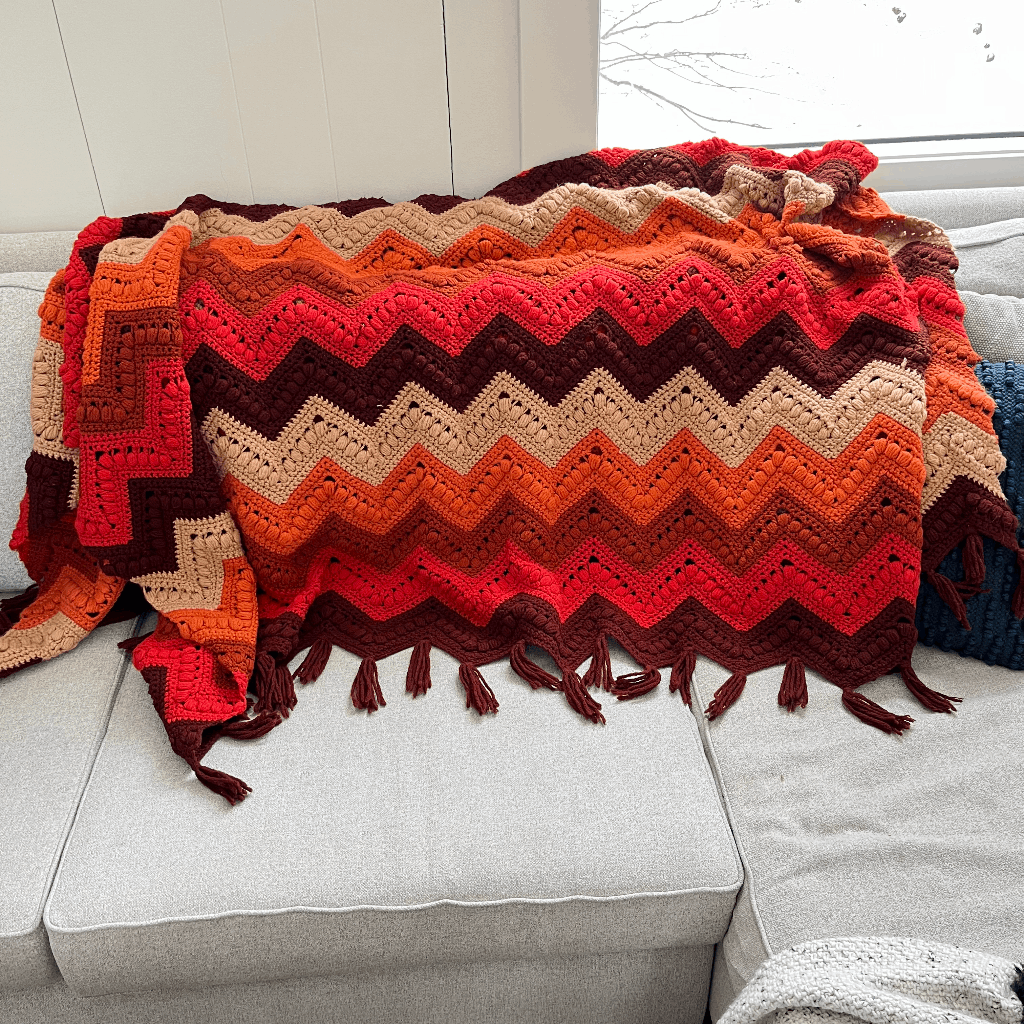
Vintage rooms should feel inviting, not like a museum. Incorporate textiles that soften the edges of a room. Think crocheted afghans draped over a sofa, a patchwork quilt at the foot of the bed, and velvet or chenille throw pillows. An antique Persian or Turkish rug with worn edges adds instant warmth and color.
4. Illuminate with Warm, Ambient Lighting
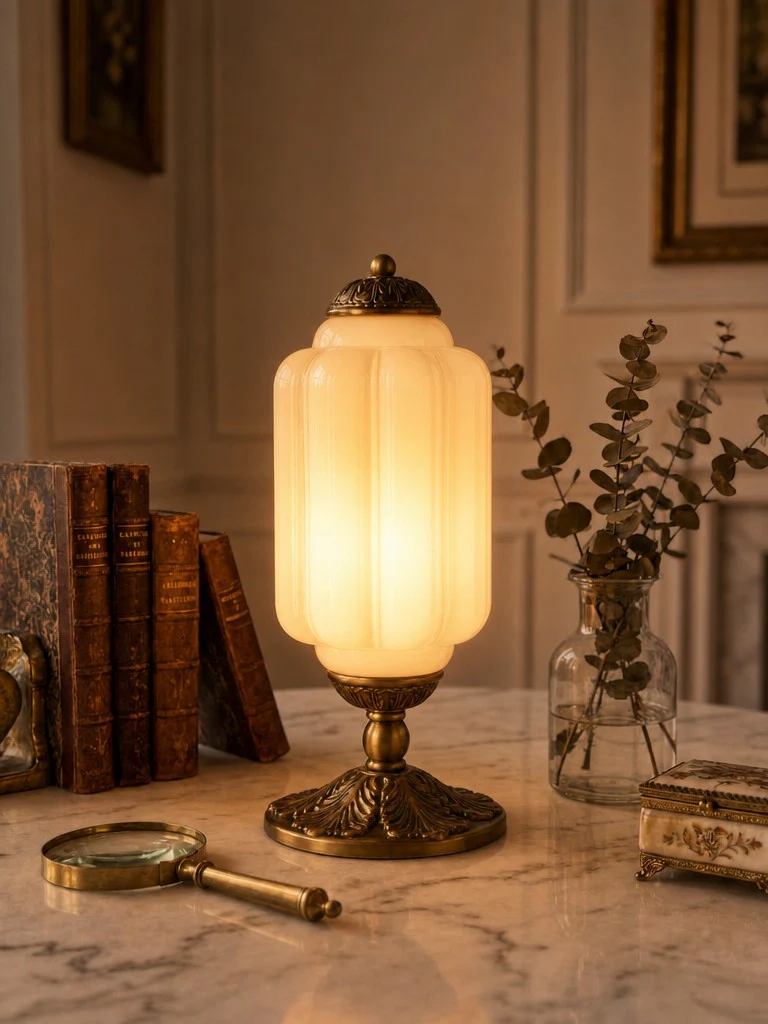
Harsh overhead lighting is the enemy of vintage ambiance. Instead, rely on table lamps with fabric shades, brass floor lamps, or a glittering crystal chandelier. The goal is a warm, golden glow. Look for lamps with milk glass shades, hobnail glass, or brass bases to enhance the retro feel.
5. Create a Gallery Wall of Vintage Art
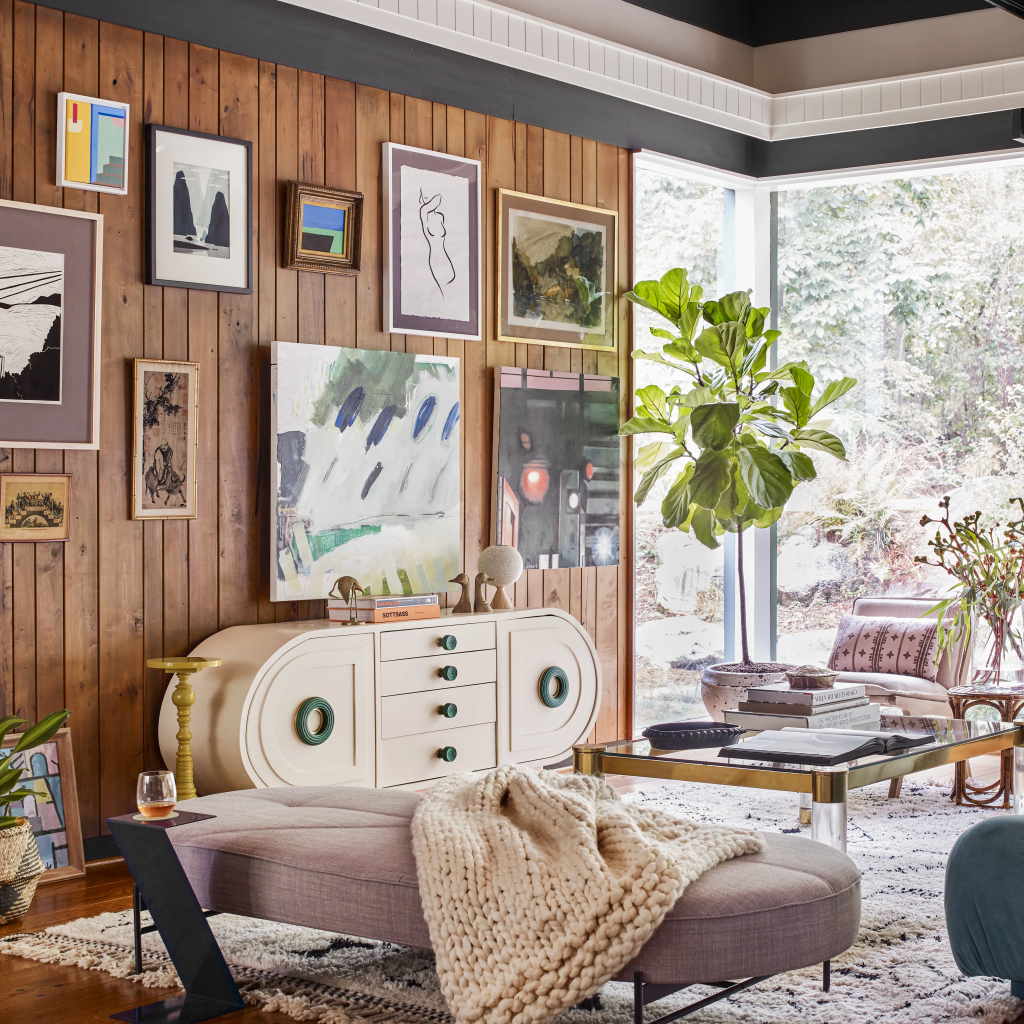
Forget identical frames. A quintessential vintage look involves a salon-style gallery wall. Mix different frame styles—gilded gold, dark wood, and simple black—and fill them with diverse items: pressed flowers, antique maps, sepia-toned family photos, or botanical prints.
- Pro Tip: Arrange the frames on the floor first to plan your layout before hammering any nails into the wall.
6. Incorporate Retro Technology (Even if Non-Functional)
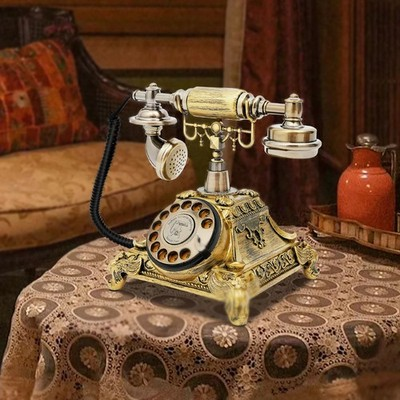
Technology from past decades makes for incredible decor. A vintage rotary phone, a mid-century radio, or a classic record player adds an instant hit of nostalgia. If you find a vintage radio that doesn’t work, simply display it on a shelf. If it does work, even better—use it to play old jazz records for a full sensory experience.
7. Invest in a Statement Mirror
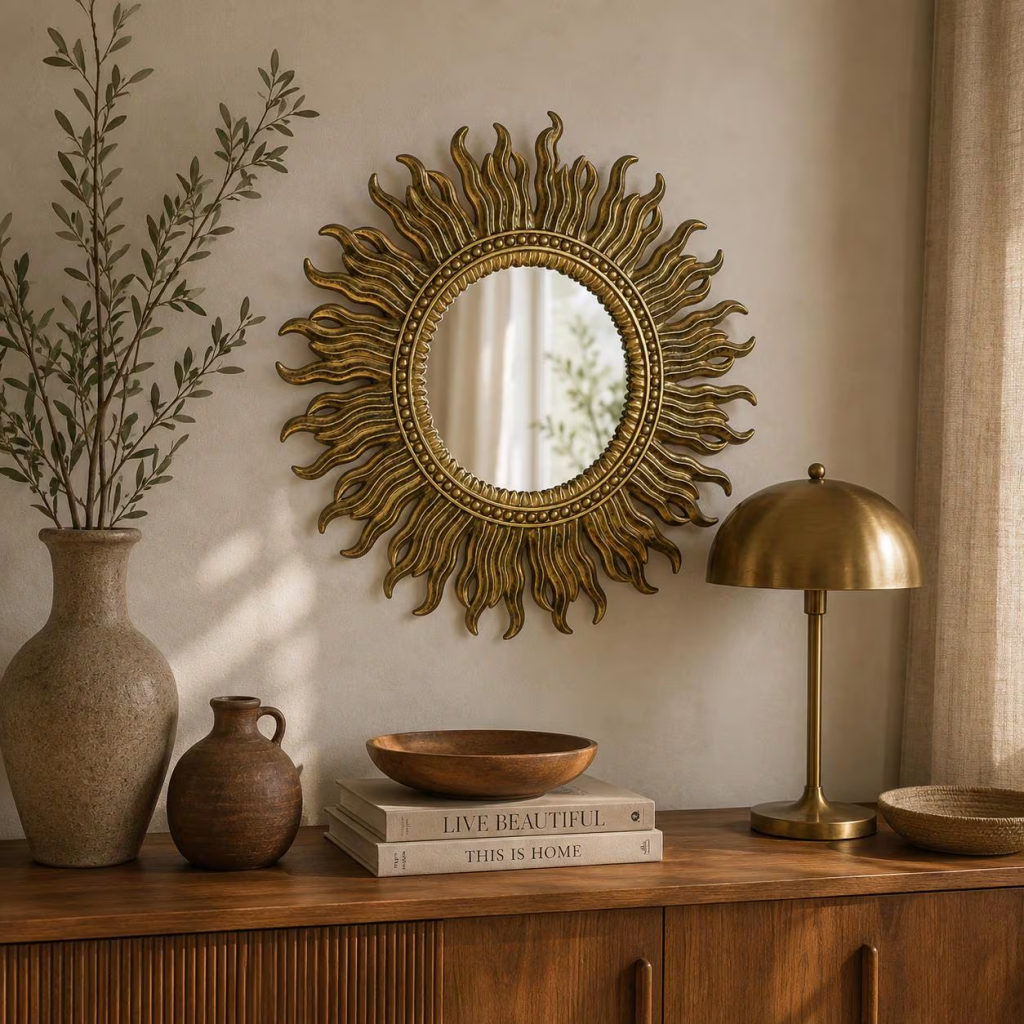
Mirrors were a hallmark of vintage decor, used to reflect light and expand small spaces. Look for an ornate, gilded sunburst mirror, a mid-century starburst clock, or a framed, leaning floor mirror with a distressed finish. A large mirror placed opposite a window will double the natural light in your vintage room.
8. Mix and Match Dinnerware for Display
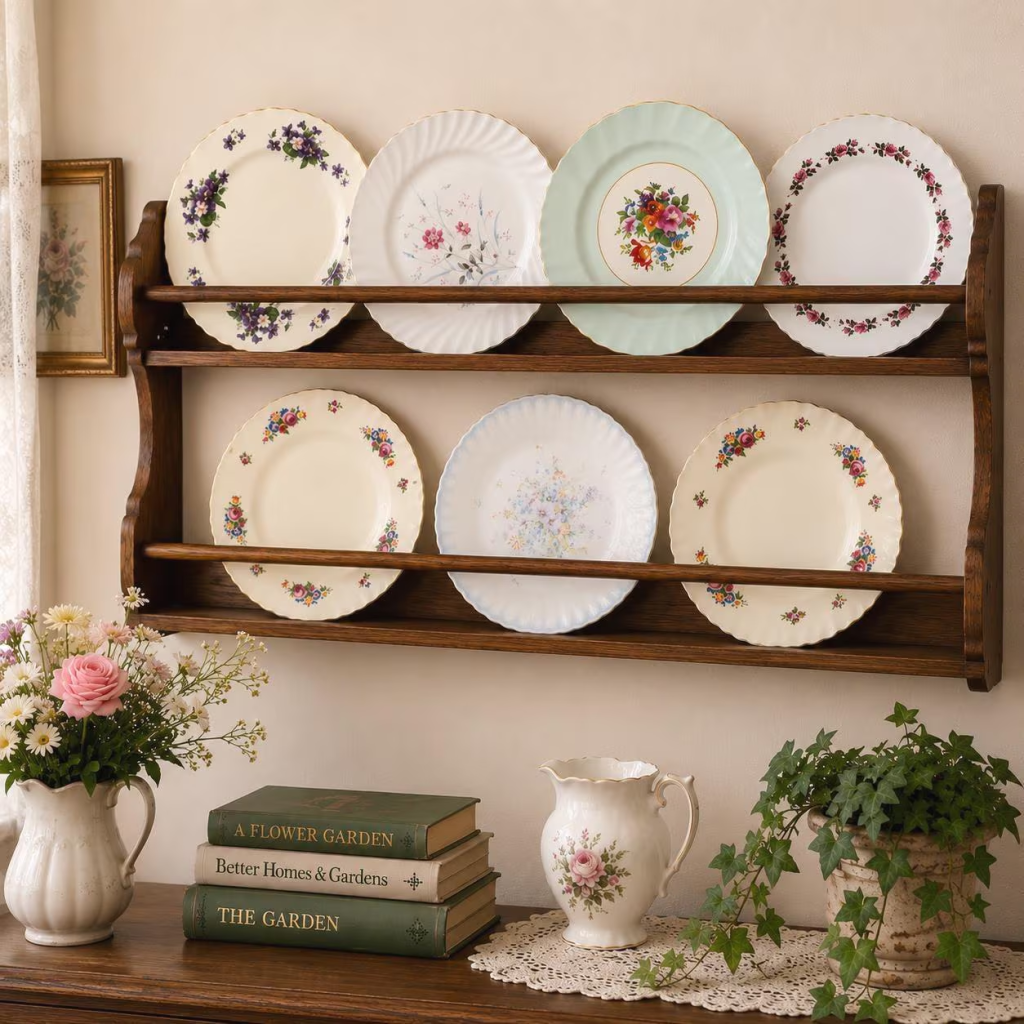
Don’t hide your grandmother’s china in a cabinet behind closed doors. Display your vintage dinnerware. You can stack mismatched floral plates on a credenza, hang decorative platters on the wall, or arrange a collection of vintage teacups on a shelf. The mismatched, collected-over-time look is crucial for a genuine vintage aesthetic.
9. Repurpose Vintage Finds for New Uses
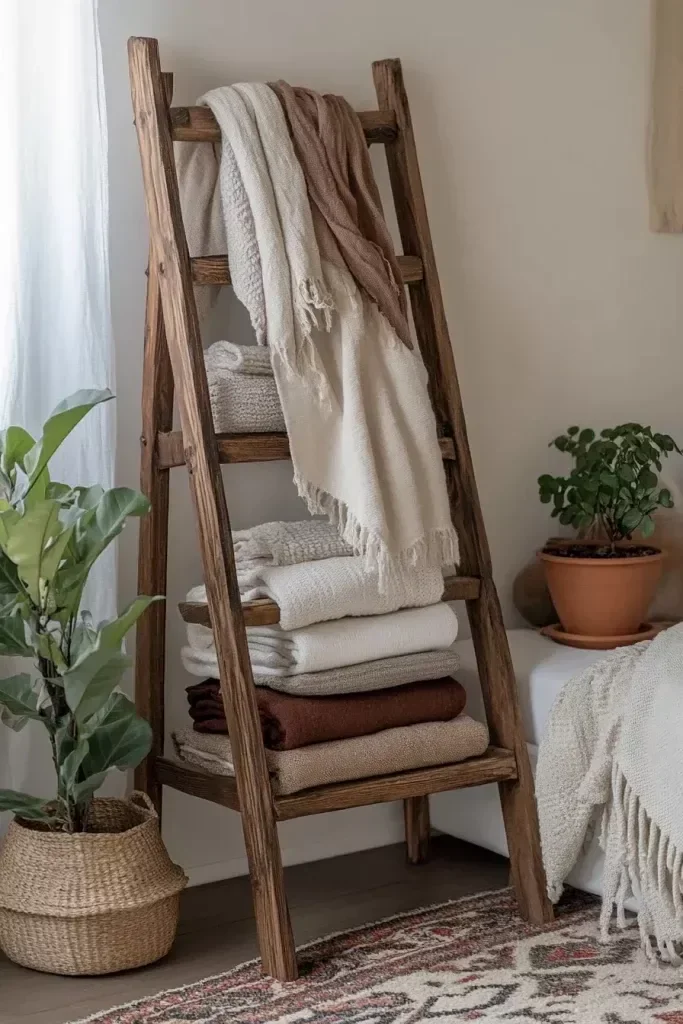
Vintage decor is sustainable. Think outside the box: use a vintage ladder as a blanket rack, turn a wooden fruit crate into a side table, or transform an old birdcage into a planter for trailing ivy. This blending of old function with new purpose showcases creativity and is a fantastic conversation starter.
10. Embrace the “Grandmillennial” Style (Granny Chic)
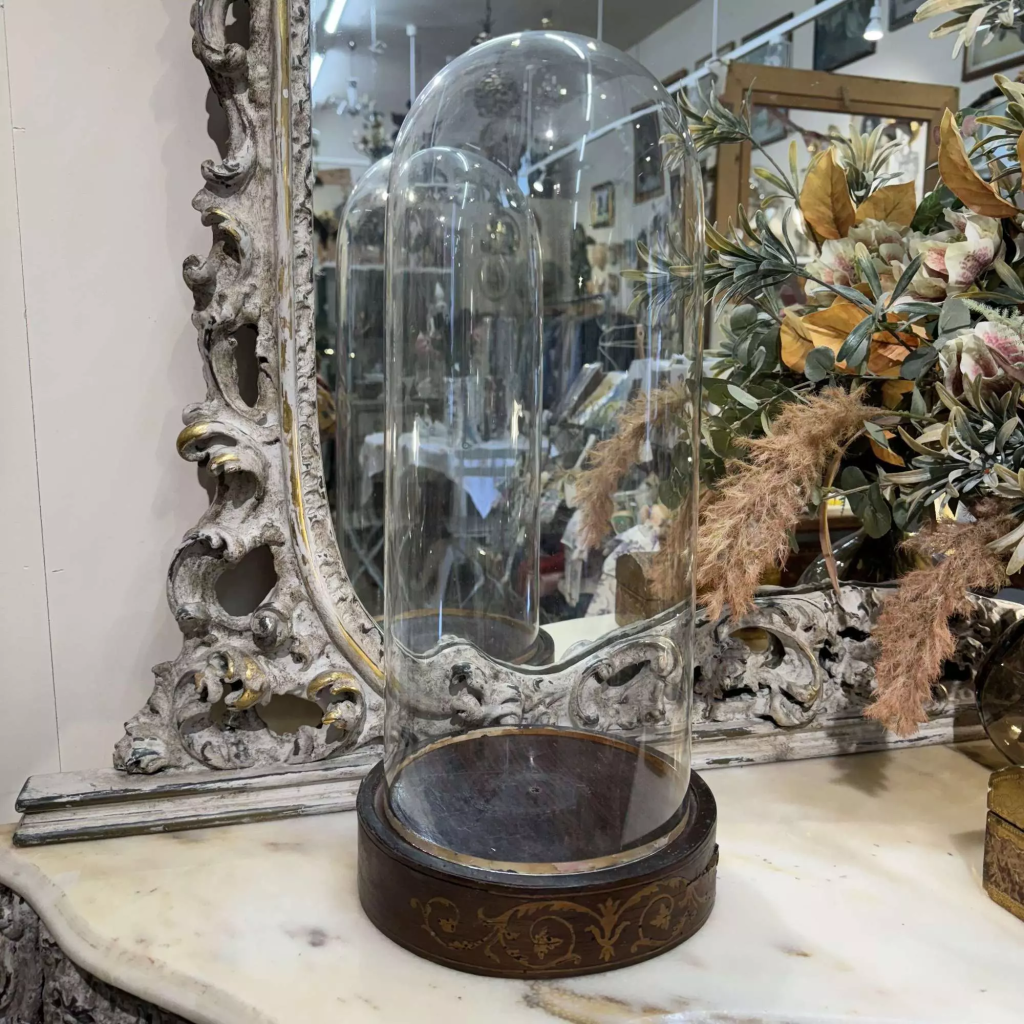
This popular trend is all about embracing the decor you might have found in your grandmother’s house. Think glass cloches, porcelain figurines, embroidered pillowcases, and intricate doilies. To keep it from feeling too dated, pair these delicate items with modern, simpler furniture to create a lovely juxtaposition.
11. Focus on Architectural Details
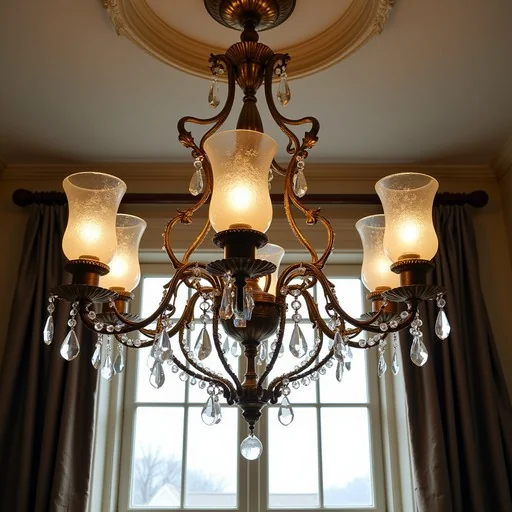
If you own your home, consider restoring or adding vintage architectural details. Replacing hollow-core doors with salvaged solid wood doors, installing original-style moldings, or adding a ceiling medallion around a light fixture instantly ups the vintage ante. Even changing out modern outlet covers for brass ones makes a subtle but noticeable difference.
12. Paint with Historical Colors
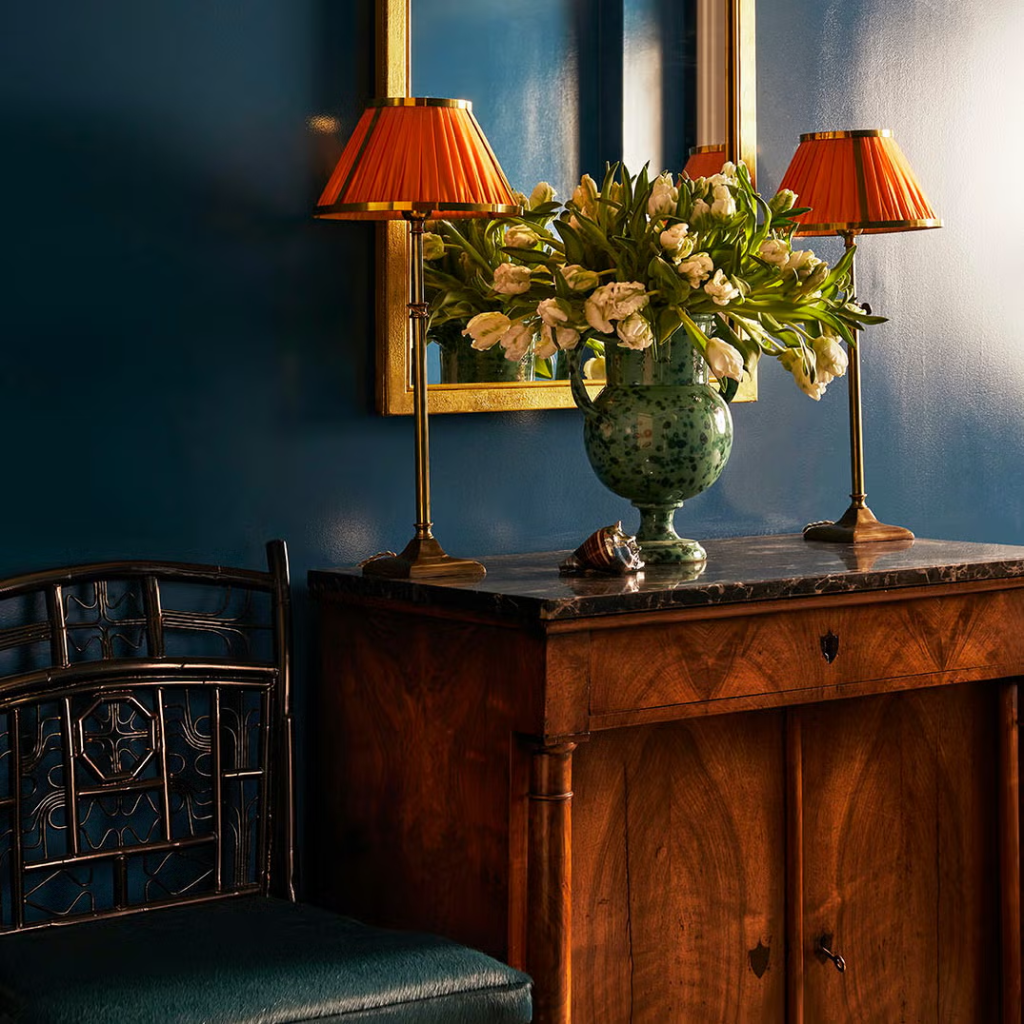
Color is a powerful tool. While modern grays are trendy, vintage rooms often rely on deeper, more saturated hues. Consider painting your walls “Hague Blue,” deep emerald green, warm terracotta, or “Dead Salmon” (a historical pink-beige). If you prefer neutral, choose warm off-whites like “Old White” rather than cool, stark whites.
13. Don’t Forget the Books
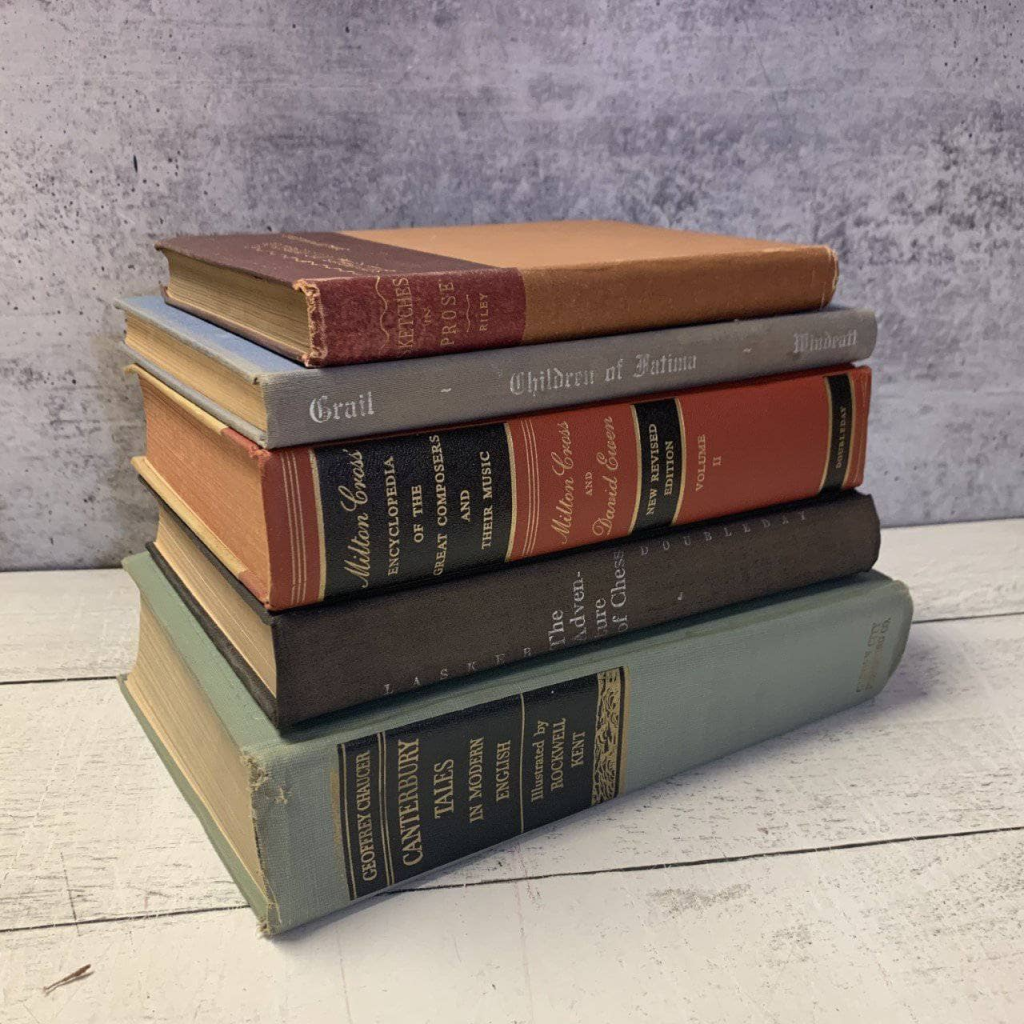
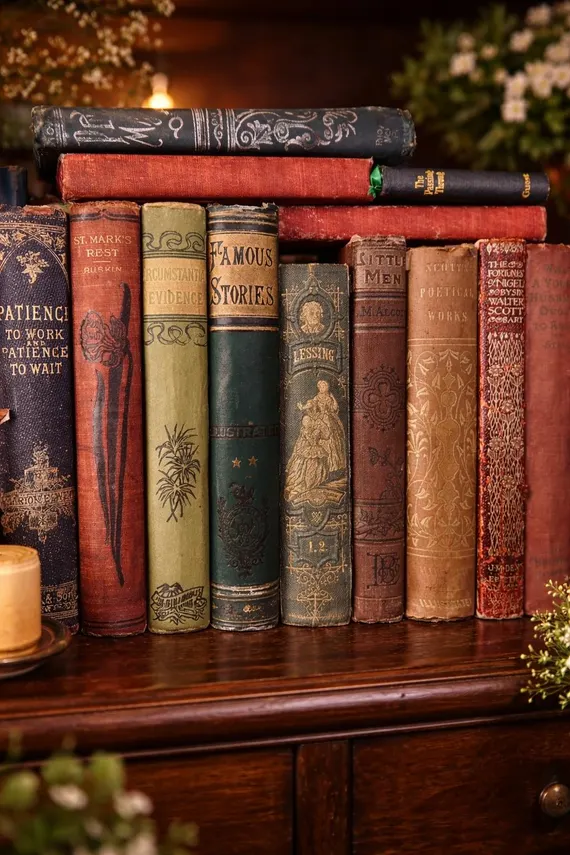
A shelf filled with a mix of new and old books is an essential element of any vintage room. Look for vintage hardcovers with beautiful cloth bindings or leather spines. Stack them horizontally under a lamp or arrange them vertically with a small trinket acting as a bookend. The titles add mystery and the worn covers add texture.
How to Start: Finding Your Vintage “Era”
The biggest mistake beginners make is buying random old items without a cohesive vision. Before you hit the flea markets, spend time identifying which decades speak to you.
- The Victorian Era (1830–1900): Dark woods, heavy drapes, ornate carvings, and rich jewel tones.
- Art Deco (1920s–1930s): Geometric patterns, chrome, mirrored surfaces, and bold black-and-gold contrasts.
- Mid-Century Modern (1950s–1960s): Teak wood, tapered legs, atomic starburst patterns, and bold primary colors.
- Bohemian 1970s: Macrame, rattan, earthy terracotta tones, shag rugs, and lush indoor plants.
Choose one primary era as your anchor, then mix in one or two pieces from other decades to keep the room from looking like a period film set.
Common Mistakes to Avoid When Styling a Vintage Room
While vintage decor is forgiving, there are a few pitfalls that can make a room look cluttered rather than curated.
- Overcrowding: Avoid filling every surface with knick-knacks. Negative space is essential; let your favorite pieces breathe.
- Ignoring Comfort: Vintage furniture wasn’t always designed for modern ergonomics. Always test a chair or sofa before buying, or mix vintage frames with modern, comfortable cushions.
- Going Too Thematic: Avoid turning your room into a costume. If you love the 1950s, don’t buy everything from that decade. Mix in one or two contemporary pieces to ground the space in the present.
- Neglecting Upholstery: Old sofas and chairs can harbor dust and odors. Always have vintage upholstery professionally cleaned, or reupholster them in a period-appropriate fabric.
Conclusion
Designing a vintage room is an adventure in personal expression. It isn’t about achieving a perfect, out-of-a-catalog look but rather about creating a space that feels layered, historical, and uniquely yours. By blending old-world charm with modern functionality, you can curate a room that tells the story of your taste and values.
Remember, the best vintage rooms are curated over time. Be patient, hunt for pieces that speak to you, and don’t be afraid to mix eras and styles. Embrace the imperfections—the chipped paint, the faded fabric, the worn wood—because that is where the true magic and timeless charm of vintage living reside.
