In a world that often demands we be practical, serious, and streamlined, our homes should be the one place where we are allowed to play. While minimalism has its merits, there is a growing movement toward spaces that tell a story, spark curiosity, and feel distinctly personal. This is the essence of whimsical design.
Whimsy is not about childish clutter or chaotic color; it is about intentional delight. It is the art of injecting personality, humor, and a touch of the unexpected into a room. Think of it as a visual representation of a smile: surprising, uplifting, and impossible to ignore. Whether it is a vintage carousel horse in the corner of a study or a ceiling painted to look like a twilight sky, whimsy invites us to look closer and reminds us not to take life—or our décor—too seriously. Let’s explore how you can bring a little bit of magic into your home.
How to Incorporate Whimsy Without Overdoing It
Whimsy thrives on balance. Too much, and the room feels chaotic; too little, and it feels sterile. Here are practical tips to get it right:
- Start Small: Begin with accessories—throw pillows, quirky bookends, or an unusual lamp. If you love the effect, gradually scale up.
- Choose a Unifying Element: Tie your whimsical pieces together with a consistent color palette, material, or theme. This prevents clutter from looking messy.
- Mix Old and New: Pair vintage flea-market finds with modern minimalist furniture. The contrast highlights the whimsy.
- Limit Statement Pieces: Pick one or two “wow” elements per room (like a painted ceiling or a giant vase) and let the rest of the décor support, not compete with, them.
- Keep Functionality: Whimsy should enhance a room’s use, not hinder it. A chair should still be comfortable; a shelf should still hold books.
10 Well-Structured Whimsical Room Ideas
1. The “Open Sky” Ceiling
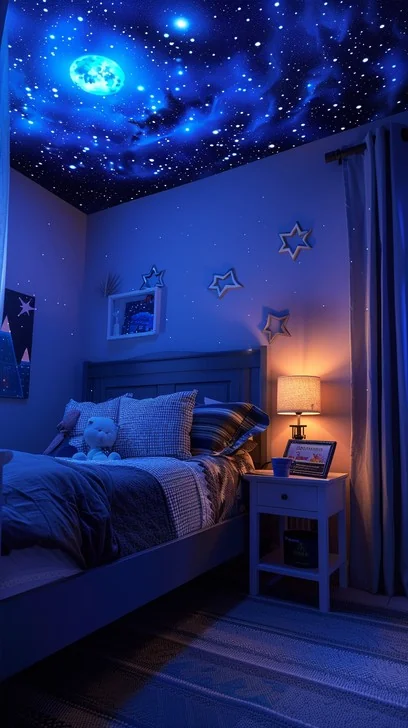
Most people ignore the “fifth wall”—the ceiling. Transform this forgotten surface into the focal point of the room. Instead of plain white, paint it a deep, celestial blue and use a sponge or rag-rolling technique to create a nebula effect. Add stick-on glow-in-the-dark stars (or use a stencil) to create a permanent night sky. This works exceptionally well in a home office or bedroom, making you feel as if you are sleeping or working under the open heavens. It is an unexpected twist that instantly makes the room feel larger and more magical.
2. The Curated Cabinet of Curiosities
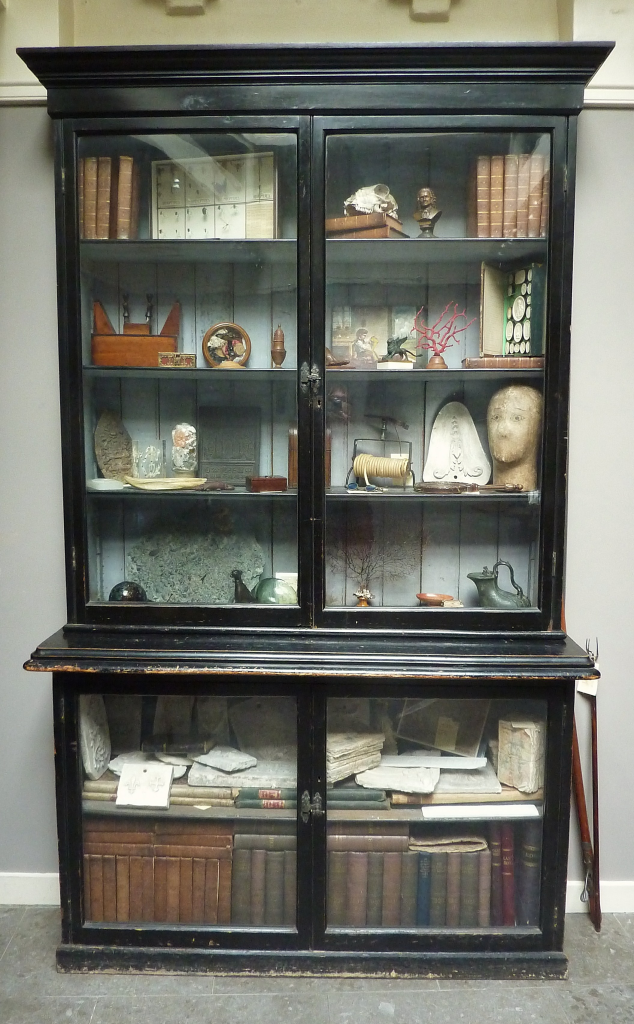
Move beyond standard bookshelves and create a “Wunderkammer” (a cabinet of curiosities). This is a dedicated shelf, hutch, or shadow box where you display a collection of unusual objects. Think vintage compasses, sea glass, a taxidermy butterfly, antique keys, or even quirky figurines you’ve picked up at flea markets. The key is grouping them cohesively by color scheme or material (e.g., all brass objects or all blue glass). This idea adds intellectual whimsy, turning your décor into a conversation starter that reflects your unique journey and interests.
3. The “Upside Down” Planters
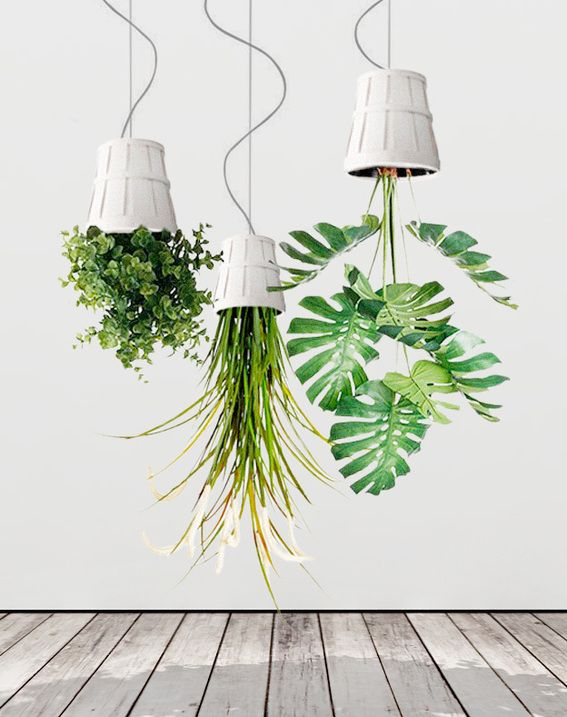
Take your greenery to the next level by creating a floating garden. Hang plants from the ceiling upside down, or install wall-mounted “air plant” holders that look like they are defying gravity. To really push the whimsy, use macramé hangers shaped like jellyfish or purchase ceramic planters that look like vintage busts wearing plant “hair.” This playful take on biophilic design adds life and movement to the room while also saving valuable floor space.
4. The Storybook Nook
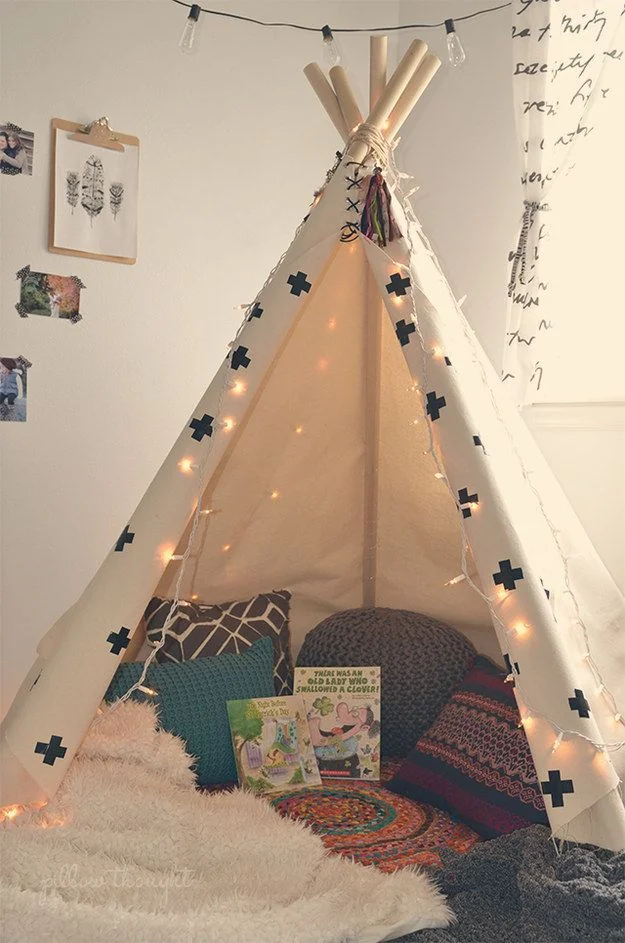
Every room needs a sanctuary, so why not make it look like it came from a Roald Dahl or Studio Ghibli film? Create a reading nook or window seat that features layered, mismatched pillows, a canopy made of sheer, billowing fabric, and a vintage lamp shaped like a moon or a mushroom. Include a tiny side table with a whimsical shape—perhaps a wooden stump or a metal table with twisted legs. This space should feel enveloping and dreamy, encouraging you to curl up and escape into a book.
5. The Disappearing Door Illusion
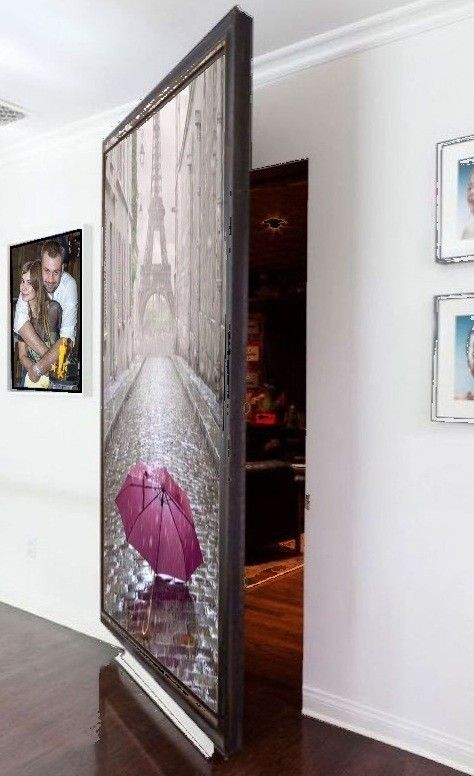
This idea is for those who love a good optical illusion. Paint a door in your home to blend in with the wall using a mural or a Trompe-l’œil technique. Alternatively, paint the door to look like a giant bookcase, or a portal to a forest. If that is too intense, simply paint a hidden bookshelf door frame that blends into the trim. This element of surprise is the hallmark of whimsy; guests will do a double-take as they try to find the exit.
6. The Orchestra of Light
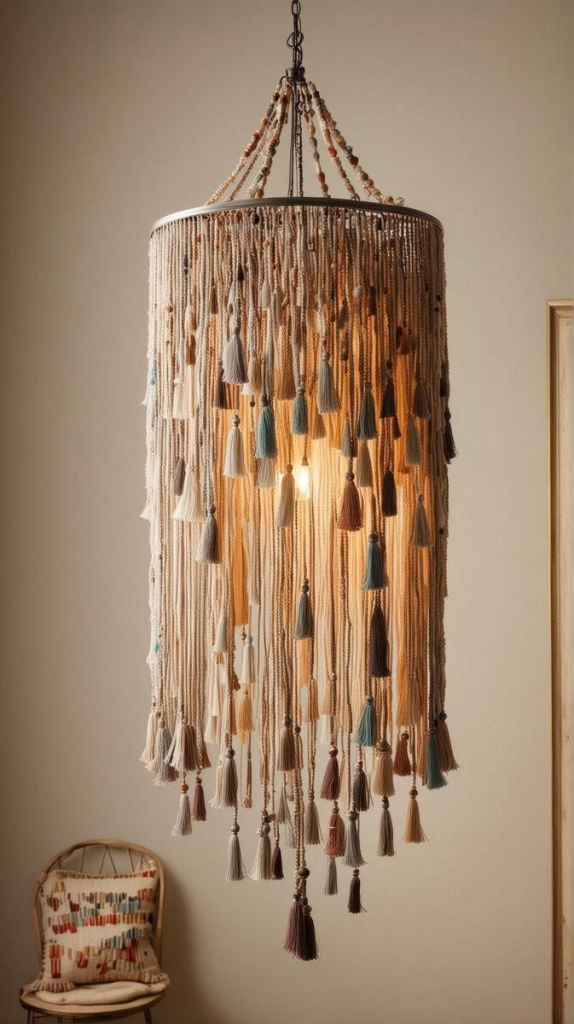
Lighting doesn’t have to be functional; it can be theatrical. Ditch the standard lampshade for a vintage brass trumpet, a colorful glass globe, or a lamp made of stacked vintage books. Create a chandelier using an old bicycle wheel wrapped in fairy lights, or hang Edison bulbs at varying heights with colored cords. The goal is to create “islands” of light that illuminate the room like a stage, casting interesting shadows and adding warmth to the corners.
7. The Whimsical Wall of Eyes
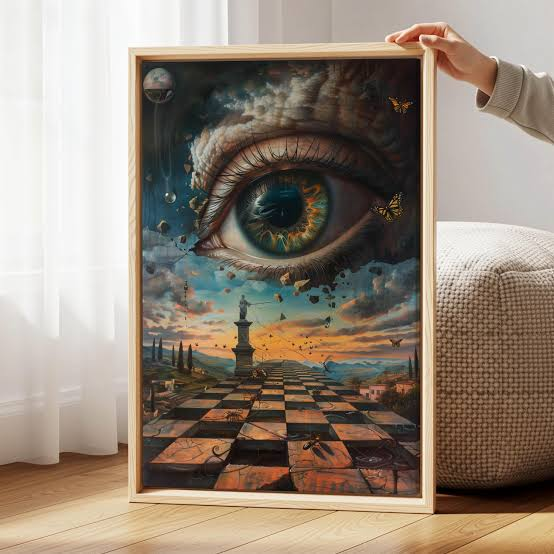
A running theme in whimsical art is the presence of “eyes.” Create a gallery wall featuring prints or paintings of eyes (think surrealist art or vintage anatomical drawings). Mix these with antique mirrors and decorative plates. This might sound creepy, but when done in soft pastels or gold frames, it becomes quirky and artistic. It gives the room a sense of “watchful” personality and is a surefire way to keep your guests intrigued (and slightly on their toes).
8. The “Inside Out” Furniture
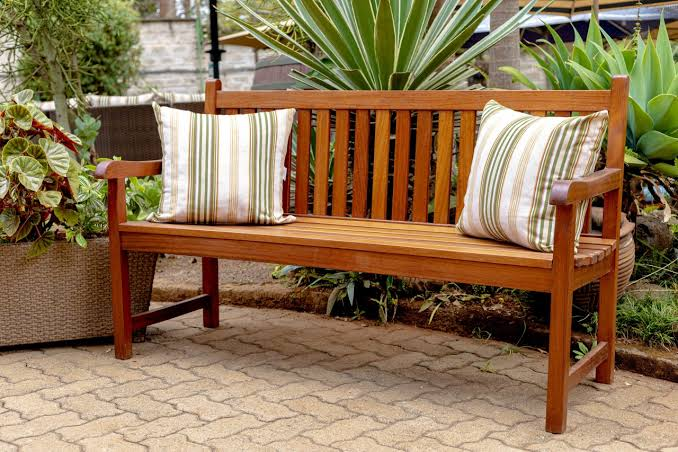
Bring the outside in, but literally. Repurpose outdoor furniture or materials for indoor use. Use a teak garden bench as a coffee table, hang a large birdcage (empty or with a hanging plant inside) from the ceiling, or use a vintage clawfoot bathtub as a plush, cushion-filled seating area. This blurs the lines between the exterior and interior worlds, creating a garden-party vibe that is both bohemian and undeniably whimsical.
9. The Floating Staircase Effect
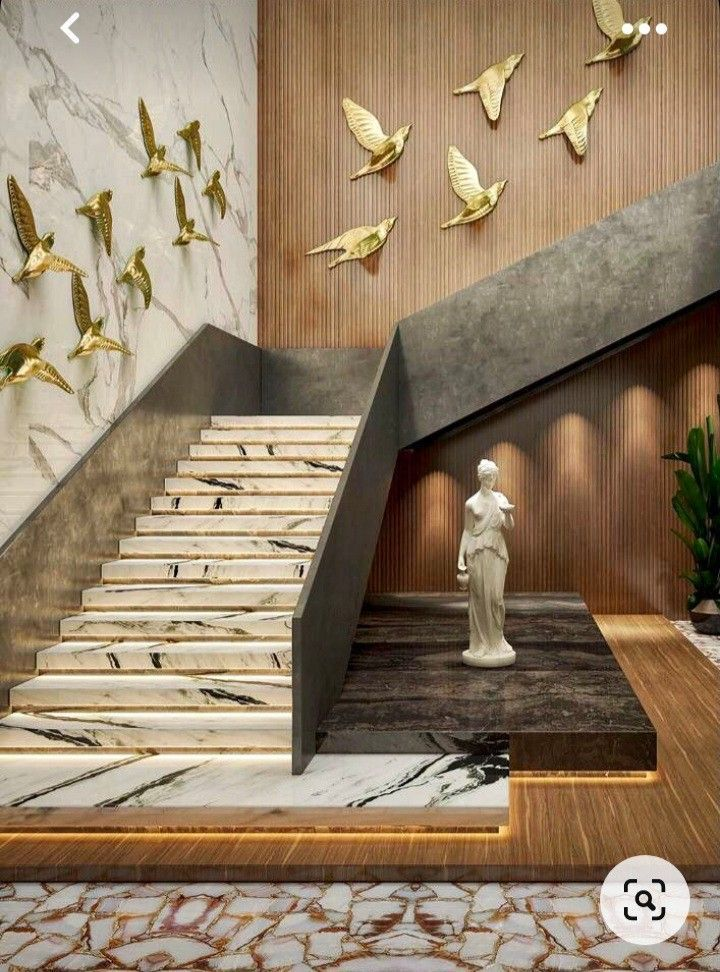
If you have a stairwell or high shelves, use decorative elements to create a “follow the bouncing ball” effect. Glue small, vintage toys, ceramic birds, or small colored orbs to the wall in a floating pattern that mimics a staircase. As you walk up the stairs, the “toys” appear to jump from step to step. This kinetic energy creates movement and draws the eye upward, making the room feel dynamic and full of life.
10. The “Alice in Wonderland” Scale
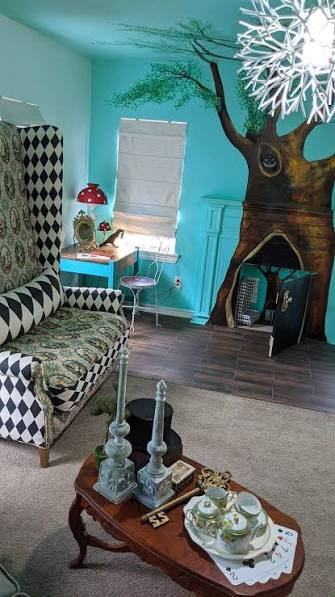
Play with perception of size. Place a giant, oversized floor vase next to a very small miniature chair. Use a massively oversized clock on the wall, paired with tiny, delicate sconces. Alternatively, place an oversized, exaggerated mirror framed in ornate gold next to a minimalist, simple space. By changing the scale of objects, you challenge the viewer’s expectations. It creates a surreal, dreamlike quality that is the very definition of whimsical design.
Budget-Friendly Whimsy
You don’t need a designer’s budget to create a magical space. Whimsy is about creativity, not cost:
- Thrift Stores & Flea Markets: These are goldmines for quirky frames, vintage toys, unusual vases, and old books.
- DIY Art: Paint your own abstract art, frame interesting wallpaper samples, or create a collage from old magazines.
- Repurpose: Turn an old ladder into a bookshelf, mason jars into pendant lights, or fabric scraps into bunting.
- Paint: A single can of bold-colored paint can transform a wall, a piece of furniture, or even floorboards.
- Nature: Free elements like pinecones, driftwood, dried flowers, and feathers add organic whimsy without costing a penny.
Maintenance and Longevity
Whimsical rooms require a bit of care to stay charming rather than dusty or dated:
- Dust Regularly: Open shelves, hanging plants, and curiosities collect dust quickly. A microfiber cloth and a small feather duster are your best friends.
- Rotate Items: Keep the room feeling fresh by swapping out accessories seasonally. Bring in warm tones and dried botanicals for autumn; bright pastels and fresh flowers for spring.
- Repair, Don’t Replace: Part of whimsy’s charm is imperfection. Glue a broken figurine, re-stretch a sagging canopy, or repaint a chipped frame instead of discarding it.
- Edit Ruthlessly: If a piece no longer sparks joy or feels cluttered, remove it. Whimsy should feel intentional, not hoarded.
Who Is Whimsical Design For?
Whimsical design has no age limit. It is not “just for kids’ rooms.” In fact, adults often benefit most from spaces that encourage playfulness and imagination. It is ideal for:
- Creatives: Writers, artists, and musicians who need inspiration.
- Remote Workers: Those spending long hours at home who crave an energizing environment.
- Families: Homes with children that celebrate curiosity and storytelling.
- Anyone Feeling Burnt Out: Whimsy offers a daily dose of lightness in a heavy world.
Ultimately, whimsical design is for anyone willing to embrace their inner child and reject the notion that interiors must be serious to be sophisticated.
Conclusion
Creating a whimsical room is not about following the latest trends or spending a fortune on specific “whimsical” products. Rather, it is a process of curation and personal storytelling. It is about pausing to ask: “What makes me smile?” and then finding a way to translate that feeling into a physical space.
The beauty of this style is its fluidity; there are no rules. You can incorporate one of the ideas above as a bold statement piece, or quietly blend a few touches of whimsy into a traditionally minimalist home. The ultimate goal is to create a home that feels like a refuge for your imagination—a place where the mundane is left at the door and the extraordinary is welcome to stay. After all, a home that tells a story is a home that is truly lived in, and a little dash of the unexpected is often the very thing that makes a house feel like a home.
