Grunge. The word itself conjures images of flannel shirts, ripped jeans, and the raw, unpolished sound of a Seattle band in the early 90s. But grunge is more than just a music genre or a fashion statement; it’s a state of mind, a philosophy that celebrates authenticity, imperfection, and a defiant rejection of the mainstream. And what better place to channel this spirit than in your own personal sanctuary?
The grunge room aesthetic is a powerful antidote to the sterile, minimalist trends that have dominated interior design for years. It’s not about carefully curated perfection; it’s about creating a space that feels lived-in, layered, and deeply personal. It’s a moody haven where vintage treasures, DIY projects, and a touch of rebellion come together to tell a story.
Think faded band posters plastered on walls, the comforting weight of a chunky knit blanket, the warm glow of string lights against a dark, textured backdrop. Forget pristine white walls and sleek furniture. This is about embracing the dark, the textured, and the nostalgic to build a cozy, expressive, and deeply atmospheric room. Ready to ditch the “perfect” and embrace the “real”? Here are 12 essential ideas to infuse your space with the undeniable spirit of grunge.
Why Grunge? The Philosophy Behind the Look
Before we dive into the decor, it’s important to understand the why. The grunge aesthetic, born from the rainy streets of Seattle in the early ’90s, was a cultural rebellion against the glossy, overproduced pop of the decade. It was raw, honest, and unapologetically imperfect.
Bringing this into your bedroom isn’t just about painting a wall black; it’s about rejecting the pressure to have a “perfect”, magazine-worthy space. It is an act of self-expression that prioritizes comfort, nostalgia, and personality over trends. A grunge room tells your story—flaws, favorite bands, old books, and all. It is a sanctuary for the overthinker, the music lover, and the creatively restless.
12 Well-Structured Grunge Room Ideas:
1. The Moody Color Palette
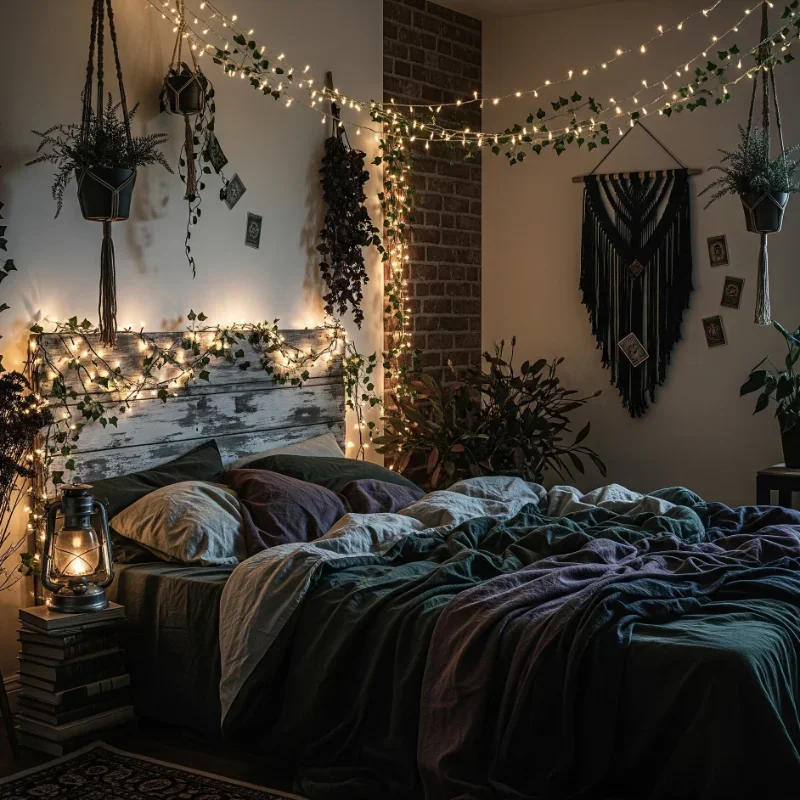
The foundation of any great grunge room is its color palette. Move away from bright, airy colors and embrace the dark side. Think deep, moody hues like charcoal grey, black, olive green, and deep burgundy. These colors create an instant sense of intimacy and atmosphere. Don’t be afraid to paint an entire room, or just a single feature wall, for a dramatic effect. The goal is to create a cocoon-like feel, where the space feels like a secure, moody retreat.
2. Layer the Textures
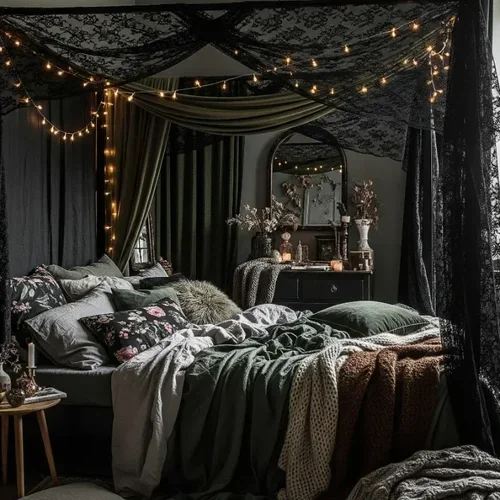
Grunge is all about depth, and texture is key to achieving it. The goal is to create a space that feels visually and physically layered. Mix and match materials to build a rich, tactile environment. Start with a thick, textured rug on the floor. Add plush velvet cushions, a chunky knit throw on your bed or chair, and heavy, unlined curtains. This blend of soft and rough, worn and luxurious, is the hallmark of a successful grunge aesthetic.
3. The Wall of Music
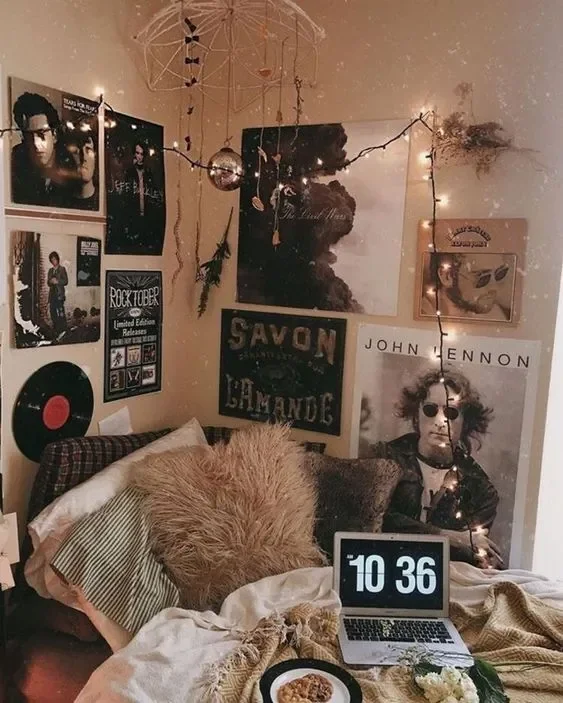
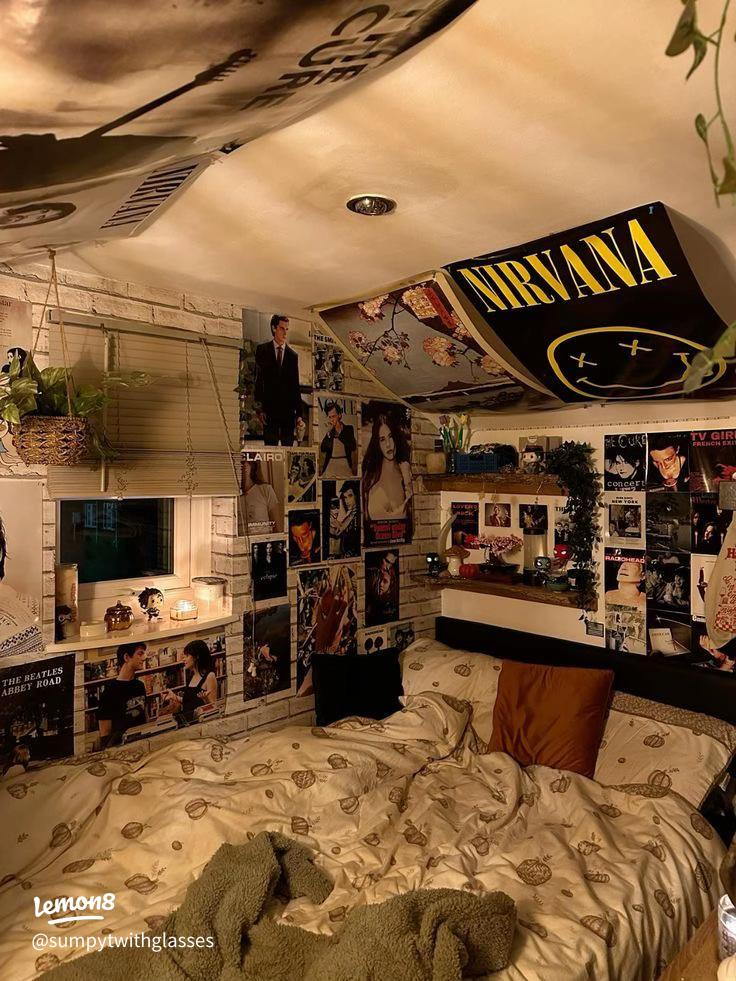
Music is the soul of grunge. Dedicate a wall (or a large part of it) to celebrating the icons of the era and beyond. This is your chance to create a raw, authentic tribute. Don’t just frame a few prints; go all out. Layer vintage band posters, magazine tear-outs, and even gig flyers. For a more authentic look, you can even intentionally “distress” your posters by gently crumpling and then flattening them before hanging. This “wall of sound” instantly defines the room’s character.
4. The Vintage Flannel Throw
No grunge room is complete without the ultimate symbol of the era: a plaid flannel shirt. Drape a worn-in flannel over the back of a chair, the foot of your bed, or even use it as a makeshift tapestry on the wall. This simple addition is an instant, cost-effective way to inject the aesthetic. The more faded and soft it looks, the better—it’s the perfect representation of the “worn-in” vibe you’re aiming for.
5. Embrace Disrepair
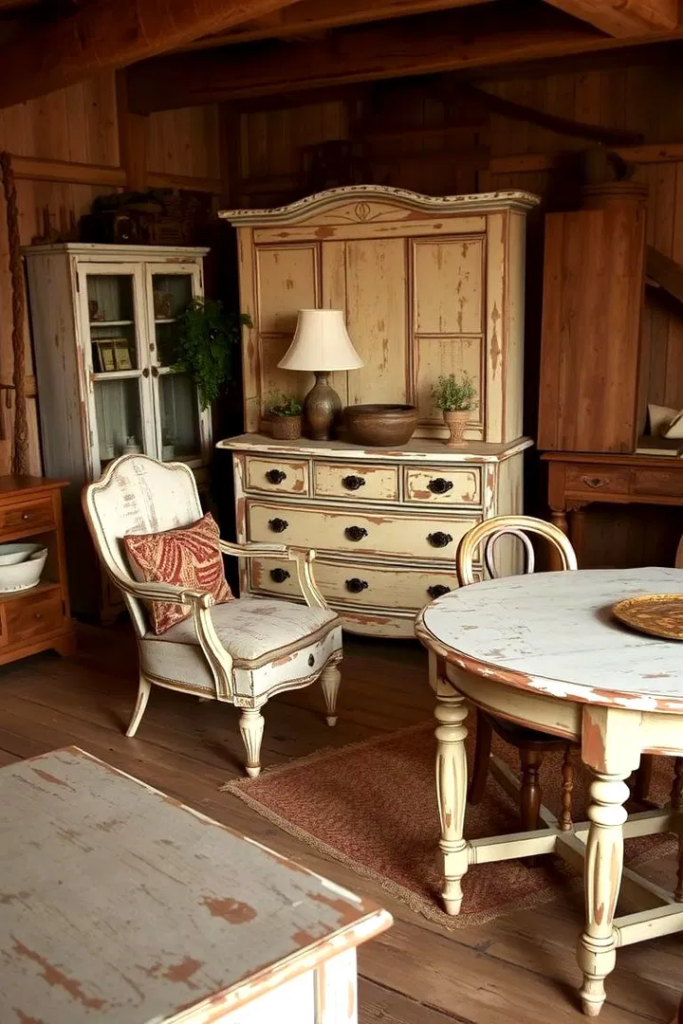
In a grunge room, “perfect” is boring. Actively seek out or create items that look worn, distressed, or slightly broken. A vintage chest with chipped paint, a wooden desk covered in marker stains, or a mirror with a tarnished frame are not flaws; they are features. The philosophy is to celebrate the beauty of decay and use. This is where you can get creative with DIY projects, like sanding down a piece of furniture or creating a distressed paint effect.
6. Mismatched & Second-Hand Furniture
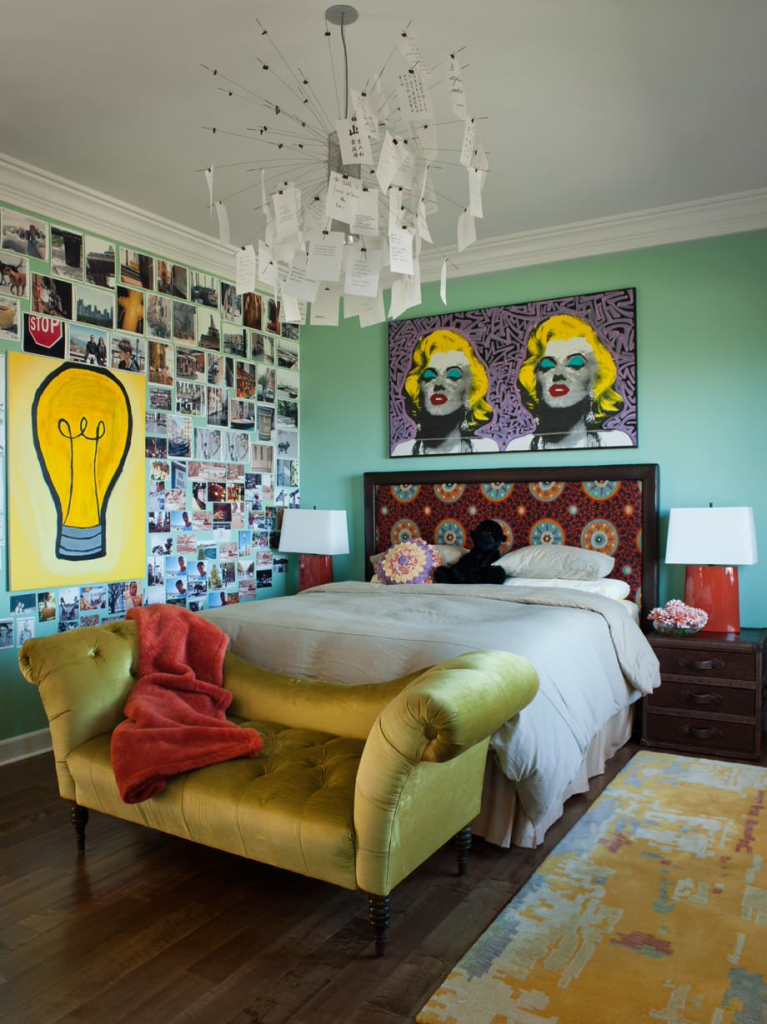
Forget buying a matching bedroom set. The grunge aesthetic thrives on a curated mix of different styles and eras. Combine a worn leather armchair with a sleek, modern metal desk. Place a vintage wooden dresser next to your bed. The key is to source pieces from thrift stores, flea markets, and garage sales. This not only creates a unique, personalized look but also aligns with the grunge ethos of anti-consumerism and finding beauty in the discarded.
7. Low, Ambient Lighting
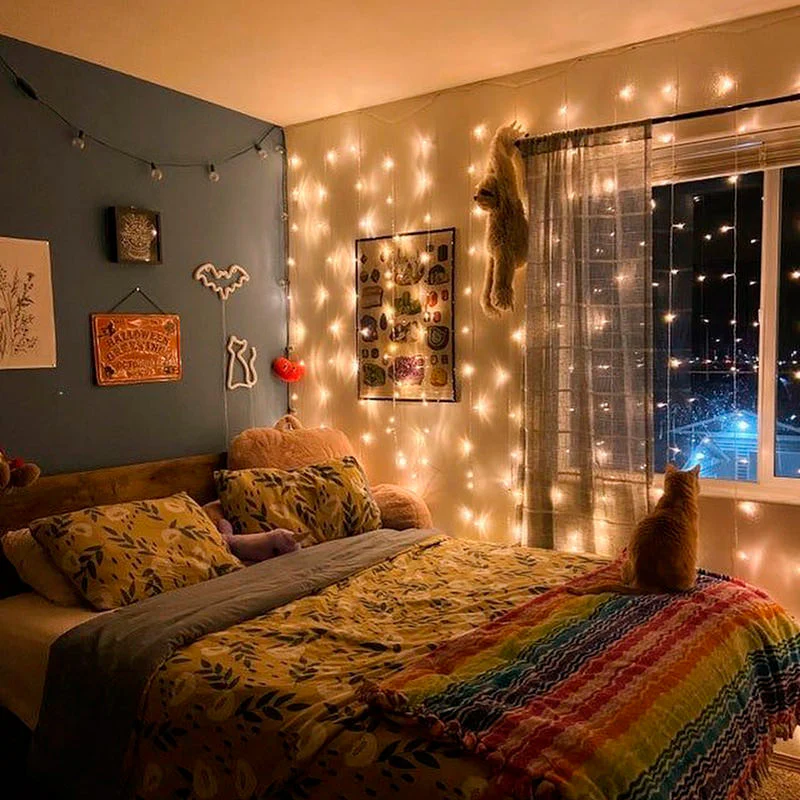
Lighting is crucial for setting the mood. Harsh, overhead lighting is the enemy of the grunge aesthetic. Instead, aim for multiple, warm sources of soft light. String lights (especially the warm yellow or Edison bulb variety) are a staple, draped across the ceiling or around a headboard. Salt lamps, lava lamps, and candles (especially in dark glass holders) create a flickering, intimate, and slightly mysterious ambiance.
8. The Dark & Heavy Bedding
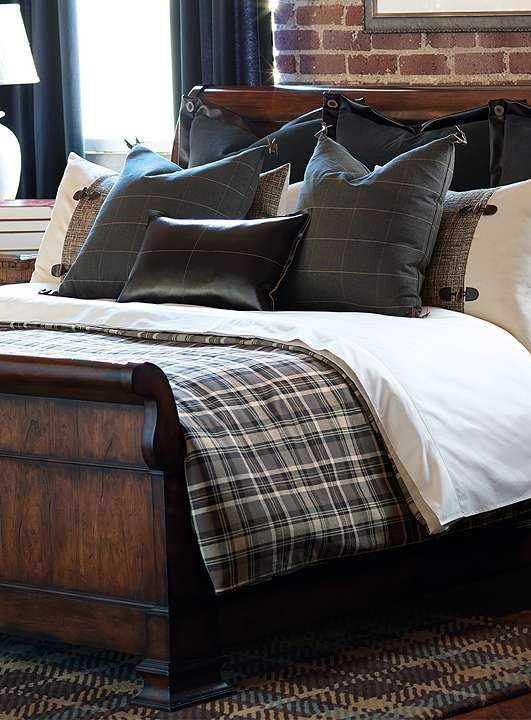
Your bed is the centerpiece of the room, and it should look like a cozy, layered sanctuary. Choose dark, solid-colored bedding in hues like charcoal, navy, or forest green. Then, layer it with mismatched and textured blankets. A quilt, a crocheted afghan, and of course, the classic flannel throw, all piled on top of each other, creates an effortlessly cool, “I just woke up” look that is both inviting and stylish.
9. “Messy” But Deliberate
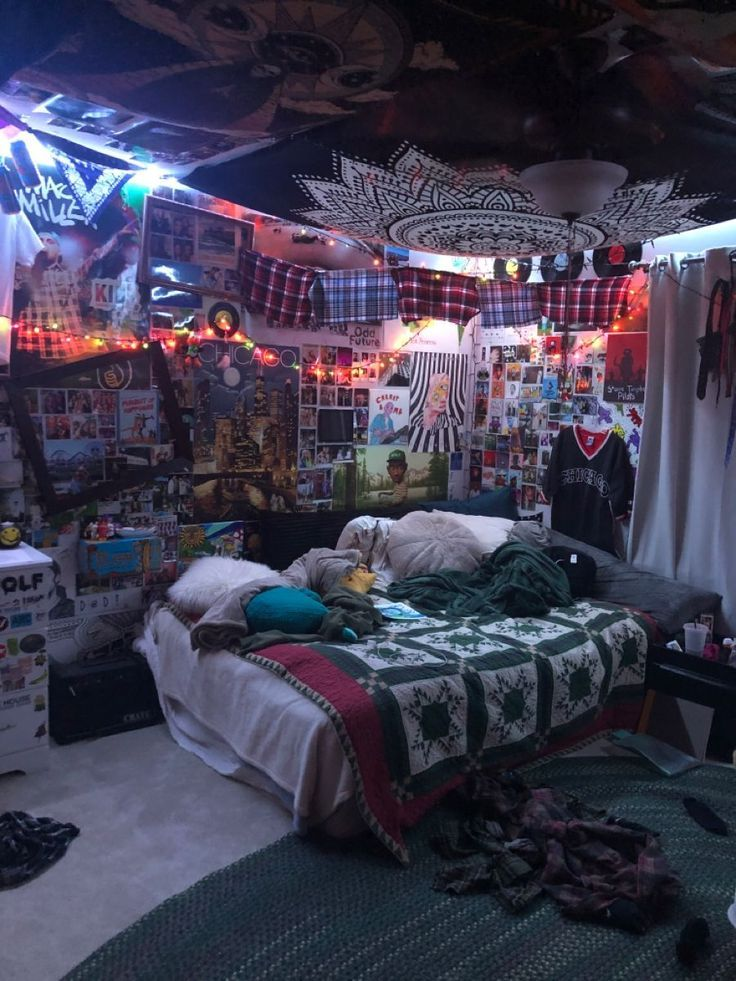
The grunge room is not a messy room, it’s an aesthetically lived-in room. This is a fine line to walk. It’s about displaying your personal effects in a way that looks casual but is actually curated. Stack your favorite books and vinyl records on the floor. Let a guitar lean against the wall. Leave a half-drunk mug on the nightstand (but make sure it’s a cool one!). This creates a sense of life and authenticity, as if you’ve just stepped out for a moment.
10. DIY & Personal Touches
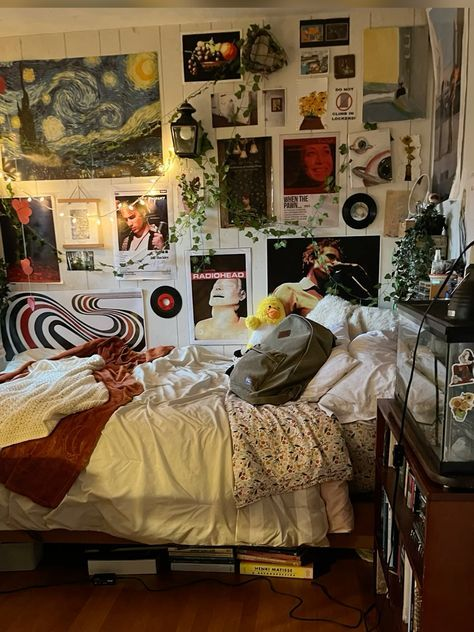
Grunge is a deeply personal and DIY-driven aesthetic. The space should reflect you. Create your own art, write lyrics or poetry on the walls with chalk or marker, or even splatter paint on a canvas for a raw, abstract piece. The imperfections of a DIY project are what make it perfect for this style. It’s a clear statement that this room is yours, curated and created by you, not bought from a catalog.
11. Industrial Elements
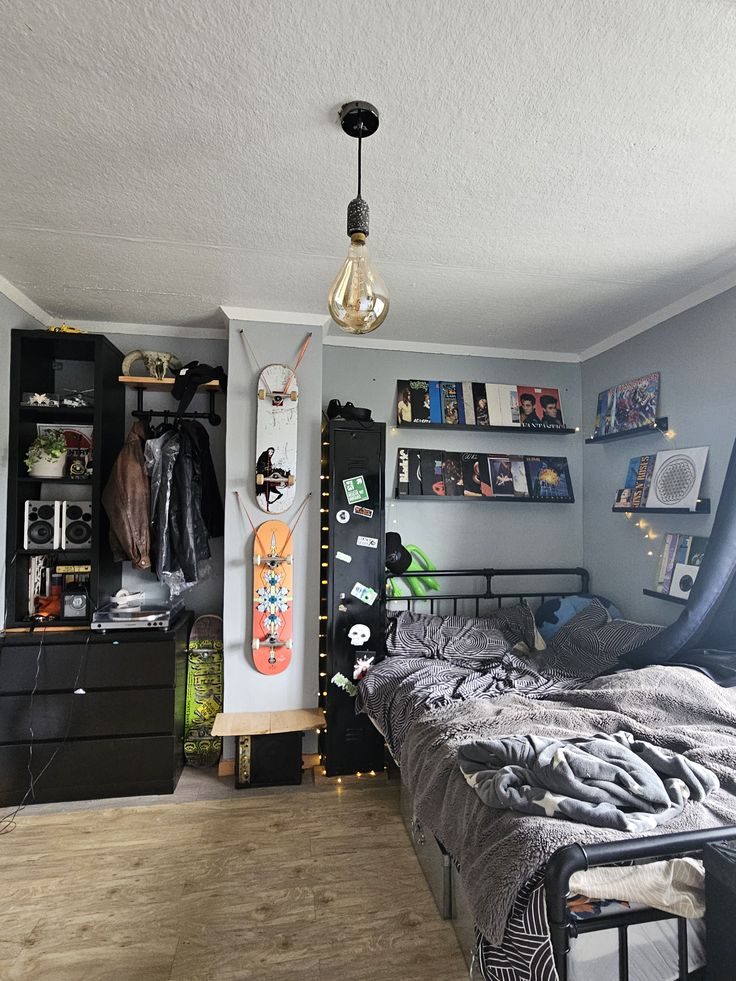
Mix in some raw, industrial pieces to give the room an edge. Exposed light bulbs, metal piping used as a curtain rod or clothing rack, or a simple metal stool can add a sense of urban grit. These hard, utilitarian materials provide a fantastic contrast to all the soft textures and help ground the space, preventing it from feeling too “cozy” and becoming overly feminine or delicate.
12. The Statement Rug
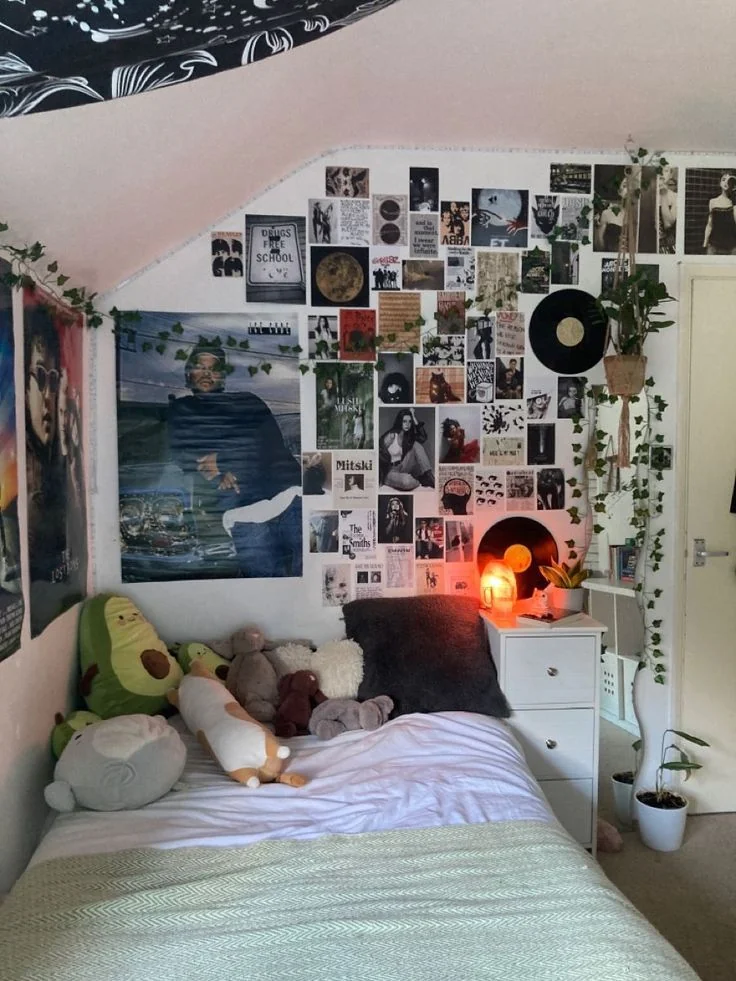
A rug can anchor the entire grunge aesthetic. Look for one with a distinct pattern (like a bold geometric or a faded Persian design) but in a muted, dark color palette. The rug should feel substantial and a bit worn. It acts as the foundation for all your mismatched furniture and layered textures, pulling the entire room together and adding a crucial layer of comfort and warmth underfoot.
Key Elements at a Glance
To successfully pull off this aesthetic, you need to balance five core ingredients:
- Color: Deep, muted, and moody (charcoal, olive, burgundy, black).
- Texture: High contrast between soft (velvet, knit) and hard (metal, wood).
- Lighting: Warm, low-level, and atmospheric (never overhead white light).
- Furniture: Eclectic, second-hand, and visibly worn.
- Soul: Personal artifacts, music memorabilia, and DIY projects.
Budget Tips for the Grunge Look
You don’t need a lot of money to achieve this aesthetic—in fact, spending too much defeats the purpose.
- Thrift First: 80% of your furniture and decor should come from charity shops, Facebook Marketplace, or car boot sales.
- DIY Distressing: Sand down edges of cheap wooden furniture. Use a damp sponge to remove paint in patches for an instant aged effect.
- Free Art: Print black-and-white photos of your favorite musicians at a local library. Tear pages out of old books to frame.
- Repurpose: Use old scarves as tapestry, wine bottles as candle holders, and wooden crates as shelving.
The Do’s & Don’ts of Grunge Decor
| Do’s | Don’ts |
|---|---|
| Do mix vintage with modern pieces. | Don’t buy a complete matching bedroom set. |
| Do use warm, yellow-tinted light bulbs. | Don’t use bright, cool-toned overhead lights. |
| Do display your personal hobbies and collections. | Don’t buy generic, mass-produced “aesthetic” posters. |
| Do embrace wear, tear, and faded colors. | Don’t try to keep everything looking brand new. |
| Do layer rugs, bedding, and textiles. | Don’t leave large empty spaces on your walls or floor. |
Conclusion: Curate Your Chaos
Creating a grunge room is more than just following a checklist; it’s about cultivating a mindset. It’s a rebellion against the pristine and the uniform, an invitation to curate your own beautiful chaos. In a world obsessed with “aesthetic perfection,” the grunge room stands as a sanctuary for the authentic self—a space where memories, imperfections, and personal artifacts are not hidden but celebrated.
It’s your space to be moody, creative, and unapologetically yourself. Don’t be afraid to experiment, break the “rules,” and let your room evolve over time. The beauty of the grunge style is that it’s never truly finished; it’s a continuous, lived-in expression of you. So, turn up the music, dim the lights, and start building your own perfectly imperfect haven.
