The concept of a “modern room” has evolved far beyond the stark, minimalist white boxes of the past. Today, modern design is a fluid and personal philosophy, blending sleek minimalism with warmth, texture, and personality. It’s no longer just about what’s trending; it’s about creating a sanctuary that reflects your lifestyle, promotes well-being, and stands the test of time.
In 2026, modern rooms are defined by their thoughtful curation. They are spaces where clean lines meet comfortable furnishings, where smart technology integrates seamlessly, and where sustainable materials take center stage. Whether you’re looking for a complete overhaul or just a few key updates, this guide will walk you through 14 essential ideas to infuse your room with a contemporary spirit, transforming it into a stylish and functional haven you’ll love coming home to.
The Foundation (Key Principles of Modern Design)
Before diving into specific ideas, it’s crucial to understand the core principles of modern design. These foundational concepts are the bedrock upon which you can build your stylish space.
- Form Follows Function: Every piece of furniture or decor should have a purpose. Clutter is the enemy of modern design.
- Clean Lines & Simplicity: Modern furniture is characterized by sleek, uncluttered silhouettes. Avoid ornate or overly fussy details.
- The Power of a Neutral Palette: While you can add pops of color, a neutral base (whites, greys, beiges, and taupes) provides a calm and timeless foundation.
- Emphasis on Natural Light: Modern rooms are designed to feel bright and airy. Window treatments are often minimal to maximize sunlight.
- “Less is More”: This iconic phrase is the golden rule. Curate carefully, showcasing a few high-impact pieces rather than filling the room with clutter.
14 Well-Structured Modern Room Ideas
Here are 14 distinct ideas to help you curate a modern room, categorized for clarity.
Category 1: Color & Light
1. The Monochromatic Sanctuary:
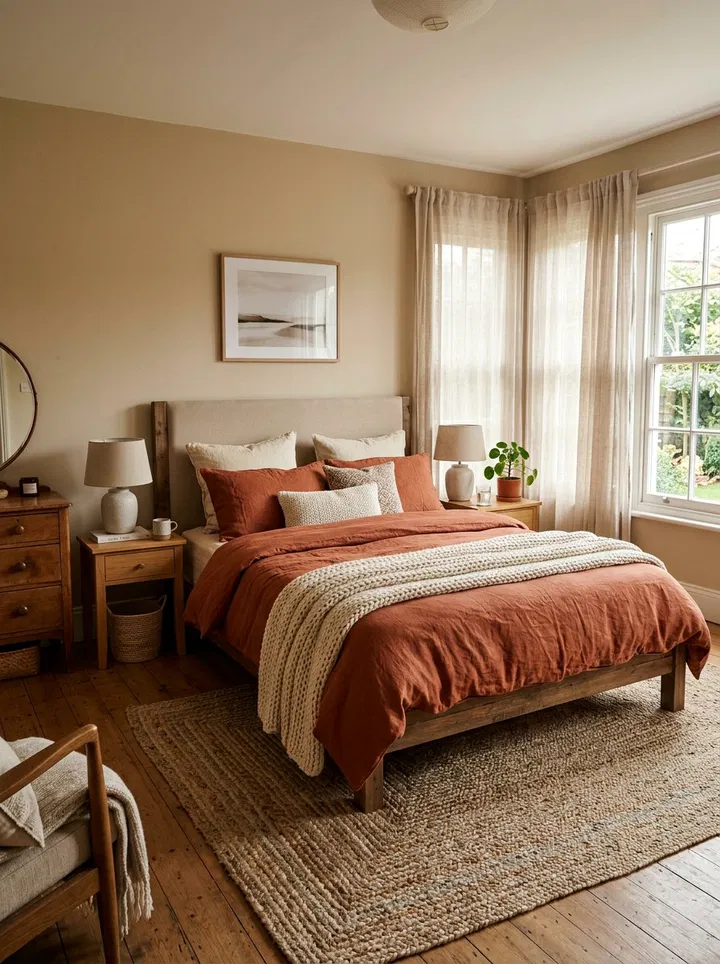
Choose one primary color (like a muted sage green, a soft grey, or a warm terracotta) and use varying shades of it throughout the room. This creates a deeply cohesive, sophisticated, and calming atmosphere. Vary the textures to prevent the room from feeling flat—a velvet sofa, a linen rug, and matte walls all in the same color family add incredible depth.
2. The Statement Wall (Modernized):
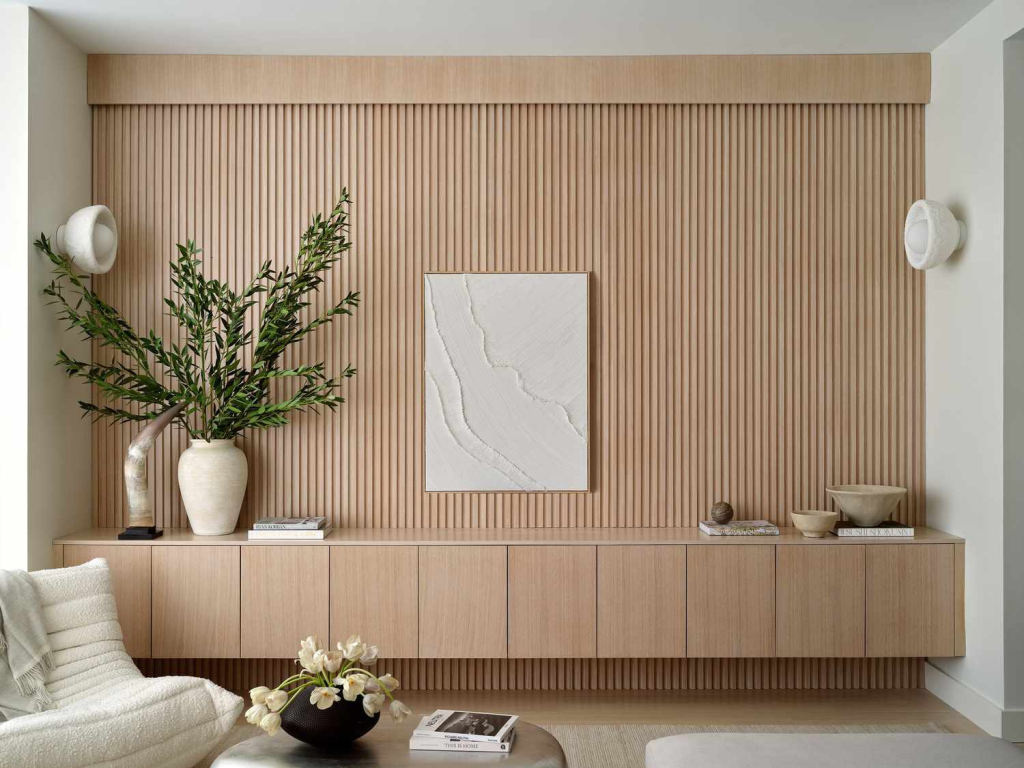
Move beyond a simple coat of paint. A modern statement wall uses architectural elements. Think textured wallpaper (like grasscloth or a subtle geometric pattern), vertical wood slats, or large-format tiles. Even a carefully curated gallery wall with oversized, monochromatic prints can be a stunning modern focal point.
3. Layered Lighting for Every Mood:
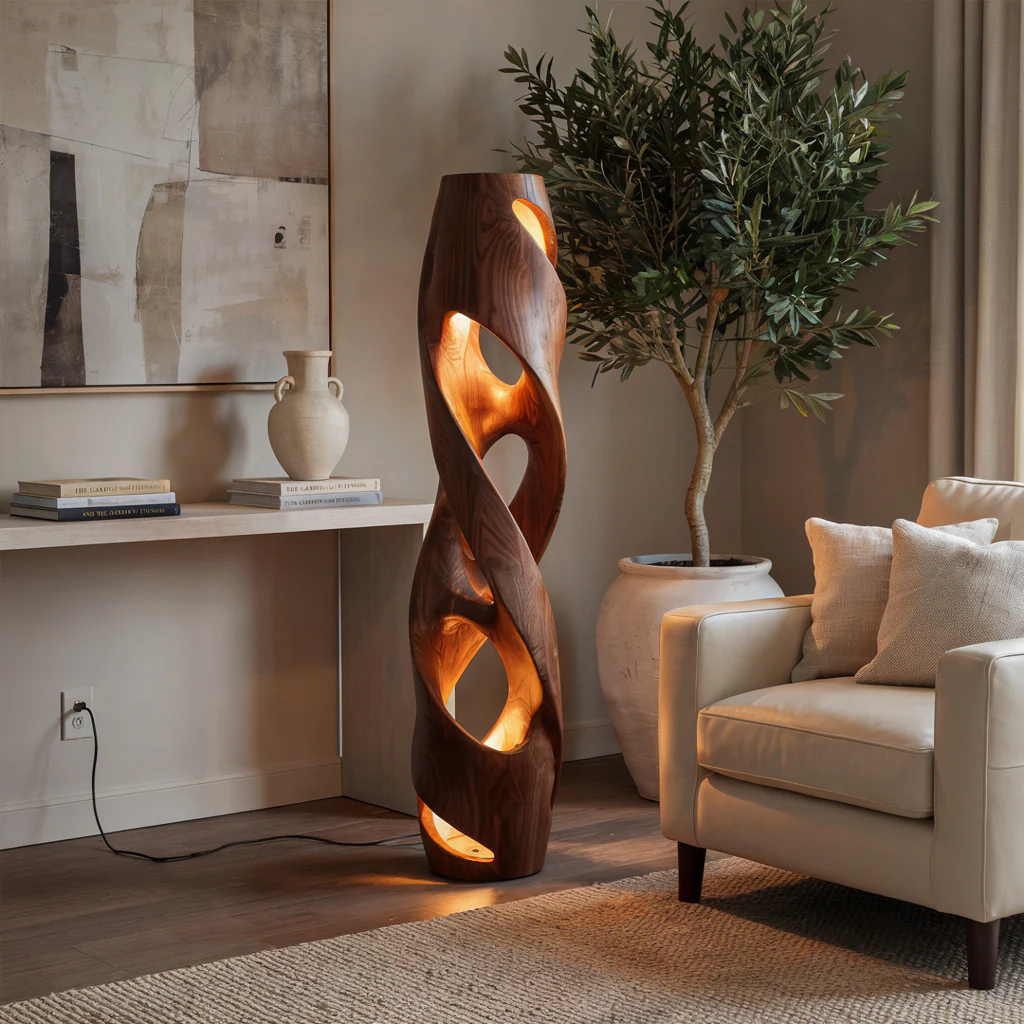
Gone are the days of a single overhead light. Modern rooms utilize a layered approach:
- Ambient: Recessed lighting or a dimmable, flush-mount ceiling fixture for overall illumination.
- Task: A sculptural floor lamp for reading or an adjustable desk lamp.
- Accent: Picture lights above artwork or LED strips under shelves to highlight architectural features and create a warm, inviting glow. Smart bulbs that let you adjust the color temperature are a must-have.
Category 2: Furniture & Layout
4. The Low-Profile Sofa:
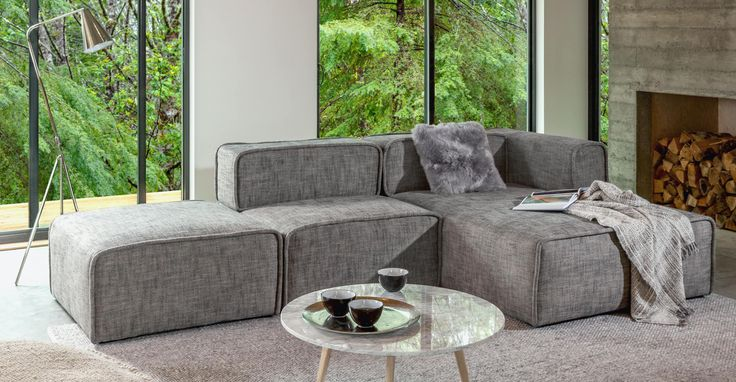
A defining feature of modern living is low-slung, modular furniture. Look for sofas and sectionals with a sleek, low back and deep, plush seats. This silhouette creates a relaxed, grounded feel and makes the room appear larger by keeping the sightline clear.
5. The Sculptural Coffee Table:
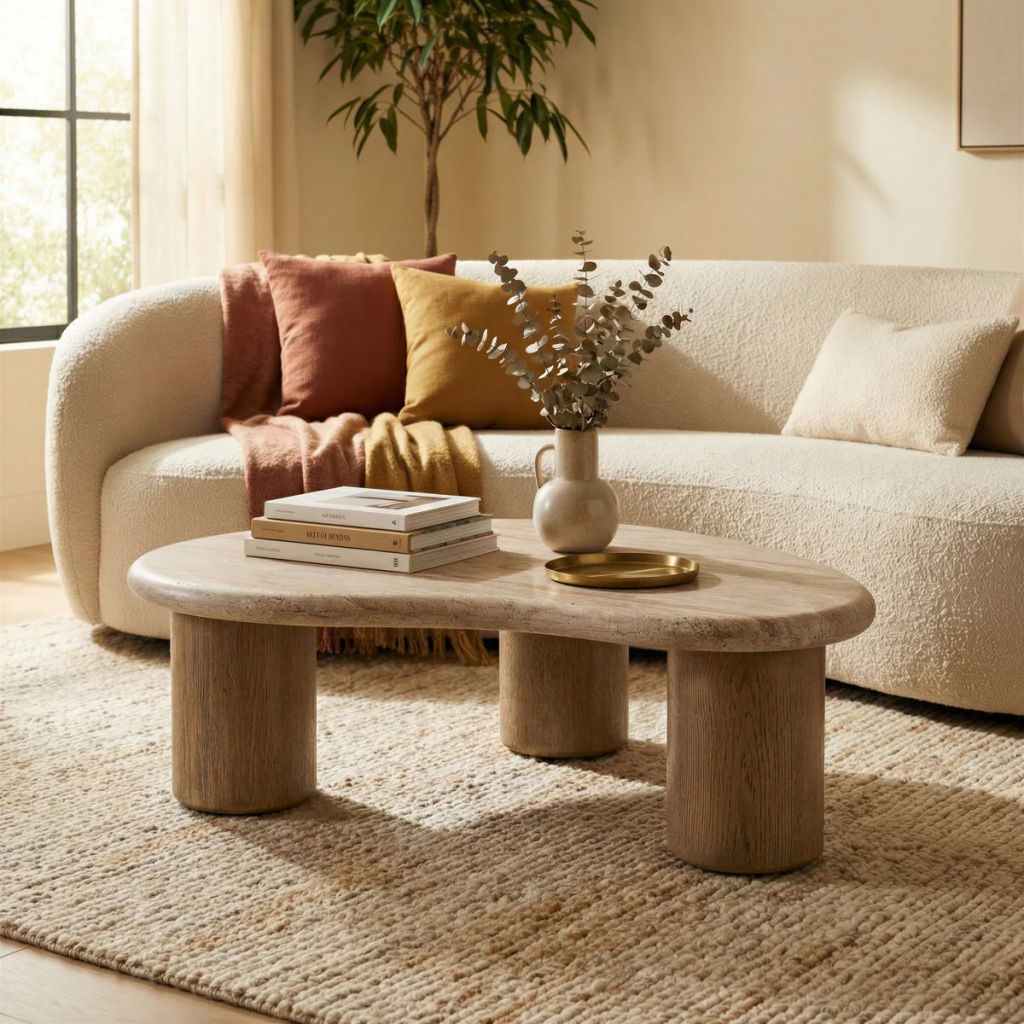
Your coffee table is the anchor of the seating area. Elevate it from a simple table to a piece of art. Look for organic, curvy shapes made of materials like travertine, marble, or a live-edge wood slab. A statement coffee table can be the primary focal point of the room.
6. Multi-Functional Magic:
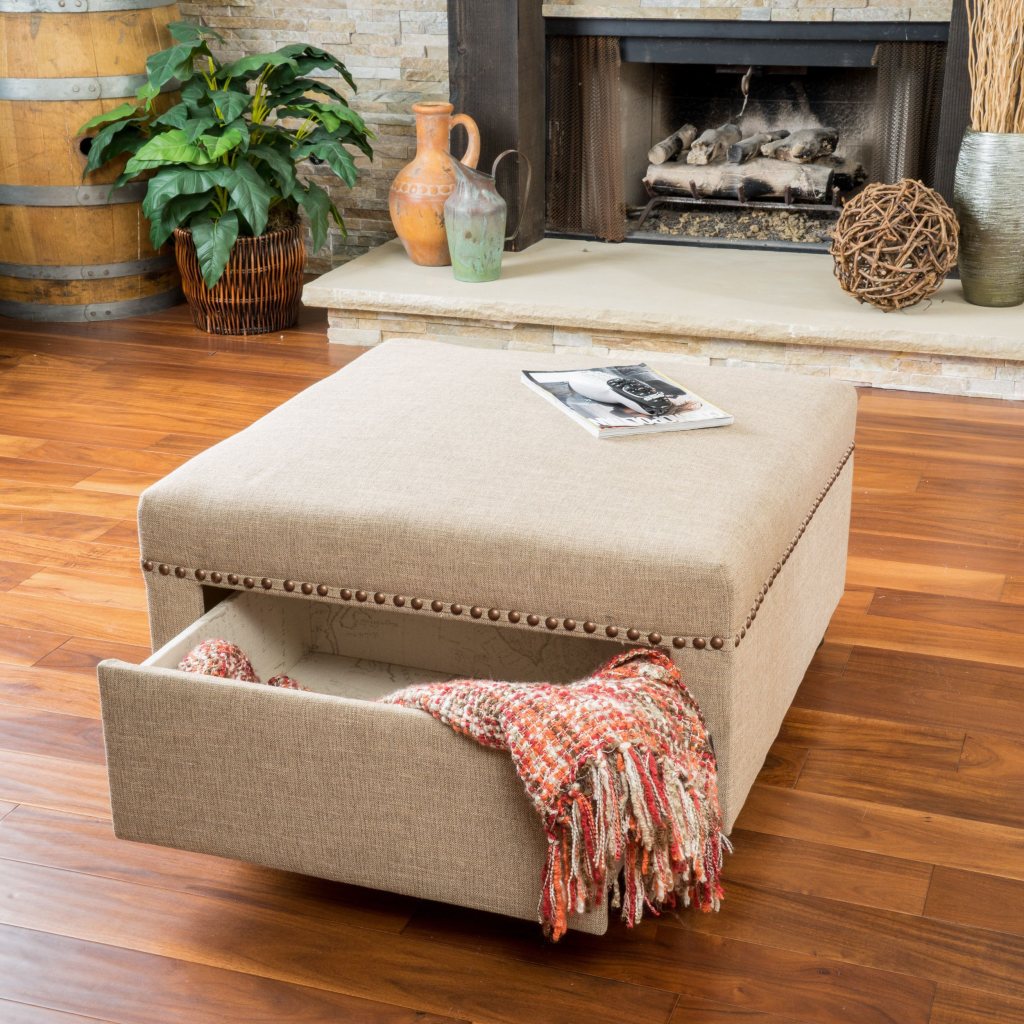
Modern living, especially in urban spaces, demands furniture that works hard. Choose ottomans with hidden storage, nesting side tables that can be moved as needed, or a desk that doubles as a vanity. This is all about smart, space-saving solutions that don’t compromise on style.
Category 3: Materials & Textures
7. A Play of Textures:
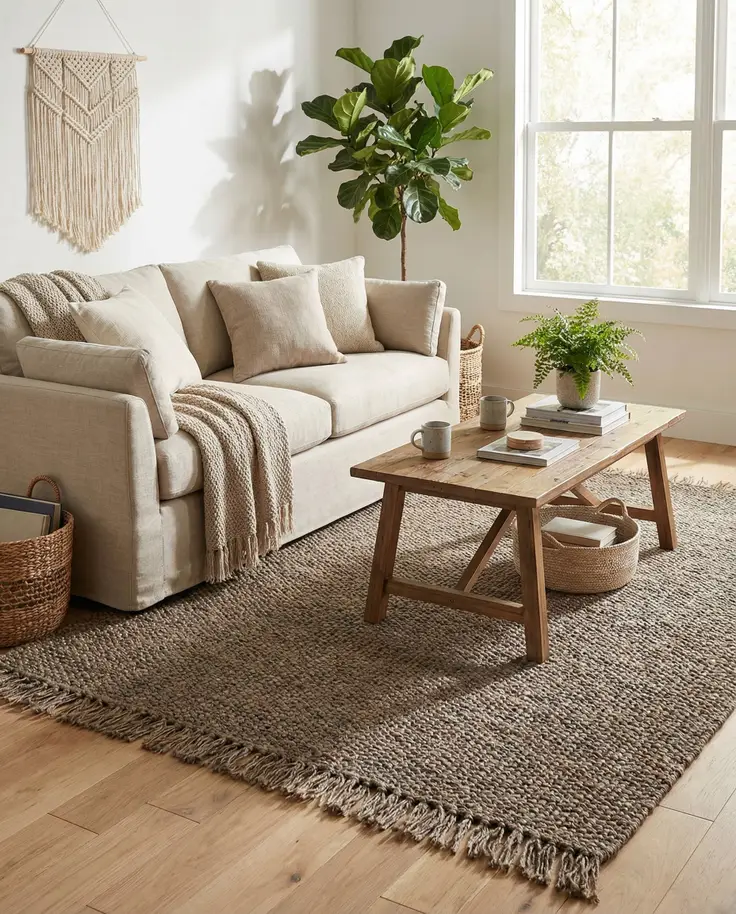
This is perhaps the most critical rule of modern design. A room that is all smooth surfaces (glass, metal, leather) can feel cold and sterile. The key to a warm modern room is mixing textures. Pair a sleek, velvet sofa with a chunky knit throw, a nubby wool rug, and smooth ceramic vases. The contrast creates visual interest and comfort.
8. The Return of Wood:
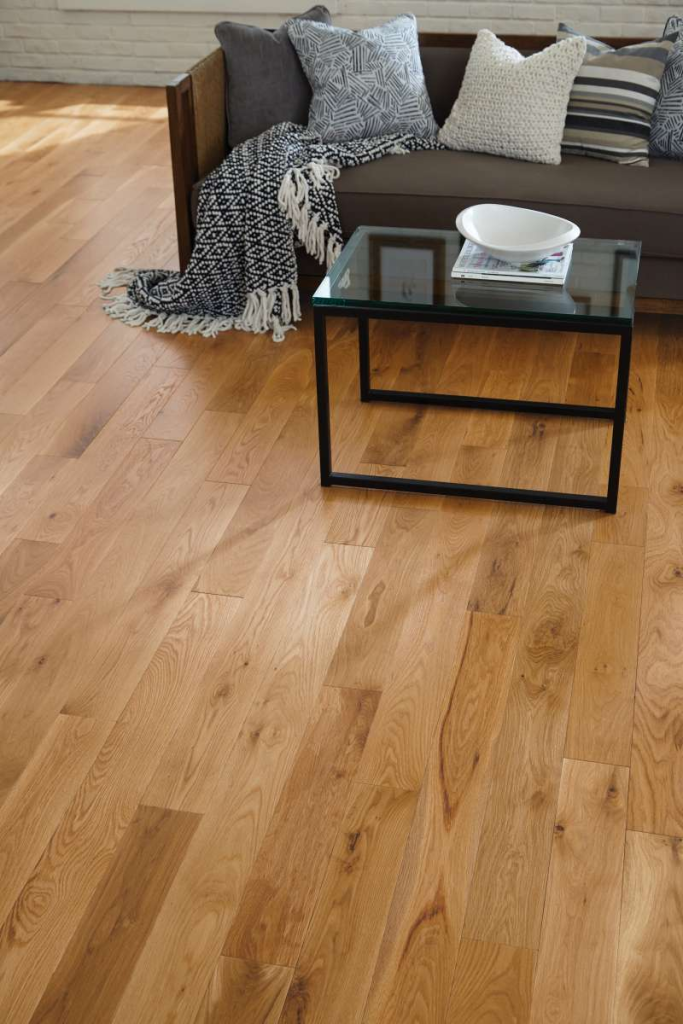
Wood adds instant warmth and organic beauty. In a modern room, opt for wood with a natural or matte finish. Wide-plank flooring, a paneled accent wall, or a solid wood dining table brings a grounding, earthy element to the contemporary space. Look for woods with visible grain, like oak or walnut.
9. Biophilic Design Elements:
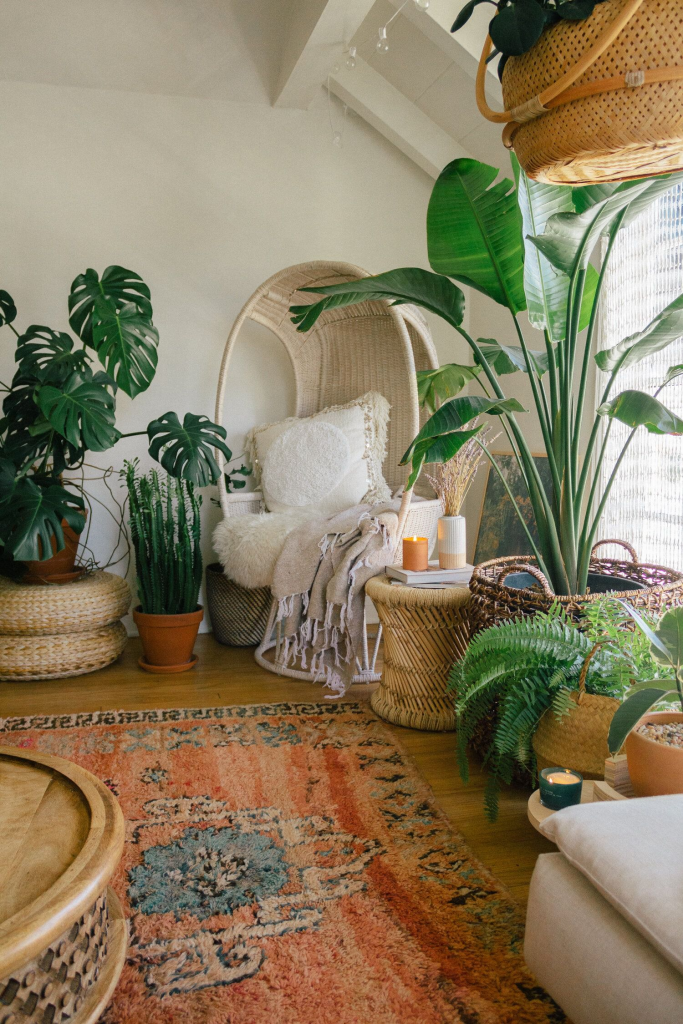
Bringing the outdoors in is a cornerstone of modern design. Integrate nature through:
- Houseplants: Large statement plants like fiddle-leaf figs or a collection of smaller succulents and trailing plants.
- Natural Materials: Furniture and decor made of rattan, jute, seagrass, and stone.
- Maximized Windows: Unobstructed views of the outdoors are the ultimate design feature.
Category 4: Decor & Personal Touch
10. Minimalist Art with Maximum Impact:
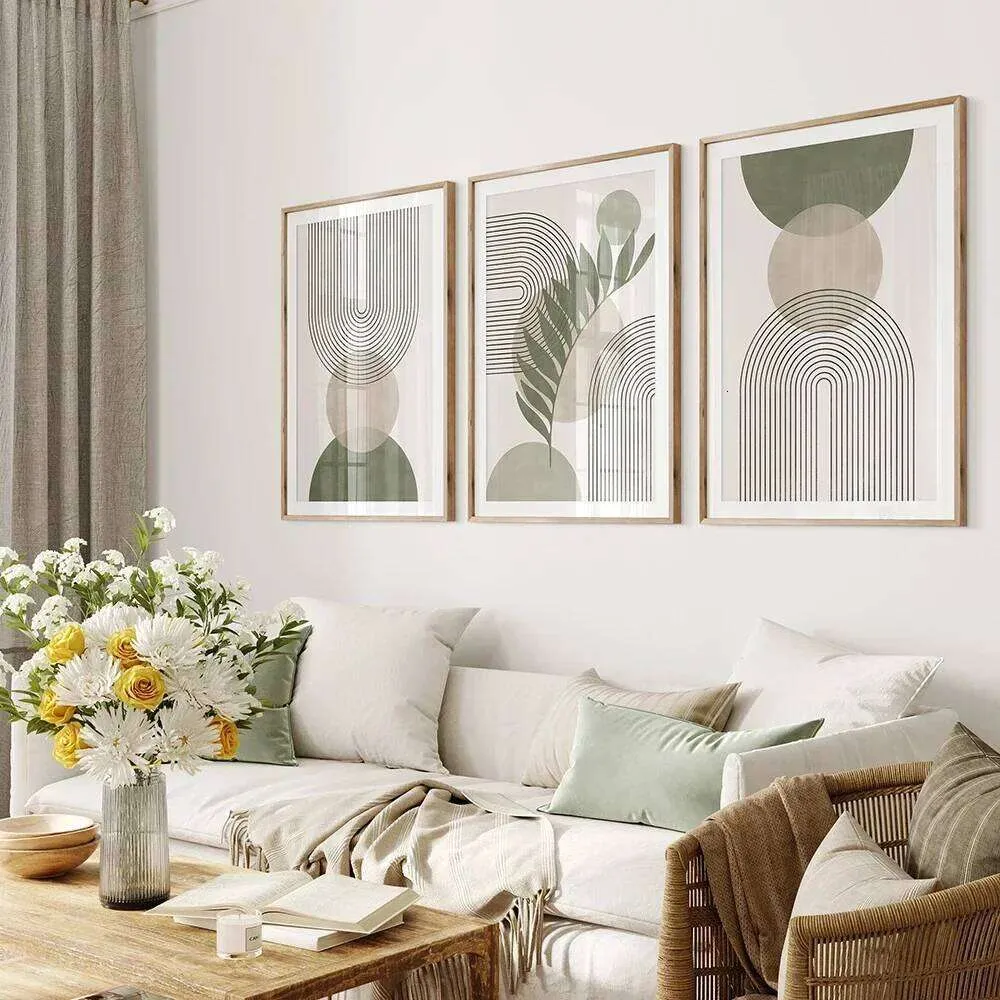
Choose art that speaks to you. In a modern room, less is often more. A single, large-scale piece of abstract art can make a powerful statement. If you prefer a gallery wall, curate it with a cohesive theme—all black and white photography, or a series of botanical prints in matching frames.
11. The Power of the Propped Art:
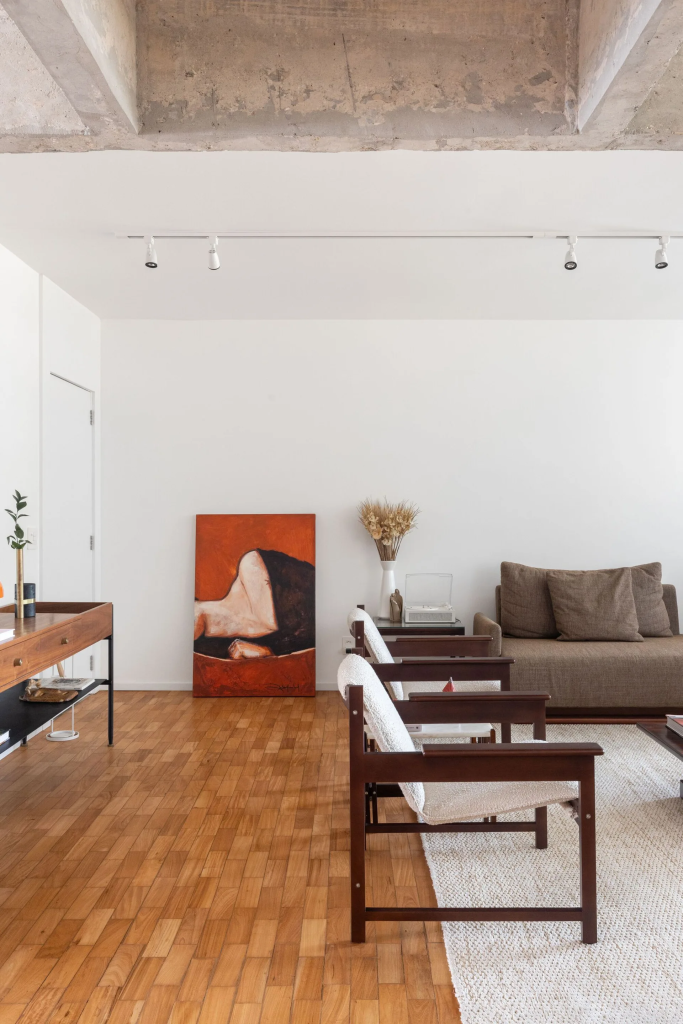
For a relaxed, lived-in, and effortlessly cool look, lean art against the wall on a shelf, mantle, or the floor instead of hanging it. This creates a casual, curated feel that is very much in line with modern, less-formal aesthetics.
12. The Curated Shelf:
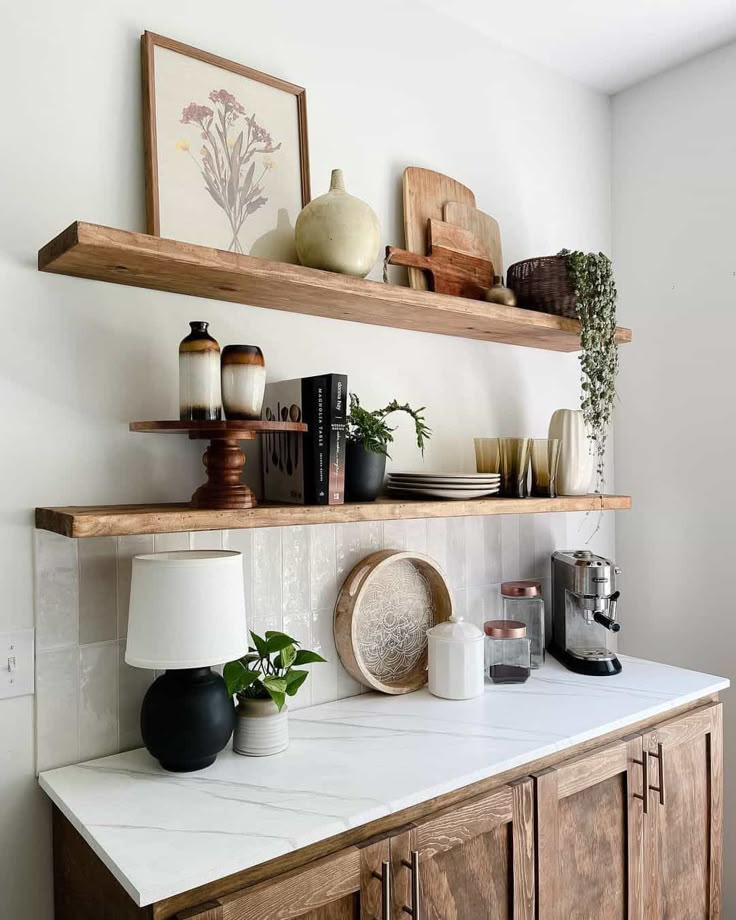
Your shelves are not just for storage; they are a stage for your personality. Curate them with a mix of books, ceramics, small sculptures, and interesting objects. Follow the “rule of thirds”: group objects in threes, varying their heights and textures. Leave some negative space to avoid a cluttered look.
Category 5: The Future of Modern
13. Integrated Smart Technology:
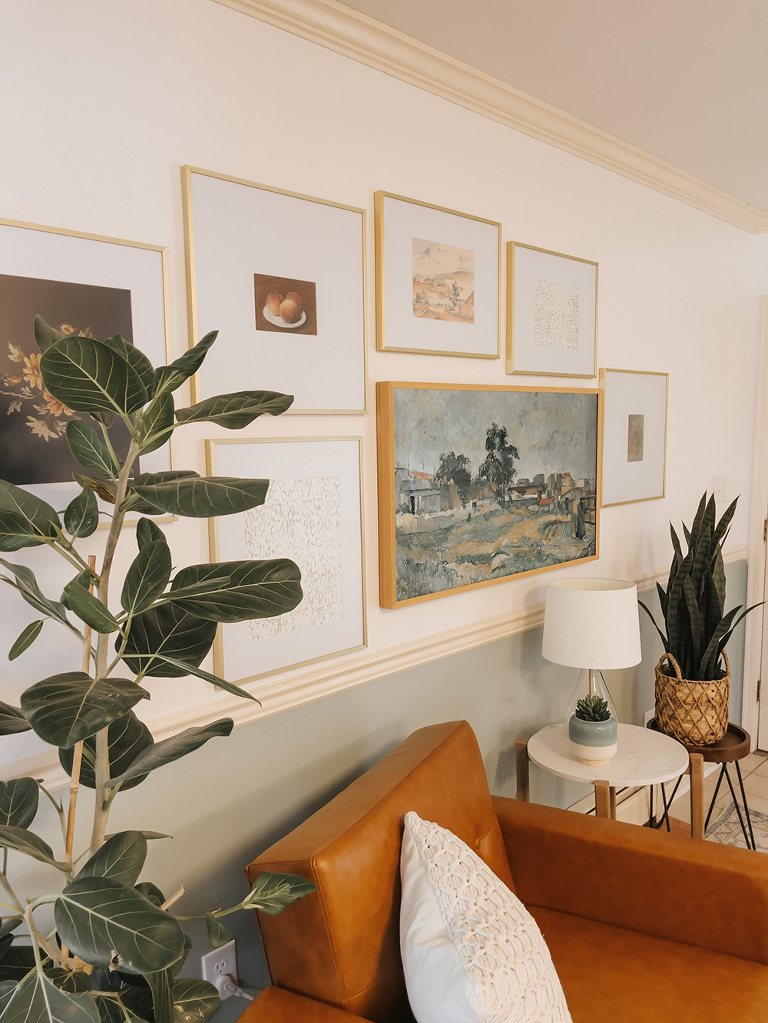
Modern design embraces technology seamlessly. This means smart speakers that blend in, motorized blinds that disappear when raised, and a TV that looks like a piece of art when not in use (The Frame TV is a perfect example). The goal is to make technology invisible and functional.
14. The Sustainable Choice:
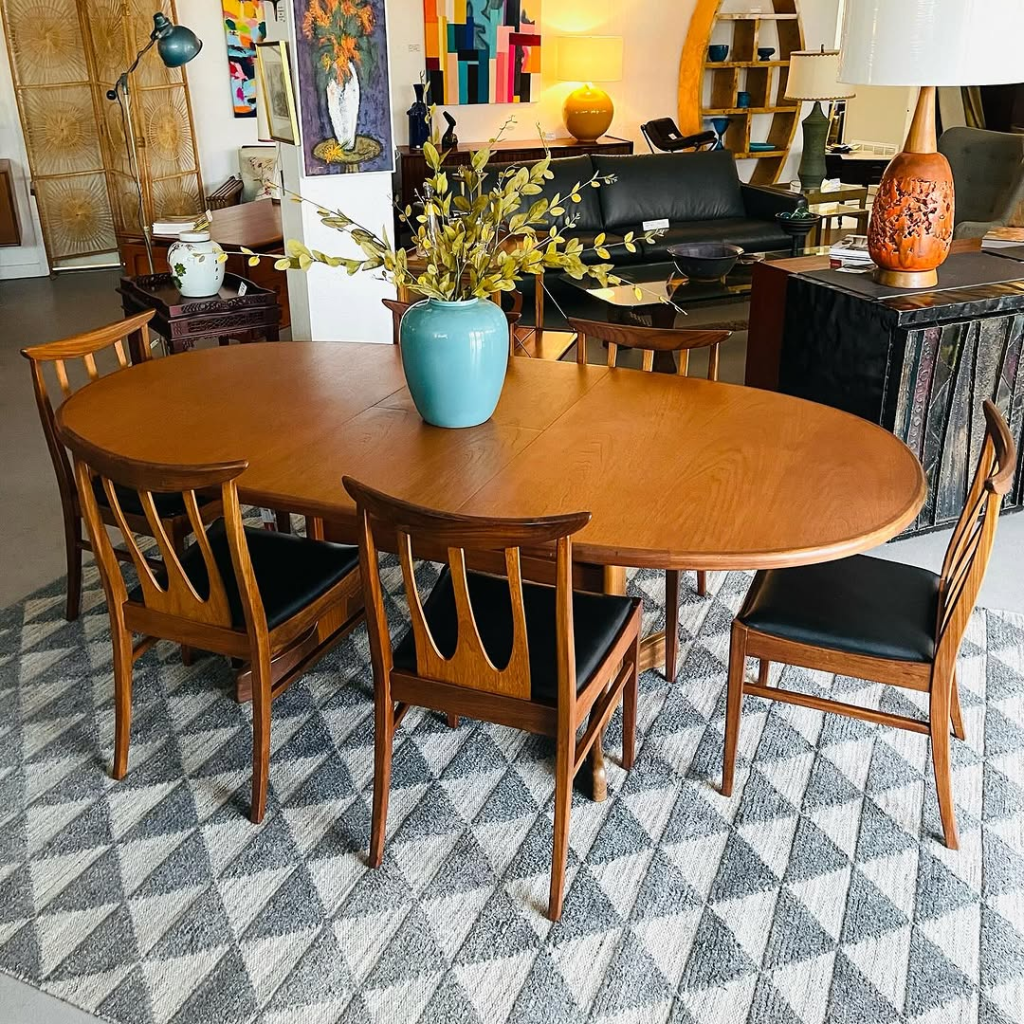
Modern design is increasingly conscious of its environmental impact. Source vintage furniture, choose pieces made from reclaimed or FSC-certified wood, and opt for natural, organic fabrics like organic cotton, hemp, and linen. Buying less but buying better is the ultimate modern mantra.
Actionable Tips & Next Steps
Transforming your room can feel daunting. Breaking the process down into manageable steps will make it much easier and more enjoyable.
- Start with a Mood Board: Before buying anything, create a digital (Pinterest) or physical mood board. Collect images of rooms, colors, and textures that inspire you. This will help you define your specific modern style.
- Declutter First: You can’t have a modern room with clutter. Be ruthless. Donate, sell, or discard anything that doesn’t serve a purpose or bring you joy.
- Invest in Key Pieces: Spend your budget on foundational items like your sofa and a good mattress. These are long-term investments.
- Paint First: If you’re changing wall colors, do this before you move any large furniture in.
- Layer Gradually: Don’t feel pressured to buy everything at once. Start with the big pieces and slowly add accessories, art, and textiles over time to curate the perfect collection.
Conclusion
Designing a modern room is an exciting journey of self-expression. It’s about creating a space that is not only stylish and contemporary but also deeply personal and functional. By embracing the core principles of clean lines, thoughtful curation, and a layered approach to texture and light, you can transform any room into a modern sanctuary. Remember, “modern” is not a rigid set of rules but a fluid philosophy. The 14 ideas we’ve explored are a starting point—a toolkit to help you build a room that is authentic to you. So, start experimenting, break a few rules if you must, and most importantly, have fun creating a space you love.
Final Checklist for a Modern Room:
Function:
- □ Does every piece of furniture have a clear purpose?
- □ Is the layout conducive to the room’s activities (e.g., conversation, relaxation)?
Aesthetics:
- □ Are there clean lines and minimal clutter?
- □ Is there a balanced mix of colors, textures, and materials?
- □ Is there a clear focal point?
Atmosphere:
- □ Does the lighting create a warm and inviting ambiance?
- □ Is there at least one natural element present?
- □ Does the room feel like a true reflection of your personal style?
