The kitchen has always been more than a place to cook — it is the heart of the home, a gathering space, a workspace, and increasingly, a reflection of personal style. But by 2027, the rules are changing in a big way.
After years of chasing the crisp, all-white, showroom-perfect kitchen, homeowners and designers are pivoting toward something warmer, more personal, and genuinely livable. The new kitchen is not designed to impress on Instagram — it is designed to work hard, age gracefully, and feel like it belongs to the people who use it every day.
Drawing on predictions from leading interior designers and industry surveys, this article breaks down the 10 biggest kitchen trends set to define 2027. From concealed sculleries and smokier cabinet colors to furniture-style islands and expressive natural stone, these are the ideas that will shape how we cook, gather, and live in the year ahead.
Whether you are planning a full renovation or simply dreaming about your next refresh, these trends offer a roadmap to a kitchen that is as functional as it is beautiful.
How to Use These Trends in Your Own Kitchen
Trends are inspiration, not instruction. Before you remodel or refresh, keep these practical guidelines in mind:
Start with how you live, not how it looks. The defining theme of 2027 is functionality. Ask yourself where clutter builds up, where you prep, and where people naturally gather — then design around those answers.
Invest in the bones, experiment with the surface. Sculleries, cabinetry profiles, and layouts are expensive to change later. Color, hardware, and styling are easy to update. Spend your budget where it lasts.
Mix trends with timeless choices. A smoky blue-green island feels fresh today and classic in ten years. A boldly colored backsplash may not. Balance statement moments with enduring materials like natural stone and warm wood.
Consider resale value. Concealed storage, hardworking layouts, and quality cabinetry appeal to nearly every buyer. Highly specific color palettes or novelty features may narrow your audience.
Do not chase every trend at once. Choose two or three ideas that resonate with your lifestyle and let the rest of the kitchen stay quiet and supportive.
10 Kitchen Trends That Will Define 2027:
1. The Rise of the Scullery (Back Kitchen)
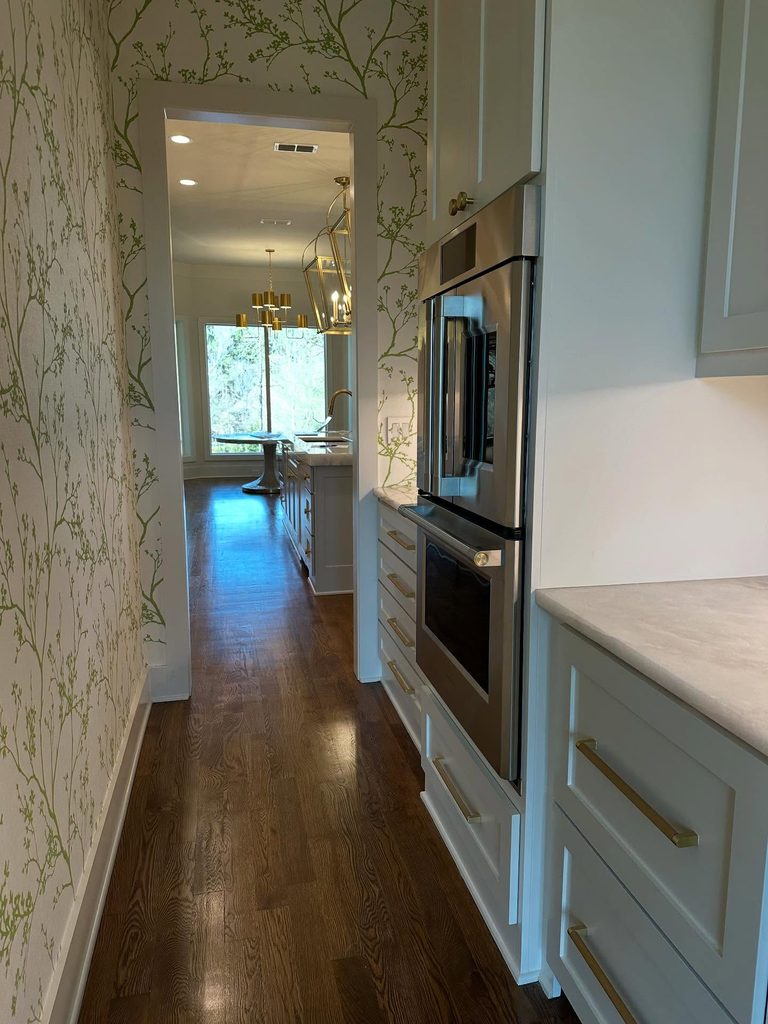
Luxury kitchens are getting sleeker by moving messier work behind closed doors. Sculleries, back kitchens, and expanded butler’s pantries are becoming one of the most sought-after features. This separation allows the main kitchen to stay clean and visually refined for entertaining while functional cooking and cleanup happen out of sight. The modern scullery has evolved into a combination of the traditional butler’s pantry and larder, offering dedicated prep and cleanup zones.
Why it matters: This is a practical luxury that significantly improves how a high-end kitchen lives, and it is being incorporated even into luxury apartments and condos on a smaller scale.
2. Invisible Kitchens and Concealed Functionality
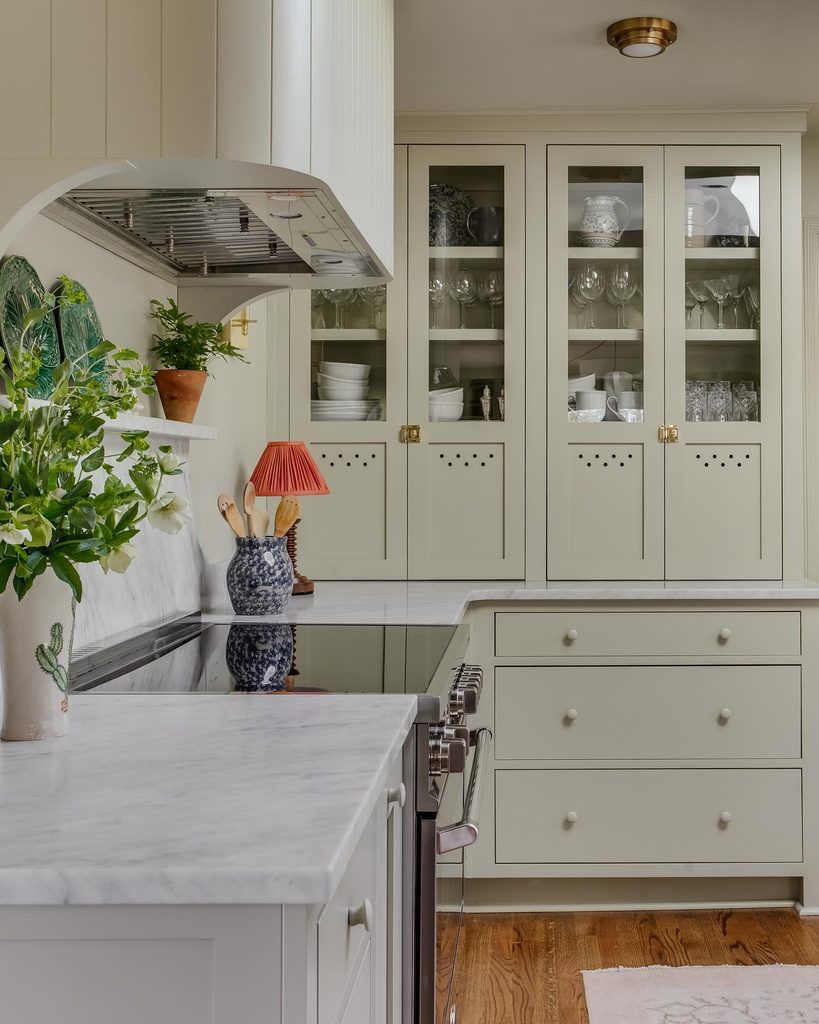
Open-concept layouts have made kitchens more visible, so designers are finding creative ways to make them disappear when not in use. This trend goes beyond integrated appliances to include pocket doors, hidden appliances, and garage doors that transform the kitchen into beautiful millwork when not in operation. The emphasis has shifted toward concealing functional elements while letting architectural details and materials take center stage.
Supporting trend: Appliance garages are making a major comeback, with 2027 models featuring sleeker slider doors or fold-up cabinet doors instead of the traditional roll-top style. MasterBrand’s survey confirms these are rising in popularity to minimize countertop clutter without sacrificing accessibility.
3. Warm, Character-Rich Wood Tones (White Oak Is Out)
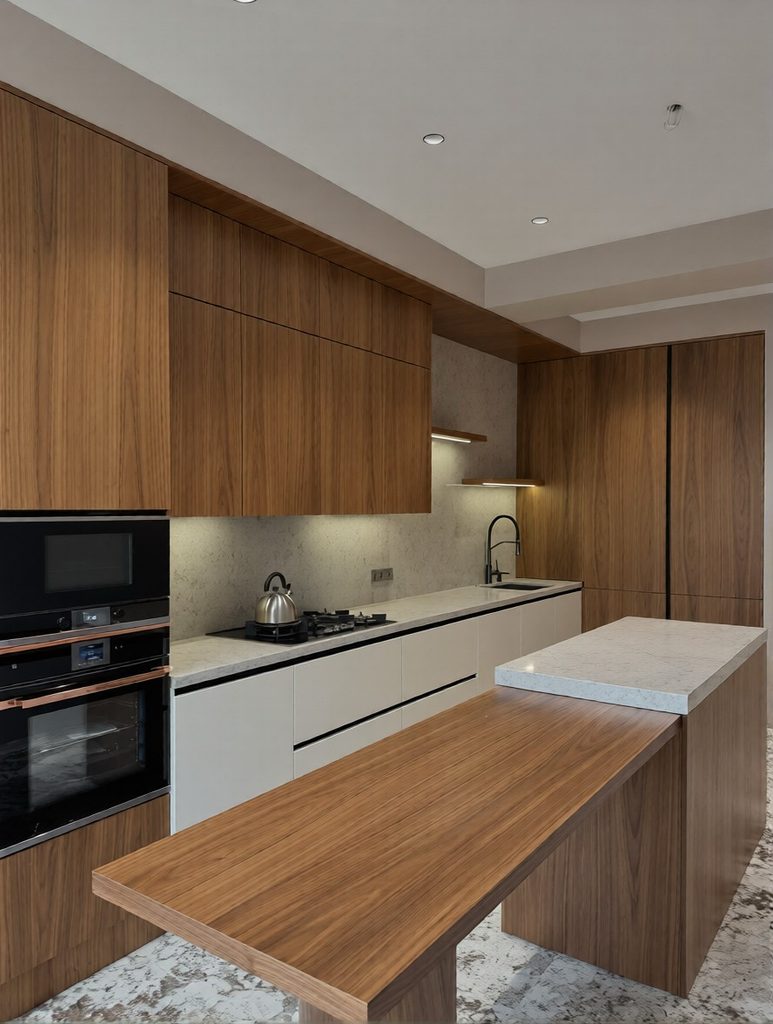
The all-white kitchen is officially fading. White has dropped to the fourth most preferred cabinet finish, behind light wood stains, creamy off-whites, and mid-tone stains. Rich wood tones are making a comeback, with darker stains and richer species like walnut gaining prominence over white oak. Shea McGee of Studio McGee predicts walnut specifically will have a major moment, adding depth and interest to kitchens.
Key consideration: Different woods age differently — cherry goes darker over time, while walnut tends to age lighter.
4. Smokier Blue-Green Cabinet Colors (Replacing Navy)
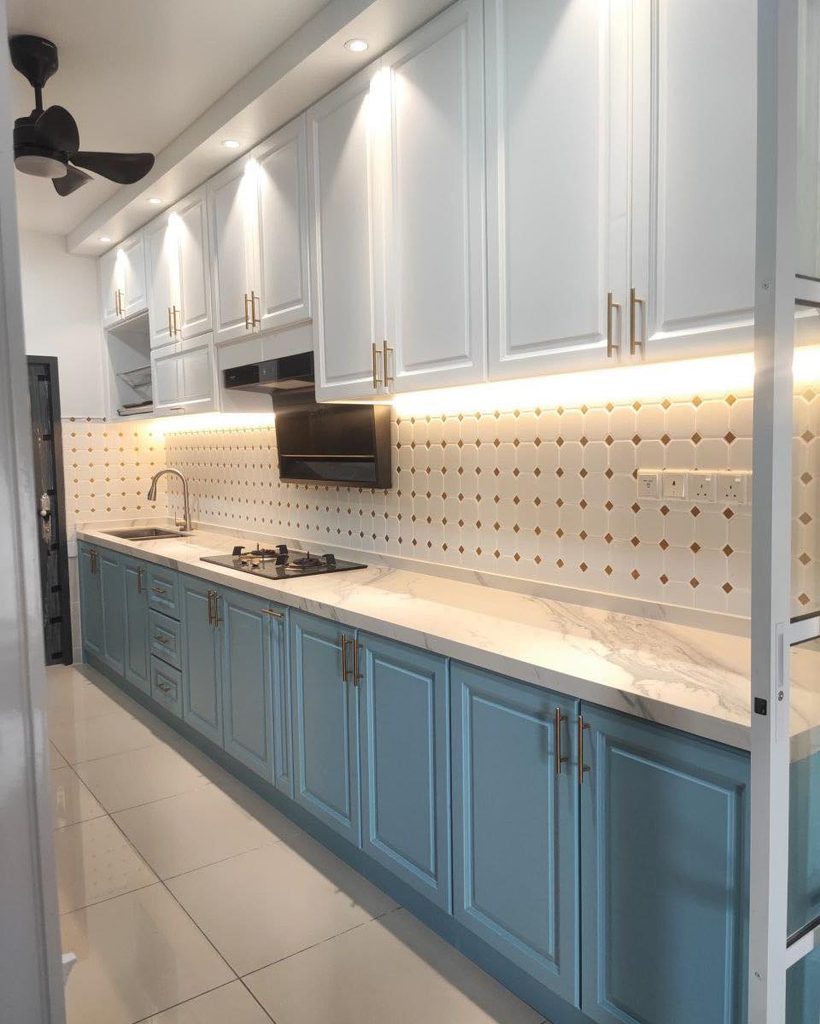
Navy blue is being replaced by blue-green hybrid colors — elegant teals, petrol blues, and smokier variations that feel less dark and heavy than navy. These tones have a natural warmth that pairs beautifully with warm woods, natural stone, and aged metals. As one designer put it: “Take almost any color, add gray, or better yet a little black, and it stops being a color and starts being a mood”.
Popular shades: Sherwin-Williams Delft and Benjamin Moore New Providence Navy both have green underbases that pair well with natural stain colors.
5. Muted, Earthy Color Palettes Beyond Blue and Green
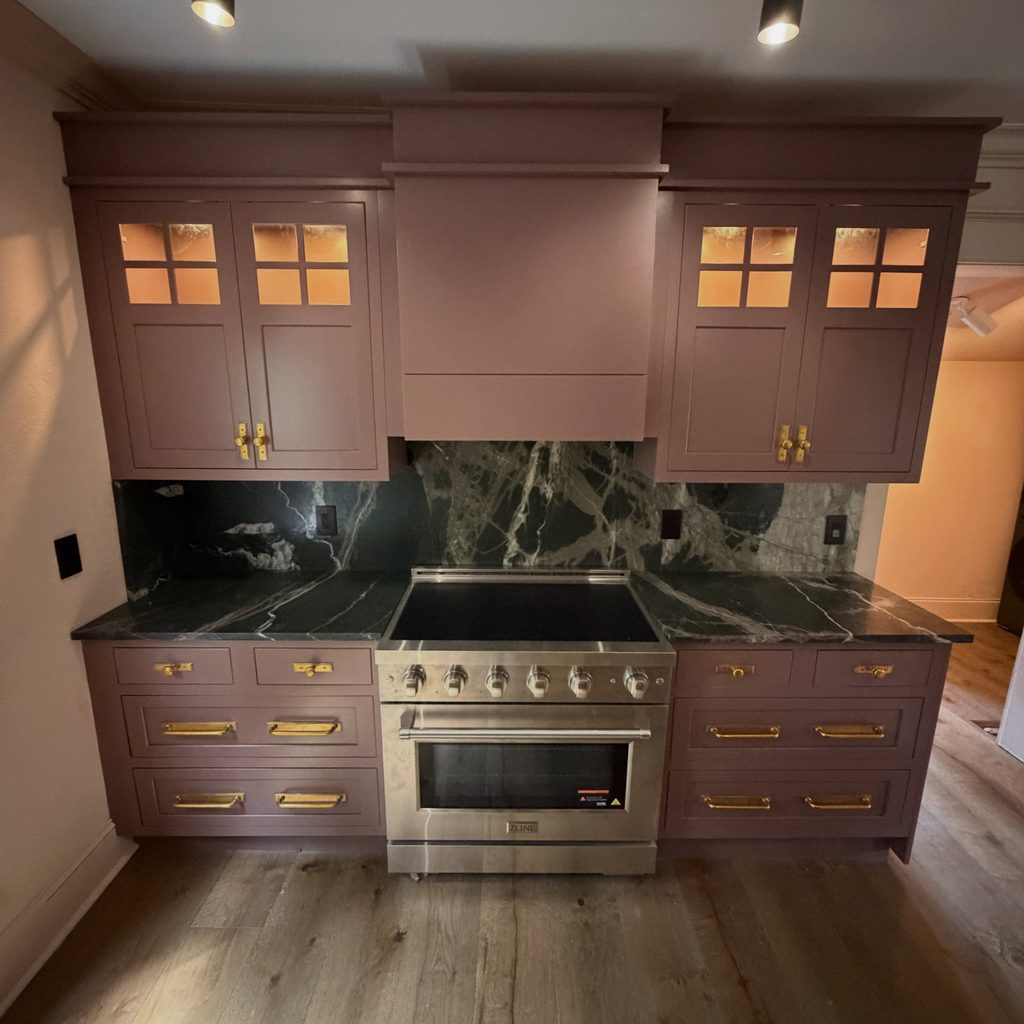
Designers are embracing a wider range of muted, earthy colors for cabinetry. Muted mauve, mustard yellow, burgundy, earthy pink, celery green, and chocolate brown are all gaining traction. MasterBrand found that 88% of homeowners are willing to experiment with color, most often on islands or by mixing cabinet finishes.
Why these colors work: They behave almost like neutrals when surrounded by natural materials like wood, brass, and stone, grounding the palette without making the space feel overwhelming.
6. Kitchens That Feel Like Living Rooms
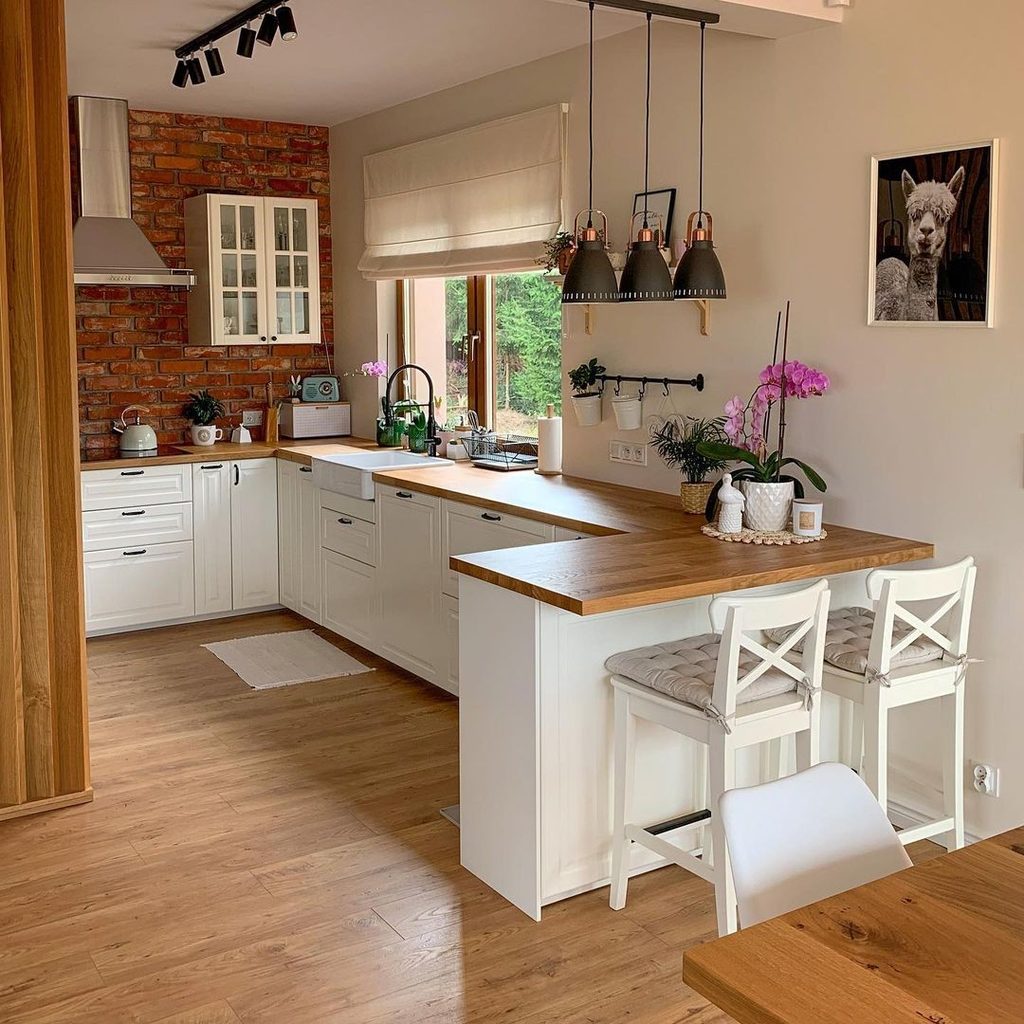
Kitchens are continuing to shed their purely utilitarian appearance in favor of spaces that feel thoughtfully furnished and blended into the rest of the home. This means furniture-style cabinetry, custom millwork, natural wood, architectural lighting, and decorative layers like artwork, table lamps, and vintage-inspired pieces.
The design shift: “We spent so many years chasing that crisp, clean, all-white kitchen, and now there’s an appetite for a little soul — patina, texture, and colors that have some depth,” says Amber Lewis.
7. Expressive Natural Stone with Movement and Warmth
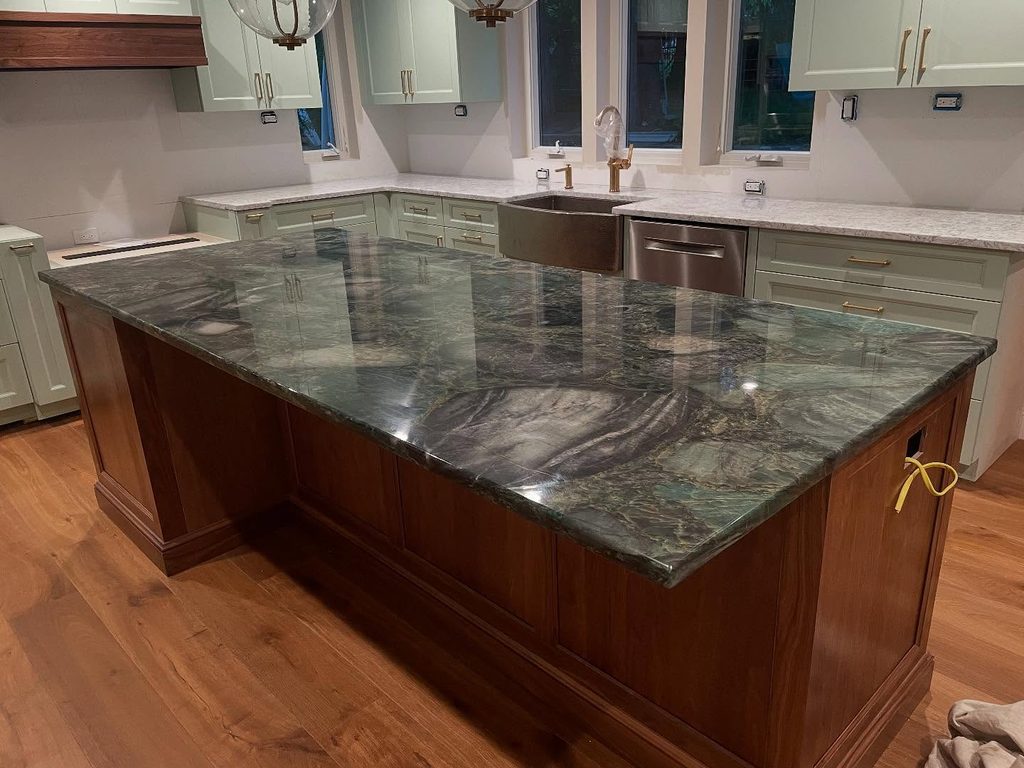
Instead of safe, uniform countertops, designers are embracing stones with more movement, warmth, and variation. Shea McGee advises: “Let the stone be the statement and give everything around it some restraint”. This means carrying one beautiful veined stone across countertops and backsplash while keeping cabinetry and hardware classic.
Materials gaining favor: Utilitarian surfaces that improve with age — Carrara marble that develops patina, soapstone that withstands daily use, and butcher block that shows wear beautifully.
8. Traditional and Furniture-Style Cabinetry
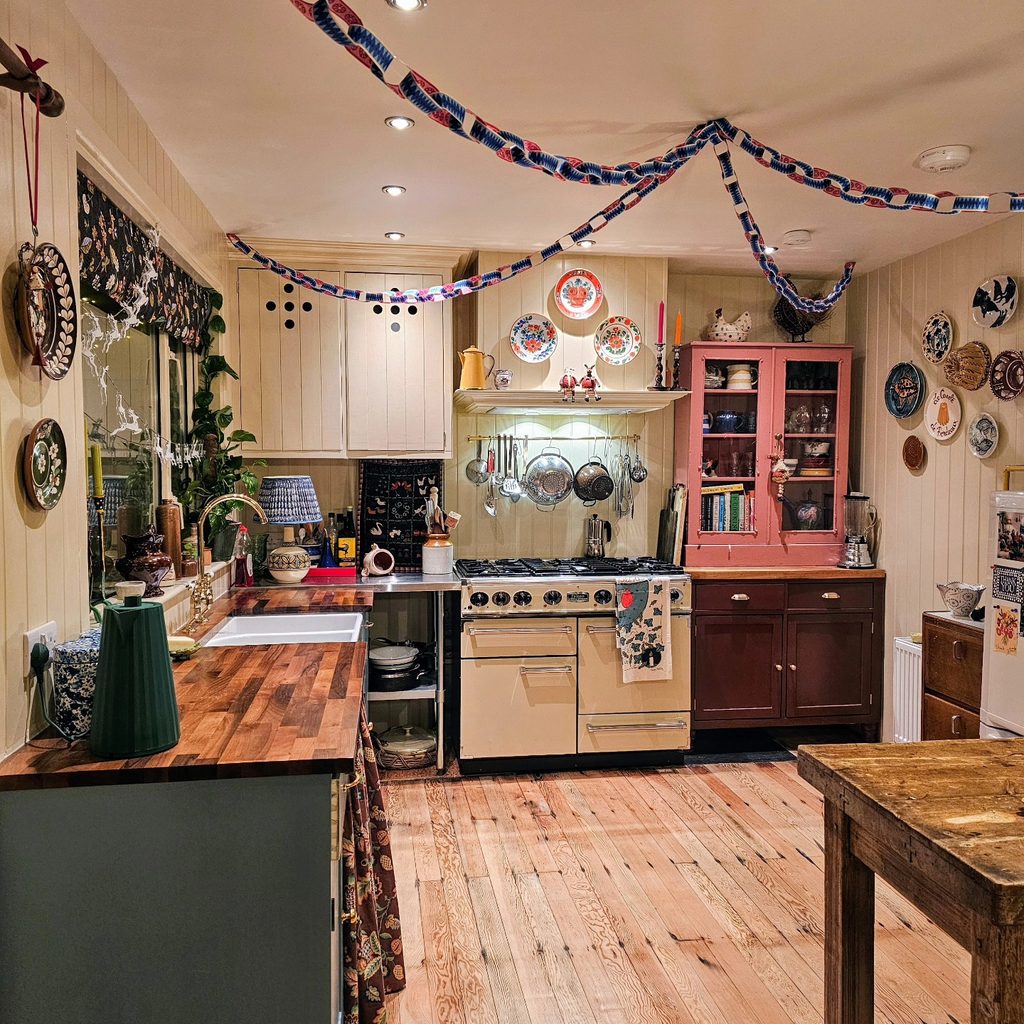
After years of flat-panel European minimalism, there is a return to more traditional door profiles, inset cabinetry, and furniture-inspired details. As one designer put it: “Kitchens that feel as though they could have been built a hundred years ago and still look beautiful a hundred years from now”. Custom cabinetry designed to display china and glassware is also seeing renewed appreciation as people entertain more at home.
Related trend: Less upper cabinetry — concentrating storage in select areas rather than long runs of upper cabinets creates a lighter feel while maintaining function.
9. Statement Islands as Furniture
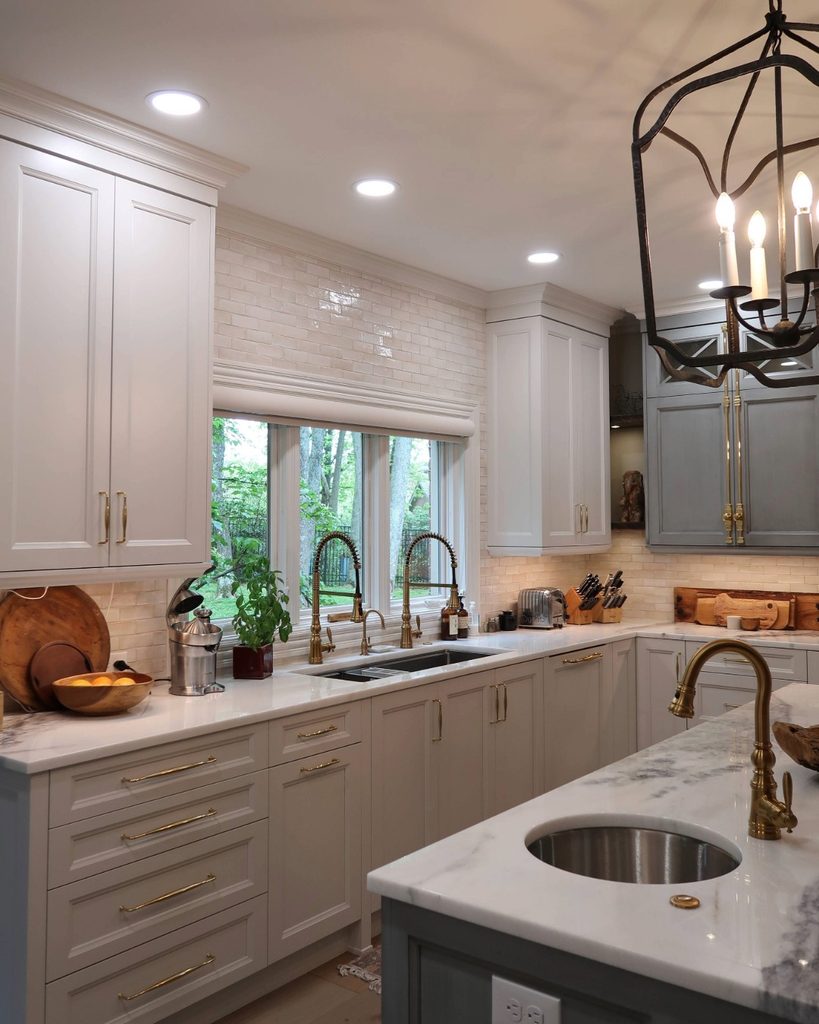
Islands are being designed to stand on their own like furniture rather than blending into surrounding cabinetry. This creates “a timeless architectural statement that brings warmth and character to the heart of the home”. In 2027, the island is also becoming more multifunctional — a place for cooking, working, gathering, and storage.
Design approach: Consider a contrasting finish or different material for the island to make it a focal point rather than an extension of the perimeter.
10. True Functionality and Hardworking Layouts
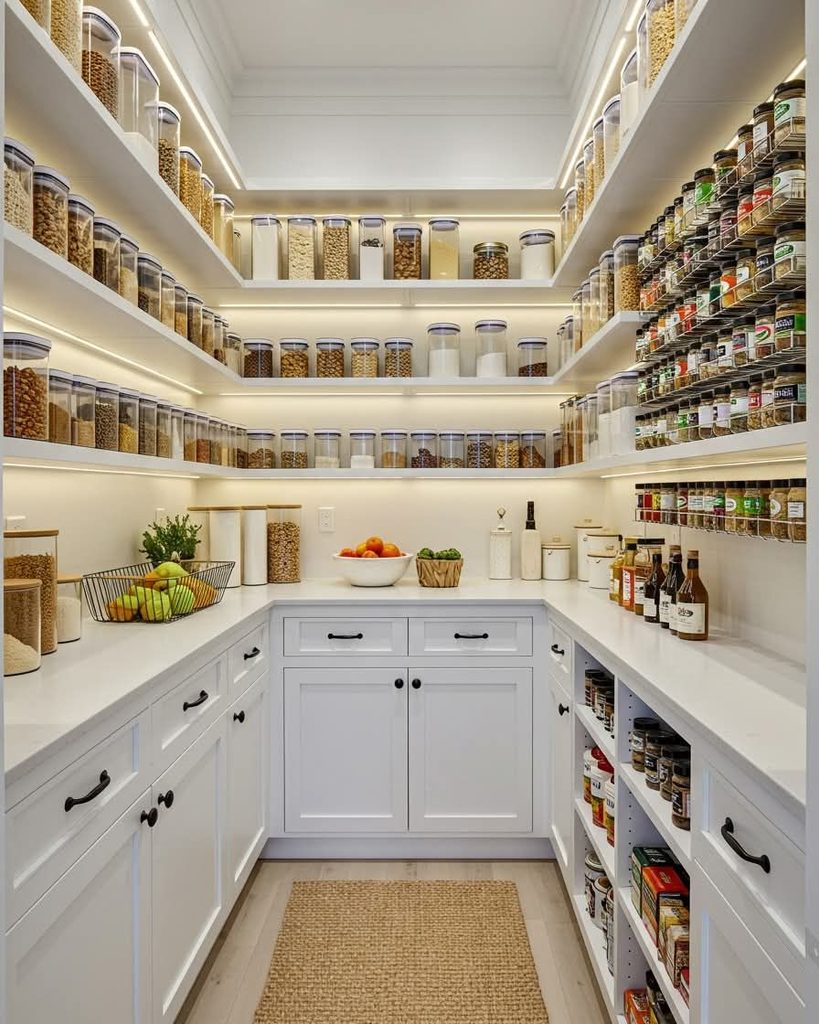
The shift is from designing the most impressive kitchen to designing the right kitchen, where every inch is considered. This includes larger walk-in pantries, sculleries, appliance garages, hidden prep areas, and dedicated baking or coffee stations. As one designer explains: “It’s a shift from designing the most impressive kitchen to designing the right kitchen, where every inch is considered, and nothing feels oversized simply for the sake of luxury”.
The underlying philosophy: These features keep clutter at bay while making everyday life easier, reflecting how people actually live in their kitchens rather than how they want them to photograph.
Key Takeaways
- Warmth is winning. White oak and all-white kitchens are giving way to rich woods, earthy tones, and smokier blue-greens.
- Function is the new luxury. Sculleries, appliance garages, and hidden prep zones matter more than oversized showpieces.
- Kitchens are becoming living rooms. Furniture-style cabinetry, decorative layers, and architectural lighting are blurring the line between cooking and living.
- Natural materials are celebrated, not hidden. Expressive stone, patina, and surfaces that improve with age are in demand.
- Personal expression is encouraged. From muted mauve to statement islands, 2027 rewards kitchens with soul over sameness.
- Concealment is key. Invisible kitchens and integrated appliances keep the main space clean and calm.
Conclusion
If there is one word that sums up kitchen design in 2027, it is intention.
This is the year the kitchen stops performing and starts living. The all-white showroom aesthetic that dominated for over a decade is fading, replaced by spaces with depth, texture, and personality. Homeowners are no longer asking, “How will this look?” but rather, “How will this work for us?”
The trends outlined here — sculleries that hide the mess, cabinet colors with mood and warmth, stone with movement, islands that feel like furniture, and layouts built around real daily routines — all point in the same direction. The kitchen of 2027 is warmer, smarter, and more human.
It is a space that welcomes patina instead of fighting it, that hides clutter without hiding character, and that treats functionality as the highest form of luxury. Whether you embrace every trend or just one, the message is clear: the best kitchen is not the most impressive one — it is the one that fits the way you actually live.
As you plan your own space, remember that trends come and go, but a well-designed kitchen — one built around warmth, function, and the people who gather in it — will always feel current.
Frequently Asked Questions
What is the biggest kitchen trend for 2027?
The rise of the scullery or back kitchen. Concealing prep and cleanup behind closed doors allows the main kitchen to stay clean, calm, and guest-ready.
Are white kitchens going out of style?
Not entirely, but pure white is fading. Creamy off-whites, warm wood stains, and earthy tones are taking its place.
What colors are replacing navy blue cabinets?
Smokier blue-green hybrids — teals and petrol blues with green underbases — are the new go-to. Muted mauve, mustard, and burgundy are also gaining ground.
Is natural stone still popular?
Yes, but the preference has shifted toward stones with movement, warmth, and variation rather than uniform, safe options.
How do I make my kitchen feel less like a kitchen?
Choose furniture-style cabinetry, add decorative lighting and artwork, conceal appliances, and treat the space like a living room rather than a utility area.
What is an invisible kitchen?
A kitchen designed to disappear when not in use, using pocket doors, appliance garages, and integrated cabinetry to hide functional elements.
