There’s something irresistibly charming about a vintage garden. It’s not just about the flowers—it’s the feeling of nostalgia that comes with every chipped terracotta pot, wrought-iron chair, and climbing rose curling around an old trellis. A vintage garden theme captures the romance of bygone eras while still feeling deeply personal and inviting. Whether you have a sprawling backyard or a small courtyard, this style transforms your outdoor space into a dreamy, storybook retreat.
In this guide, we’ll explore how to design a vintage garden that looks timeless, evokes emotion, and ranks high in search results for anyone looking to add a touch of old-world beauty to their outdoor space.
This Calming Bedroom Paint Colors to Create a Peaceful Retreat. is all you need.
1. What Makes a Garden “Vintage”?
A vintage garden blends elements from the past—rustic materials, heirloom plants, and antique-inspired décor—to create an atmosphere of effortless elegance. Think of the English cottage gardens of the early 1900s or the French provincial courtyards filled with climbing roses, chipped urns, and weathered benches.
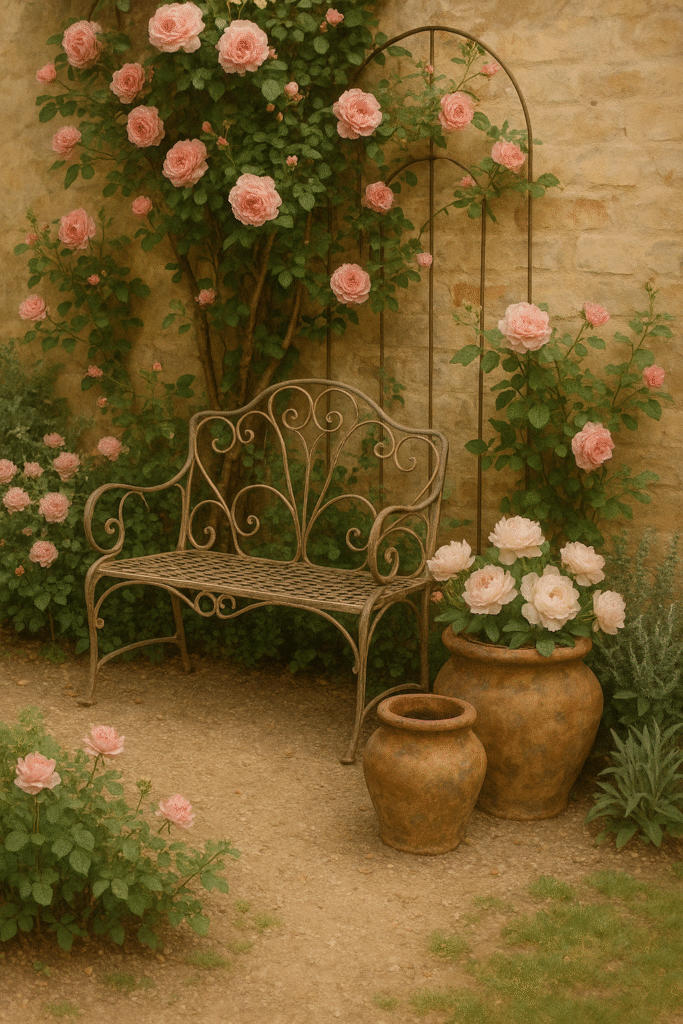
Key features include:
- Aged materials: Wrought iron, distressed wood, and patinaed metals bring character and depth.
- Romantic plantings: Roses, lavender, foxgloves, and peonies are must-haves for that classic charm.
- Layered textures: Mixing foliage, flowers, and garden ornaments creates visual nostalgia.
The goal is not perfection—it’s patina. A vintage garden celebrates time and imperfection, where every crack and curve tells a story.
2. Choosing the Perfect Vintage Garden Plants
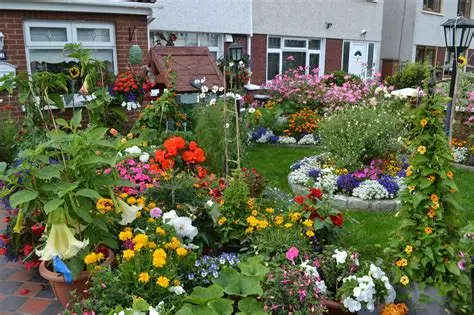
Plants are the heart of a vintage garden. The best way to create an authentic old-fashioned atmosphere is by selecting heirloom varieties that have stood the test of time.
a. Roses – The Soul of the Vintage Garden
Nothing defines a vintage garden quite like roses. Choose fragrant, full-blooming varieties such as David Austin, Old English, or Tea Roses. Their lush petals and romantic scent instantly create a nostalgic feel. Train them to climb along fences or trellises for a storybook effect.
b. Lavender and Sage – Fragrance and Texture
Lavender is another vintage classic that brings color, texture, and a calming aroma. Pair it with sage or rosemary for soft green tones and an old-world charm that appeals to sight and scent alike.
c. Peonies, Foxgloves, and Hollyhocks – Nostalgic Blooms
Tall, graceful plants like foxgloves and hollyhocks create depth, while peonies add luxury with their big, ruffled blossoms. These flowers have been beloved for centuries and are key to evoking a Victorian garden feel.
3. Garden Layout: Where Vintage Meets Harmony
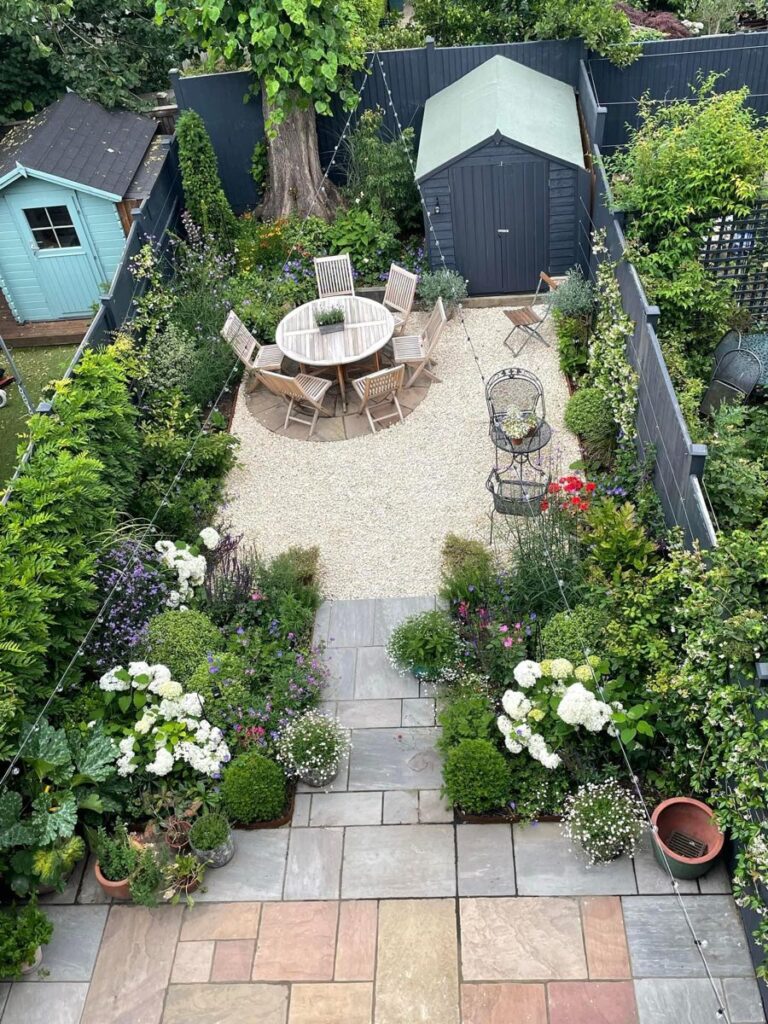
A vintage-style garden feels informal yet thoughtfully arranged. Curved pathways, hidden corners, and cozy sitting spots create an inviting flow.
- Winding pathways: Use gravel or reclaimed bricks to form paths that guide the eye naturally. Straight lines feel modern; curves feel timeless.
- Secret nooks: Add a small bench under a tree or a reading corner surrounded by flowers. These “hidden” spots make your garden feel intimate.
- Symmetry and softness: Combine balanced arrangements (inspired by old English designs) with slightly overgrown plants for a romantic, lived-in look.
4. Furniture and Décor: Antique Accents That Tell a Story
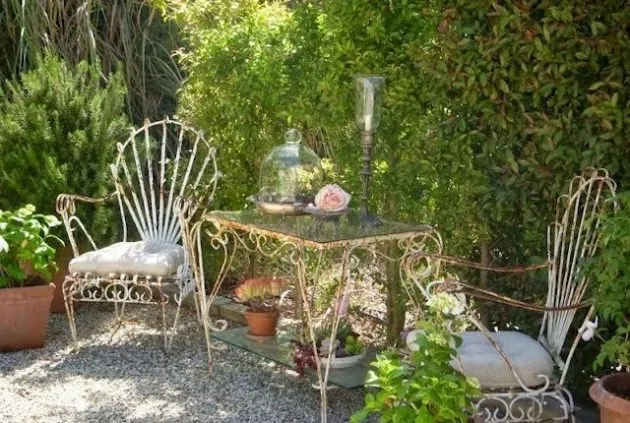
The décor in a vintage garden should feel collected, not bought all at once. You can hunt for treasures at flea markets, estate sales, or even your grandparents’ garage.
a. Wrought-Iron Furniture
Vintage gardens love iron benches and tables with scrolling designs. Leave them unpainted for a rustic patina or repaint them in muted tones like cream, sage, or dusty blue for a classic touch.
b. Terracotta and Stone Planters
Old terracotta pots, stone urns, and ceramic vases add depth and history. Let them age naturally for that authentic weathered look.
c. Vintage Lighting
Lanterns, fairy lights, and candle holders evoke evenings from another era. Try hanging vintage-style lanterns from tree branches or placing solar candles inside old mason jars for a soft, romantic glow.
d. Repurposed Treasures
An old watering can becomes a flower vase. A vintage bicycle becomes a plant stand. Upcycling adds charm and sustainability—two core values of vintage aesthetics.
5. Color Palette: Soft, Faded, and Harmonious
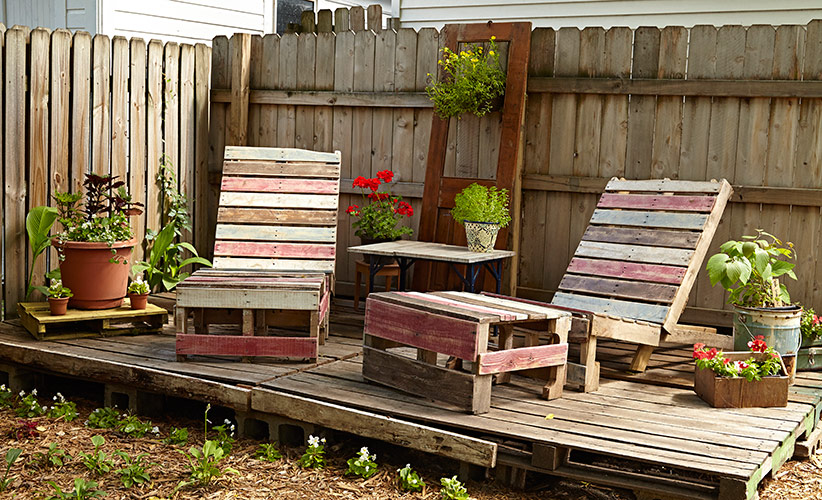
Color plays a crucial role in a vintage garden theme. Think soft, muted tones that feel like they’ve been gently faded by time.
Best color combinations:
- Pastel pink, sage green, and ivory for a romantic English vibe.
- Lavender, dusty blue, and cream for a French countryside look.
- Earthy greens and rust tones for a rustic farmhouse garden.
Avoid neon colors or overly bright flowers—they can break the nostalgic mood. Instead, opt for faded hues that feel warm, calm, and timeless.
6. Vintage Garden Accessories: The Little Details That Matter
Sometimes it’s the smallest touches that make the biggest difference. Adding classic accents can elevate your vintage garden from simple to unforgettable.
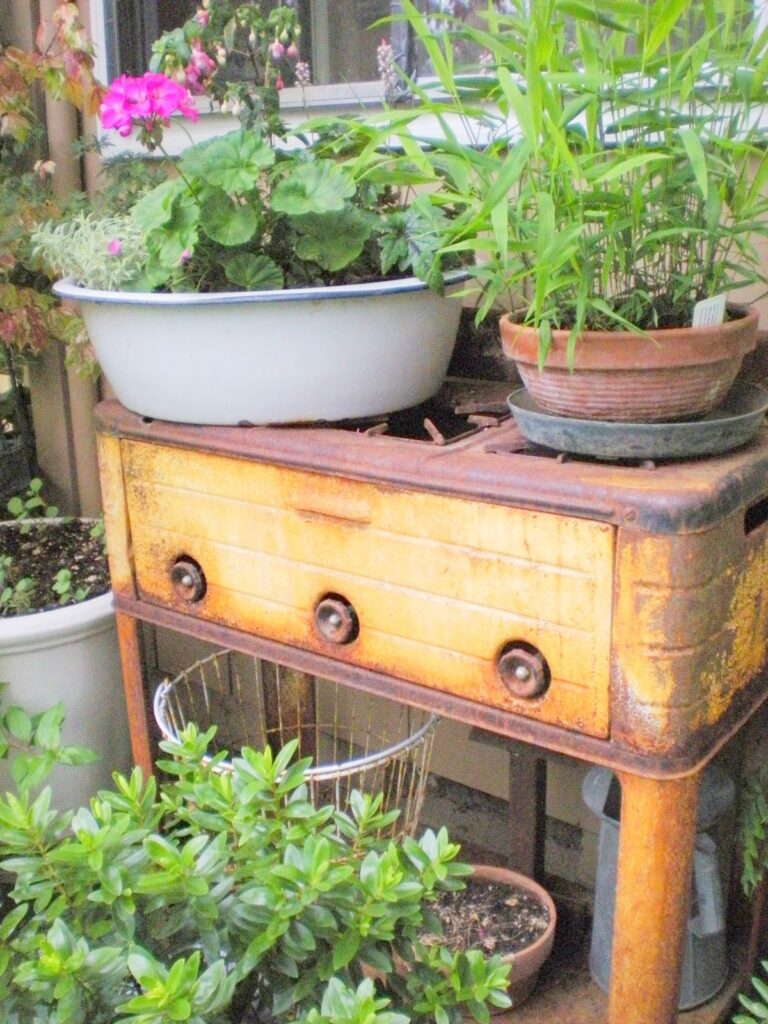
Ideas to include:
- Old clocks or birdcages hung from pergolas.
- Rustic watering cans as planters.
- Antique mirrors leaning against a wall to create the illusion of space.
- Lace or crochet textiles for outdoor dining tables.
- Vintage signage with hand-painted lettering.
Each of these adds personality and nostalgia, tying your outdoor space to the past in subtle, beautiful ways.
7. Creating a Vintage Garden on a Budget
You don’t need to spend a fortune to achieve this look. Start small and build your garden slowly.
- Thrift and salvage: Look for used furniture and garden accessories at flea markets. Imperfection is your friend.
- DIY aging: Give new items a vintage look using chalk paint, sandpaper, or a whitewash finish.
- Grow from seeds: Many heirloom flowers can be started inexpensively from seed, saving you money while adding authenticity.
- Mix old and new: Combine modern garden tools with antique-looking décor to keep it functional yet charming.
8. Seasonal Maintenance for Lasting Beauty
To keep your vintage garden vibrant throughout the year, plan for the seasons.
- Spring: Plant perennials, prune roses, and freshen up your décor.
- Summer: Keep up with watering and deadheading blooms to encourage new growth.
- Fall: Add rustic charm with pumpkins, lanterns, and golden foliage.
- Winter: Use evergreens and fairy lights to maintain visual warmth.
A vintage garden thrives when it feels alive in every season, evolving just like the memories it evokes.
Conclusion: A Garden That Tells a Story
Creating a vintage garden is about more than flowers and décor—it’s about crafting a space that tells a story. It’s a place where time slows down, where every faded petal and weathered pot carries emotion and meaning.
A vintage garden theme connects you to the past, celebrates nature’s imperfections, and creates an atmosphere of peace and beauty that never goes out of style. Whether you’re inspired by an old English rose garden, a rustic farmhouse yard, or a French courtyard, your garden can become a timeless retreat—one that feels just as relevant today as it did a hundred years ago.
