A one-bedroom apartment has more potential than most people realize. When the layout is intentional, it can feel like a series of well-defined rooms instead of one long, blended space. The difference between a home that feels calm and one that feels cluttered usually comes down to zoning.
Real zoning is not about adding walls. It is about creating visual boundaries, functional transitions, and clear purposes for each area. When done well, a one-bedroom apartment feels larger, more private, and easier to live in day to day.
Below are ten layout ideas that designers rely on to create true separation between living, dining, working, and sleeping zones without making the apartment feel boxed in.
1. The Living Room First Layout With a Clear Entry Zone
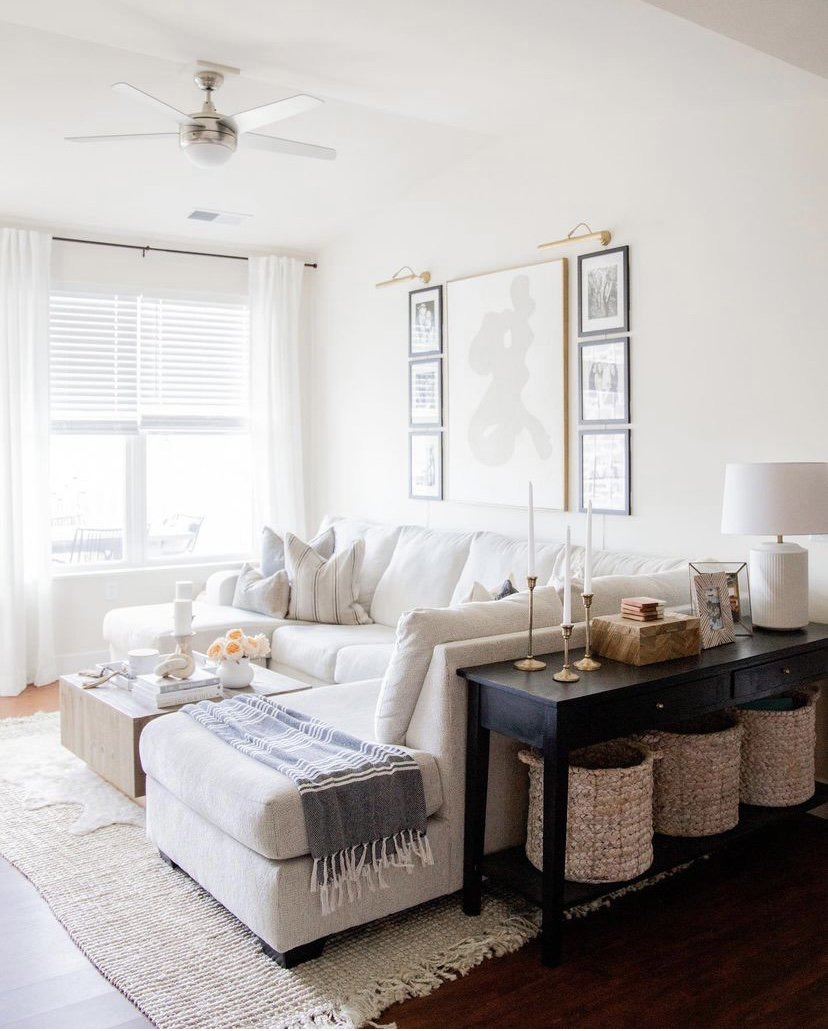
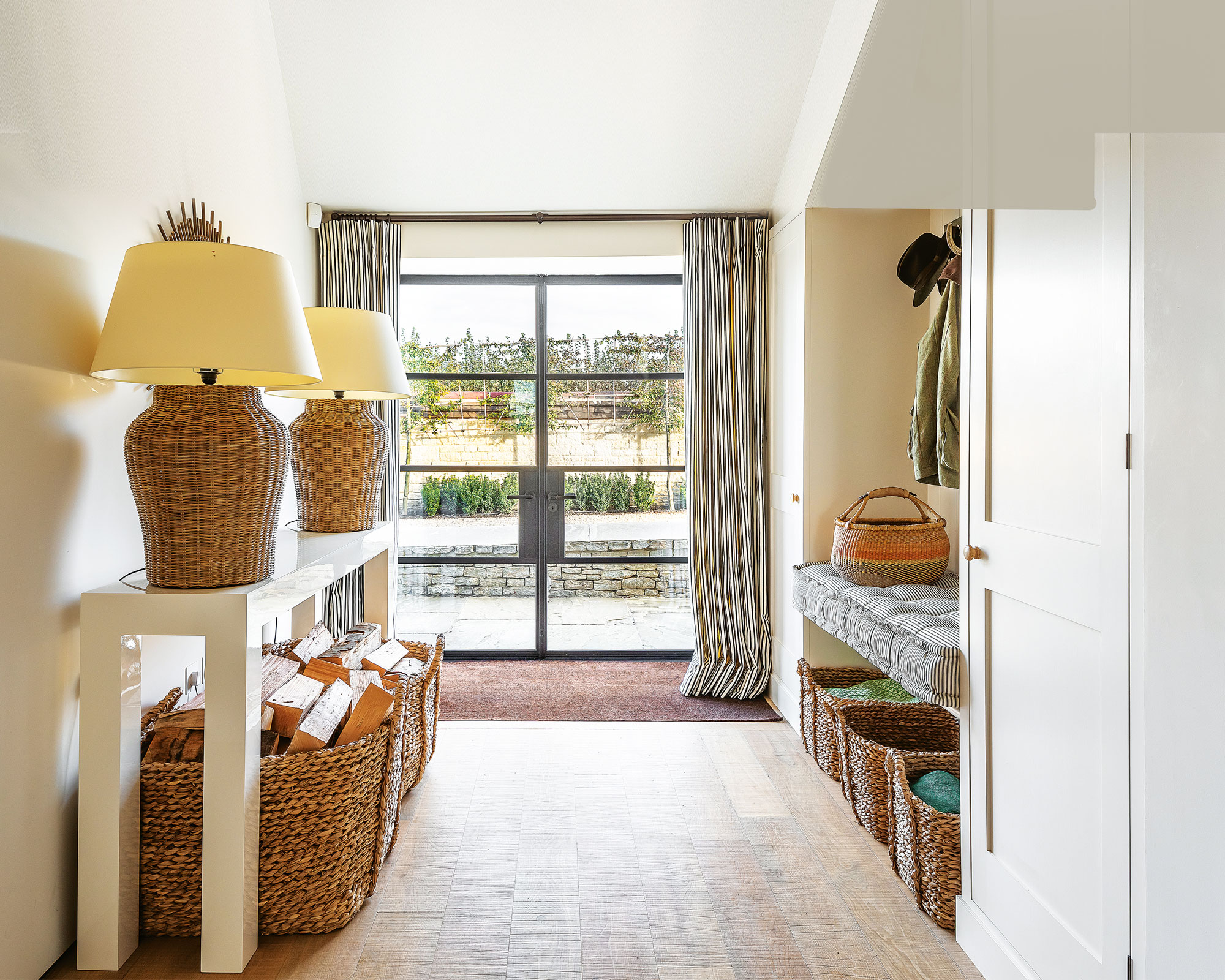

In many one-bedroom apartments, the front door opens directly into the living room. This layout creates a strong sense of zoning by carving out a defined entry area before the living space begins.
A narrow console table, wall hooks, and a runner rug visually signal where the entry ends and the living room starts. The sofa is placed slightly inward rather than flush with the door, creating a subtle boundary.
This layout instantly makes the apartment feel more intentional and helps prevent the living room from feeling like a hallway.
2. The Sofa-Back Zoning Layout
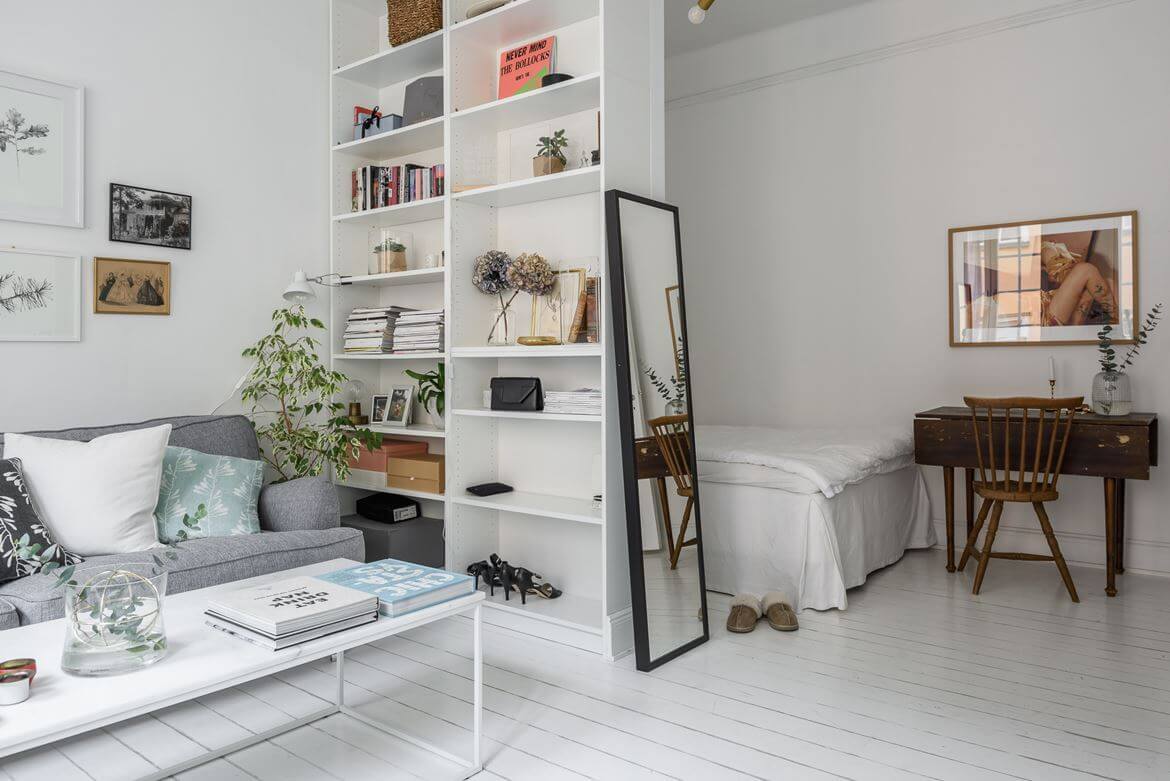
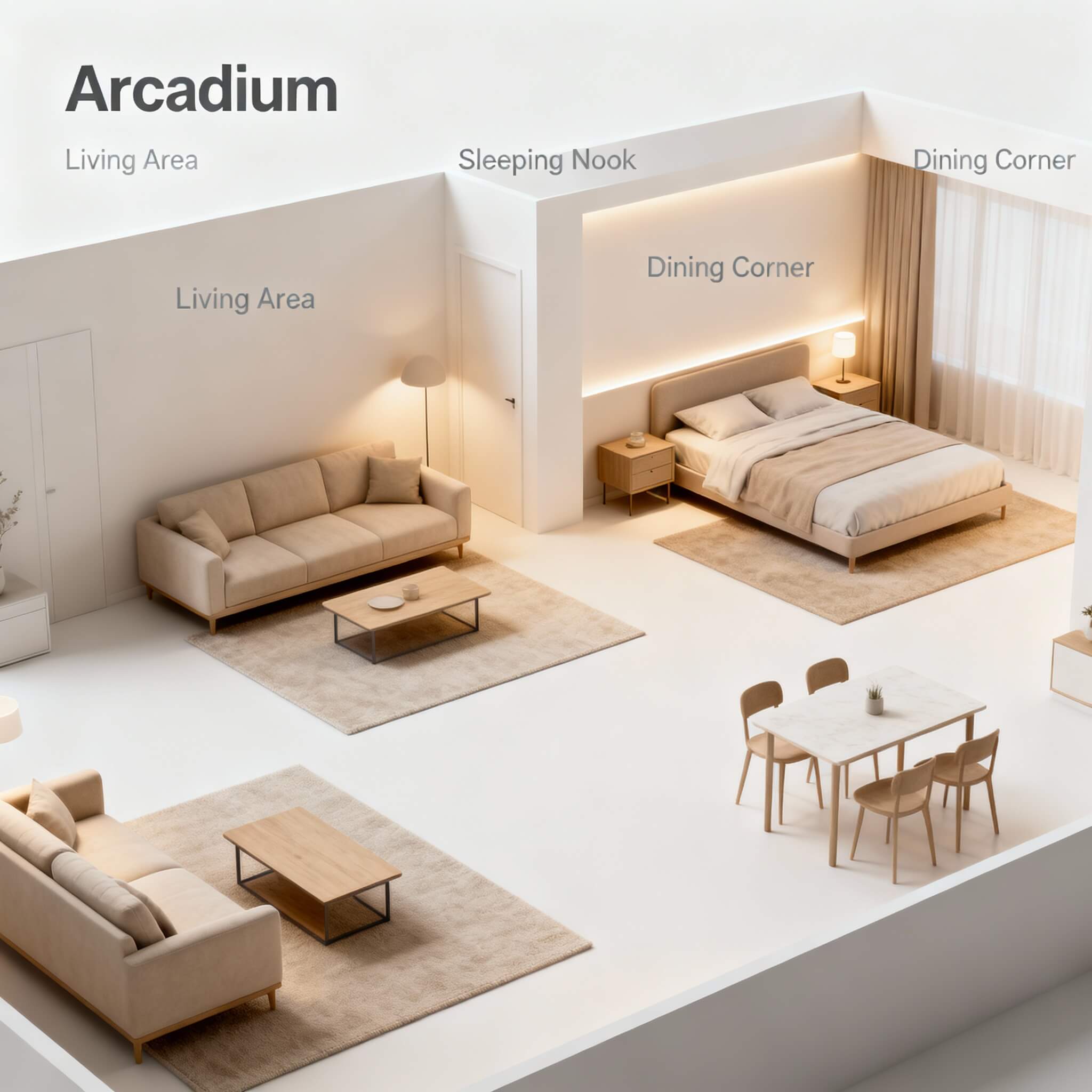
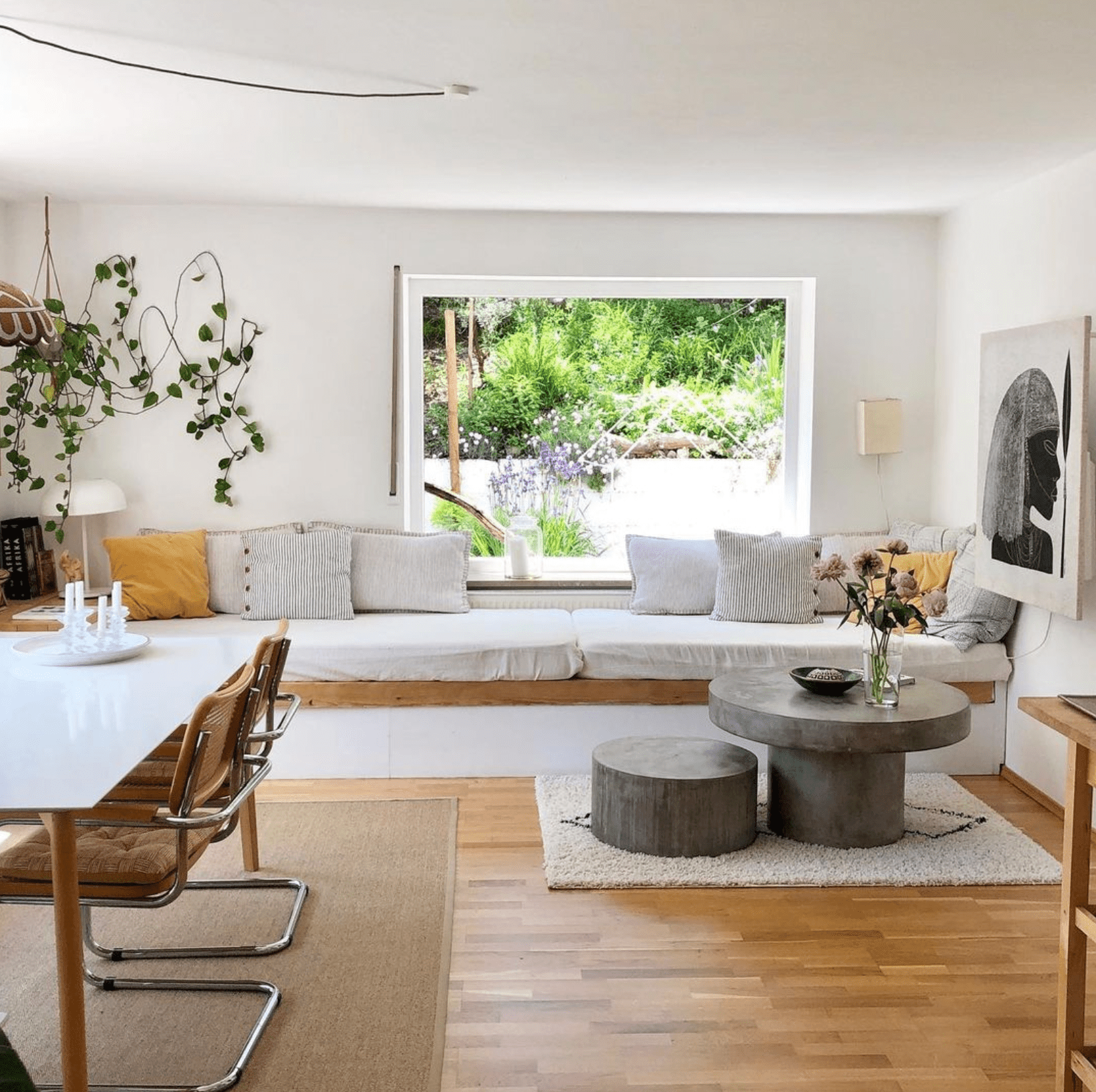
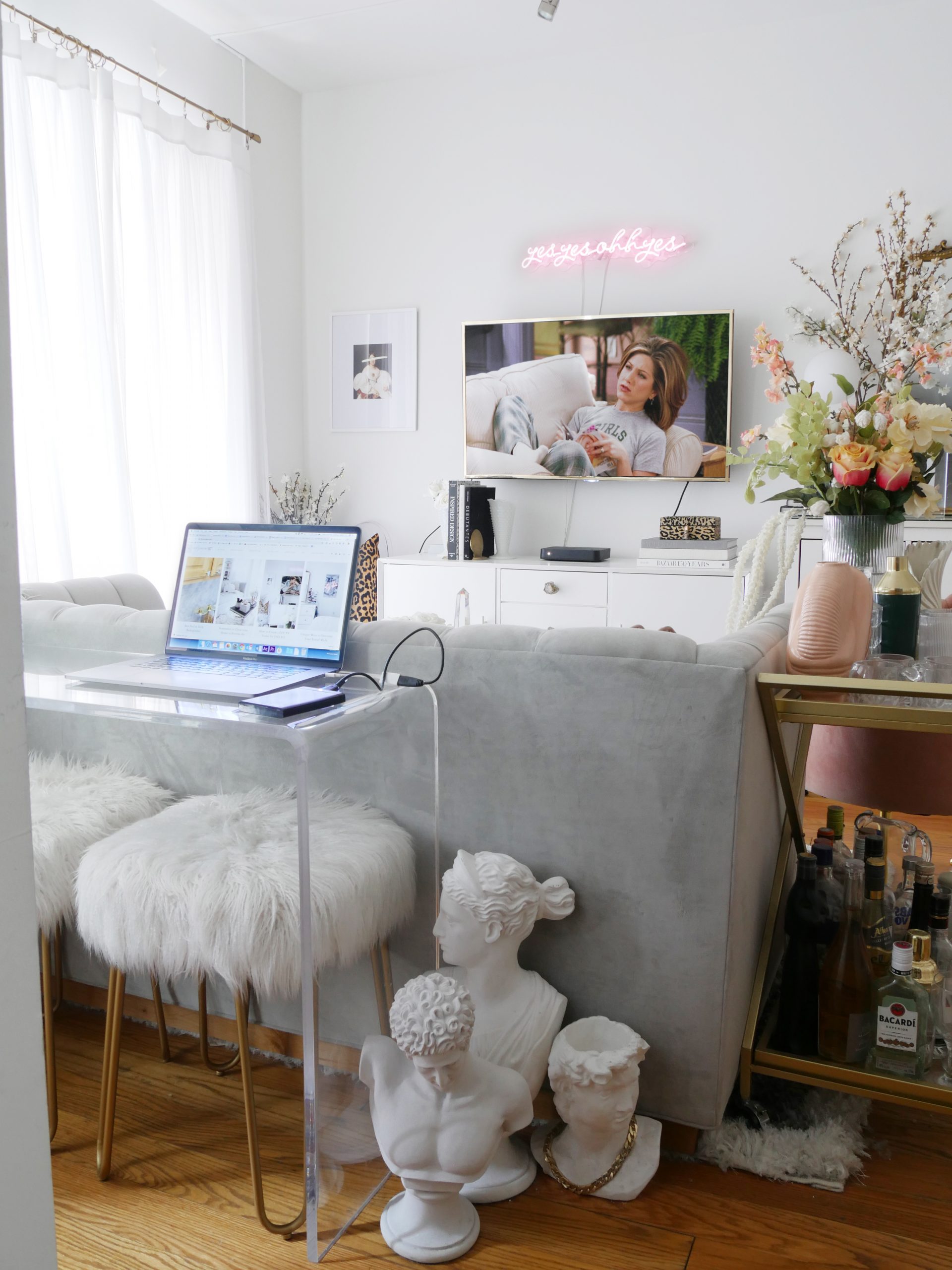
Using the back of a sofa as a divider is one of the simplest ways to create real zoning. Instead of pushing the sofa against a wall, it is floated to separate the living room from the dining or entry area.
This layout works especially well in open-plan one-bedroom apartments. A rug anchors the living zone, while the dining or entry space sits cleanly behind the sofa.
Low-profile sofas keep sightlines open and prevent the space from feeling cut in half.
3. The Dedicated Dining Zone Layout
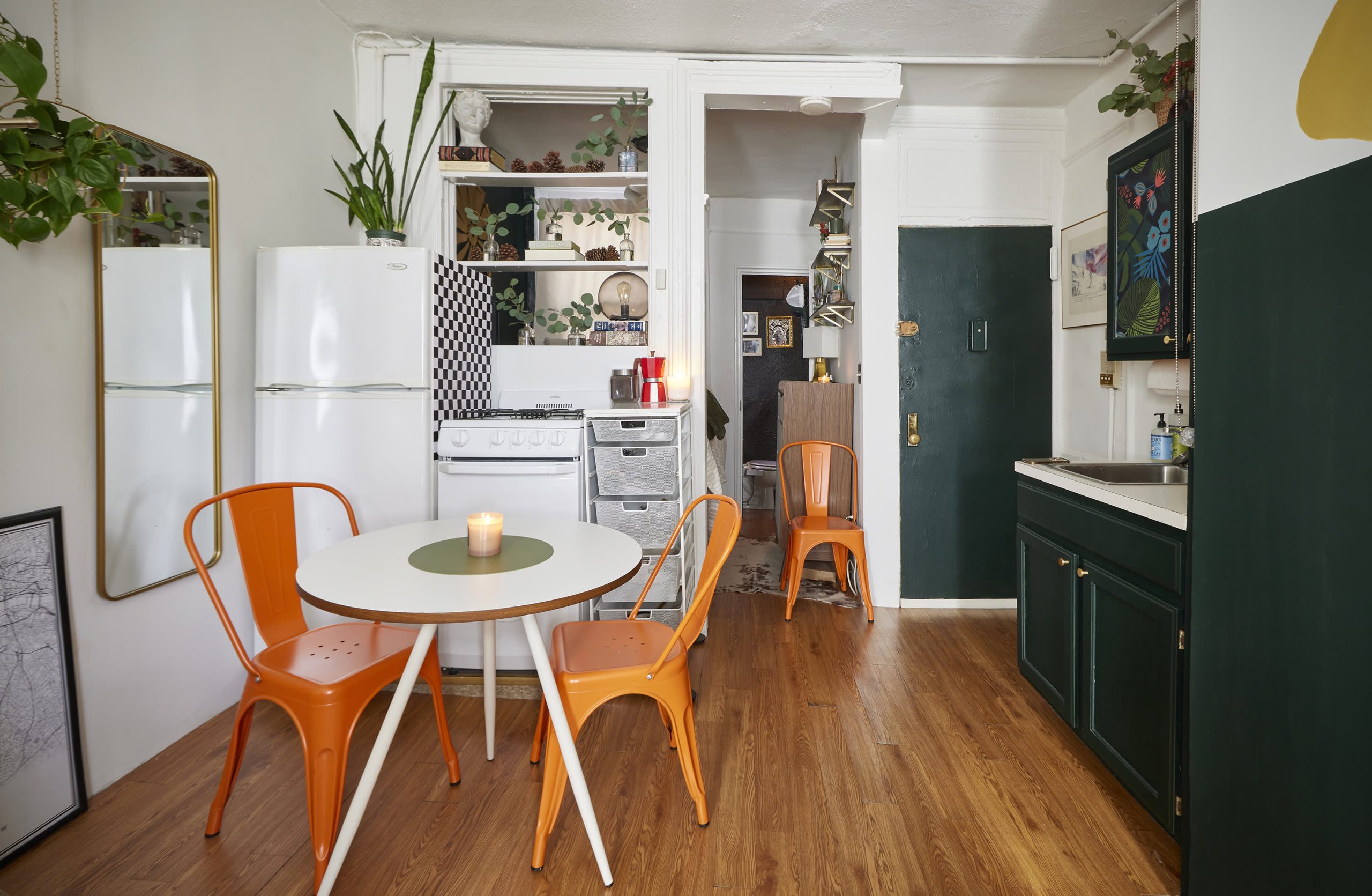

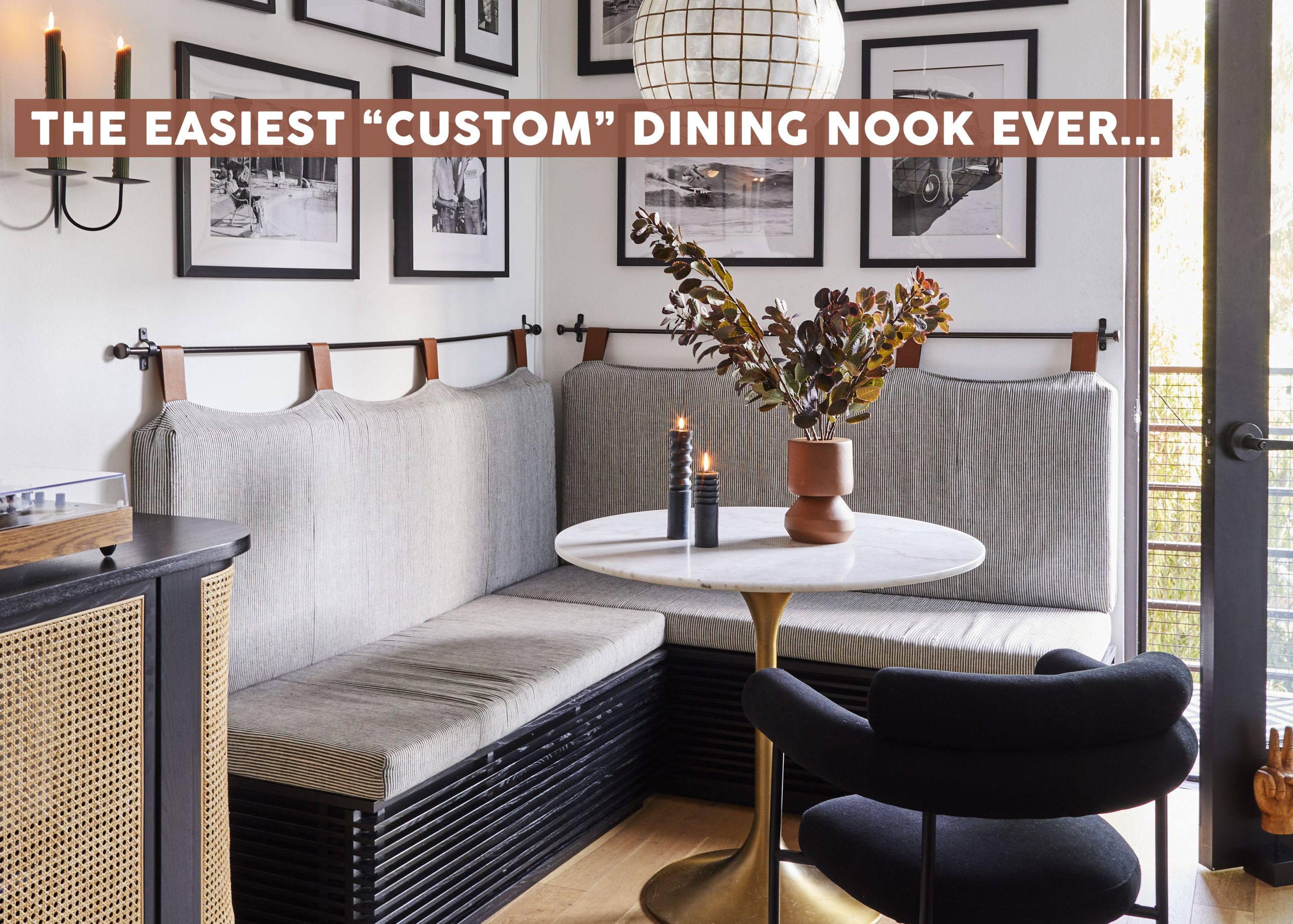
In many apartments, dining tables are pushed into corners or used as desks. This layout prioritizes a true dining zone, even in a compact footprint.
A round or oval table helps circulation and visually separates dining from lounging. Pendant lighting above the table reinforces the zone and adds height.
When dining has its own identity, the living room instantly feels less cluttered and more relaxed.
4. The Work-From-Home Zone That Feels Separate

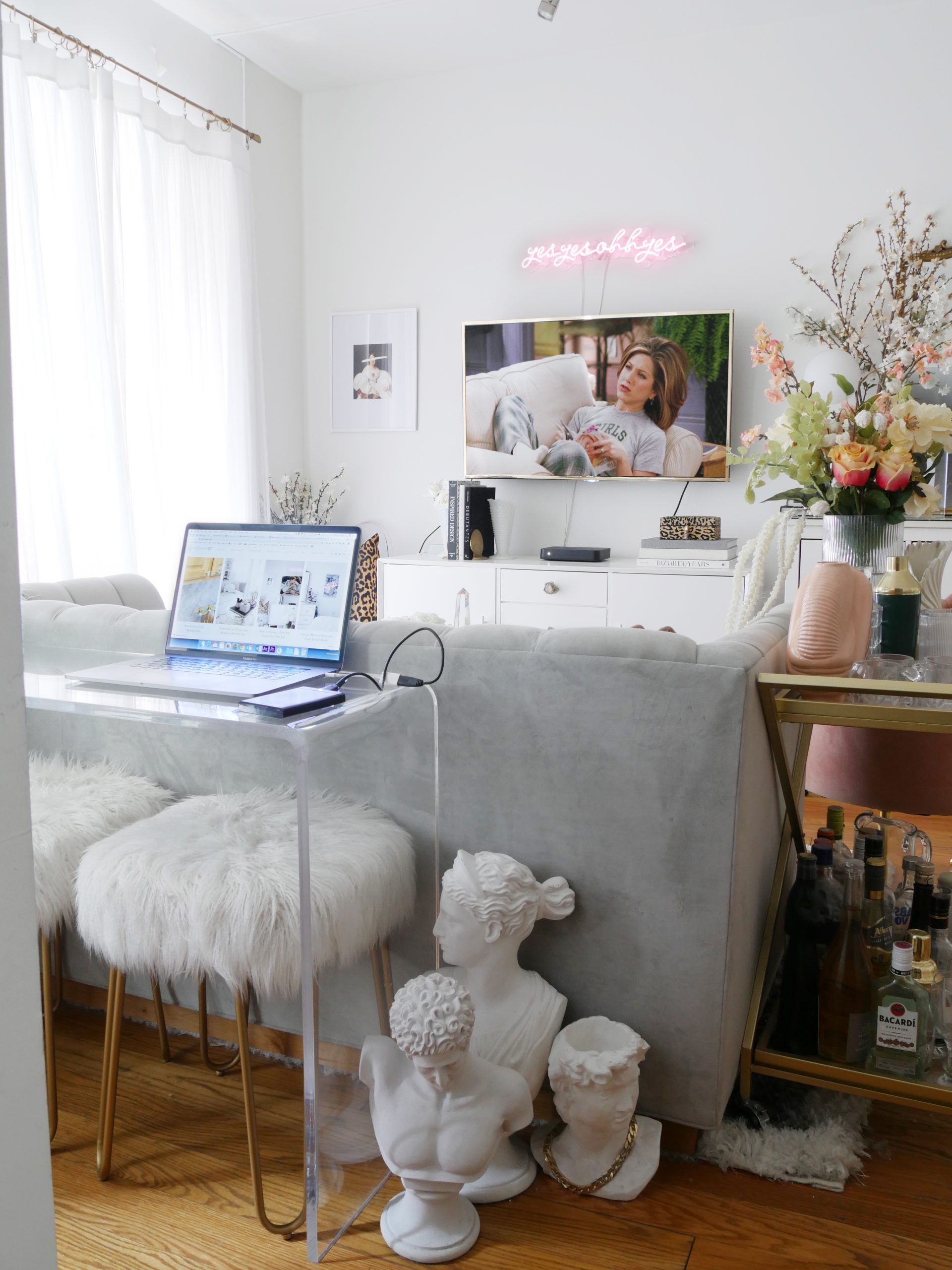
A proper work zone should feel distinct from both living and sleeping areas. This layout places the desk near natural light, often along a wall or window, and defines it with shelving or a wall-mounted lamp.
A different rug or wall color subtly marks the transition into work mode. When the workday ends, stepping away from this zone helps maintain balance.
This approach prevents the desk from visually bleeding into the rest of the apartment.
5. The Bedroom as a True Retreat Layout
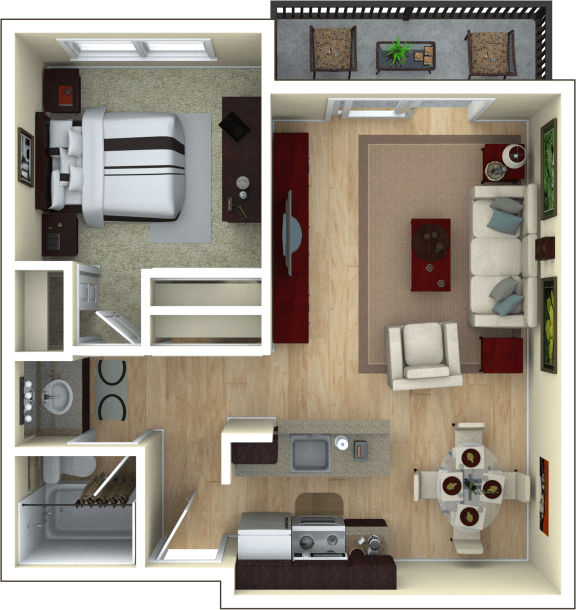
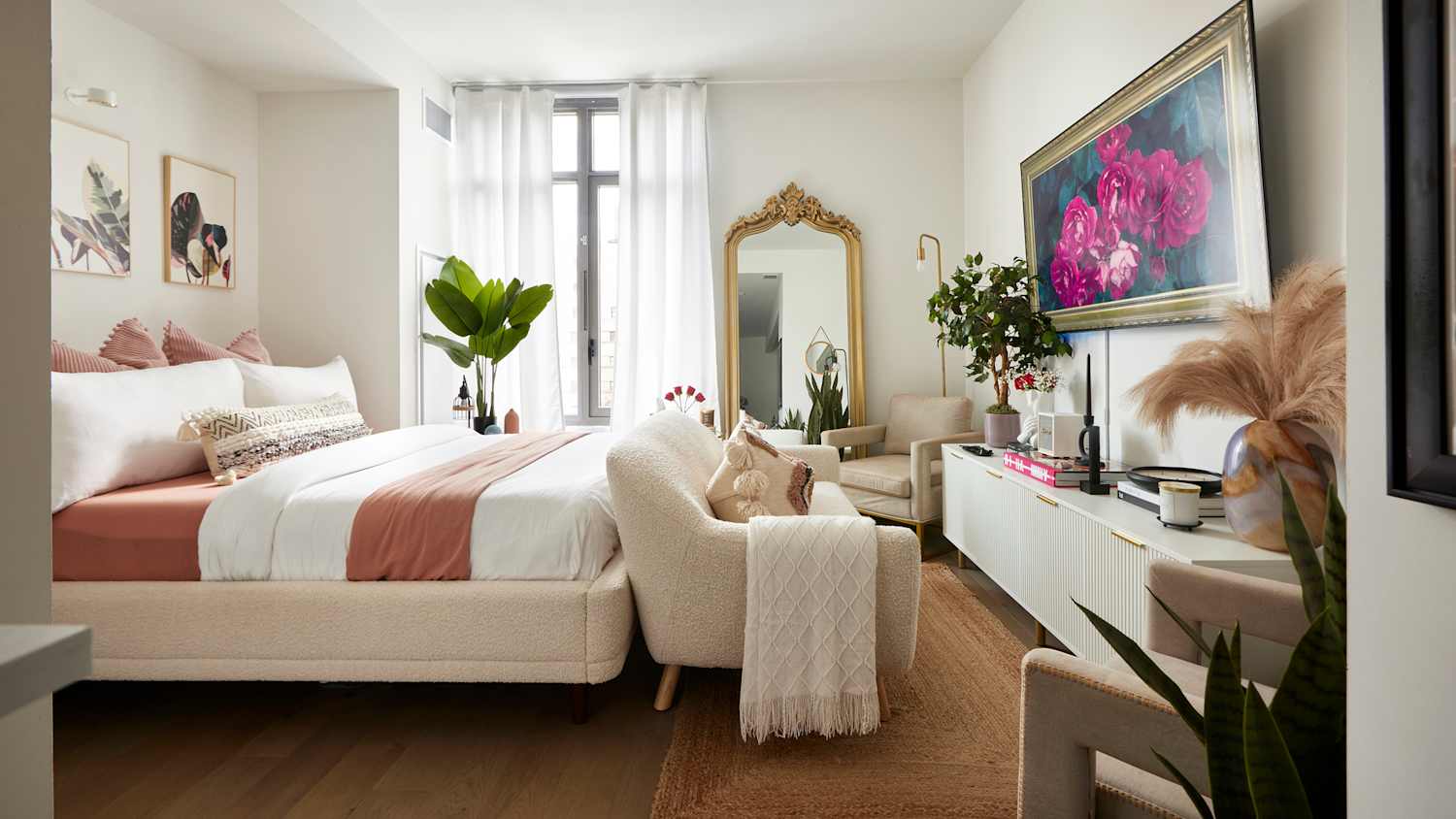

In many one-bedroom apartments, the bedroom becomes a storage overflow. This layout does the opposite by treating the bedroom as a calm, purpose-built retreat.
Storage stays mostly in the living area, while the bedroom focuses on sleep and relaxation. Soft lighting, minimal furniture, and a defined headboard wall help reinforce this boundary.
When the bedroom has a clear role, the rest of the apartment functions better.
6. The Sliding Door or Pocket Door Layout
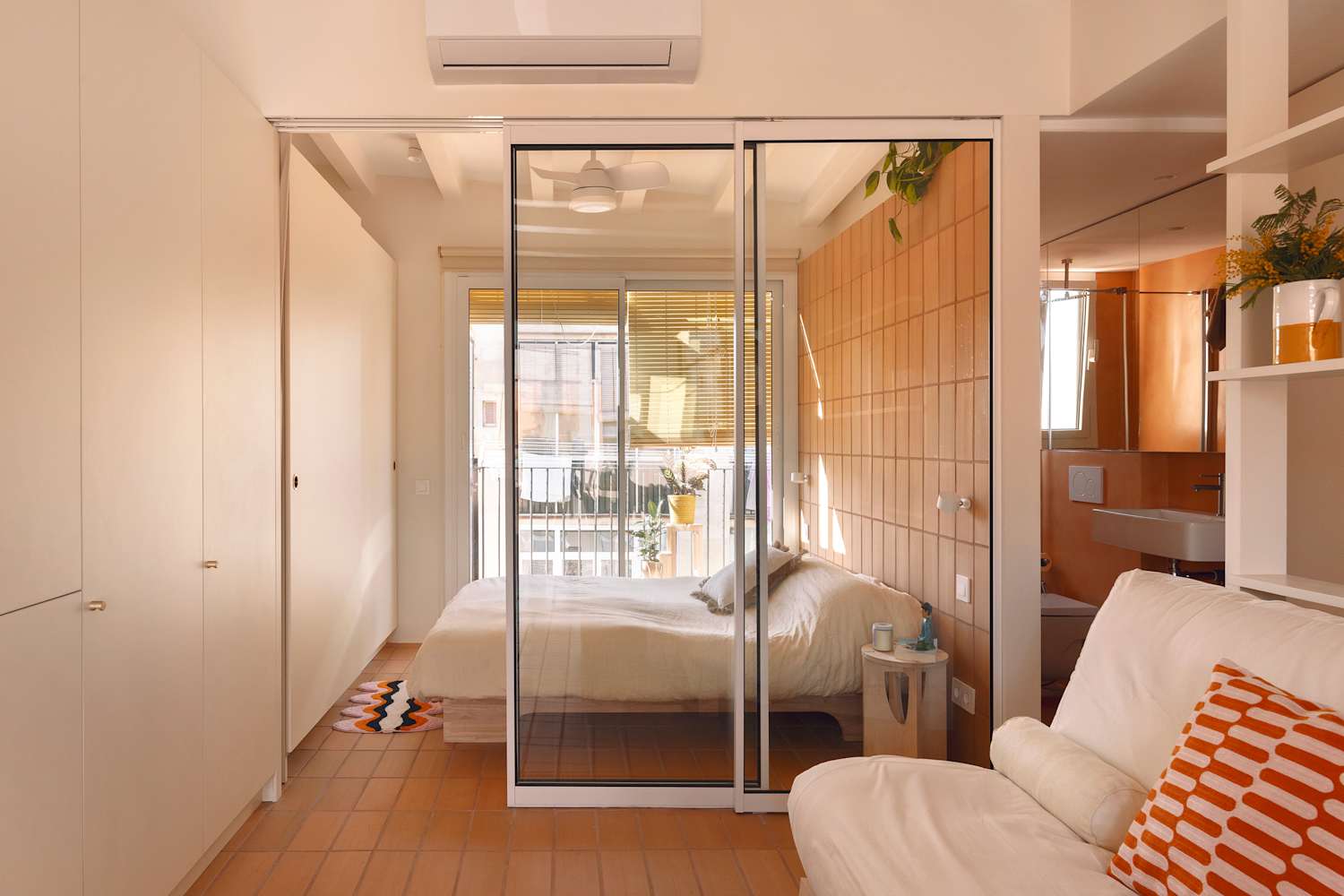

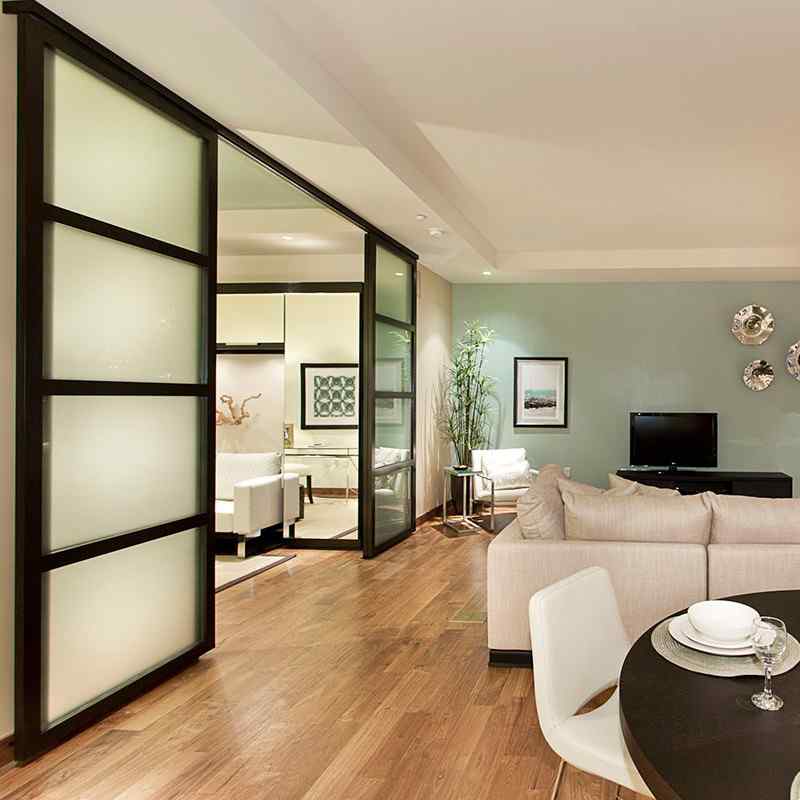
Sliding or pocket doors provide flexible zoning without permanently closing off space. When open, the apartment feels airy. When closed, privacy is restored.
This layout works particularly well between the bedroom and living room or between a work zone and lounge area. Glass or frosted panels allow light to travel while still defining zones.
It is one of the most effective ways to add architectural structure to a rental-friendly space.
7. The Rug-Based Zoning Strategy

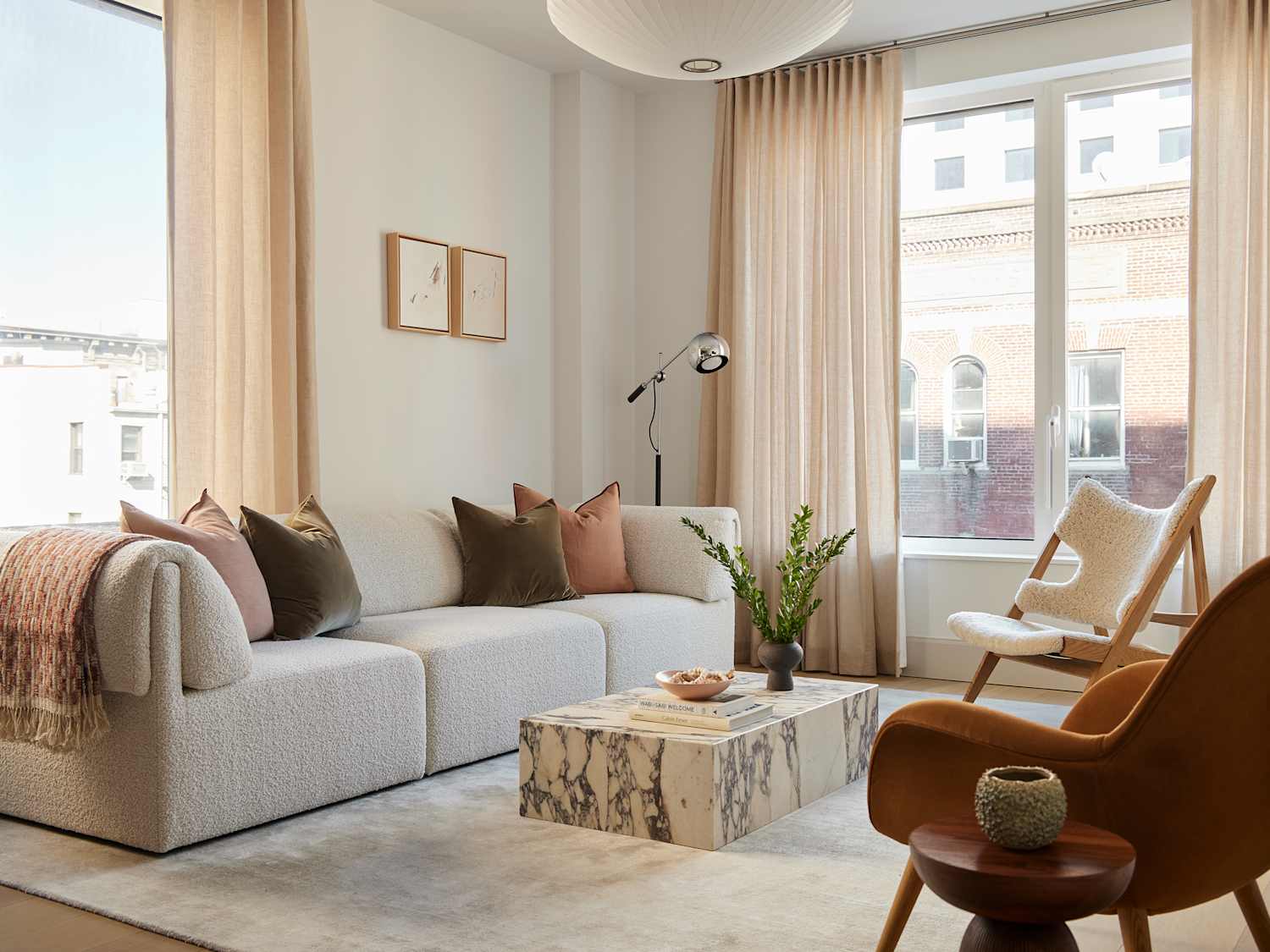
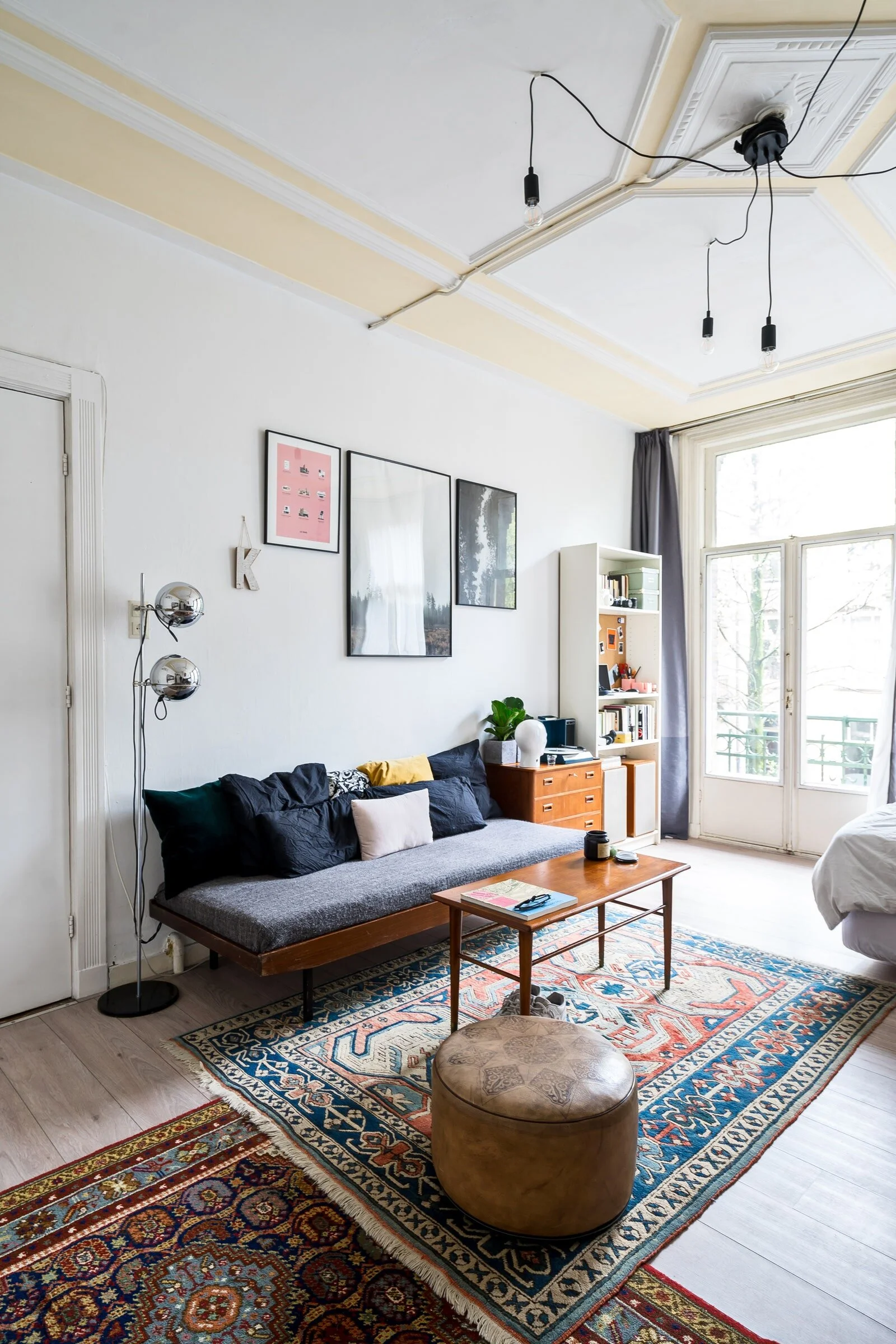
Rugs are powerful zoning tools when used intentionally. This layout uses separate rugs to define each area of the apartment.
The living room rug anchors seating. A different texture or size marks the dining zone. A soft rug in the bedroom reinforces rest.
Keeping rugs within a cohesive color palette ensures the apartment feels unified while clearly zoned.
8. The Storage-As-Divider Layout

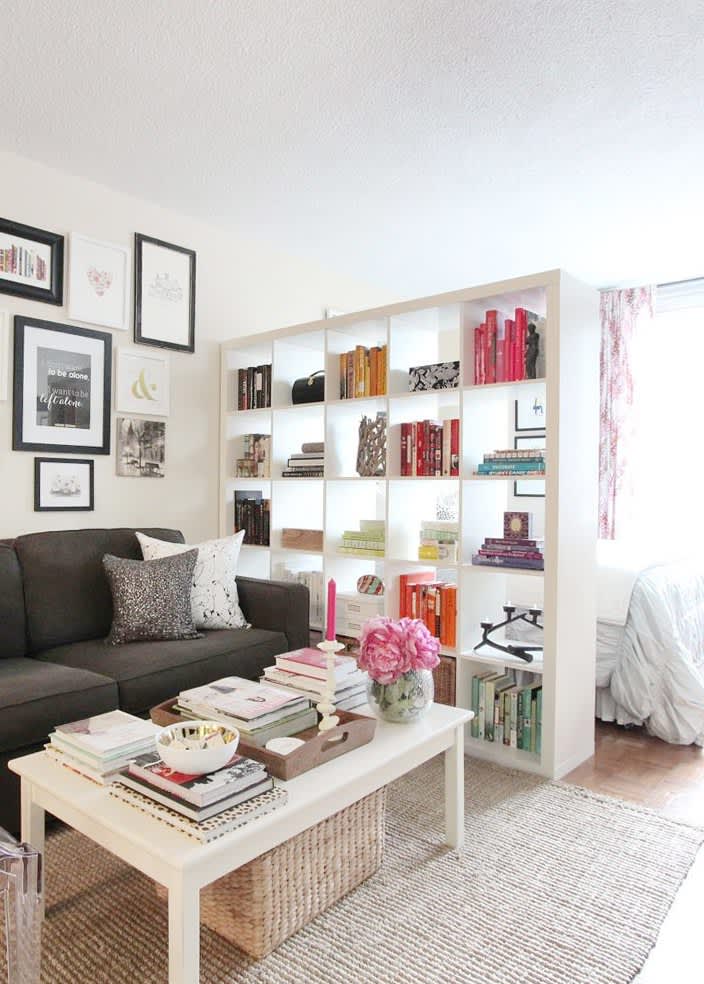
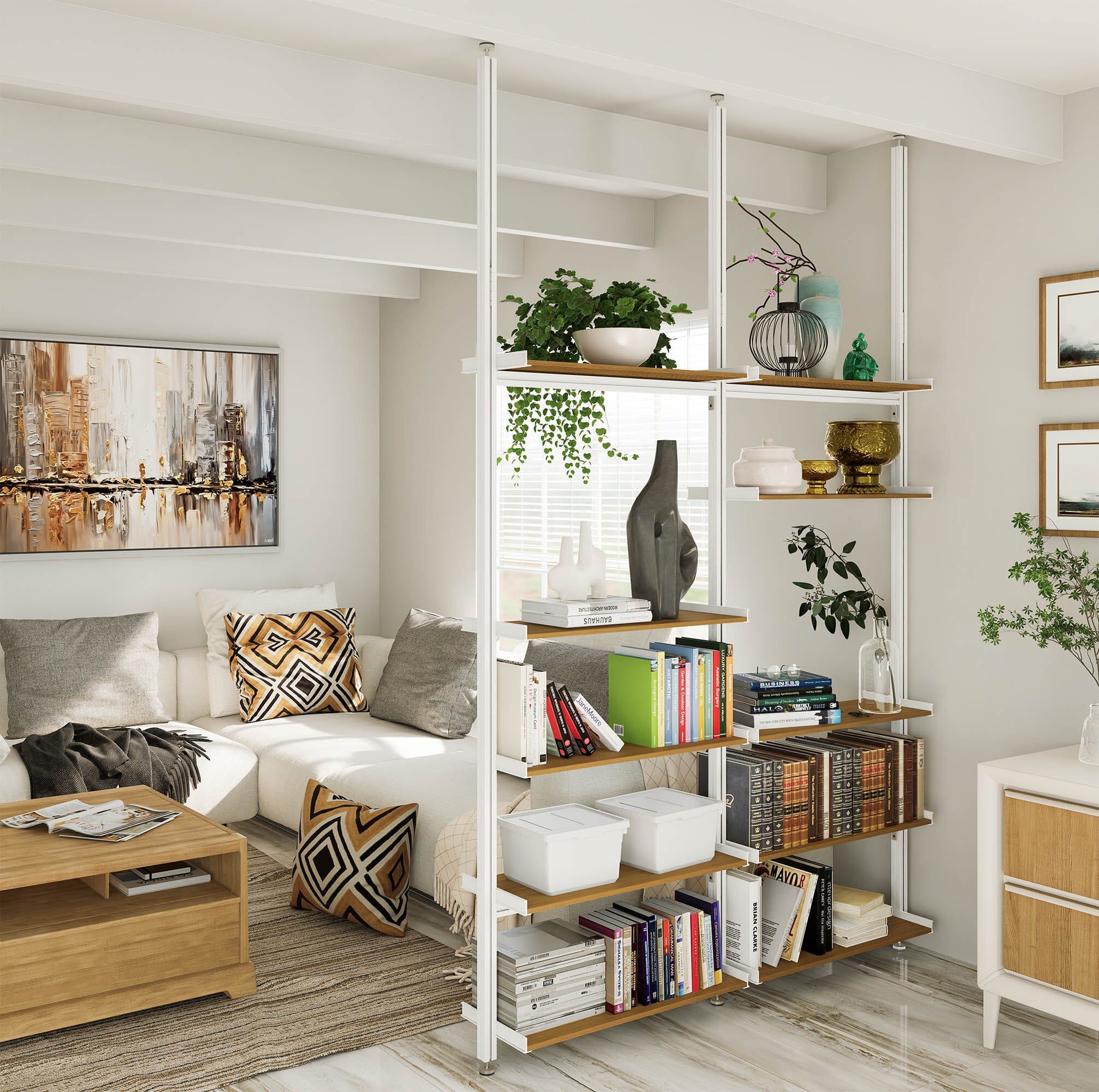
Tall shelving units or low cabinets can act as room dividers while adding storage. This layout often places shelving between the entry and living room or between living and dining areas.
Open shelving keeps the apartment light, while closed cabinets add visual calm. The divider becomes a functional feature rather than wasted space.
This approach is especially useful in apartments that lack built-in storage.
9. The Bedroom-Adjacent Lounge Layout

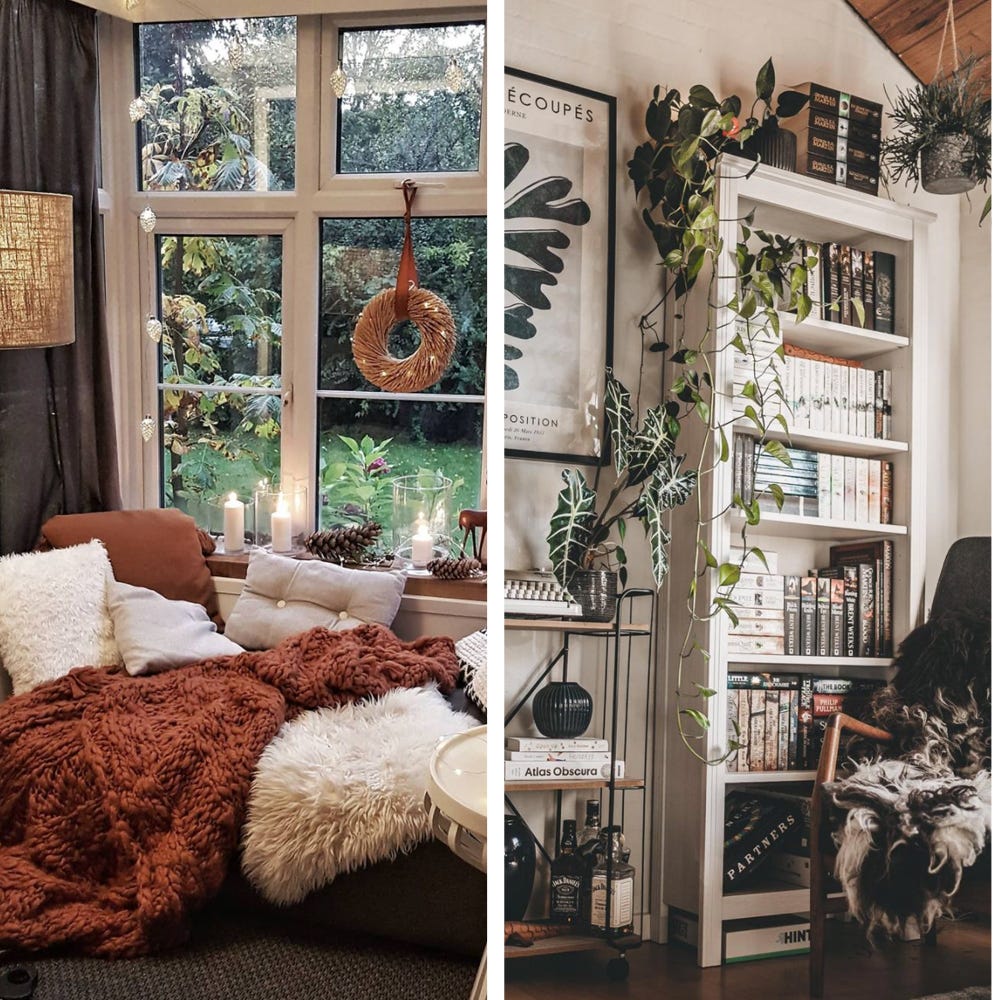
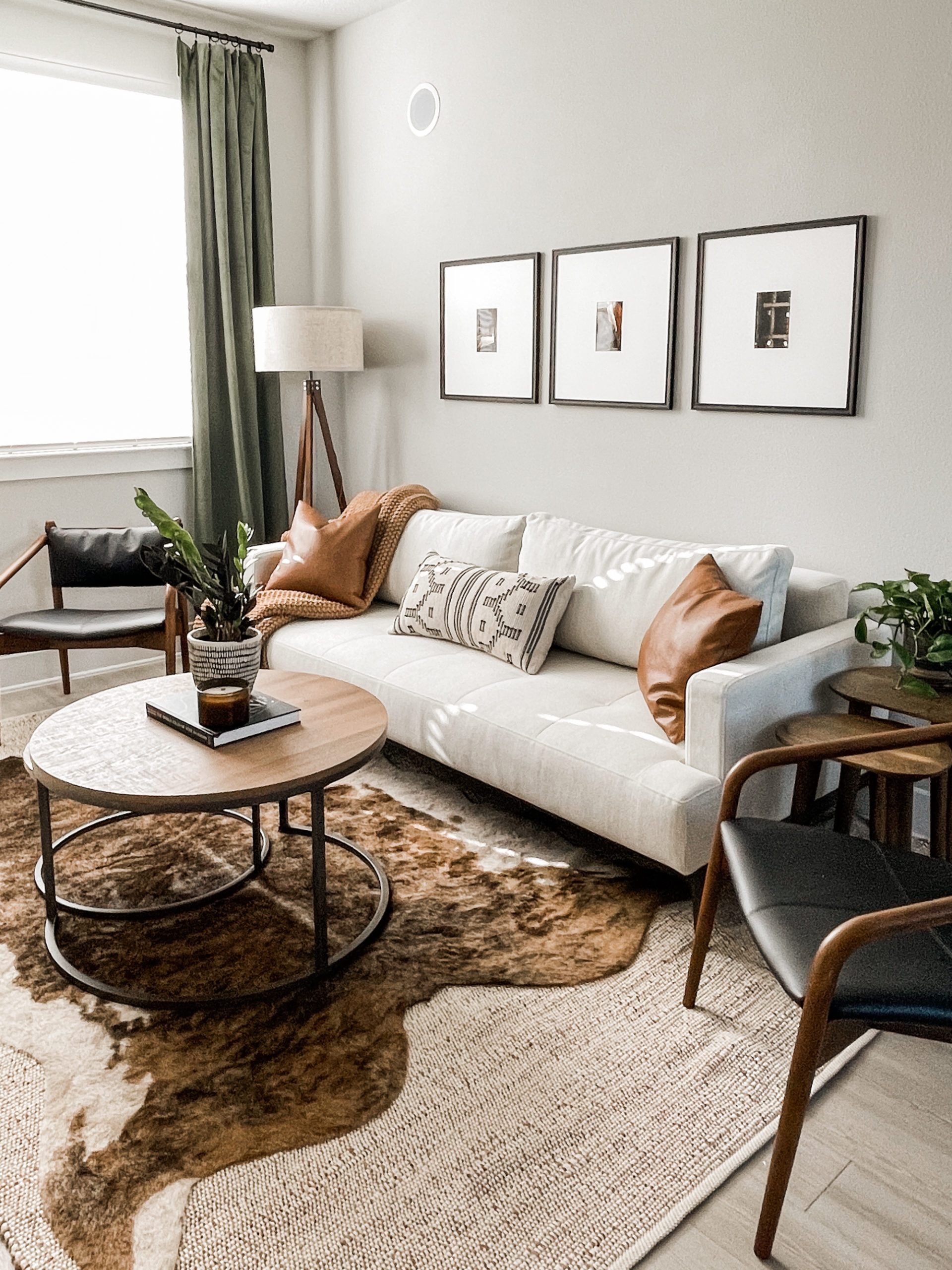
Some one-bedroom layouts benefit from a secondary lounge area near the bedroom. This could be a reading nook, small chair, or bench placed just outside the bedroom door.
It creates a gentle transition between private and social spaces. The living room remains for hosting, while this smaller zone feels more personal.
This layout adds depth and makes the apartment feel layered rather than flat.
10. The Visual Continuity Layout
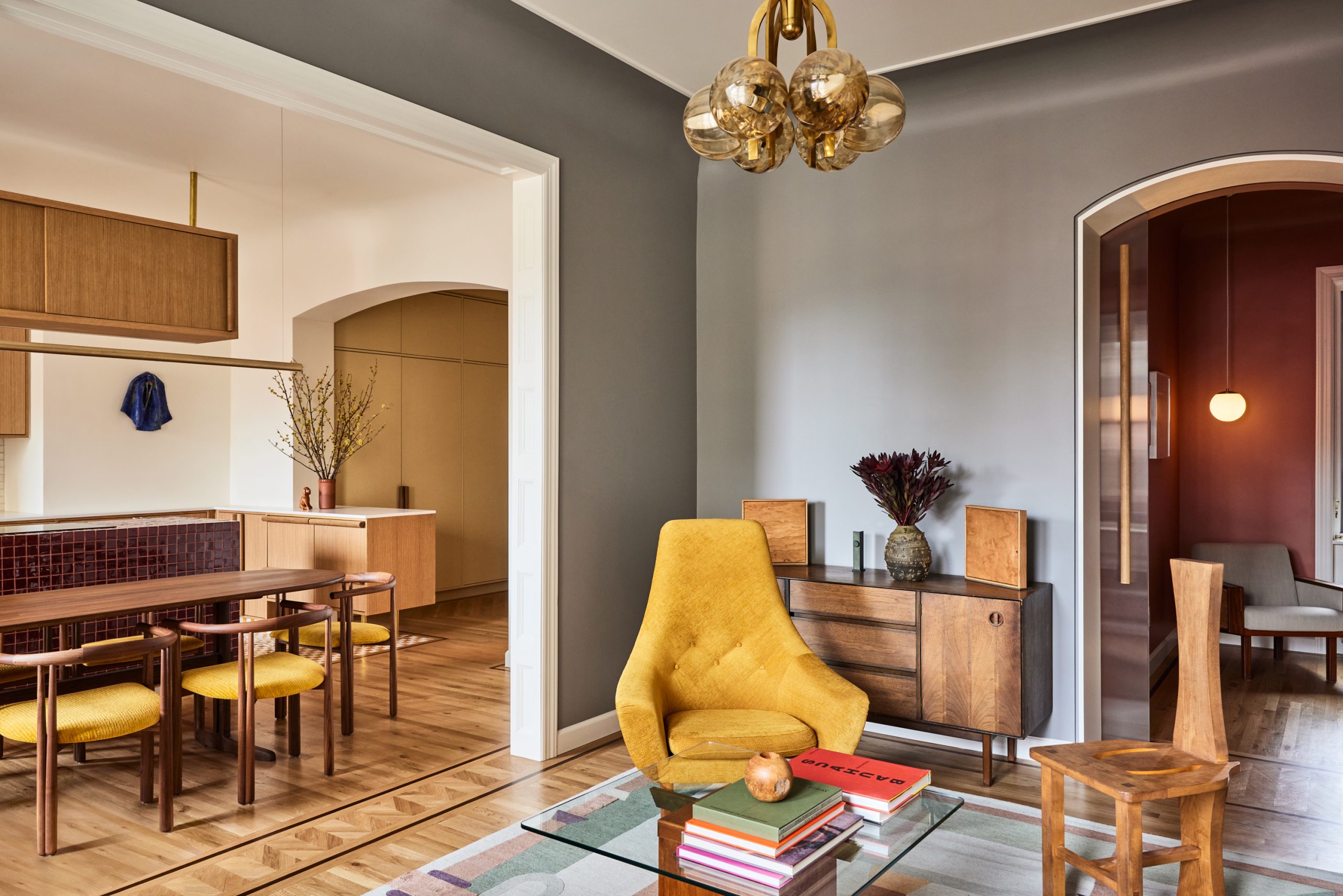
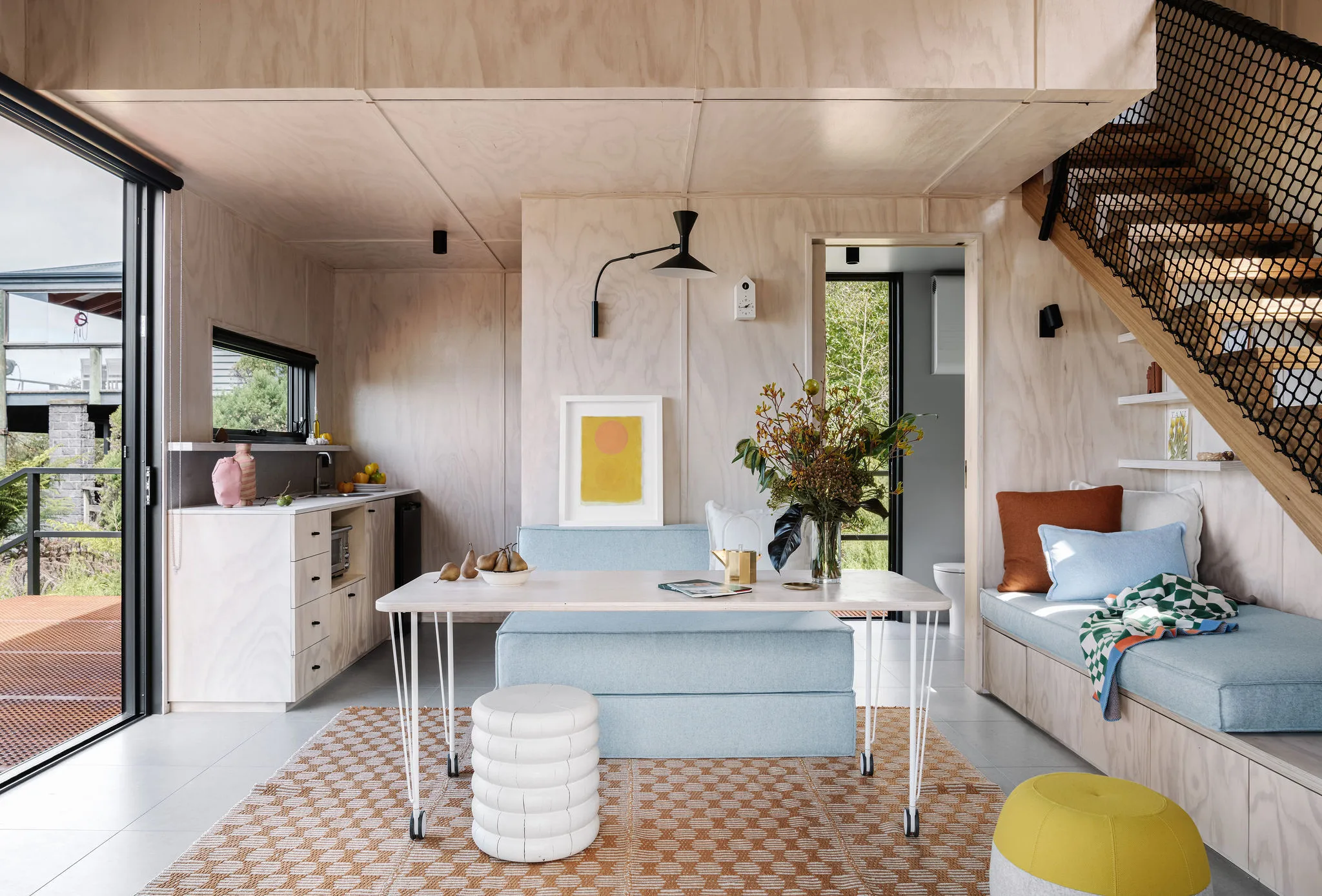

Real zoning does not mean visual chaos. This layout relies on consistent materials, colors, and finishes across zones while changing furniture placement to define function.
Light woods, similar metal finishes, and repeated textures help the apartment feel cohesive. Zones are felt rather than forced.
The result is a home that feels open, calm, and intentionally designed.
Final Thoughts: Zoning Is What Makes a One-Bedroom Work
A one-bedroom apartment feels best when every area has a clear purpose. Zoning creates mental and visual separation, even when walls are not present.
When the living room, dining area, workspace, and bedroom each have defined roles, the apartment feels larger and easier to live in. The goal is not perfection. It is clarity.
Choose one zoning strategy and commit to it. That single decision often transforms the entire space.
