Not having a closet can feel limiting, but many homes—especially older apartments, studios, and small bedrooms—function beautifully without one. Designers regularly work around the absence of closets by using intentional, flexible storage solutions that feel purposeful rather than temporary.
The goal isn’t to recreate a closet exactly—it’s to store clothing and accessories in a way that’s organized, visually calm, and easy to maintain.
Below are 10 closet alternative ideas that work when you don’t have a built-in closet at all.
1. Freestanding Wardrobe Cabinets
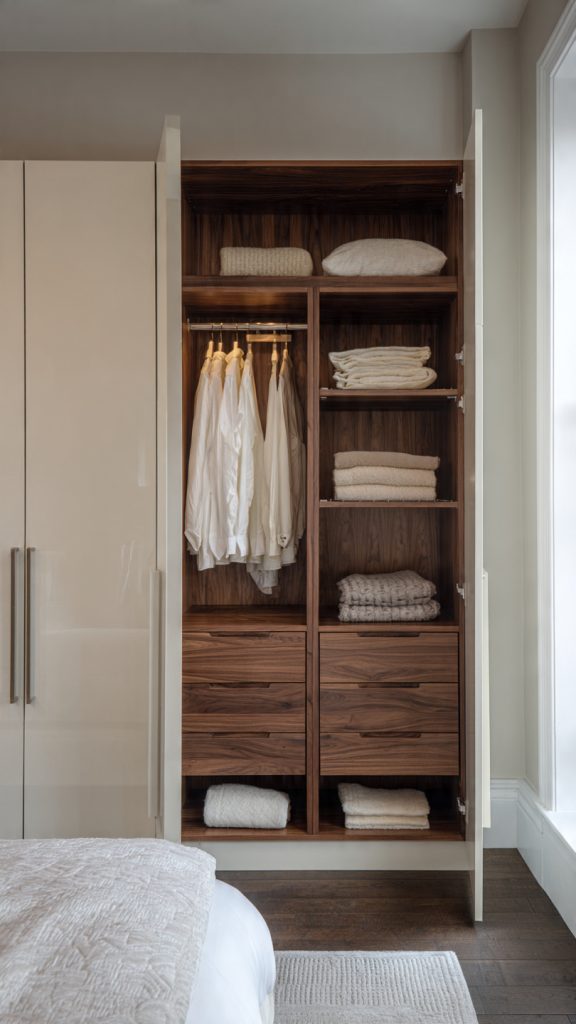
A freestanding wardrobe is the closest substitute for a traditional closet. Designers choose streamlined wardrobes with clean lines so they feel like part of the room, not an afterthought.
Tall wardrobes maximize vertical space and reduce the need for multiple storage pieces.
Why it works
Provides enclosed clothing storage
Keeps visual clutter hidden
Feels intentional and permanent
Matching the wardrobe color to the wall helps it blend in.
2. Wall-Mounted Clothing Rails
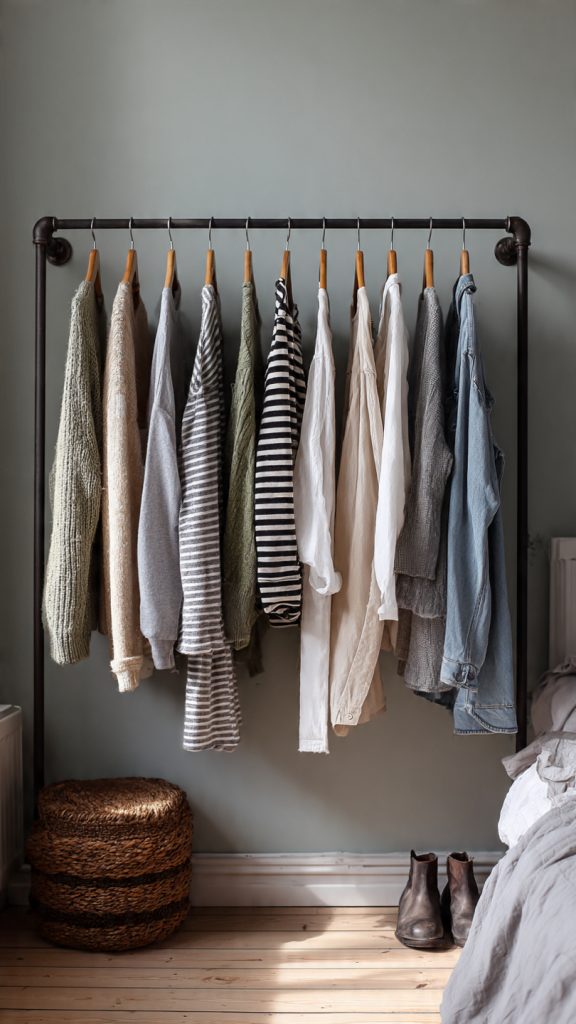
Minimal clothing rails mounted to the wall create a modern, boutique-style alternative to a closet. Designers use these for everyday clothing and keep the selection curated.
This works best when styled neatly.
Why it works
Eliminates bulky furniture
Keeps outfits visible
Uses vertical wall space
Neutral hangers maintain a clean look.
3. Open Shelving for Folded Clothing
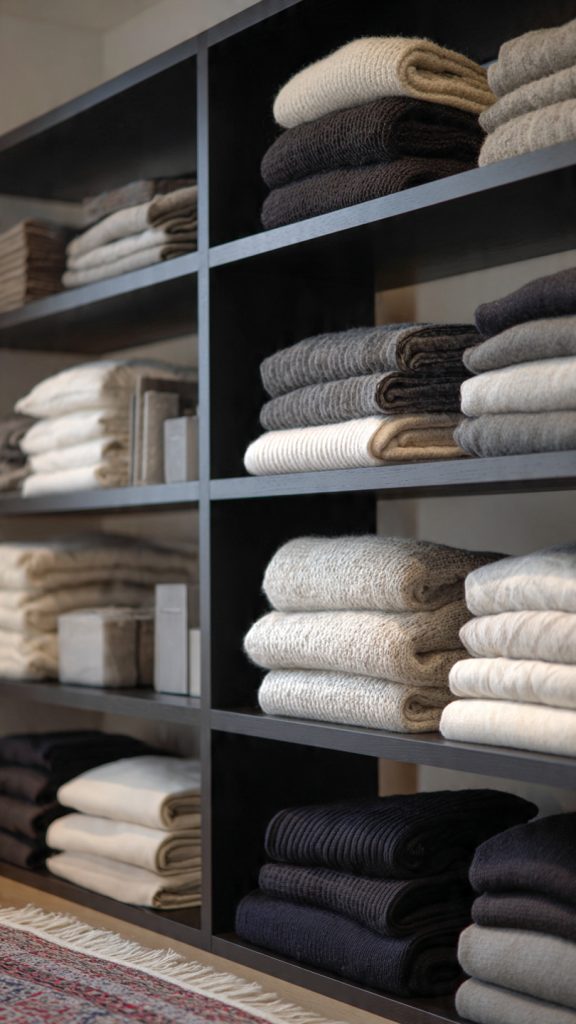
Wall-mounted shelves can replace closet shelving entirely. Designers use them for folded clothes, bins, or baskets when space is tight.
Keeping shelves lightly styled is key.
Why it works
Adds vertical storage
Keeps items accessible
Frees up floor space
Uniform bins prevent visual clutter.
4. Under-Bed Storage for Clothing
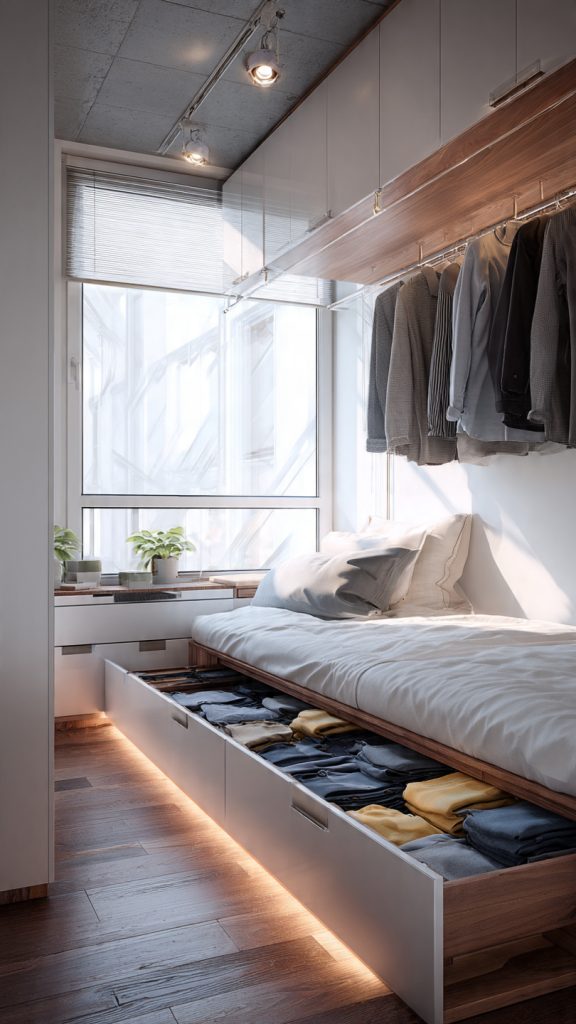
When there’s no closet, under-bed storage becomes essential. Designers store off-season clothing, shoes, or bulk items in low-profile containers beneath the bed.
This keeps the bedroom uncluttered.
Why it works
Uses hidden space efficiently
Keeps items out of sight
Preserves a clean bedroom layout
Beds with drawers work especially well.
5. Dressers or Drawer Units Used as Closet Replacements
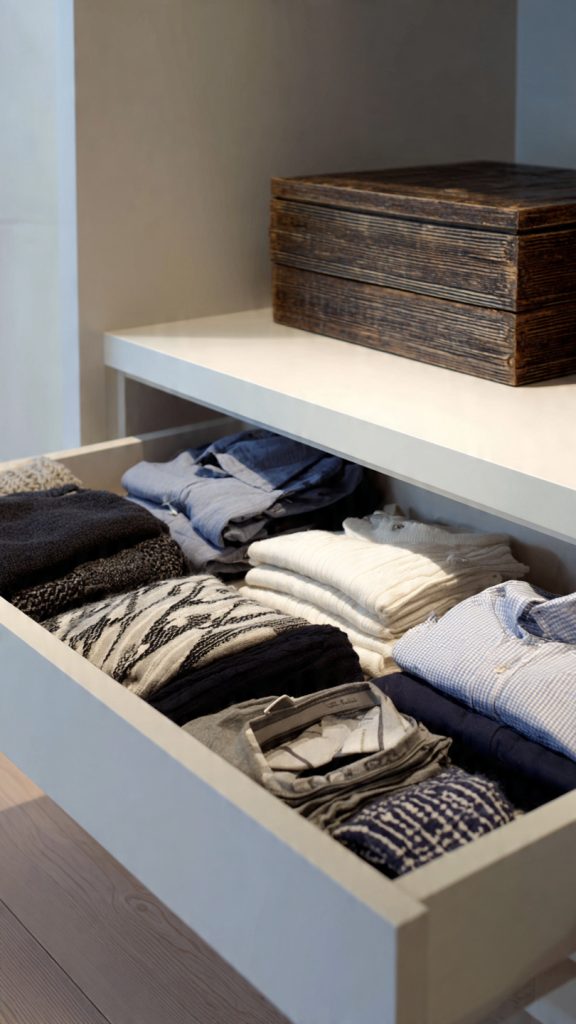
While not traditional closets, drawer units can replace closet storage for folded clothing. Designers often use low, wide drawer systems to avoid crowding the room.
This works well in minimalist bedrooms.
Why it works
Stores clothing compactly
Keeps items organized
Fits under windows or shelves
Drawer dividers improve efficiency.
6. Clothing Storage Behind Curtains or Panels
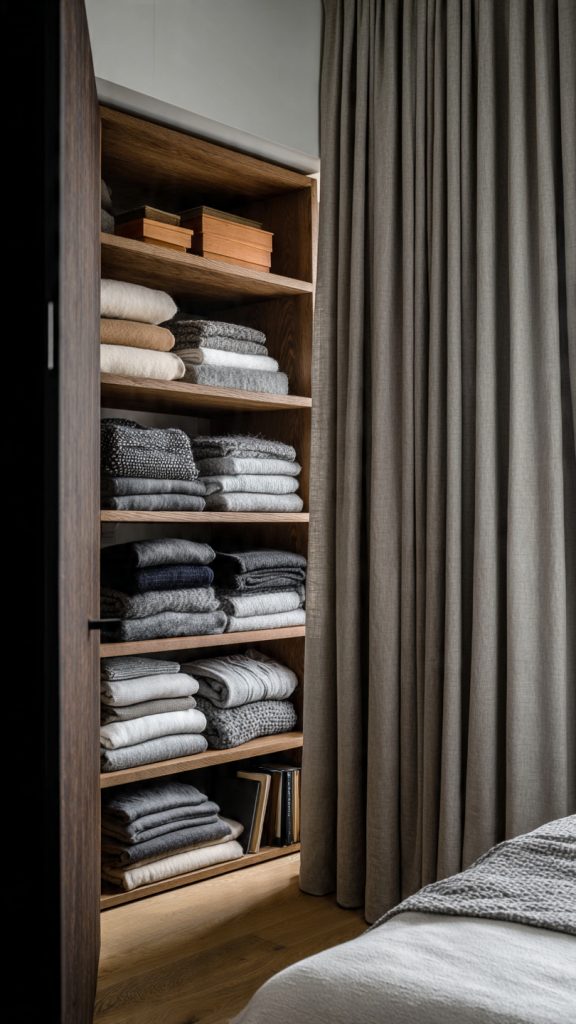
Curtains or sliding panels can visually hide clothing storage without requiring permanent construction. Designers use ceiling-mounted tracks to create a soft, flexible closet alternative.
This feels lighter than full cabinetry.
Why it works
Hides clutter visually
Adds softness to the room
Works well for rentals
Neutral fabrics keep it refined.
7. Wall Hooks and Peg Rails for Accessories
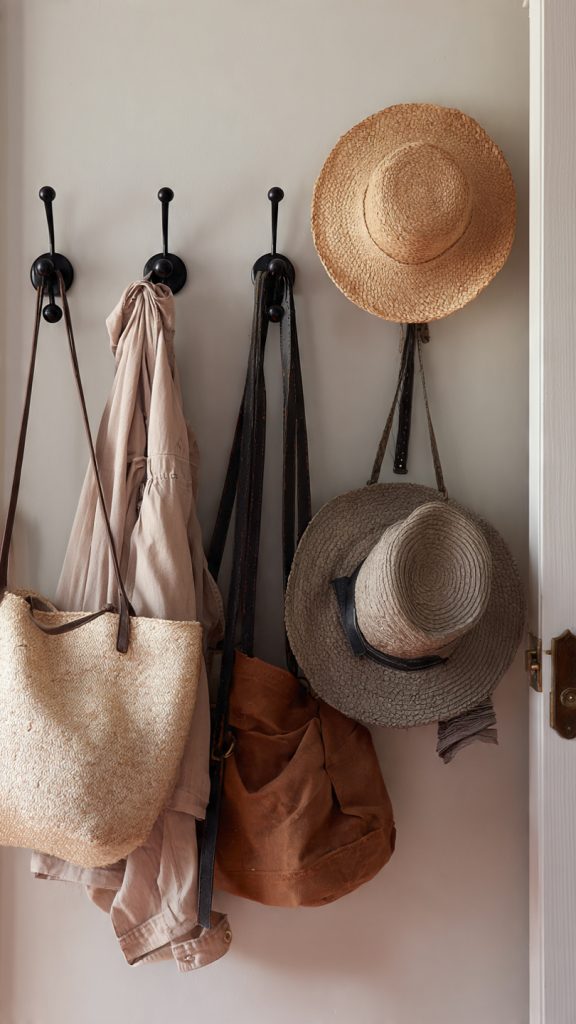
Accessories like bags, hats, and jackets don’t need closet space. Designers use wall hooks or peg rails to store these items vertically.
This keeps frequently used pieces accessible.
Why it works
Uses unused wall space
Keeps accessories visible
Prevents clutter buildup
Limiting items keeps it clean.
8. Tall Storage Cabinets with Mixed Use
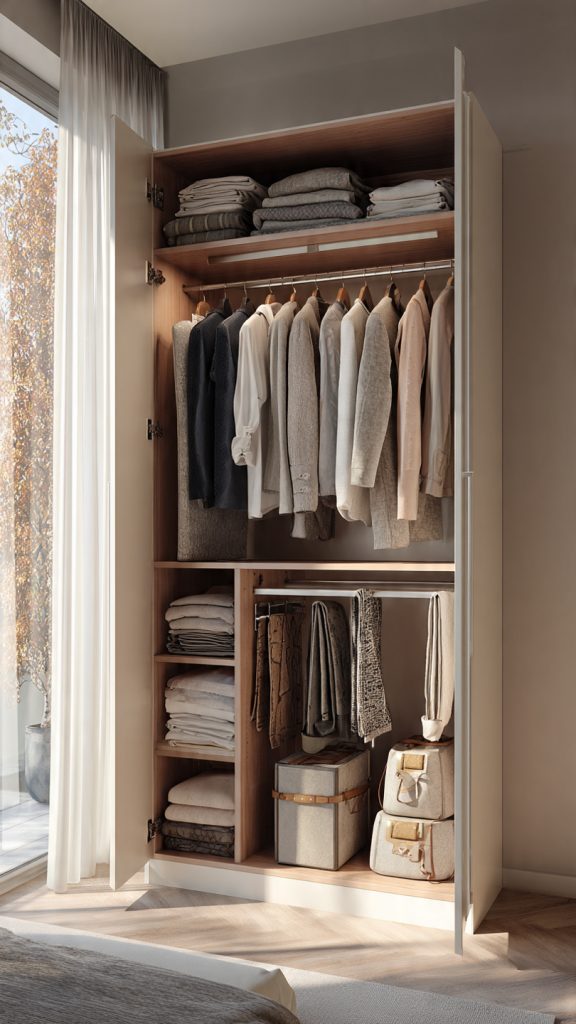
Some storage cabinets combine hanging space, shelves, and drawers. Designers favor these hybrid units when there’s no closet because they consolidate storage into one footprint.
This reduces visual chaos.
Why it works
Combines multiple storage types
Feels intentional
Saves floor space
Closed doors maintain calm.
9. Rolling Garment Racks for Flexible Storage
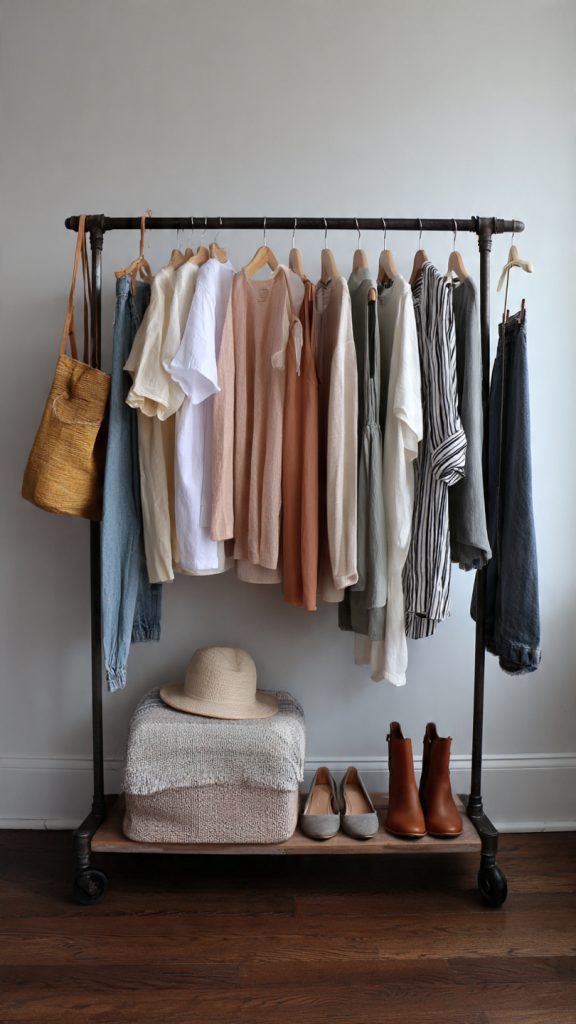
Garment racks aren’t just temporary solutions when styled intentionally. Designers use simple metal racks for capsule wardrobes or seasonal clothing.
This adds flexibility.
Why it works
Easy to move or adjust
Keeps clothing visible
Works well in small spaces
Keeping it edited is essential.
10. Edit and Rotate Clothing Regularly
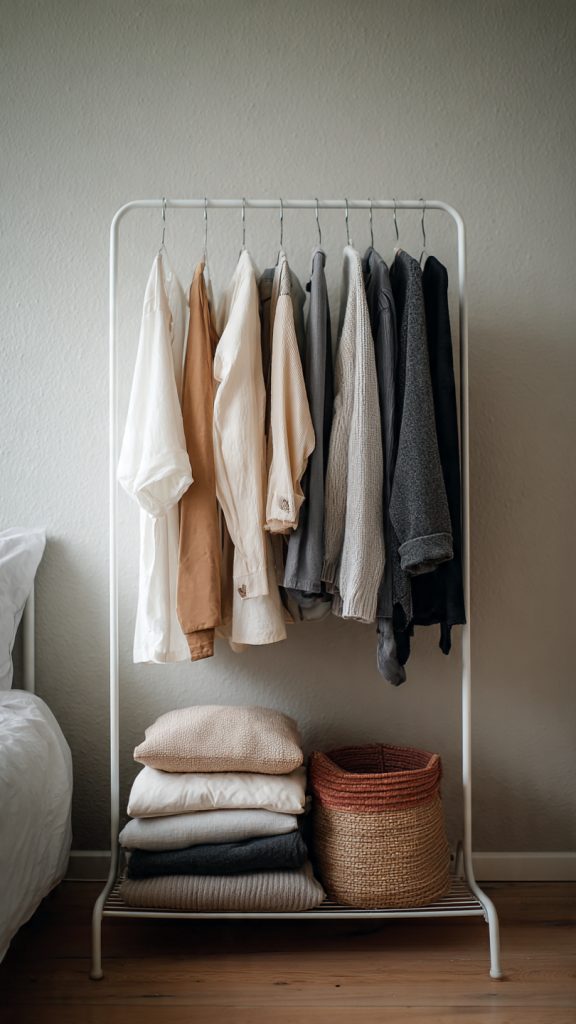
Without a closet, editing becomes critical. Designers recommend keeping only current-season clothing accessible and rotating items as needed.
Less storage works best when intentional.
Why it works
Prevents overcrowding
Keeps systems manageable
Maintains visual calm
Editing is the foundation of success.
Final Thoughts
Not having a closet doesn’t mean sacrificing organization or style. With thoughtful alternatives that use vertical space, concealment, and restraint, it’s possible to create clothing storage that feels just as functional—if not more intentional—than a traditional closet.
These 10 closet alternative ideas show that smart planning matters more than built-in features. When storage is curated and purposeful, even closet-free homes can feel organized, calm, and beautifully designed.