If you have fine hair, you know the struggle all too well. Length can often work against you—too long, and strands fall flat and limp; too short, and you might feel you lack styling options. That’s why the shoulder-length “lob” (long bob) is the ultimate sweet spot.
Shoulder-length hair offers the perfect balance: it’s long enough to pull back but short enough to maintain volume and movement. The key lies in the right cut and styling techniques—think soft layers, blunt ends, and texture-enhancing waves.
Below are 14 expertly curated ideas to give your fine hair the lift, body, and bounce it deserves:
1. The Blunt Lob with Micro-Layers
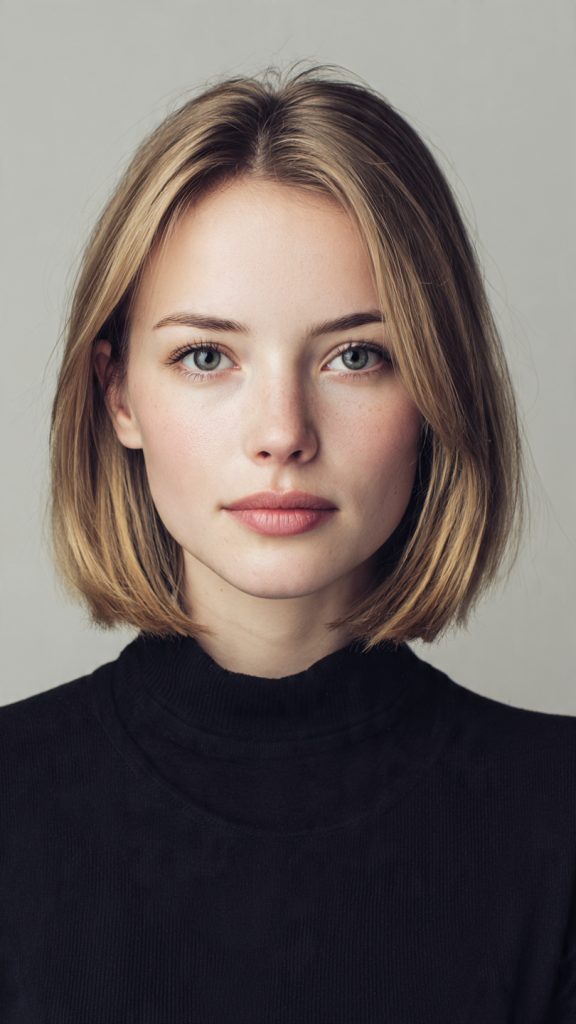
A blunt cut at the shoulders creates an immediate illusion of density. To avoid a heavy, blocky look, ask your stylist for “micro-layers”—invisible internal layers that add movement without sacrificing the blunt perimeter’s weight.
2. Soft, Face-Framing Layers
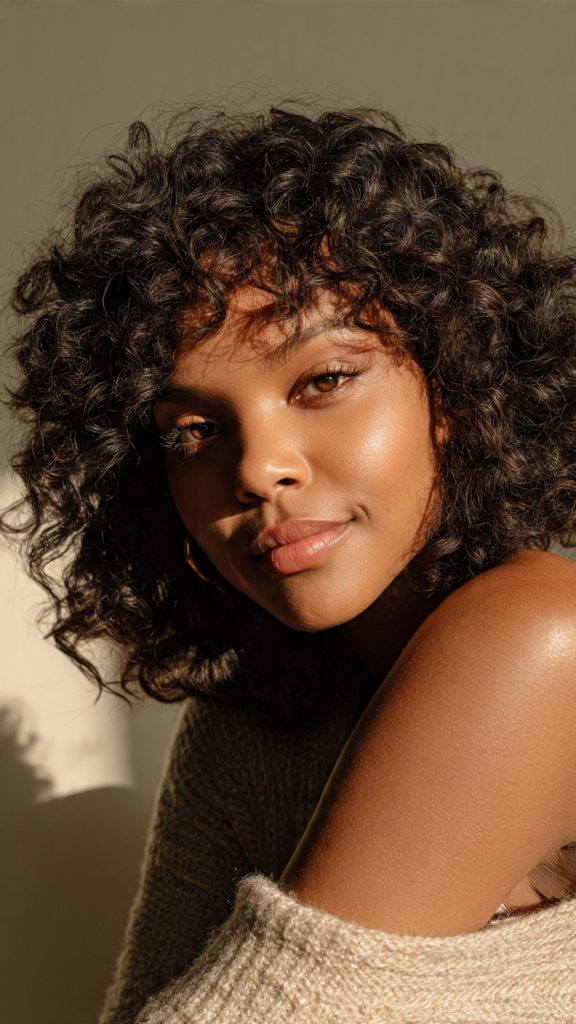
Instead of all-over layering (which can make fine hair look wispy), concentrate soft layers around the face. This draws the eye forward, adds a lifted appearance at the crown, and creates the illusion of thicker hair without removing bulk from the back.
3. Textured Italian Bob
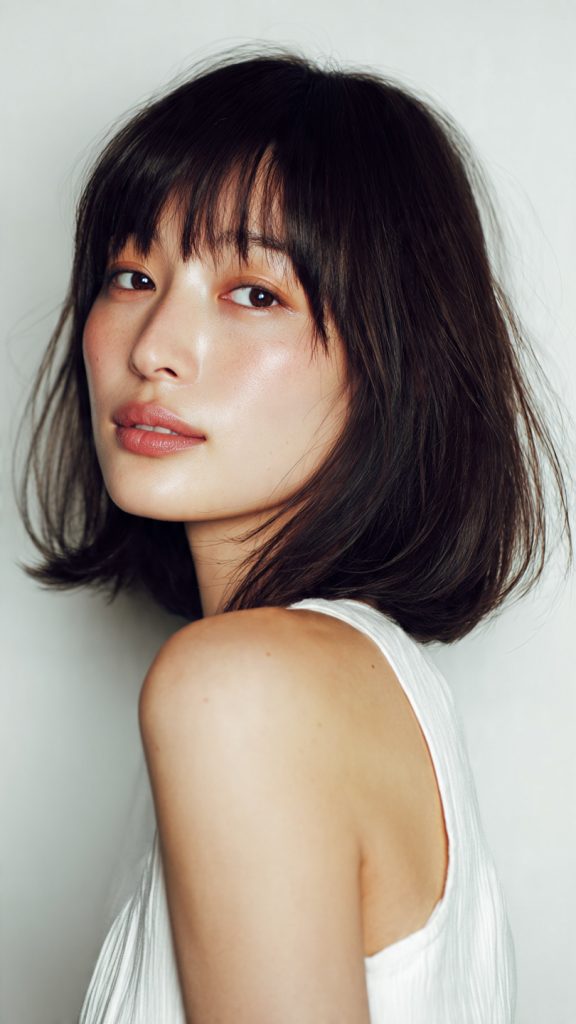
The Italian bob sits right at the chin-to-shoulder midpoint with a rounded, voluminous shape. For fine hair, add point-cutting or dry texturizing to create grip. This style is especially good for straight or slightly wavy textures, as it encourages natural bend.
4. Deep Side Part with Volume
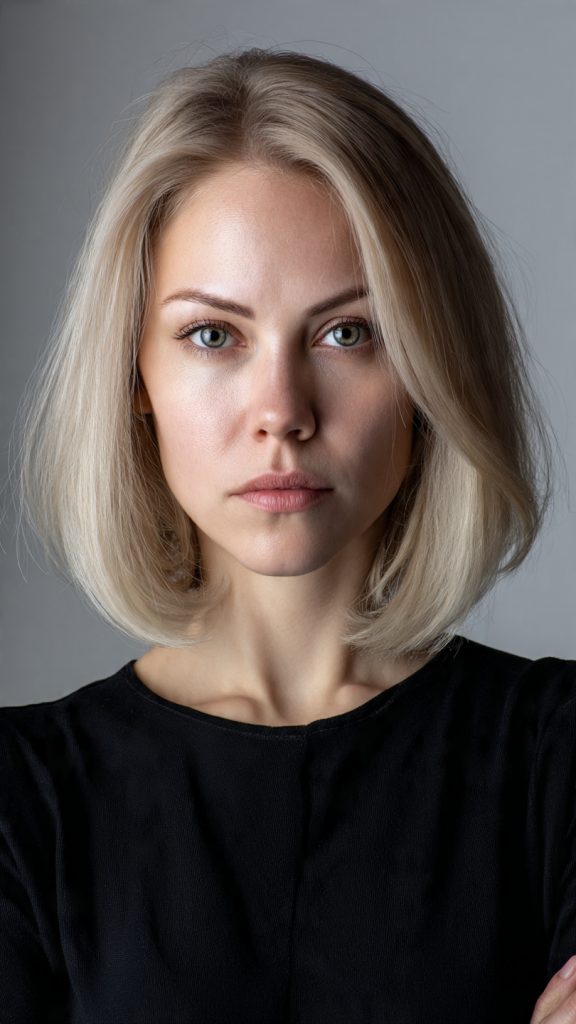
Never underestimate the power of a deep side part. By shifting hair dramatically to one side, you instantly create a higher apex at the crown. Pair this with a shoulder-length cut that has long, sweeping layers for effortless red-carpet volume.
5. The “Butterfly” Cut
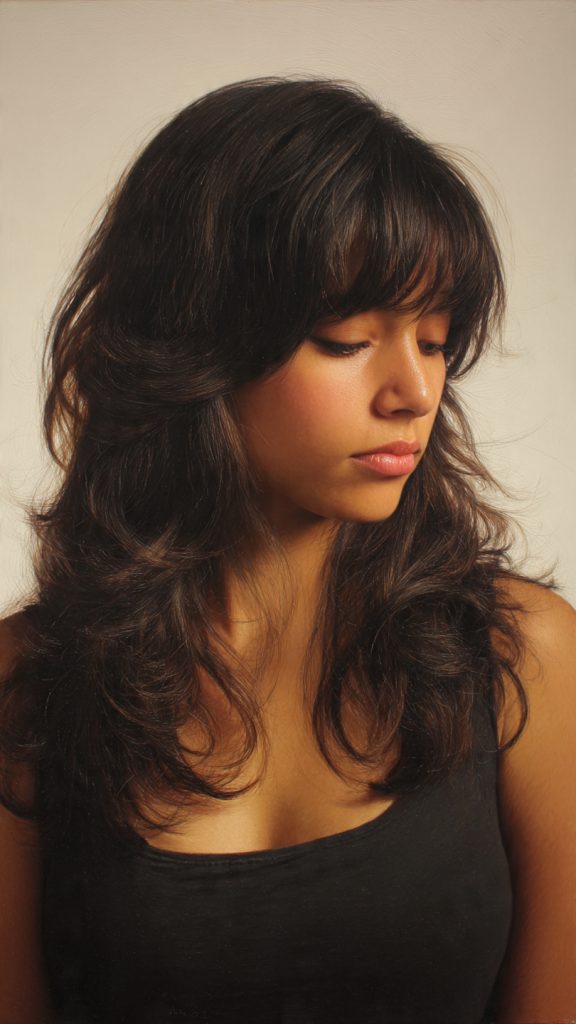
Adapted from the viral trend, the butterfly cut uses two distinct lengths—shorter internal layers for lift and longer perimeter layers for length. At shoulder length, the shorter pieces act as hidden scaffolding, lifting the roots of fine hair while the ends stay full.
6. Curtain Bangs + Shoulder-Length Shag

Curtain bangs that part in the middle add width, which is a great visual trick for fine hair. Combine them with a light, shoulder-length shag that has subtle, rock-inspired texture. The bangs blend into the sides, creating continuous movement and hiding any thin spots.
7. Lived-In Beach Waves (Heat-Free)

Fine hair holds heat-styled waves poorly, but it excels at natural, scrunched texture. Dampen hair, apply a lightweight mousse, twist into two rope braids overnight, and release in the morning. The resulting S-waves create pockets of air that make hair look twice as full.
8. The Inverted Lob (Stacked Back)
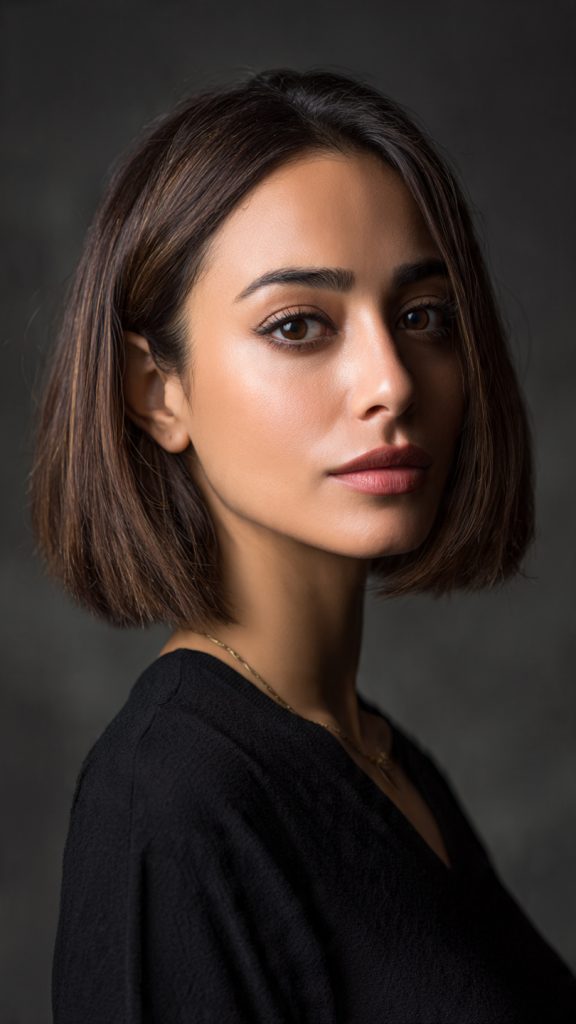
In an inverted lob, the back is cut slightly shorter (stacked) while the front grazes the collarbone. The stacked underlayer pushes hair upward at the crown, giving fine hair permanent “backcombed” volume. Keep the stacking soft and rounded, not severe.
9. Asymmetrical Cut
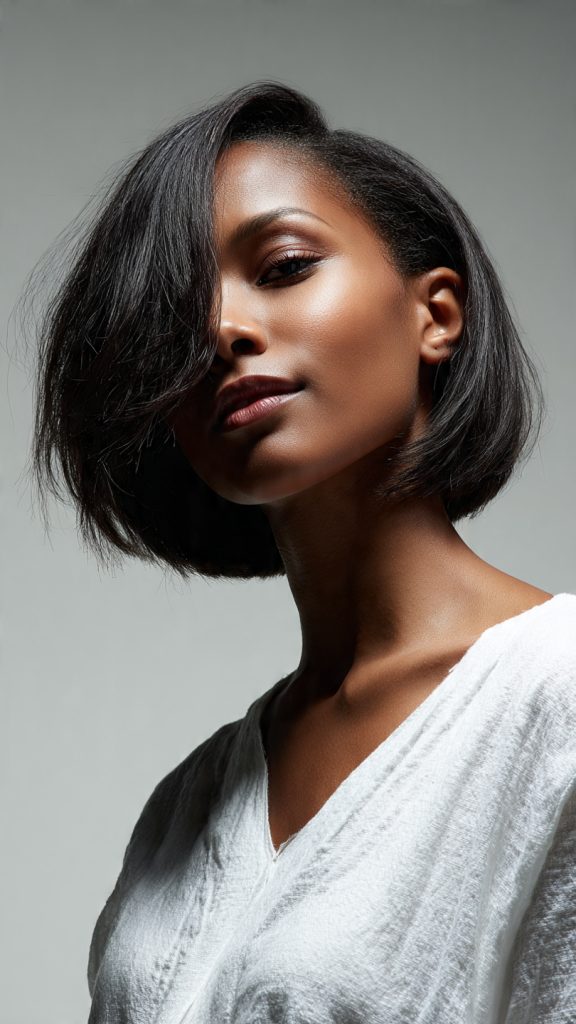
An asymmetrical shoulder-length cut—shorter on one side, longer on the other—creates visual intrigue that distracts from fine texture. The imbalance tricks the eye into perceiving more substance, and the angle can make the neck look longer and more elegant.
10. Voluminous Blowout with Round Brush
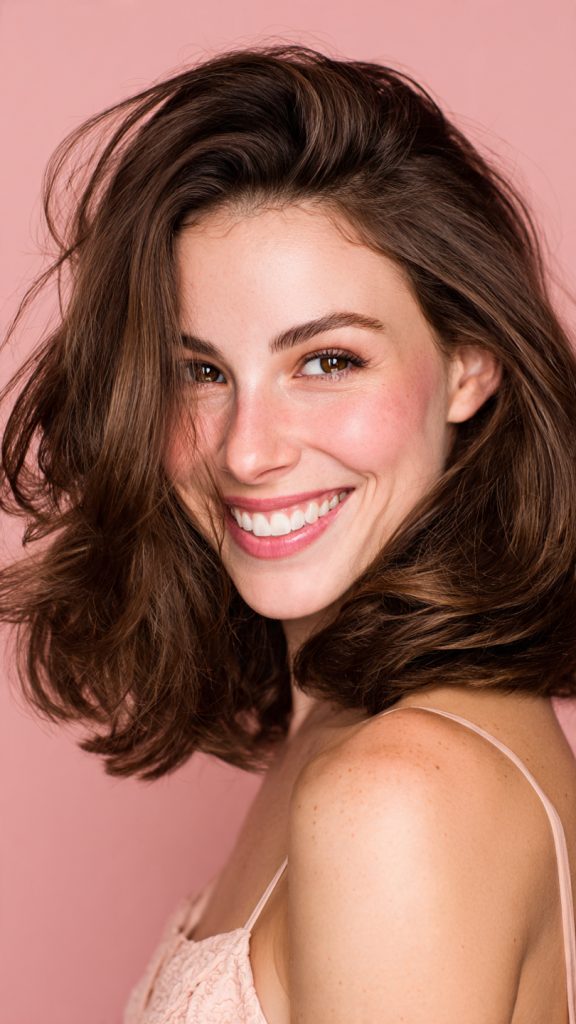
This is a styling technique as much as a cut. After washing, use a volumizing spray and a large round brush to lift roots away from the scalp while directing the ends under. A shoulder-length canvas is ideal for this, as the hair is light enough to hold the bend.
11. Piece-y, Textured Ends
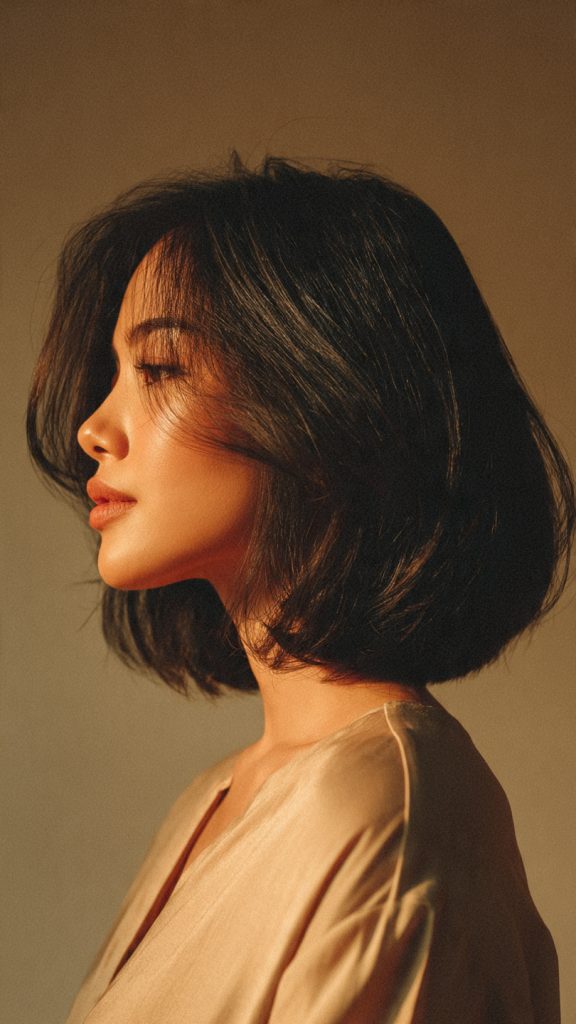
Ask your stylist to “chip into” the ends—a technique where the scissors are held vertically to remove tiny, staggered points. This creates piece-y, separated ends that prevent fine hair from clumping together. Finish with a dry texturizing spray for gritty, root-lifting grip.
12. The Sleek, Center-Parted Lob
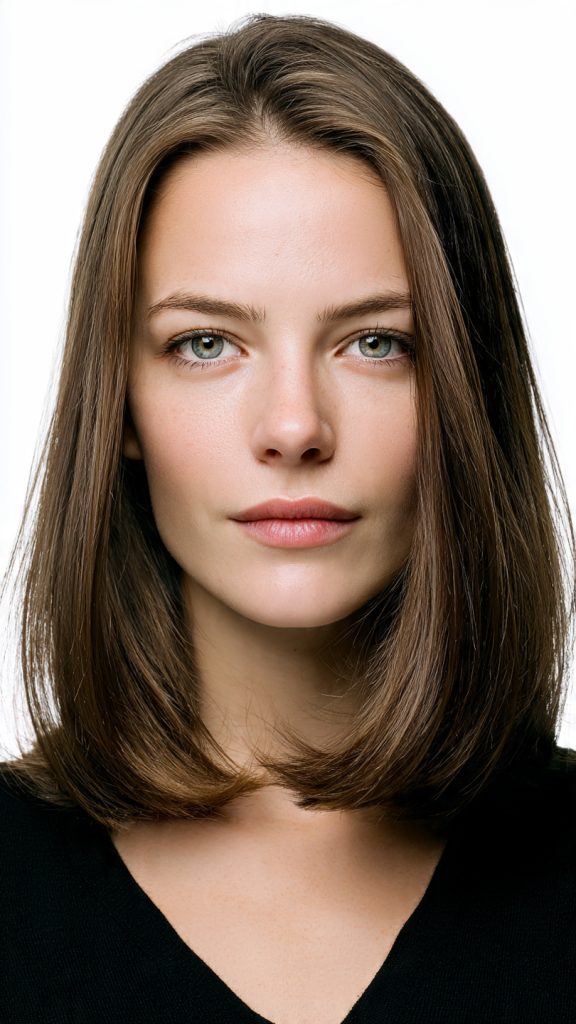
Fine hair often looks sleekest when it’s truly straight and shiny. A center-parted, one-length shoulder cut (no layers) can read as sophisticated and full when paired with a high-shine serum. The reflection of light off the smooth surface adds perceived density.
13. Rooted Volume with Dry Shampoo
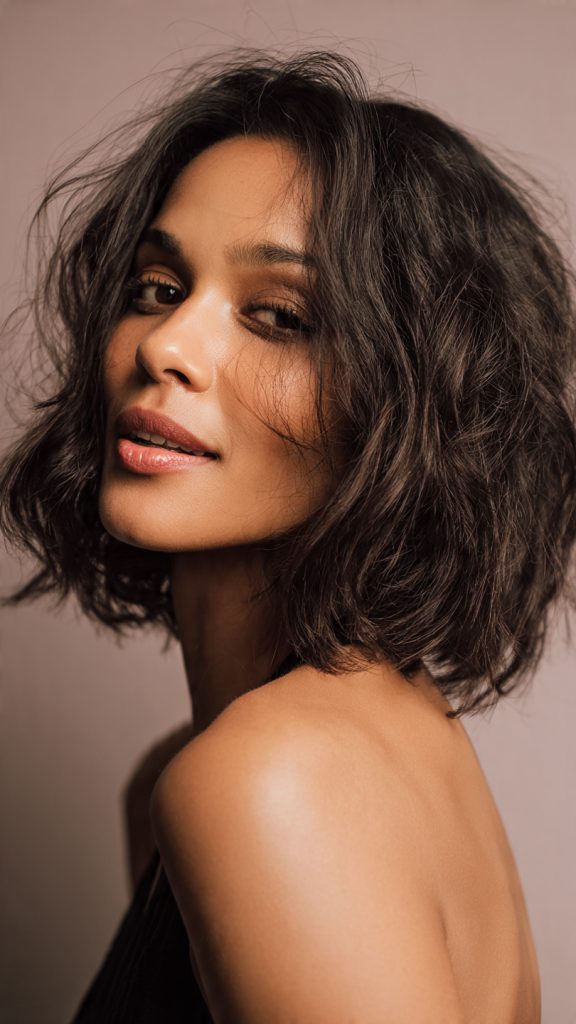
This is a styling trick for any shoulder-length cut. After blow-drying, flip your head over and spray dry shampoo directly onto the roots. Massage in. The powder coats each fine strand, creating friction and lift that lasts for hours. Repeat at midday for a second wind.
14. Low Ponytail or Tuck
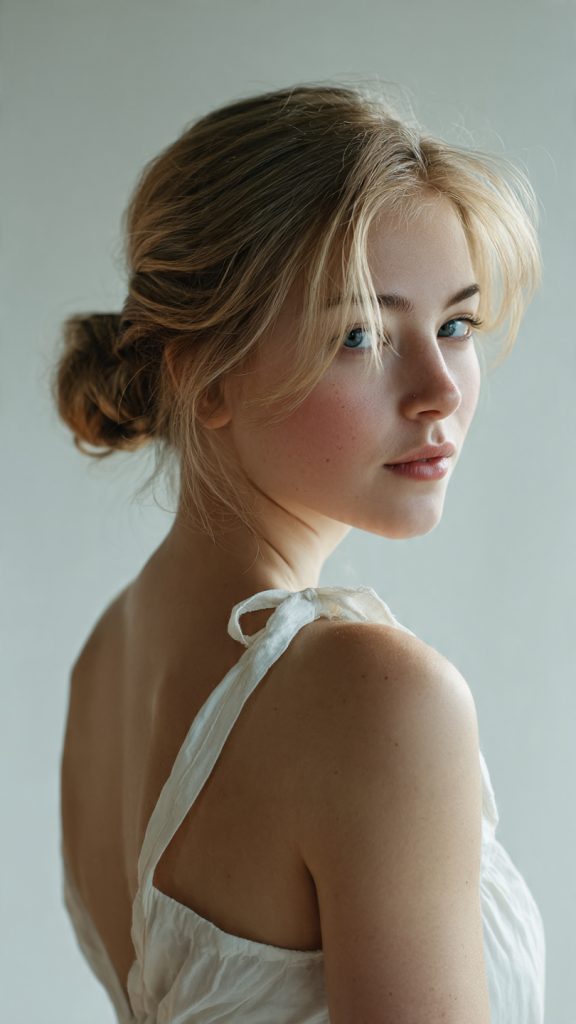
Don’t forget updos. Fine shoulder-length hair is perfect for the “French tuck”—pull hair as if for a low ponytail, but on the last loop, don’t pull the ends through. You get a soft, voluminous loop that sits at the nape. It adds instant fullness and looks effortlessly chic.
How to Style Shoulder-Length Fine Hair for Maximum Volume
Getting the cut is only half the battle. Styling technique makes or breaks fine hair. Follow these rules:
- Always use a volumizing mousse or spray on damp roots before blow-drying. This creates a foundation of lift.
- Dry hair upside down for at least 80% of the process. Gravity becomes your best friend.
- Cool-shot your roots at the end. The temperature shock locks volume in place.
- Avoid heavy serums or oils within six inches of your scalp. Fine hair gets weighed down instantly.
- Use a dry texture spray, not hairspray, for midday revival. It adds grit without stiffness.
What to Avoid with Fine, Shoulder-Length Hair
Not every trend works for fine hair. Steer clear of:
- Chunky, heavy highlights – they create visible contrast that emphasizes thinness. Opt for fine, natural babylights instead.
- Over-texturizing shears – too much internal layering turns fine hair into cobwebs. Ask for point-cutting only.
- One-length, chin-grazing bobs – without layers or shape, fine hair can look sparse at the ends.
- Sea salt sprays with alcohol – they dry out fine strands, leading to breakage. Choose moisturizing texturizers.
- Sleeping on cotton pillowcases – friction causes tangles and snapage. Switch to silk or satin.
Maintenance Schedule for Fine, Shoulder-Length Hair
Fine hair needs more frequent trims than thick hair. Follow this timeline:
| Task | Frequency |
|---|---|
| Trim (to prevent wispy ends) | Every 6–8 weeks |
| Clarifying wash (remove buildup) | Once per week |
| Root volumizing treatment | Every wash day |
| Deep conditioning mask | Every 2 weeks (lightweight formula only) |
| Dry shampoo refresh | As needed, usually day 2 and 3 |
Product Recommendations for Fine Hair
Look for these keywords on labels: volumizing, lightweight, thickening, root-lifting, texture spray, mousse, clay-based.
Avoid labels that say: hydrating, nourishing oil, butter, creamy, rich, repair mask (save those for once monthly use only).
Top lightweight product types for shoulder-length fine hair:
- Root lifting spray – apply at the crown before blow-drying
- Volumizing foam – lighter than traditional mousse
- Dry texture powder – sprinkle directly on roots for instant grit
- Heat protectant spray – non-greasy formula only
- Flexible hold hairspray – brushable, not crunchy
How to Transition Shoulder-Length Fine Hair Between Seasons
Fine hair behaves differently as humidity and temperature change.
Spring/Summer: Humidity will add natural frizz, which actually benefits fine hair by creating texture. Use anti-humidity spray lightly and embrace the body.
Fall/Winter: Dry indoor heat and cold outdoor air strip moisture, making fine hair limp and static-prone. Add a weekly lightweight hydrating mask and use a boar bristle brush to distribute natural oils from root to tip without weighing hair down.
Conclusion
Shoulder-length hair is, without question, the most forgiving and versatile length for fine hair. It offers the structural support that long hair cannot provide and the styling freedom that short hair sometimes lacks. With the right cut—whether a blunt lob, a soft shag, or an inverted style—fine hair can look dense, bouncy, and full of life.
Remember: fine hair is not the enemy of good hair days. It simply requires precision cutting, lightweight products, and smart styling techniques. The 14 ideas above give you a roadmap, but the real secret is embracing your hair’s natural texture rather than fighting it. Fine hair moves beautifully, catches light elegantly, and—when cut and styled correctly—looks far more substantial than its actual density.
Choose one style that resonates with you, book that trim, and invest in a good texture spray. Your best hair days are just a few inches away.
