Finding the perfect haircut when you have a round face isn’t about hiding your features—it’s about enhancing them. Characterized by equal width and length with soft, curved jawlines, round faces benefit from hairstyles that add angles, height, and elongation. Enter the bob: a timeless, versatile cut that, when tailored correctly, can instantly sculpt your silhouette, define your bone structure, and create a stunning balancing effect. Below, we break down 17 strategic bob variations, explaining exactly why each one works to flatter a round face shape.
17 Bob Haircut Ideas for Round Faces
1. The Classic Long Bob (Lob)
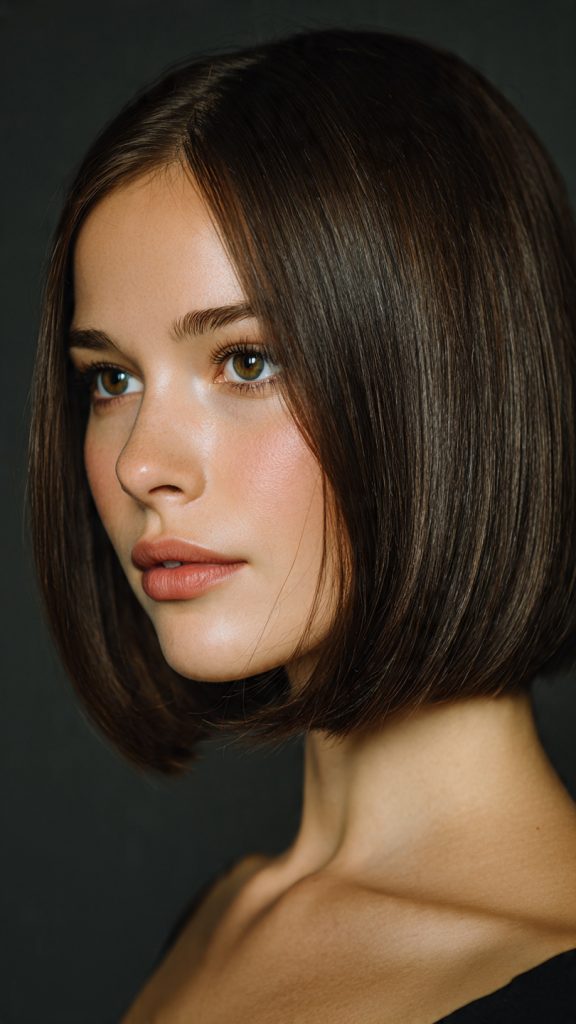
Why it works: The lob skims the collarbone, falling well past the chin. This length breaks the horizontal line of a round face, creating a vertical illusion that makes the face appear longer and leaner. It’s the most universally flattering length for round shapes.
2. Asymmetrical Bob
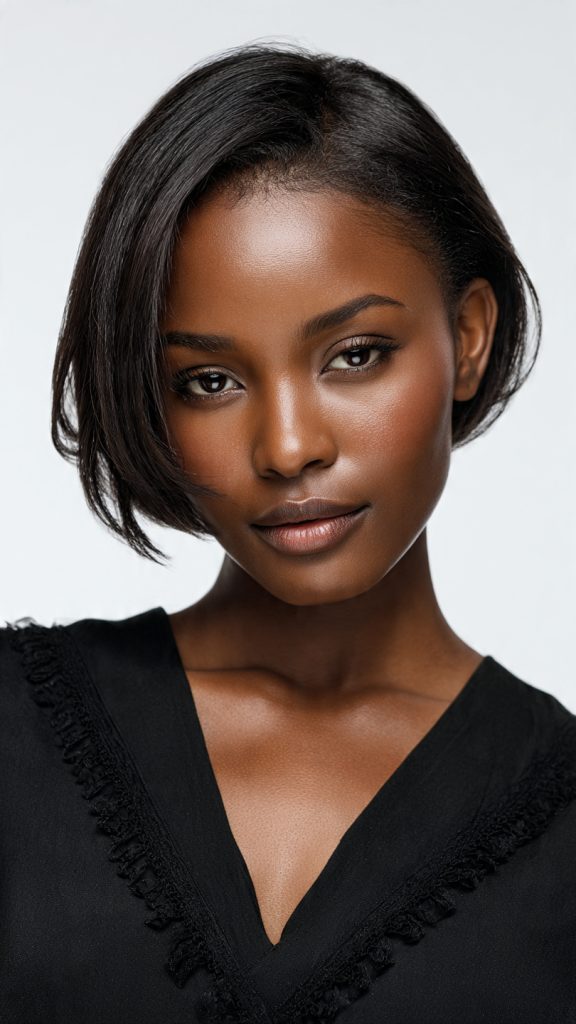
Why it works: By keeping one side longer (often grazing the chin) and the other shorter (above the ear), this cut disrupts the face’s natural symmetry. The diagonal line tricks the eye into seeing length rather than width, offering an edgy, sculpting effect.
3. Textured Chin-Length Bob
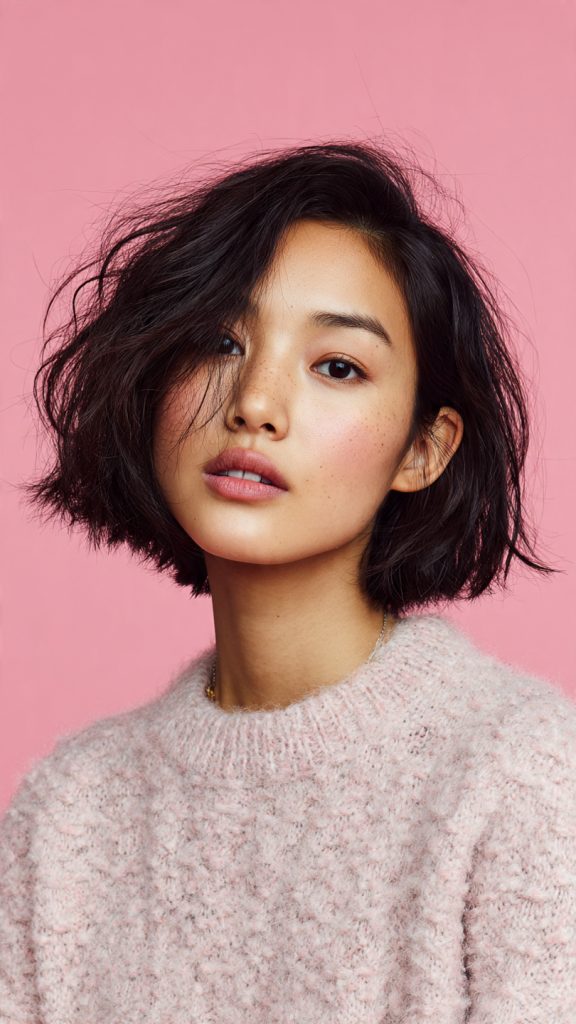
Why it works: While chin-length cuts can sometimes widen a round face, adding heavy texture and choppy ends removes bulk at the jawline. The uneven edges break up the circular outline, creating movement and softness that prevents a “bowl-cut” effect.
4. Deep Side-Parted Bob

Why it works: A center part visually widens a round face. A deep side part, paired with a bob that falls to the chin, creates an off-center diagonal line. The higher volume on one side adds height and asymmetry, effectively lengthening the face shape.
5. Inverted Bob (A-Line)
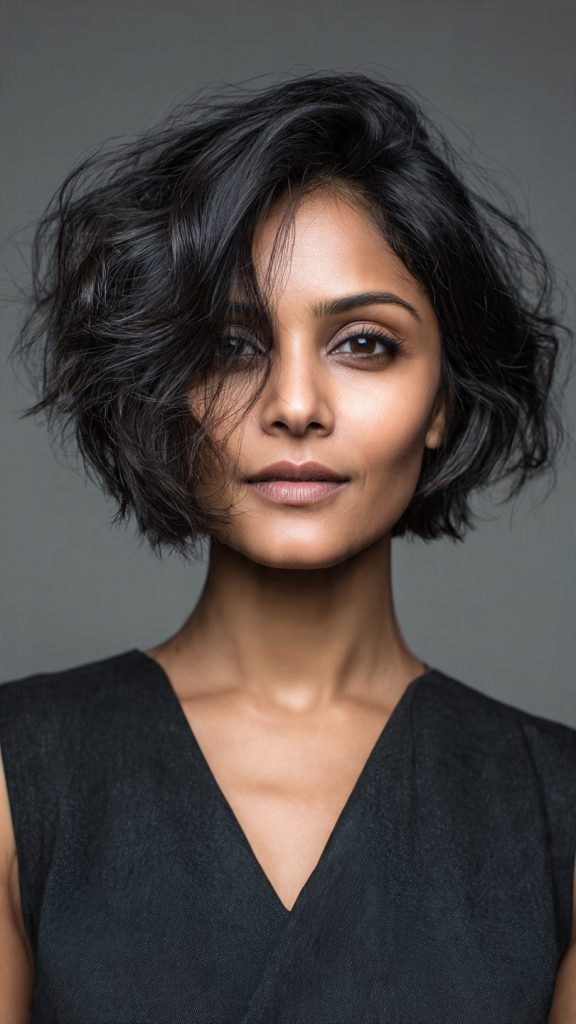
Why it works: Short and stacked at the nape, gradually lengthening toward the front. The sharp, angled front pieces (often reaching the chin or collarbone) create a strong vertical line that overpowers the horizontal width, giving a lifted, chiseled look.
6. Curly Bob with Volume on Top
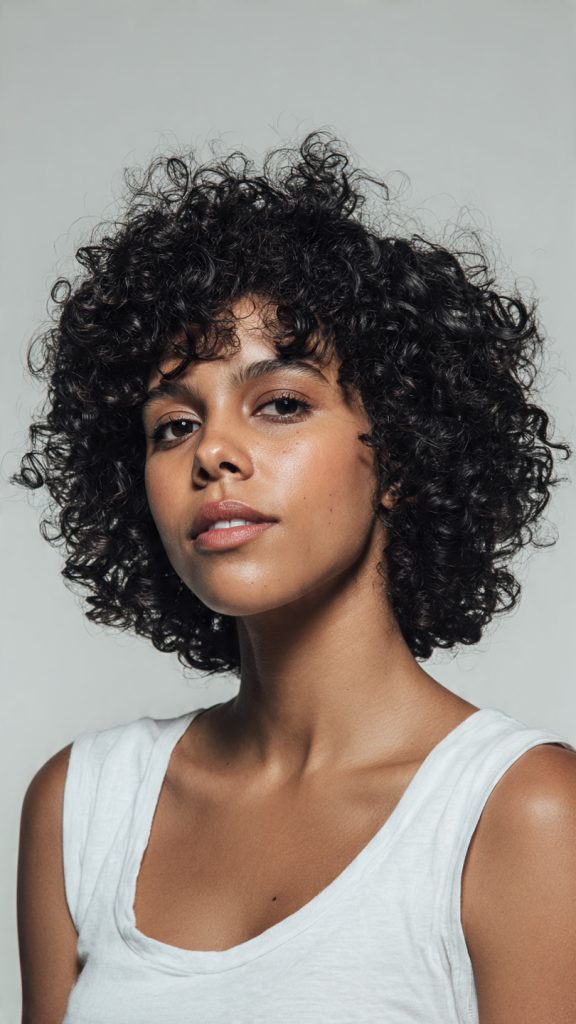
Why it works: Curls that widen at the sides can exaggerate roundness. This version prioritizes root lift and cropped layers on top, while keeping the sides tighter and closer to the head. The vertical volume adds height, while the sides avoid adding extra width.
7. Blunt Bob with a Middle Part (The Exception)
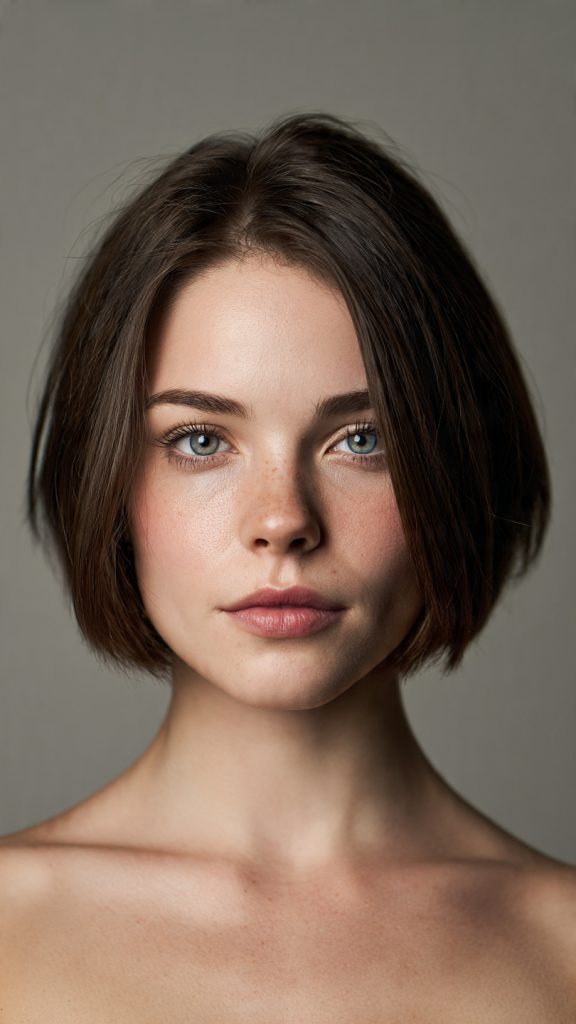
Why it works: Typically avoided, but works for those with strong jawlines and a defined chin. A very sharp, blunt cut ending right below the chin can act as a frame, contrasting with soft facial curves. Pair with straight, glossy hair for a graphic, modern look.
8. Layered Bob with Wispy Bangs

Why it works: Heavy, blunt bangs shorten a round face. Wispy, see-through bangs that start high on the forehead (and can be swept to the side) add length without bulk. Layers throughout the bob remove weight from the jawline, maintaining a light, airy silhouette.
9. The “Bixie” (Bob + Pixie)
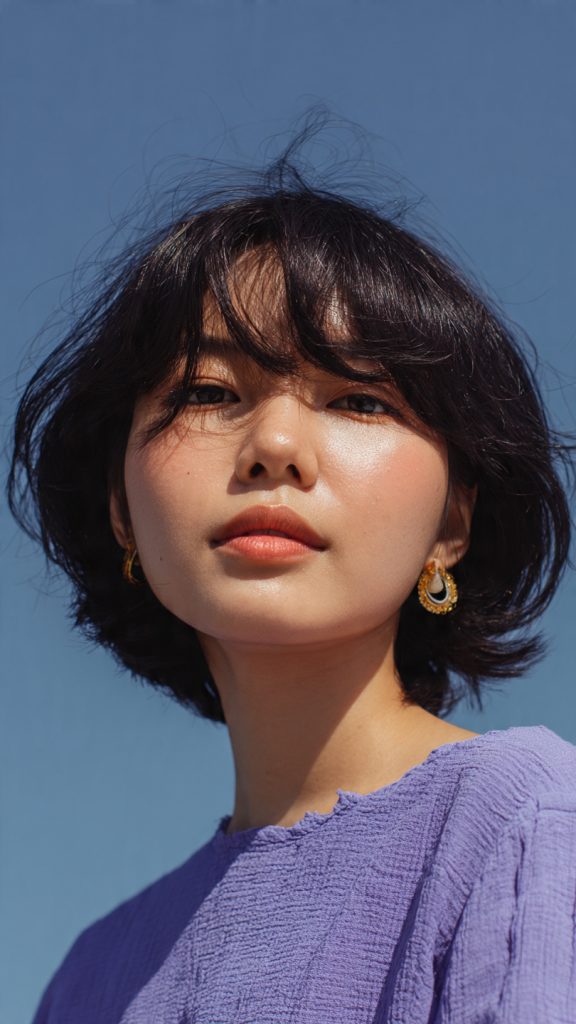
Why it works: Shorter in the back and textured like a pixie, but with longer, piece-y front pieces. This hybrid exposes the neck and ears (adding height) while the longer front strands cut diagonally across the cheekbones, sharpening a round face beautifully.
10. Graduated Bob with Volume at the Crown
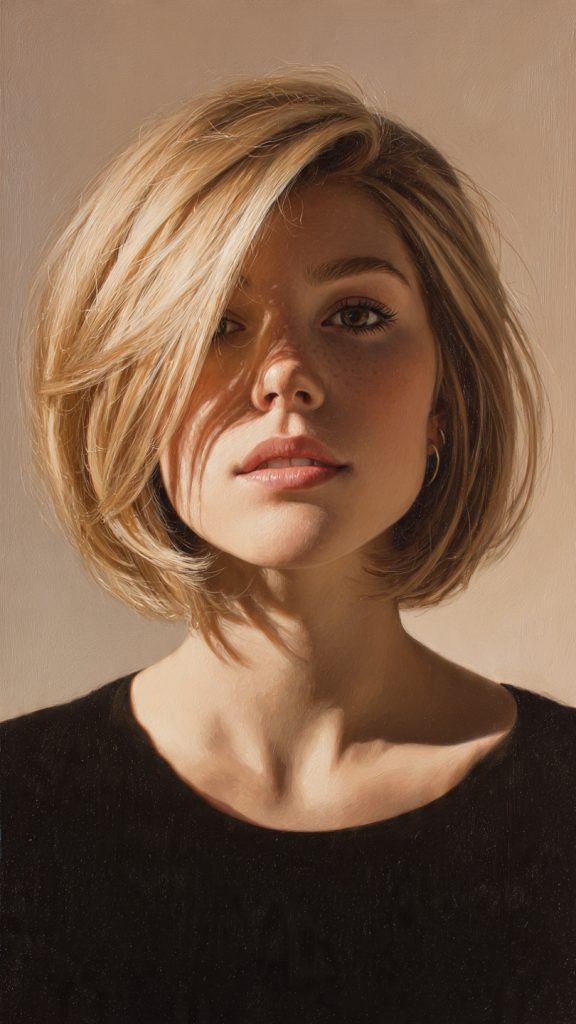
Why it works: The graduated stacking in the back pushes hair upward at the crown, adding crucial height that elongates the face. The front is kept longer (around the jaw) but angled forward. This creates a teardrop shape that counteracts roundness.
11. Sliced Bob (Ultra-Layered)
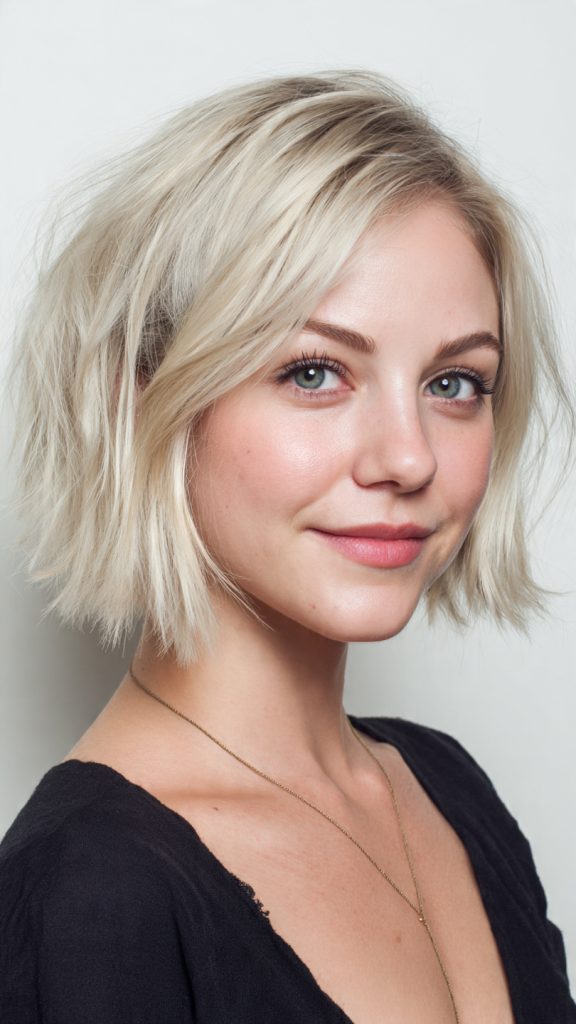
Why it works: Using “slice cutting” techniques to remove weight internally. The result is a disconnected, airy shape with visible negative space. On a round face, this prevents any solid, heavy blocks of hair that can emphasize width—think movement and separation.
12. Long Bob with a Deep “C” Wave
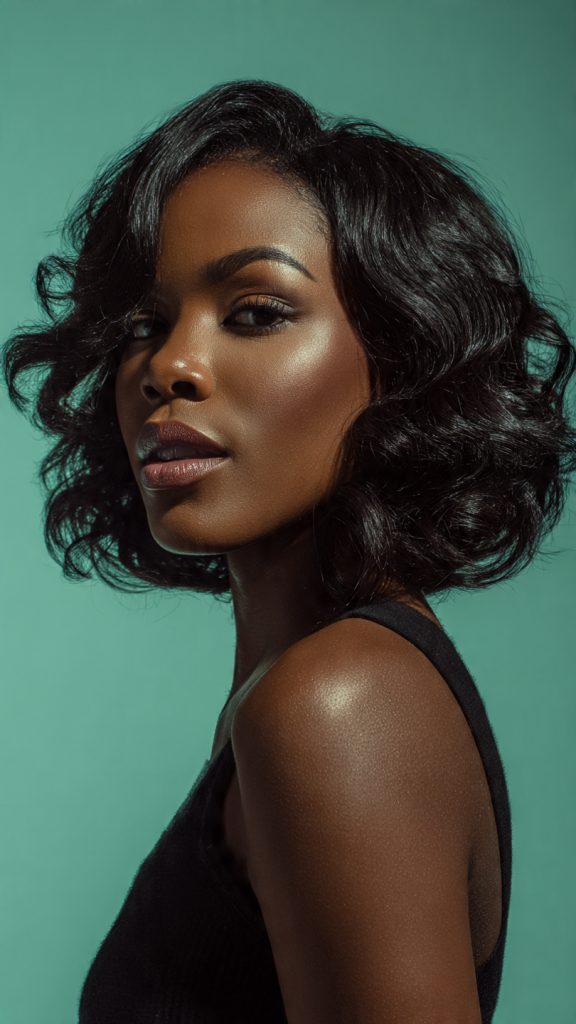
Why it works: Not straight, not curly. A soft, S-wave or “C” shape that bends away from the face at the jawline. Using a large-barrel iron, curve the ends outward or inward away from the chin. This optical illusion pulls the eye outward, then down, slimming the face.
13. Bob with Hidden Undercut

Why it works: For thick-haired round faces, bulk is the enemy. A hidden undercut (shaving the hair underneath, leaving the top layer intact) removes massive weight from the sides. The top layer falls smoothly, reducing side volume and making the face appear narrower.
14. Sleek, Straight Bob with Zero Layers
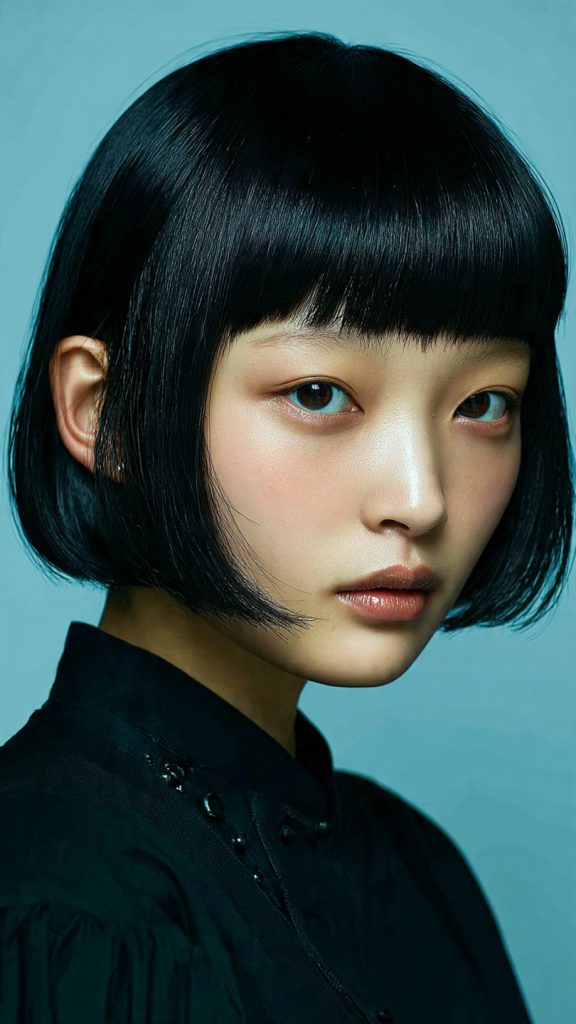
Why it works: Counterintuitive but powerful. A one-length, sleek bob that hits just below the chin (2-3 inches down) creates a strong rectangular line. When combined with a side part and glass-like shine, the straight vertical edges override the face’s circular shape.
15. French Bob with Micro Bangs
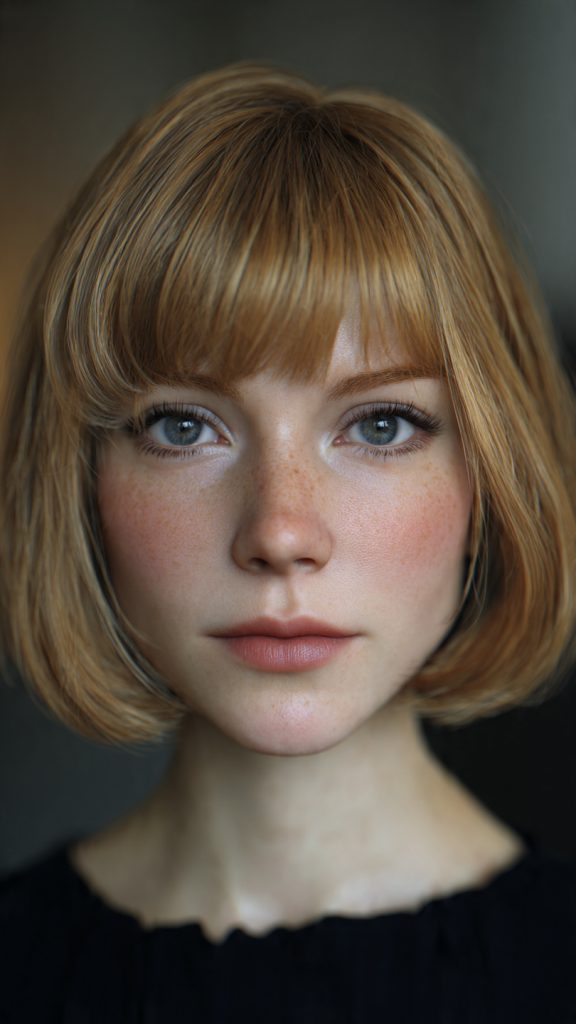
Why it works: A short bob (ear to jaw length) with blunt, short bangs that sit high on the forehead. The micro bangs reveal more forehead skin, creating an unexpected vertical stretch. The short bob keeps the look chic and balanced, preventing the “full moon” effect.
16. Shaggy Bob with Face-Framing Layers

Why it works: A ’70s-inspired shag bob has choppy layers that start at the cheekbones and cascade down. These layers break up the width of the face while adding a rock-and-roll edge. The messy, undone texture distracts from the jawline, focusing attention on the eyes.
17. Bob with a Deep “V” Back
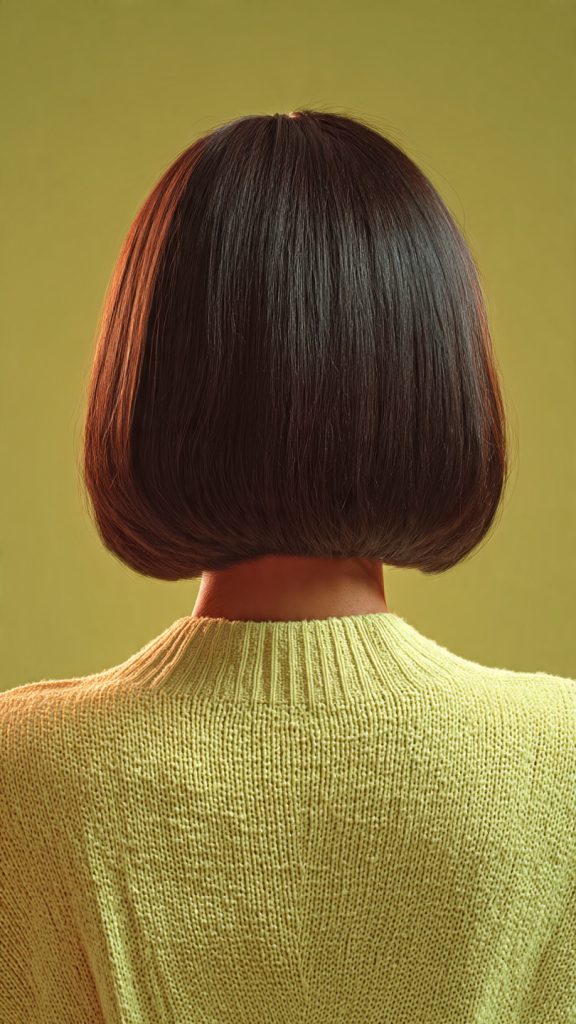
Why it works: Instead of a blunt horizontal line in the back, this bob is cut into a “V” shape. The extreme point of the V falls lower down the neck, creating a powerful vertical visual line from the crown to the tips. It’s a subtle trick that adds surprising length for round faces.
Styling Tips to Maximize the Flattering Effect
Once you’ve chosen your bob, the right styling techniques make all the difference. Here’s how to enhance the face-slimming effects of your cut:
1. Always add volume at the crown. Use a round brush when blow-drying or add velcro rollers at the top. Vertical height instantly makes a round face appear longer and more oval.
2. Keep the sides close to your head. Avoid curling the hair outward at the jawline. Instead, tuck one side behind an ear or use a flat iron to create a slight inward curve at the ends.
3. Choose your part wisely. A deep side part is almost always more flattering than a center part. Experiment with a 70/30 or even 80/20 split to find your most elongating angle.
4. Use dry shampoo at the roots. This lifts the hair at the crown and prevents the style from falling flat and widening at the cheeks.
5. Avoid blunt, heavy bangs. If you want bangs, opt for wispy, side-swept, or micro bangs that reveal forehead skin and add vertical length.
6. Add texture and movement. Soft waves, choppy ends, and layered pieces break up the circular outline of a round face. Avoid overly smooth, one-length styles that create a solid block of hair.
What to Avoid with a Round Face
While bobs are incredibly versatile, certain variations can work against you. Steer clear of:
| Avoid | Why |
|---|---|
| Chin-length blunt bobs with a center part | Accentuates width and creates a perfect circle effect |
| Heavy, thick bangs that sit on the forehead | Shortens the face and adds visual weight to the center |
| Overly voluminous sides (curls that puff outward) | Expands horizontal width dramatically |
| Very short bobs above the ear (without height on top) | Eliminates vertical length and emphasizes roundness |
| Rounded, mushroom-shaped bobs | Mirrors the shape of the face instead of counteracting it |
How to Communicate with Your Stylist
Bringing photos is helpful, but knowing the right language is even better. Tell your stylist:
- “I have a round face and want to create length and angles.”
- “Keep volume at the crown and keep the sides relatively close to my face.”
- “I prefer an asymmetrical or side-parted shape over a symmetrical center part.”
- “Add texture or layers to break up the jawline.”
- “I’d like the length to fall below my chin, ideally grazing my collarbone.”
Mentioning these specific goals will help your stylist customize your bob to your unique bone structure and hair type.
Maintenance Considerations for Each Bob Type
Different bobs require different levels of upkeep. Here’s a quick guide:
| Bob Type | Maintenance Level | Trim Frequency | Daily Styling Time |
|---|---|---|---|
| Classic lob | Low | Every 10-12 weeks | 5-10 minutes |
| Asymmetrical bob | Medium | Every 6-8 weeks | 10-15 minutes |
| Textured chin-length bob | Medium | Every 6-8 weeks | 10 minutes |
| Inverted bob | Medium-High | Every 5-7 weeks | 15 minutes |
| Curly bob | Low-Medium | Every 8-10 weeks | 10-15 minutes |
| Blunt bob | High | Every 4-6 weeks | 5 minutes |
| French bob with micro bangs | High | Every 3-4 weeks | 10 minutes |
| Shaggy bob | Low | Every 10-12 weeks | 5-10 minutes |
Conclusion
A round face is not a limitation—it’s an opportunity to work with shape, proportion, and optical illusion. The right bob haircut doesn’t hide your face; it highlights your best features while gently sculpting and elongating your natural silhouette. From the universally flattering long bob to the edgy asymmetrical cut, from soft curls to sleek zero-layer styles, there is a bob for every hair texture, lifestyle, and personality.
The key takeaways are simple: prioritize length below the chin, add volume at the crown, keep sides relatively lean, and avoid heavy bluntness at the jawline. With these principles in mind—and the 17 ideas above as your guide—you can confidently walk into any salon knowing exactly what works for your round face.
Remember: the most flattering haircut is the one that makes you feel beautiful, confident, and unmistakably yourself. A well-cut bob does exactly that—with timeless style and modern edge.
