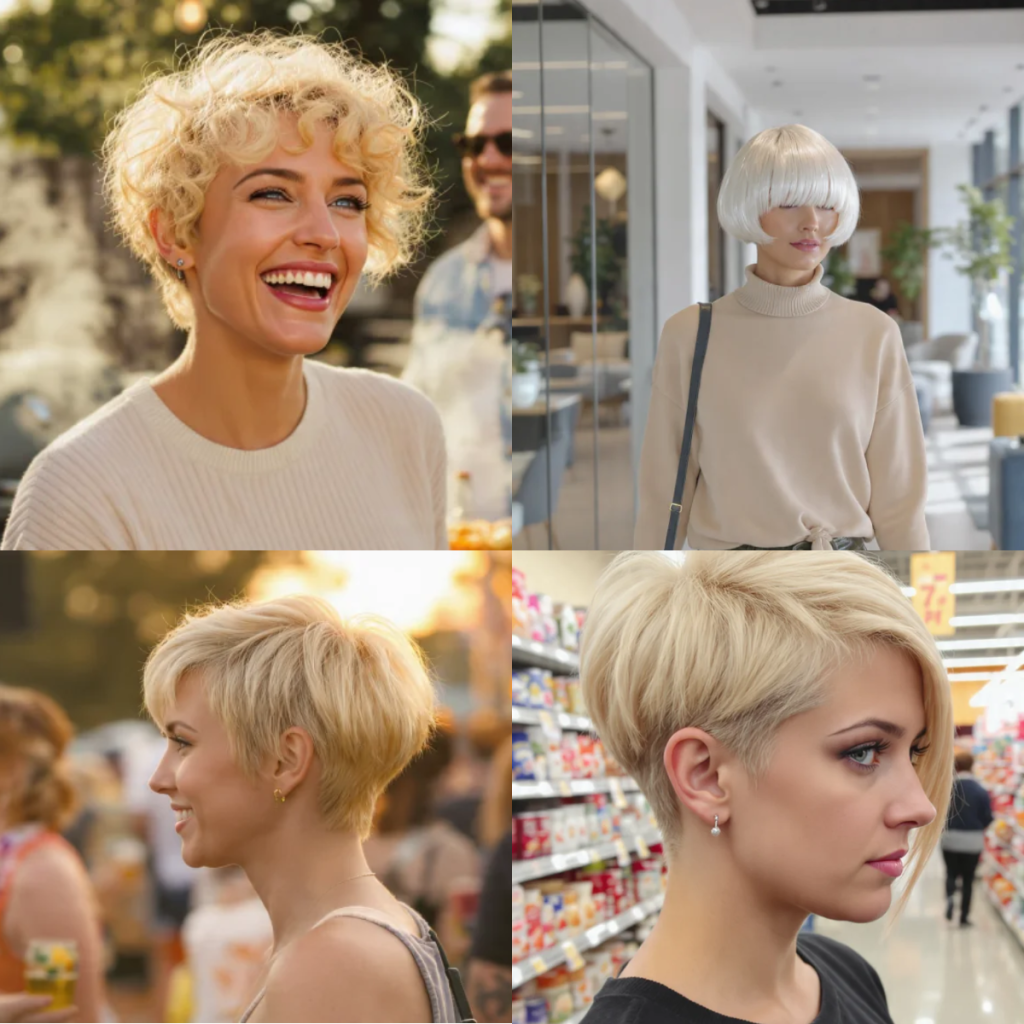
Thinking about going short but not ready to commit to a full pixie? Enter the blonde pixie bob — the perfect hybrid of a cropped pixie’s sass and a bob’s timeless elegance. This versatile haircut sits right between the chin and the nape, offering volume, movement, and an instant freshness that longer hair often lacks.
Blonde amplifies every advantage of the cut: it reflects light, highlights texture, and can make fine hair look fuller or thick hair more manageable. Whether you prefer platinum, honey, ash, or strawberry blonde, there’s a pixie bob variation to flatter your face shape, lifestyle, and styling habits.
Below are 10 well-structured ideas to inspire your next salon visit — from low-maintenance wash-and-wear styles to red-carpet-worthy looks.
Why the Blonde Pixie Bob Works for Everyone
The beauty of the blonde pixie bob lies in its adaptability. Unlike a one-length bob that can feel severe or a ultra-short pixie that requires frequent trims, the pixie bob strikes a balance. It preserves enough length to frame the face softly while removing enough weight to create lift and movement.
Blonde, in any shade, adds another dimension. Light colors reflect more light, which creates the illusion of thicker hair on fine strands. On naturally thick or curly hair, blonde highlights—or a full blonde color—can define texture and make each wave or coil more visible. The contrast between darker roots and lighter ends (a shadow root) also buys you extra weeks between salon visits.
10 Well-Structured Ideas
1. The Classic Blonde Pixie Bob
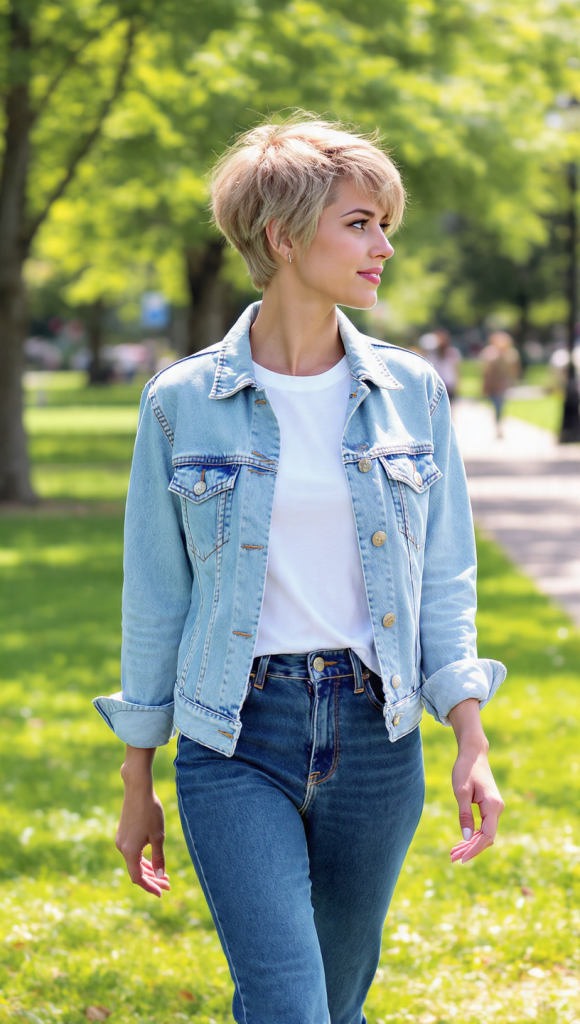
- Length: Ear to chin, slightly stacked at the back.
- Blonde tone: Warm honey or beige blonde for a natural glow.
- Styling: Blow-dry smooth with a round brush, tucking ends under.
- Best for: Oval and heart-shaped faces; women seeking a polished, everyday look.
2. Textured & Tousled Platinum Pixie Bob
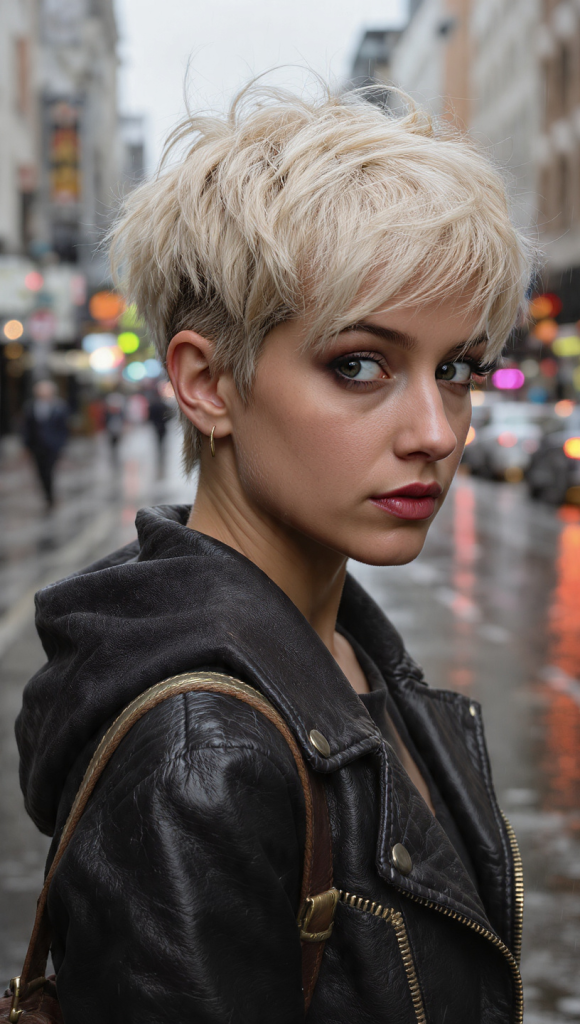
- Length: Cropped nape, longer top layers (2–3 inches).
- Blonde tone: Cool platinum or silver blonde.
- Styling: Apply sea salt spray, scrunch, and air-dry or diffuse.
- Best for: Fine to medium hair; round or square faces (texture softens angles).
3. Asymmetrical Blonde Pixie Bob
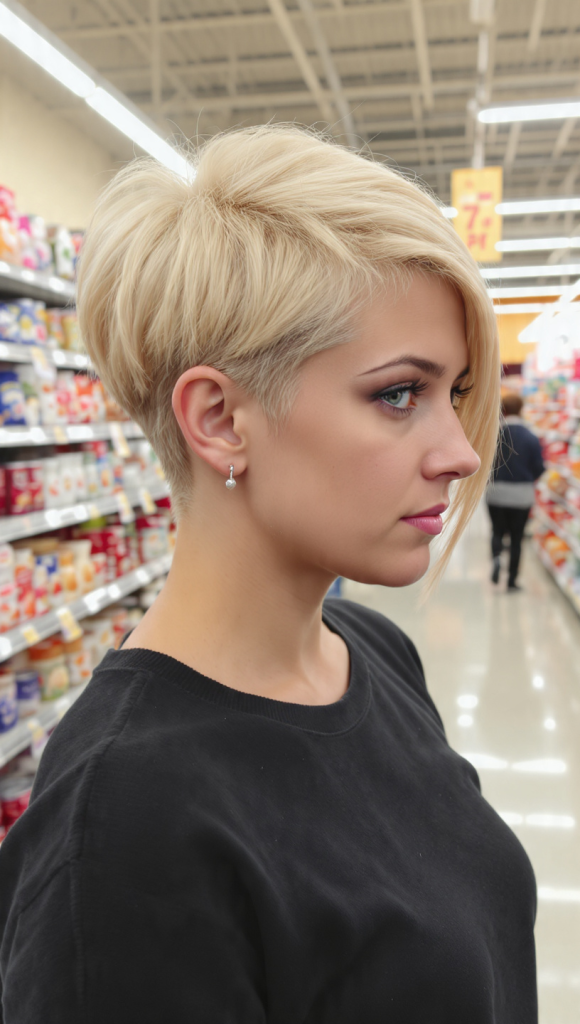
- Length: One side tucked behind the ear (short), the other grazing the jaw.
- Blonde tone: Champagne or pearl blonde.
- Styling: Flat iron the longer side straight; add a drop of shine serum.
- Best for: Adding edge; great for oval and oblong faces.
4. Curly or Wavy Blonde Pixie Bob

- Length: Chin-length when dry (shorter when curly).
- Blonde tone: Buttery golden or strawberry blonde to enhance curl warmth.
- Styling: Use curl cream and finger-coil sections; diffuse gently.
- Best for: Natural curls or waves; heart and diamond face shapes.
5. Undercut Blonde Pixie Bob
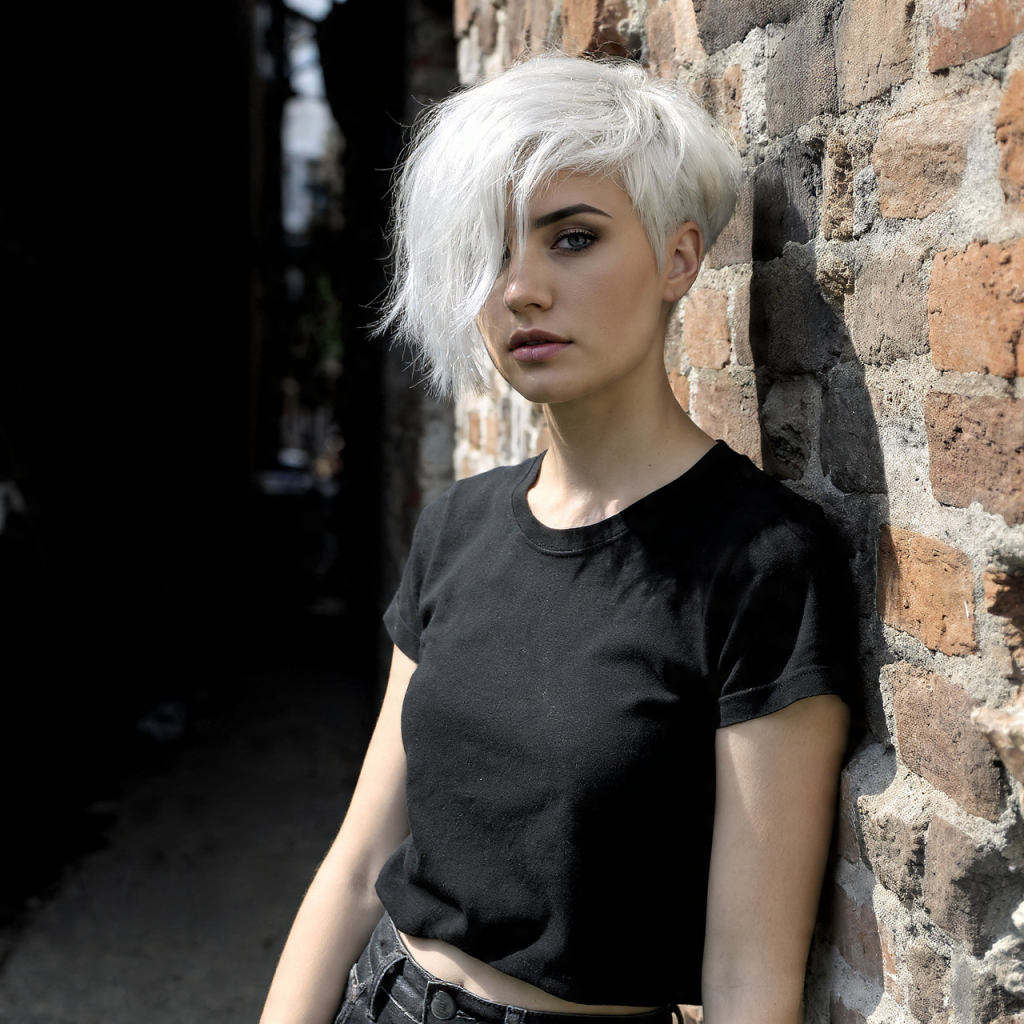
- Length: Long top layers (4–5 inches) with shaved or tapered nape/sides.
- Blonde tone: Icy white or pastel blonde.
- Styling: Sweep top forward or to the side; add dry texture spray.
- Best for: Thick hair; bold personalities; oval or angular faces.
6. Side-Swept Bangs with a Blonde Pixie Bob
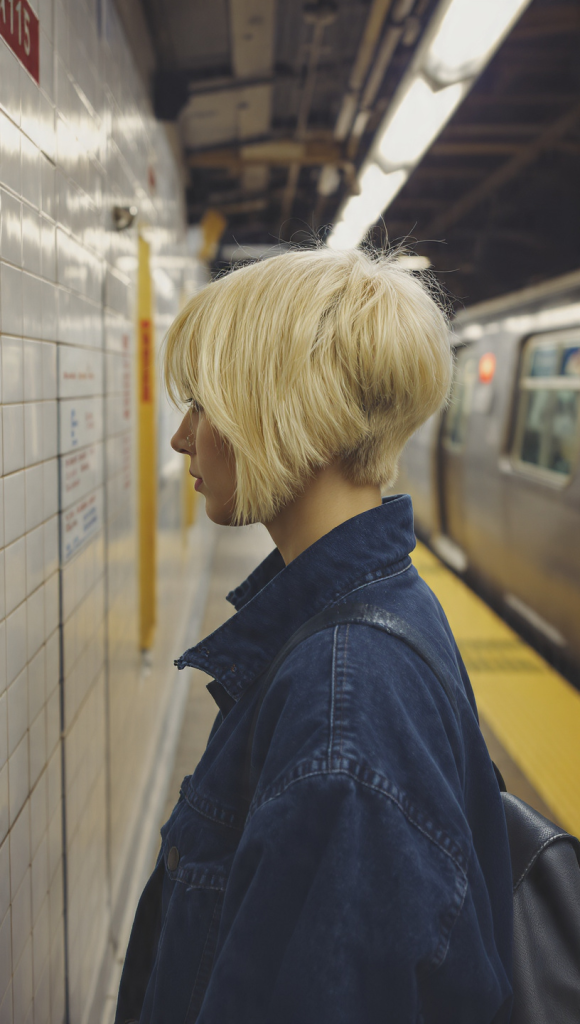
- Length: Bob length at the perimeter, with deep side bangs crossing the forehead.
- Blonde tone: Sand or dirty blonde with subtle highlights.
- Styling: Blow-dry bangs with a flat brush, keeping the rest piecey.
- Best for: High foreheads or fine hair; round and square faces.
7. Messy Bedhead Blonde Pixie Bob
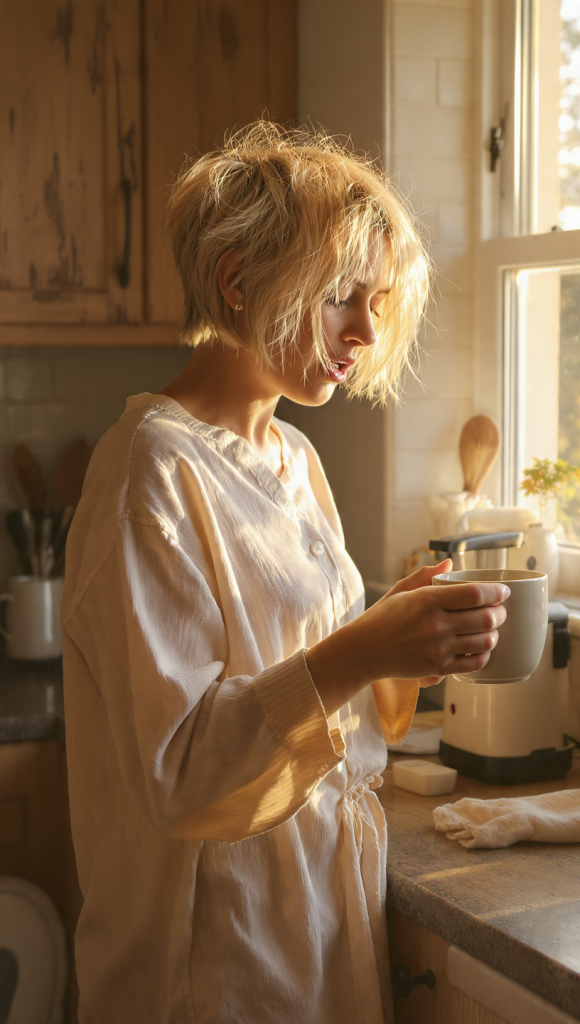
- Length: Uneven, choppy ends, cropped close at the nape.
- Blonde tone: Rooted blonde (dark blonde roots + lighter ends).
- Styling: Rub pomade between palms, rake through dry hair, and shake.
- Best for: Low-maintenance routines; straight or slightly wavy hair.
8. Sleek & Sharp Blonde Pixie Bob
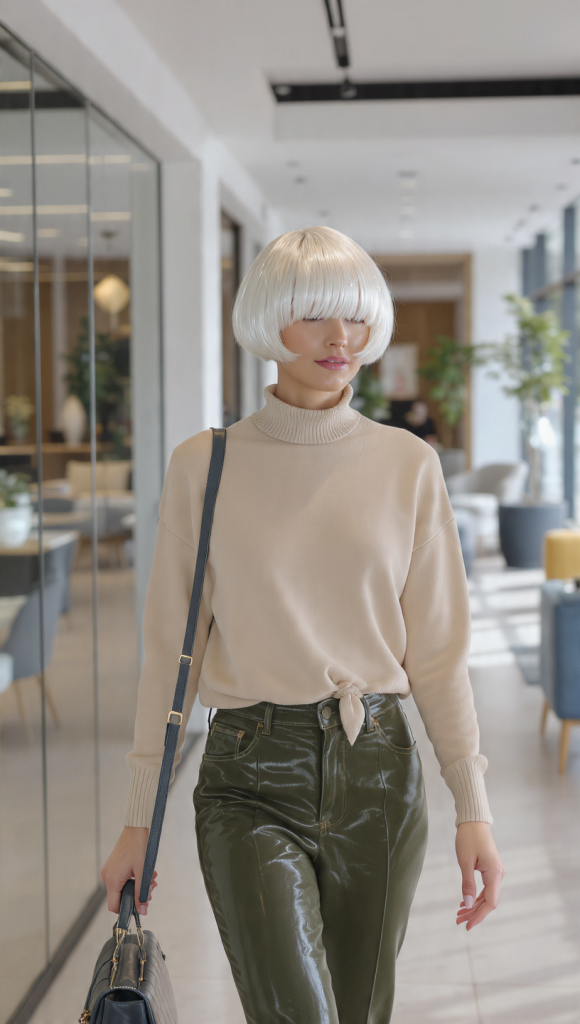
- Length: Blunt-cut, chin-length, with no layers.
- Blonde tone: High-gloss platinum or vanilla blonde.
- Styling: Flat iron ultra-straight; finish with anti-humidity spray.
- Best for: Professional settings; fine, straight hair; oval faces.
9. Blonde Pixie Bob with Micro Bangs

- Length: Short back and sides, longer top, with bangs cut ½–1 inch above brows.
- Blonde tone: Ash blonde with silver undertones.
- Styling: Keep bangs flat and straight; piece out the top slightly.
- Best for: Bold fashion-forward looks; long or oval face shapes.
10. Two-Tone or Shadow Root Blonde Pixie Bob
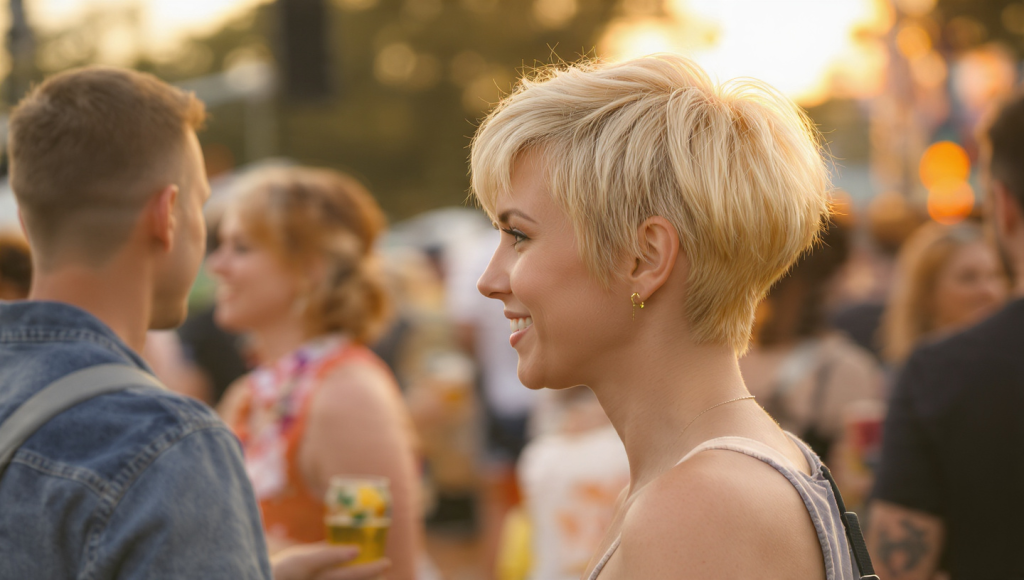
- Length: Classic pixie bob (ear to chin).
- Blonde tone: Dark blonde or brown roots blending into bright honey or champagne ends.
- Styling: Air-dry for a lived-in look, or add loose waves with a small wand.
- Best for: Low-maintenance grow-out; all face shapes; adding depth to fine hair.
How to Choose the Right Blonde Shade for Your Skin Tone
Not all blondes are created equal. The wrong undertone can wash you out; the right one can make your skin glow.
- Fair or cool skin (pink, rosy, or blue undertones): Stick with platinum, pearl, ash, or silver blondes. Avoid yellow-gold tones, which can make skin look red or blotchy.
- Olive or neutral skin (tan easily, greenish undertones): Beige, champagne, sand, or honey blondes work beautifully. Stay away from very icy or very golden extremes.
- Warm or golden skin (yellow, peachy, or bronze undertones): Golden blonde, buttery honey, caramel, and strawberry blonde are your best bets. Avoid ash blondes, which can look dull or greenish.
- Dark or deep skin (rich brown, ebony, or red undertones): Warm honey, bronze, champagne, or even platinum with dark roots create striking contrast. Avoid flat, single-process yellow blondes; go for dimension instead.
Maintenance Tips for a Blonde Pixie Bob
Short hair is not necessarily low-maintenance. A good pixie bob requires some care to stay sharp and healthy.
- Trim every 4–6 weeks – The shape of a pixie bob relies on precise proportions. Grow-out happens fast, especially at the nape and around the ears.
- Use purple shampoo once a week – Blonde can turn brassy or yellow over time. A purple shampoo neutralizes unwanted warm tones, keeping platinum and ash shades crisp.
- Deep condition regularly – Bleached or highlighted blonde hair is more porous and prone to dryness. Use a moisturizing mask once a week, especially if you heat-style.
- Avoid over-washing – Two to three times per week is plenty. Dry shampoo in between keeps volume and texture without stripping color.
- Protect from heat and sun – Apply a heat protectant before blow-drying or flat ironing. In summer, use a UV-protectant spray to prevent fading.
Styling Tools and Products to Keep On Hand
You don’t need a pro kit, but a few key items make daily styling effortless.
- Small round brush (1–1.5 inches) – For smoothing ends and adding a subtle curl under or flick out.
- Flat iron (1 inch or less) – Essential for sleek, sharp looks or for straightening asymmetrical sections.
- Diffuser attachment – A must for curly or wavy hair to enhance texture without frizz.
- Sea salt spray – Creates that messy, lived-in bedhead texture in minutes.
- Pomade or texture paste – Great for defining piecey layers and taming flyaways without making hair look greasy.
- Lightweight hairspray – Holds shape without weighing down short layers.
Who Should Avoid a Blonde Pixie Bob? (Honest Advice)
No haircut is for everyone, and honesty helps readers make better decisions.
- If you have extremely tight curls and prefer wash-and-go styles – A pixie bob on very coily hair can shrink significantly, requiring daily shaping. A longer curly bob or a tapered afro might be easier.
- If you hate frequent salon visits – The pixie bob needs consistent trimming to avoid looking messy or shapeless. If you only cut your hair twice a year, this isn’t the style for you.
- If your hair is severely damaged or over-processed – Adding blonde to already fragile hair can cause breakage. Focus on deep conditioning and growing out health first.
- If you have a very round or very square face and dislike texture – A blunt, one-length blonde pixie bob can emphasize width. However, adding height at the crown or side-swept bangs solves this completely.
How to Communicate with Your Stylist
Walk into the salon with more than just a photo. Use these exact terms:
- “I want a pixie bob – shorter than a bob, longer than a classic pixie.”
- Specify nape length: “Close at the nape but not shaved” or “Tapered but with weight at the perimeter.”
- Specify top length: “Two to three inches on top” or “Long enough to tuck behind my ears.”
- For bangs: “Side-swept,” “micro bangs,” or “no bangs, just blended layers.”
- For color: “Warm honey blonde,” “cool platinum with shadow root,” or “beige blonde with fine highlights.”
Bring two or three reference photos from this article (or your own research) and ask: “Does this shape work with my hair texture and face shape?” A good stylist will be honest with you.
Conclusion
The blonde pixie bob is far more than a passing trend. It is a genuine hybrid style that gives you the best of two worlds: the boldness of a pixie and the softness of a bob. Whether you wear it sleek and sharp, messy and textured, curly and wild, or asymmetrical and edgy, this haircut adapts to your personality, your routine, and your features.
Blonde elevates the cut further, adding light, dimension, and a certain confidence that short hair naturally brings. Yes, it requires regular trims and the right products. Yes, choosing the right shade for your skin tone matters. But the payoff is immediate—you will look fresher, feel lighter, and spend less time wrestling with a blow-dryer every morning.
If you have been circling the idea of going short but worried about losing your femininity or versatility, stop hesitating. The blonde pixie bob is proof that short hair can be soft, sexy, professional, playful, and deeply personal—all at once. Book the consultation, save your favorite idea from this list, and get ready to love your reflection again.