Ceilings often go unnoticed in interior design, yet they hold incredible potential to transform a room’s look and feel. One striking way to enhance your interiors is with striped ceilings. Whether you prefer bold, contrasting stripes or subtle, tonal variations, striped ceilings can add depth, dimension, and a sense of style to any space. In this article, we explore everything you need to know about striped ceilings, from design inspiration to practical tips for implementation.
1. The Appeal of Striped Ceilings
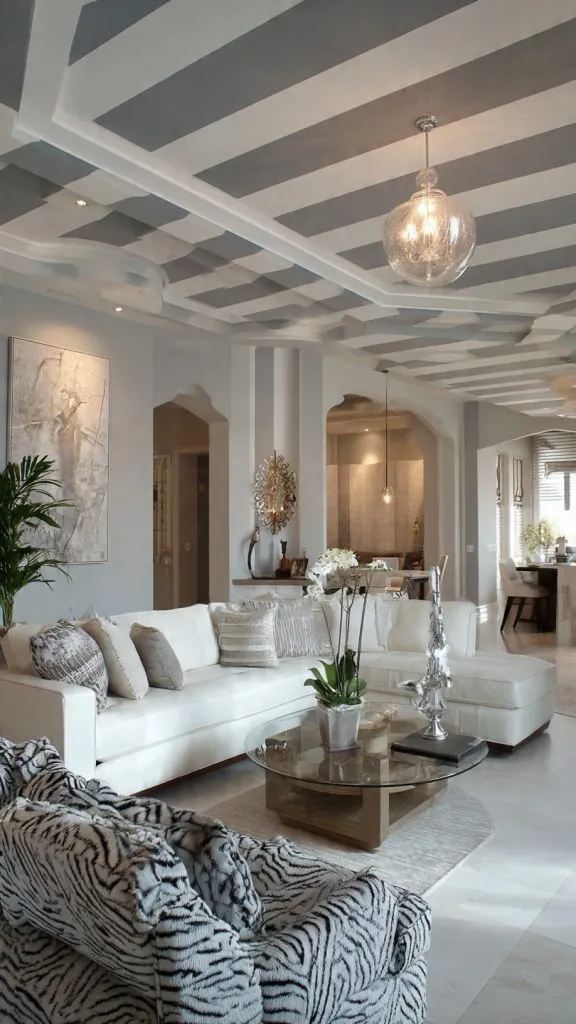
Striped ceilings offer a creative way to add character to a room. Unlike plain white ceilings, stripes draw the eye upward, creating a sense of height and movement. Horizontal stripes can make a room feel wider, while vertical stripes add height and grandeur. This design choice allows homeowners to incorporate patterns, color, and visual interest without overwhelming the walls or furniture.
2. Choosing the Right Stripe Pattern
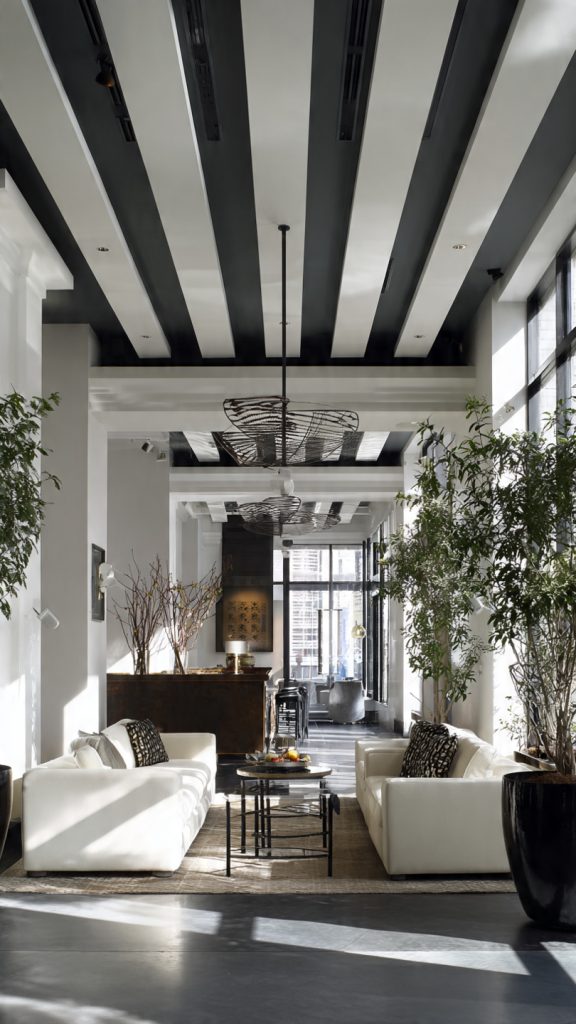
The first step in designing a striped ceiling is choosing a pattern. Popular options include:
- Wide stripes: Bold and dramatic, perfect for large rooms.
- Narrow stripes: Subtle and elegant, ideal for smaller spaces.
- Alternating colors: Contrasting colors create a dynamic effect.
- Tonal stripes: Different shades of the same color add depth without being too bold.
The pattern you choose should complement the room’s style and your personal taste.
3. Color Selection Tips
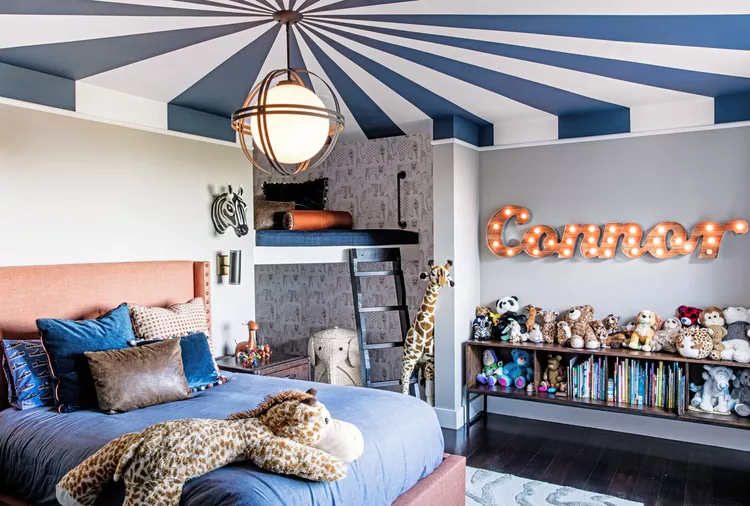
Color plays a major role in the impact of striped ceilings. Some tips for selecting colors include:
- Use light colors to make a small room feel airy and spacious.
- Use dark colors sparingly for dramatic effects.
- Complement wall colors to maintain harmony in the space.
- Consider metallic or pastel stripes for a modern or playful touch.
Remember, the ceiling is a canvas — your color choice can either make a subtle statement or become the focal point of the room.
4. Striped Ceilings in Different Rooms
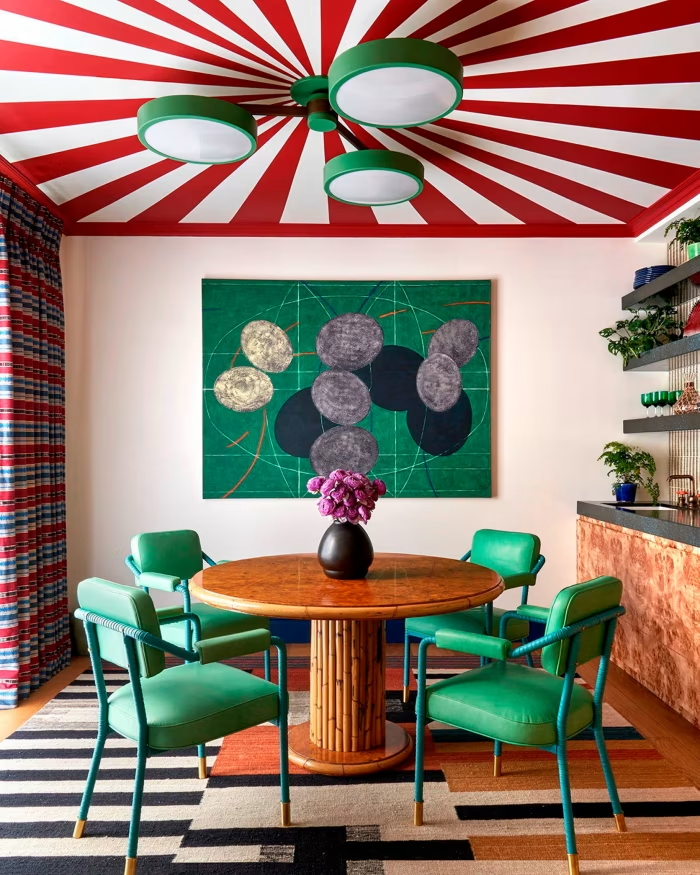
Striped ceilings can work in any room, but the approach may vary:
- Living rooms: Wide, horizontal stripes can enhance spaciousness and elegance.
- Bedrooms: Soft, tonal stripes create a calming atmosphere.
- Kitchens: Bold colors add energy and playfulness.
- Bathrooms: Stripes can make small bathrooms feel taller and more open.
- Children’s rooms: Fun, colorful stripes can spark creativity and joy.
Adapting stripes to each space ensures the design feels intentional and cohesive.
5. Horizontal vs. Vertical Stripes

The direction of stripes dramatically affects a room’s perception:
- Horizontal stripes: Make ceilings appear lower but rooms wider; great for narrow spaces.
- Vertical stripes: Draw the eye upward, creating height; perfect for low-ceilinged rooms.
- Diagonal stripes: Add energy and movement, often used in contemporary designs.
Choosing the right direction is key to achieving the desired visual effect.
6. Striped Ceilings and Lighting
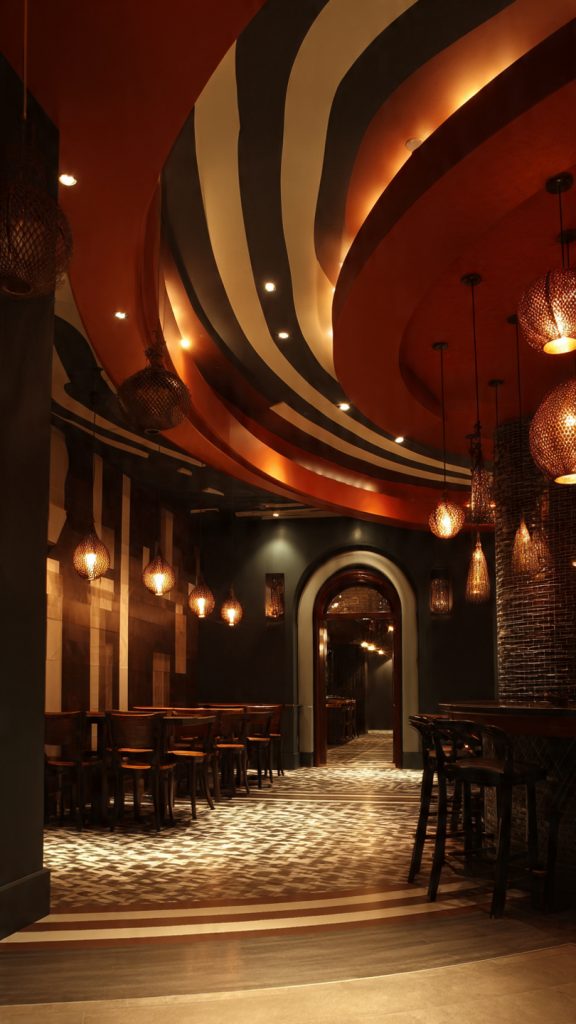
Lighting can enhance the impact of striped ceilings:
- Use ambient lighting to evenly illuminate the stripes and prevent shadows.
- Accent lighting can highlight bold stripes and create dramatic contrasts.
- Consider pendant lights or chandeliers that complement the ceiling pattern.
- Natural light works beautifully with soft stripes, allowing subtle variations to shine.
Proper lighting ensures that your striped ceiling is both stylish and functional.
7. Materials and Finishes
Striped ceilings don’t always have to be painted. Various materials and finishes can create unique effects:
- Painted stripes: The most common and versatile option.
- Wallpaper: Patterned wallpaper can provide intricate designs with minimal effort.
- Wood paneling: Strips of wood add warmth and texture.
- Fabric or textured panels: Create soft, tactile effects for luxury spaces.
- Glossy finishes: Reflect light, making stripes appear more dynamic.
Choosing the right material will depend on the room’s style and your maintenance preferences.
8. DIY vs. Professional Installation
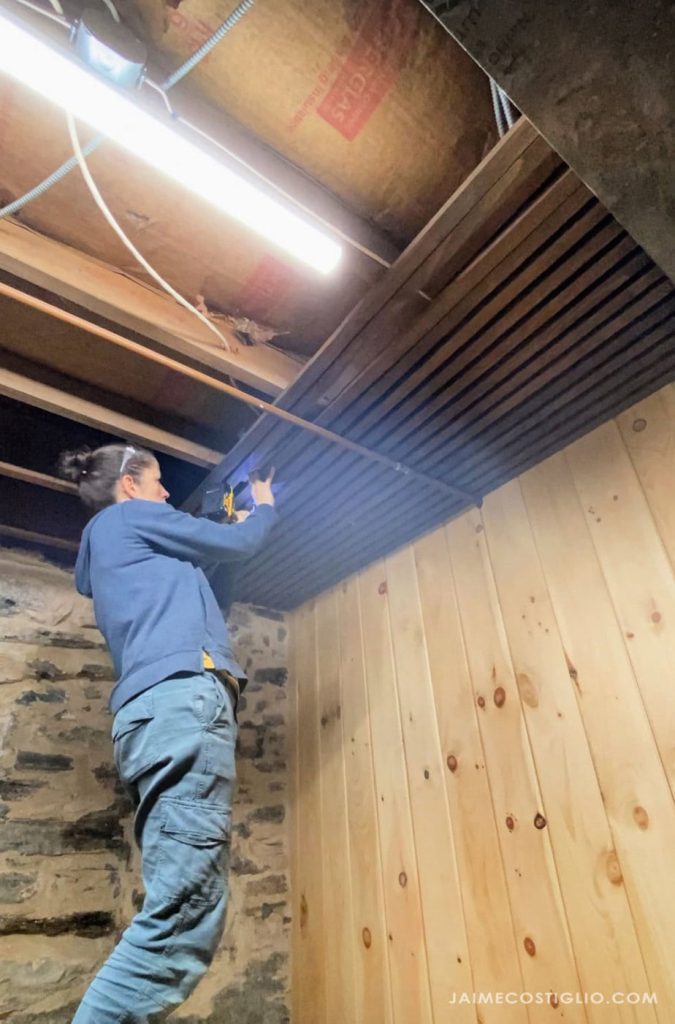
Installing striped ceilings requires precision, and the choice between DIY and hiring a professional depends on your comfort level:
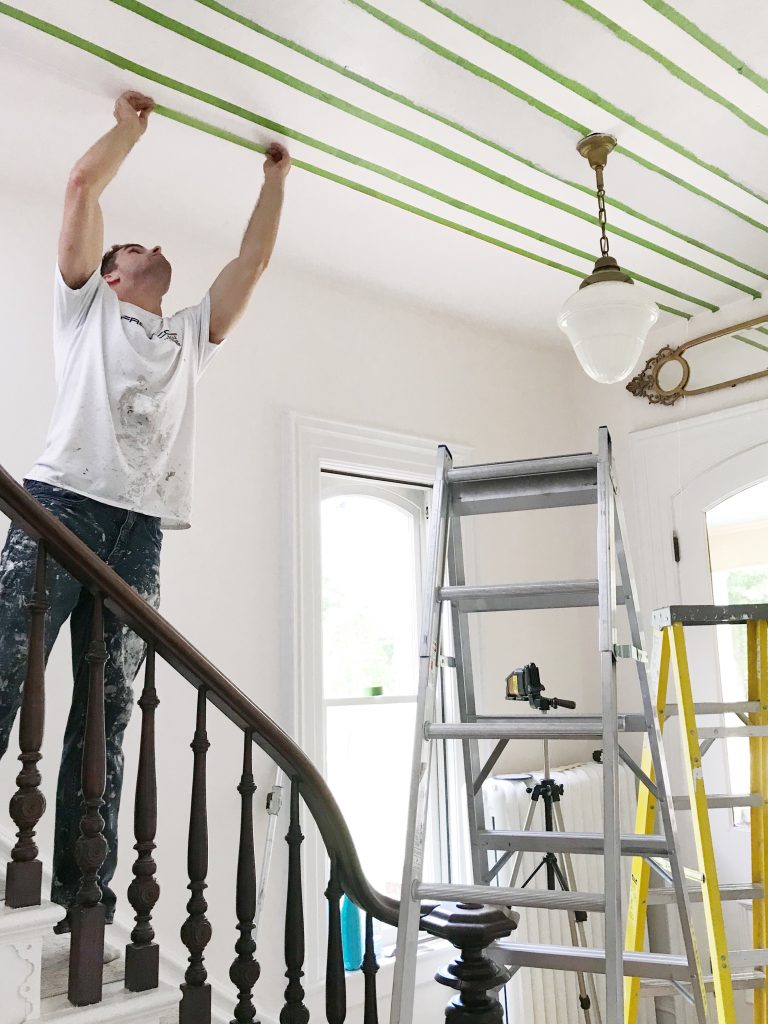
- DIY: Requires painter’s tape, careful measurement, and a steady hand. Best for simple stripes and smaller rooms.
- Professional: Recommended for complex patterns, large rooms, or premium finishes like wood paneling or wallpaper.
Even a DIY project can look polished if you plan carefully and use quality tools.
9. Striped Ceilings in Modern and Classic Interiors
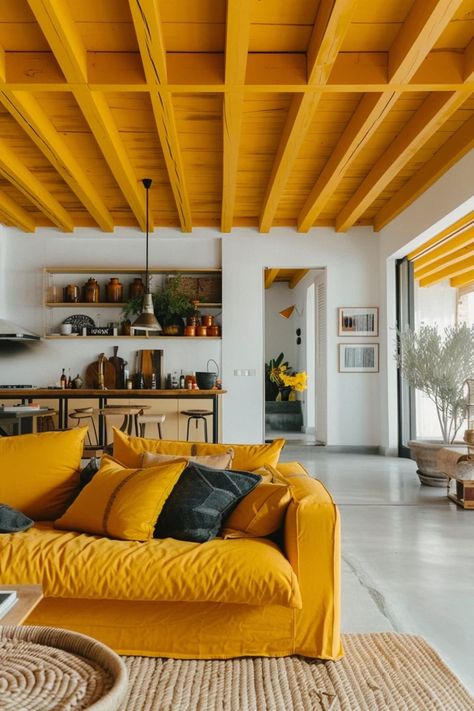
Striped ceilings can adapt to a variety of interior styles:
- Modern interiors: Bold, contrasting stripes or metallic finishes add contemporary flair.
- Classic interiors: Subtle, tonal stripes complement traditional molding and antique furniture.
- Eclectic styles: Mix and match colors and widths for a playful, artistic effect.
- Minimalist spaces: Narrow, neutral stripes add interest without clutter.
Stripes are versatile, making them suitable for virtually any design aesthetic.
10. Maintaining Your Striped Ceiling
Maintaining a striped ceiling ensures it stays vibrant and fresh:
- Clean with a soft cloth or vacuum brush to remove dust.
- Touch up paint or wallpaper edges as needed.
- Avoid harsh cleaning products that may fade the colors.
- Consider a matte finish for easy maintenance, as glossy stripes show imperfections more easily.
With proper care, striped ceilings can be a long-lasting feature that continues to elevate your space.
Conclusion
Striped ceilings are a bold and stylish design choice that can completely transform a room. From choosing patterns and colors to considering lighting and materials, there are countless ways to customize this unique design element. Whether you prefer subtle, tonal stripes or bold, dramatic contrasts, a striped ceiling can add depth, personality, and elegance to any home. By carefully planning your design and installation, you can create a ceiling that not only complements your interiors but also becomes a striking focal point.