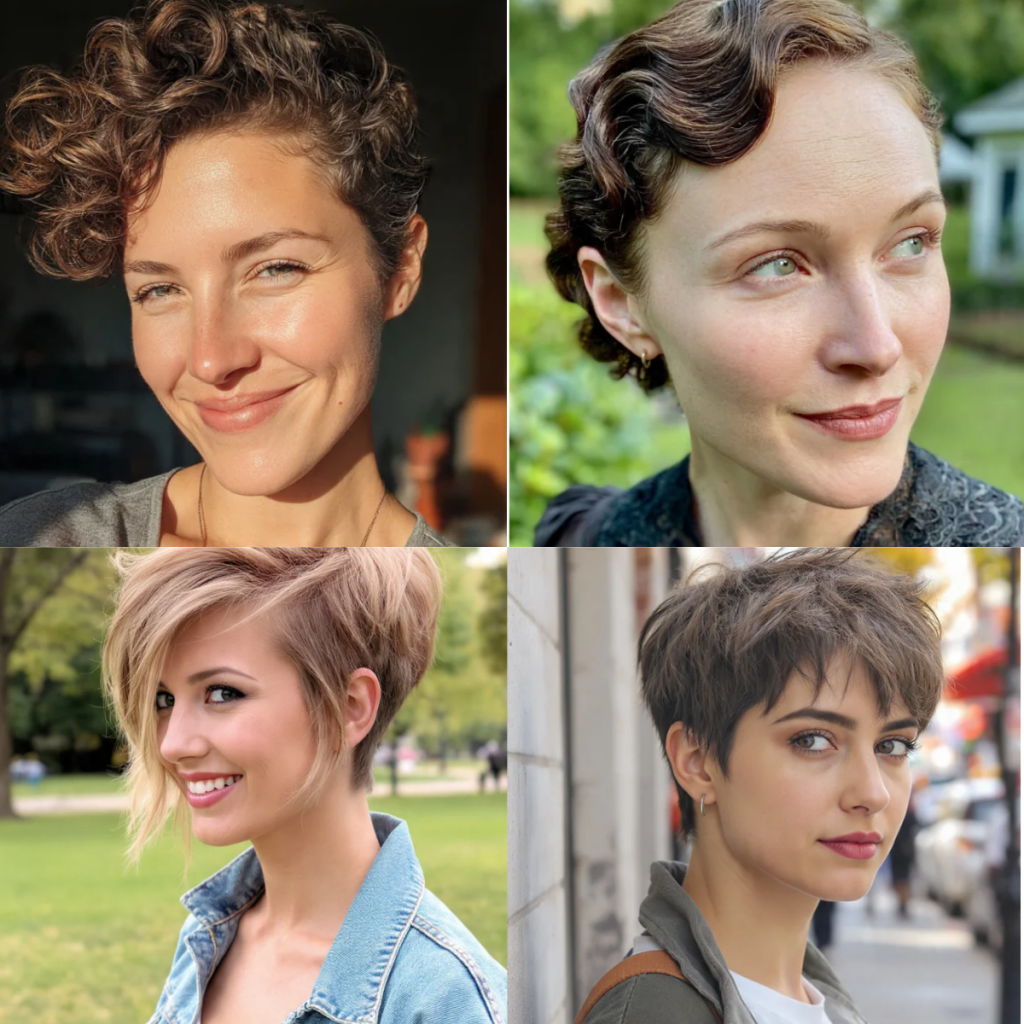
The pixie cut is more than just a hairstyle—it’s a statement. For decades, women have turned to this iconic short crop to showcase their facial features, embrace low-maintenance styling, or signal a fresh chapter in life. Whether you’re after something edgy, soft, polished, or playful, there’s a pixie variation for every hair texture and face shape. In this article, we’ll explore 11 distinct pixie hairstyles for women, from classic cuts to modern twists, complete with styling tips and suitability notes. By the end, you’ll know exactly which pixie to bring to your stylist.
Why Choose a Pixie Cut? Key Benefits
Before diving into the styles, let’s look at why so many women make the chop:
- Time-saving: Most pixies take under 10 minutes to style, often just a quick tousle with product.
- Cooler comfort: Short hair is a game-changer for hot summers or menopausal hot flashes.
- Hair health reset: Removing damaged, split ends gives you a fresh start.
- Face-framing power: A well-cut pixie draws attention to your eyes, cheekbones, and jawline.
- Confidence boost: There’s something undeniably bold about shedding length and owning a short cut.
11 Well-Structured Pixie Hairstyle Ideas
1. The Classic Pixie

- Description: Short back and sides with slightly longer, tapered top layers.
- Best for: Oval, heart, and square face shapes.
- Styling tip: Use a lightweight pomade to add texture and lift at the crown.
- Maintenance: Trim every 4–6 weeks.
2. The Textured Pixie
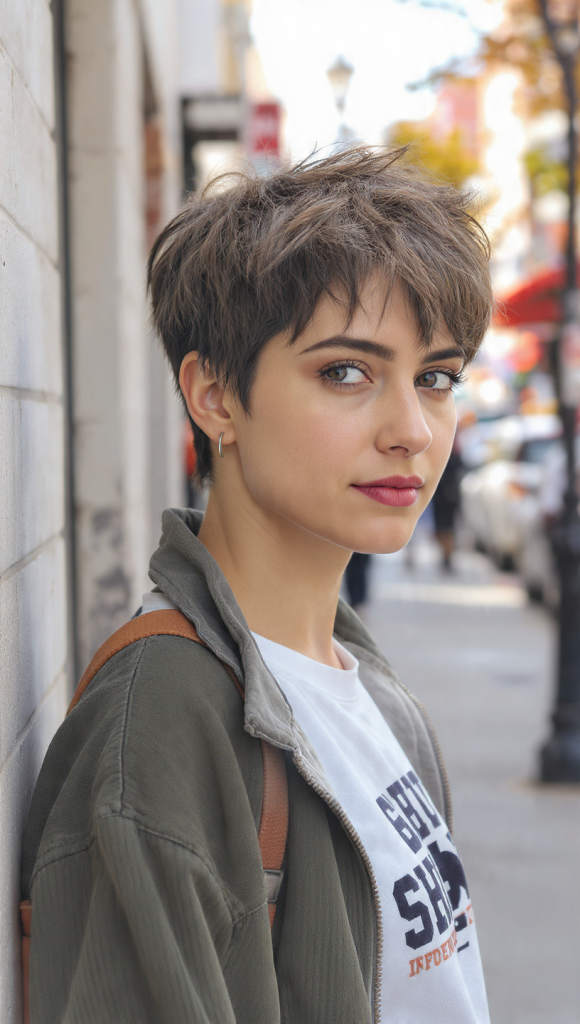
- Description: Choppy, uneven layers throughout for a messy, lived-in feel.
- Best for: Fine to medium hair; adds volume.
- Styling tip: Apply sea salt spray to damp hair and scrunch while blow-drying.
- Maintenance: Low; grows out gracefully.
3. The Long Pixie (Pixie-Bob Hybrid)
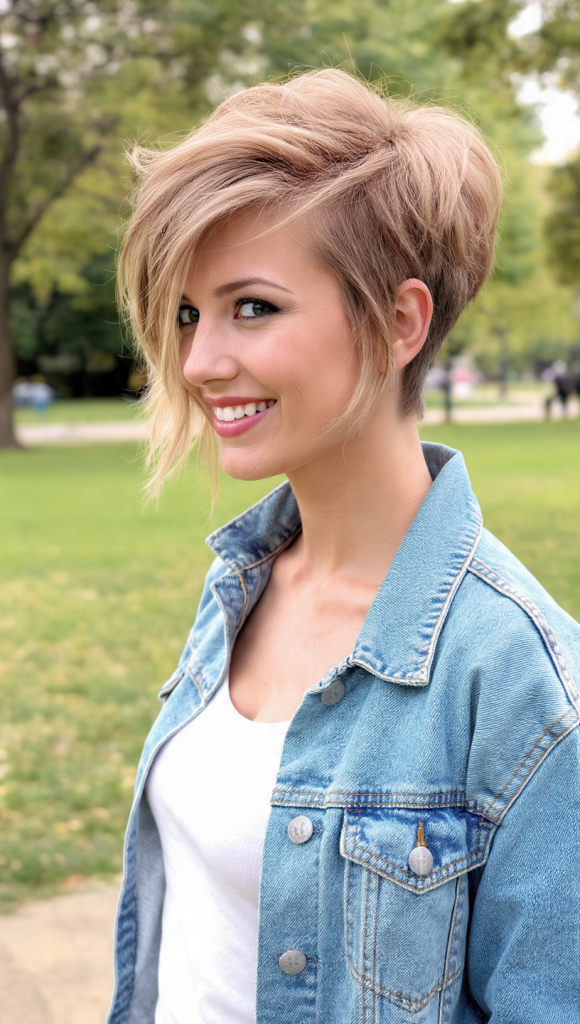
- Description: Extended length on top and around the nape, blending a bob’s softness with a pixie’s structure.
- Best for: Round or oblong faces; those hesitant to go ultra-short.
- Styling tip: Sweep longer side pieces behind the ears or tuck under.
- Maintenance: Medium; trims every 6–8 weeks.
4. The Undercut Pixie
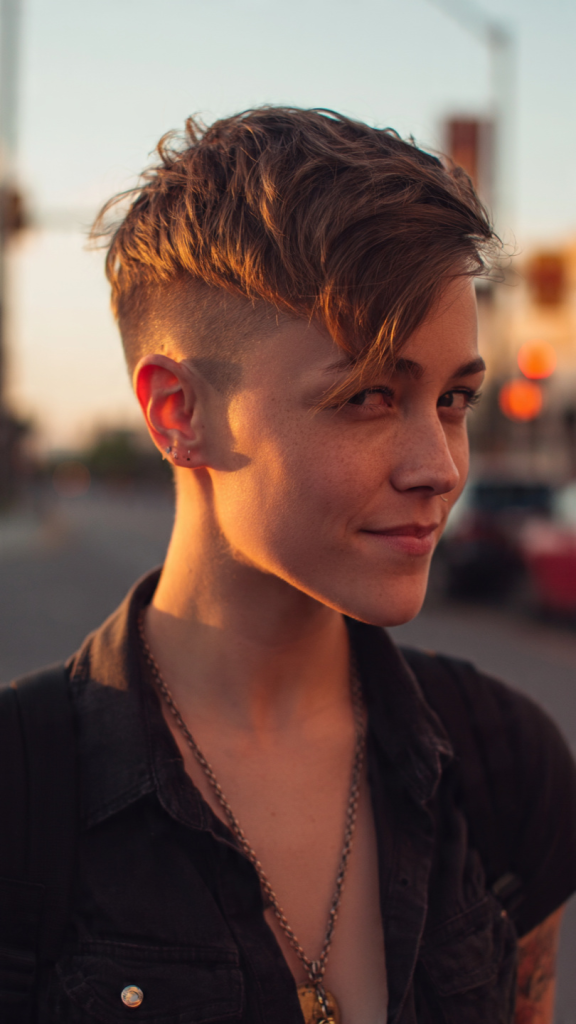
- Description: Shaved or closely buzzed sides/back with dramatic length on top.
- Best for: Bold personalities; straight or wavy hair.
- Styling tip: Style the top slicked back or spiky for contrast.
- Maintenance: High; undercut needs refreshing every 2–3 weeks.
5. The Curly Pixie
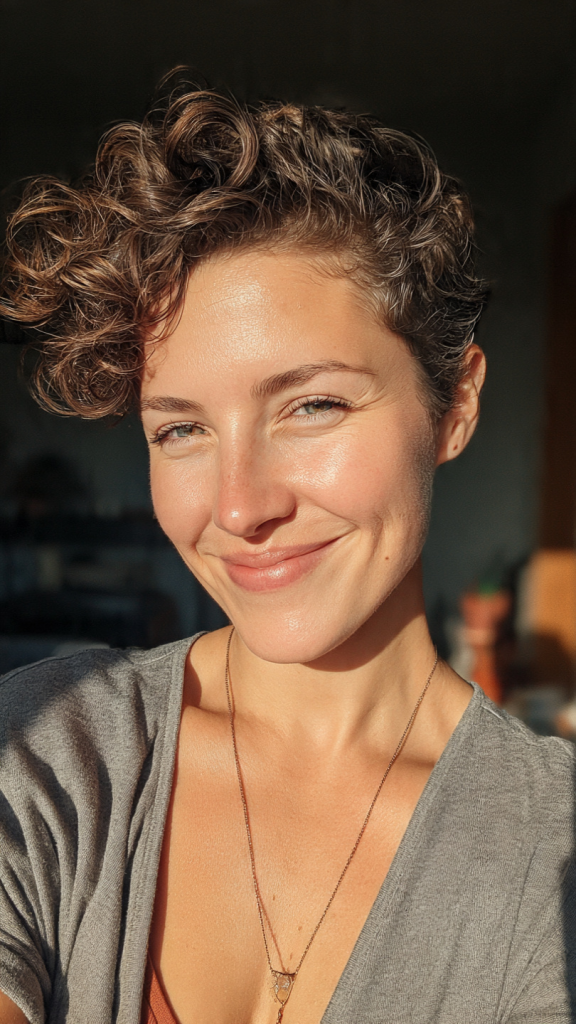
- Description: Natural curls cropped short to enhance volume and definition.
- Best for: Type 3A–4C curls.
- Styling tip: Use a curl cream and diffuse upside down for maximum lift.
- Maintenance: Low to medium; shape curls with shears, not razors.
6. The Side-Swept Pixie

- Description: Deep side part with one side longer, falling over the forehead.
- Best for: High foreheads or diamond face shapes.
- Styling tip: Blow-dry the long side across the brow using a round brush.
- Maintenance: Medium; longer side pieces may need frequent trims.
7. The Spiky Pixie
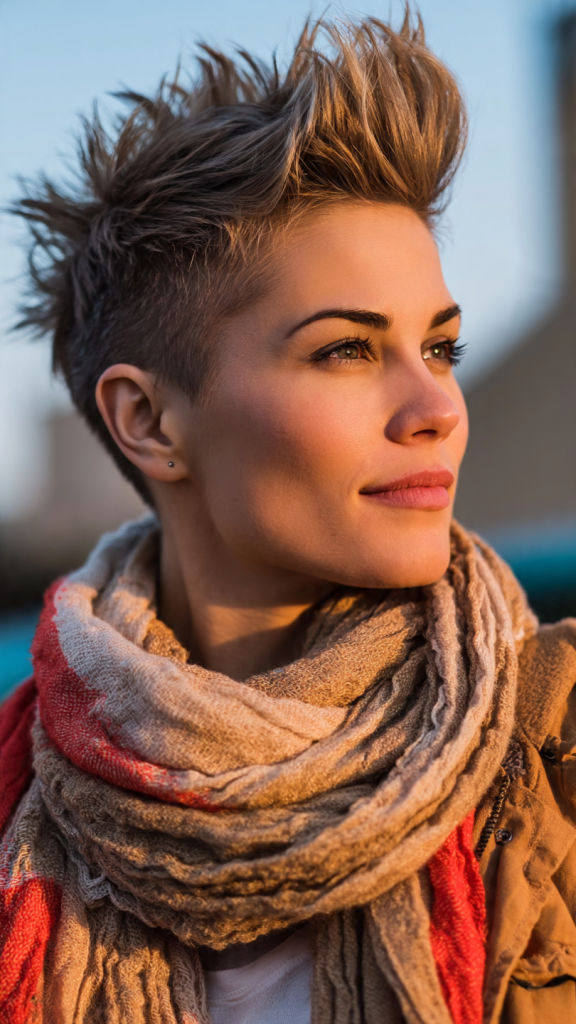
- Description: Short, layered top styled upright into soft spikes.
- Best for: Fine, straight hair; adds edge and height.
- Styling tip: Work a strong-hold gel or wax through damp hair and lift with fingers.
- Maintenance: Low; works well between cuts.
8. The Baby Pixie (Micro Pixie)
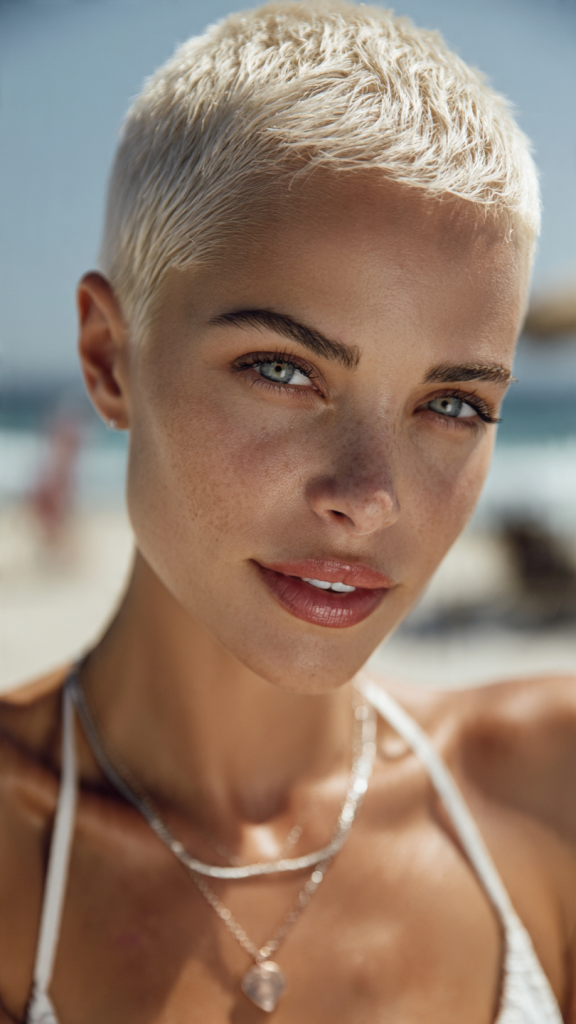
- Description: Ultra-short, often cropped close to the head (½ to 1 inch).
- Best for: Strong jawlines and cheekbones; very low maintenance.
- Styling tip: Almost zero styling—just run a soft wax over for sheen.
- Maintenance: High for shape (every 3–4 weeks), but daily effort is zero.
9. The Asymmetrical Pixie

- Description: One side noticeably longer or fuller than the other.
- Best for: Round or square faces; modern, artistic look.
- Styling tip: Keep the longer side smooth and the shorter side textured.
- Maintenance: Medium; asymmetry must be preserved by a skilled stylist.
10. The Pixie with Bangs

- Description: Short back and sides with blunt, wispy, or micro-bangs in front.
- Best for: Covering forehead lines; softening angular features.
- Styling tip: Blow-dry bangs forward with a flat brush; keep the rest sleek.
- Maintenance: Medium; bangs need trimming every 2–3 weeks.
11. The Finger-Waved Pixie (Vintage)
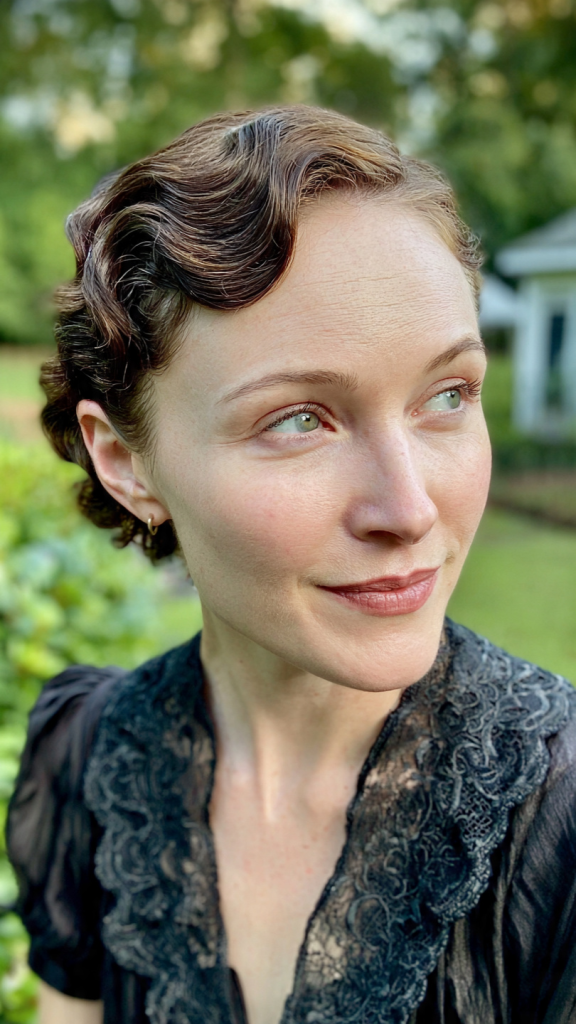
- Description: Slicked, sculpted waves pinned close to the head, inspired by 1920s–30s glamour.
- Best for: Special occasions; straight or slightly wavy hair.
- Styling tip: Use strong-hold gel and finger-pinch waves while drying with a hood dryer.
- Maintenance: High for styling, but the cut alone is low-maintenance day to day.
How to Choose the Right Pixie for Your Face Shape
This quick guide helps you narrow down the 11 ideas above:
| Face Shape | Best Pixie Types | What to Avoid |
|---|---|---|
| Oval | Almost any style – classic, asymmetrical, textured | Nothing specific |
| Round | High-volume top (spiky, textured), side-swept, asymmetrical | Very round, full shapes with no height |
| Square | Soft, wispy styles; pixie with bangs; long pixie | Severe, boxy cuts at jaw level |
| Heart | Side-swept, long pixie, pixie with volume at crown | Excess width at the cheekbones |
| Diamond | Side-swept bangs, textured top, classic pixie | Very short, flat styles |
| Long/Oblong | Wide styles (curly pixie, spiky), long pixie, baby pixie | Too much height with no width |
Hair Texture Considerations
Your natural texture will affect how a pixie looks and behaves:
- Fine/straight hair: Works beautifully with textured, spiky, or classic pixies. Avoid overly blunt cuts that look flat.
- Thick/coarse hair: Ideal for undercut, long pixie, or asymmetrical styles to remove bulk while keeping shape.
- Wavy hair: Perfect for messy, textured, or side-swept pixies. The natural wave adds effortless movement.
- Curly/coily hair: Choose curly pixie, baby pixie, or long pixie. Work with a stylist who specializes in curly cuts.
- Thinning hair: A textured or spiky pixie creates volume. Avoid ultra-short micro pixies that expose the scalp.
How to Prepare for Your Pixie Appointment
Making the big chop requires planning. Follow these steps:
- Bring reference photos: Save 2–3 images of the pixie style you want from this article.
- Discuss face shape honestly: Ask your stylist for their professional opinion on what suits you.
- Talk about your lifestyle: Be clear about how much daily styling you’re willing to do.
- Consider the back view: Many women forget that the nape of the neck is highly visible with a pixie.
- Plan a follow-up trim: Book your next appointment in 4–6 weeks before leaving the salon.
Everyday Styling & Maintenance Tips
A pixie is low-maintenance compared to long hair, but not no-maintenance:
- Products to keep on hand: Lightweight pomade, texture spray, sea salt spray, and a small round brush.
- Morning routine (2–5 minutes): Dampen hair, apply a pea-sized amount of product, blow-dry with fingers or brush, and go.
- Between trims: Use a small pair of hair shears to snip stray pieces around the ears and nape – never cut the top yourself.
- Growing it out: If you decide to grow your pixie, regular trims to shape the awkward mullet phase are essential. Hair clips and headbands become your best friends.
- Night care: Silk or satin pillowcases prevent frizz and breakage, especially for curly and coily textures.
Common Pixie Myths – Debunked
Myth 1: “Pixies only suit skinny faces.”
False. A skilled stylist can adjust length, volume, and asymmetry to flatter any face shape and size.
Myth 2: “You can’t do anything with a pixie.”
False. Pixies can be slicked back, textured, spiked, parted differently, accessorized with clips or headbands, even pinned into mini updos.
Myth 3: “Curly hair can’t pull off a pixie.”
False. Curly pixies are stunning and increasingly popular. The key is finding a stylist trained in curly cutting techniques.
Myth 4: “Once you go short, growing it out is miserable.”
It can be awkward, but regular shaping trims and cute transitional styles (like the pixie-bob) make it completely manageable.
Frequently Asked Questions (FAQ)
Q: Will a pixie cut make my face look fatter?
A: No. The right pixie adds height and asymmetry, which actually elongates and slims the face. Avoid cuts that are perfectly round and same-length all over.
Q: How often do I really need to trim a pixie?
A: For most pixies, every 4–6 weeks. For undercuts or baby pixies, every 2–4 weeks. For longer or textured pixies, you can push to 8 weeks.
Q: Can I still wear my hair in a ponytail?
A: Not a traditional ponytail, but many pixies allow small “pixie ponytails” or top knots using just the longer crown section. Barrettes and bobby pins become your go-to tools.
Q: What if I regret cutting it?
A: Hair grows back. The awkward phase lasts about 2–3 months. Use accessories like headbands, scarves, and clips to disguise the grow-out. Or pivot to a pixie-bob as an intermediate style.
Q: Are pixies professional for work?
A: Absolutely. Sleek, side-swept, and classic pixies are very polished. For conservative workplaces, avoid extreme undercuts or spiky styles on office days.
Q: Do pixies look good on older women?
A: Yes, and often brilliantly so. A soft, textured pixie with wispy bangs can lift the face, reduce visual weight, and look incredibly sophisticated on mature women.
Conclusion
The pixie haircut is not a one-size-fits-all style—it’s a versatile family of cuts that can be tailored to any woman’s face shape, hair texture, and personality. From the timeless classic pixie to the daring undercut, from soft curls to vintage finger waves, there is a pixie waiting for you. The key is honest communication with your stylist, realistic expectations about maintenance, and the willingness to embrace a look that puts your features front and center.
If you’ve been toying with the idea of going short, let this article be your sign. Bring one of these 11 styles to your next appointment, trust the process, and enjoy the liberating feeling of a great pixie cut. Whether you stick with it for years or just for one bold season, the pixie is an experience every woman should have at least once.
Now go find your perfect pixie.
