Building a home gym isn’t just about squeezing equipment into a spare corner—it’s about creating a space that motivates you to move, sweat, and grow stronger every day. Whether you have a full garage, a tiny apartment nook, or a shared home office, the right design, storage, and atmosphere can turn any area into your personal training sanctuary.
Benefits of a Home Gym (Why Bother?)
Before diving into design, it helps to understand why a home gym is worth the effort.
- No commute – Save 30–60 minutes per workout by skipping the drive to a commercial gym.
- 24/7 access – Workout at 5 AM or 11 PM without worrying about hours of operation.
- Privacy – No waiting for equipment, no judgment, and total freedom to try new exercises.
- Cost-effective long-term – A 1,000homesetuppaysforitselfwithin8–12monthscomparedtoa100/month gym membership.
- Family-friendly – Work out while keeping an eye on kids or pets at home.
Below are 15 practical and inspiring ideas to help you design a home gym you’ll actually want to use.
1. Use a Spare Bedroom as a Dedicated Gym
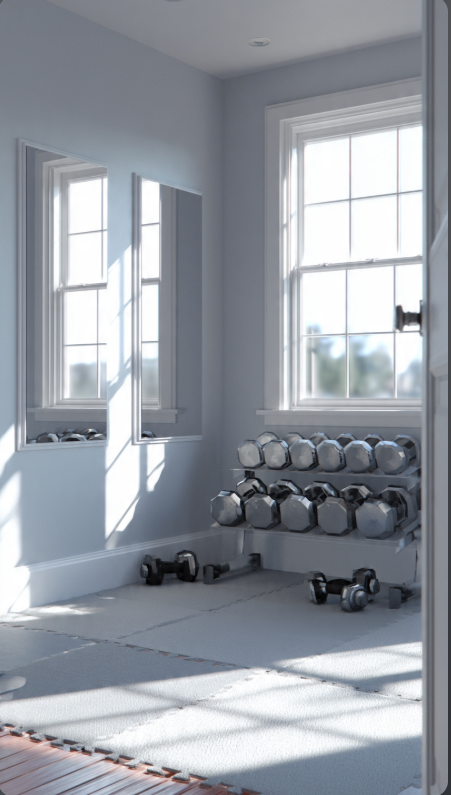
Convert an unused bedroom into a full workout studio by removing bulky furniture and adding rubber flooring, mirrors, and wall-mounted storage.
2. Transform Your Garage into a Heavy-Lifting Zone
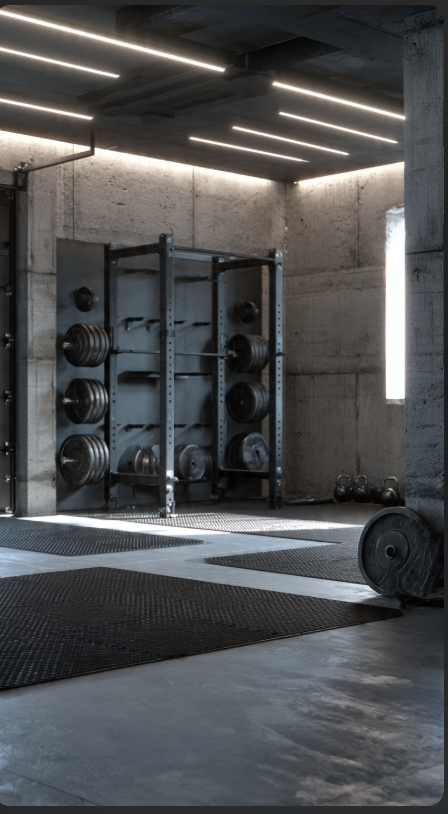
Insulate the garage door, lay down stall mats, and install a squat rack and plate storage to create a rugged, high-performance lifting space.
3. Claim a Corner of Your Living Room for Cardio
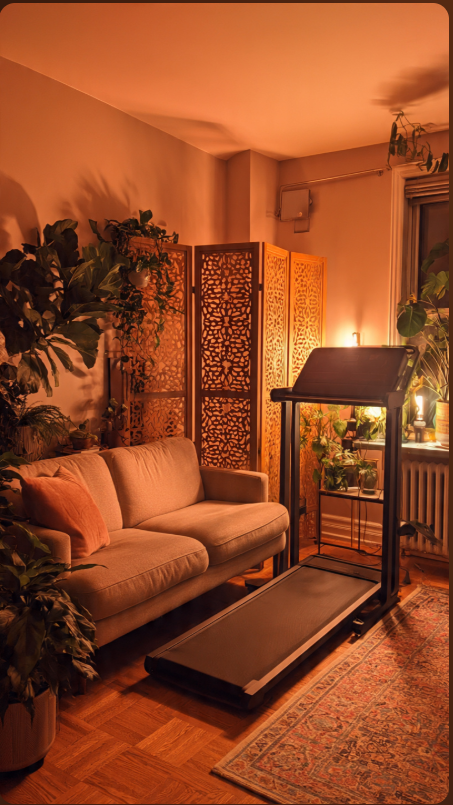
Place a foldable treadmill or compact exercise bike in a living room corner, and hide it behind a decorative screen when not in use.
4. Build a Minimalist “Kettlebell Nook”
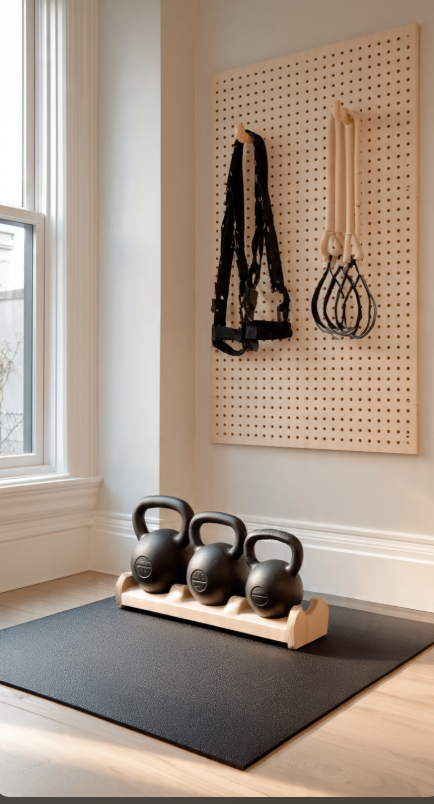
Dedicate a 4×4 foot space with a mat, a rack of kettlebells, and a resistance band pegboard for quick, functional strength sessions.
5. Go All-In on a Wall-Mounted Folding Gym
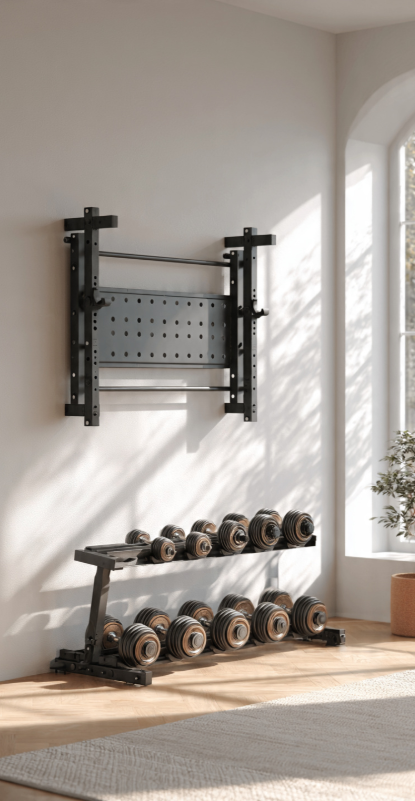
Install a folding power rack or pull-up bar that flips down from the wall, then adds a bench and adjustable dumbbells that store flat.
6. Create a Yoga & Meditation Sanctuary
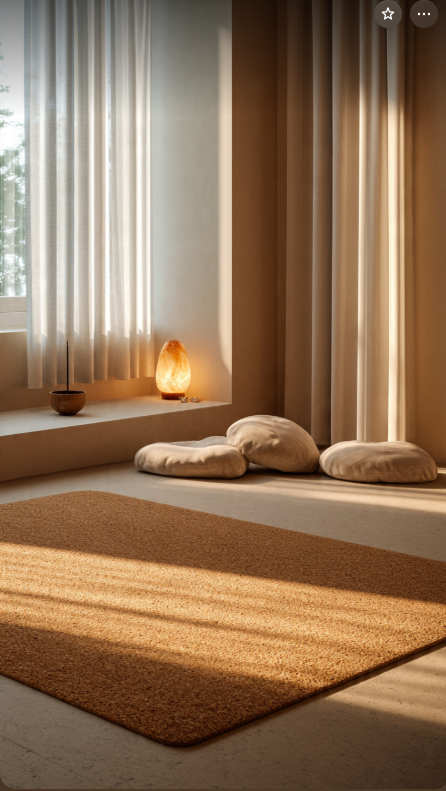
Use soft lighting, a large cork mat, bolsters, and a shelf for incense or essential oils to turn a quiet room into a calming movement space.
7. Convert Your Basement into a Hybrid Gym
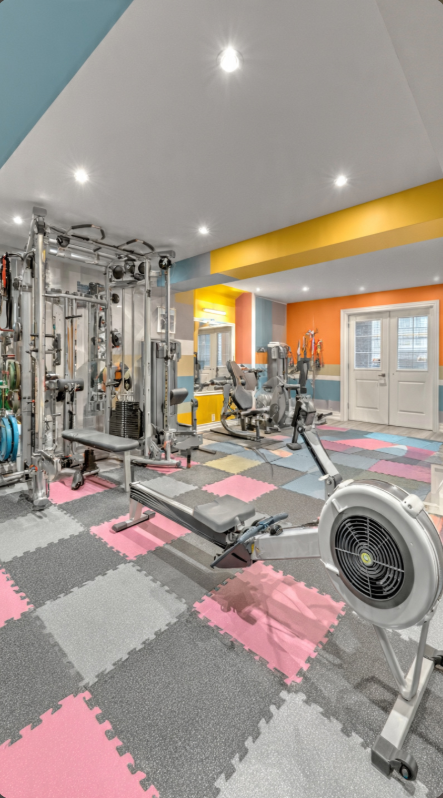
Paint the walls a bright color, lay interlocking foam tiles, and zone out areas for strength, cardio, and stretching in one open basement layout.
8. Design a Small Apartment “Doorway Gym”
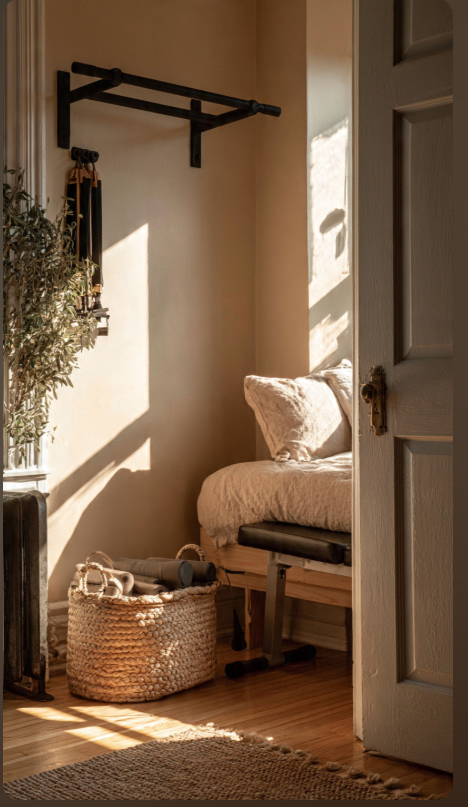
Hang a doorframe pull-up bar, store resistance bands in a basket, and use a foldable bench that slides under the bed when guests visit.
9. Add a Punch of Color for Energy
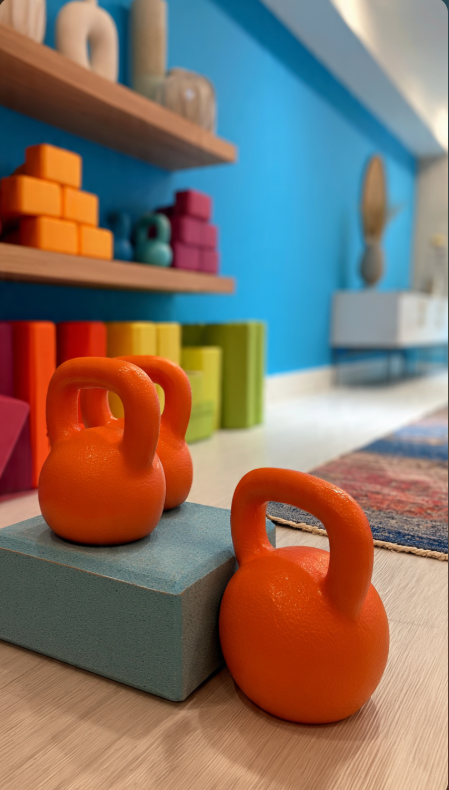
Paint one wall in a vibrant shade like orange or electric blue, and add matching weights or yoga blocks to boost motivation and visual energy.
10. Install Full-Length Mirrors for Form Check
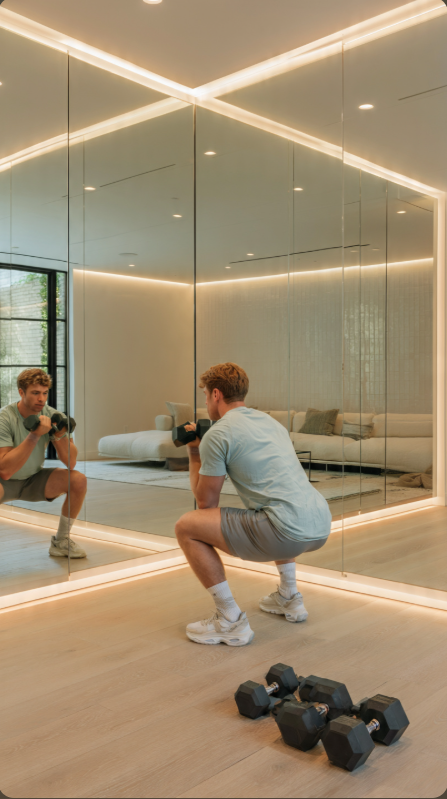
Cover one wall or repurpose closet mirror doors to help you monitor your posture during squats, deadlifts, or stretching routines.
11. Use Pegboards for Creative Equipment Storage
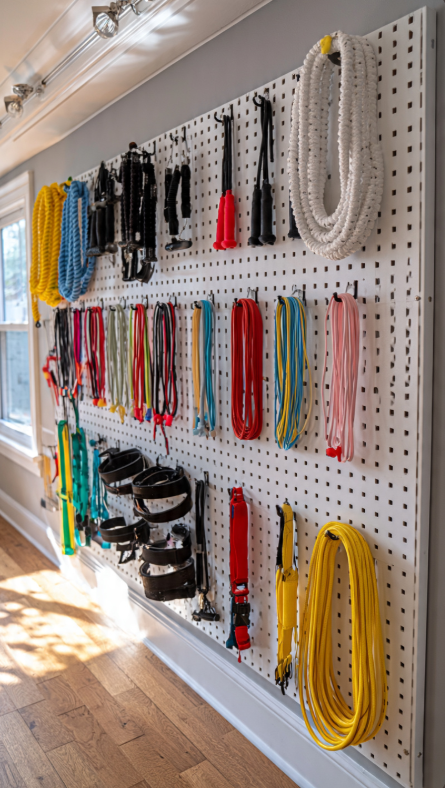
Mount a slotted pegboard near your workout area to hang bands, jump ropes, straps, and light dumbbells in a tidy, accessible way.
12. Bring in Greenery & Natural Light
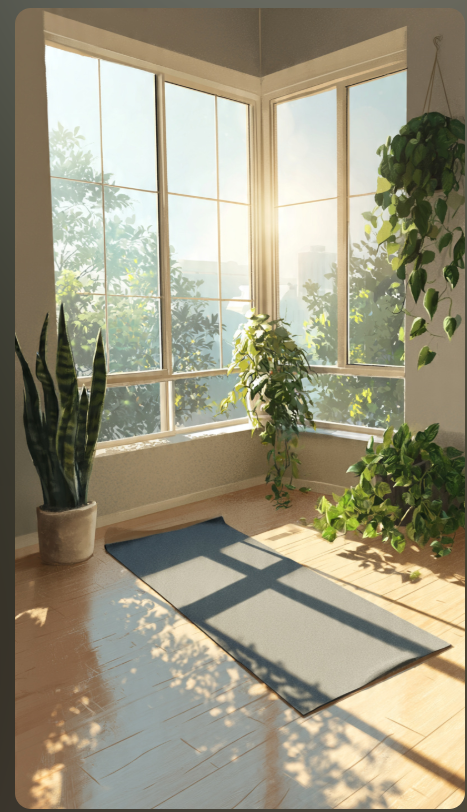
Place low-maintenance plants (like snake plants or pothos) near windows, and keep blinds open to make your gym feel fresh and alive.
13. Set Up a Small Cardio + TV Studio
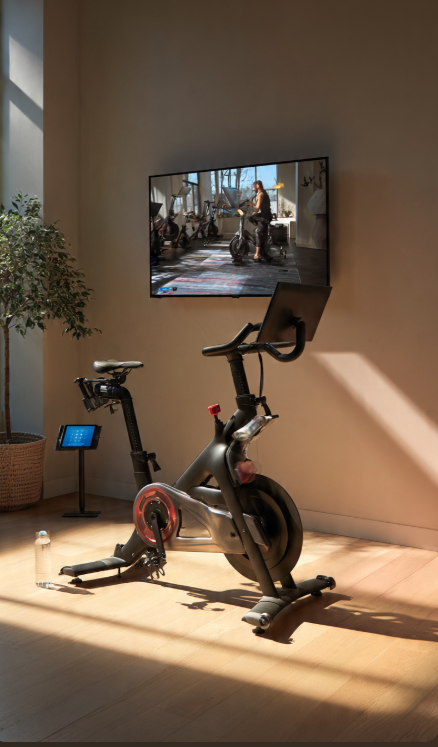
Position a rower, spin bike, or elliptical facing a wall-mounted TV or tablet stand so you can stream classes or watch shows while training.
14. Add a Sound System & Smart Lighting
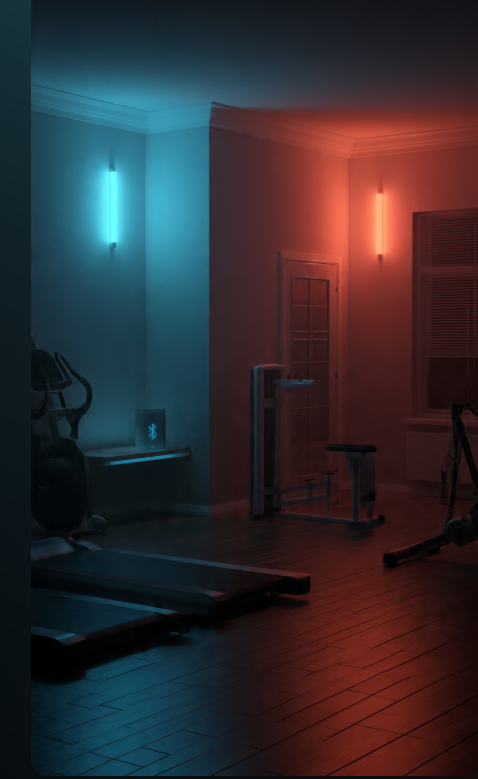
Install a Bluetooth speaker and smart bulbs that change color with your workout intensity (cool blue for stretching, warm red for heavy lifting).
15. Label a “Daily Essentials” Station
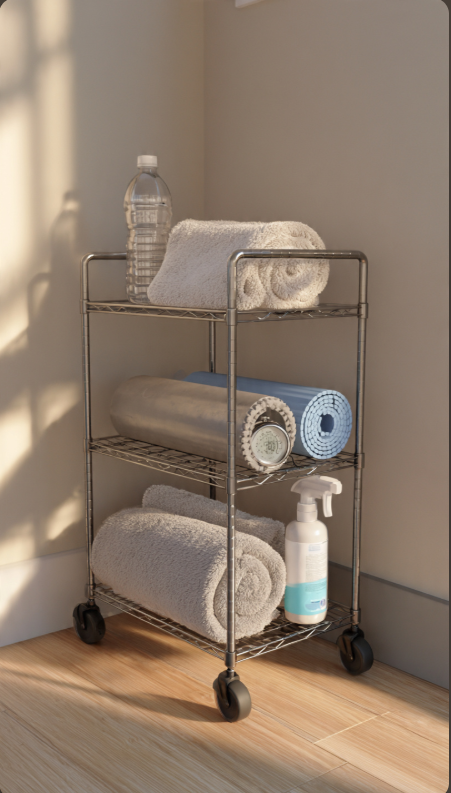
Keep a small cart or shelf with a water bottle, towel, timer, foam roller, and sanitizing wipes so you can start every workout without searching for gear.
Key Equipment for Each Budget
Not every home gym needs thousands of dollars in gear. Choose your budget level.
| Budget Level | Estimated Cost | Recommended Equipment |
|---|---|---|
| 0–0–150 | Minimal | Yoga mat, resistance bands, jump rope, bodyweight app |
| 150–150–500 | Starter | Adjustable dumbbells, pull-up bar, exercise ball, foam roller |
| 500–500–1,500 | Intermediate | Folding bench, kettlebell set, spin bike or rowing machine, floor mats |
| 1,500–1,500–5,000 | Advanced | Squat rack with pulley system, barbell and plates, commercial treadmill, wall mirrors |
| $5,000+ | Luxury | Multi-station cable machine, smart home gym (Tonal/Speediance), sauna, sound system |
Pro tip: Start with 3–5 versatile items and add more only after you establish a routine.
Space Planning & Layout Tips
No matter your square footage, these layout principles apply.
- Measure first – Mark your equipment footprint with painter’s tape before buying anything.
- Keep a 3-foot clearance – Ensure safe movement around benches, racks, and cardio machines.
- Zone your space – Separate cardio, strength, and stretching areas (even with just rugs or tape lines).
- Use vertical space – Wall racks, pegboards, and ceiling-mounted pull-up bars save floor space.
- Plan for ventilation – A fan, open window, or portable AC prevents stuffiness during intense workouts.
- Leave growth room – Don’t fill every inch; you may want to add a punching bag, sled, or battle ropes later.
Flooring Guide by Exercise Type
The right flooring protects both your joints and your subfloor.
| Exercise Type | Best Flooring Option | Thickness | Cost per sq ft |
|---|---|---|---|
| Yoga & bodyweight | EVA foam interlocking tiles | 1/2 inch | 1–3 |
| Light dumbbells | Rubber roll mats (3–4mm) | 1/8 inch | 2–4 |
| Heavy lifting (dropping weights) | Horse stall mats (from Tractor Supply) | 3/4 inch | 2–3 |
| Cardio machines | Low-pile carpet or padded rubber | 1/4 inch | 3–6 |
| Multi-purpose (best all-rounder) | 8mm thick rubber rolls | 5/16 inch | 3–5 |
Warning: Never put heavy gym equipment directly on hardwood or thin apartment carpet without a protective mat.
Lighting & Atmosphere for Motivation
Lighting changes how you feel during a workout.
- Cool white (5000K–6500K) – Best for morning cardio and high-energy lifting; mimics daylight and increases alertness.
- Warm white (2700K–3000K) – Ideal for yoga, stretching, and evening wind-down sessions.
- Smart color bulbs – Switch between blue (focus), red (power), and green (recovery) based on your workout phase.
- Natural light – Prioritize windows; full-spectrum sunlight boosts vitamin D and mood.
- Avoid harsh shadows – Use overhead diffused lighting plus a floor lamp to eliminate dark spots near mirrors.
Storage Solutions to Keep It Tidy
Clutter kills motivation. These storage ideas fit any space.
- Wall-mounted pegboard – Holds bands, straps, jump ropes, and light weights (see Idea #11).
- Weight tree or plate holder – Keeps barbell plates off the floor and organized by size.
- Vertical dumbbell rack – Takes up less than 2 sq ft of floor space.
- Rolling cart – Perfect for towels, water bottles, chalk, and small accessories (see Idea #15).
- Overhead shelf – Uses wasted ceiling height for storing yoga blocks, mats, and resistance bands.
- Under-bench storage – Some benches come with built-in dumbbell holders or cubbies.
Common Mistakes to Avoid
Learn from others’ regrets.
| Mistake | Why It Hurts | Better Approach |
|---|---|---|
| Buying too much equipment at once | Wasted money, unused gear gathering dust | Start with 3–5 core items; add monthly |
| Ignoring flooring | Damaged floors, joint pain, slipping hazards | Invest in proper mats before heavy gear |
| Poor ventilation | Stuffy air, dizziness, skipping workouts | Add a fan or plan workouts near a window |
| No storage plan | Cluttered, stressful environment | Install wall storage before buying equipment |
| Placing gym in a noisy area of the house | Family interruptions, reluctance to use it | Choose a quiet corner or basement if possible |
| Forgetting a sound system | Boring workouts, less intensity | Even cheap Bluetooth speakers make a huge difference |
FAQs (Frequently Asked Questions)
Q: What’s the minimum space needed for a home gym?
A: Just 6×6 feet (36 sq ft) is enough for yoga, bodyweight exercises, resistance bands, and adjustable dumbbells. For a squat rack and bench, aim for 8×8 feet (64 sq ft).
**Q: Can I build a home gym on a 200budget?∗∗A:Yes.Buyayogamat(20), resistance band set (30),pull−upbar(30), and a jump rope ($10). Use free YouTube workouts for programming.
Q: How do I protect my floors from heavy weights?
A: Use 3/4-inch rubber horse stall mats (available at farm supply stores). They absorb impact and cost far less than “fitness brand” mats.
Q: Do I need mirrors?
A: Not strictly, but mirrors help with form correction, make small spaces feel larger, and add a professional gym aesthetic.
Q: How do I soundproof a home gym?
A: Rubber flooring absorbs footstep noise. For dropping weights, add a layer of plywood under rubber mats. For music, use headphones or a subwoofer pad.
Conclusion
Building a home gym isn’t about having the most expensive equipment or the largest square footage—it’s about creating a space that removes every excuse between you and a better workout. Whether you convert a spare bedroom, claim a living room corner, or build a folding gym on a single wall, the 15 ideas above prove that any home can become a training ground.
Start small. Choose one idea that fits your space and budget today. Add a mat, two dumbbells, and a playlist you love. Within a month, you’ll wonder why you ever paid for a commercial gym membership. Your strongest self isn’t waiting at a fancy fitness club—it’s waiting in your spare room, your garage, or that empty corner you’ve been ignoring.
Now go make your first rep count.
