The wolf cut has taken the hair world by storm—and for good reason. A rebellious hybrid of the shag and the mullet, it offers the volume of the former and the effortless edge of the latter. While the classic wolf cut often sits at medium length, the long wolf cut is a game-changer for those who refuse to sacrifice length for attitude. It retains the signature choppy layers, face-framing pieces, and textured crown, but keeps the lower lengths flowing and dramatic. Perfect for thick hair that needs weight removed or fine hair that craves volume, the long wolf cut is versatile, low-maintenance, and undeniably cool.
Below are 13 inspired ways to rock this look:
1. The Classic Long Wolf Cut

This is the blueprint. Long layers start at the crown and get progressively choppier, with shorter, face-framing pieces around the cheeks. The back remains long and wispy, not blunt. This style adds instant movement and texture to straight or wavy hair without requiring daily styling.
2. Curly & Coily Long Wolf Cut
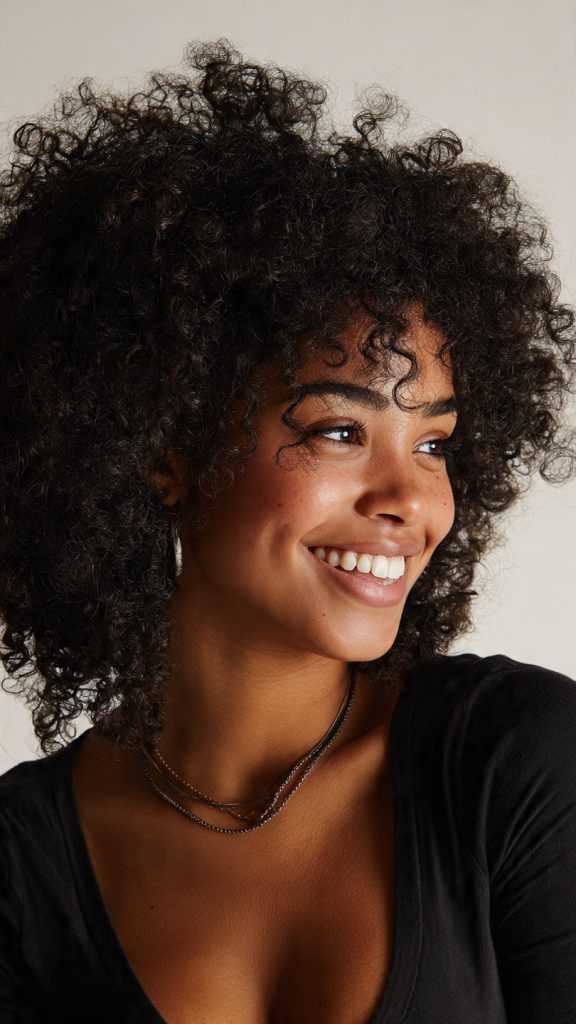
On naturally curly or coily hair, the long wolf cut is pure magic. The internal layers remove bulk, preventing the dreaded “triangle shape,” while allowing each curl to spring up with definition. Keep the ends longer to preserve length, and ask for dry cutting to ensure the layers fall perfectly when shrunken.
3. Wispy & Ethereal Wolf Cut
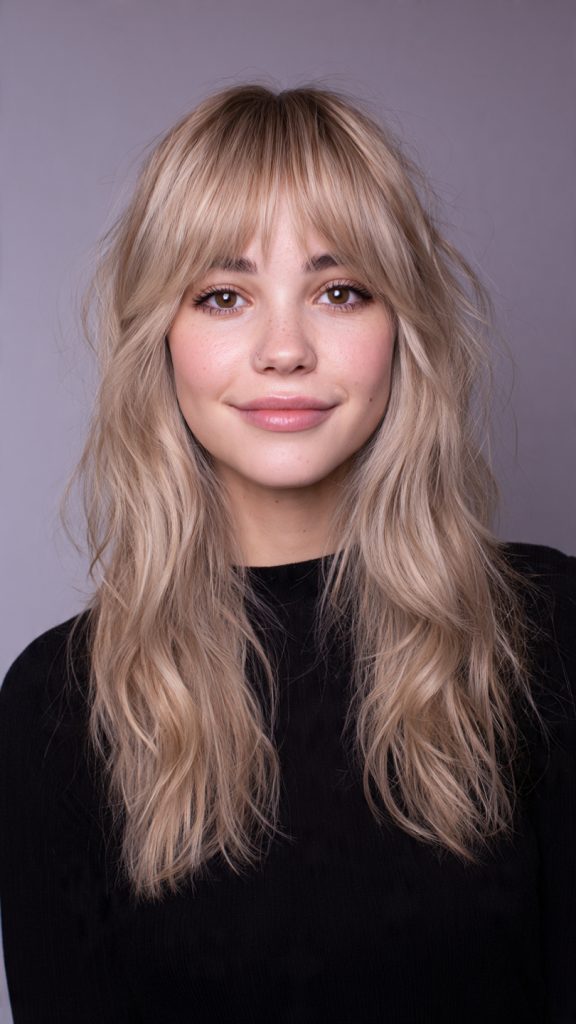
For those with fine hair, a heavy-handed wolf cut can look sparse. The solution? Soft, wispy ends and micro-layering. This version uses point-cutting techniques to create feathery tips that look airy and angelic rather than choppy. It works beautifully with curtain bangs that blend seamlessly into the longest layers.
4. The ’70s Rocker Wolf Cut
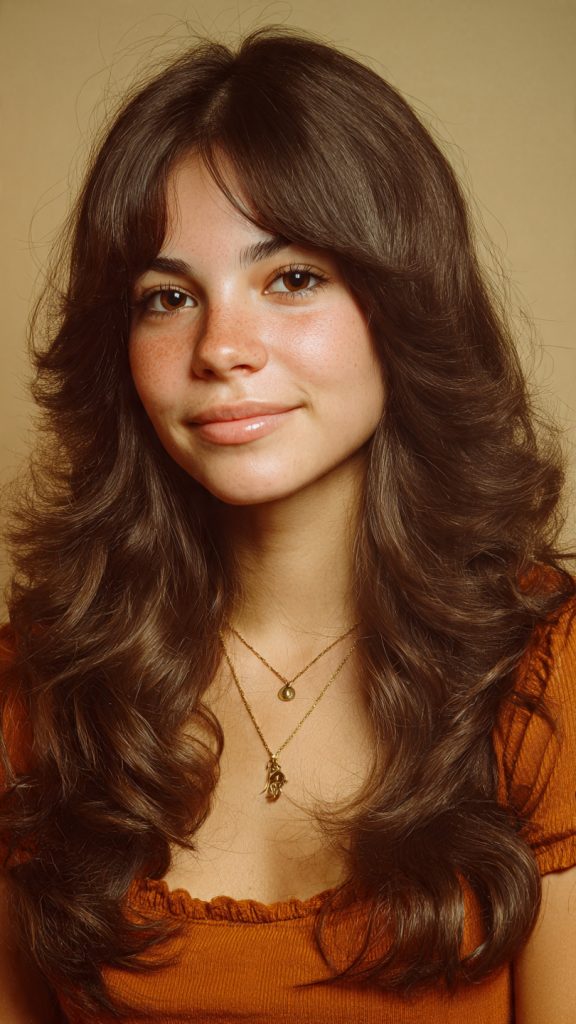
Channel Stevie Nicks with this bohemian take. The layers are longer and less severe, creating a soft, rounded shape. Pair with a deep side part and long, shaggy fringe that brushes the brows. When styled with loose, lived-in waves, this cut oozes vintage rock-and-roll romance.
5. Blunt-Ended Long Wolf Cut

Yes, the wolf cut can still have weight! In this variation, the bottom 2–3 inches of the hair are kept blunt and solid, while the upper half receives dramatic, disconnected layers. This creates a striking contrast: a heavy, healthy hemline with a wild, textured crown. Ideal for very thick, straight hair.
6. Asymmetrical Wolf Cut
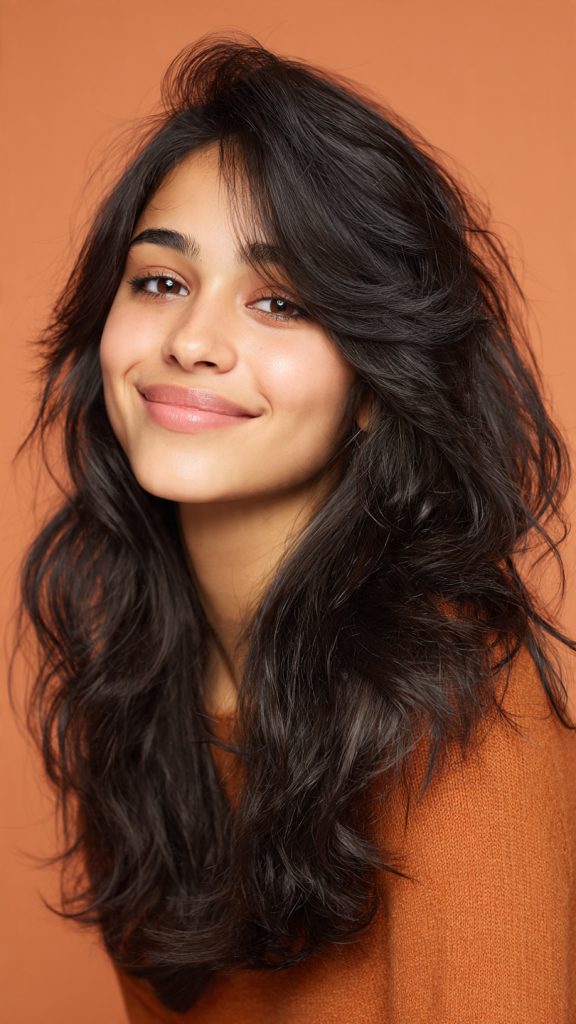
One side longer than the other? Absolutely. This edgy take keeps the signature wolf cut volume on top but lets one side of the length fall several inches lower. The asymmetry adds a modern, high-fashion feel. Best styled with a deep side sweep to emphasize the imbalance.
7. The “E-Girl” Long Wolf Cut
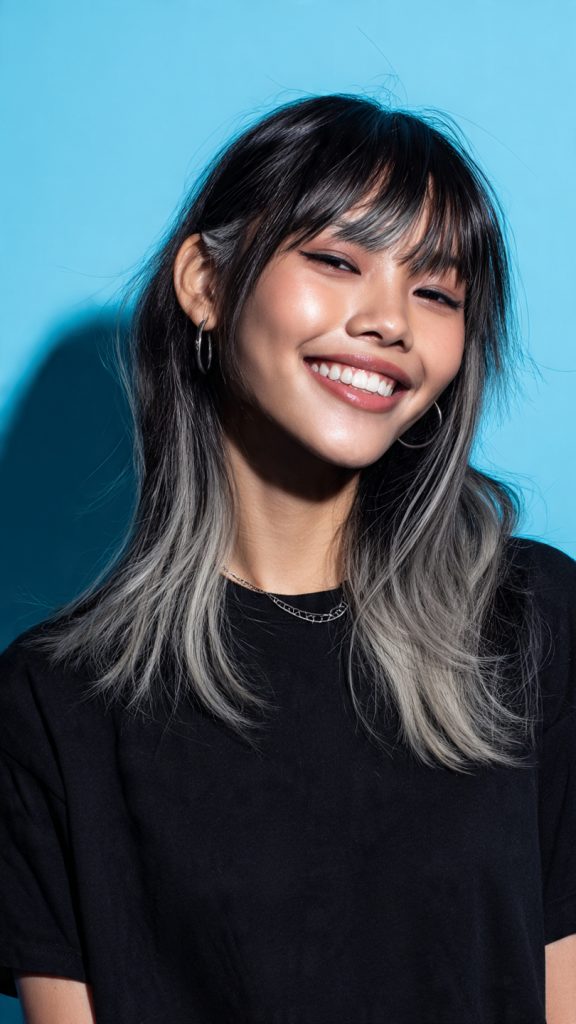
Popularized by TikTok, this style focuses on extreme face-framing. Two very short, choppy “money pieces” around the front are contrasted with long, sleek back layers. Often paired with dark roots and bleached ends (or bold fashion colors), it’s high-contrast, dramatic, and meant for straight, pin-straight styling.
8. Soft Romantic Wolf Cut with Curtain Bangs
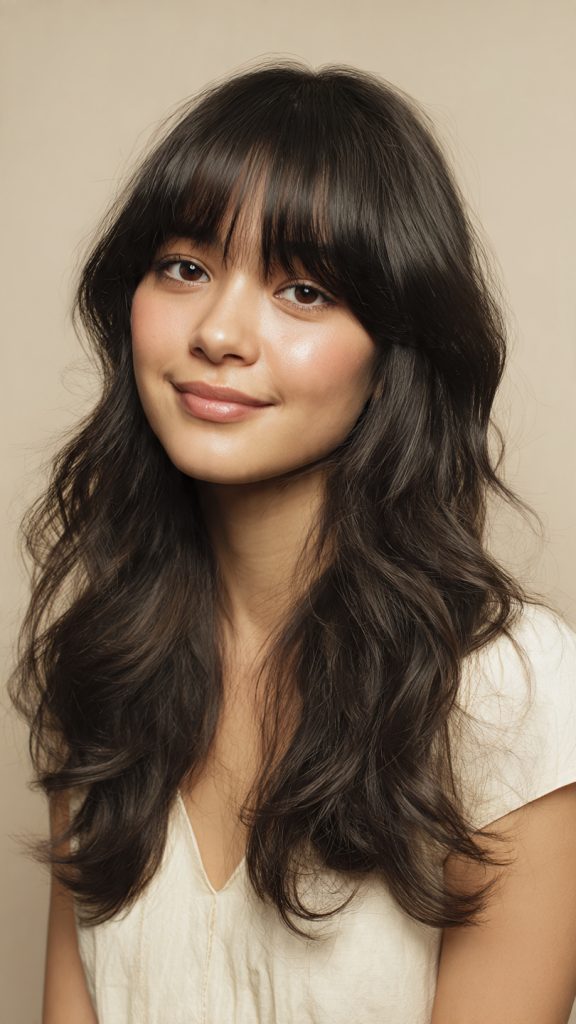
Not every wolf cut needs to scream punk. This softer version uses longer, less disconnected layers and airy curtain bangs that part in the middle. The result is a cut that still has volume and movement but feels feminine and gentle. It’s stunning on long, wavy hair and requires minimal effort to look “done.”
9. Textured Wolf Cut for Straight Hair
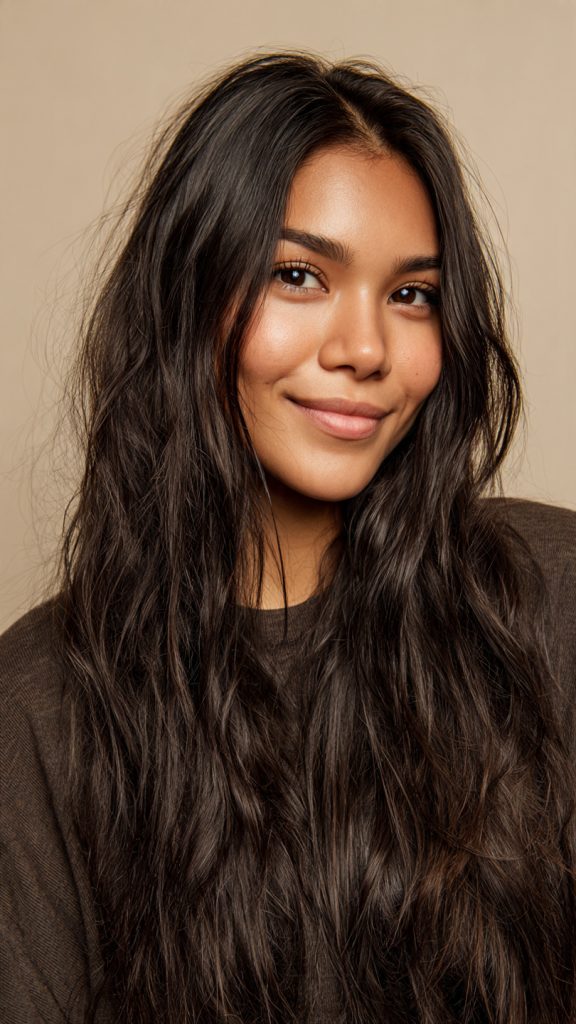
Straight hair can sometimes make layers look obvious or harsh. To combat this, ask your stylist for heavy texturizing shears and “carving” techniques. This creates a lived-in, slightly messy look where layers blend seamlessly. Finish with a texture spray or dry shampoo to amplify the piece-y effect.
10. The High-Volume Wolf Cut

This is for maximum drama. The shortest layers start very high—almost at the crown—creating extreme lift and body. The top section is heavily thinned to prevent bulk, while the lower lengths remain long. It’s a fantastic choice for those with flat, limp hair who want instant, wash-and-go volume.
11. Braid-Ready Long Wolf Cut
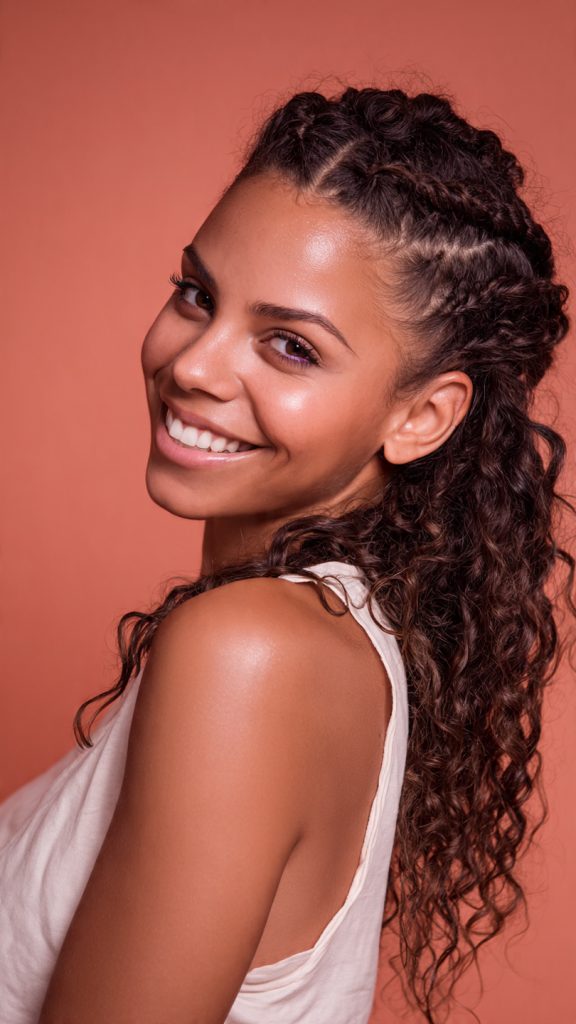
One concern with wolf cuts is losing the ability to braid. This iteration keeps the nape and bottom section relatively intact and less layered, so you can still create a single braid, two braids, or a low ponytail without pieces falling out. The top remains layered for volume, offering the best of both worlds.
12. Color-Blocked Wolf Cut

Make the cut itself a statement by pairing it with bold color blocking. Think dark roots melting into a platinum blonde length, or a split-dye (e.g., black and pink). The choppy layers of the wolf cut highlight the color transitions perfectly, creating a punk, graphic effect that changes with every head turn.
13. The Minimalist’s Long Wolf Cut
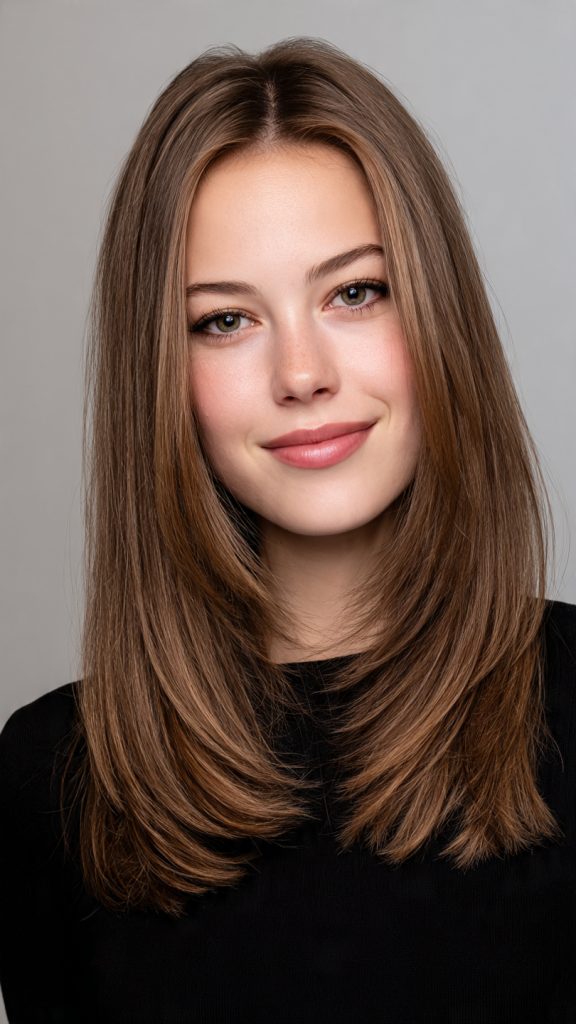
For those who want the shape but not the “messy” reputation, this version is sleek and polished. The layers are still there but cut with precision so they fall cleanly. When blown out straight with a round brush, it resembles a modern, grown-out version of a layered cut—sophisticated, not shaggy. Perfect for office environments.
What Face Shapes Suit a Long Wolf Cut?
The long wolf cut is surprisingly versatile, but certain face shapes see exceptional results:
- Oval: Almost any variation works. You can pull off extreme layers, heavy bangs, or soft waves with ease.
- Round: Opt for longer, face-framing pieces that fall past the chin to create elongation. Avoid very short, blunt bangs.
- Square: Soft, wispy layers and curtain bangs help soften a strong jawline. Keep the cheek-grazing pieces light and airy.
- Heart: Shorter layers that start below the cheekbones balance a wider forehead. Deep side parts work beautifully.
- Long/Oblong: Focus on volume at the crown and wider side layers to add width. Avoid too much length without layers.
Pro tip: Show your stylist photos of the specific wolf cut variation you want, and ask them to customize the layer depth based on your unique features.
How to Communicate with Your Stylist
Getting the perfect long wolf cut requires clear communication. Bring these exact phrases to your appointment:
| What to Say | Why It Helps |
|---|---|
| “I want to keep the length at the back but add short, choppy layers on top.” | Establishes the wolf cut priority: length + texture |
| “Please point-cut the ends so they look wispy, not blunt.” | Prevents a heavy, outdated look |
| “Frame my face with pieces that hit around my cheekbones and chin.” | Creates the signature wolf cut silhouette |
| “Remove weight from the crown but leave the bottom few inches fuller.” | Avoids the “mushroom” effect |
| “I want a lived-in, effortless shape—not a precision cut.” | Signals you want texture, not sleekness |
Avoid saying: “Just give me layers” or “Make it shaggy” — these are too vague. Always show reference photos.
Styling Tools & Products You’ll Need
The long wolf cut thrives on texture and movement. Here’s your starter kit:
Essential Tools:
- Texturizing spray or sea salt spray – Adds grit and piece-y separation
- Small round brush (1–2 inches) – For flipping out face-framing pieces
- Diffuser attachment – If you have wavy or curly hair
- Wide-tooth comb – For detangling without crushing layers
- Hair dryer with a nozzle – To direct airflow downward for controlled volume
Optional but Recommended:
- Dry shampoo powder – Absorbs oil and adds instant lift at the crown
- Lightweight hair wax or pomade – For defining individual ends
- Velcro rollers (large) – For bending layers without heat damage
Products to Avoid:
- Heavy oils or serums (they weigh down the texture)
- Cream-based stylers (make layers look clumpy, not piece-y)
- High-shine sprays (wolf cuts are meant to look matte and lived-in)
Maintenance Schedule
The long wolf cut is famously low-maintenance, but it still needs attention:
| Task | Frequency | Notes |
|---|---|---|
| Trim | Every 8–12 weeks | Just the ends and re-texturizing the crown |
| Deep condition | Once a week | Focus on the long ends, avoid the crown |
| Dry shampoo | Every 2–3 days | To maintain volume at the roots |
| Texture spray reapplication | Daily or as needed | Refresh the piece-y look |
| Clarifying wash | Once a month | Removes product buildup from layers |
Signs you’re overdue for a trim:
- The ends look blunt and heavy
- Face-framing pieces fall past your chin without bending
- The crown feels flat no matter how you style it
Common Mistakes to Avoid
Even a forgiving cut like the wolf cut can go wrong. Steer clear of these pitfalls:
- Asking for too many layers at the bottom
Result: Hair looks thin and wispy, not full. Keep the last 2–3 inches less layered. - Using the wrong shampoo
Result: Flat, greasy crown. Use volumizing or clarifying shampoos, never “smoothing” formulas. - Over-brushing
Result: Layers blend together and lose separation. Use your fingers or a wide-tooth comb only. - Skipping the face-framing pieces
Result: It just looks like a regular layered cut. The short front pieces are non-negotiable. - Cutting it yourself without experience
Result: Unintentional chunks and unevenness. Always see a stylist familiar with shag/wolf cuts. - Applying heat without protectant
Result: The textured ends become dry and frayed faster than blunt cuts. Always use a light heat protectant spray.
Best Hair Types for a Long Wolf Cut
While nearly anyone can wear this cut, some hair types naturally excel:
| Hair Type | Why It Works | Best Variation |
|---|---|---|
| Thick, straight | Layers remove bulk and add movement | Blunt-ended or high-volume |
| Fine, straight | Creates illusion of fullness | Wispy & ethereal |
| Wavy (type 2A–2C) | Waves automatically enhance the choppy shape | Classic or soft romantic |
| Curly (type 3A–3C) | Internal layers prevent triangle head | Curly & coily |
| Coily (type 4A–4C) | Adds shape and definition without losing length | Curly with dry-cut technique |
Hair types that need extra caution:
- Very fine and sparse: Avoid heavy texturizing; stick to the wispy version
- Extremely damaged or brittle: Layers can expose breakage; repair before cutting
- Chemically straightened: Wait 2–3 weeks after relaxing before adding layers
Short vs. Long Wolf Cut: Which One Is Right for You?
Use this quick comparison to decide:
| Feature | Short Wolf Cut | Long Wolf Cut |
|---|---|---|
| Length | Above shoulders to collarbone | Past collarbone to mid-back |
| Volume | Extreme, very rounded | Balanced, bottom weight retained |
| Styling effort | Minimal, air-dry friendly | Slightly more, needs texture product |
| Updo options | Limited (too short to pin) | Many (braids, buns, ponytails) |
| Best for | Bold, punk aesthetic | Versatile, office-to-weekend wear |
| Commitment level | High (grow-out is awkward) | Low (can blend into regular long layers) |
Choose the short version if: You want maximum drama and rarely tie your hair up.
Choose the long version if: You need versatility and aren’t ready to lose your length.
Conclusion
The long wolf cut proves that you don’t have to choose between length and attitude. It’s a rare hairstyle that delivers on every front: volume, movement, low maintenance, and undeniable cool factor. Whether you have pin-straight hair that needs life, curls that crave shape, or fine strands that want illusion of thickness, there’s a version of this cut waiting for you.
What makes the long wolf cut truly special is its forgiveness. Unlike a blunt bob that demands precision or long layers that can fall flat, the wolf cut thrives on imperfection. A little messiness is the goal. A bit of chaos is celebrated. It grows out beautifully, styles in minutes, and turns heads without trying too hard.
