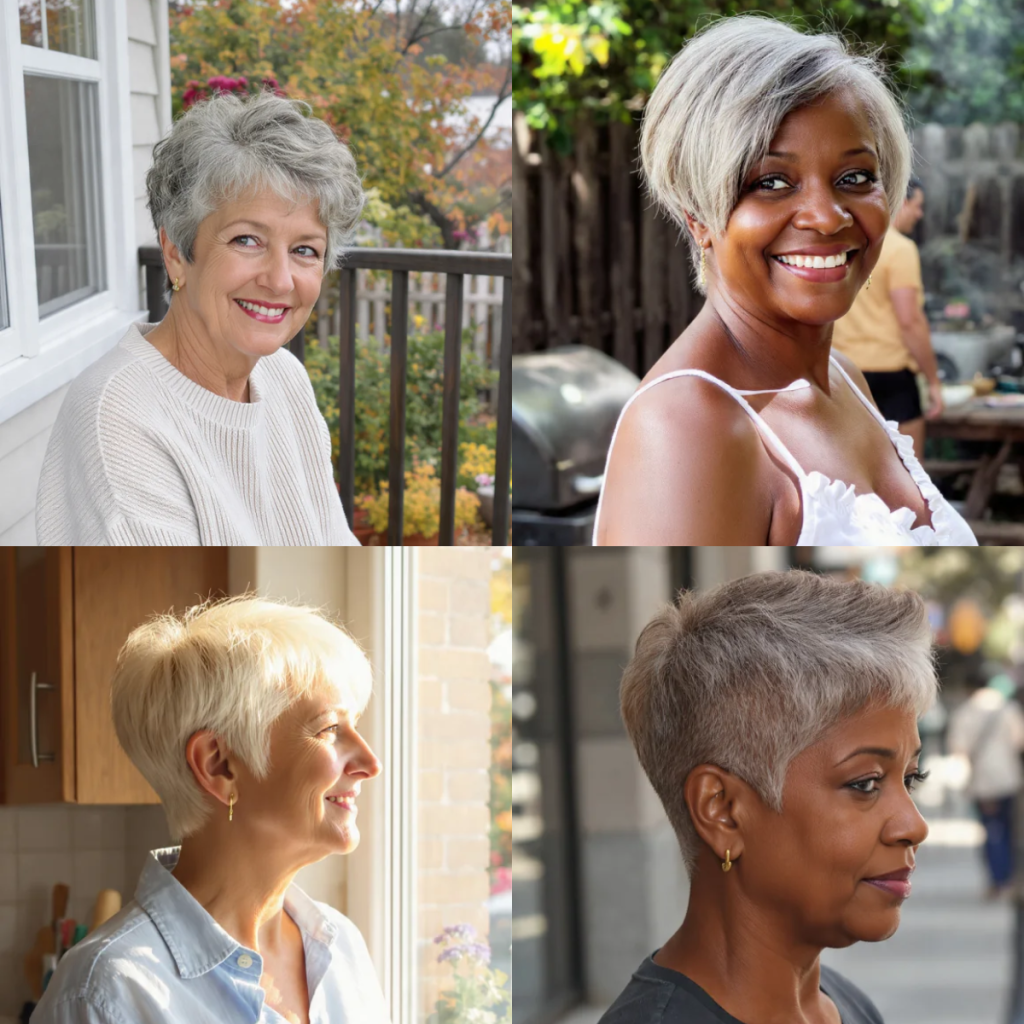
For decades, older women were told to “cut it all off” or “keep it at chin length” – but never both. Enter the pixie bob: the hybrid haircut that marries the short, sassiness of a pixie with the soft, shaping power of a bob. In 2026, this isn’t your mother’s helmet hair. Today’s pixie bob is textured, piece-y, and surprisingly low-maintenance – yet polished enough for dinner parties or Zoom calls.
Why are women over 50 and 60 flocking to it? Because it solves three age‑related hair frustrations at once: thinning crown, droopy jawline shadows, and morning styling fatigue. The right pixie bob adds instant lift at the roots, frames the face without harsh lines, and dries in under 10 minutes. Whether you have fine, curly, gray, or chemically treated hair, there’s a version that works – without looking like you’re trying too hard.
Why the Pixie Bob Works Better Than a Traditional Bob or Pixie for Older Women
Many women over 60 assume they have to choose between a very short pixie (which can feel severe) or a chin-length bob (which can drag the face down). The pixie bob splits the difference perfectly.
Compared to a classic pixie: the pixie bob keeps more length on top and around the ears, softening sharp facial features and avoiding the “military cut” look.
Compared to a traditional bob: the pixie bob removes weight from the back and nape, preventing the dreaded “triangle head” effect that happens when fine or thinning hair loses volume at the crown.
The result is a shape that lifts vertically rather than widening horizontally — exactly what older faces benefit from most.
Below are 13 structured, trend‑aware pixie bob ideas specifically designed for older women, each with a who it suits, styling tip, and why it’s flattering.
13 Structured Pixie Bob Ideas for Older Women
1. The Textured Crown Pixie Bob
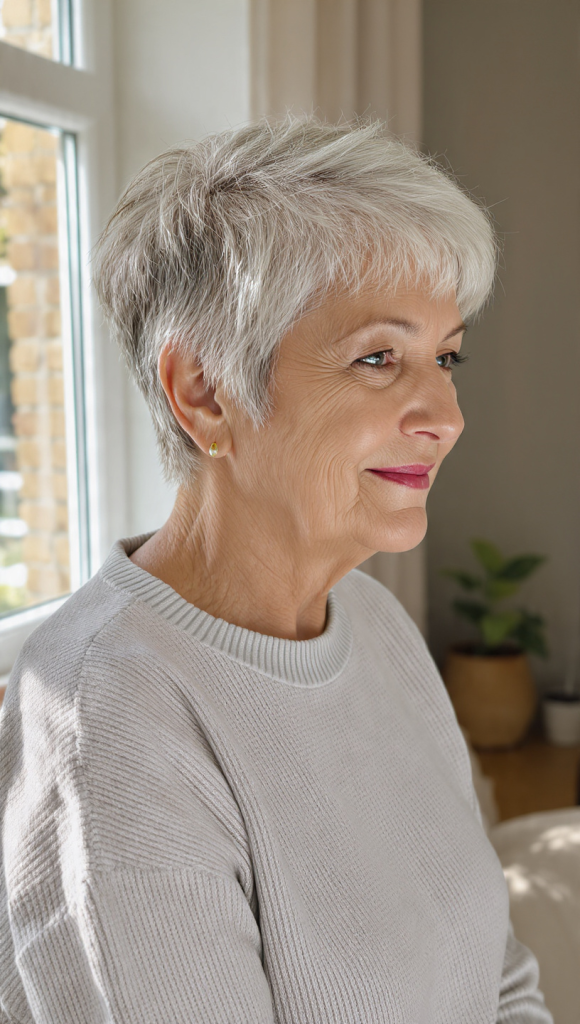
- Who it suits: Fine or thinning hair
- The cut: Longer on top (2–3 inches), cropped close at the nape, with choppy layers throughout
- Why it flatters: Creates instant volume at the crown, lifting the entire face
- Styling tip: Use a dry texture spray at the roots; no heat needed
2. The Asymmetric Silver Fox
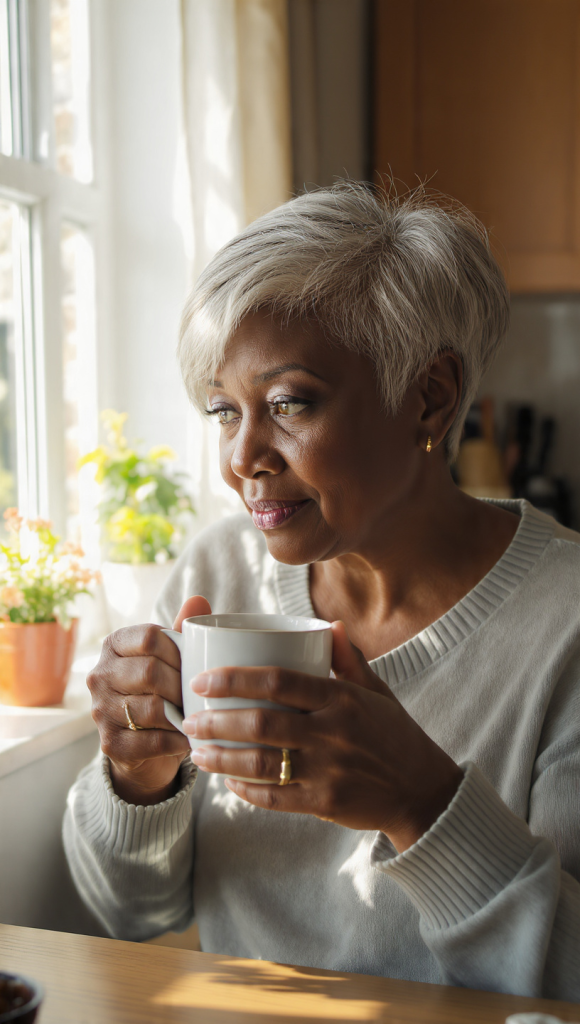
- Who it suits: Natural gray or white hair
- The cut: One side slightly longer (jaw grazing), the other tucked behind the ear
- Why it flatters: Distracts from uneven brows or jowls; adds modern asymmetry
- Styling tip: Flat iron just the longer side for a sleek contrast
3. The Curly Pixie Bob

- Who it suits: Natural curls or permed hair (type 3A–4A)
- The cut: Rounded shape, stacked in back, with curls left longer on top
- Why it flatters: Lifts the face vertically; shrinkage works in your favor
- Styling tip: Scrunch in leave-in conditioner and air dry – no brushing
4. The Piece‑y Bedhead (Lowest Maintenance)

- Who it suits: Women who dislike styling
- The cut: Point‑cut ends, disconnected layers, no hard lines
- Why it flatters: Imperfection looks intentional; hides regrowth for 8+ weeks
- Styling tip: Rub a drop of argan oil between palms and rake through dry hair
5. The Soft Fringe Pixie Bob

- Who it suits: High forehead or deep-set eyes
- The cut: Brow‑skimming, wispy bangs blended into side lengths
- Why it flatters: Softens forehead lines and draws attention to eyes
- Styling tip: Blow‑dry bangs with a round brush – but only forward, not up
6. The Undercut Pixie Bob (Hidden Edge)
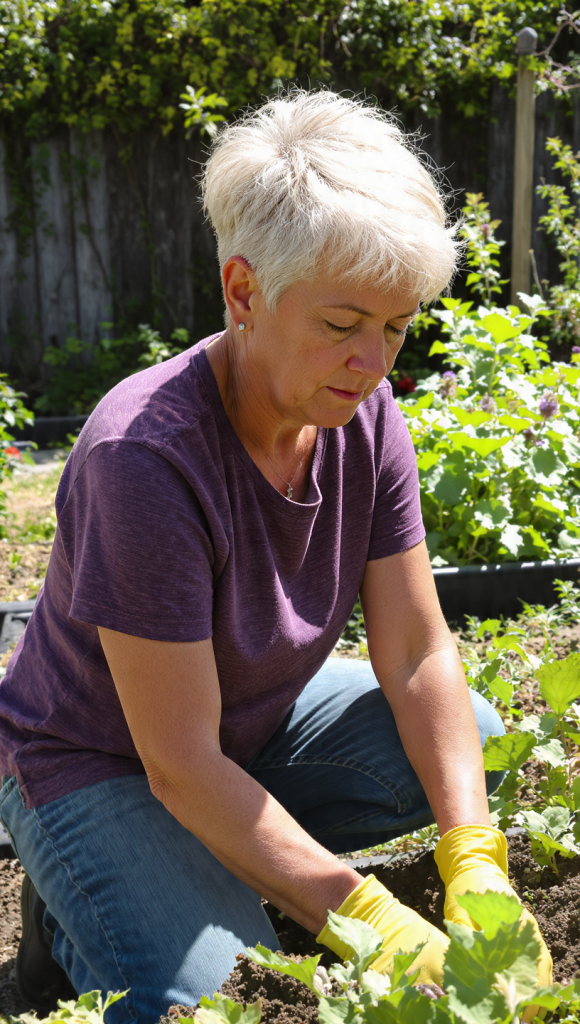
- Who it suits: Thick, heavy hair
- The cut: Classic pixie bob on top; back/sides shaved to a #4 or #5 blade
- Why it flatters: Removes bulk where hair tends to puff out; keeps shape light
- Styling tip: Show off the undercut with a low ponytail clip when hair is wet
7. The Wavy Graduated Bob-Pixie

- Who it suits: Naturally wavy or permed hair
- The cut: Shorter in back (pixie length), gradually longer to chin in front (bob shape)
- Why it flatters: The graduation lifts the back of the neck – a very youthful line
- Styling tip: Diffuse upside down for 2 minutes to activate wave pattern
8. The Razor‑Cut Modern Pixie Bob

- Who it suits: Straight or slightly wavy hair
- The cut: Cut entirely with a razor (not scissors) for feathery, soft ends
- Why it flatters: Removes weight without losing length; moves like fabric
- Styling tip: Twist small sections while drying to create bend without heat tools
9. The Deep Side‑Part Pixie Bob
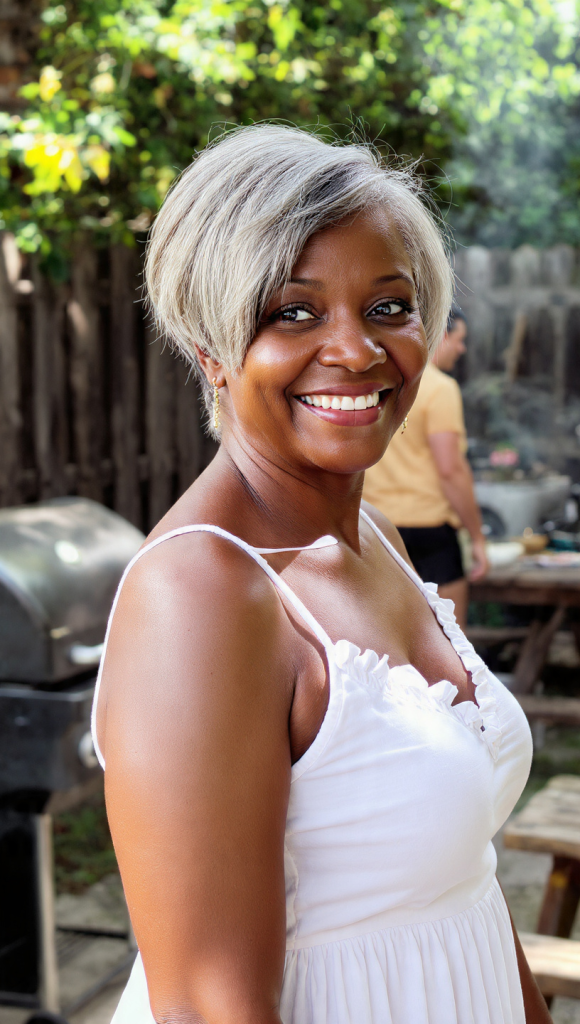
- Who it suits: Oval or round faces
- The cut: All length swept to one side, very short on the opposite side
- Why it flatters: The diagonal line visually lengthens the face
- Styling tip: Use a pincurl clip to hold the deep part while air drying
10. The Two‑Tone Gray Blend
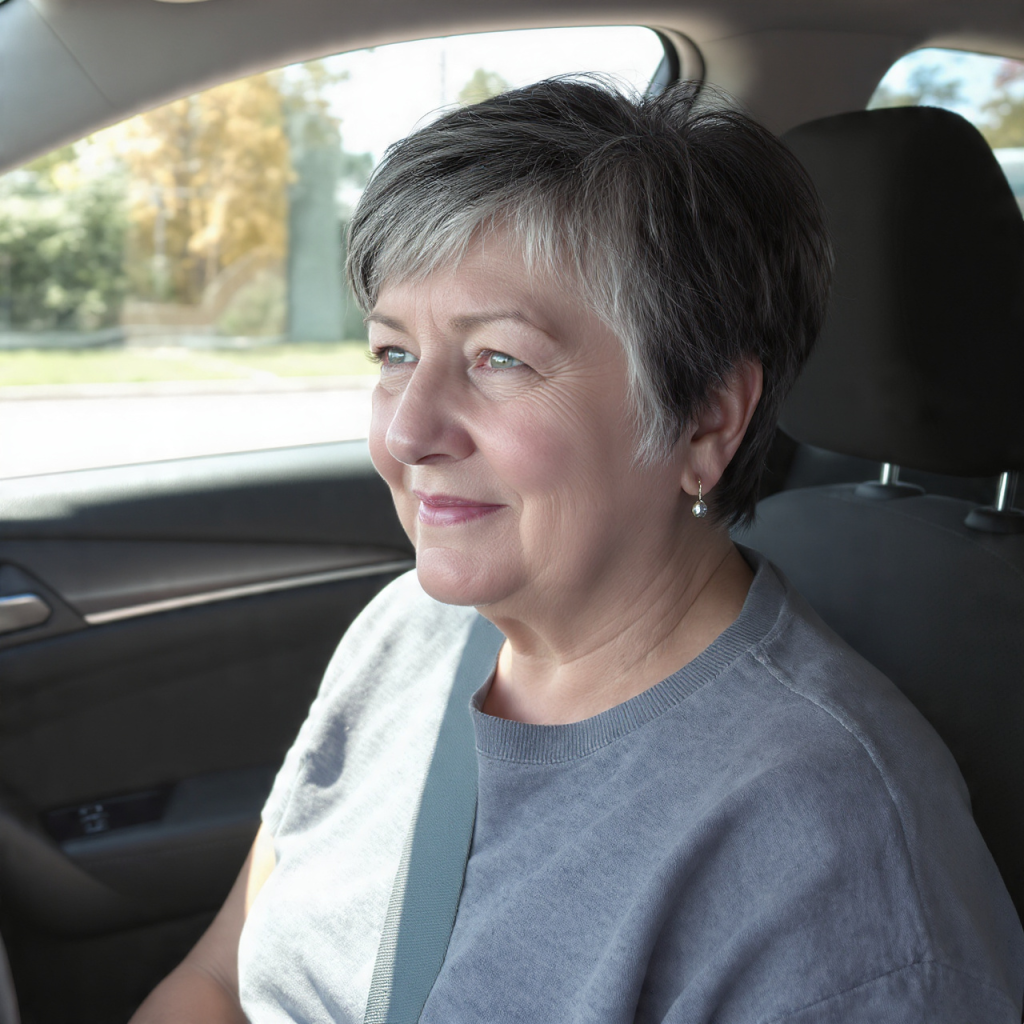
- Who it suits: Transitioning to natural gray (80%+ gray)
- The cut: Classic pixie bob with longer top; color has dark roots + silver ends
- Why it flatters: The contrast creates depth where hair may be thinning
- Styling tip: Purple shampoo once a week keeps silver bright, not yellow
11. The Faux Hawk Pixie Bob (Edgy but Elegant)
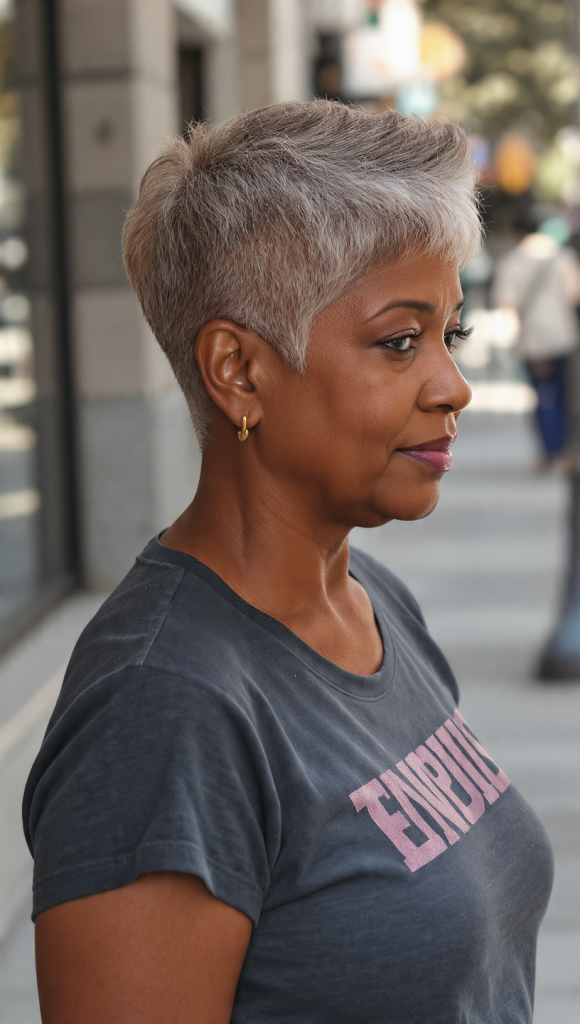
- Who it suits: Confident dressers; thick or coarse hair
- The cut: A strip of length (2–3 inches) down the center; sides clippered very short
- Why it flatters: Vertical line lifts the whole face – great for sagging neck
- Styling tip: Pomade on fingertips, pinch the center strip upward while drying
12. The Baby Fringe + Nape Undercut

- Who it suits: Women who wear glasses or hearing aids
- The cut: Micro‑bangs (½ inch above brows) + nape trimmed to skin level
- Why it flatters: Keeps hair off ears and glasses; cool air on the neck feels refreshing
- Styling tip: A swipe of clear brow gel on baby bangs keeps them in place
13. The Long Top, Cropped Back (The “Midi Pixie Bob”)
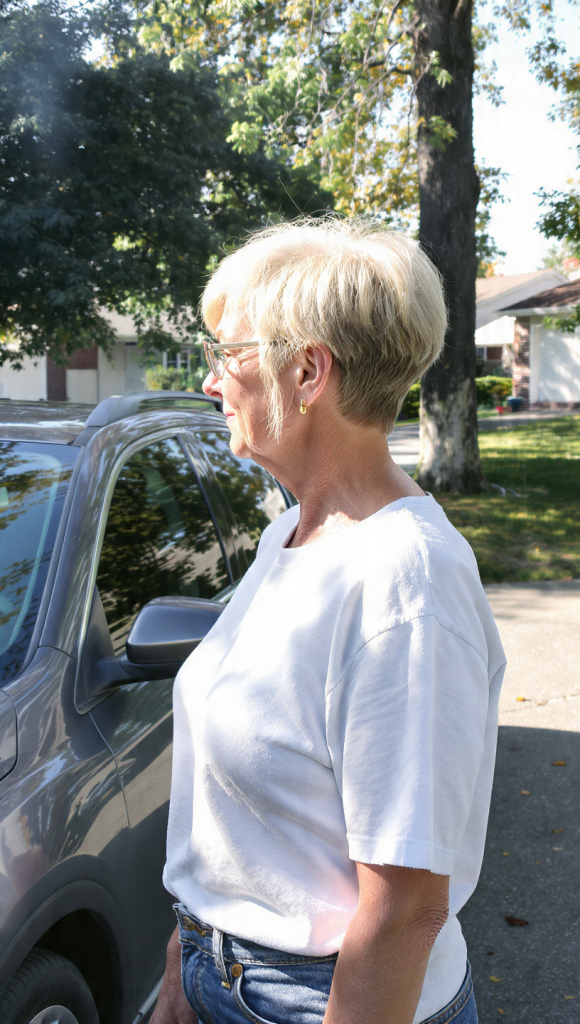
- Who it suits: Women afraid of going too short
- The cut: Top length = 4 inches (can be swept back); back = ½ inch
- Why it flatters: Transition cut from a longer bob; very forgiving of cowlicks
- Styling tip: Sweep top back with a soft hair wax stick – takes 20 seconds
Who Is This Cut NOT For?
While the pixie bob is incredibly versatile, it’s not for everyone. Consider skipping this cut if:
- You have extremely sparse, wispy hair (less than 10% density). A shorter traditional pixie may work better.
- You are unwilling to get a trim every 6–8 weeks. The pixie bob loses its shape faster than a longer bob.
- You have active scalp conditions like psoriasis or severe dermatitis that require longer hair to cover.
- You prefer one-length, blunt cuts. This style relies on layers and texture.
If none of these apply, the pixie bob is very likely a great fit.
How to Communicate the Pixie Bob to Your Stylist (Without Confusion)
Most haircut miscommunications happen because “pixie bob” means different things to different stylists. Say this exactly:
“I want a pixie bob — longer on top (about 2–3 inches), cropped close at the nape, with soft texture throughout. No harsh lines. I want to keep some length around my ears, not shaved. I need volume at the crown, not weight at the sides.”
Three words to avoid: “layer,” “thin out,” and “shorten” — these often lead to over-cutting. Instead say: “point-cut the ends” and “remove bulk from the back only.”
Bring one reference photo — not ten. Choose a photo where the woman has similar hair density and face shape to yours.
Maintenance & Styling Schedule for Real Life
You don’t need 45 minutes and three hot tools. Here’s a realistic weekly routine:
Daily (5 minutes or less):
- Spray dry texture spray at the roots
- Rake fingers through hair — no brush
- Optional: a pea-sized dab of lightweight pomade on the ends
Weekly (15 minutes):
- One wash day (most women can go 2–3 days between washes)
- Blow-dry with a small round brush — only the crown and front pieces
- Leave the back to air dry
Every 6–8 weeks:
- A trim to maintain the shape
- Do NOT let the stylist “just clean it up” — that often ruins the length balance
What to avoid:
- Heavy gels or creams (they weigh down the top)
- Over-brushing (it flattens the texture)
- Sleeping on wet hair (it creates weird kinks)
How to Transition From a Long Bob or Pixie to the Pixie Bob
If you currently have a long bob (chin length or longer):
You cannot get a true pixie bob in one visit without shocking yourself. Do it in two stages. First appointment: go to a short bob (ear length). Wait three weeks. Second appointment: go to the pixie bob. This gives your eyes and your styling routine time to adjust.
If you currently have a classic pixie (very short all over):
You’re growing into the pixie bob. Let the top grow for 6–8 weeks without trimming it. Get only the back and sides cleaned up once. Then ask for the pixie bob shape in one appointment.
If you currently have grown-out hair (shoulder length or longer):
Book a consultation before the cut. Some stylists will want to cut wet and take too much length. Insist on cutting dry, or cutting in stages. A good stylist will show you the length every 10 minutes.
Common Mistakes Older Women Make With This Cut
Even a great pixie bob can go wrong. Avoid these errors:
- Going too short on the first cut. You can always take more off. You cannot put it back.
- Choosing a color that’s too dark. Dark hair against an older face can look harsh. Softer colors (warm blondes, mushroom browns, silver) work better with the pixie bob’s airy texture.
- Neglecting the nape. The back of the neck grows fast. A grown-out nape ruins the entire shape.
- Using the wrong shampoo. Volumizing shampoos on fine hair = good. Moisturizing shampoos on fine hair = flat and limp.
- Being afraid of product. Dry shampoo and texture spray are not optional for this cut. They are the difference between “messy chic” and “just messy.”
Conclusion
The pixie bob is not a passing trend. For older women, it solves a problem that longer and shorter cuts can’t: how to look polished without looking dated, and how to embrace gray or thinning hair without hiding from it.
The 13 ideas above prove there’s a version for every texture, face shape, and lifestyle — from the five-minute bedhead to the silver asymmetric statement cut. The key is choosing the right variation for you, not what worked for your friend or what you see on a model in a magazine.
Start conservative. Bring one clear photo to your stylist. And give yourself two weeks to learn how to style it. Almost every woman who makes the switch says the same thing: “I wish I’d done this years ago.”
If you’re over 50, tired of fighting your hair every morning, and ready for a cut that lifts your face instead of dragging it down — the pixie bob is waiting.