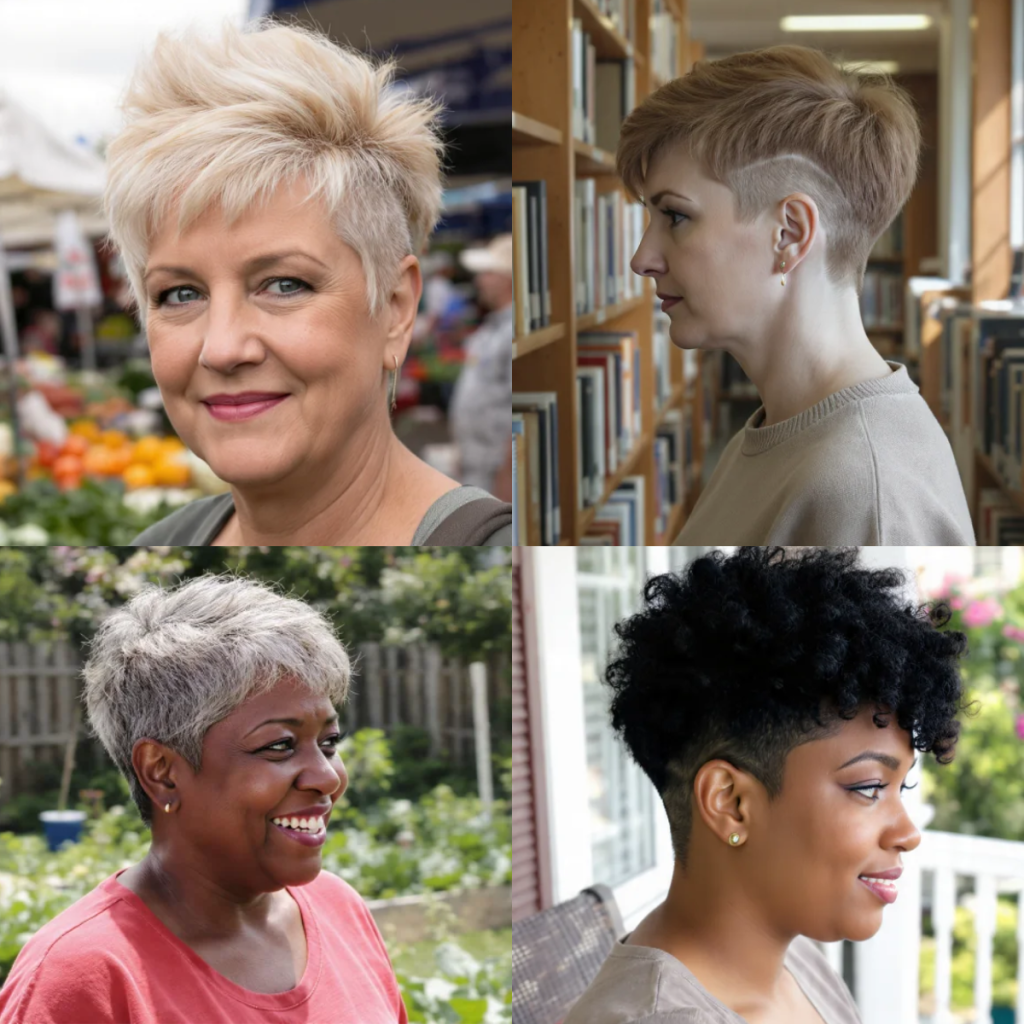
If you’re a woman over 50 with naturally thick hair, you already know the struggle: heaviness, morning puff, and styles that collapse under their own weight. The undercut pixie solves all three. By shaving or closely cropping the nape and/or sides while leaving length on top, you instantly remove excess bulk, add modern edge, and make daily styling effortless. Contrary to old myths, an undercut doesn’t have to look “rebellious” or “too young.” Today’s versions are soft, sophisticated, and incredibly flattering – especially when tailored to mature face shapes and lifestyle needs. In this article, we’ll explore 10 smart, stylish undercut pixie ideas designed specifically for women over 50 with thick hair.
Why Thick Hair Over 50 Is Different (And Why the Undercut Helps)
After menopause, many women assume their hair will thin – but for those with naturally dense hair, the opposite often happens. Thick hair can become coarser, more wiry, and harder to manage due to hormonal shifts. The undercut works because it removes bulk from the densest areas (nape and behind the ears) without sacrificing the appearance of fullness on top. Unlike thinning shears, which can create frizz, an undercut provides permanent, low-maintenance relief from heaviness, overheating, and styling fatigue.
10 Well-Structured Ideas
1. The Classic Nape Undercut (Subtle & Sophisticated)
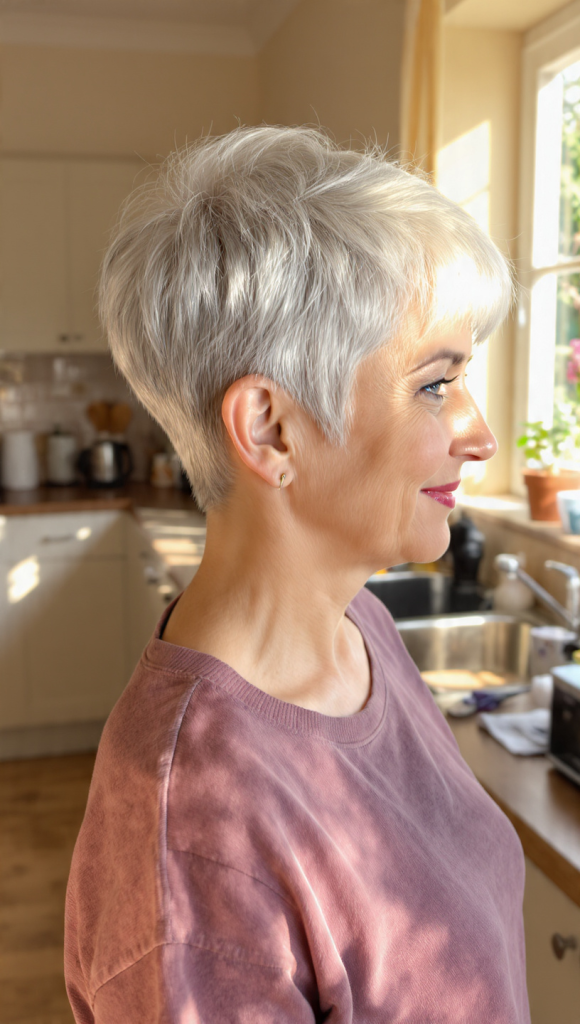
- What it is: Hair on top remains a soft pixie; the nape is shaved or trimmed to a #2–#4 blade.
- Why it works for thick hair: Removes 40–50% of bulk at the back where thickness collects.
- Styling: Sweep top forward or to the side. Grown-out nape lines can be refreshed every 4 weeks.
2. The Side-Swept Disconnected Undercut
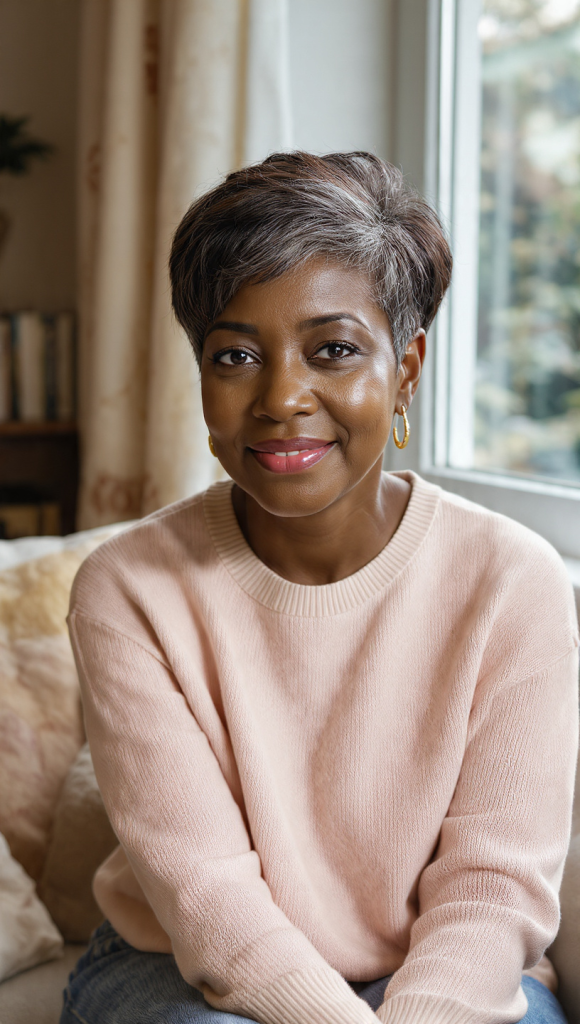
- What it is: One side is shaved (temp fade), while the other side and top flow over.
- Why it works: Reduces density on one side, creating asymmetry that softens facial features.
- Pro tip: Add a light silver or champagne highlight on the long side for extra dimension.
3. The Textured Crop with Low Fade Undercut
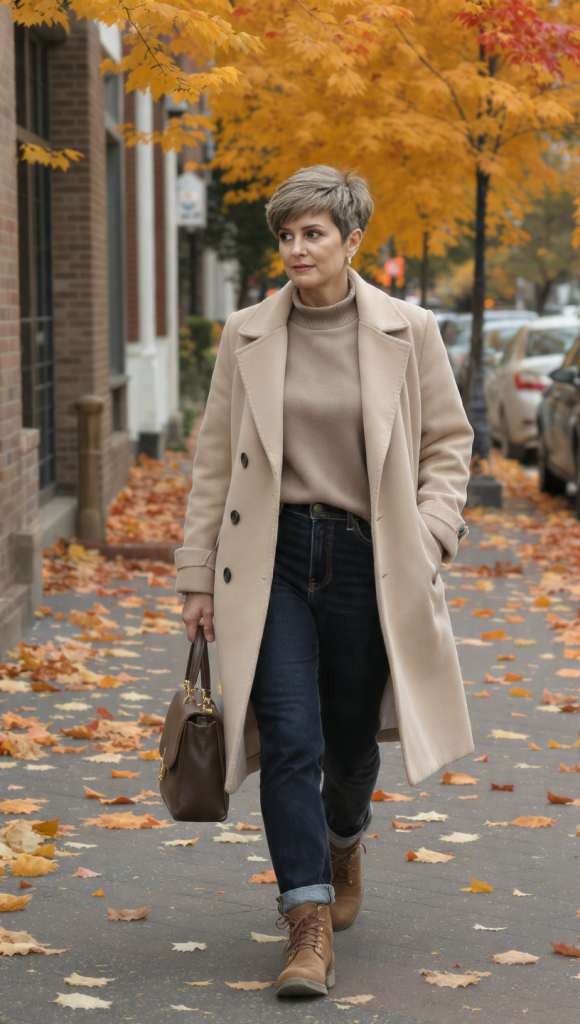
- What it is: A low fade (starting just above the ear) blended into choppy, piece-y top layers.
- Why it works: Keeps coverage at the crown while the undercut tackles bulk at the perimeter.
- Styling: Use a matte paste – rub between palms, rake through damp hair, air-dry.
4. The Curly Undercut Pixie (For Naturally Curly/Thick Hair)
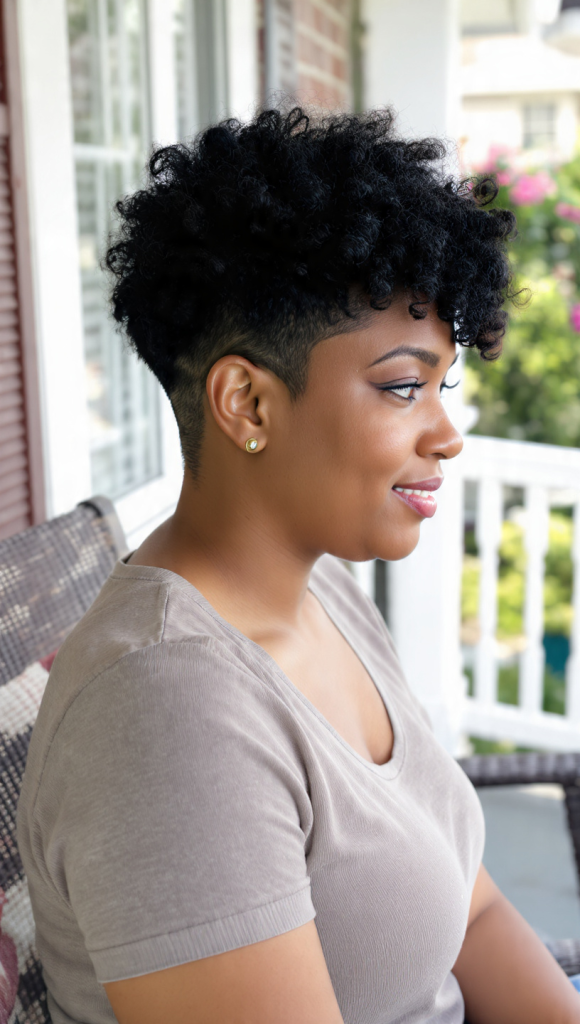
- What it is: Undercut from ear to ear across the back; top left long enough to form tight curls.
- Why it works: Curly thick hair can feel like a helmet – the undercut creates breathing room.
- Maintenance: Hydrating curl cream + diffuser. The undercut hides uneven curl patterns.
5. The Long Top, Shaved Sides & Nape (The “Pompadour Lite”)
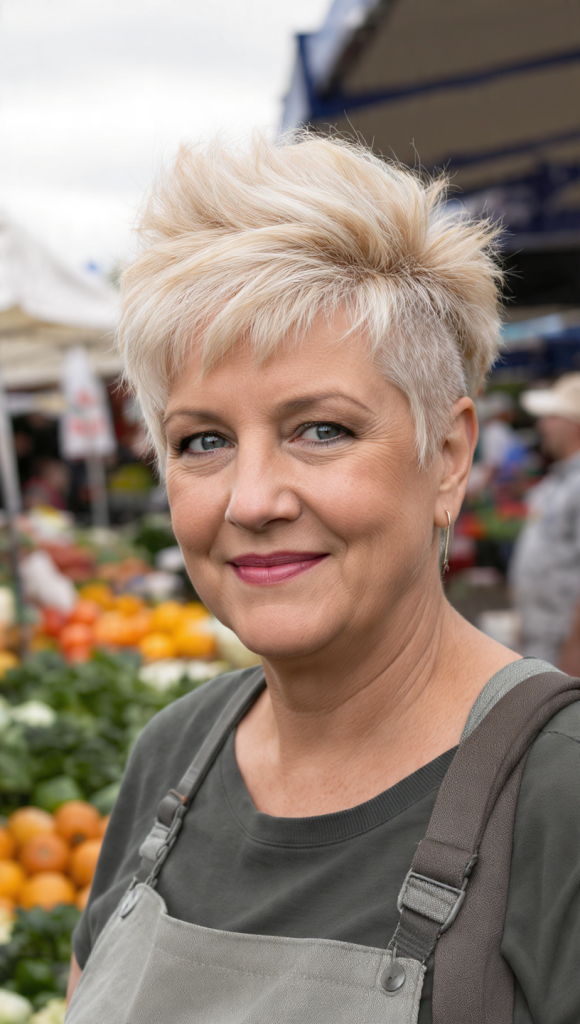
- What it is: Top length 3–4 inches, sides and back shaved to skin or #1 blade.
- Why it works: Instant weight loss. All volume is directed upward, not outward.
- Best for: Oval, heart, or long face shapes. Adds vertical lift.
6. The Undercut Pixie with Wispy Bangs
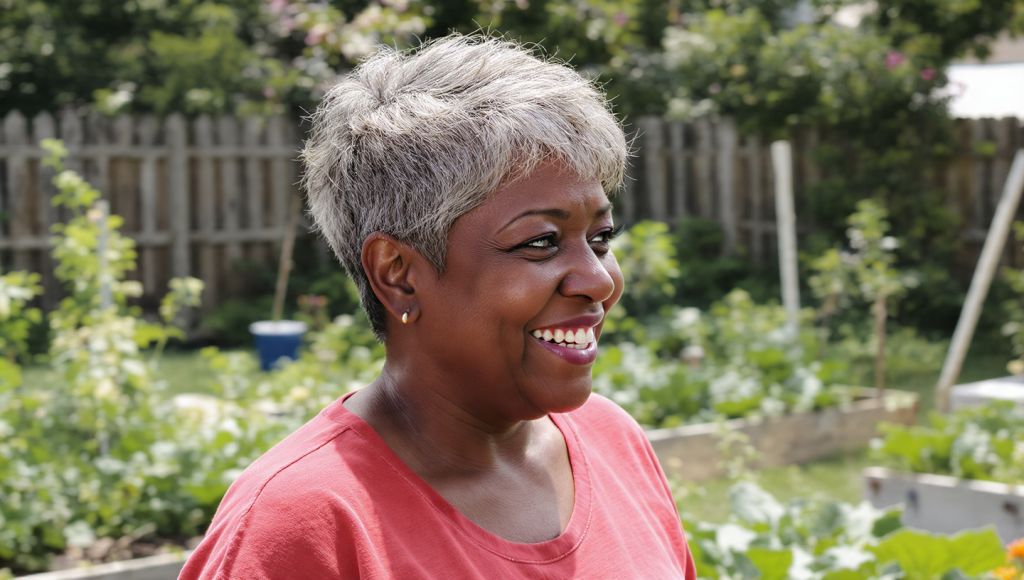
- What it is: Soft, feathery bangs (not blunt) paired with a close crop behind the ears.
- Why it works: Bangs disguise forehead lines and frame the eyes; undercut prevents bulk behind.
- Pro tip: Keep bangs at brow-grazing length – easier to train and less frequent trims.
7. The Carved-In Design Undercut (Subtle Pattern)
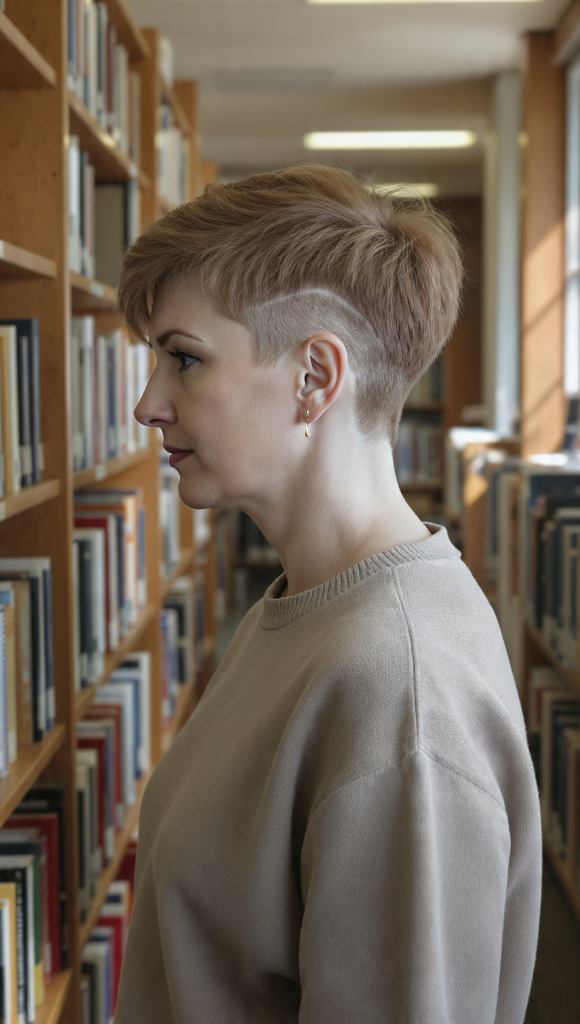
- What it is: A discreet geometric line, arc, or teardrop shaved into the nape undercut.
- Why it works: Adds personality without screaming “edgy.” Great when hair is up or windswept.
- Caution: Start with a temporary stencil. Patterns grow out in 2 weeks if you dislike them.
8. The Tapered Undercout Pixie (No Hard Lines)
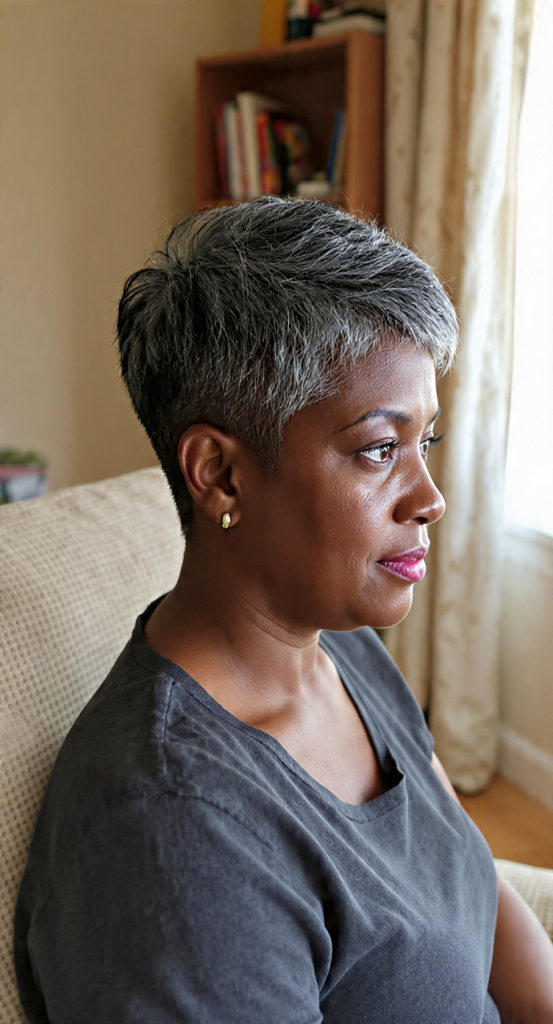
- What it is: Instead of a shaved panel, hair graduates from very short at the nape to longer at the crown.
- Why it works: Best for women who want bulk removal without visible “undercut line.”
- Styling: Blow-dry forward with a round brush – the taper creates natural lift at the crown.
9. The Razor-Cut Undercut Pixie for Fine-but-Thick Texture

- What it is: Top layers cut with a razor (not shears) over a standard nape undercut.
- Why it works: Razoring removes weight internally without shortening length – ideal for dense hair.
- Warning: Only for experienced stylists. Razor on thick hair requires tension control.
10. The Grown-Out Graceful Undercut (Low Maintenance)
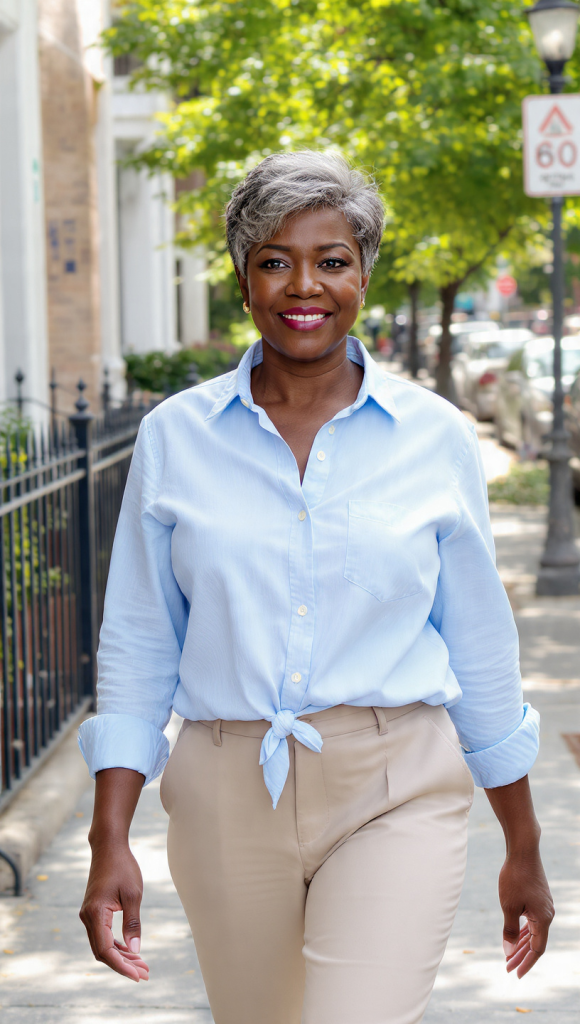
- What it is: The undercut is kept only at the lower 1 inch of the nape; the rest blends naturally.
- Why it works: You can extend time between salon visits (up to 8 weeks on the undercut part).
- How to style: Tuck sides behind ears. The slight grow-out looks intentional, not messy.
What to Ask Your Stylist Before Getting an Undercut Pixie
Walk into the salon prepared with these exact questions:
- “Can you show me where the undercut line will sit?” – Ideally at or just below the occipital bone (the bump at the back of your head).
- “What blade length do you recommend?” – A #3 or #4 for a soft, grown-out look; #1 or #2 for more dramatic weight removal.
- “Can we keep the top long enough to style in multiple ways?” – Aim for 2–4 inches on top for versatility.
- “How often will I need maintenance?” – Every 4–6 weeks for the undercut; every 6–8 weeks for the top.
- “Will this style work with my natural texture (curly, straight, wavy)?” – A good stylist will adjust the cutting technique accordingly.
Styling & Product Guide for Your Undercut Pixie
Morning routine (under 5 minutes):
| Step | Action |
|---|---|
| 1 | Dampen top section with a spray bottle (don’t wet the undercut) |
| 2 | Apply a pea-sized amount of matte paste or lightweight mousse |
| 3 | Rough dry with fingers, lifting at the roots |
| 4 | Use a tiny dab of pomade to define edges or bangs |
Recommended product types for thick hair over 50:
- Matte paste – Grip without shine or greasiness.
- Sea salt spray – Adds texture to thicker hair without weighing it down.
- Lightweight mousse – For soft volume, not crunch.
- Avoid heavy waxes, gels, or oils – they will transfer to the shaved undercut area and cause irritation.
What about the shaved part?
Nothing. Leave it bare, or use a lightweight SPF spray if your undercut is exposed to sun.
How to Transition from a Longer Style to an Undercut Pixie
Many women hesitate because they fear the “big chop.” Here’s a gradual 3-step approach:
- First visit: Ask for a nape undercut only. Keep the rest of your hair at chin or shoulder length. You’ll feel the weight loss immediately.
- Second visit (4–6 weeks later): Shorten the top to a long pixie, keeping the existing undercut.
- Third visit: Commit to the full undercut pixie – by now, you’re already used to the shorter back and sides.
This method reduces shock and lets you adjust gradually to the change.
Common Concerns – Addressed
“Won’t an undercut make me look like a teenager?”
No. The placement, length on top, and softness of the cut determine the final look. A mature undercut pixie keeps the top longer and blends edges – unlike extreme, skin-tight versions worn by younger people.
“What if I hate the shaved part when it grows out?”
The grow-out phase of an undercut actually looks intentional for the first 2–3 months, especially on thick hair which disguises uneven lengths. You can also pin the top hair down to cover the nape as it regrows.
“Will my hair look thinner overall?”
No – because the weight is removed from underneath, the top actually lifts and appears fuller. You lose bulk, not visible volume.
“Is this appropriate for professional settings?”
Absolutely. A nape undercut is invisible when your hair is dry and styled. Even a side undercut can be covered by sweeping the long top section over it. Many executives over 50 wear this cut successfully.
Maintenance Schedule for Long-Term Success
| Task | Frequency |
|---|---|
| Undercut touch-up (clippers) | Every 4 weeks |
| Top pixie trim | Every 6–8 weeks |
| At-home nape clean-up (using a hand mirror and trimmer) | As needed between salon visits |
| Deep conditioning on the top section only | Weekly (avoid the shaved area) |
| Shampoo frequency | 2–3 times per week – thick hair over 50 needs less stripping |
Conclusion
The undercut pixie isn’t a trend for the young – it’s a smart, functional, and flattering solution for women over 50 with thick hair. It removes the weight you don’t need, keeps the volume you want, and cuts your styling time down to minutes. Whether you choose a subtle nape undercut, a bold shaved side, or a curly version that celebrates your natural texture, this cut adapts to your lifestyle, not the other way around.
The women who love this style aren’t trying to look younger. They’re choosing ease, confidence, and a silhouette that finally works with their thick hair instead of against it. If you’ve spent years fighting heaviness, heat, and half-hour blowouts, consider this your permission to lighten up – literally.
Book the consultation. Bring a photo of the style that speaks to you. And remember: hair grows back, but the relief of an undercut? That stays with you every single morning.
