A kitchen remodel is one of the most exciting — and most costly — home improvement projects you can take on. Done right, it adds real value to your home and transforms the most-used room in the house into something you genuinely love. Done wrong, it can drain your budget, create daily frustrations, and leave you with a space that looks great in photos but doesn’t actually work.
The good news? Most remodeling mistakes are completely avoidable. Here are the 10 most common kitchen remodeling mistakes homeowners make — and exactly how to sidestep each one.
1. Skipping the Planning Phase

Jumping straight into demolition feels exciting, but rushing into a kitchen remodel without a solid plan is the fastest way to blow your budget and timeline. Before a single cabinet comes down, you need a clear picture of the layout, material choices, appliance specs, and the order of trades.
What to do instead: Spend at least two to four weeks in the planning phase. Create a detailed floor plan, finalize all material selections before work begins, and make sure your contractor has everything they need before day one. Changes made mid-project cost two to three times more than decisions made upfront.
Need style inspiration before you plan? Browse our coastal kitchen ideas to see how a well-thought-out layout and material palette can come together beautifully.
2. Ignoring the Work Triangle
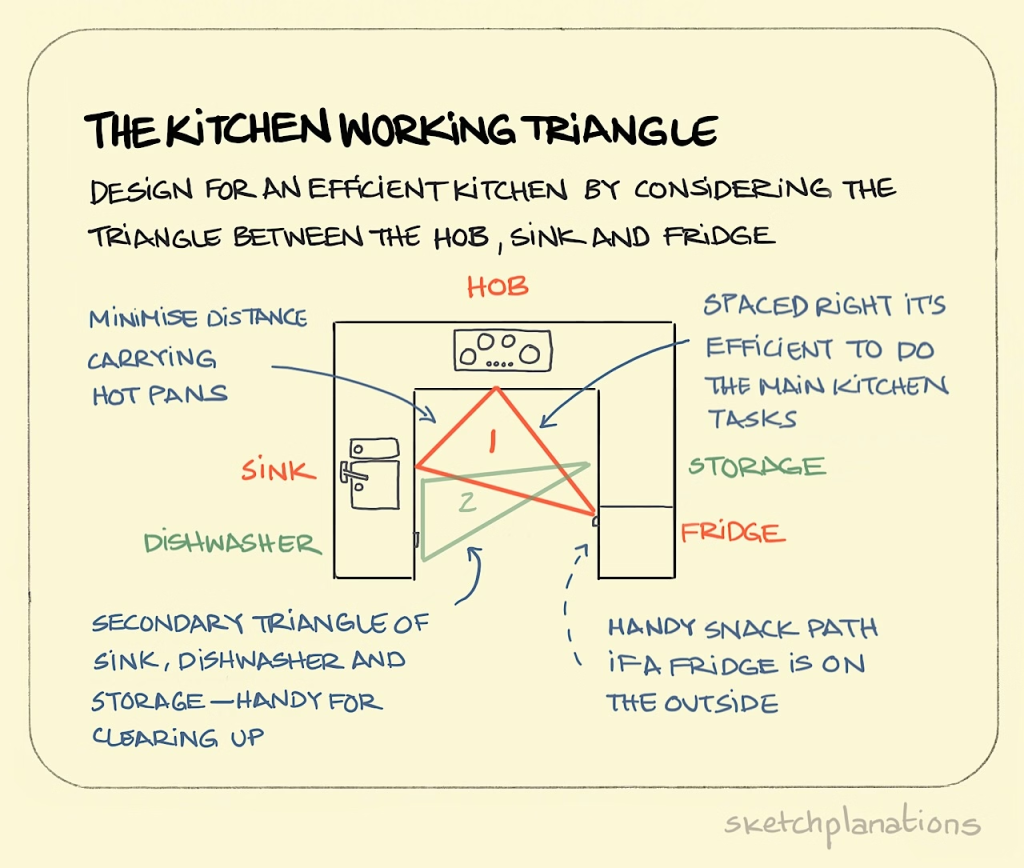
The “kitchen work triangle” — the relationship between your stove, sink, and refrigerator — has been a design principle for decades, and for good reason. When these three points are poorly positioned, your kitchen becomes exhausting to cook in, no matter how beautiful it looks.
What to do instead: Aim for each leg of the triangle to measure between 4 and 9 feet, with the total perimeter between 13 and 26 feet. If you’re going for an open or galley layout, think in terms of “work zones” instead — prep, cooking, and cleanup — and make sure traffic doesn’t run straight through them.
3. Underestimating the Budget
Kitchen remodels almost always cost more than homeowners initially expect. Hidden costs like outdated wiring, water damage behind cabinets, plumbing reroutes, or structural surprises can add thousands to the bill seemingly overnight.
What to do instead: Build a contingency fund of at least 15–20% on top of your estimated budget before you start. If you’re working with a contractor, get itemized quotes — not ballpark figures — and clarify what is and isn’t included. Surprises happen; being financially prepared for them keeps the project on track.
4. Choosing Style Over Function
It’s tempting to chase the trends — open shelving, farmhouse sinks, waterfall countertops — but if these choices don’t align with how you actually use your kitchen, you’ll regret them quickly. Open shelving looks stunning in photos but requires constant tidying. A deep farmhouse sink can be back-breaking if you’re short.
If you’re unsure which direction to take, it helps to first check out kitchen trends that are officially out for 2026 so you’re not investing in looks that are already dated.
What to do instead: Before falling in love with a design element, ask yourself: Does this fit how I actually cook and live? Think about your cleaning habits, your height, how many people use the kitchen, and whether you want things on display or tucked away. Function should always lead; style follows.
5. Getting Cabinet Sizing Wrong
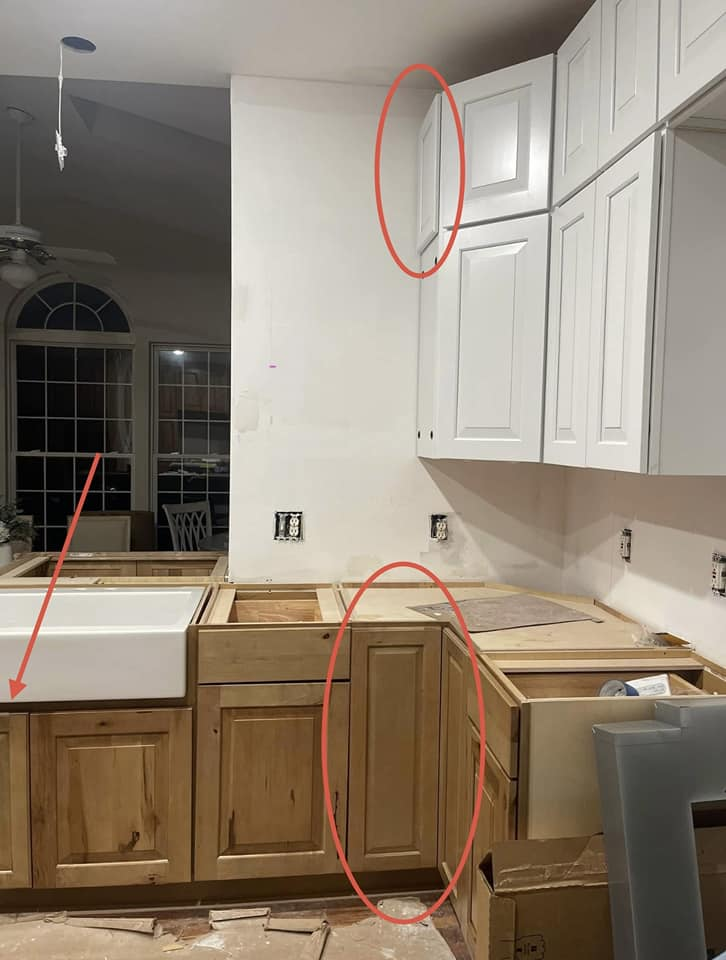
Cabinets are the backbone of any kitchen and typically account for 30–40% of the total remodeling budget. Choosing the wrong sizes — cabinets that are too shallow, too tall, or poorly spaced — can leave you with dead zones, wasted corners, and drawers that bang into each other.
What to do instead: Work with a kitchen designer or use cabinet planning software to map out every inch. Standard upper cabinet depth is 12 inches; base cabinets are 24 inches. Consider pull-out shelves for lower cabinets, lazy Susans for corners, and drawer-style lower cabinets rather than door-and-shelf configurations for far better accessibility.
For a deeper dive into what finishes and surfaces are actually worth investing in, our guide to stunning kitchen backsplash ideas for 2026 is a great place to start before making final material decisions.
6. Poor Lighting Design
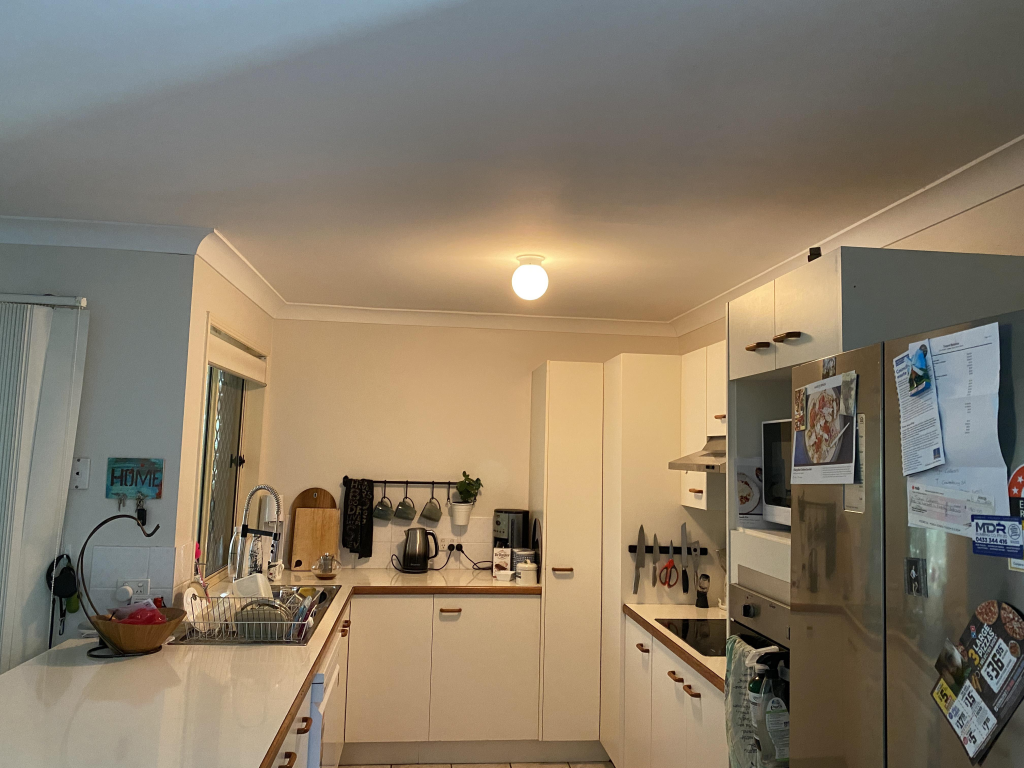
Lighting is one of the most overlooked elements in a kitchen remodel, yet it makes or breaks the space. Many homeowners rely on a single overhead fixture and then wonder why food prep feels like a chore — shadows fall exactly where you need to see.
What to do instead: Layer your kitchen lighting with three types: ambient (general overhead), task (under-cabinet lights directly over work surfaces), and accent (inside glass cabinets or over an island). LED strip lighting under cabinets is affordable, energy-efficient, and transformative. Plan your lighting early — running electrical after cabinets are installed costs significantly more.
7. Not Accounting for Ventilation
A beautiful range hood is partly decorative — but mostly functional. Inadequate ventilation leaves grease, steam, and cooking odors clinging to your new cabinets, walls, and ceiling. Over time, this can cause real damage and creates a persistent smell that no candle fixes.
What to do instead: Your range hood should be sized to the BTU output of your cooktop. As a general rule, you need 100 CFM (cubic feet per minute) of ventilation for every 10,000 BTUs your range produces. If you have a high-output professional range, make sure your ventilation system can actually keep up — and that it vents to the outside, not just through a recirculating filter.
8. Ordering Materials Too Late
Supply chain delays are real. Custom cabinets can take 8–16 weeks. Specialty tiles and stone countertops sometimes have long lead times. If you order materials only after demolition begins, you could find yourself living without a kitchen for months.
What to do instead: Order all custom materials — cabinets, countertops, special-order appliances, and tiles — before demolition starts. Confirm delivery windows with vendors and add buffer time. Keep the original packaging on appliances until they’re installed to avoid damage claims nightmares.
9. DIY-ing the Wrong Things
The DIY spirit is admirable and can save real money — but the kitchen is not the place to overestimate your skills. Electrical work, plumbing, gas line connections, and load-bearing wall modifications are areas where amateur mistakes can be dangerous, violate building codes, and cost far more to fix than they saved.
What to do instead: Be strategic about what you DIY. Painting cabinets, installing backsplash tile, swapping hardware, and even some flooring are great DIY candidates. Leave electrical panel work, new circuit runs, gas appliances, and structural changes to licensed professionals. Pulling permits where required also protects your home’s resale value.
10. Forgetting About Storage
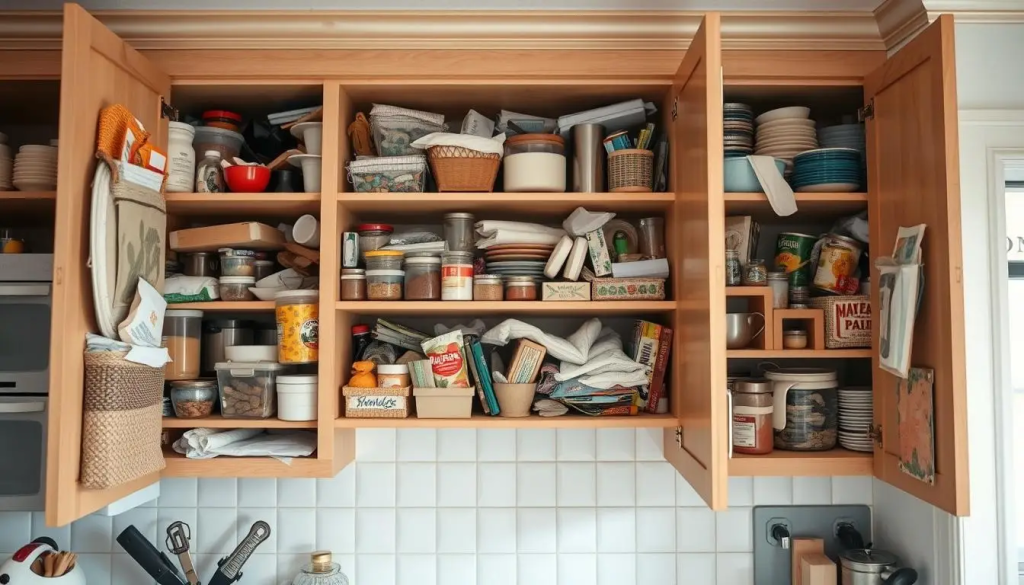
Homeowners often focus so much on countertops and appliances that storage becomes an afterthought — until the kitchen is done and there’s nowhere to put anything. A beautiful kitchen that lacks practical storage quickly becomes a cluttered, frustrating space.
What to do instead: Audit your current kitchen before the remodel. Count pots, pans, small appliances, pantry goods, and cleaning supplies. Then design your new kitchen around those real storage needs. Think vertically — carry cabinets up to the ceiling. Add a pantry cabinet or tall larder unit if the layout allows. Deep drawers outperform lower cabinet shelves for almost every use case.
If you’re drawn to warm, natural materials in your kitchen redesign, check out these Mediterranean kitchen designs with natural wood and stone textures for beautiful examples of storage done right alongside great aesthetics.
Final Thoughts
A successful kitchen remodel comes down to one thing: preparation. The more decisions you make before work begins, the smoother and less expensive the process will be. Take your time in the planning phase, work with professionals where it counts, and don’t let design trends override the practical needs of the space.
Your kitchen should be beautiful and work brilliantly for the way your family lives. Get those two things right, and everything else falls into place.
Looking for more kitchen and home improvement inspiration? Check out our guides on 2026 decor trends, small closet makeover ideas, and walk-in closet organization inspiration — or explore our full collection at TheWoodMeter.com.