In the age of digital minimalism, there is a profound yearning for the tangible. We crave texture, history, and the quiet hum of intellect. Enter the book—not just as a vessel for stories, but as a fundamental design object. While a Kindle holds a thousand titles, a well-styled shelf holds a thousand stories visually. A carefully curated collection of books can anchor a room, add warmth, and provide a window into the soul of the homeowner. This isn’t about hoarding; it’s about curating. Whether you are a voracious reader or simply an admirer of the aesthetic, we are exploring how to transform your collection from a messy pile into a striking design feature. Welcome to the art of brilliant bookish styling.
Why Book Styling Matters
Before diving into the techniques, it is worth understanding why styling your books is more than just an exercise in vanity. Books are personal artifacts. They represent your intellectual journey, your curiosities, and your escapes. Displaying them with intention does the following:
- Adds Instant Character: No other decor item carries the same weight of personality as a personal library. It tells visitors who you are without a single spoken word.
- Creates Warmth and Texture: Books introduce softness, color variation, and a tactile quality that sterile, book-free rooms lack. They absorb sound, making a space feel cozier.
- Elevates the Perceived Value of Your Space: A thoughtfully arranged bookshelf looks expensive and curated, regardless of the actual cost of the items on it.
- Encourages Reading: When your books are beautiful and accessible, you are far more likely to pick one up and read it. Styling isn’t about hiding your books; it’s about celebrating them.
10 Well-Structured Styling Ideas
Here are 10 distinct methods to style books, designed to give your readers actionable ideas and a variety of visual outcomes.
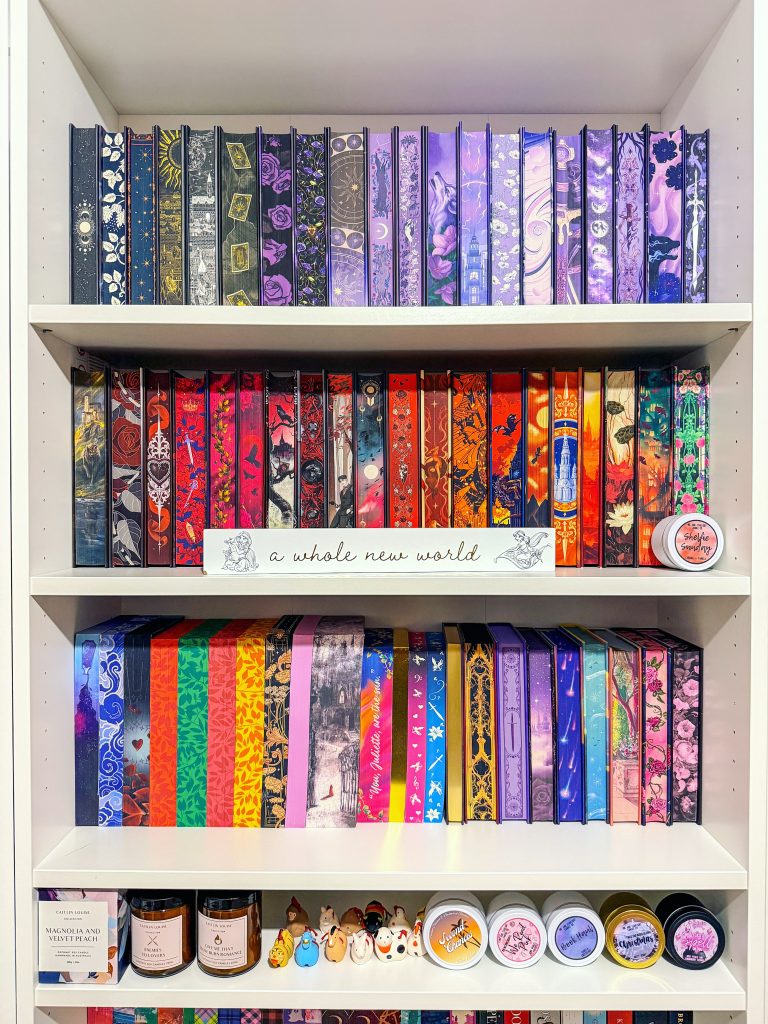
1. The “Ombre” Spectacle (Color Coding)
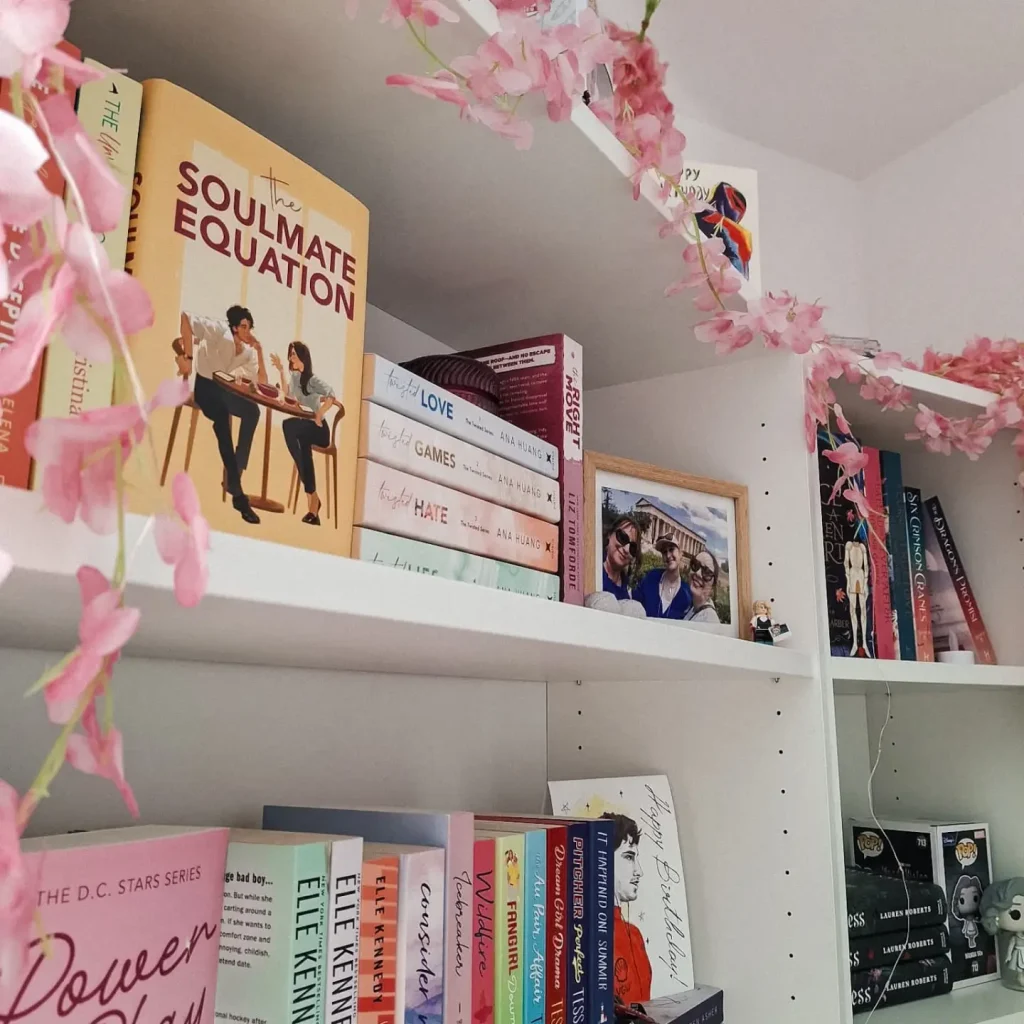
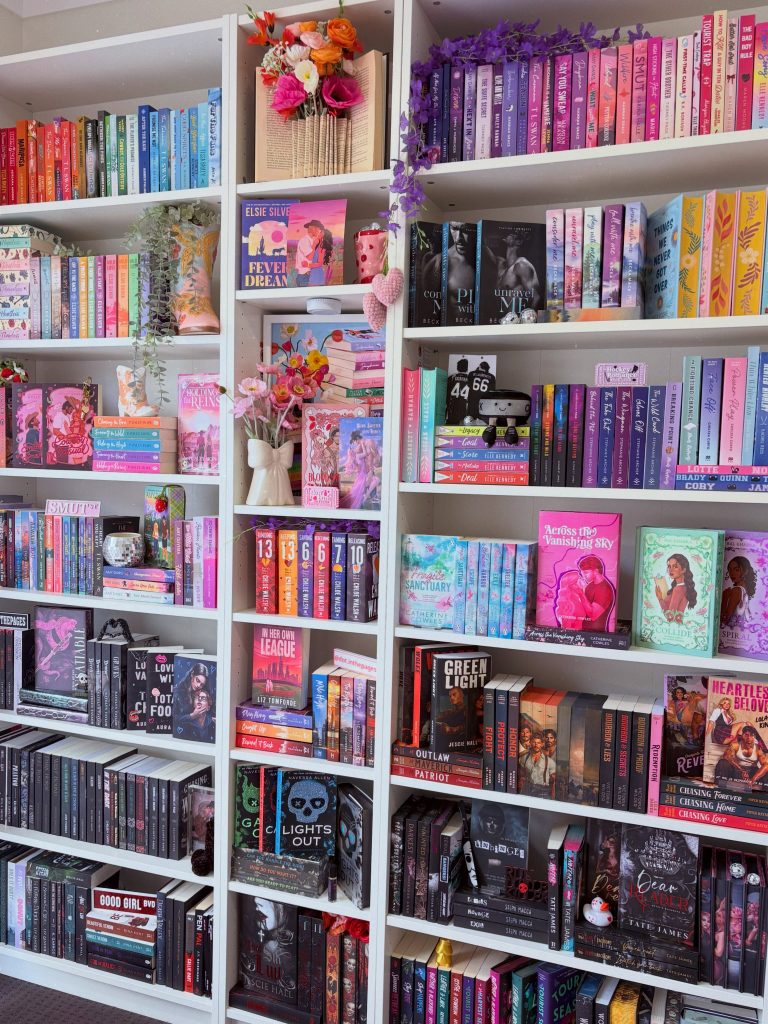
The Concept: Arrange your books by the colors of the rainbow (ROYGBIV) or in a smooth gradient from light to dark.
The Execution: Strip the dust jackets off to reveal the rich cloth covers (often better colors) or keep them on for a brighter palette. This creates a striking, almost artistic visual statement that immediately draws the eye.
Best for: Modern, minimalist, or contemporary spaces where you want the bookshelf to act as a piece of art rather than just storage.
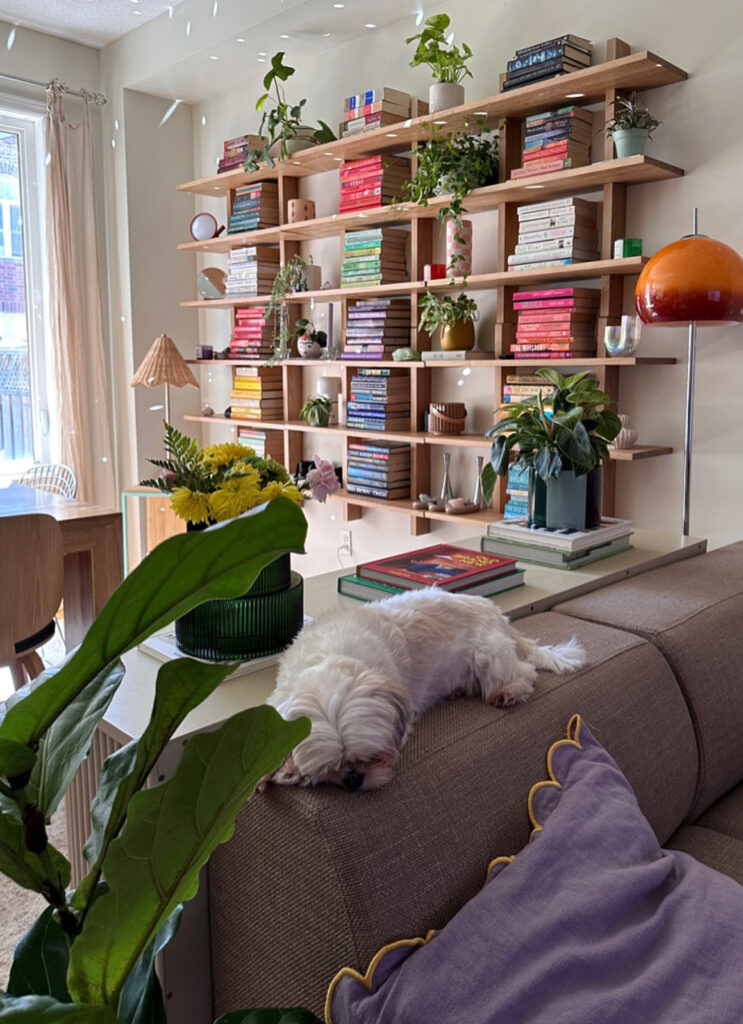
2. The Architectural Shift (Vertical & Horizontal)
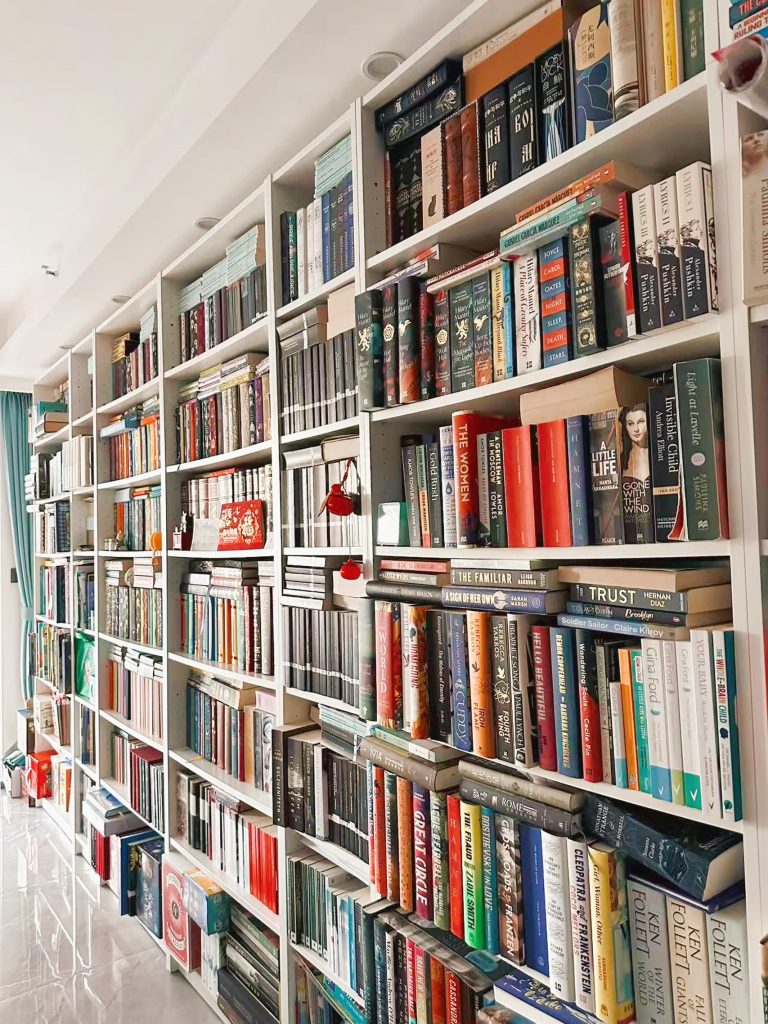
The Concept: Play with geometry by alternating between vertical spines and horizontal stacks.
The Execution: Stack three to four large books horizontally to act as a “plinth” or base. On top of this horizontal stack, place a vertical bookend or a small decorative object. This break in the pattern prevents the shelf from looking like a monotonous wall of text.
Best for: Bookshelves that require a more dynamic, energetic feel. It’s great for breaking up a long run of shelves.
3. The Bookend Anchor (Heavy & Decorative)
The Concept: Use objects, not just metal bookends, to “bookend” your collection.
The Execution: Place a heavy, decorative object (a vase, a bust, a large crystal) at the end of a row of vertical books. On the other side, use a stack of three heavy volumes placed horizontally. This “bookends” the vertical collection without needing ugly metal brackets.
Best for: Adding personality and introducing other materials (ceramic, marble, glass) into your library.
4. The “Reverse” Technique (Spines In)
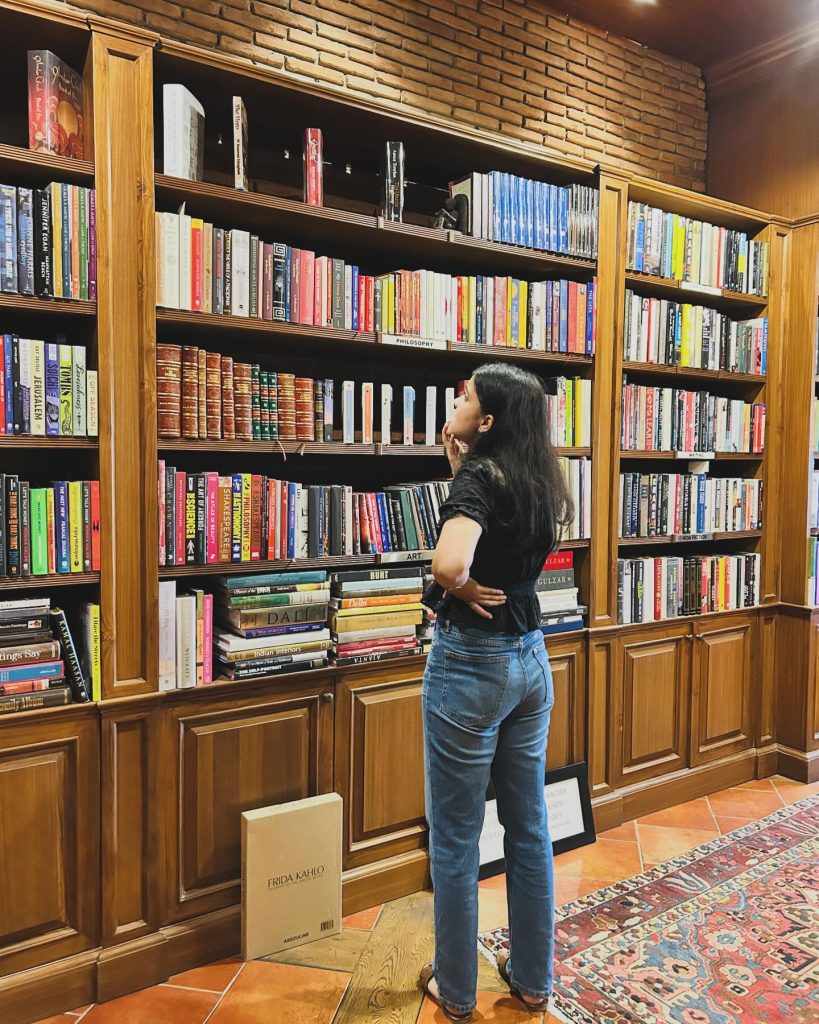
The Concept: Turn the books around so the pages face outwards, hiding the spines.
The Execution: This creates a uniform, warm, neutral palette (the color of aged paper) across the shelf. It reduces visual clutter and gives a cozy, serene, and academic feel.
Best for: Spaces that are crowded with color or pattern. It’s perfect for creating a “quiet corner” in a busy living room.
5. The Subject Clusters (Curated Collections)
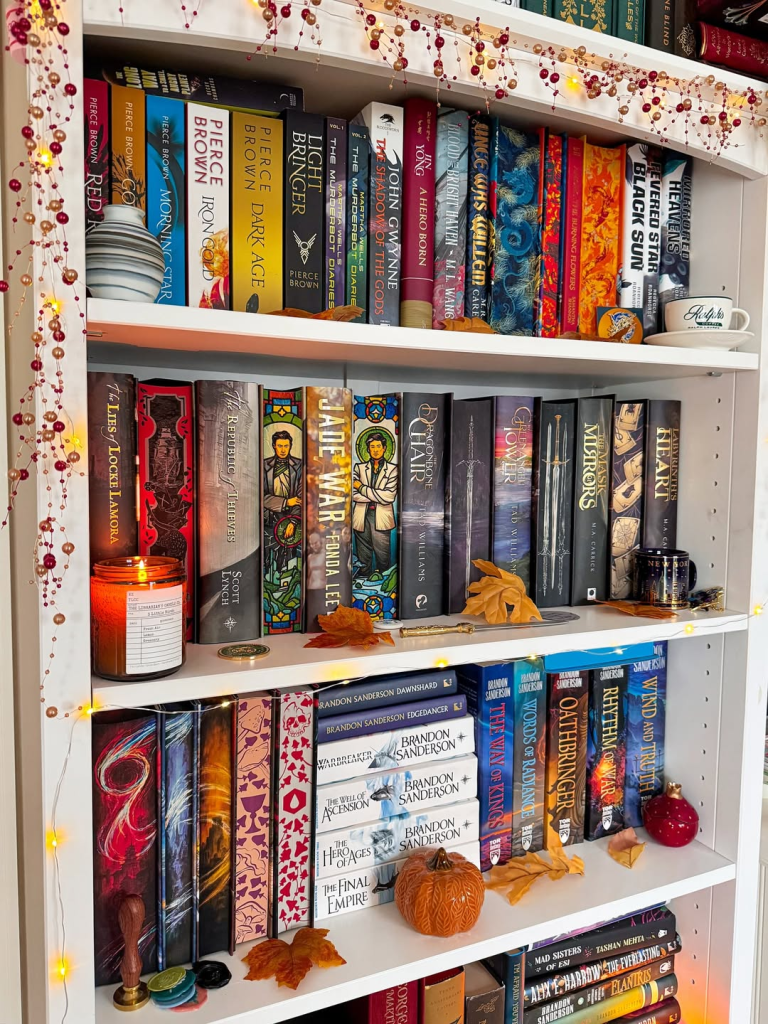
The Concept: Group books by topic or genre, but style them as vignettes.
The Execution: Dedicate a section to “Travel” and place a globe next to it. Group “Art” books with a small sculpture. This creates a micro-narrative on each shelf. It shows that your books are used and loved, not just props.
Best for: Personal studies, home offices, or living rooms where you want to showcase your interests and hobbies.
6. The Negative Space Theory (Less is More)
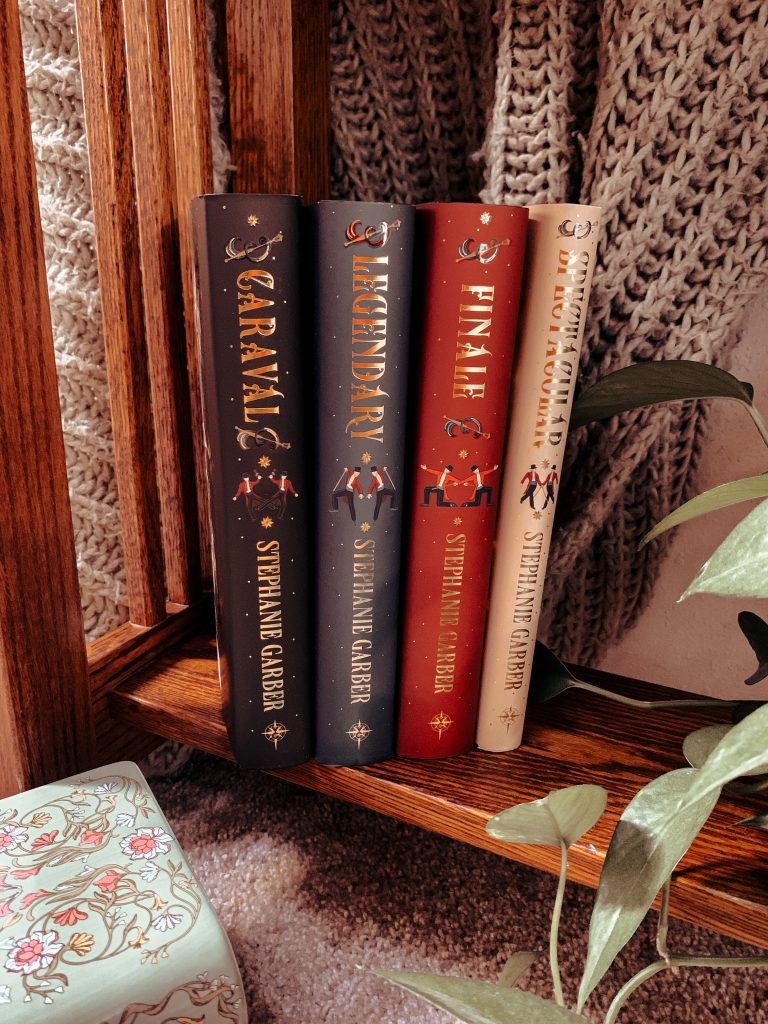
The Concept: Embrace the empty space. Don’t fill every inch of the shelf.
The Execution: Leave gaps between book clusters. This “breathing room” makes the books you do have feel more precious and expensive. It prevents the bookshelf from looking like a storage unit.
Best for: High-end, curated, and “editorial” looks where restraint is the key.
7. The Tonal Textural Mix (Volume & Fabric)
The Concept: Mix the materials on the shelf.
The Execution: Combine your hardcovers with one or two softcover books that are ‘worn in’ to add texture. Place a small woven basket or a leather-bound journal next to them. The contrast between smooth dust jackets and rough textiles adds depth and warmth.
Best for: Bohemian, cozy, or rustic interiors where tactile feeling is important.
8. The Floating Library (Ledge Styling)
The Concept: Use picture ledges or narrow floating shelves.
The Execution: This forces you to be selective. Only put one or two books facing out (cover forward) and stack a few vertically. The cover-forward books act like art pieces themselves, changing the “artwork” on your wall whenever you swap the book.
Best for: Hallways, kitchens, or above desks where wall space is limited.
9. The “Stack” as Side Table
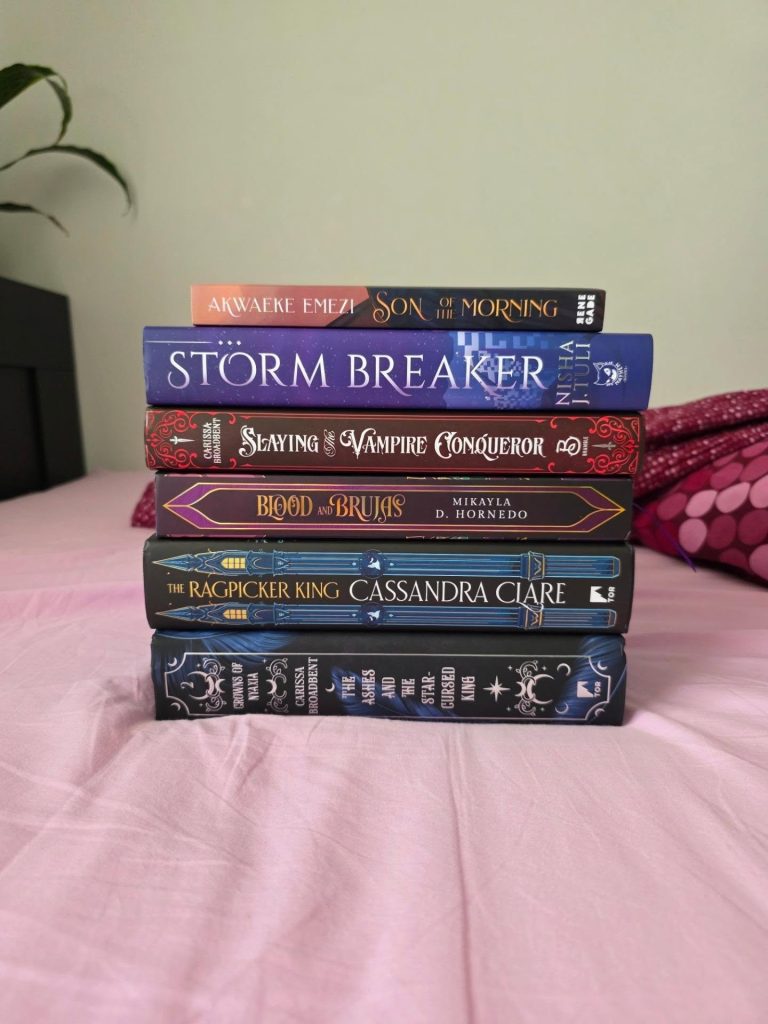
The Concept: Build a functional piece of furniture from books.
The Execution: Select large, sturdy coffee table books (preferably in a similar color palette) and stack them 8-12 high. Place a decorative tray on top to create a stable surface for a candle or a coffee cup.
Best for: Rooms lacking a side table or for creating an extra perch in a reading nook.
10. The Dust Jacket Edit (Go Naked)
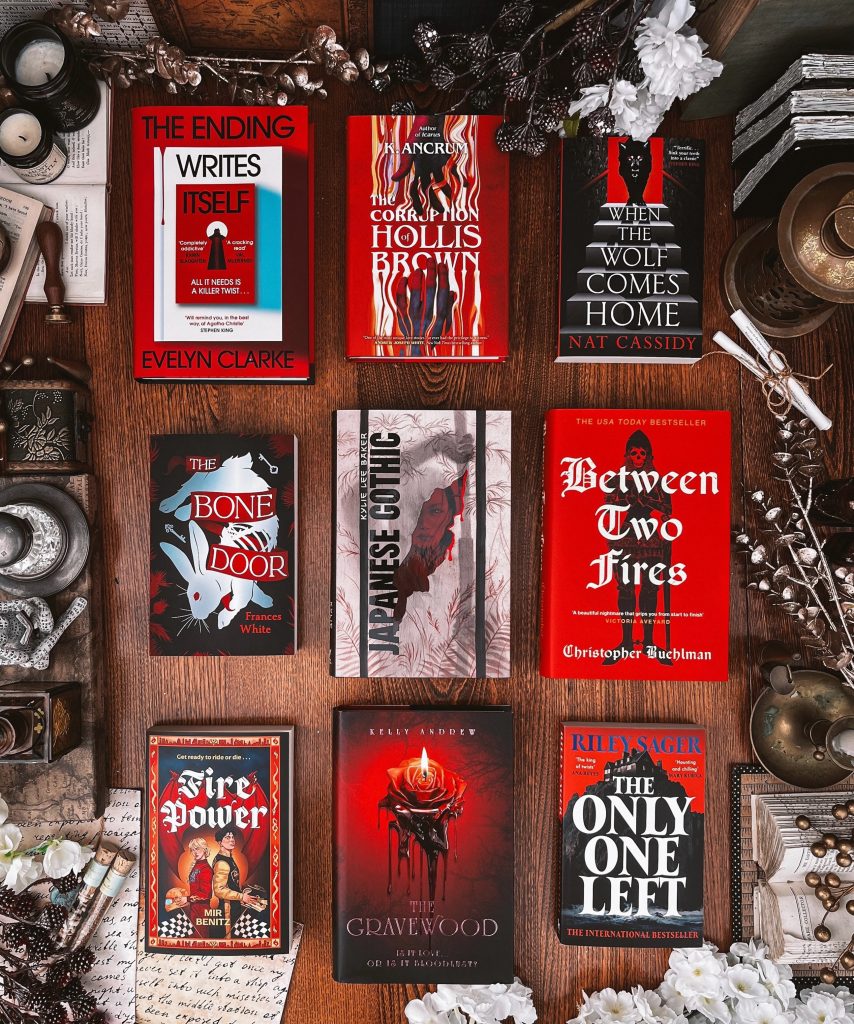
The Concept: Remove the dust jackets for a uniform, classic look.
The Execution: Dust jackets are often loud and designed to sell. By removing them, you reveal the timeless, elegant cloth boards underneath. This instantly makes any collection look like a vintage library. Store the jackets safely away if you are a collector.
Best for: Traditional, classic, or vintage interiors where a sense of history and elegance is desired.
The Essential Toolkit: What You Need Before You Start
Styling a shelf requires more than just books. To achieve a professional, layered look, gather these supporting elements:
| Category | Items to Consider |
|---|---|
| Decorative Objects | Vases, small sculptures, geodes, ceramic bowls, clocks, framed photos, candle holders |
| Natural Elements | Potted plants (trailing or small succulents), dried flowers, driftwood, coral, stones |
| Textiles | Small woven baskets, leather journals, fabric-covered boxes, ribbon or twine |
| Lighting | Picture lights, small table lamps, LED strip lights (for backlighting shelves) |
| Bookends | Marble blocks, metal geometric shapes, heavy vintage objects, or simply horizontal books |
| Tools | A level, measuring tape, and a damp cloth for dusting |
Pro Tip: Restrict your color palette for these accessories. If your books are colorful, opt for neutral accessories (white, black, brass, wood). If your books are neutral, use accessories to inject a pop of color.
Common Mistakes to Avoid
Even with the best intentions, book styling can go wrong. Here are pitfalls to watch for:
- Overcrowding: Cramming every shelf to capacity makes the room feel chaotic and cluttered. Always leave at least 10-20% of the shelf empty.
- Ignoring Height Variation: Placing all books at the same height creates a dull, flat line. Mix tall art books with short paperbacks and horizontal stacks.
- Forgetting the Backdrop: Dark books on a dark shelf get lost. Consider painting the back of your bookcase a contrasting color (like a deep navy or soft wallpaper) to make the books pop.
- Neglecting Dust: Books are dust magnets. A dusty shelf looks neglected. Regular dusting is essential to maintain the “curated” look.
- Sticking to One Styling Rule: Don’t apply the same technique to every shelf. Mix different ideas from this list across your bookcase to keep it visually interesting.
- Using Books You Don’t Care About: If you are using books purely as props, it shows. Your collection should reflect your genuine interests for an authentic feel.
Maintaining Your Styled Library
A beautiful bookshelf is not a one-time project; it requires ongoing care. Follow these maintenance tips:
- Dust Regularly: Use a microfiber cloth or a soft brush attachment on a vacuum. Dust at least once a month to prevent buildup.
- Rotate Seasonally: Swap out a few books or accessories with the seasons. Add warmer tones in autumn and lighter, brighter covers in summer.
- Reassess Annually: Once a year, take everything off your shelves. Clean them thoroughly, and reassess your collection. Donate books you no longer love and reorganize the rest.
- Avoid Direct Sunlight: Ultraviolet rays will fade and damage book spines over time. Position your bookshelves away from direct sunlight or use UV-protective film on windows.
- Handle with Care: When pulling books out, support the spine to prevent damage. This preserves both the book and the aesthetic.
Beyond the Shelf: Bookish Styling in Other Spaces
Books don’t belong only on bookshelves. Consider these creative placements:
- The Coffee Table: A stack of three large, visually stunning coffee table books serves as a natural centerpiece. Top it with a small tray or a single objet.
- The Bedside Table: One or two carefully chosen books (your current read plus a classic) placed neatly on a bedside table adds an intellectual, calming vibe.
- The Mantelpiece: A horizontal stack of books on one side of the mantel, balanced by a tall vase on the other, creates a sophisticated symmetry.
- The Kitchen Island: A single cookbook displayed on a stand or a small stack of recipe books adds warmth and function to a kitchen space.
- Window Sills: A low stack of books with a small plant on top makes use of otherwise wasted space and catches natural light beautifully.
Conclusion
Styling your books is ultimately an act of self-expression. It is about honoring the stories that have shaped you while simultaneously crafting a space that feels like home. The ten techniques explored here are not rigid rules but rather a flexible toolkit. Some days you may crave the serene uniformity of the Reverse Technique; other days, the vibrant energy of the Ombre Spectacle may call to you.
Remember that the most beautiful bookshelves are never static. They evolve with you—growing, shifting, and changing as you acquire new favorites and revisit old classics. Embrace the process, experiment fearlessly, and let your shelves tell your unique story. After all, a home without books is like a body without a soul. Style them brilliantly, and they will reward you with a lifetime of beauty and inspiration.
