As bedroom design evolves in 2026, the focus shifts toward adaptable, sustainable, and tech-integrated spaces that still prioritize rest. Yet many homeowners still fall into outdated traps—from over-automating their sleep sanctuary to ignoring biophilic basics.
Why These Mistakes Matter More in 2026
Bedroom design has shifted from purely aesthetic to deeply functional. In 2026, three macro trends make these errors particularly costly:
- The Sleep Crisis – With rising awareness of sleep’s impact on mental and physical health, any décor choice that disrupts rest (like poor lighting or bad bedding) directly harms well-being.
- The Hybrid Home – Bedrooms now double as workspaces, gyms, or meditation nooks. Mistakes like clutter or bad acoustics affect productivity and recovery in the same small square footage.
- The Sustainability Mandate – Fast furniture and synthetic materials are falling out of favor. Making mistake #7 (cheap bedding) or #8 (matchy-matchy sets) wastes money and resources on short-lived pieces.
Below are ten common bedroom décor mistakes to sidestep this year.
1. Overloading on Smart Tech
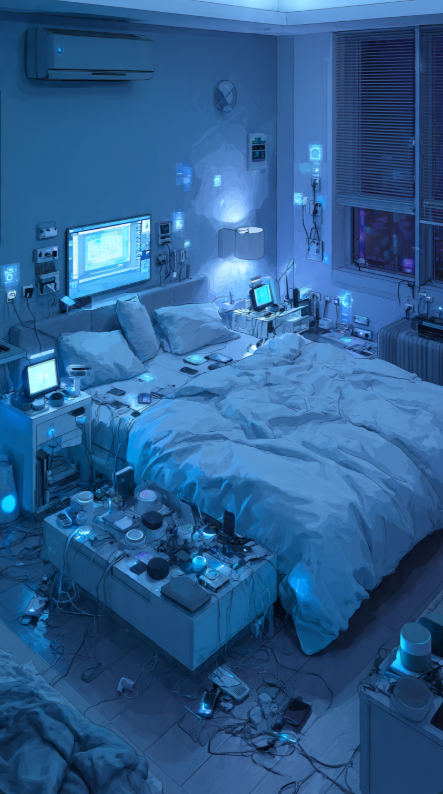
Installing voice-controlled lights, sleep trackers, and automated blinds is tempting, but too many devices create visual clutter and disrupt relaxation.
2. Ignoring “Soft Minimalism”
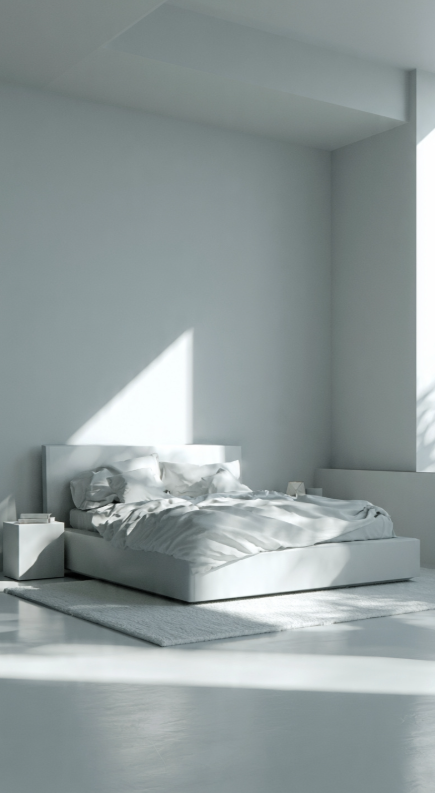
Harsh, all-white minimalism feels cold in 2026; instead, embrace soft curves, textured fabrics, and warm neutrals for a calming, layered look.
3. Choosing Style Over Sleep Quality
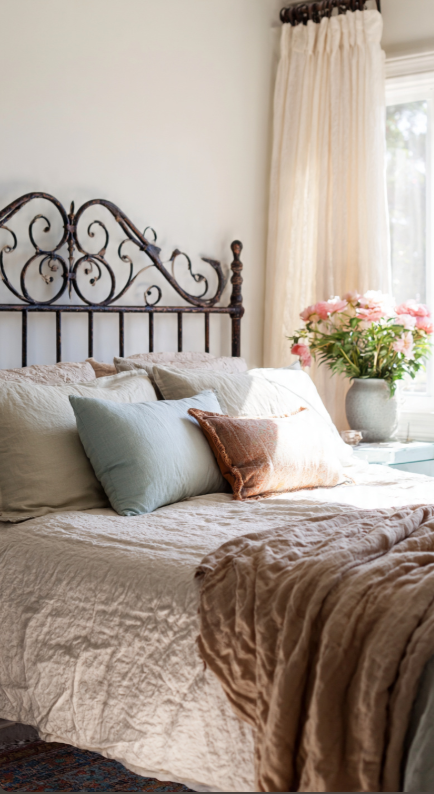
Prioritizing an ornate metal headboard or trendy linen that doesn’t breathe can ruin your sleep—always test materials for comfort and airflow first.
4. Placing the Bed Against the Only Window
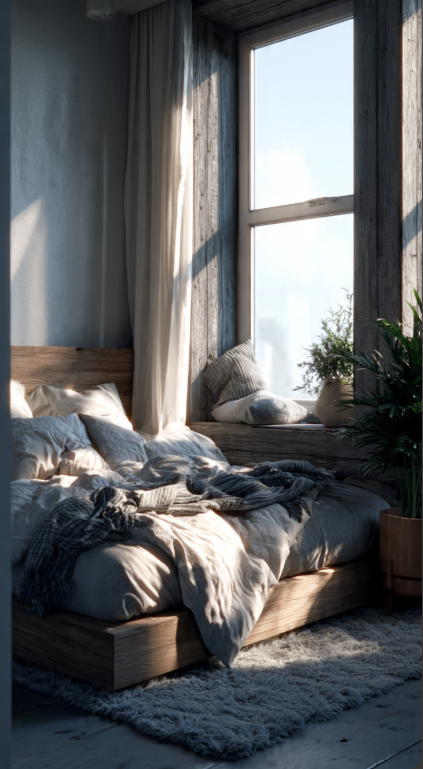
Blocking natural light or your view of greenery (a 2026 wellness must) makes the room feel smaller and less refreshing.
5. Forgetting Adjustable Lighting Layers
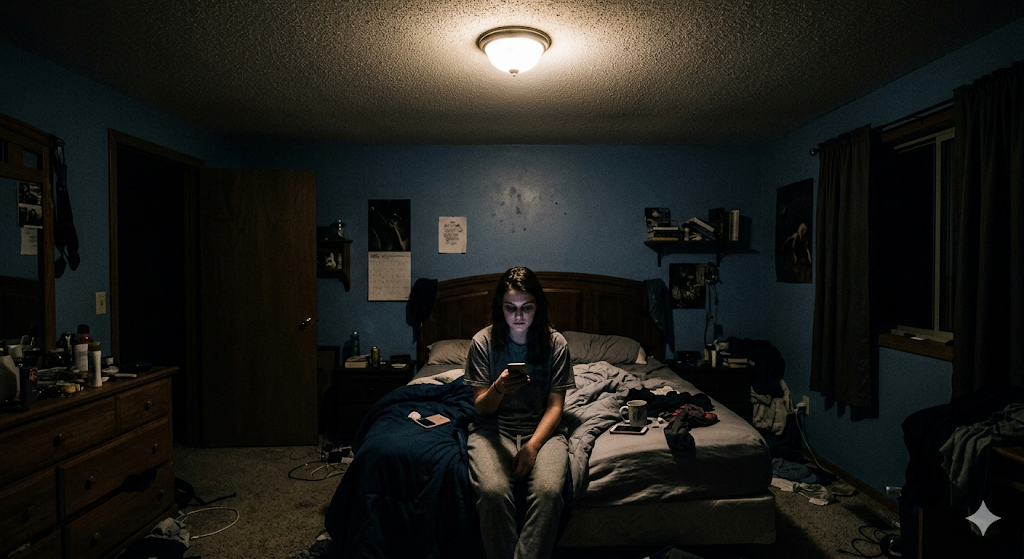
A single overhead fixture is a recipe for harsh shadows; use dimmable bedside lamps, wall sconces, and LED strips with tunable warm-to-cool tones.
6. Overlooking Acoustic Comfort
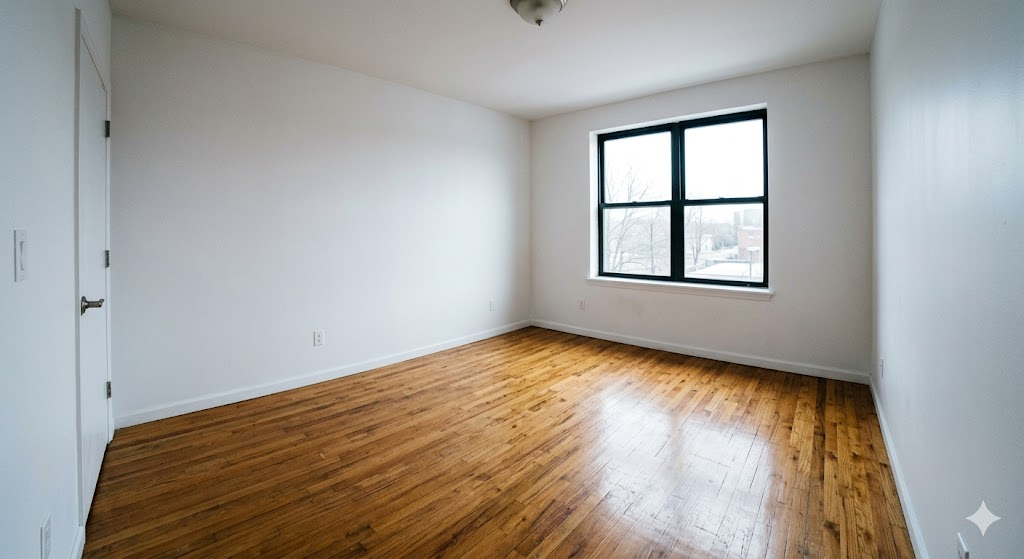
Hard floors and bare walls amplify noise—add a rug, acoustic panels disguised as art, or heavy curtains to create a quieter, more restful space.
7. Using Fast-Fashion Bedding
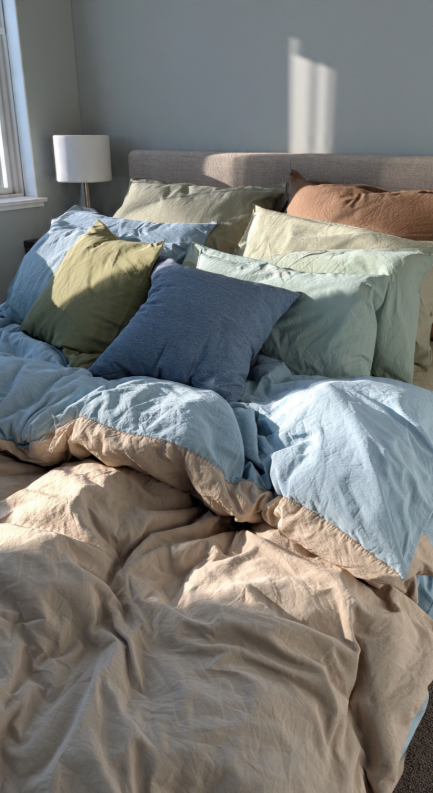
Cheap synthetic sheets pill quickly and trap heat; in 2026, invest in certified organic cotton, hemp, or Tencel for durability and thermal regulation.
8. Sticking to a “Matchy-Matchy” Set
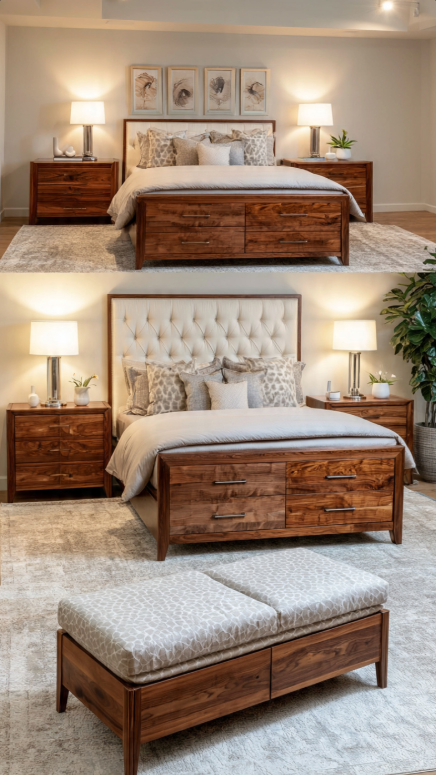
Identical nightstands and a full matching bedroom suite feel dated—mix wood finishes, metal accents, and vintage finds for personality and warmth.
9. Hiding All Personal Items
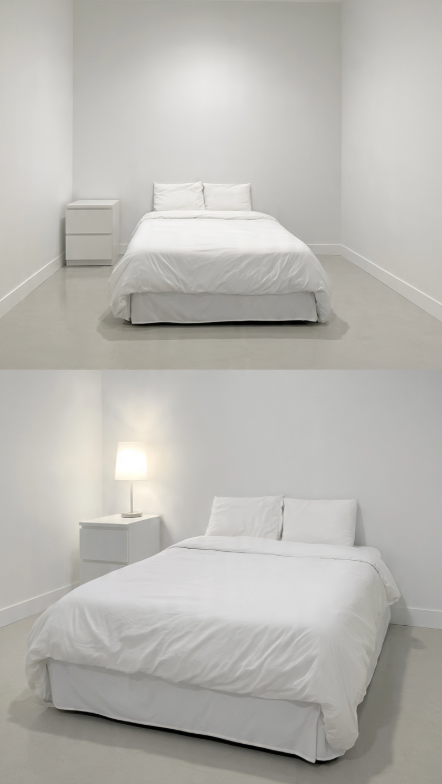
Over-sterile rooms feel like hotel lobbies; display a few meaningful books, a ceramic piece, or a family photo to ground the space emotionally.
10. Neglecting the Ceiling as a Fifth Wall
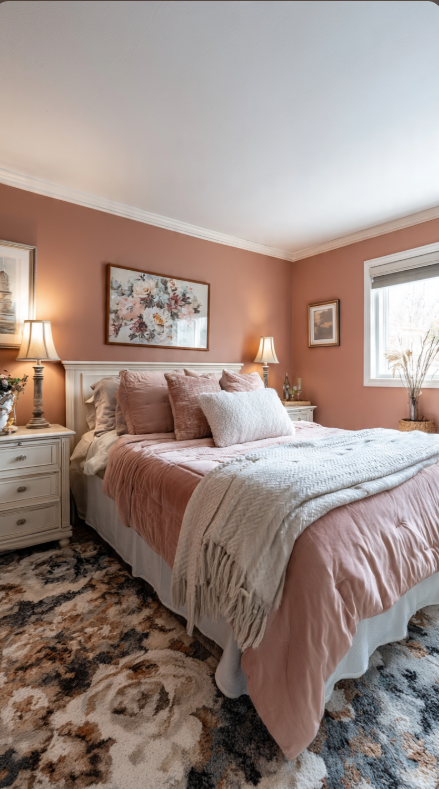
Leaving the ceiling plain white misses an opportunity—try a soft earthy tone, peel-and-stick acoustic tiles, or a subtle starburst mural for depth.
How to Fix These Mistakes Without Starting Over
You don’t need a full renovation. Here’s a quick-fix table for each problem:
| Mistake | One Low-Effort Fix (Under $50 or 1 hour) |
|---|---|
| 1. Too much smart tech | Move 2 devices to another room; use one physical dimmer switch |
| 2. Harsh minimalism | Add one textured throw blanket and one curved floor lamp |
| 3. Style over sleep | Swap pillowcases for 100% cotton; remove non-functional decorative pillows |
| 4. Bed against window | Pull bed 6 inches forward; add sheer curtains to soften light |
| 5. No layered lighting | Buy two plug-in wall sconces ($30 each) – no electrician needed |
| 6. Bad acoustics | Add a $40 shaggy rug or hang a quilt on the largest bare wall |
| 7. Fast-fashion bedding | Buy one organic cotton fitted sheet (start small) |
| 8. Matchy-matchy | Swap one nightstand lamp with a thrifted or different-colored one |
| 9. Too sterile | Display 3 personal items on a tray – book, candle, small photo |
| 10. Blank ceiling | Use removable wallpaper circles or stick-on acoustic tiles (under $30) |
The 2026 Bedroom Décor Checklist (Before & After)
Use this printable-friendly checklist before you buy or rearrange anything.
✅ Before You Start (The Pre-Check)
- Do I know where natural light hits throughout the day?
- Have I measured my room (including ceiling height)?
- Do I actually need a new item, or can I rearrange?
✅ The 2026 Bedroom Must-Haves
- At least 2 light sources (1 warm, 1 adjustable)
- Bedding with a breathable fabric label (cotton, linen, Tencel)
- 1 soft texture (rug, wool throw, velvet cushion)
- 1 acoustic buffer (curtains, wall hanging, bookshelf)
- 1 personal object visible from the bed
- Ceiling treated (color, texture, or acoustic tile)
❌ Red Flags to Avoid
- More than 3 smart devices within arm’s reach of bed
- All furniture from the same collection
- Zero visible personal items
- Single overhead light only
- Polyester bedding tag
Pro Tips from 2026 Interior Trends
- The 70-20-10 Rule for Bedrooms – 70% calming neutrals, 20% warm accent color (terracotta, olive, ochre), 10% personal character pieces.
- The “One Touch” Tech Rule – For every smart device, have one manual control (dimmer, physical switch, pull-chain). This prevents digital fatigue.
- The Floor-to-Ceiling Test – Stand in your doorway. Your eyes should travel smoothly from floor (rug), to mid-level (bed, nightstand), to ceiling without any single area feeling empty or overloaded.
- Biophilic Minimum – At least one living plant, one natural material (wood, stone, wool), and one view of greenery (even a small framed botanical print).
When to Break These Rules (Yes, Really)
Every rule has exceptions. Here’s when ignoring the above advice actually works:
| Rule | Acceptable Exception |
|---|---|
| No smart tech overload | If you have a diagnosed sleep disorder and need multiple monitors (CPAP, O2, heart rate) – function over form |
| Bed away from window | In a studio apartment where the bed is the couch – sightlines matter more |
| Matchy-matchy set | In a very small child’s room where symmetry reduces overstimulation |
| Personal items hidden | If you rent and show the room for sublets – sterile can sell faster |
| Blank ceiling | In a rental with popcorn ceiling you’re not allowed to touch – pick your battles |
Conclusion
Your bedroom should not look like a furniture catalog, a tech expo, or a minimalist prison cell. In 2026, the best bedrooms are layered, livable, and slightly imperfect.
The ten mistakes outlined here share a common root: choosing trends over truth. A gorgeous headboard means nothing if you sleep poorly. Voice-controlled curtains don’t help if the room echoes. And matching nightstands will never replace the warmth of a room that actually feels like yours.
Start small. Fix just three mistakes from this list – perhaps better lighting, softer bedding, and one personal object. You’ll notice the difference in a single night’s sleep.
Finally, remember that décor is a process, not a photo shoot. The goal isn’t perfection. It’s a room that welcomes you when you’re tired, supports you when you’re working, and quietly fades into the background when you need peace.
That’s the bedroom of 2026. Not smarter. Not trendier. Just better.
