In a world that never seems to stop, the Japanese approach to interior design offers something increasingly precious: a quiet refuge. The traditional Japanese room, or washitsu, embodies a design philosophy that has evolved over centuries, rooted in Zen Buddhism, a deep reverence for nature, and the pursuit of harmony .
Unlike Western design that often fills spaces with furniture and ornaments, Japanese interiors embrace the concept of ma—the intentional, meaningful emptiness between things . This isn’t about deprivation; it’s about curation. Every element in a Japanese-style room serves a purpose, whether practical or aesthetic, and contributes to an overall sense of calm.
What makes Japanese room ideas so universally appealing is their remarkable adaptability. Whether you live in a sprawling house or a compact city apartment, the principles of Japanese design can transform your space. By combining neutral palettes, natural materials, low-profile furniture, and thoughtful lighting, you can create an environment that promotes mental clarity and genuine relaxation .
This article explores 13 Japanese room ideas that will help you bring timeless tranquility into your modern living space—whether you’re aiming for pure traditional authenticity or a contemporary wa-modern fusion.
13 Japanese Room Ideas
1. Embrace Low-Profile Furniture
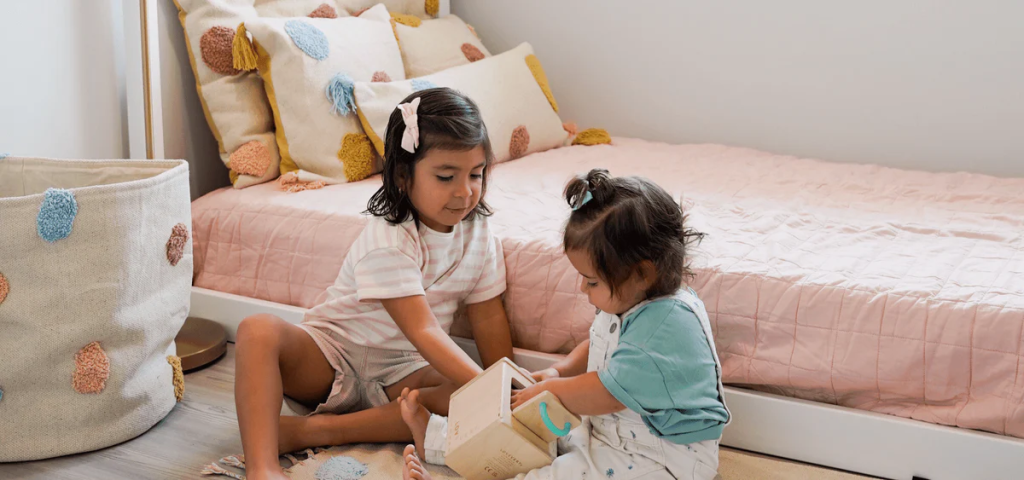
One of the quickest ways to infuse Japanese aesthetics into a room is by lowering your furniture. Platform beds, floor cushions (zabuton), and low wooden tables (chabudai) create a grounded, intimate atmosphere and visually lower the ceiling, making rooms feel more spacious . This connection to the floor is central to traditional Japanese living, fostering a sense of closeness and mindfulness.
2. Choose a Neutral, Nature-Inspired Palette
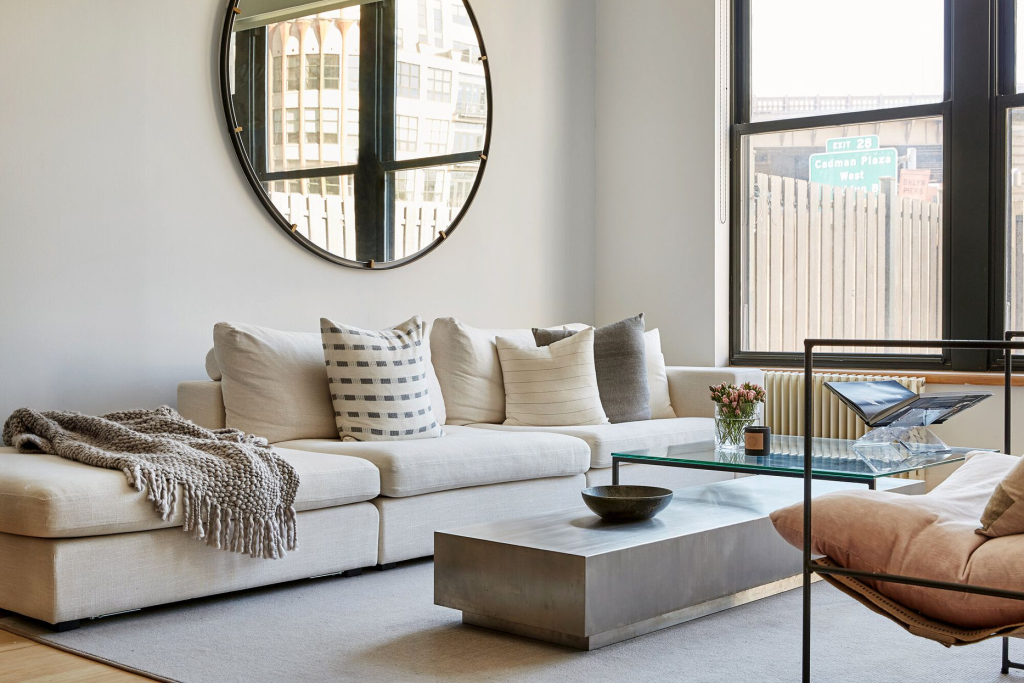
Japanese interiors favor a restrained color scheme dominated by whites, beiges, taupes, and soft greys . These muted earth tones provide a calming backdrop that doesn’t compete with the textures of natural materials. Wood tones and occasional accents of charcoal, indigo, or muted green add depth without disrupting the serene atmosphere .
3. Declutter and Embrace Intentional Minimalism
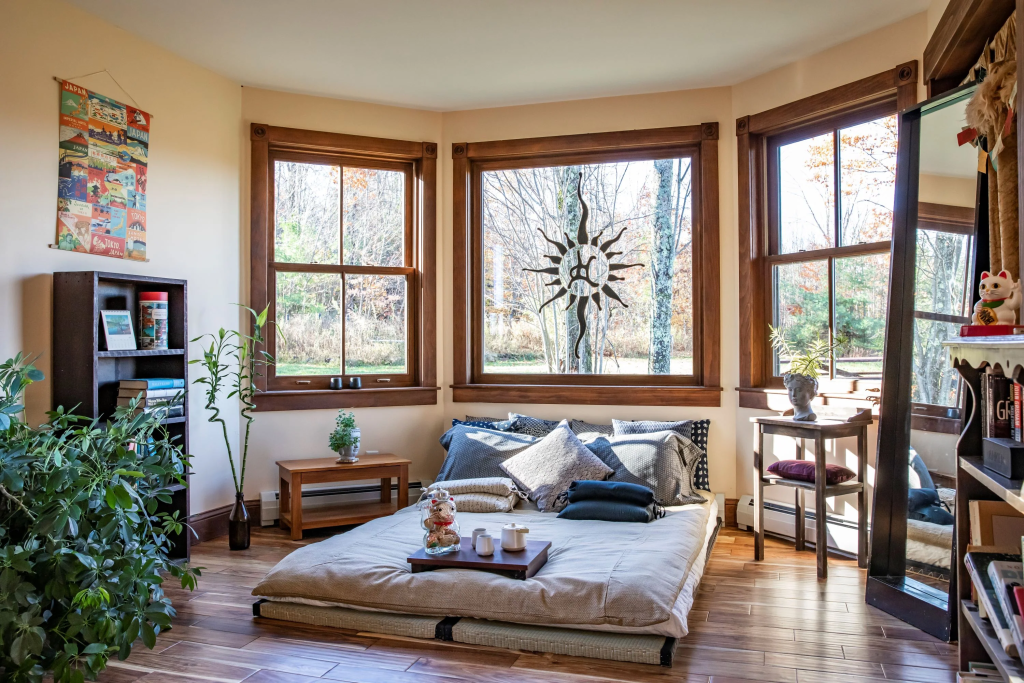
At its core, Japanese design is about simplicity. Clear surfaces of non-essentials and keep only items that serve a purpose or bring genuine joy . This practice, similar to the KonMari method, reduces visual chaos and promotes mental clarity. Every object should have a designated home—preferably out of sight—to maintain the clean, orderly aesthetic.
4. Incorporate Natural Materials
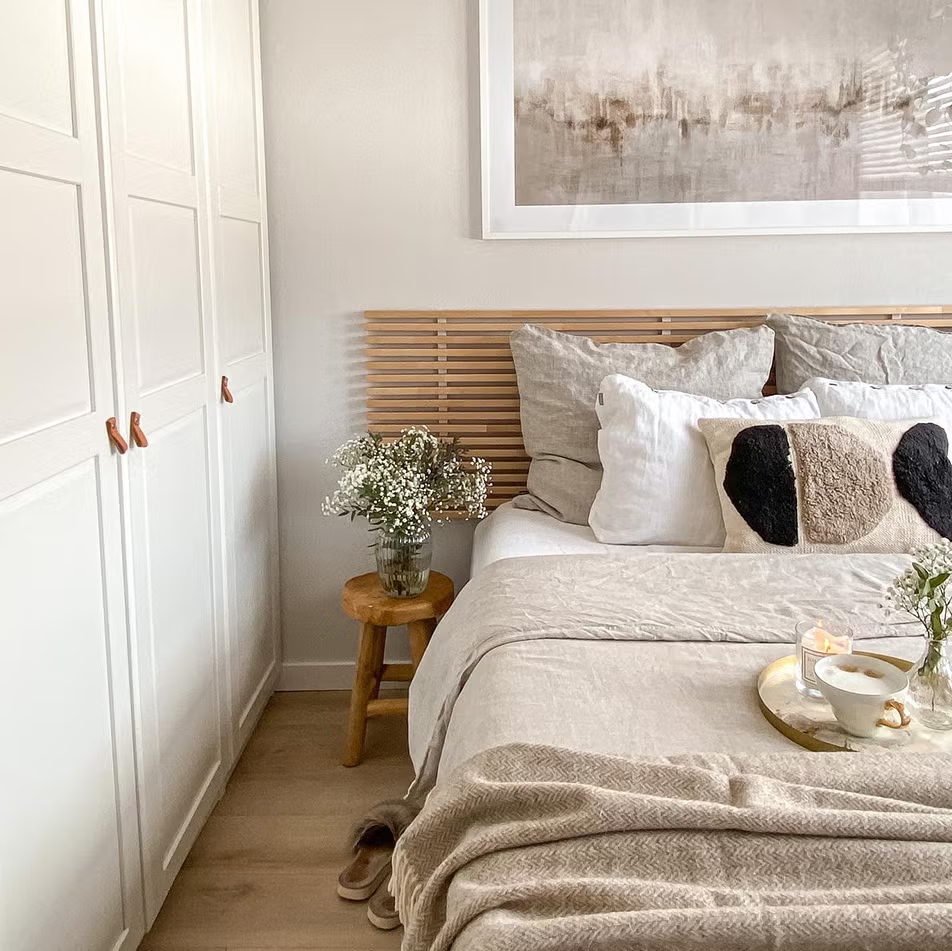
Authentic Japanese style relies heavily on materials like wood, bamboo, linen, cotton, and rice paper . These organic elements add warmth, texture, and a tangible connection to nature. Consider light oak or birch for flooring and furniture, bamboo for shelving or blinds, and linen or cotton for bedding and curtains .
5. Install Shoji Screens or Sliding Panels
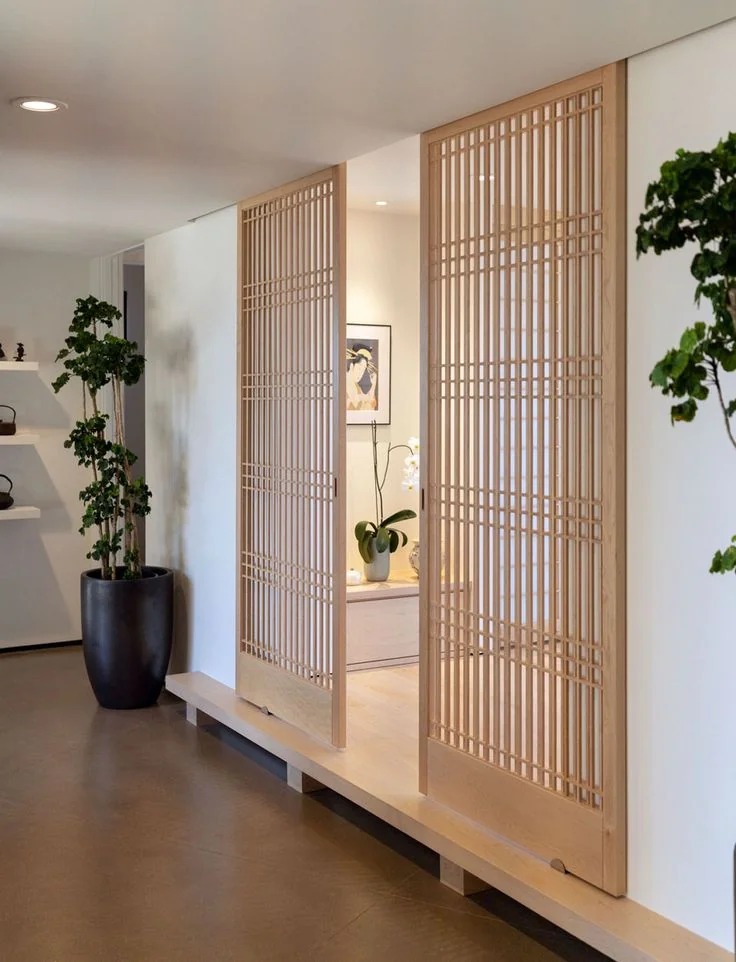
Shoji screens—traditional sliding doors with wooden frames and translucent paper—are iconic elements of Japanese design . They diffuse natural light beautifully, provide privacy, and can divide spaces flexibly without adding visual weight. For modern homes, frosted glass or acrylic alternatives offer similar aesthetics with enhanced durability .
6. Add Tatami Mats or Textures
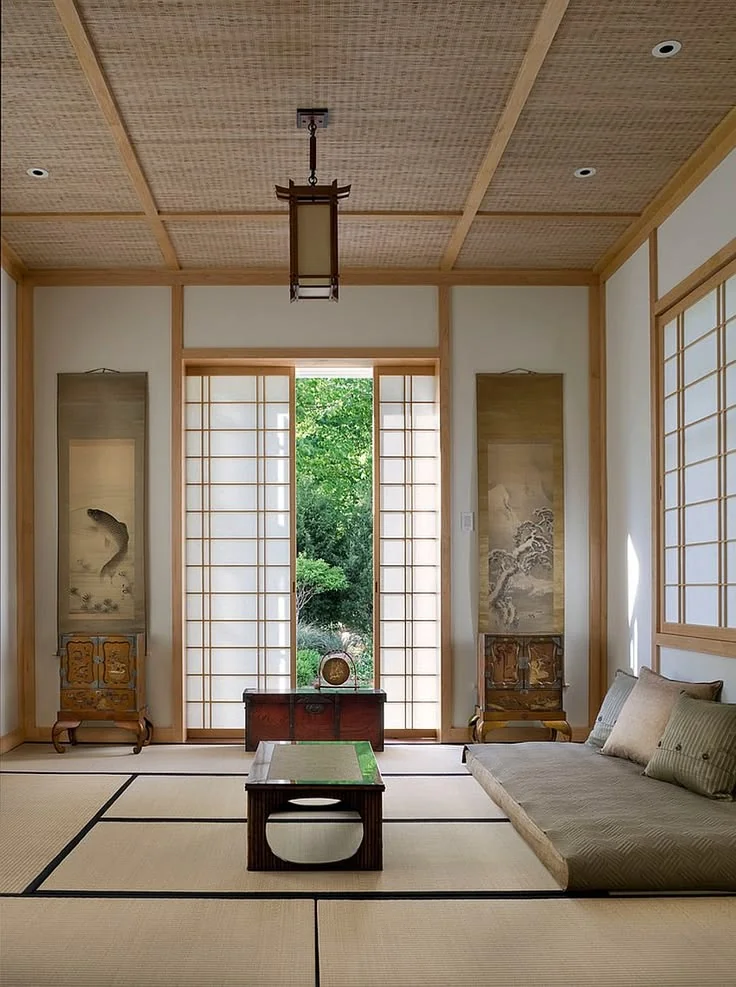
Tatami, the traditional woven rush grass flooring, is the foundation of the Japanese room . Its subtle fragrance and unique texture create an instant Japanese atmosphere. If full tatami flooring isn’t feasible, consider tatami-style rugs, mats at the foot of the bed, or tatami-look textures in your flooring to capture the same aesthetic .
7. Create a Focal Point with a Tokonoma Niche
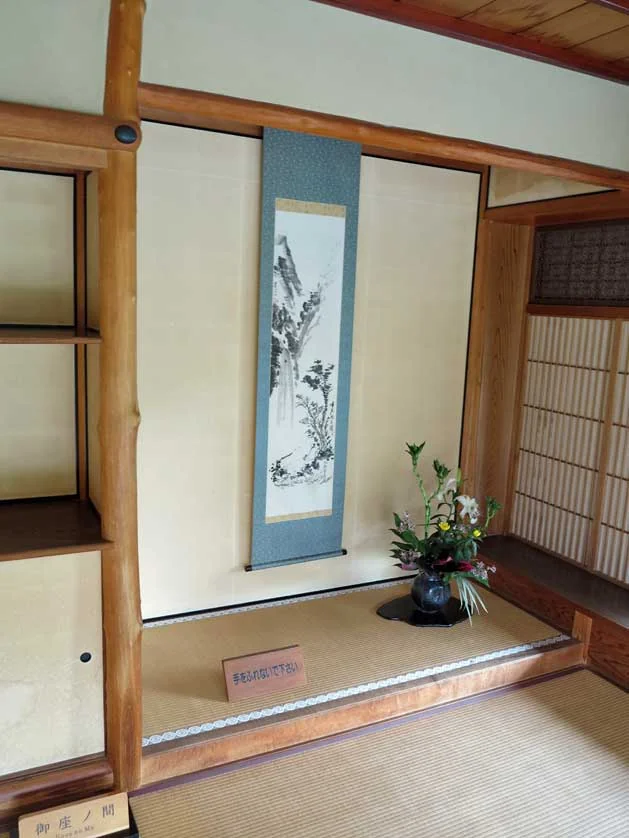
A tokonoma is a small alcove used to display a single artwork, a seasonal flower arrangement (ikebana), or a bonsai tree . This dedicated display area serves as a focal point without cluttering the room. Curate it mindfully—rotate displays with the seasons and limit objects to one or two for maximum visual impact.
8. Use Soft, Layered Lighting
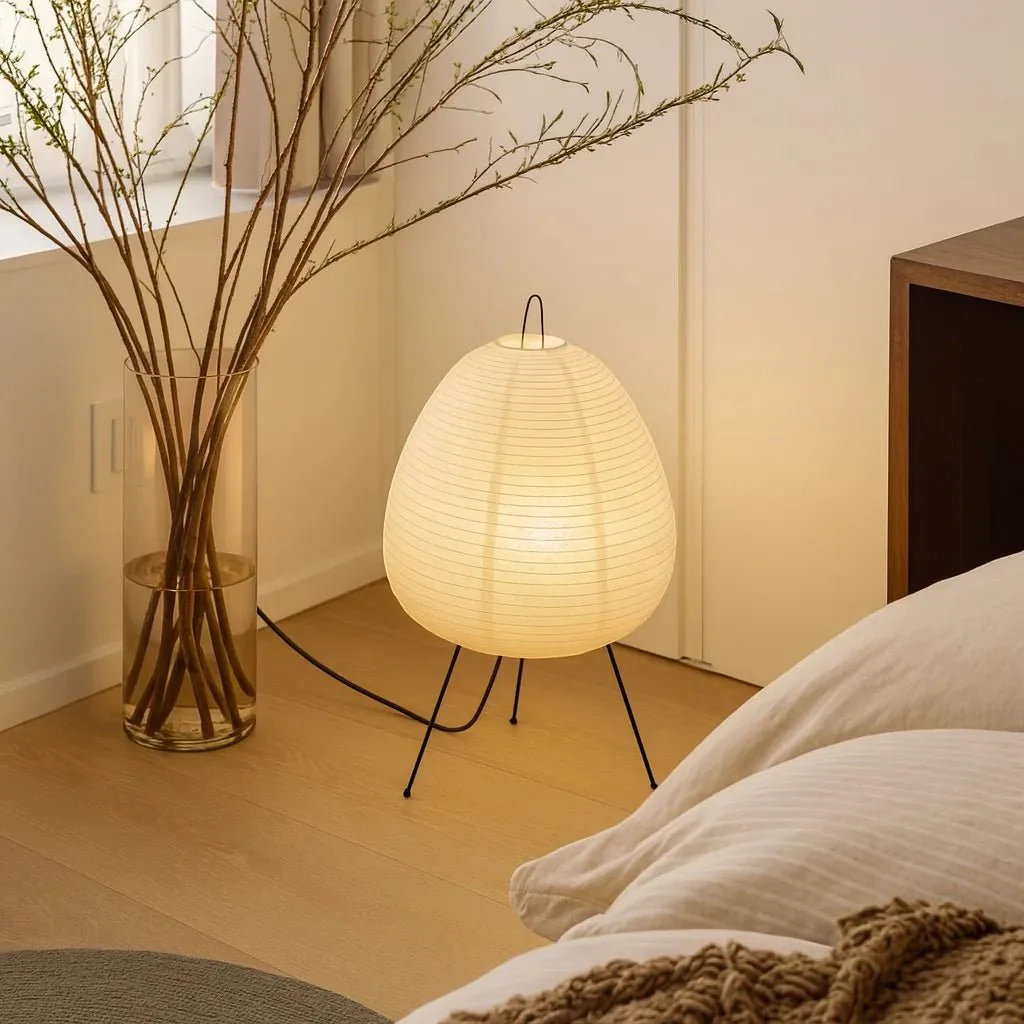
Japanese interiors favor gentle, diffused light over harsh overhead illumination. Choose paper lanterns, floor lamps with rice-paper shades, and indirect cove lighting to create a warm, tranquil ambiance . Dimmers allow you to adjust lighting throughout the day to suit different moods and activities.
9. Introduce Japanese-Inspired Wallpaper
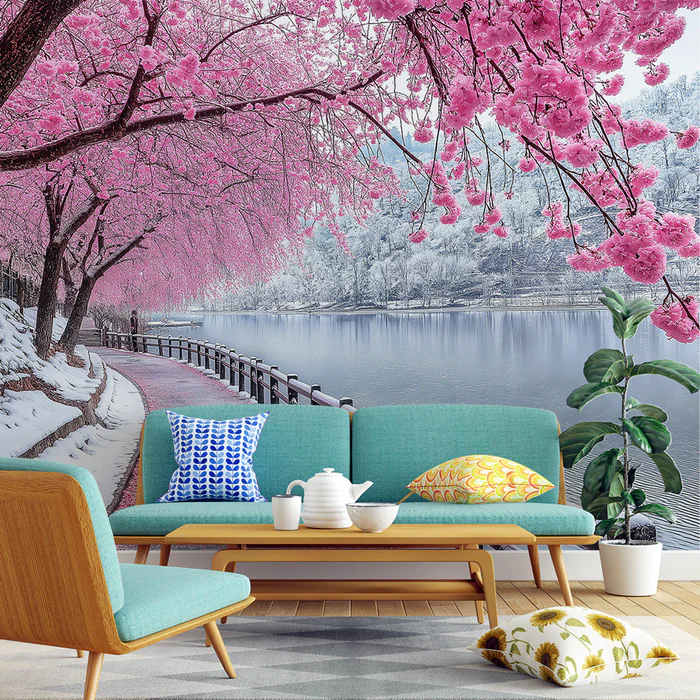
For a subtle nod to Japanese aesthetics, consider wallpaper with traditional motifs like cherry blossoms, bamboo, koi fish, or mountain landscapes . Grasscloth wallpaper adds natural texture while maintaining a neutral palette. Limit wallpaper to an accent wall or use it on a screen for easy application and removal.
10. Incorporate Greenery and Natural Elements
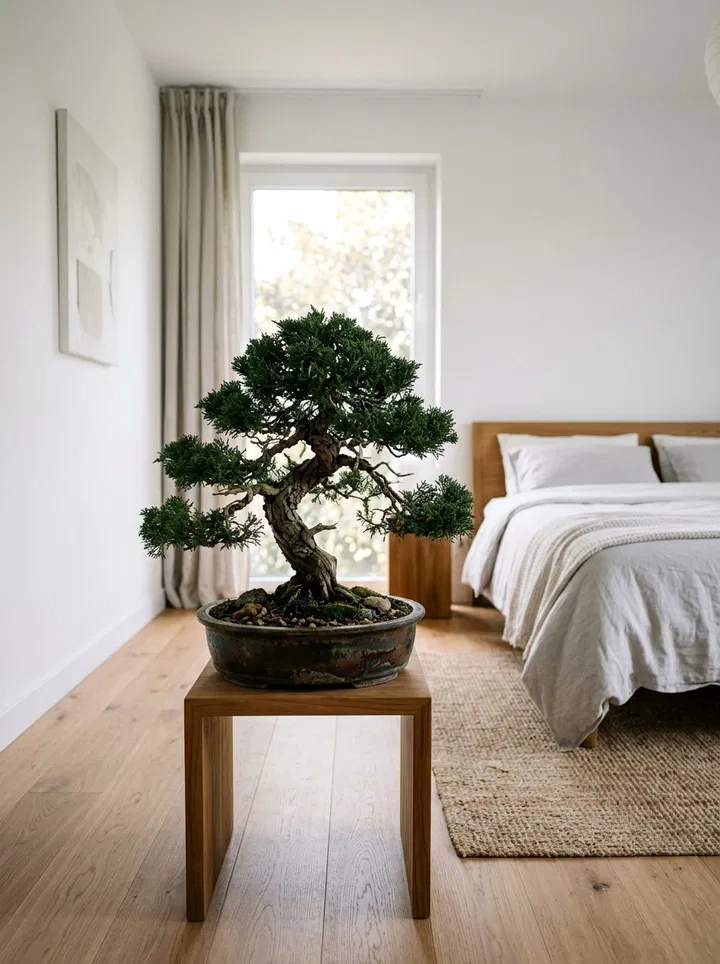
Plants symbolize life, renewal, and connection to nature in Japanese philosophy . Consider adding a bonsai tree, bamboo stalks, a peace lily, or an ikebana flower arrangement. Even a small indoor Zen garden with sand, stones, and a miniature rake can bring calming sensory elements to your room .
11. Choose Multi-Functional Furniture
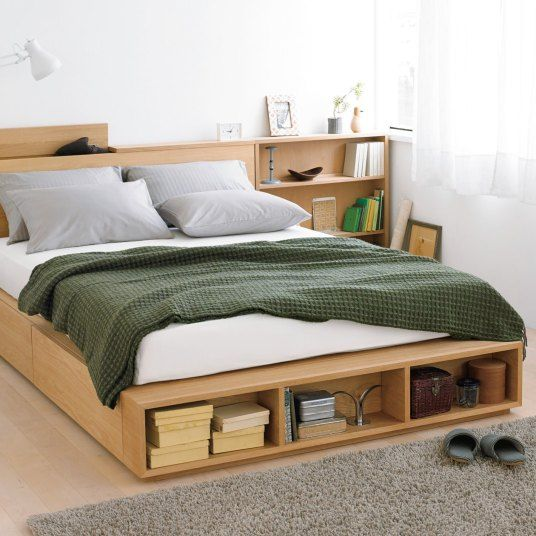
In small spaces, Japanese design excels at maximizing utility. Look for platform beds with built-in drawers, storage benches, or coffee tables with hidden compartments . The goal is to keep surfaces clear and belongings accessible yet invisible.
12. Incorporate Wabi-Sabi Elements
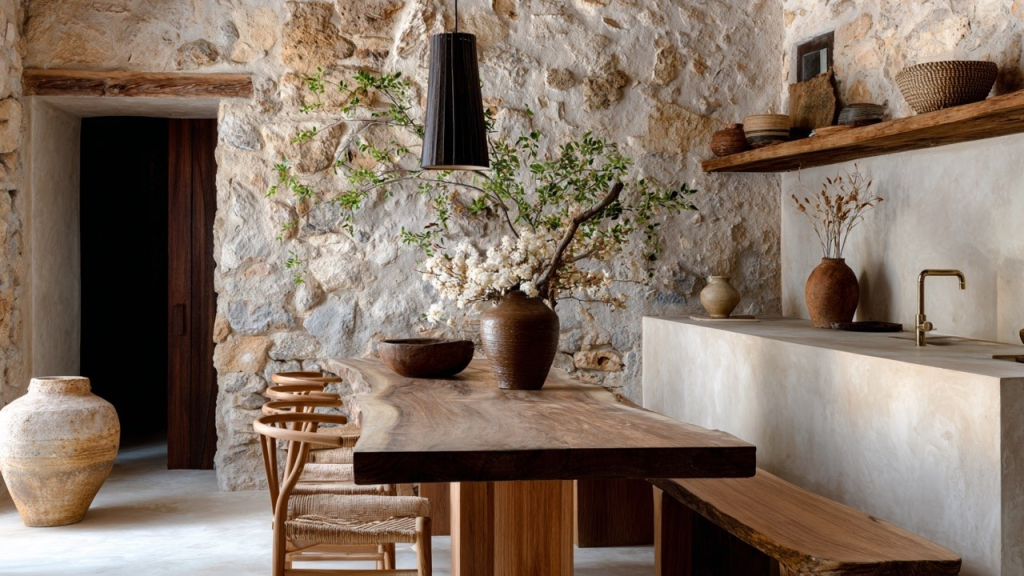
The philosophy of wabi-sabi finds beauty in imperfection, transience, and natural processes . Embrace handmade pottery, slightly weathered wood, or textured fabrics that show character and authenticity. These pieces add warmth and personality without disrupting the minimalist aesthetic.
13. Dedicate a Zen Corner
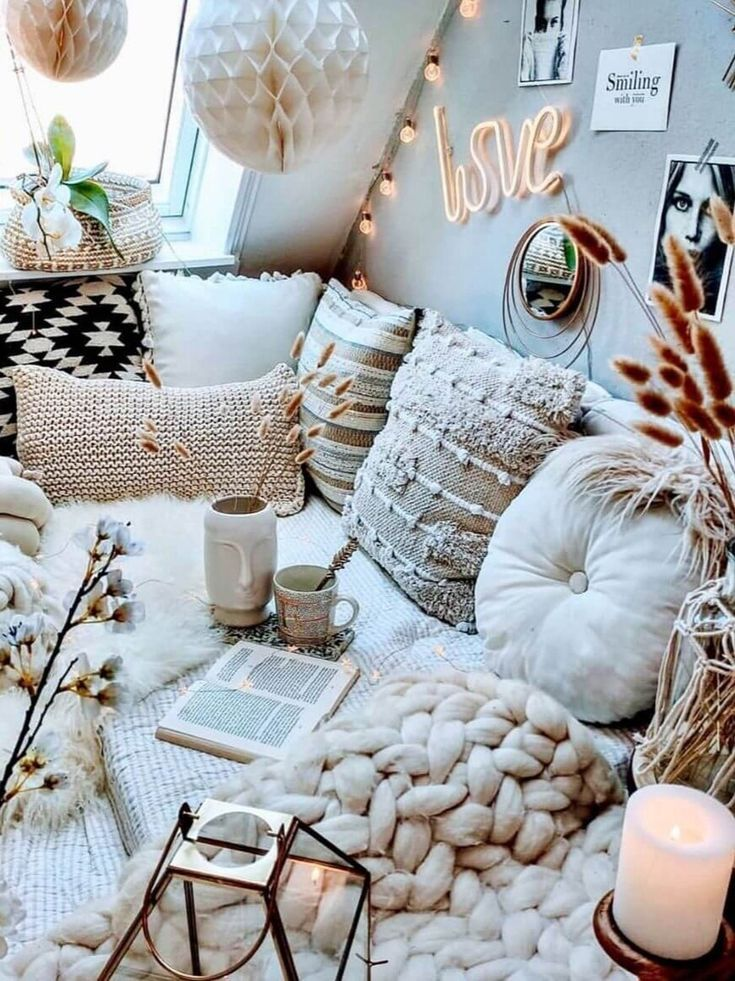
Create a small area in your room dedicated to mindfulness and relaxation . This could include a meditation cushion, a small indoor fountain, or a simple rock garden. Even a quiet corner with a comfortable floor cushion and a soft lamp can become your personal retreat for unwinding and reflection.
Design Tips for Renters and Small Spaces
You don’t need a full renovation to embrace Japanese room ideas. For renters or those in compact apartments, start with non-permanent elements: a low futon, removable tatami mats, a paper lantern, and a small bonsai . Add a shoji-inspired room divider or sliding panels to define spaces without construction. Focus on subtracting excess rather than adding accessories—authenticity comes from restraint, not accumulation.
The Japandi Fusion: East Meets West
For a contemporary take, consider the Japandi style—a harmonious fusion of Japanese minimalism and Scandinavian warmth . This approach combines the clean lines and natural materials of Japanese design with the cozy, functional comfort of Nordic interiors. The result is a style that feels both serene and inviting, perfect for modern homes .
Conclusion
Japanese room design offers more than just aesthetic appeal—it provides a philosophy for living more mindfully. By embracing simplicity, natural materials, and thoughtful curation, you can transform your space into a sanctuary of calm amidst the chaos of modern life.
The beauty of these ideas lies in their flexibility. Whether you incorporate a single element like a bonsai tree or commit to a full-scale makeover with tatami mats and shoji screens, each step brings you closer to the tranquility that Japanese interiors embody. Remember, authentic Japanese style isn’t about achieving perfection—it’s about creating harmony, reducing clutter, and finding peace in the spaces we inhabit.
Start small, be intentional, and let your room become a reflection of the serenity you seek.
