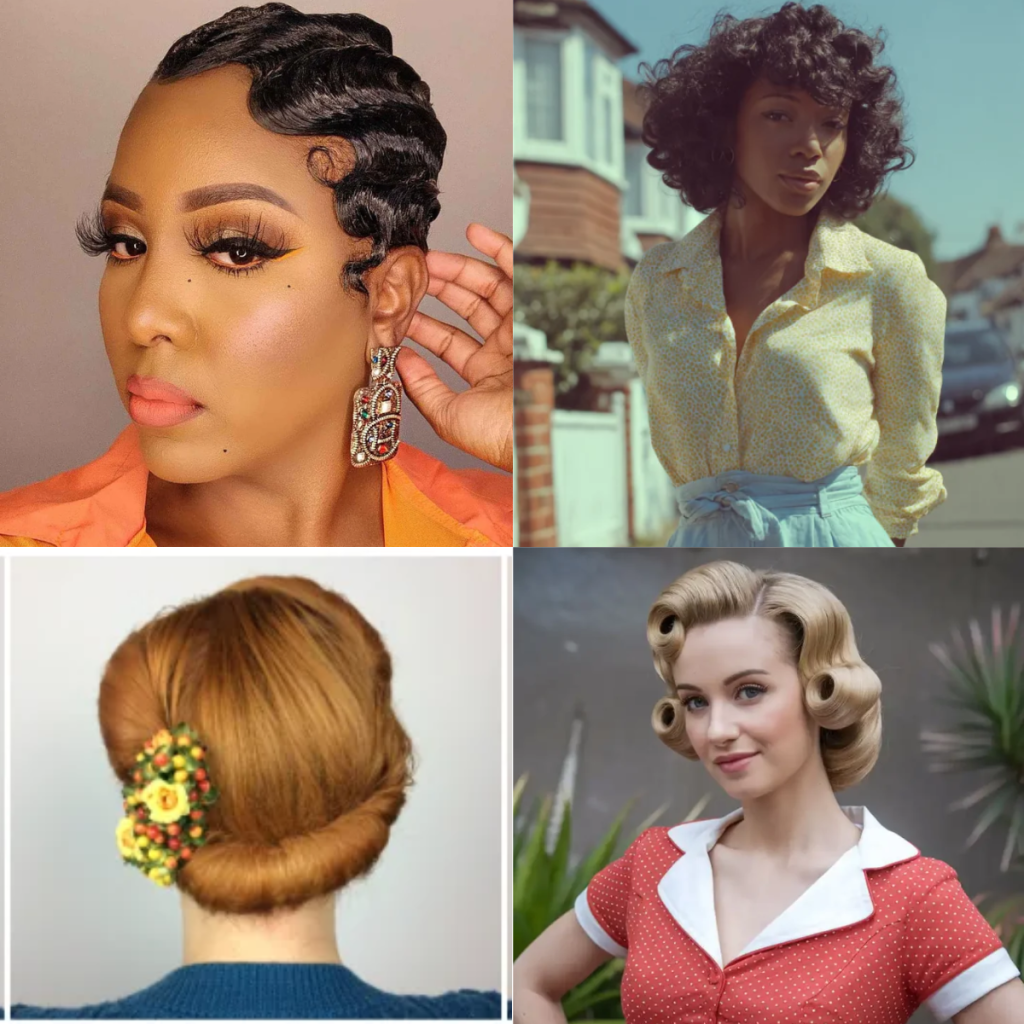
The bob haircut is more than just a style—it’s a statement that has evolved through decades of fashion, rebellion, and elegance. From the flapper girls of the 1920s to the polished waves of the 1950s, the vintage bob has been reinvented time and again, yet it never loses its charm. Whether you’re looking for a sleek, sophisticated look for a special occasion or a daily style with old-school flair, vintage bob hairstyles offer versatility, personality, and timeless beauty. In this article, we’ll explore 10 stunning vintage bob variations, each with its own unique era and attitude—so you can find the perfect throwback cut for your hair type and aesthetic.
Choosing the Right Vintage Bob for Your Face Shape
- Oval face: Almost any vintage bob works — try the 1920s blunt bob or the 1960s geometric cut.
- Round face: Opt for height and asymmetry — the 1940s victory roll bob or 1960s mod bob lengthens the face.
- Square face: Soft waves and side parts (1930s or 1950s bouffant bob) soften strong jawlines.
- Heart-shaped face: Volume at the chin works best — try the 1950s flipped-end bob or Gibson roll bob.
- Long face: Chin-length or shorter bobs with bangs (1920s flapper or rockabilly poodle) add width.
10 Well-Structured Ideas
1. The 1920s Flapper Bob (The Classic Dutch Boy)
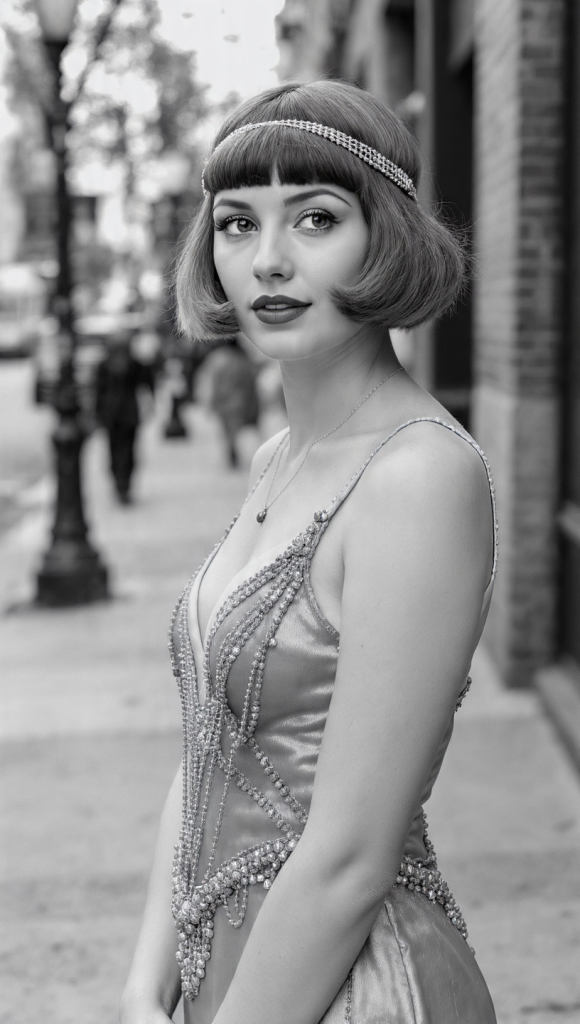
- Description: A blunt, chin-length bob with straight bangs and no layers. Often finger-waved or worn sleek.
- Best for: Fine to medium straight hair; oval or heart-shaped faces.
- Styling tip: Use a gel or setting lotion to create defined finger waves on the sides.
2. The 1930s Transitional Bob (Softer & Side-Parted)
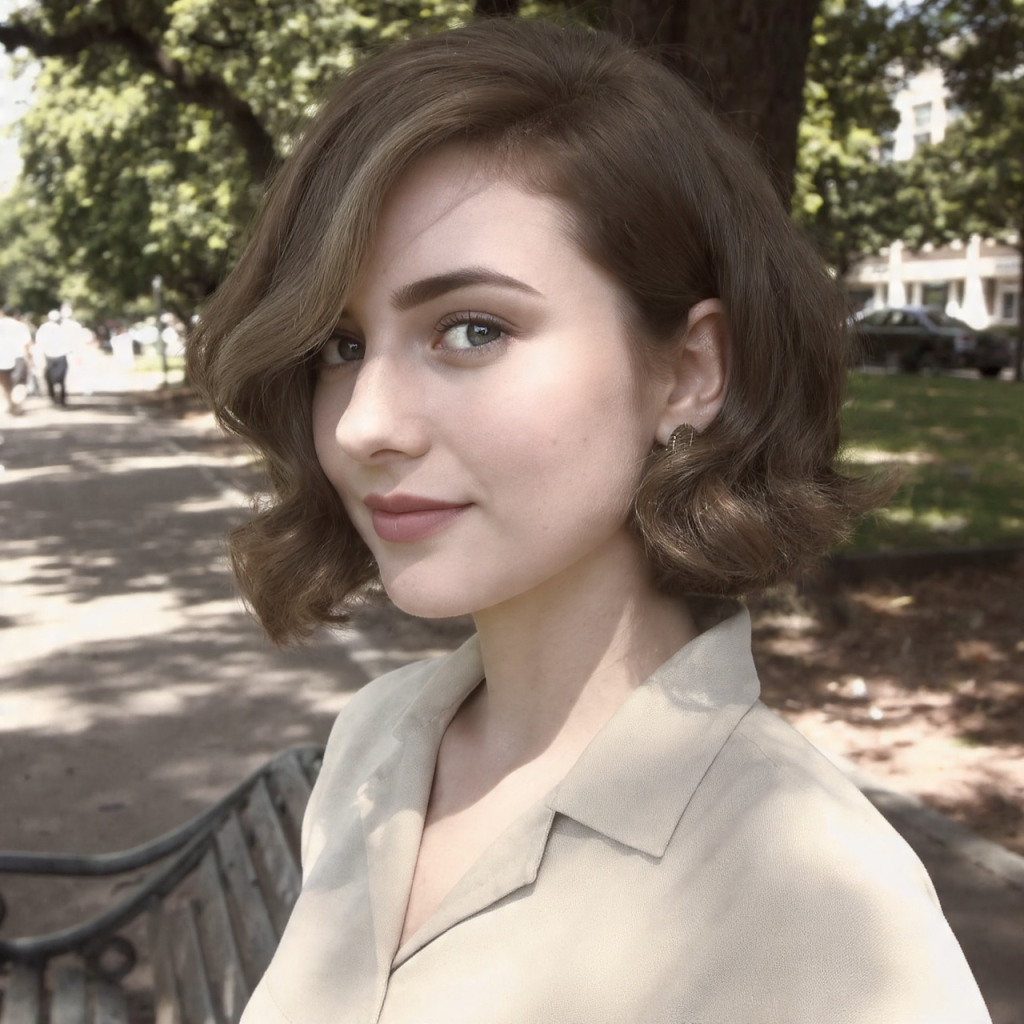
- Description: Slightly longer than the 1920s version (ear to jaw-length), with deep side part and soft waves.
- Best for: Wavy or medium-texture hair; round or square faces.
- Styling tip: Set damp hair in pin curls overnight, then brush into gentle waves.
3. The 1940s Victory Roll Bob
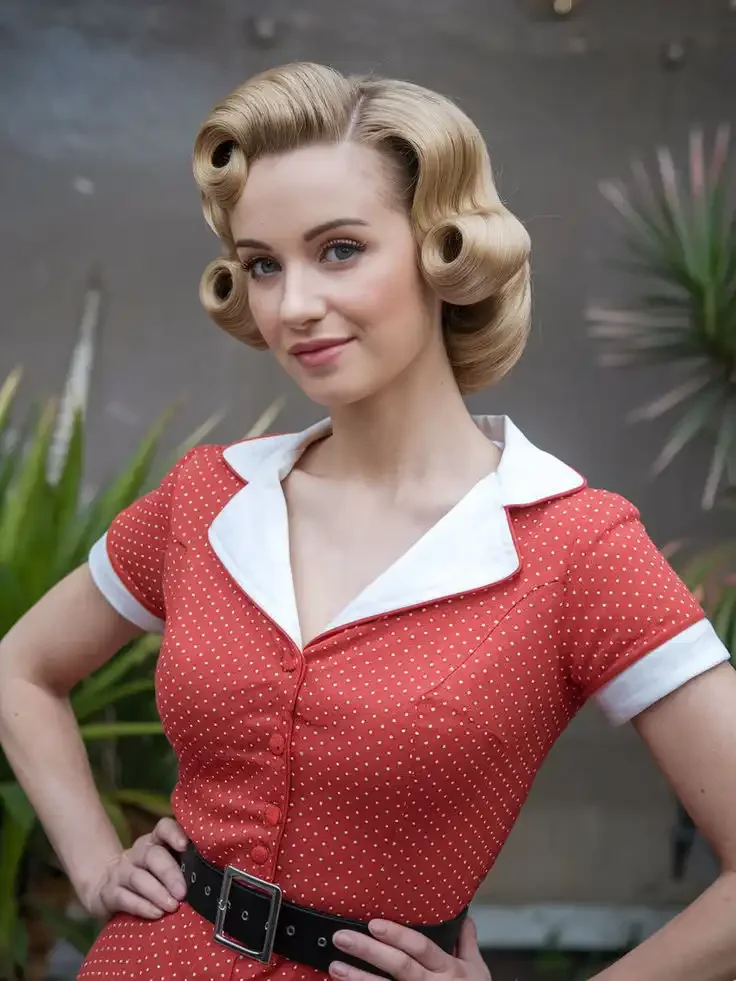
- Description: A short bob (nape-length) with one or two small victory rolls at the front or sides.
- Best for: Thick or shoulder-length hair; adds height to round faces.
- Styling tip: Use strong-hold hairspray and bobby pins to secure rolls neatly.
4. The 1950s Italian Bouffant Bob
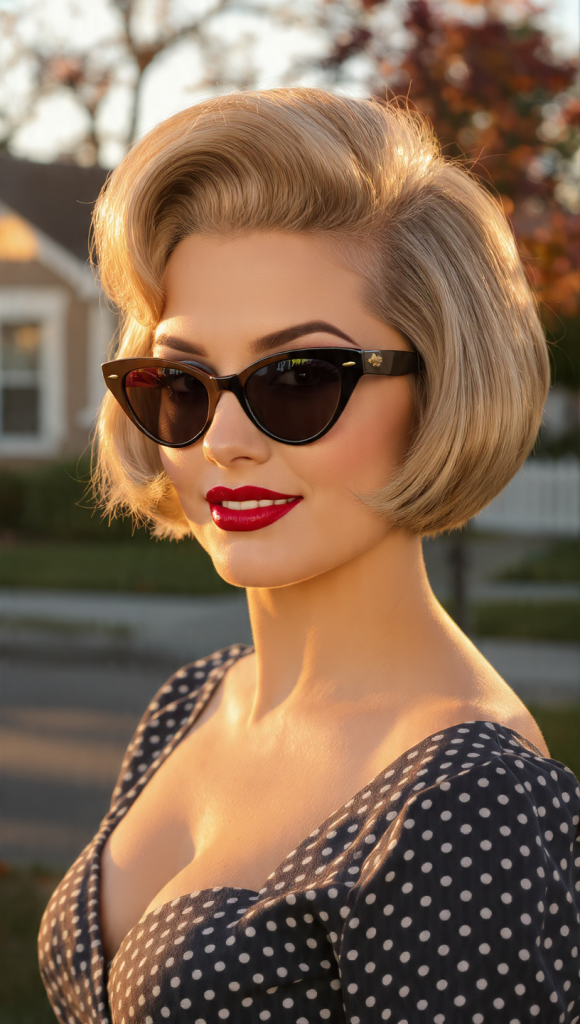
- Description: A rounded, voluminous bob with teased crown and flipped ends (inspired by Sophia Loren).
- Best for: Medium to thick hair; heart or diamond face shapes.
- Styling tip: Backcomb the crown gently and smooth top layer with a boar-bristle brush.
5. The 1960s Mod Geometric Bob
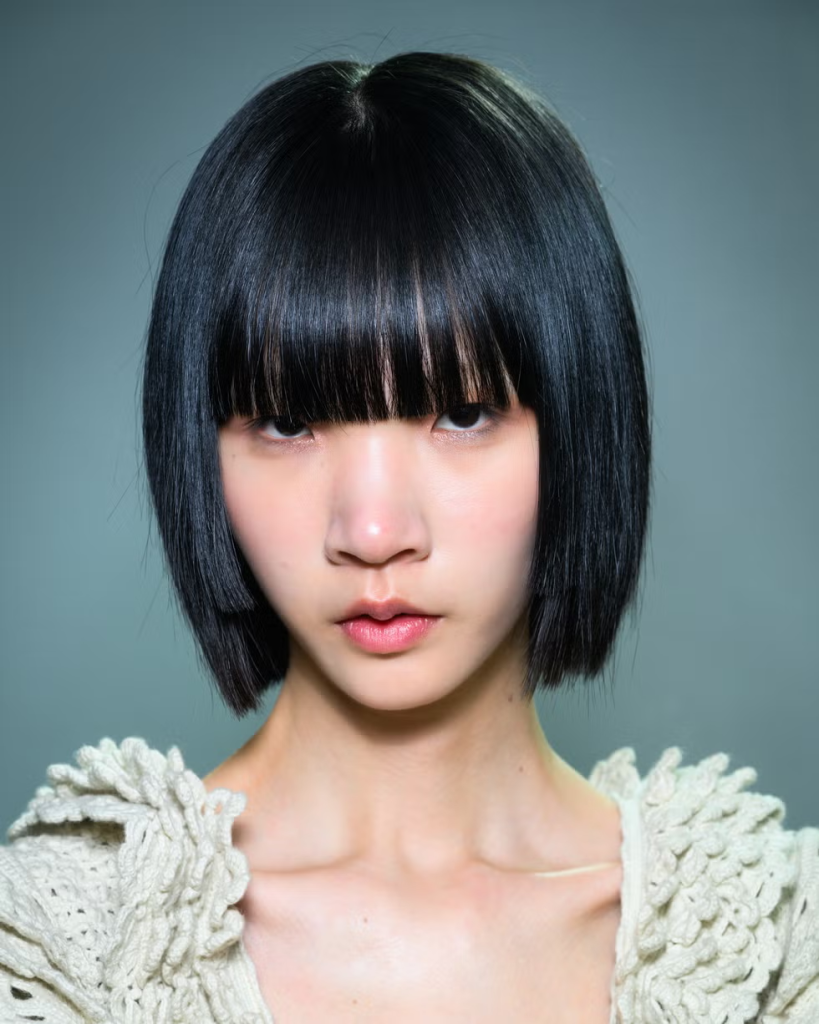
- Description: Sharp, asymmetrical lines—often shorter in back, longer in front (think Vidal Sassoon’s five-point cut).
- Best for: Straight, sleek hair; angular or oval faces.
- Styling tip: Blow-dry with a flat brush and finish with a shine spray for graphic precision.
6. The 1970s Shaggy Bob (Retro Grunge)
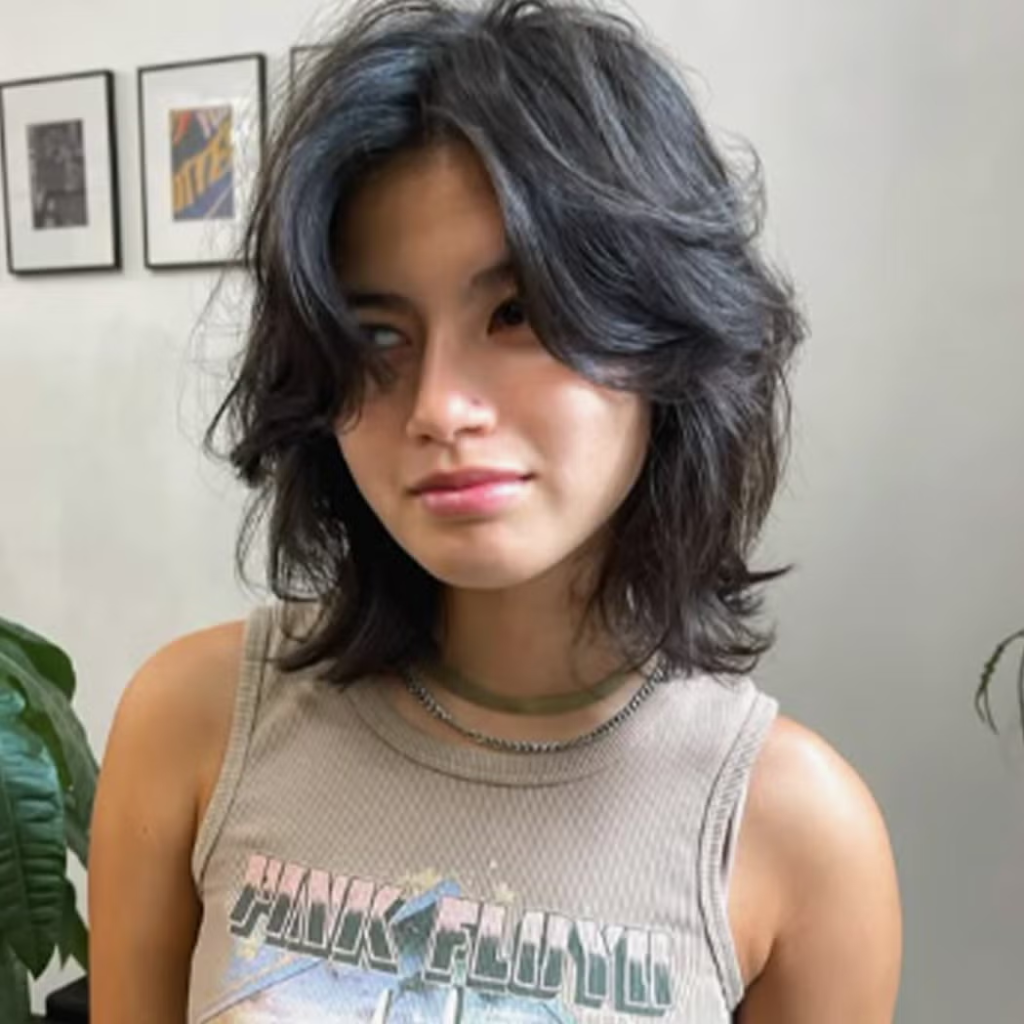
- Description: A layered, slightly messy bob with fringe and textured ends—softer than earlier bobs.
- Best for: Wavy or curly hair; suits most face shapes.
- Styling tip: Scrunch in mousse and air-dry for natural movement; use texturizing powder for grit.
7. The Vintage Pin Curl Bob (Universal Era)
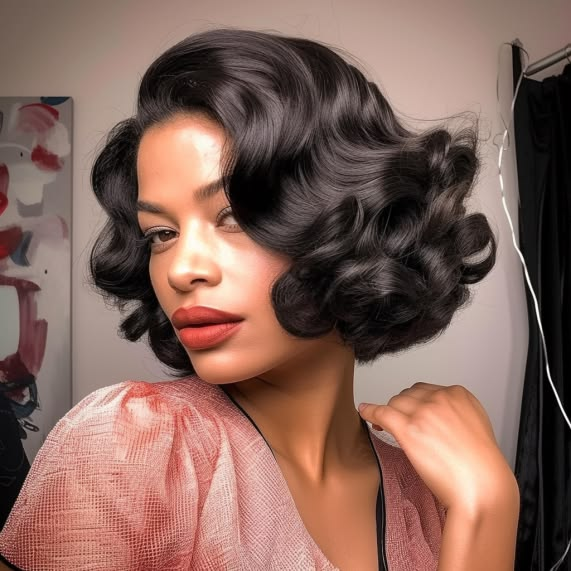
- Description: Any bob length set entirely in small pin curls to create uniform spiral waves.
- Best for: Shoulder-length or shorter hair; adds volume to thin hair.
- Styling tip: Set pin curls while hair is damp, dry under a hooded dryer or overnight, then brush into waves.
8. The Gibson Roll Bob (Edwardian Vintage Hybrid)
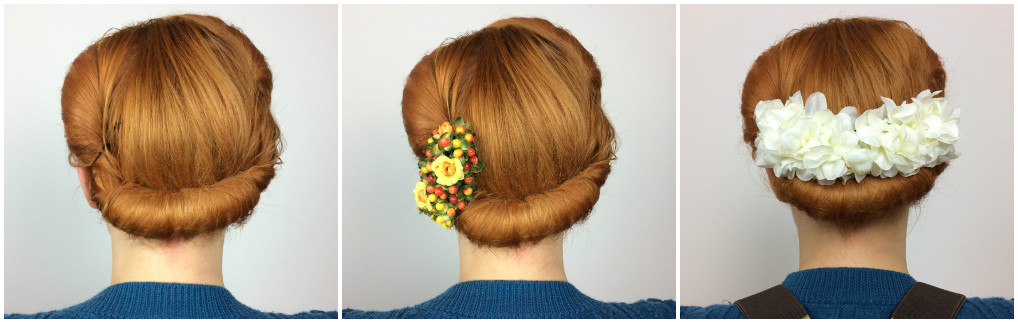
- Description: A short bob rolled inward at the nape like a faux chignon, often with loose face-framing tendrils.
- Best for: Medium-length bobs (just above shoulders); elegant for weddings or events.
- Styling tip: Use a donut roll or rat for fullness; secure with hairpins hidden underneath.
9. The Rockabilly Poodle Bob
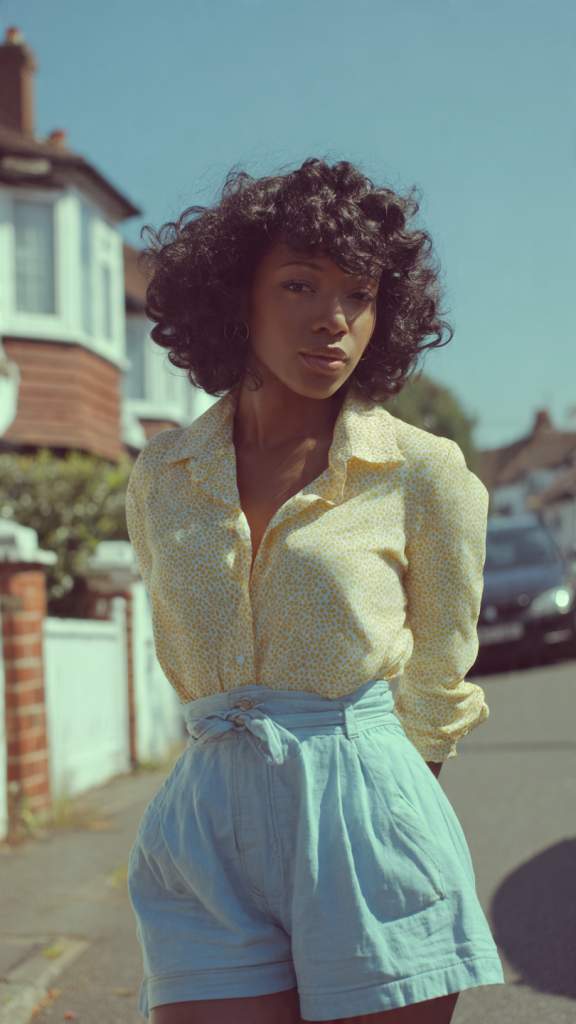
- Description: A short, curly bob with tight, defined curls all over—often with a side-swept bang and a scarf or bandana.
- Best for: Naturally curly or permed hair; round or square faces.
- Styling tip: Use small-barrel curling iron or flexi rods; separate curls with a pick for volume.
10. The Old Hollywood Glamour Bob (Finger Wave Reimagined)
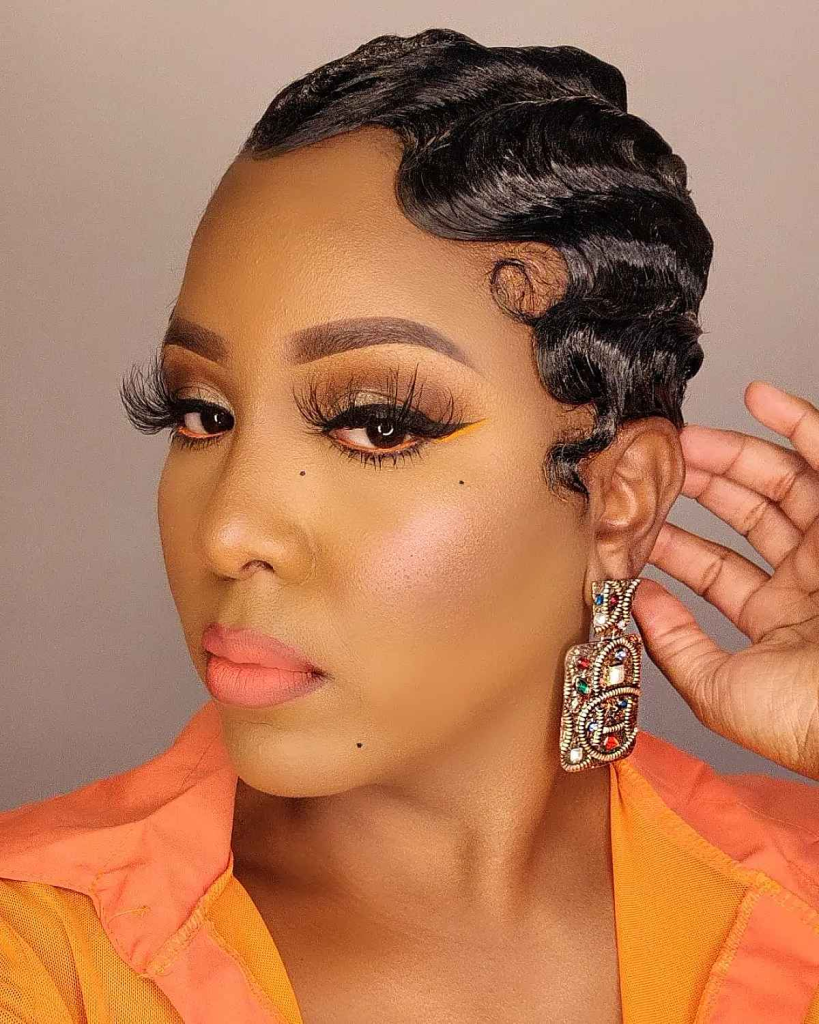
- Description: A sleek, chin-length bob with deep, sculpted finger waves hugging the head—very polished.
- Best for: Straight or lightly waved hair; elegant for formal occasions.
- Styling tip: Apply wet-setting gel, mold waves with fingers and clips, then sit under a dryer for long-lasting hold.
Styling Tools and Products for Vintage Bobs
To achieve authentic vintage bob styles at home, you’ll need:
- Setting lotion or mousse — essential for finger waves and pin curls.
- Pin curl clips — small metal or plastic clips for wet-setting.
- Hooded hair dryer — speeds up drying without disturbing curl patterns.
- Boar-bristle brush — smooths waves without creating frizz.
- Rat-tail comb — precise parting and wave placement.
- Strong-hold hairspray — keeps vintage styles intact for hours.
- Velvet or satin rollers — for 1950s volume and bouffant shapes.
- Bobby pins and hairpins — match to your hair color for discreet securing.
How to Transition a Vintage Bob for Everyday Wear
Not every vintage bob needs to feel like a costume. Here’s how to make these styles wearable daily:
- Modernize the length — keep the shape but go slightly longer (jaw to shoulder length).
- Soften the waves — brush out pin curls into loose, effortless bends rather than tight spirals.
- Skip the heavy product — use lightweight texturizing spray instead of wet-look gel.
- Pair with casual clothes — a vintage bob looks fresh with jeans and a white tee, not just retro dresses.
- Add modern accessories — minimalist hair clips or a leather headband instead of vintage scarves.
Maintenance Tips for Vintage Bobs
- Trim every 4–6 weeks — vintage bobs rely on precise shapes; grown-out layers ruin the silhouette.
- Use sulfate-free shampoo — vintage styling often involves heat and product; protect your hair’s health.
- Deep condition weekly — pin curls and finger waves require pliable, hydrated hair.
- Sleep on satin — a satin pillowcase or bonnet preserves waves and reduces frizz.
- Refresh between washes — dry shampoo at the roots and a little water reactivated setting lotion can revive second-day waves.
Common Mistakes to Avoid
- Over-teasing — too much backcombing leads to damage and a dated look, not authentic vintage volume.
- Wrong product choice — modern gels can flake; use vintage-style setting lotions or alcohol-free mousses.
- Ignoring your natural texture — forcing pin-straight styles on curly hair (or vice versa) creates frustration; choose a bob that works with your hair type.
- Cutting it yourself — vintage bobs look deceptively simple but require professional precision, especially for geometric or asymmetrical cuts.
- Skipping the finishing brush-out — pin curls and finger waves must be gently brushed or they look like wet spaghetti.
Conclusion
The vintage bob is far more than a nostalgic trend — it’s a testament to the power of a single haircut to express personality, era, and attitude. From the rebellious flapper of the 1920s to the polished glamour of Old Hollywood, each bob style tells a different story, yet all share the same timeless appeal: confidence. Whether you’re preparing for a themed event, reinventing your daily look, or simply curious about hair history, there is a vintage bob waiting for you. The key is to choose the shape that fits your face, the era that inspires you, and the styling routine that fits your life. With the right cut, a few classic techniques, and a little practice, you can wear a piece of history — beautifully, practically, and unmistakably yours.
