You saved up. You planned. You finally pulled the trigger on a kitchen renovation — and somehow it still looks off. Not bad, exactly, just… wrong in ways you can’t quite explain.
Designers can explain it. They see the same blunders over and over, job site after job site, and most of them are completely avoidable. Here are the eight that show up constantly — and what to do instead.
1. Lights That Only Work in Theory

A single overhead fixture in the middle of the ceiling is the most common lighting mistake in residential kitchens. It looks fine in a showroom. In real life, you stand between the light and your cutting board and spend every evening cooking in your own shadow.
Functional kitchen lighting works in layers: ambient overhead light, task lighting directly above prep areas, and accent lighting inside or under cabinets. If your kitchen has just one switch that controls everything, that’s the first thing to fix. See how pendant placement works in practice with these kitchen island lighting ideas.
2. An Island That Blocks Everything
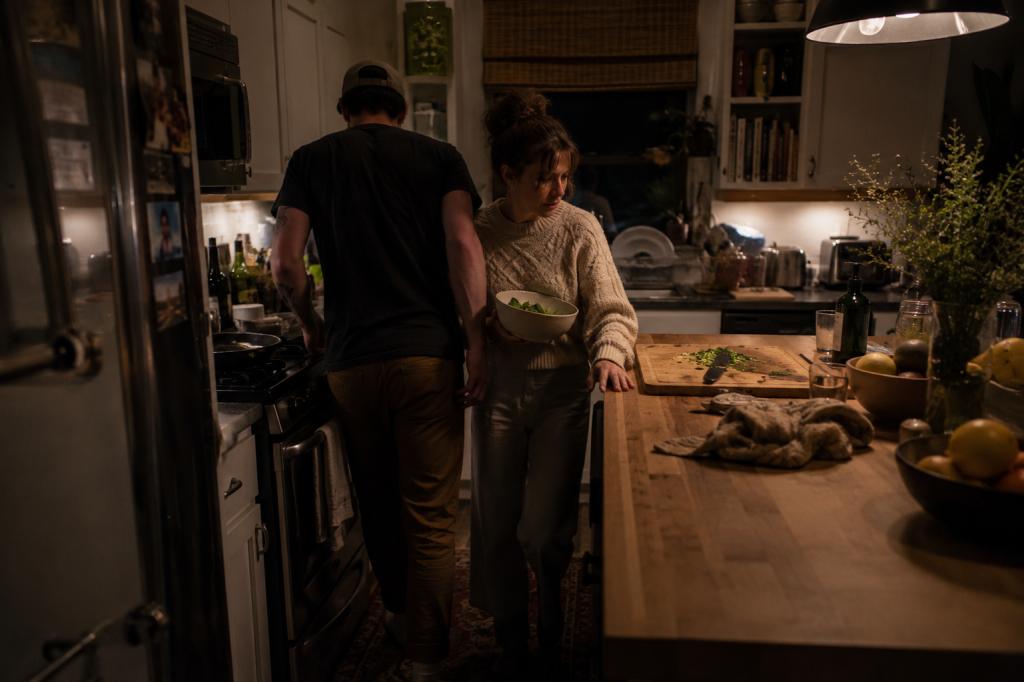
Islands went from optional luxury to default expectation, and that’s the problem. People add them to kitchens that weren’t designed for them, and the result is a traffic jam every time two people are in the room at once.
The minimum clearance on all sides of an island is 42 inches — 48 if multiple people cook regularly. Anything less and you’ve added counter space at the cost of usability. If your kitchen can’t accommodate proper clearance, a rolling cart or peninsula almost always serves better than a fixed island. For inspiration on layouts that actually work, browse these kitchen island storage ideas.
3. Cabinets That Stop Short of the Ceiling
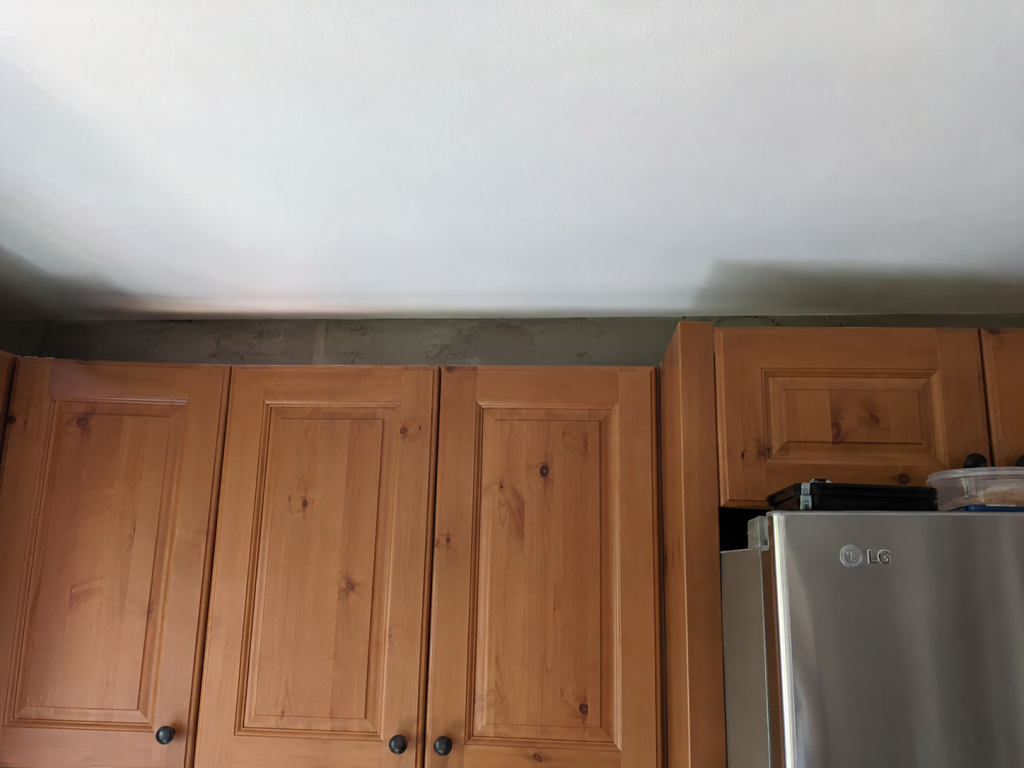
Upper cabinets that end a foot below the ceiling aren’t a design choice — they’re a dust ledge. That gap collects grease, accumulates grime, and makes the room feel unfinished. Designers call it dead space, and it’s almost always a mistake.
Taking cabinets to the ceiling eliminates the problem entirely and makes the room feel taller. If budget is the concern, open shelving above the upper run is a workable alternative. What’s not workable is leaving that horizontal strip of wall exposed with nothing on it. For kitchens where cabinet color matters as much as layout, see how different kitchen cabinet color schemes handle the ceiling line.
4. Backsplash That Stops Exactly Where It Shouldn’t
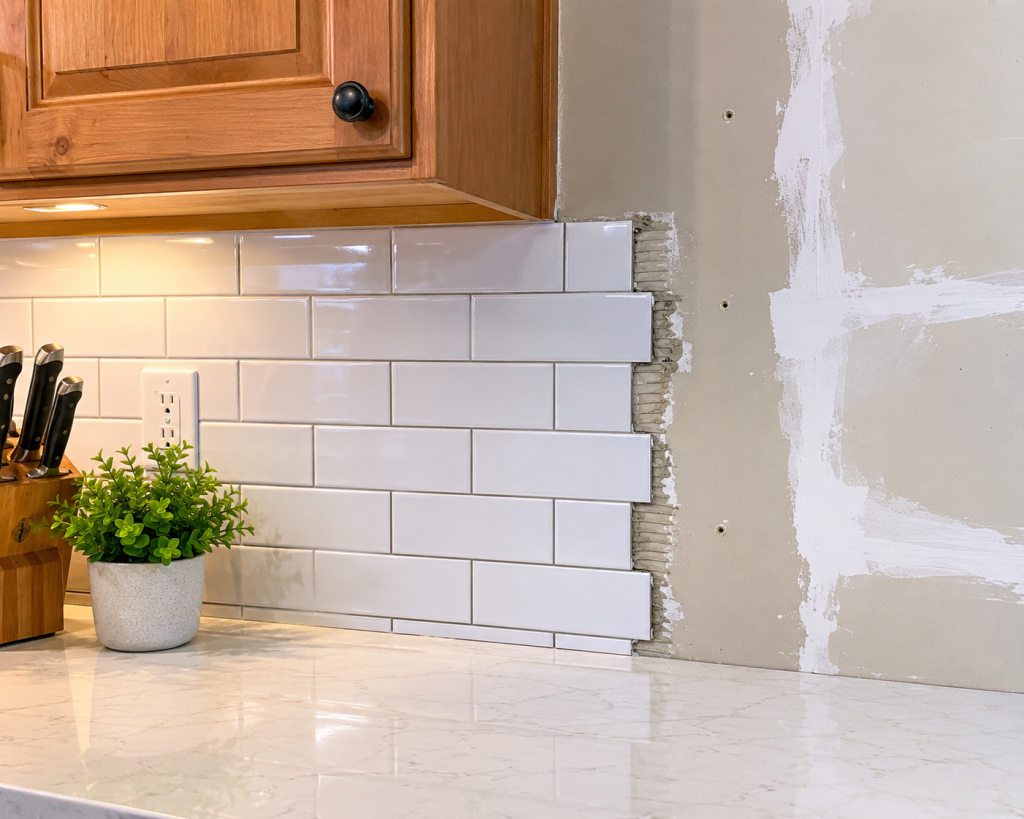
Backsplash that ends at the edge of the upper cabinets and doesn’t wrap around to cover the side walls looks unfinished. The tile just terminates mid-wall, often with visible grout lines and raw drywall next to it. Designers notice this immediately.
The fix is simple: take the tile to a natural stopping point — a corner, a window frame, the edge of a full-height cabinet. Never stop it in the middle of an open wall. For tile ideas that actually reward doing it right, this kitchen backsplash roundup shows how far a good tile job can go.
5. Hardware That Was an Afterthought
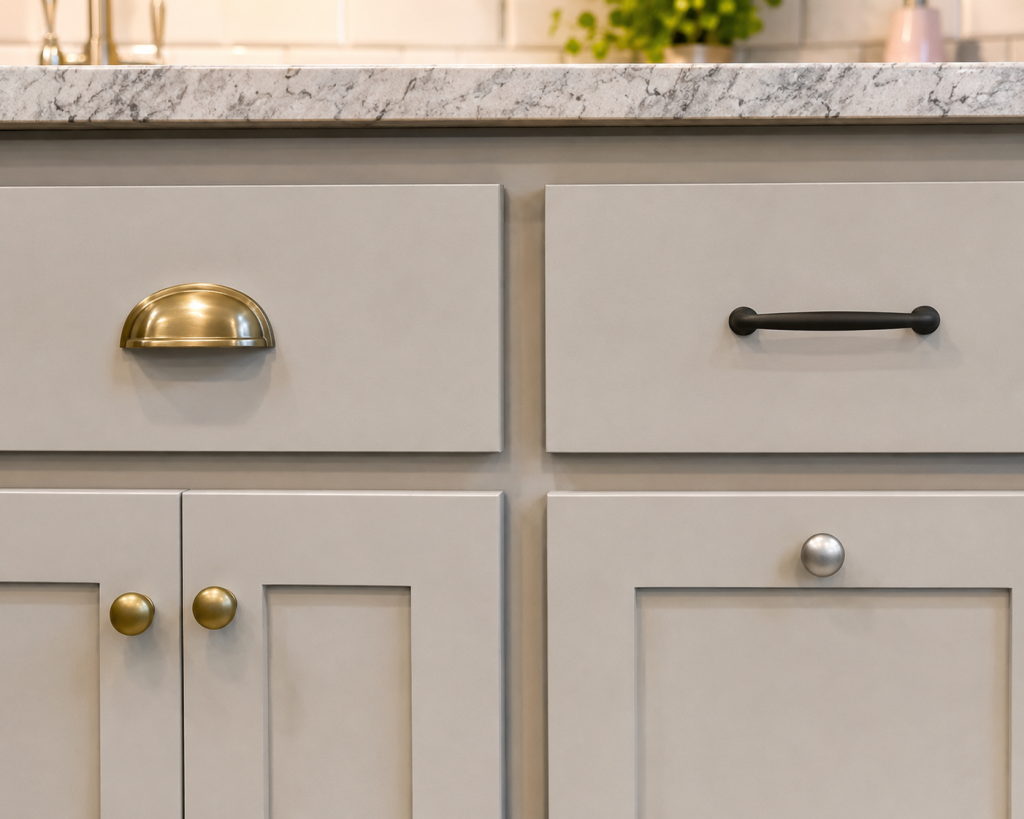
Pulls and knobs are the jewelry of a kitchen. Choosing them last — after everything else is decided — means you’re picking from whatever’s left in the budget, often something generic that fights the rest of the room.
Hardware should be selected during the planning phase, not at the finish line. It should match the finish of your fixtures (faucet, sink strainer, light fixtures) and reinforce the overall direction of the design. Mixing metal finishes isn’t a mistake — doing it without intention is. Consider the same discipline for overall color direction: see how sage green kitchen ideas coordinate hardware with every other element in the room.
6. A Range Hood That Can’t Actually Vent
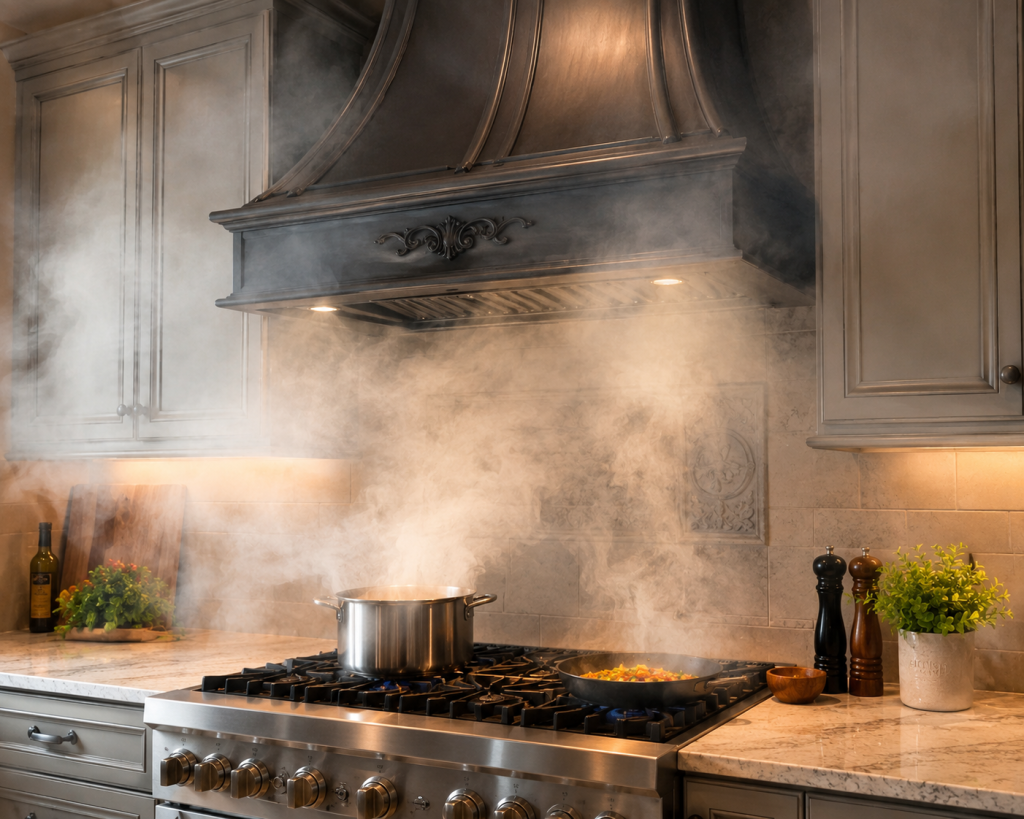
Decorative range hoods are one of the most common design-versus-function trade-offs in kitchen renovations. They look right. They cost a lot. They do almost nothing.
A hood needs sufficient CFM (cubic feet per minute) to actually clear smoke, steam, and grease from your cooking surface. The baseline is 100 CFM per linear foot of range width — so a 36-inch range needs at least 300 CFM. Recirculating hoods that just filter and push air back into the room rarely meet this threshold. If you’re spending money on a hood, make sure ductwork runs to an exterior wall.
7. Too Many Finishes, Zero Cohesion
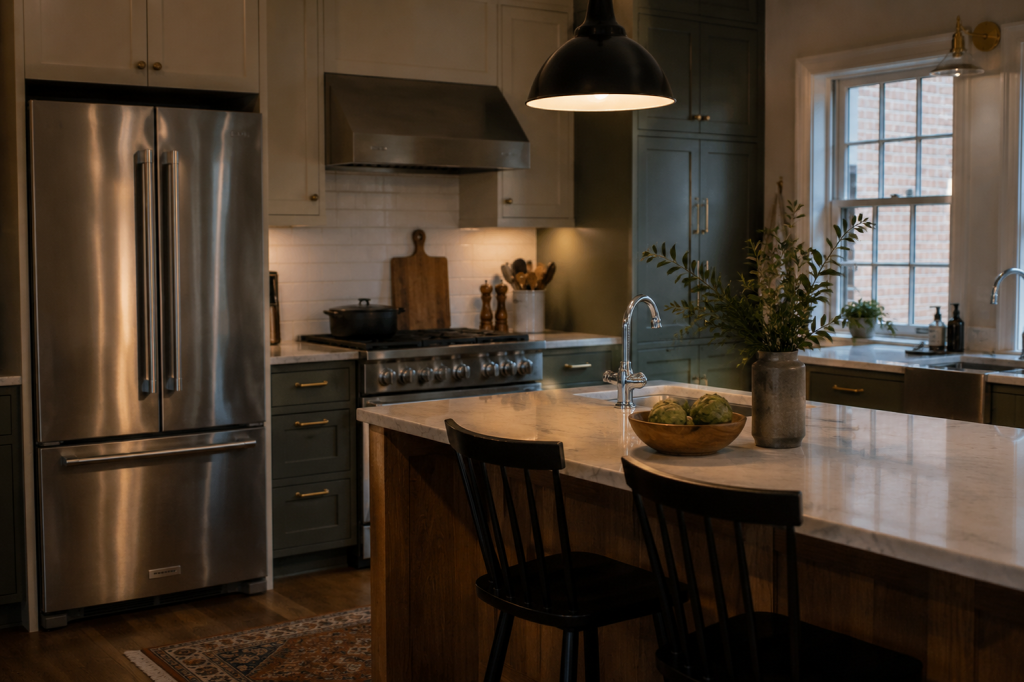
Stainless appliances, brass hardware, matte black faucet, chrome light fixture, brushed nickel cabinet pulls. Every one of those choices was probably reasonable in isolation. Together, they produce a kitchen that looks like it was assembled by committee.
Restraint is the rule. Commit to one or two metal finishes and hold to them. Limit countertop materials to one surface (or two if one is clearly an accent). Kitchens that feel expensive almost always do so because they’re edited, not because they’re elaborate. Two-tone kitchens work when they follow a clear system — see how two-tone kitchen ideas maintain coherence across competing finishes.
8. Prioritizing Looks Over the Work Triangle
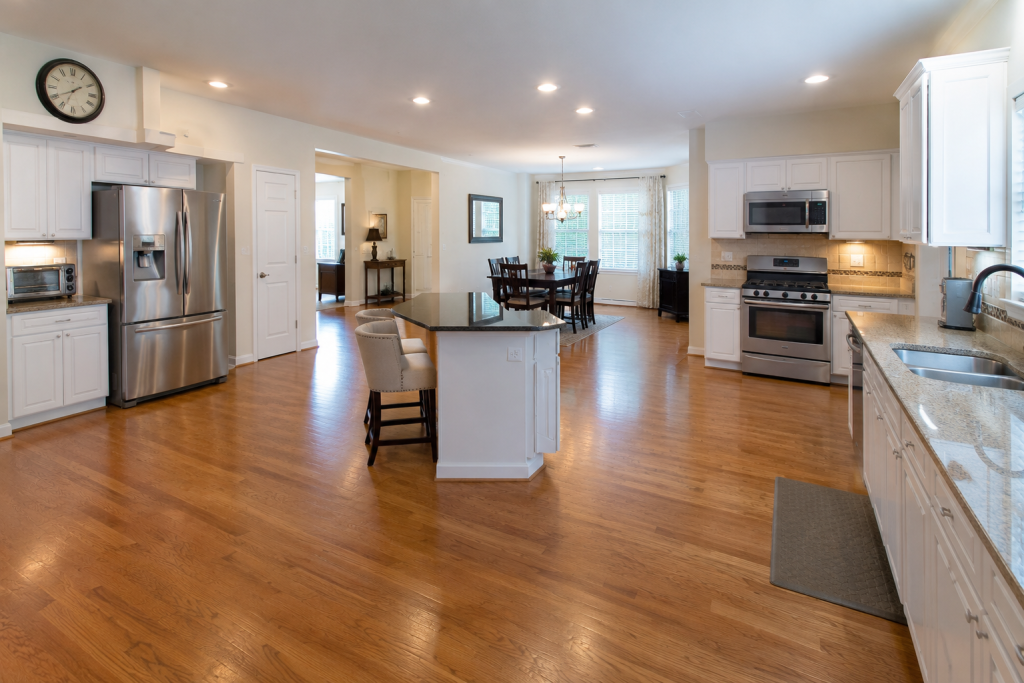
The work triangle — the relationship between your sink, stove, and refrigerator — governs how a kitchen actually functions. When it’s broken, no amount of beautiful cabinetry makes cooking feel easy.
The combined length of the three sides of the triangle should fall between 12 and 26 feet. More than that and you’re covering unnecessary distance every time you cook. Less than that and you’re constantly bumping into things. Open-concept renovations are especially prone to this error because the layout is designed around the aesthetics of the room rather than the mechanics of the kitchen. For kitchens where the work triangle is working in harmony with a larger design, see how modern kitchen decor handles spatial logic.
The Common Thread
Most of these mistakes share the same root cause: decisions made for visual reasons without accounting for how the room actually gets used. A kitchen that photographs well but makes cooking frustrating is a failed kitchen.
The good news is that most of these are plannable. Before you finalize any design, map out your lighting layers, measure your clearances, pick your finishes early, and verify your hood specs. The design choices that remain after that groundwork is done are the fun ones — and they’ll actually stick.
For more on what’s happening in kitchen design right now — including which popular looks are already on their way out — see kitchen trends to avoid in 2026.
