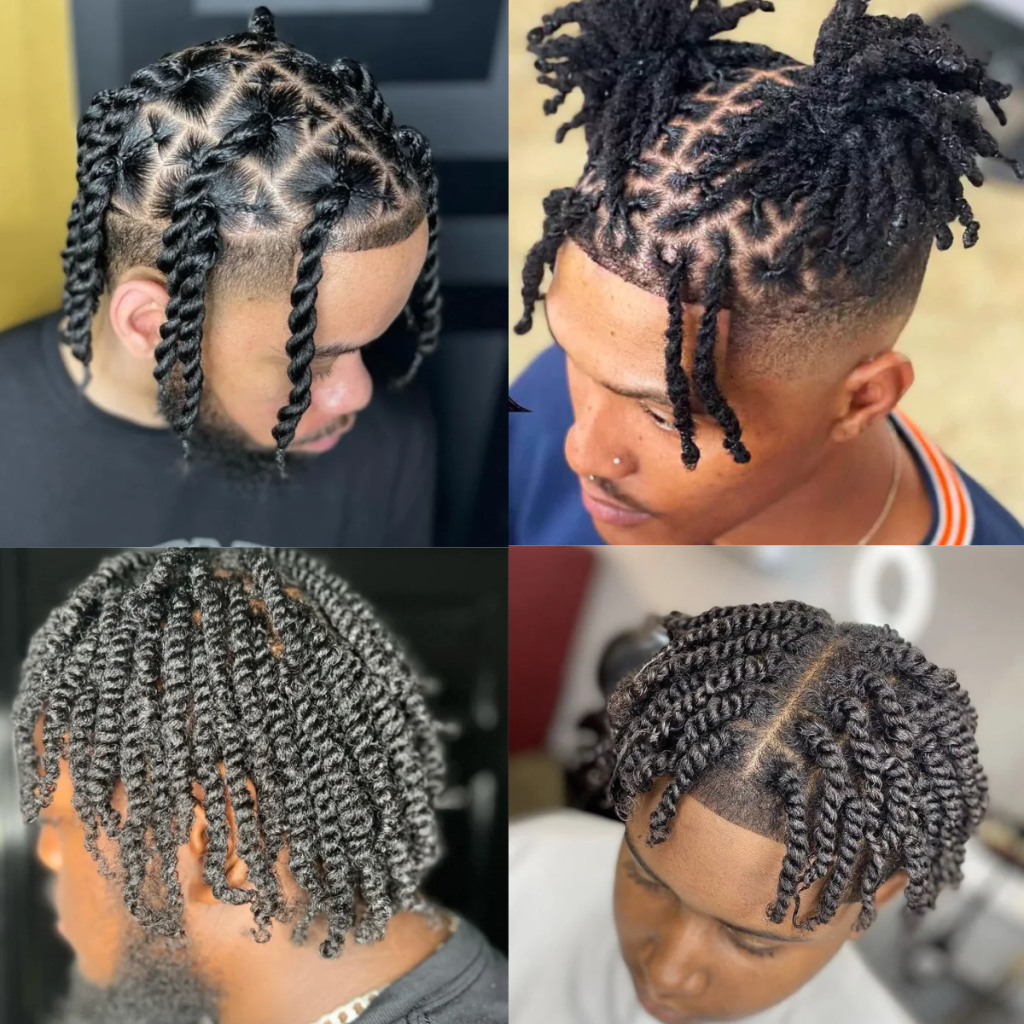
When it comes to versatile, low-maintenance, and stylish natural hairstyles, the two-strand twist is a clear winner—even on short hair. For men with textured or curly hair, two-strand twists offer a way to define curls, protect ends, and create a sharp, clean look without needing significant length.
Contrary to popular belief, short hair doesn’t limit your styling options. In fact, shorter twists hold their shape longer, require less drying time, and can be worn in countless creative ways—from tapered sides to twist mohawks. Whether you prefer a neat, professional finish or a bold, textured crown, this guide breaks down 14 two-strand twist hairstyles tailored specifically for short hair. Each idea includes the ideal length, face shape suitability, and a quick styling tip.
How to Prepare Short Hair for Two-Strand Twists
Proper preparation is the difference between twists that last a week and twists that unravel in two days. Follow these steps before twisting short hair:
- Cleanse thoroughly – Use a clarifying shampoo to remove product buildup. Short hair gets oily faster, so a clean base helps twists grip.
- Deep condition (but don’t overdo it) – A light 10-minute deep conditioning adds moisture without making hair too slippery. Avoid heavy conditioners that soften curls too much.
- Towel dry to damp, not wet – Short hair twists best when slightly damp. Soaking wet hair shrinks excessively as it dries, causing uneven twists.
- Apply a twist cream or butter – Use a product with hold, such as shea butter-based twist cream or curling custard. Avoid gels that flake on short hair.
- Detangle completely – Use a wide-tooth comb or your fingers. Any knot left in short hair becomes impossible to fix once twisted.
14 Fresh Two-Strand Twist Styles for Men:
1. Classic Short Two-Strand Twists
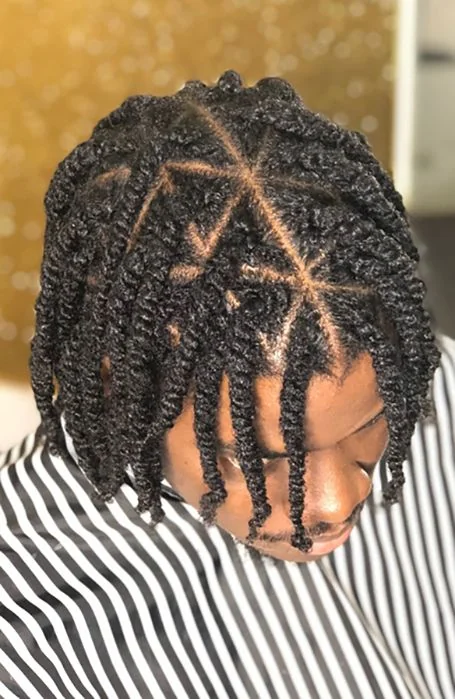
- Length needed: 1.5–2 inches
- Description: Uniform, finger-sized twists all over the head.
- Best for: Oval and square face shapes.
- Styling tip: Keep parts clean and geometric for a polished look.
2. Tapered Twists (Low Fade + Twists on Top)
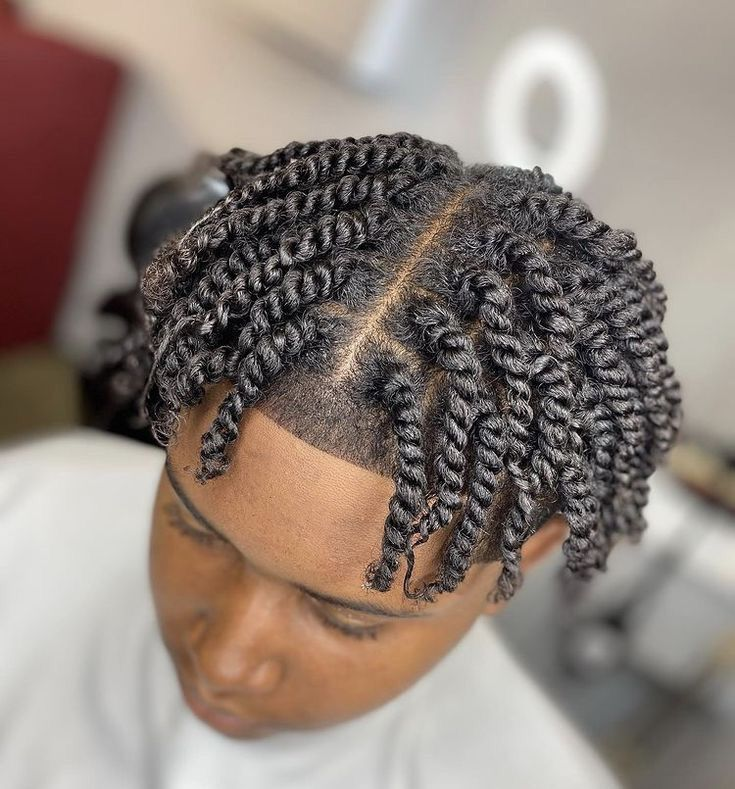
- Length needed: 2 inches on top, faded sides (0.5–1 inch)
- Description: Twists only on the crown; back and sides tapered down to skin.
- Best for: Round and heart-shaped faces.
- Styling tip: Ask your barber for a mid or low fade to elongate the face.
3. Twist Mohawk
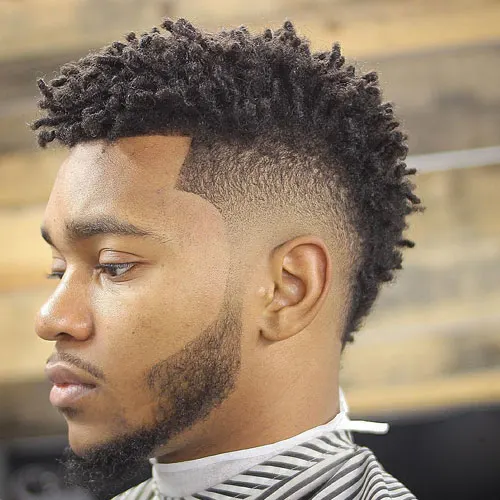
- Length needed: 2–2.5 inches on top
- Description: Twists run in a strip from forehead to nape; sides shaved or faded.
- Best for: Angular and diamond face shapes.
- Styling tip: Use a light holding gel to keep twists aligned upward.
4. Flat Twists (Cornrow-Style Twists)
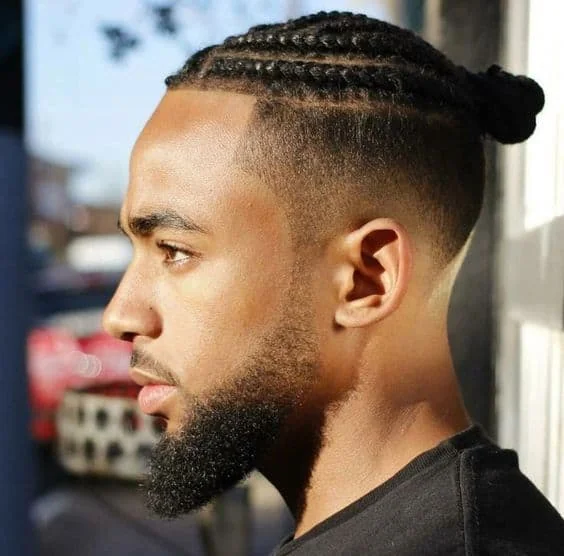
- Length needed: 1.5–2 inches
- Description: Twists braided flat against the scalp in straight or curved rows.
- Best for: All face shapes.
- Styling tip: Flat twists last up to two weeks; wear a durag at night.
5. Short Chunky Twists
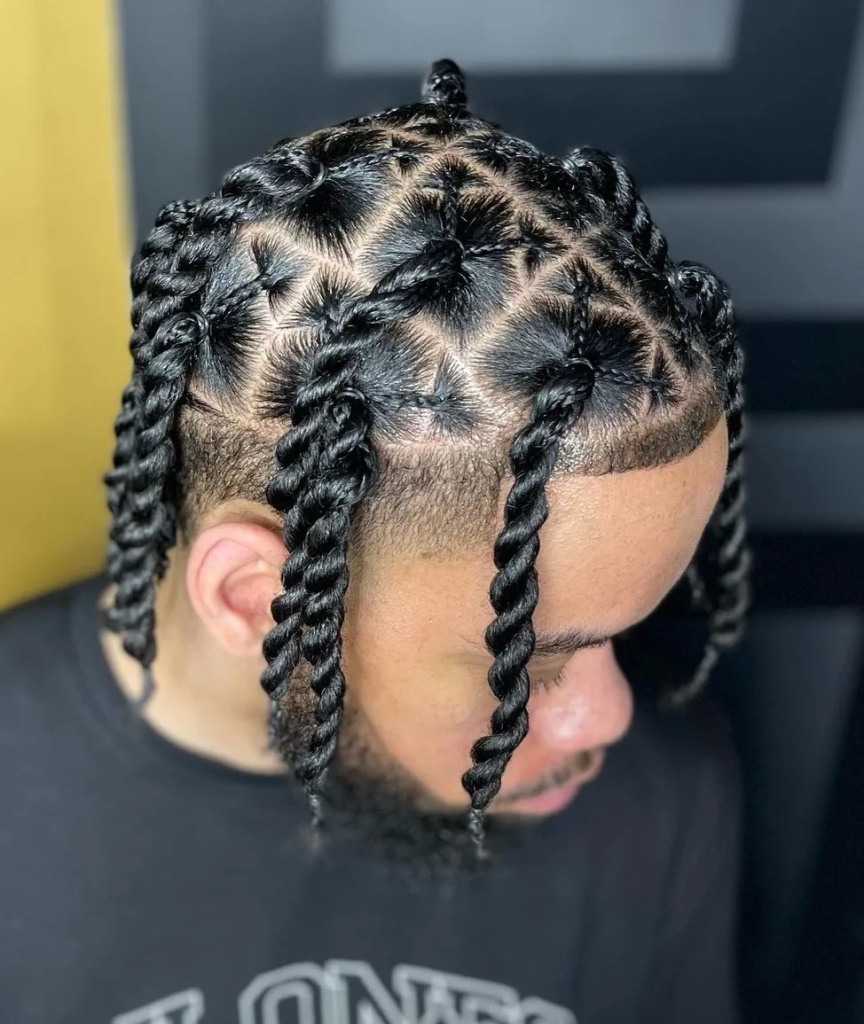
- Length needed: 1.5 inches
- Description: Thicker, fewer twists for a bolder texture.
- Best for: Long face shapes (adds width).
- Styling tip: Separate each twist gently after drying for extra volume.
6. Twists with Line-Up (Sharp Edges)
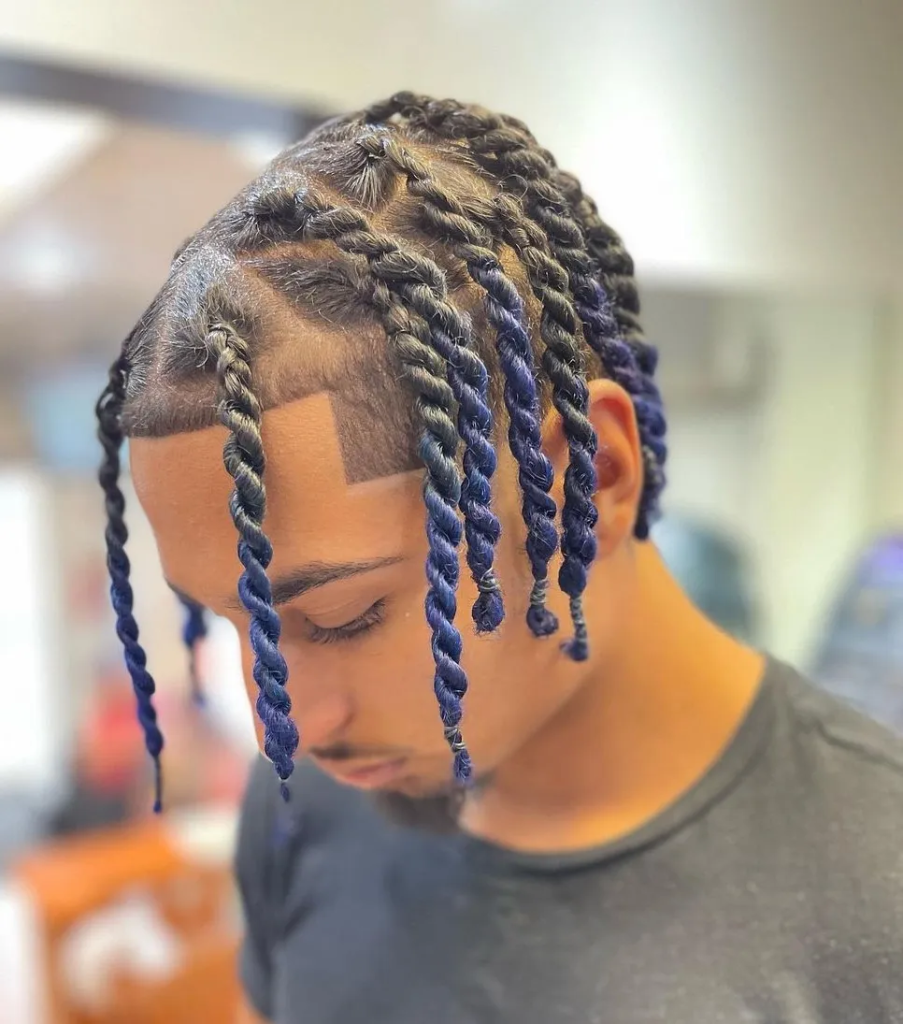
- Length needed: 1.5–2 inches
- Description: Standard short twists with a crisp, razor-sharp hairline.
- Best for: Square and oblong faces.
- Styling tip: Refresh your line-up every 5–7 days to maintain the clean look.
7. Side-Swept Twists

- Length needed: 2 inches on top
- Description: Twists grown slightly longer and swept to one side.
- Best for: Asymmetrical or round faces.
- Styling tip: Apply a dab of twist butter to one side for hold without shine.
8. Blonde or Highlighted Twists (Color Accent)
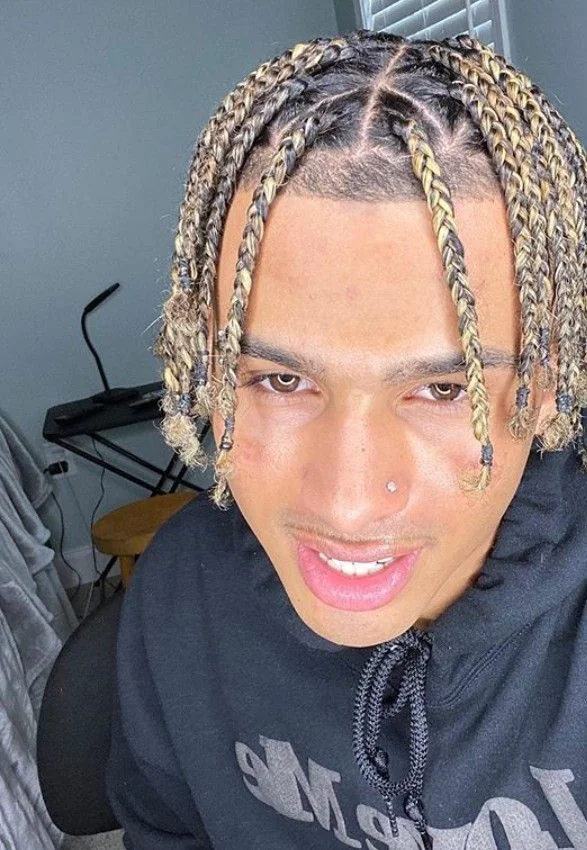
- Length needed: 1.5–2 inches
- Description: Natural black or brown twists with subtle blonde or copper tips.
- Best for: Darker skin tones (high contrast).
- Styling tip: Only color the last ½ inch to minimize damage on short hair.
9. Twisted Fringe (Short Bangs)
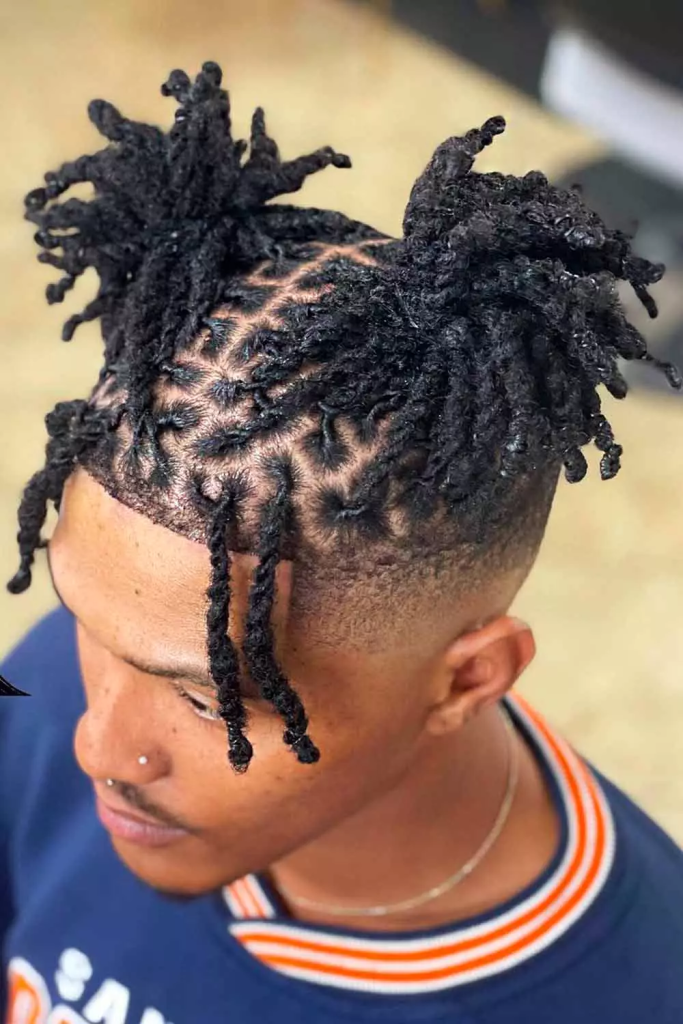
- Length needed: 2–2.5 inches at the front, shorter elsewhere
- Description: Twists are left slightly longer over the forehead.
- Best for: High foreheads or rectangular faces.
- Styling tip: Keep fringe twists loose, not tight to the scalp.
10. Messy, Unparted Twists
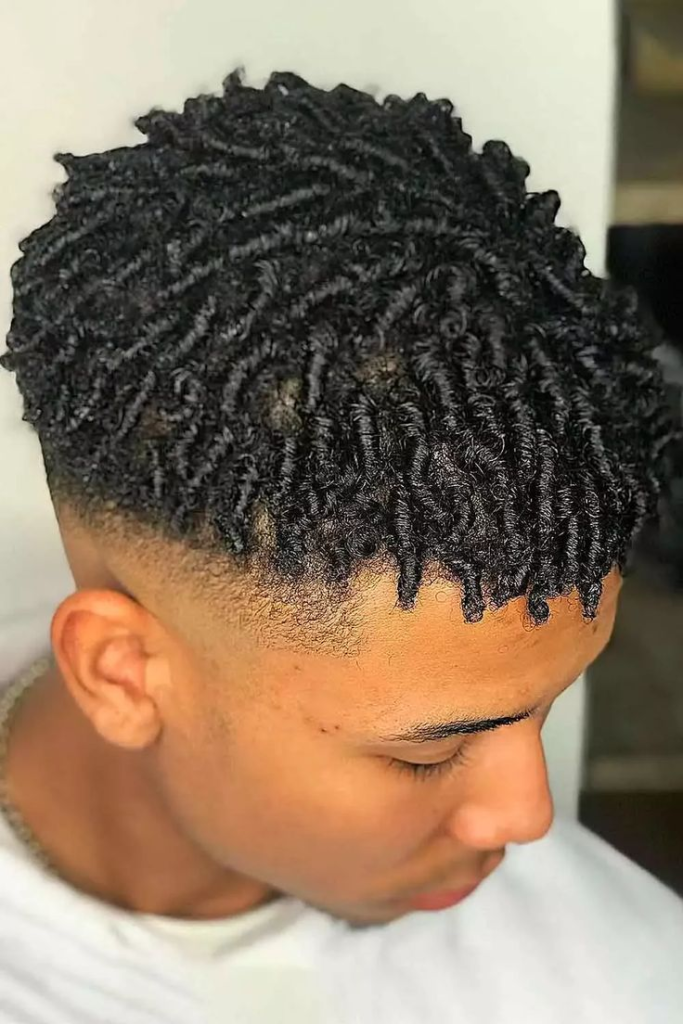
- Length needed: 1.5 inches
- Description: No defined parts; twists go in multiple directions for a carefree look.
- Best for: Oval and triangle face shapes.
- Styling tip: Use a curl refresher spray in the morning to redefine without restyling.
11. Temp Fade + Twists
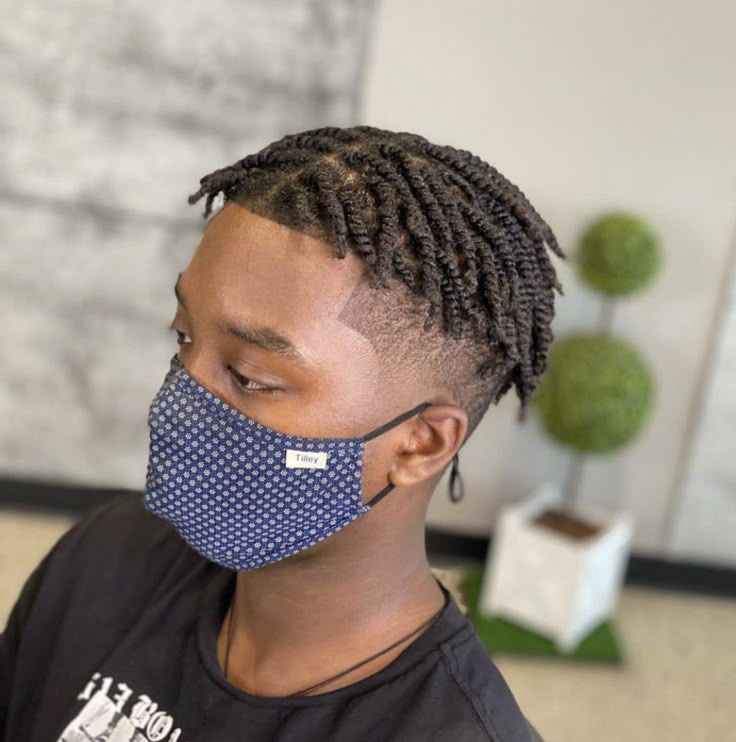
- Length needed: 1.5–2 inches on top
- Description: A temple fade (temp) with short twists on the remaining top section.
- Best for: Round and wide faces.
- Styling tip: The temp fade should arc naturally around the temples—not be too sharp.
12. Twists with Hard Part
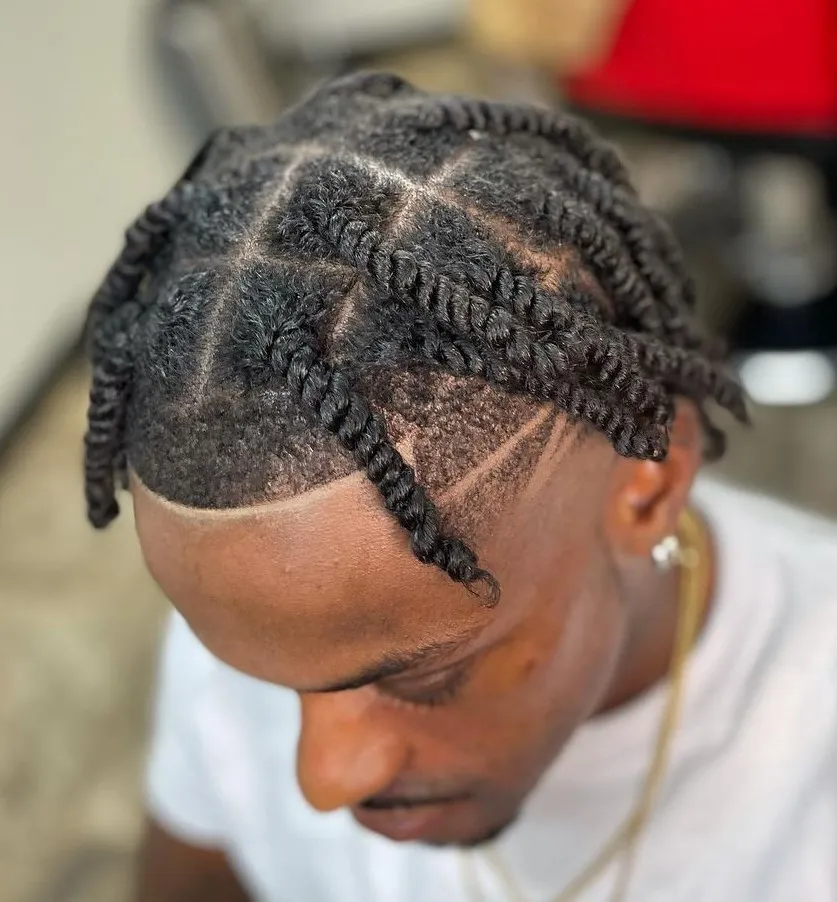
- Length needed: 1.5–2 inches
- Description: A shaved line (hard part) separates twists from the fade.
- Best for: Professional settings (looks very structured).
- Styling tip: Get the hard part re-shaved every 3–4 days.
13. Mini Twists (Very Small Sections)
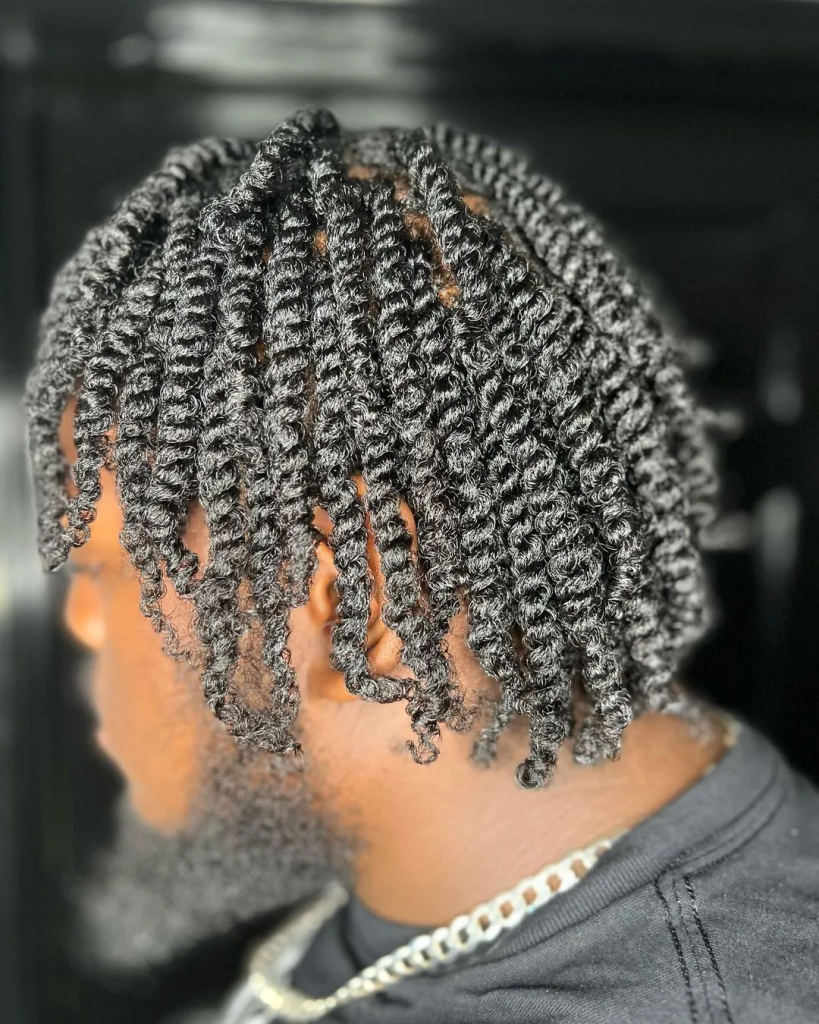
- Length needed: 2 inches
- Description: Dozens of very thin, tight twists.
- Best for: Thin or fine hair textures (adds density).
- Styling tip: Mini twists take longer to install but last up to 3 weeks.
14. Twisted Pompadour
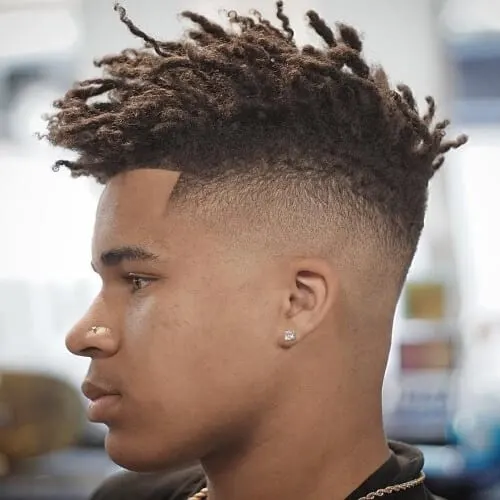
- Length needed: 2.5 inches at the front, tapered shorter in back
- Description: Twists are styled upward and back like a classic pompadour.
- Best for: Heart and oval faces.
- Styling tip: Use a soft-bristle brush to lay down the sides without disturbing twists.
Maintenance and Nighttime Routine
Short two-strand twists can unravel faster than longer twists because there is less hair to create friction. Protect them with this daily and nightly routine:
Daily maintenance:
- In the morning, lightly mist twists with water or a curl refresher spray.
- Gently shake or pat twists – do not comb or rake through them.
- Apply a drop of lightweight oil (jojoba or argan) to your fingertips and smooth down flyaways.
Nighttime routine (essential for short twists):
- Sleep on a satin or silk pillowcase – cotton absorbs moisture and creates frizz.
- Wear a satin-lined bonnet or satin durag. For very short twists (under 1.5 inches), a durag holds twists flatter and prevents them from sticking up.
- If your twists are longer than 2 inches, loosely tie them down with a satin scarf to prevent flattening on one side.
How often to wash:
- Wash every 7–10 days using a diluted shampoo or a foam cleanser. Avoid scrubbing – pat and squeeze instead.
- Never go to bed with damp twists. Moisture trapped overnight causes mildew smell and unraveling.
Common Mistakes to Avoid
Even experienced men make these errors with short two-strand twists. Avoid them for better results:
| Mistake | Why it fails | Better approach |
|---|---|---|
| Twisting hair that is too short | Twists unravel within hours or look like nubs. | Wait until hair is at least 1.5 inches (about 8–10 weeks of growth from a bald fade). |
| Using too much product | Twists feel greasy, attract lint, and won’t dry. | Use a dime-sized amount per section. Less is more on short hair. |
| Making parts too large | Twists look bulky and uneven. | Keep parts no wider than the width of your pinky nail. |
| Twisting too tightly | Causes scalp tension, headaches, and traction alopecia. | Twist with just enough tension to keep the two strands wrapped. The scalp should not pull. |
| Skipping the end seal | Twists unravel from the tips first. | Twist all the way to the very end and roll the tip between your fingers. |
| Washing too aggressively | Twists loosen and frizz immediately. | Use a foam cleanser or co-wash and squeeze – never rub. |
How Long Do Short Two-Strand Twists Last?
Short twists have a shorter lifespan than medium or long twists due to less hair length to maintain friction. Here is a realistic timeline:
- First 3 days: Twists look sharp, defined, and fresh.
- Days 4–7: Some frizz appears at the roots. Ends may start to curl out. Still presentable with touch-ups.
- Days 8–12: Significant frizz. Some twists may have unraveled completely, especially at the nape and temples.
- Day 14: Maximum lifespan for most short twist styles. Beyond this, they look messy rather than textured.
To extend lifespan:
- Retwist only the unraveled sections (takes 10–15 minutes).
- Wear a durag during sleep without exception.
- Avoid heavy sweating without rinsing afterward.
When twists look fuzzy beyond saving, take them down, wash, and either re-twist or switch to another style like a short afro or sponge curls.
Best Products for Short Two-Strand Twists
Short hair responds differently to products than longer hair. These are the most effective types:
For installation:
- Twist cream: Mielle Organics Pomegranate & Honey Twisting Soufflé (light hold, good for short hair)
- Butter: Camille Rose Almond Jai Twisting Butter (medium hold, high shine)
- Gel alternative: Eco Styler Olive Oil Gel (strong hold – use sparingly)
For daily maintenance:
- Refresher spray: As I Am Curl Clarity or water mixed with a drop of conditioner
- Oil: 100% jojoba oil (lightest) or castor oil (heavier, for high frizz areas)
For nighttime:
- Satin durag: Any brand with a comfortable seam
- Satin bonnet: For men who move a lot in sleep
Products to avoid on short twists:
- Heavy beeswax or petroleum jelly (impossible to wash out of short hair)
- Drying alcohol-based sprays (cause brittleness and breakage)
- Coconut oil alone (solidifies at room temperature and flakes inside twists)
Conclusion
Two-strand twists are not just for men with shoulder-length hair. On short hair, this style becomes even more practical—faster to install, easier to maintain, and surprisingly versatile. From the clean lines of a tapered twist to the bold statement of a twisted mohawk, short two-strand twists offer something for every face shape, hair texture, and personal style.
The key to success lies in three things: proper preparation, realistic expectations about lifespan, and a consistent nighttime routine. Short twists will never last as long as long twists, but they make up for it by looking fresher, holding shape better, and requiring far less daily manipulation.
Whether you are growing out a buzz cut and need a protective style, or you simply want a low-fuss look that still turns heads, two-strand twists on short hair deliver. Start with clean, damp hair, twist with patience rather than tension, and protect those twists while you sleep. Within two weeks, you will either have a style worth repeating or enough new growth to try something even bolder. Either way, you have mastered one of the most useful techniques in textured hair styling.
