That shady corner of your garden—the one under the dense maple tree, or the narrow strip along the north side of your house—doesn’t have to stay bare and lifeless. While many gardeners assume that shade means limited possibilities, the reality is quite different. A wide array of beautiful perennials actually prefer these cooler, sheltered conditions and will reward you with lush foliage and striking blooms year after year, with remarkably little effort.
The secret lies in choosing the right plants for your specific conditions. Not all shade is created equal—dappled light filtering through tree canopies differs from the deep shade cast by buildings, and partial shade areas that receive morning sun support a broader range of bloomers than spots that see fewer than three hours of direct light. Understanding your garden’s light patterns is the first step toward success. Spend a day observing where light falls in your intended planting area; what looks like “part shade” in spring when trees are bare might be “full shade” by July.
Once you’ve matched the right plant to the right spot, shade gardens offer distinct advantages. They typically need less water than sun-drenched beds, protection from harsh afternoon heat means less stress on plants, and the cool, tranquil atmosphere they create provides a peaceful retreat from summer’s intensity. These sixteen foolproof perennials have proven themselves reliable, beautiful, and forgiving—even for gardeners who are just beginning their shade garden journey.
Understanding Your Shade Conditions
Before you start planting, it is essential to accurately assess the light levels in your garden. Shade is not a one-size-fits-all condition, and misreading your site is one of the most common reasons for failure.
Full shade refers to areas that receive less than three hours of direct sunlight per day, typically with filtered or reflected light only. These spots are often found beneath dense evergreens or on the north side of tall buildings.
Partial shade means three to six hours of sunlight daily, usually during the cooler morning hours with protection from harsh afternoon rays. This condition is ideal for the widest range of shade perennials.
Dappled shade occurs beneath deciduous trees with high canopies, where sunlight filters through leaves in shifting patterns throughout the day. Many woodland natives thrive in these conditions.
Deep shade describes areas that receive virtually no direct sunlight at any time, such as narrow alleyways or spots beneath very dense, low-branched trees. Only the most tolerant plants, like certain ferns and hostas, will succeed here.
To assess your conditions, observe your garden at two-hour intervals throughout a sunny day, noting when and where sun falls. Remember that light patterns change with the seasons, particularly under deciduous trees. A spot that basks in spring sunshine may become deeply shaded once summer foliage fills in. Taking these seasonal shifts into account will help you make smart plant choices.
16 Foolproof Shade Perennials
1. Hostas
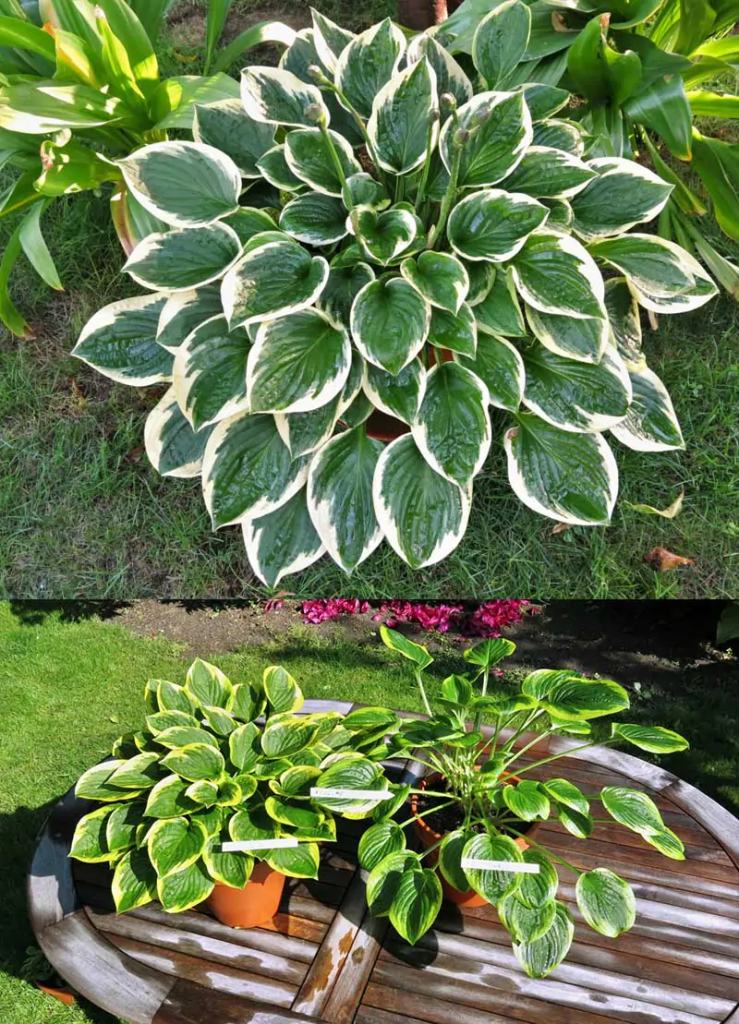
Hostas are the undisputed workhorses of the shade garden. Grown primarily for their spectacular foliage, they come in an extraordinary range of sizes—from miniature varieties just inches across to giant specimens reaching four feet tall and six feet wide—with leaf colors spanning deep blue-green, bright chartreuse, and striking variegations of cream, gold, and green. While mainly valued for their leaves, hostas produce spikes of lavender or white flowers in summer that attract hummingbirds. They thrive in partial to full shade with moist, well-drained soil and are incredibly long-lived. Why it’s foolproof: Exceptionally hardy and adaptable; they return reliably each year and multiply over time.
2. Astilbes
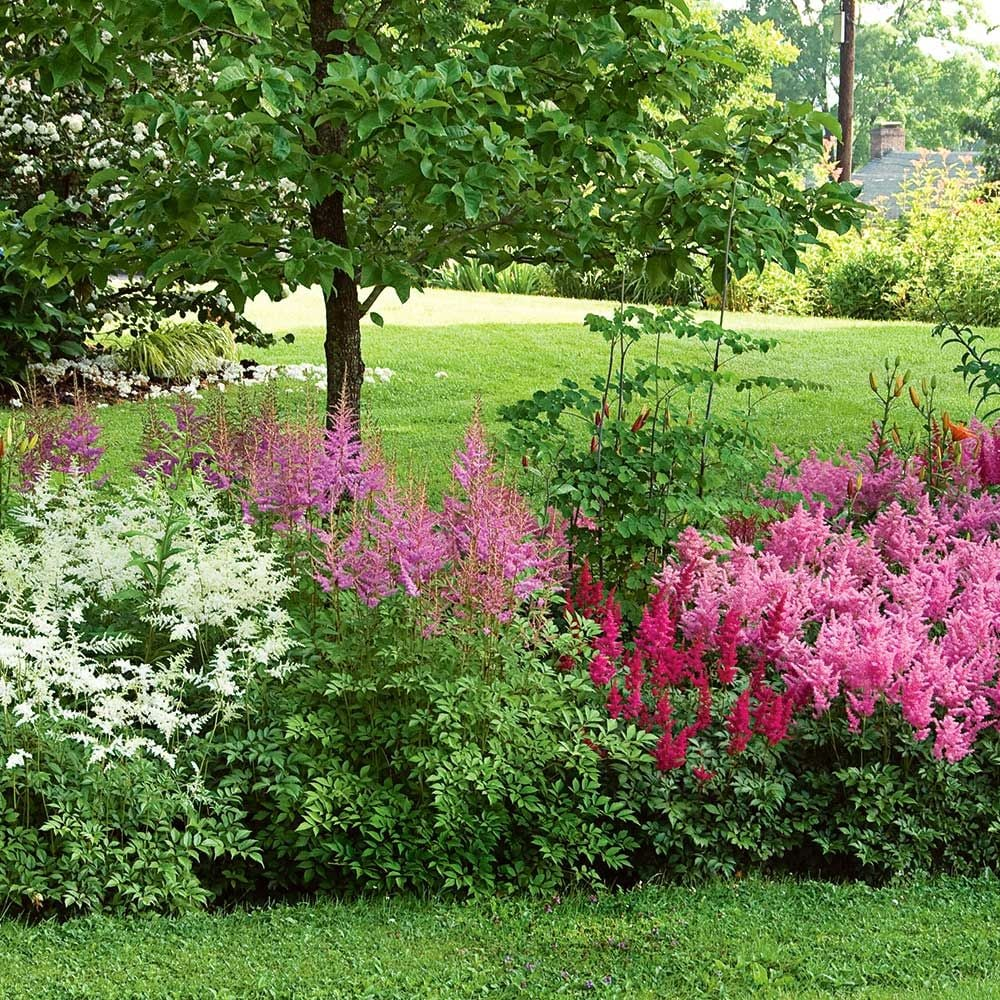
With feathery plumes rising above fern-like foliage, astilbes bring unmatched texture and color to the shade garden. Their blooms appear in early to midsummer in shades of pink, red, white, and purple, lasting for weeks and even drying beautifully on the plant for winter interest. They prefer partial shade, particularly spots that receive morning sun and afternoon shade, and need consistently moist, humus-rich soil. Why it’s foolproof: Reliable and long-blooming; deer-resistant and pest-free.
3. Ferns
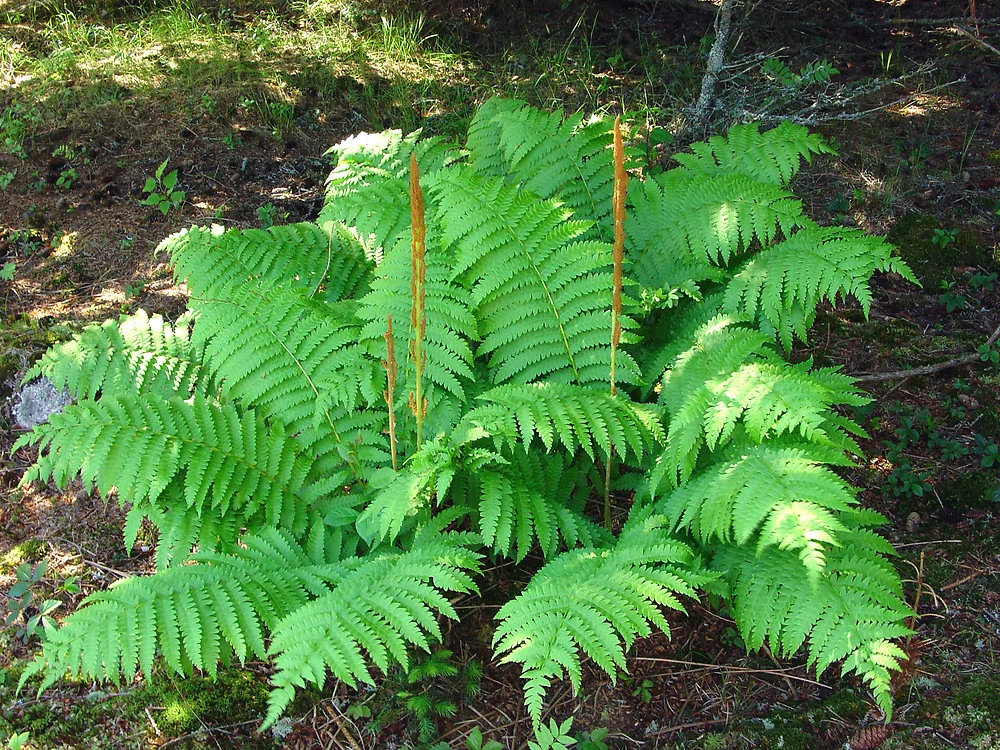
Among the most ancient and dependable plants for shade, ferns have been thriving in woodlands for millions of years. They come in countless varieties, from delicate maidenhair ferns to bold ostrich ferns and the striking Japanese painted fern, whose fronds combine silver, burgundy, and soft green. Their feathery fronds unfurl in spring and provide lush texture through fall. Most prefer moist, well-drained soil and don’t mind humid conditions. Why it’s foolproof: Virtually maintenance-free once established; deer and pest resistant; create a beautiful woodland effect.
4. Bleeding Heart
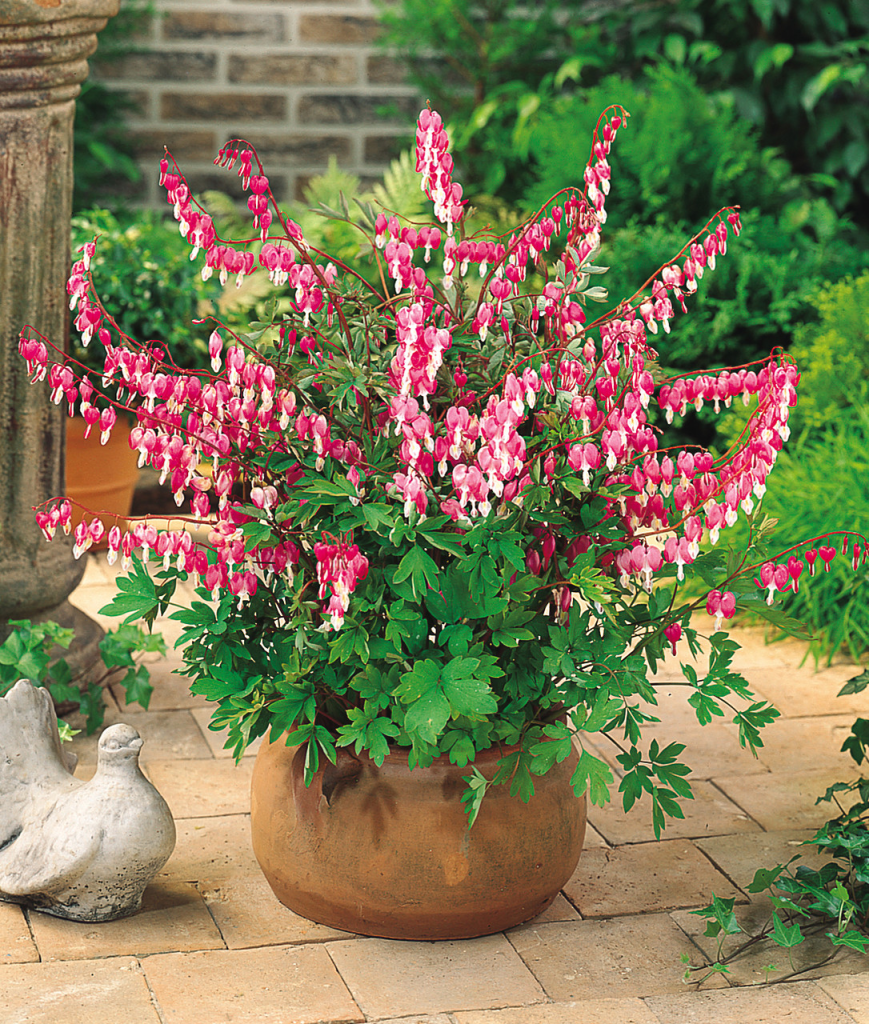
A true spring classic, bleeding heart produces arching stems lined with dangling, heart-shaped pink or white flowers that unfurl in early spring. The display is truly unique—each blossom looks like a tiny heart with a drop at the bottom. The fern-like foliage adds interest even after flowering, though the plants typically go dormant in summer heat. Why it’s foolproof: Incredibly reliable and naturalizes beautifully; the unusual flowers create a stunning spring display. Plant alongside hostas or ferns to fill the gap when foliage dies back.
5. Heucheras (Coral Bells)
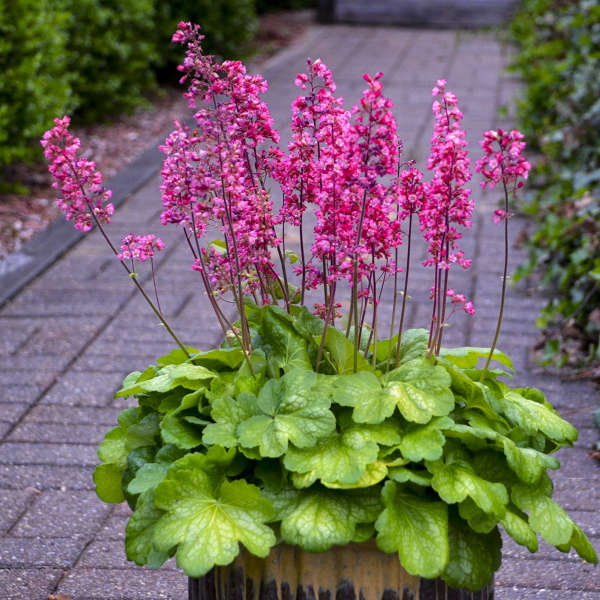
Heucheras are prized primarily for their spectacular foliage, which comes in an extraordinary palette—deep burgundy, vivid lime, amber, silver, and nearly black. The leaves keep their rich colors through winter in many regions, providing year-round interest. Small bell-shaped flowers appear on tall stems in summer, attracting hummingbirds. They’re equally at home in containers or garden beds and don’t compete aggressively with neighbors. Why it’s foolproof: Tough, low-maintenance, and drought-tolerant once established; foliage color remains vibrant from spring through fall.
6. Brunnera
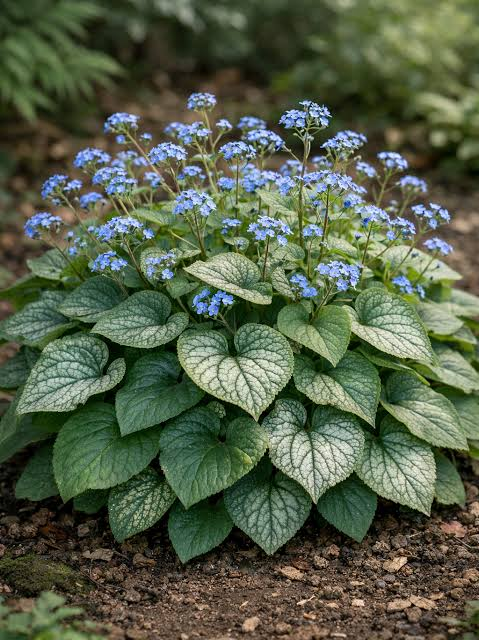
Brunnera, also known as Siberian bugloss, brings both beauty and reliability to shady spots. Its large, heart-shaped leaves create an attractive groundcover, while clusters of tiny, forget-me-not-blue flowers float above the foliage in spring. The variety ‘Jack Frost’ features striking silver-netted leaves that remain showy from spring to fall frost. Once established, this tough perennial tolerates dry shade under trees and requires minimal care. Why it’s foolproof: Deer- and rabbit-resistant; tolerates less-than-perfect soil and dry conditions; pest-free.
7. Hellebores (Lenten Rose)
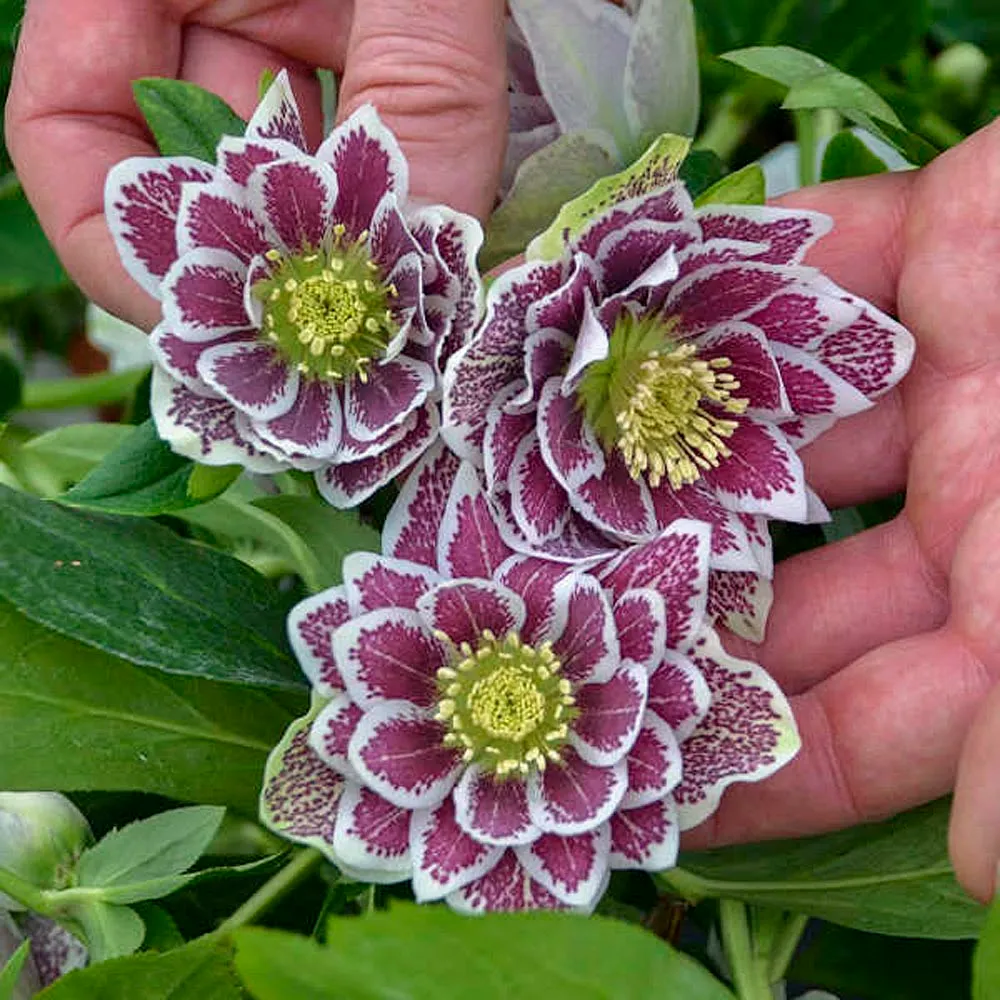
Hellebores are the early risers of the shade garden, blooming in late winter or very early spring, sometimes pushing up through snow. Their nodding, cup-shaped flowers come in shades of white, pink, plum, pale green, and near-black, often with attractive speckling. The leathery, palm-shaped leaves are evergreen in most climates, providing year-round structure. They prefer partial to full shade with well-draining soil and require minimal pruning—just a tidy-up of old leaves in late winter. Why it’s foolproof: Extremely hardy and long-lived; bloom when almost nothing else is flowering; deer-resistant.
8. Solomon’s Seal
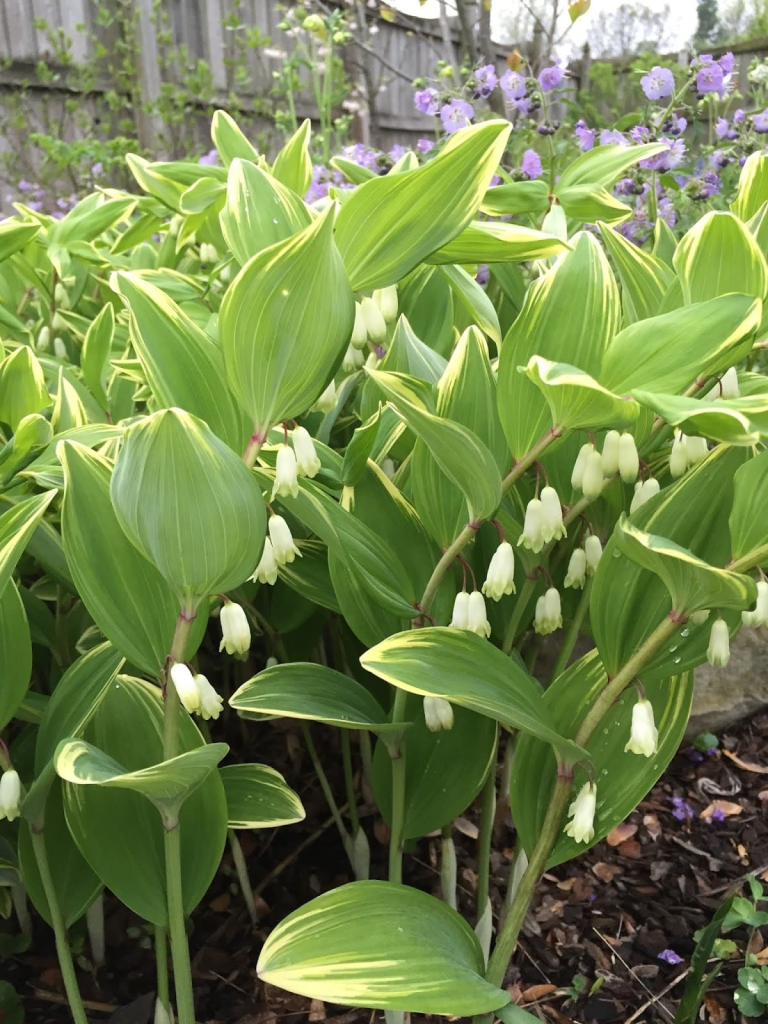
A graceful woodland native, Solomon’s Seal features arching stems lined with oval green leaves that dance in the breeze. In late spring, small, dangling white bell-shaped flowers hang beneath the stems like tiny lanterns, followed by blue-black berries in fall. The foliage turns a lovely golden yellow in autumn. It spreads slowly through underground roots, forming natural colonies over time. Why it’s foolproof: Deer- and rabbit-resistant; naturalizes beautifully in woodland settings; provides multi-season interest.
9. Lungwort
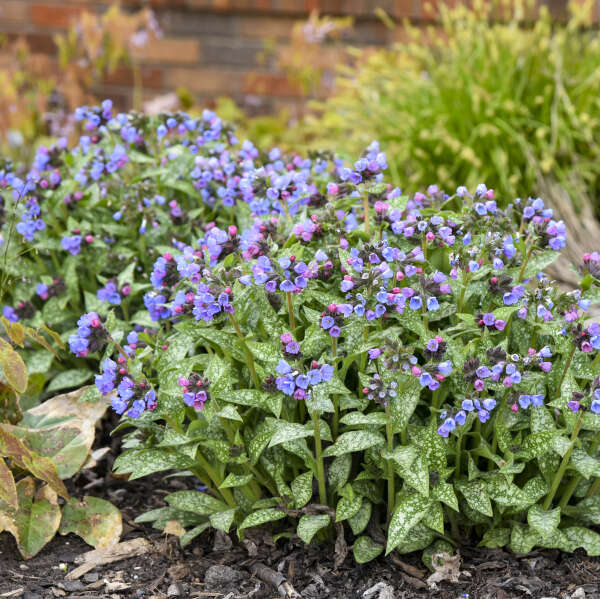
Lungwort is named for its spotted leaves, which were once thought to resemble diseased lungs, but there’s nothing sickly about this charming perennial. The foliage features silvery-white spots or patches that brighten dark corners, and in early spring, clusters of pink and blue flowers appear—often both colors on the same plant as the blooms age. It grows low and dense, making excellent groundcover, and the leaves remain attractive through winter in many regions. Why it’s foolproof: Hardy and low-maintenance; thrives in full or partial shade; pollinator-friendly.
10. Foamflower
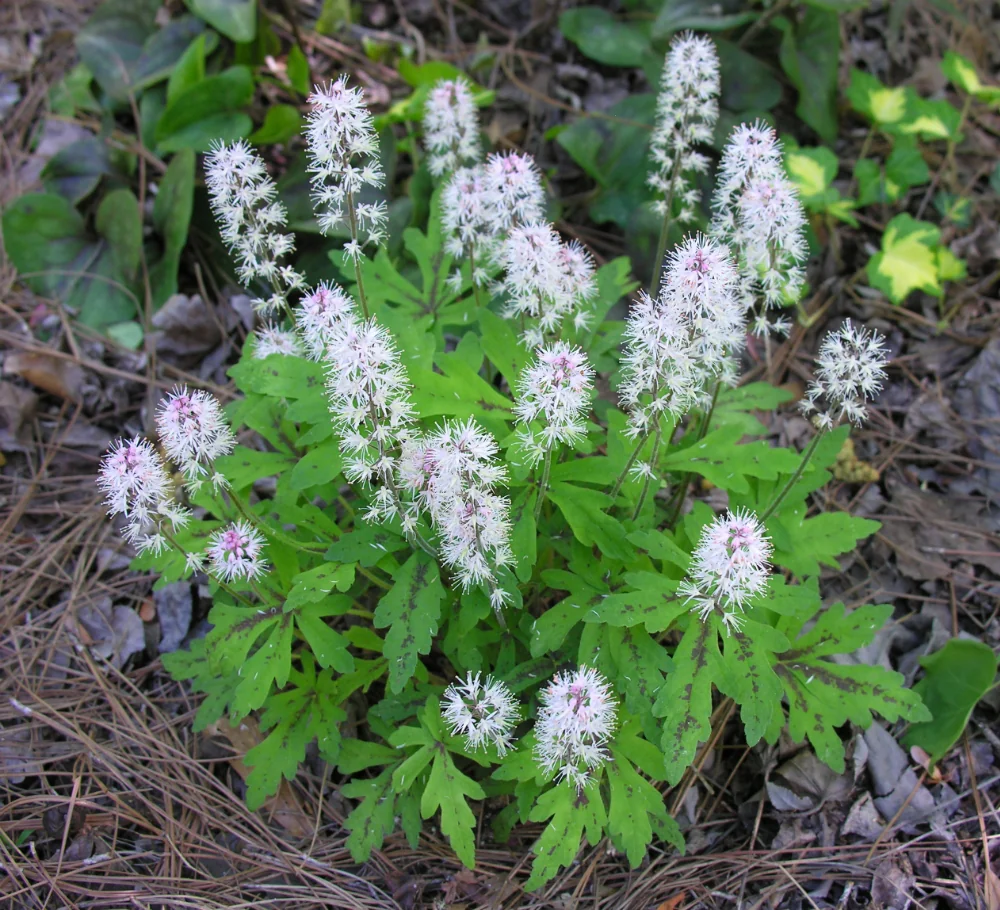
A North American native, foamflower produces frothy spikes of tiny white or pink flowers in spring that rise above maple-shaped, lobed foliage like miniature clouds. The leaves often feature beautiful burgundy or purple markings, adding ornamental texture even when not in bloom. It spreads gradually via surface runners to form a charming groundcover under trees and shrubs. Why it’s foolproof: Hardy and low-maintenance; spreads to fill empty spaces; deer-resistant; ideal for natural woodland settings.
11. Toad Lily
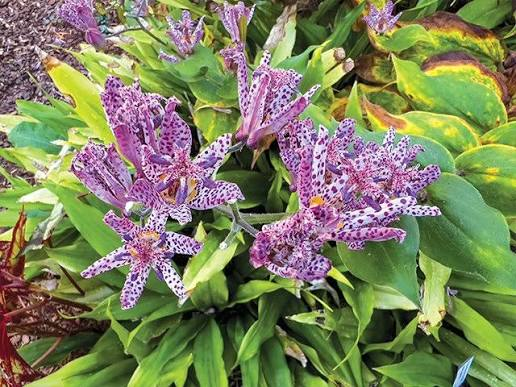
If you think the shade garden has nothing to offer in fall, you haven’t met toad lilies. These late-season bloomers produce intricate, orchid-like flowers in purple, white, or pink, often speckled with darker spots, from late summer through October. Growing 2-3 feet tall, they’re surprisingly hardy for such exotic-looking plants and thrive in moist, well-drained soil beneath trees or along woodland paths. Why it’s foolproof: Reliable and low-maintenance; bloom when most other perennials have finished; add autumn magic to the shade garden.
12. Japanese Forest Grass
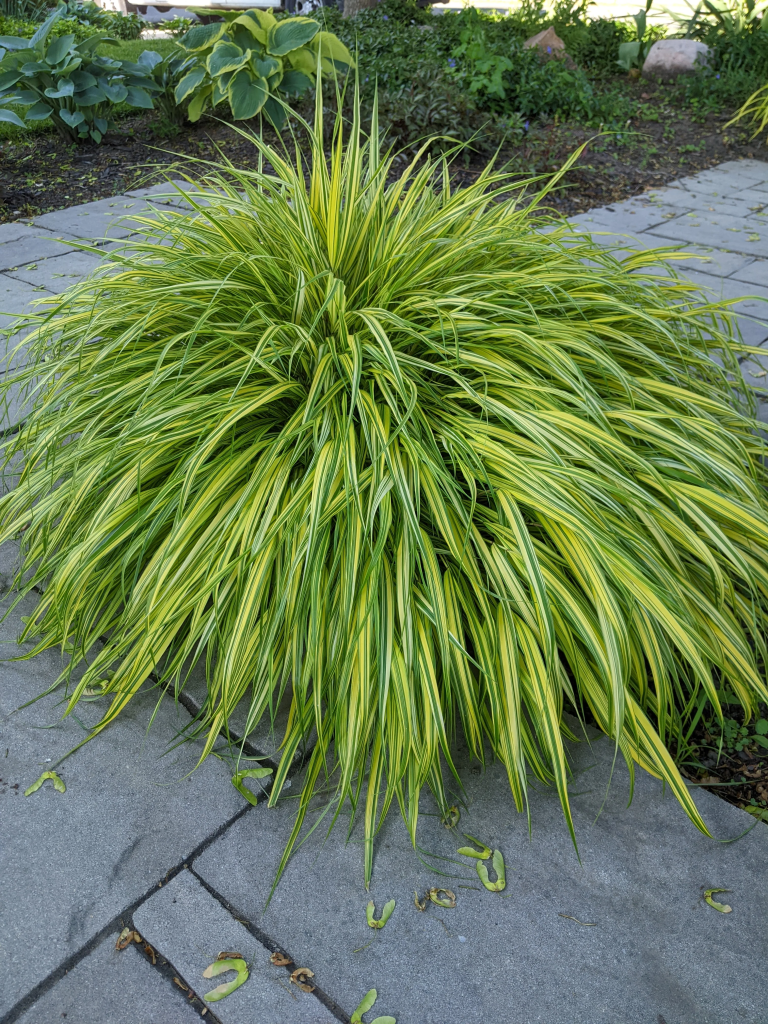
This ornamental grass adds graceful movement and texture to shady spots. Its slender, arching leaves cascade like a waterfall, emerging bright green in spring and turning golden as summer progresses. Reaching about 12 inches tall, it catches even the slightest breeze, creating a peaceful rustling sound and gentle motion that softens borders and pathways. Why it’s foolproof: Low-maintenance and slow-growing; handles poor soil and doesn’t attract deer; provides unique texture in the shade garden.
13. Epimedium (Fairy Wings)
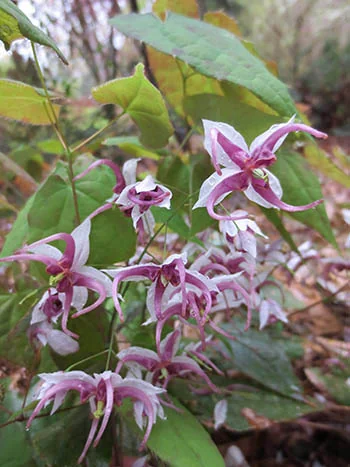
Epimedium is a low-growing perennial that forms dense mats of heart-shaped foliage, often emerging with bronze tints in spring before turning green and taking on reddish hues in fall. Small, spider-like flowers dance above the foliage in April and May in shades of yellow, pink, or white. It’s one of the few perennials that thrives in dry shade under trees, making it invaluable for challenging spots where other plants struggle. Why it’s foolproof: Handles dry conditions once established; deer- and rabbit-resistant; provides year-round interest.
14. Ajuga (Bugleweed)
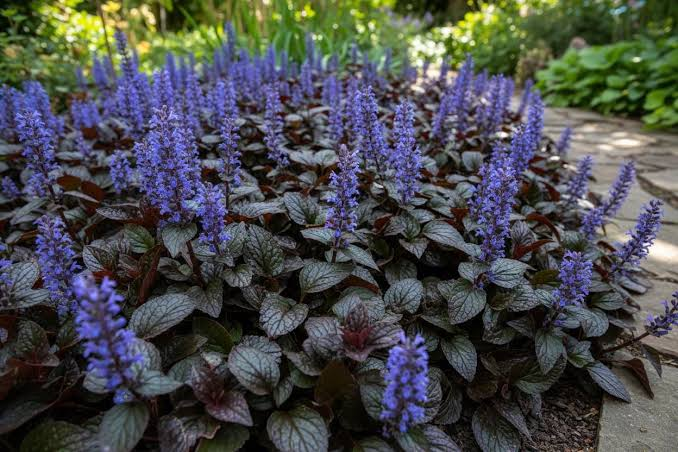
Ajuga is a vigorous, low-growing groundcover that quickly fills difficult bare patches. Its glossy leaves come in green, bronze, or variegated forms, and in spring it sends up spikes of blue flowers that add welcome color at ground level. It’s an excellent choice for covering ground beneath trees or in other challenging shade conditions. Why it’s foolproof: Incredibly tough and adaptable; grows almost anywhere and spreads quickly; suppresses weeds effectively.
15. Ligularia
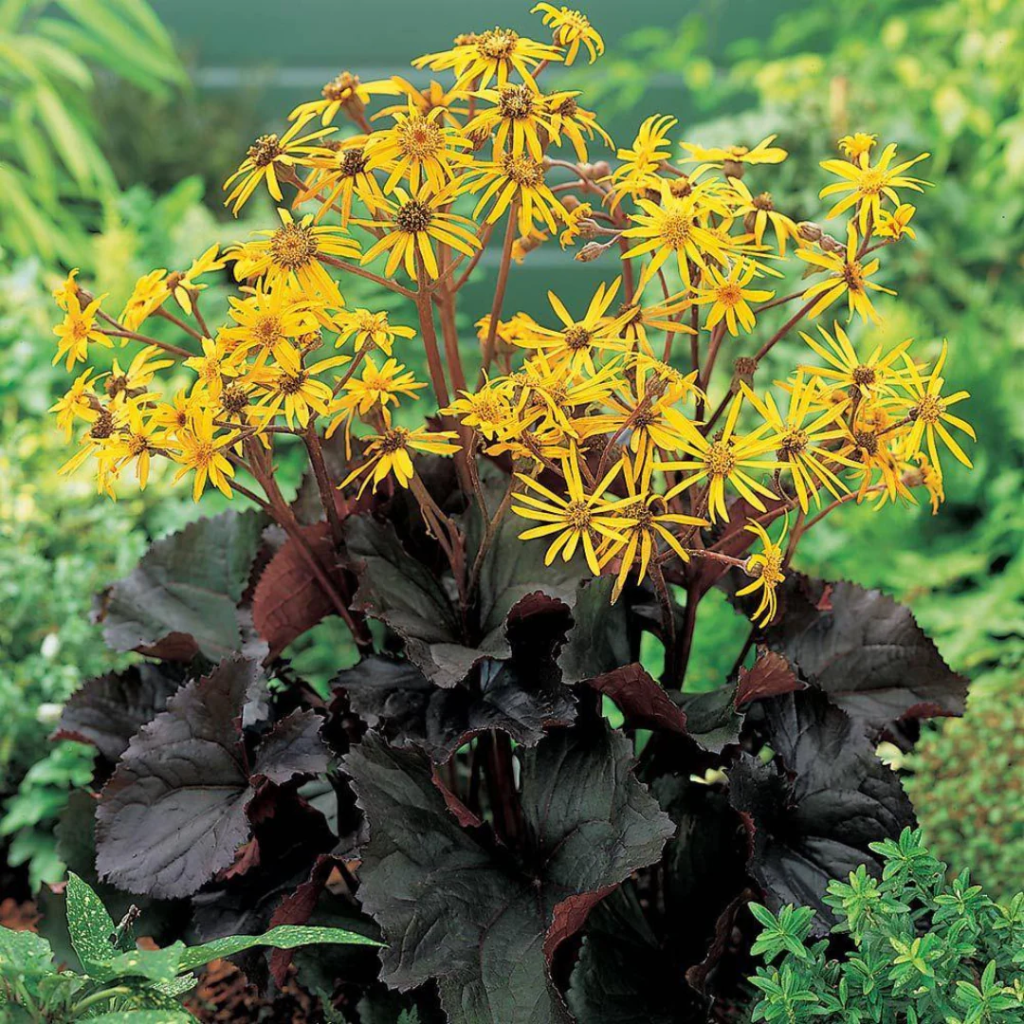
For bold, dramatic foliage, ligularia is hard to beat. Its large, rounded leaves—up to 16 inches across—create a striking presence in the shade garden, with some varieties featuring burgundy undersides or serrated edges. In late summer, tall spikes of bright yellow flowers rise 3-6 feet above the foliage, adding vertical interest. It thrives in moist, rich soil and needs protection from hot afternoon sun. Why it’s foolproof: Reliable performer in cool climates; bold foliage provides architectural interest; unique late-summer blooms.
16. Columbine
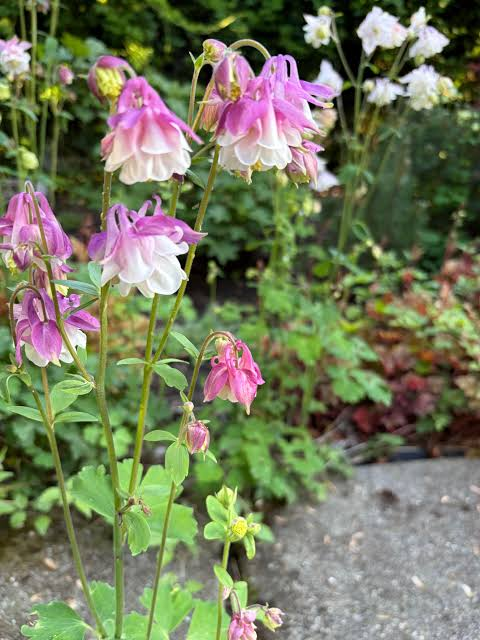
Columbine produces delicate, spurred flowers in a remarkable range of colors—pink, purple, yellow, white, and bicolor—that bloom in mid-spring when the shade garden most needs a burst of color. The unusual blooms are hummingbird magnets, and the plant self-seeds freely, meaning a single plant can become a generous colony over time. It prefers partial shade, as intense full sun can cause foliage scorch. Why it’s foolproof: Easy to maintain; self-seeds to naturalize; attracts pollinators; available in a wide range of colors.
Essential Growing Conditions for Shade Plants
While shade plants are generally forgiving, providing the right soil and moisture conditions will help them thrive with minimal intervention.
Soil Preparation: Most shade perennials prefer rich, well-draining soil high in organic matter. Woodland plants are accustomed to forest floors covered in naturally decomposing leaves. Before planting, amend your soil with generous amounts of compost, leaf mold, or well-rotted manure. This improves both drainage and moisture retention, creates a loose texture that encourages deep rooting, and provides slow-release nutrients throughout the growing season.
Moisture Levels: Contrary to popular belief, many shade areas are actually dry. Large trees and dense shrubs compete aggressively for water, leaving little for smaller plants. While some shade plants tolerate dry conditions, most perform best with consistent moisture. Water deeply during dry spells, preferably in the morning to allow leaves to dry before nightfall. A two to three-inch layer of mulch around plants will conserve moisture, moderate soil temperature, and suppress weeds. Use shredded bark, leaf compost, or pine needles for best results.
Fertilizing: Shade perennials are generally light feeders and do not require heavy fertilization. Overfeeding can lead to excessive soft growth that flops over and becomes susceptible to pests. A light application of balanced slow-release fertilizer in early spring, followed by a thin layer of compost in midsummer, is usually sufficient to keep plants healthy and vigorous.
Designing Your Shade Garden
A well-designed shade garden relies on thoughtful plant placement to create visual interest throughout the seasons. Use these principles to guide your layout:
Layering: Place taller plants at the back or center of your border, medium-height perennials in the middle, and low-growing groundcovers at the front. This creates depth and ensures all plants are visible. For example, pair tall ligularia with medium-height hostas and low-growing ajuga for a tiered effect.
Texture and Foliage: Since flowers are less abundant in shade gardens, foliage becomes your primary design element. Combine plants with contrasting leaf shapes, sizes, and colors. Pair the broad, bold leaves of hostas with the delicate, feathery fronds of ferns. Use silver-variegated brunnera beside deep burgundy heucheras for striking contrast. Varied textures create richness and prevent the garden from appearing flat or monotonous.
Seasonal Interest: Plan for continuous appeal by selecting plants with different bloom times. Hellebores start the season in late winter, followed by bleeding hearts and columbines in spring, astilbes and brunnera in summer, and toad lilies in fall. Foliage plants like hostas, heucheras, and ferns provide structure and color throughout the growing season, ensuring your garden never looks bare.
Repetition: Repeating select plant varieties throughout your garden creates rhythm and cohesion. Rather than featuring one of everything, use groups of three, five, or seven plants of a single variety for a more polished, intentional look. This technique particularly works well with bold foliage plants like hostas and heucheras.
Maintenance Tips for a Low-Care Shade Garden
One of the greatest advantages of shade perennials is their low-maintenance nature. However, a few simple practices will keep your garden looking its best with minimal effort.
Watering: Newly planted perennials need regular watering during their first season to develop deep root systems. Once established, most shade plants are relatively drought-tolerant, though they will perform best with occasional deep watering during prolonged dry periods. Water at the base of plants to keep foliage dry and reduce disease risk.
Mulching: Apply a two to three-inch layer of organic mulch annually, preferably in spring after the soil has warmed. Mulch conserves moisture, suppresses weeds, and gradually decomposes to enrich the soil. Avoid piling mulch directly against plant stems, which can cause rot.
Pruning and Deadheading: Remove spent flower stalks after blooming to encourage additional blooms and keep plants looking tidy. In late fall or early spring, cut back dead foliage before new growth appears. Some plants like heucheras and hellebores benefit from a cleanup of old, tattered leaves in late winter to make way for fresh growth.
Dividing: Many shade perennials benefit from division every three to five years when they become overcrowded. Spring or early fall is the best time to lift and divide clumps, replanting the healthiest divisions. This rejuvenates plants, improves flowering, and gives you extra plants to expand your garden or share with friends.
Pest and Disease Management: Shade gardens generally experience fewer pest problems than sun-drenched beds, but slugs and snails can be a nuisance, especially in damp conditions. Use natural deterrents like diatomaceous earth, beer traps, or copper tape around vulnerable plants. Good air circulation and avoiding overhead watering will minimize fungal diseases.
The 16 Foolproof Shade Perennials at a Glance
| Plant | Height | Bloom Time | Light Preference | Key Feature |
|---|---|---|---|---|
| Hostas | 6-48 inches | Summer | Full to part shade | Diverse foliage |
| Astilbes | 12-48 inches | Early summer | Part shade | Feathery plumes |
| Ferns | 12-48 inches | Foliage only | Full to part shade | Textured fronds |
| Bleeding Heart | 12-36 inches | Spring | Part to full shade | Heart-shaped flowers |
| Heucheras | 8-18 inches | Summer | Part to full shade | Colorful foliage |
| Brunnera | 12-18 inches | Spring | Part to full shade | Silver-veined leaves |
| Hellebores | 12-18 inches | Late winter to spring | Part to full shade | Early blooms |
| Solomon’s Seal | 24-36 inches | Spring | Part to full shade | Arching stems |
| Lungwort | 8-12 inches | Spring | Part to full shade | Spotted leaves |
| Foamflower | 6-12 inches | Spring | Part to full shade | Foamy flowers |
| Toad Lily | 24-36 inches | Late summer to fall | Part to full shade | Orchid-like blooms |
| Japanese Forest Grass | 12-18 inches | Foliage only | Part shade | Cascading grass |
| Epimedium | 8-12 inches | Spring | Full to part shade | Dry shade tolerance |
| Ajuga | 4-6 inches | Spring | Part to full shade | Groundcover |
| Ligularia | 36-72 inches | Late summer | Part shade | Bold leaves |
| Columbine | 18-24 inches | Spring | Part shade | Unique spurred flowers |
Common Mistakes to Avoid
Even with foolproof plants, certain missteps can lead to disappointment. Avoid these common errors for best results.
Planting in the wrong spot tops the list. Placing a partial-shade plant in deep shade results in leggy growth and poor flowering. Conversely, putting a shade-loving plant in afternoon sun leads to scorched, wilting leaves. Always match your plant to your specific light conditions.
Overwatering is surprisingly common. While shade plants need consistent moisture, waterlogged soil causes root rot. Ensure your soil drains well and never let plants sit in standing water.
Ignoring tree roots can sabotage your efforts. When planting beneath trees, you compete with established root systems for water and nutrients. Amend planting holes with compost, water deeply during dry spells, and choose plants like epimedium and ajuga that tolerate root competition.
Neglecting spring cleanup leads to a messy appearance. Many shade perennials retain dead foliage through winter, which should be removed in early spring before new growth emerges. This simple task improves appearance and prevents disease.
Overcrowding is tempting for instant impact, but it leads to poor air circulation, increased disease risk, and stunted growth. Follow spacing recommendations on plant tags and be patient—plants will fill in beautifully within a year or two.
Companion Planting Ideas
Combining complementary plants enhances both beauty and plant health. Here are some proven pairings to inspire your design:
Classic Woodland Combo: Plant bleeding hearts with ferns and hostas for a natural, woodland look. The bleeding hearts bloom in spring, while ferns and hostas fill in with lush foliage throughout summer.
Foliage Focus: Combine silver-leaved brunnera with purple heucheras and chartreuse hostas. The varied leaf colors and textures create year-round interest without relying on flowers.
Pollinator Patch: Plant columbine, foamflower, and astilbe together to attract hummingbirds and butterflies. These bloom at different times, ensuring a steady nectar supply.
Fall Interest: Pair toad lilies with Japanese forest grass and evergreen hellebores. The toad lilies provide late-season flowers, the grass adds movement, and hellebores offer winter structure.
Groundcover Layer: Underplant taller perennials with ajuga, lungwort, or epimedium. These low growers suppress weeds, retain moisture, and add their own ornamental value at ground level.
Container Arrangements: Heucheras, ferns, and hostas thrive in pots and make stunning container displays. Their foliage creates instant impact on patios, porches, and shady balconies.
Conclusion
Creating a beautiful shade garden is not only possible but remarkably achievable with the right plant choices. The sixteen perennials highlighted here have earned their reputation as foolproof through years of reliable performance in challenging conditions. Whether you are a beginner gardener looking for easy successes or an experienced enthusiast seeking low-maintenance solutions, these plants will reward you with lush foliage, charming blooms, and year-round beauty.
The key to success lies in understanding your specific shade conditions, preparing your soil properly, and selecting plants matched to your site. With thoughtful design and minimal care, even the darkest corners can transform into vibrant, serene retreats that bring joy throughout the seasons. Remember that shade gardens evolve over time—your perennials will spread, multiply, and mature, creating an increasingly lush and layered landscape with each passing year.
Start with a few reliable favorites, observe what thrives in your conditions, and build from there. The shade garden you create will not only beautify your outdoor space but also provide a cool, tranquil sanctuary—a place to escape the heat, quiet the mind, and connect with nature’s quieter beauty. With these foolproof perennials, success is virtually guaranteed.
