The all-white bathroom is officially over. After years of cool minimalism and builder-grade neutrality, bathroom design in 2027 is experiencing what designers are calling “the great defrosting”—a decisive shift toward warmth, authenticity, and emotional comfort. “The glaring bathroom trend that gives me the ick is all-white bathrooms,” says designer Shamika Lynch. “It looks good enough to get by at first, then quickly exposes all the scum and grime you’ll try desperately to hide no matter how often you clean” .
This evolution reflects broader cultural shifts: sustainability is no longer optional but expected, wellness has become a daily priority rather than a weekend luxury, and technology is being integrated so seamlessly it almost disappears. The bathroom of 2027 is not just a room—it’s a personal retreat designed for restoration, where every surface, fixture, and material serves a clear purpose .
The market reflects this transformation. The smart bathroom sector is projected to reach $9.5 billion by 2027, while hotels adopting smart solutions report 30-60% lower water consumption . Designers are moving away from short-lived trends toward spaces that will still look good in 2032—commitment to one clear direction, executed consistently, is the new measure of success .
Key Considerations Before Renovating
Budget Planning
Quality materials and professional installation are non-negotiable for 2027 trends. Natural stone, solid wood, aged brass, and large-format tiles command premium prices. Allocate at least 15-20% of your budget for unforeseen issues—especially in older homes where plumbing and electrical systems may need upgrading to support smart features.
Professional vs. DIY
While painting and accessory changes are DIY-friendly, most 2027 trends require specialist skills. Tiling with large-format slabs, installing fluted glass screens, plumbing vintage furniture, and integrating smart systems are jobs for experienced tradespeople. Cutting corners on installation undermines even the most expensive materials.
Space Considerations
Not every trend suits every bathroom. Wood-wrapped spas require excellent ventilation. Freestanding tubs need floor space and appropriate floor loading. Vintage vanities demand precise plumbing adjustments. Match the trend to your actual square footage rather than forcing a look into an unsuitable footprint.
Below are twelve bathroom trends defining 2027, each offering a distinct path to creating a space that feels both current and enduring:
1. Warm Stone Minimalism
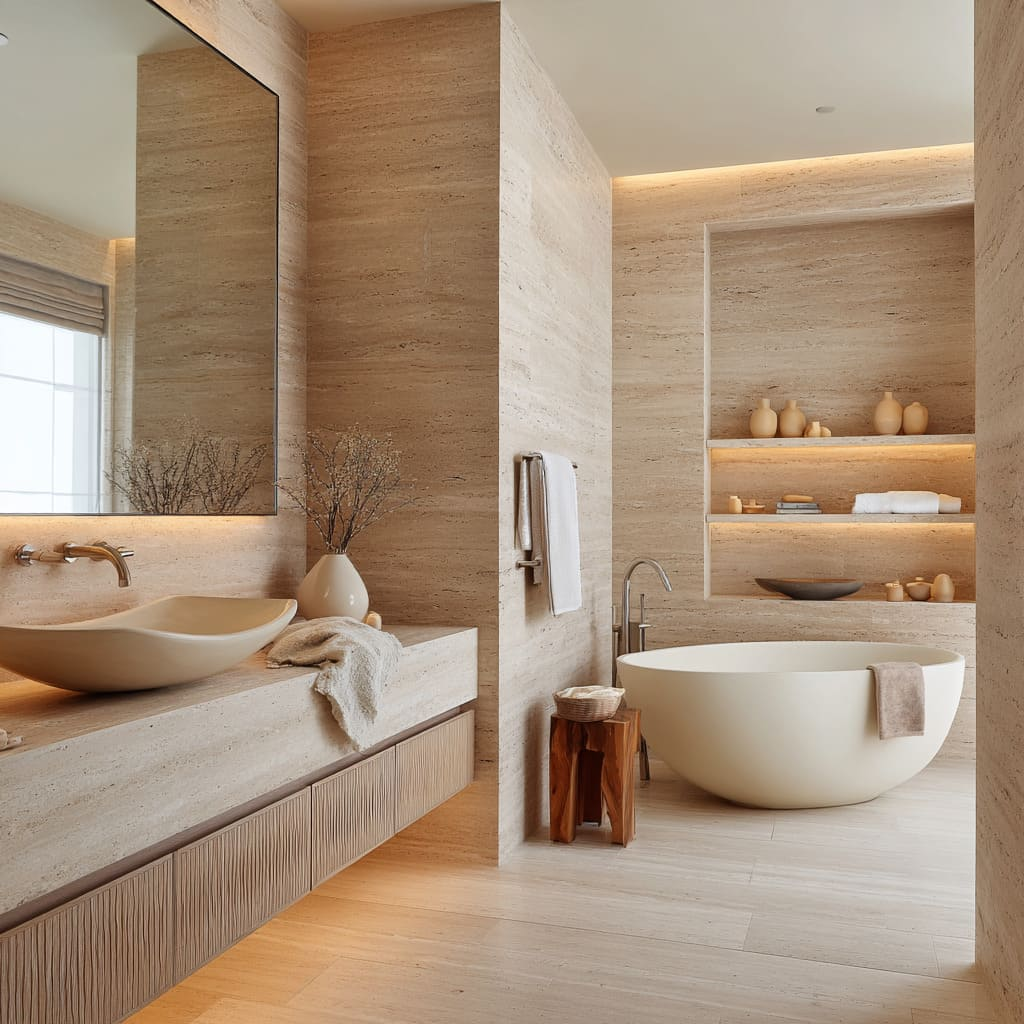
Minimalism isn’t dying—it’s defrosting. Cool grey is being replaced wholesale by travertine, limestone, and warm beige large-format porcelain, often running floor-to-ceiling in the same tone . Curved-back tubs, oval mirrors, and walnut floating vanities soften the geometry, creating spaces closer to a boutique hotel in Marrakech than a clinical wet room.
This is the safest bet for resale value: warm neutrals photograph beautifully and offend nobody, which is why estate agents and developers have adopted the look fastest . The shift from stark white to warm ivory, sandstone, and clay tones reflects a broader move toward grounded, organic aesthetics that reduce visual stress and hide water marks better than bright whites .
2. Sculptural Basins as Statement Pieces
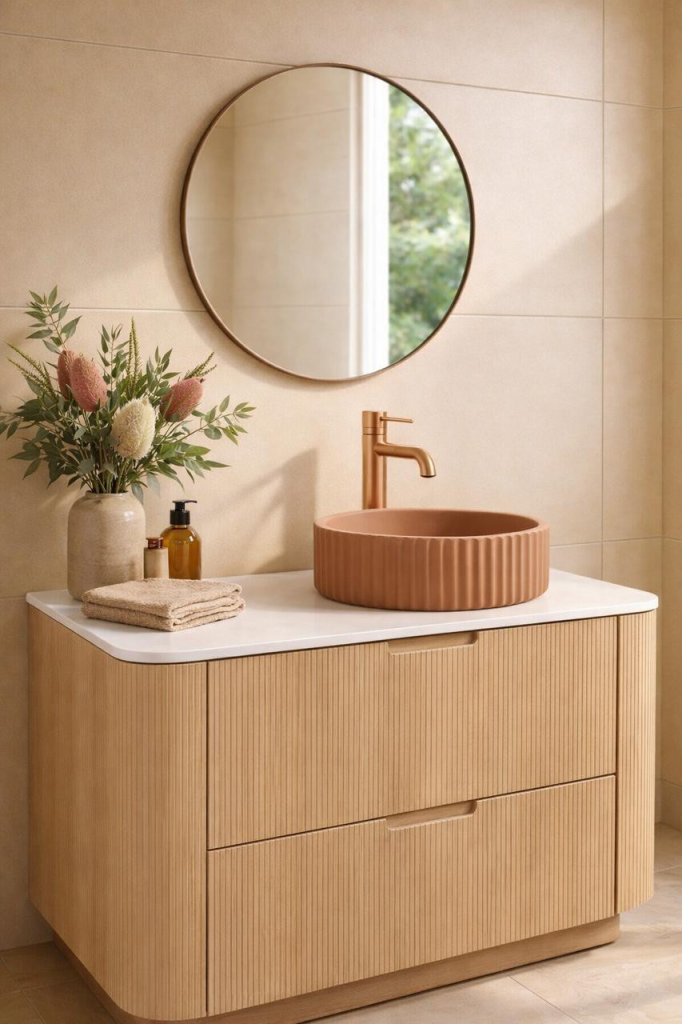
White ceramic is losing its monopoly on the sink. Cast concrete basins in mustard, sage, clay, and terracotta—often with fluted or ribbed texture—are becoming the statement piece of the room . Wall-mounted trough styles with integrated upstands represent the strongest version: one sculptural object doing all the work.
In hospitality, sculptural vessel basins have matured from trendy option to standard design tool. Organic, asymmetrical shapes inspired by natural rock formations, combined with reactive glazes and hand-applied surfaces, create Instagrammable moments that generate organic social media exposure . However, designers warn that vessel sinks can be awkward in practice—they splash, are harder to clean, and hog countertop space . The solution? Integrated basins that sit flush with the countertop offer cleaner lines and easier maintenance.
3. Aged Brass Everything
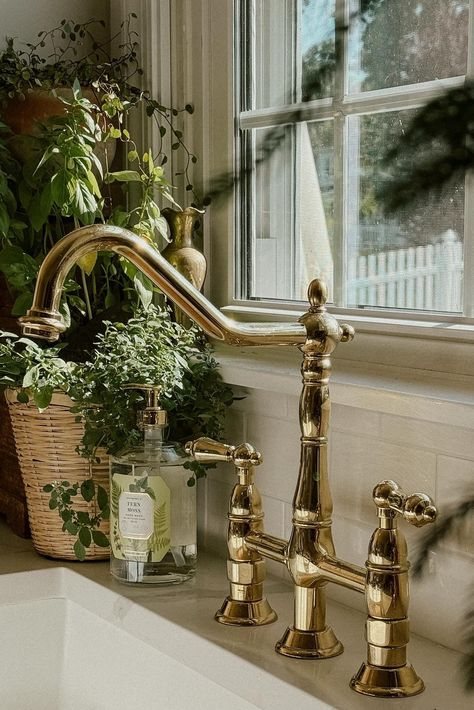
Chrome had a thirty-year run. It’s done. Aged and brushed brass is the default finish for 2027—taps, shower rails, heated towel radiators, mirror frames, even hinges . The shift is toward unlacquered and antiqued finishes that patina over time rather than mirror-bright gold, which already reads dated.
Designers are embracing the interplay of textures, colors, and materials that complement one another in a fresh way—aged brass fixtures paired with matte black hardware and natural wood accessories creates visual depth and feels far more curated than the flat, generic look of matching sets . The full-height brass towel ladder against a dark tile splashback has become the signature move.
4. The Smart Bathroom That Disappears
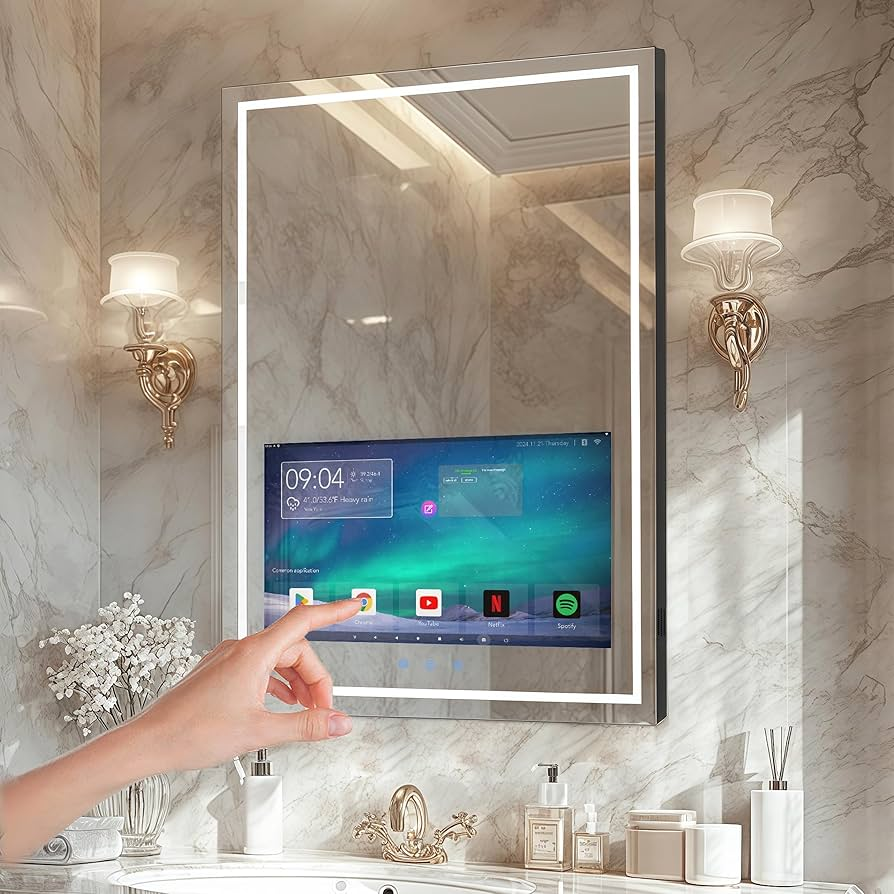
The smart bathroom of 2027 is defined by what you don’t see. Technology is being integrated so seamlessly that it supports the experience without competing with the design . Smart mirrors now serve multiple functions—built-in LED lighting with adjustable warmth, anti-fog surfaces, and touchless controls—while maintaining clean aesthetics .
Advanced features include toilet with self-cleaning nozzles and deodorization , sensor-activated faucets with temperature memory that can save up to 700 gallons of water annually , and AI-driven showers that adjust flow and lighting based on user preferences . The smartest bathrooms don’t look high-tech—they feel effortless . Voice-activated controls are emerging as the next frontier, allowing users to customize their experience without physical contact .
5. Deep Green and Teal Tiles
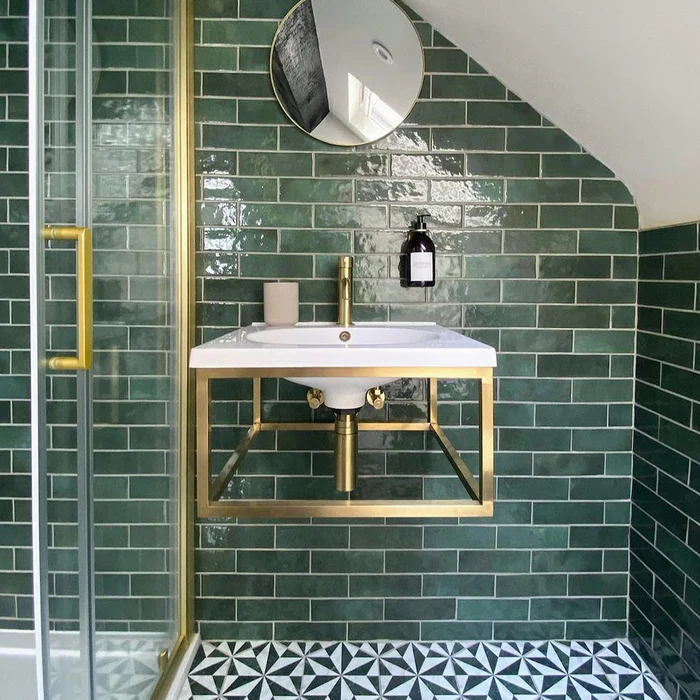
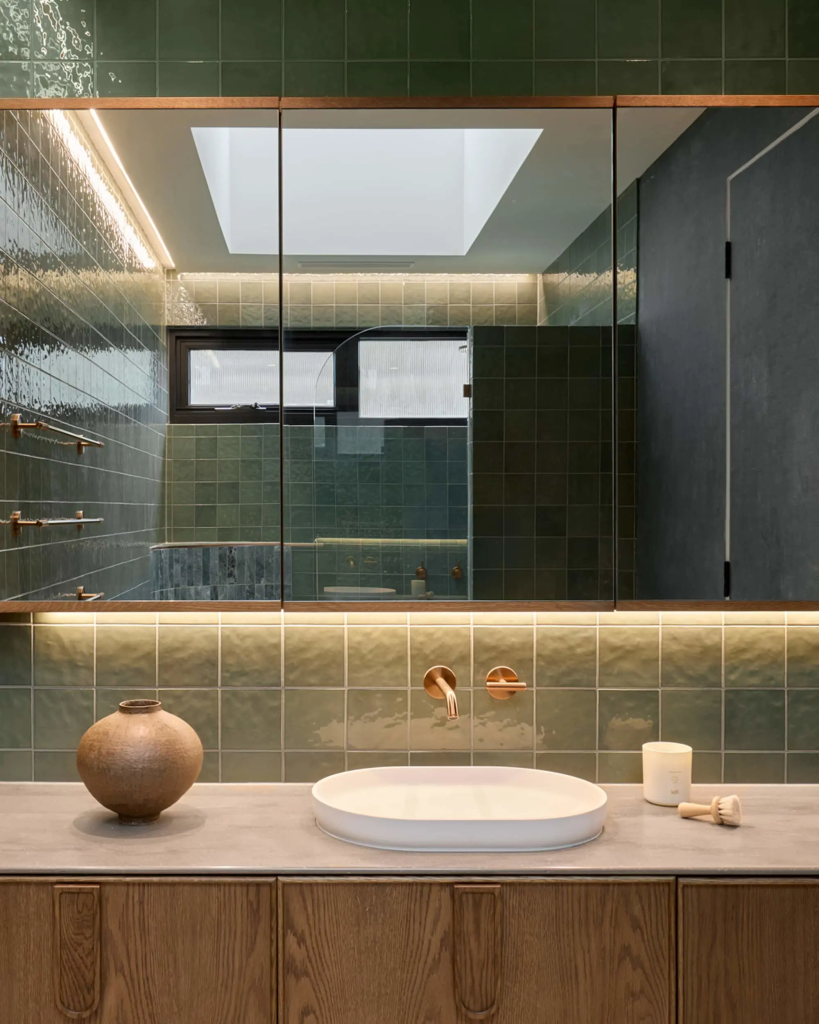
Handmade-look zellige tiles in bottle green, teal, and olive are everywhere, stacked vertically instead of laid in the traditional brick bond . The vertical stack elongates short walls and makes standard ceilings feel taller—one reason it’s taking over compact urban bathrooms.
The imperfection is the point. Variation in glaze depth and tile edge catches light differently across the wall, something flat porcelain can’t fake . Pair with white grout for graphic contrast or tonal grout for a softer, more expensive look. This trend represents the broader move away from neutral tiles toward colors inspired by moss, eucalyptus, and forest landscapes .
6. Vintage Furniture Vanities
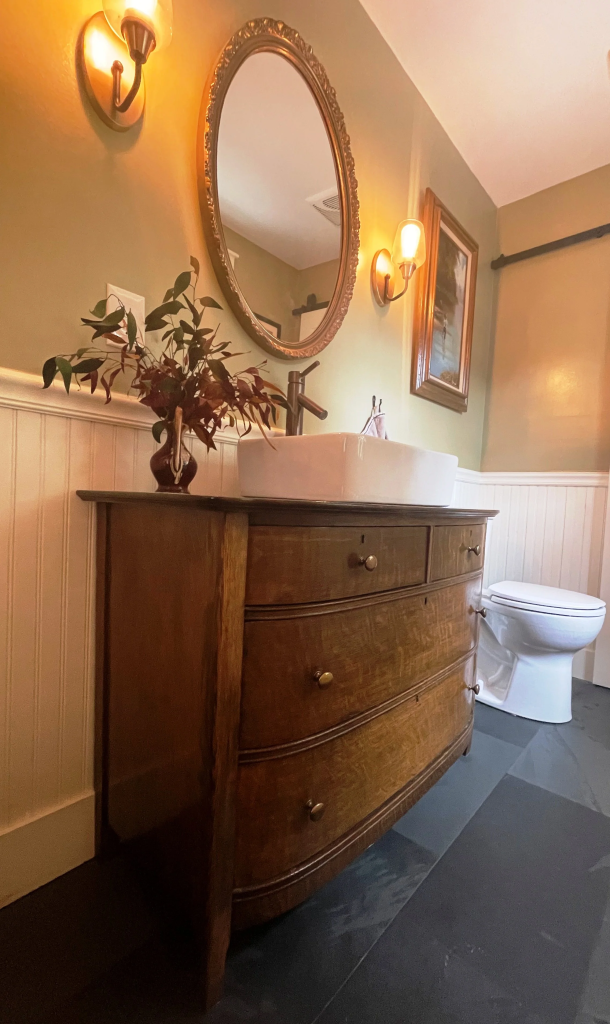
The single biggest furniture trend: ditching the fitted vanity unit for a real piece of furniture . Edwardian oak dressers, carved chests of drawers, and mid-century sideboards are being topped with countertop basins and plumbed in. Each one is a one-off, which is exactly the appeal—no two bathrooms end up the same.
The catch is moisture. A century-old oak chest was never built to live next to a shower, so the finish does all the protective work. A properly applied water-resistant topcoat is non-negotiable . This trend reflects the broader desire for authenticity and character over mass-produced uniformity.
7. Wood-Wrapped Spa Bathrooms
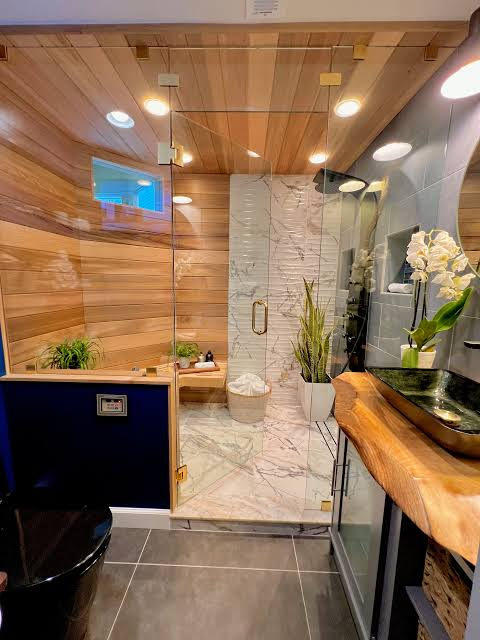
The most ambitious trend: bathrooms clad in timber—walls, ceilings, slatted screens, built-in benches—borrowing directly from Scandinavian sauna culture and Japanese bathhouses . Slatted wood ceilings with concealed LED strips are the entry point; full wood-panelled wet zones with bench seating are the destination.
Wood in a wet room lives or dies on species and finish. Dense, naturally oil-rich timbers handle humidity that would destroy pine, and every surface needs a marine-grade or penetrating-oil finish maintained on schedule . This trend represents the ultimate expression of biophilic design—bringing nature into the bathroom in a way that feels organic, not decorative.
8. Fluted and Reeded Glass
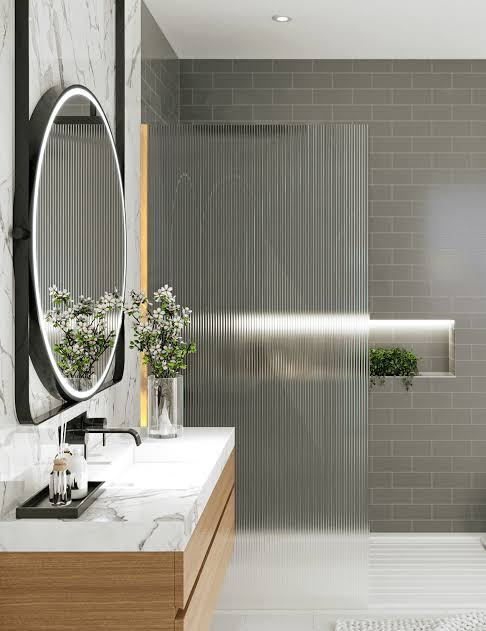
Clear frameless shower screens are giving way to fluted glass in slim black or brass frames . The ribbed texture blurs the view just enough for privacy while still letting light through—a practical fix for shared bathrooms that also happens to look like a 1930s Parisian apartment. Expect fluting to spread beyond the shower screen to cabinet fronts, vanity drawers, and even basin pedestals through 2027.
9. Layered, Circadian-Friendly Lighting
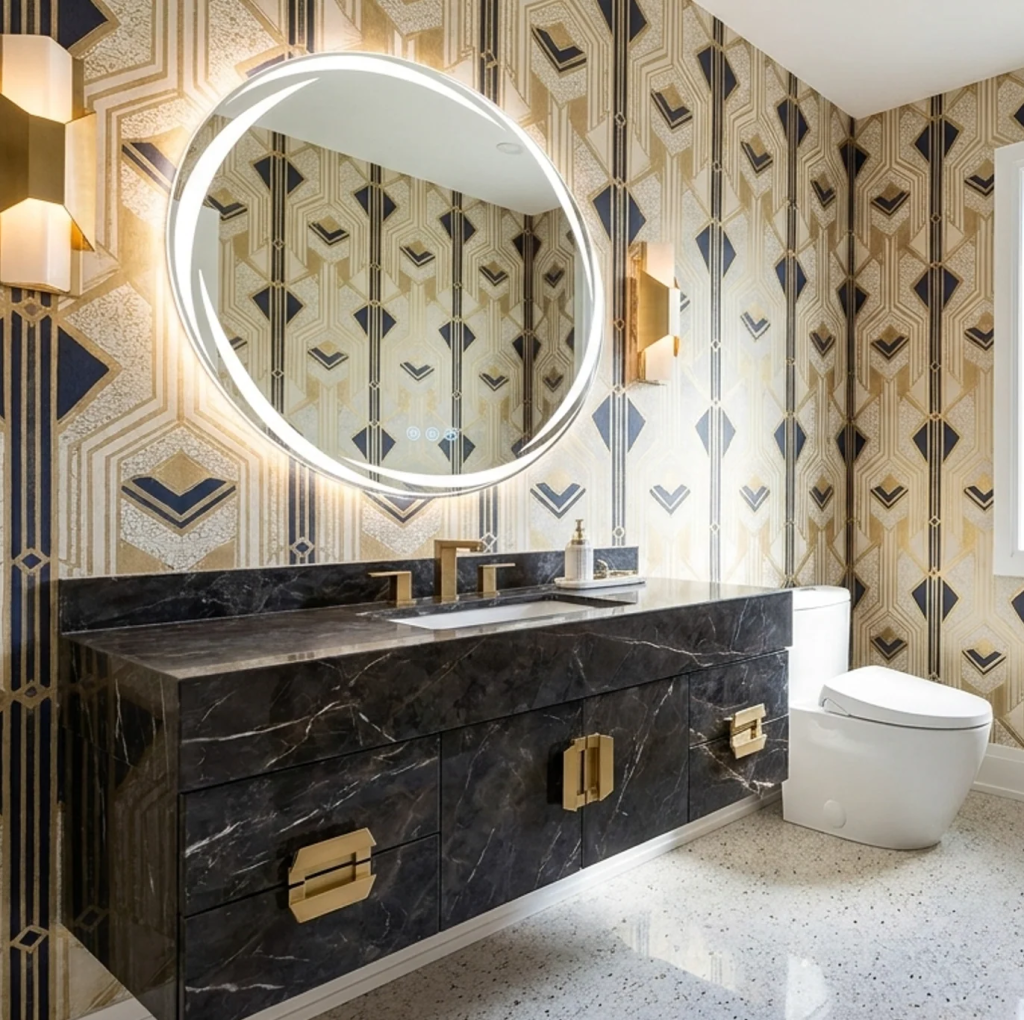
Lighting has become one of the most influential elements in bathroom design. Harsh ceiling lights are being phased out in favor of layered illumination that adapts to different moods and activities . A three-layer strategy is emerging: ambient lighting for overall softness, task lighting around mirrors and vanities, and accent lighting to highlight textures and architectural details.
Backlit halo mirrors with anti-fog technology are now widely expected in premium projects . Tunable white lighting allows cooler light for detail-focused morning routines and warmer light for evening relaxation. Dimmer switches are no longer optional—they’re essential for creating the spa-like atmosphere that defines 2027 bathrooms .
10. Large-Format Tiles with Minimal Grout
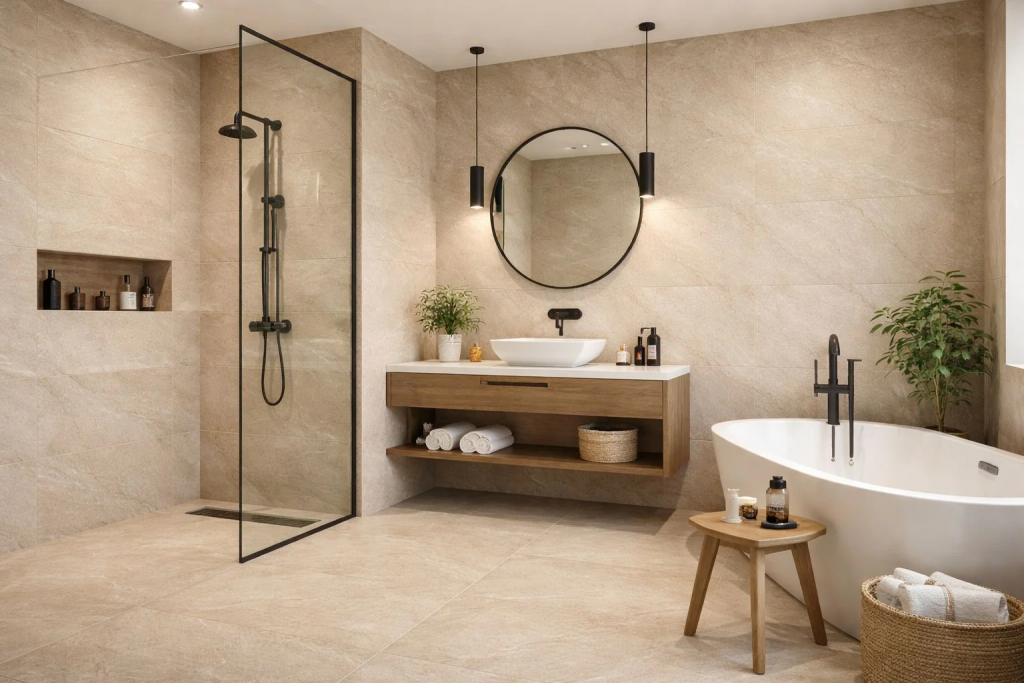
Oversized tiles reduce grout lines, creating a cleaner and more expansive feel . Advantages include easier maintenance, improved visual flow, and an enhanced sense of luxury without ornamentation. Matte and tactile finishes are replacing glossy surfaces—matte porcelain, soft-textured ceramic, and stone-effect tiles with subtle variation feel more natural and calming.
The days of thick, light grout lines are over. “This is just a dirt trap!” warns designer Sacha Jacq. “Grout lines—unless they’re intentionally part of a mosaic pattern—should be carefully considered and, when possible, [applied in] a darker contrasting tone” .
11. Freestanding Tubs as Centrepieces
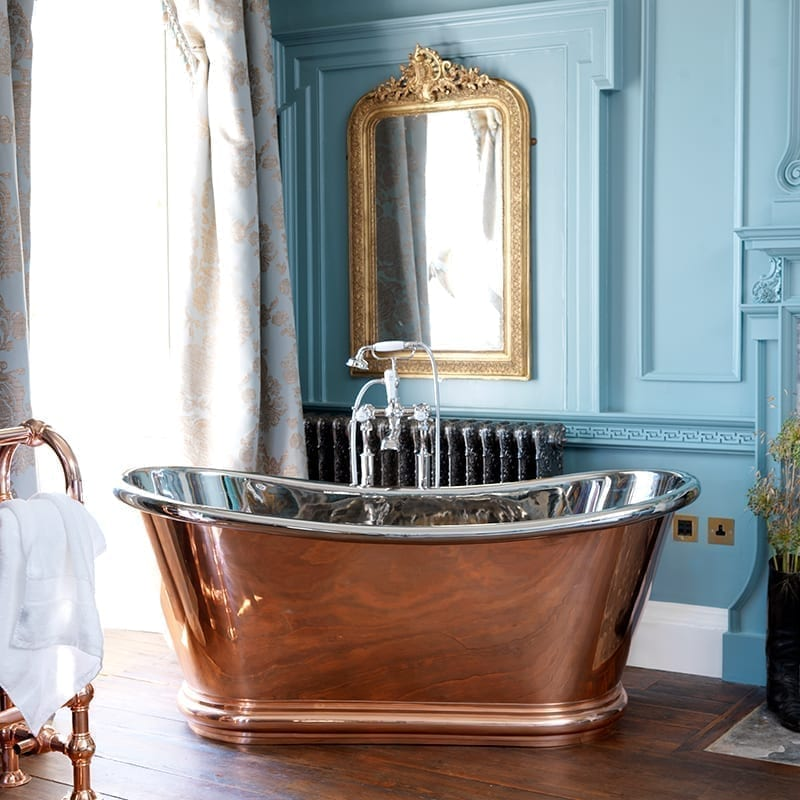
The tub is being treated as furniture. Slipper baths in matte charcoal, oval acrylic forms in soft greige, and back-to-wall D-shapes are positioned like centrepieces—under a window, beneath a sculptural pendant, beside a towel ladder . The lighting is half the trend: a sculptural pendant or multi-arm fixture centred over the bath signals that this room was designed, not just fitted.
Designers are moving away from integrated jet tubs, which often come with maintenance challenges over time, especially with pumps and cleaning . Instead, a beautiful freestanding tub with excellent water pressure is the wiser investment.
12. Coloured Concrete and Terrazzo Surfaces
Terrazzo has re-emerged as a modern choice for bathroom surfaces, offering unique textures and patterns that introduce character and color . Concrete basins in warm earth tones—mustard, sage, clay, and terracotta—are becoming the statement piece of the room .
These materials reflect the broader trend toward authenticity and imperfection. Concrete is porous, so sealing matters—the same logic that applies to sealing wood in wet rooms applies here . The result is surfaces that feel tactile, grounded, and uniquely personal.
The 2027 Bathroom Color Palette
The defining palette of 2027 draws from nature’s most soothing tones:
- Warm earth tones: Travertine, sandstone, clay, ivory, beige
- Deep organic hues: Bottle green, olive, teal, eucalyptus, sage
- Saturated accents: Mustard, terracotta, charcoal, warm grey
- Metal finishes: Aged brass, unlacquered bronze, brushed nickel, matte black
- Natural neutrals: Oak, walnut, timber, stone, terrazzo
The rule of thumb: choose your dominant earth tone, add one deep accent, select one metal finish, and stop. More than three materials in a small bathroom reads as busy rather than curated.
Materials Guide for 2027
Flooring:
- Large-format porcelain in matte stone finishes
- Natural stone (travertine, limestone, marble)
- Terrazzo tiles with coloured chips
- Textured ceramic with subtle variation
Wall Cladding:
- Handmade zellige tiles in vertical stack
- Wood panelling (slatted or full)
- Fluted and reeded glass panels
- Large-format stone-effect slabs
Surface Finishes:
- Matte over glossy
- Textured over smooth
- Hand-applied over mass-produced
- Aged over mirror-bright
Fixtures & Hardware:
- Aged brass and unlacquered bronze
- Brushed nickel and matte black
- Concrete and terrazzo basins
- Freestanding sculptural tubs
Sustainability in 2027 Bathroom Design
Sustainability has moved from optional to essential. Key considerations include:
Water Conservation:
Sensor-activated faucets and dual-flush toilets with leak detection can reduce water consumption by up to 50%. Rainwater harvesting systems integrated into bathroom plumbing are gaining traction in new builds.
Material Sourcing:
FSC-certified timber, recycled glass terrazzo, and sustainably quarried stone are the new baseline. Suppliers must provide chain-of-custody documentation for all natural materials.
Energy Efficiency:
Heat recovery ventilation systems capture warmth from shower steam. Smart lighting adjusts to natural daylight levels. Underfloor heating paired with high-insulation subfloors reduces overall energy demand.
Longevity:
The most sustainable bathroom is the one you don’t renovate again in five years. Quality materials, timeless design, and skilled installation are investments in environmental as well as financial terms.
The 2027 Bathroom Checklist
Before finalising your renovation, ensure your plan includes:
- A clear design direction (pick one trend, not all twelve)
- Warm, natural colour palette with no more than three materials
- Layered circadian lighting with dimmer switches
- Water-saving fixtures (sensor taps, efficient showerheads, dual-flush toilets)
- Adequate ventilation for moisture control
- Proper sealing for wood, concrete, and natural stone
- Professional installation for large-format tiles and smart systems
- Storage solutions integrated without clutter (fluted cabinets, recessed niches)
- Heated towel rails and underfloor heating for comfort
- Anti-fog mirror lighting for practical daily use
Conclusion
The bathroom of 2027 is defined by a clear departure from the sterile, trend-chasing designs of recent decades. What emerges is a space that prioritizes warmth, authenticity, and lasting quality over fleeting fashion . The bathrooms that will still look good in 2032 commit to one direction—whether that’s warm stone minimalism, vintage-and-brass character, or a full spa treatment—and execute it consistently .
“Twelve trends is a menu, not a checklist,” designers caution. Mixing the mustard concrete basin with onyx-effect slabs and a wood-clad ceiling buys you three trends and zero coherence . The key is intention: pick the trend that matches how you actually use the room, budget for the finish work (sealing, lighting, waterproofing) and not just the pretty surfaces, and the 2027 bathroom you build will outlast the trend cycle that inspired it .
“If it’s your forever home, lean into your personal style and create something you truly love,” advises designer Burcu Ercetin. “If resale is even a small consideration, we guide clients toward more grounded colors for tiles and vanities—earthy tones, like warm whites, soft browns, greens, and tans. You can always bring in personality through lighting and accessories, which are much easier to update later” .
The bathroom of 2027 is not just a room—it’s a reflection of how we want to live: calmer, more connected to nature, and more intentional about the spaces we inhabit every day.
