For decades, the cardinal rule of interior design was simple: pick one finish and stick to it. Chrome was for the modern home, brass for the traditional, and oil-rubbed bronze for the rustic. However, the most stylish bathrooms today are breaking that rule. Mixing metals is the secret weapon of interior designers, adding depth, personality, and a bespoke look that feels curated rather than “off-the-shelf.”
But let’s be clear: this isn’t about chaos. Throwing a gold faucet next to a silver showerhead and a black towel rack without a plan will result in a disjointed mess. The secret lies in balance, contrast, and a few simple guidelines. This guide will walk you through the principles of mixing metals, providing you with 10 structured ideas to create a bathroom that looks expensive, intentional, and utterly unique.
How to Choose Your Metals Based on Bathroom Style
Not sure where to start? Use this quick style guide:
| Bathroom Style | Recommended Metal Mix |
|---|---|
| Modern/Minimalist | Matte Black + Brushed Nickel (clean, sharp contrast) |
| Traditional/Classic | Polished Chrome + Antique Brass (timeless elegance) |
| Industrial/Loft | Oil-Rubbed Bronze + Copper (raw, gritty feel) |
| Glam/Luxury | Polished Gold + Polished Chrome (high-shine opulence) |
| Farmhouse/Rustic | Brushed Brass + Matte Black (warm yet grounded) |
10 Structured Ideas for Mixing Metals
1. The “Rule of Three” (With a Dominant Metal)
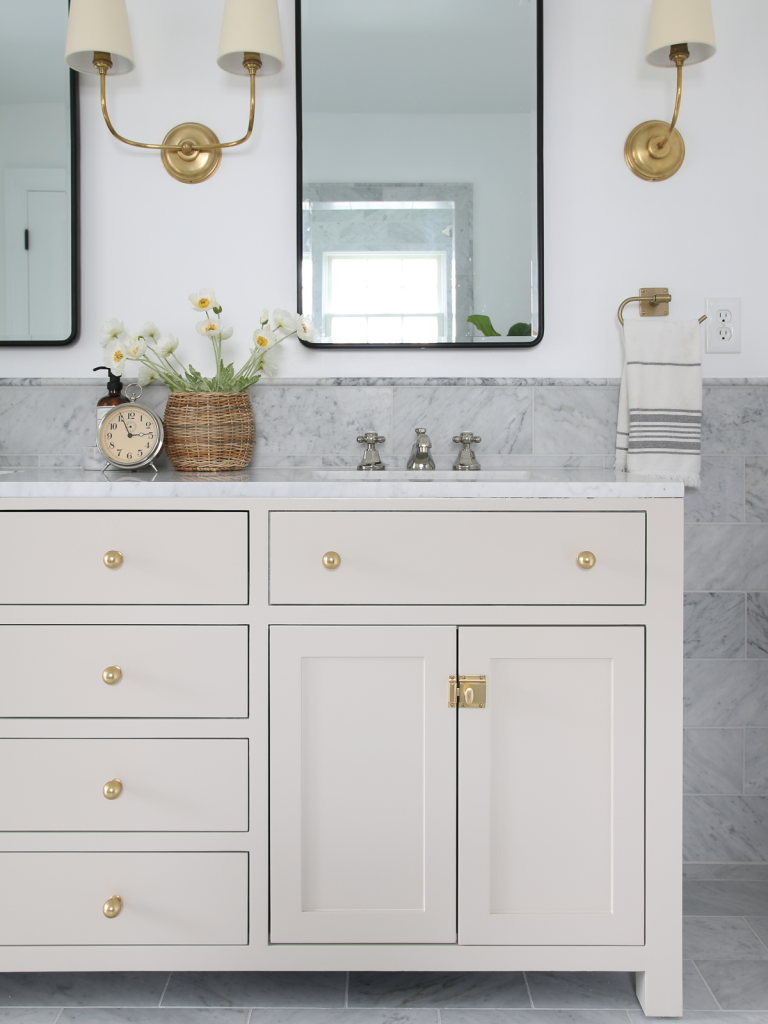
Pick three metals to use in the space. Designate one as your Primary (used for 60% of the hardware, like the main faucet), one as your Secondary (used for 30%, like towel bars and cabinet pulls), and one as your Accent (used for 10%, like a mirror frame or light fixture). This creates hierarchy and prevents the look from becoming a jumbled scrap pile.
2. Match the Undertones (Warm vs. Cool)
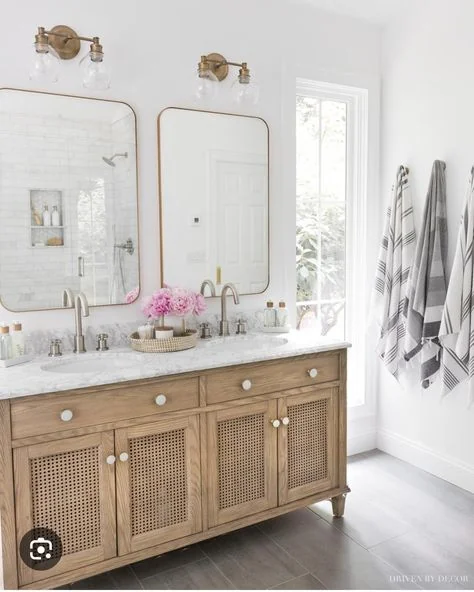
This is the most critical technical rule. Do not mix a warm metal (Brass, Gold, Copper) with a cool metal (Chrome, Nickel, Silver) unless you have a third metal to bridge them. Instead, mix warm with warm (Brass + Copper) or cool with cool (Chrome + Polished Nickel). If you want to mix across temperatures (e.g., Brass and Chrome), always use a neutral matte black as the “bridge” to tie them together.
3. The “Lighting” Strategy
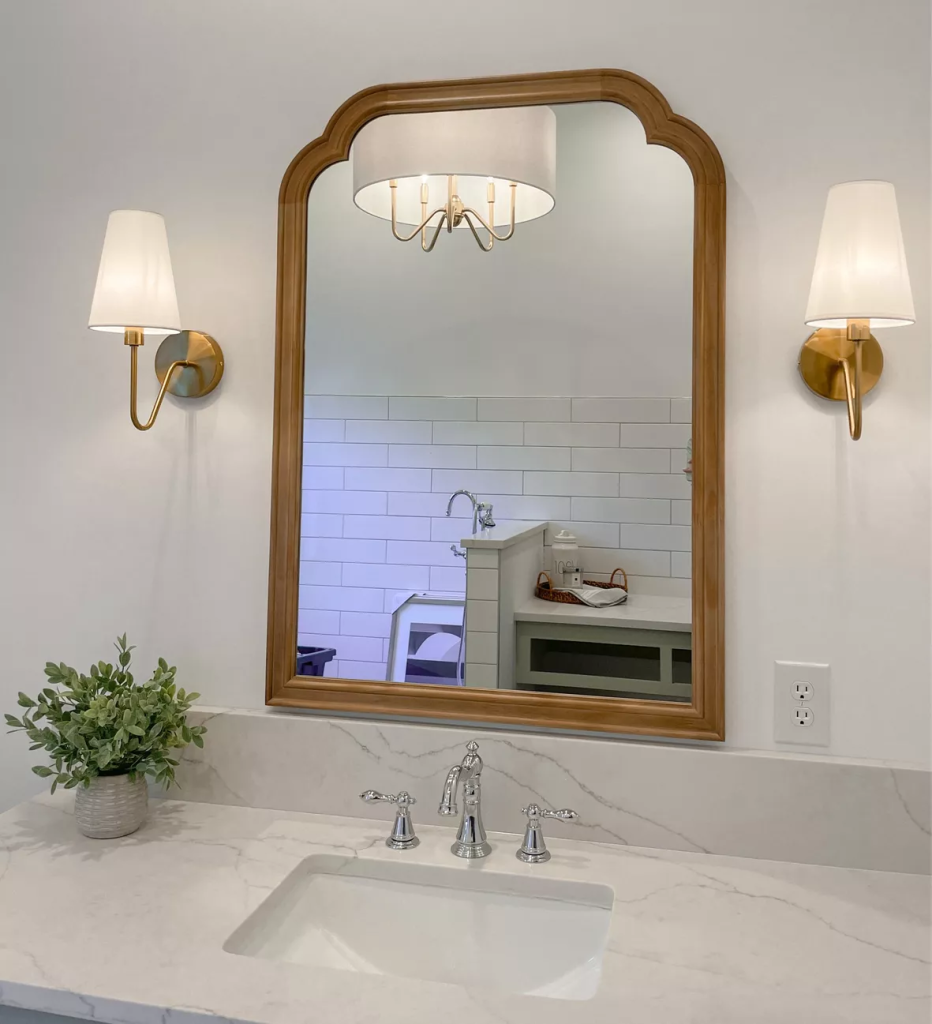
Use the lighting fixtures as your “wild card.” A polished brass sconce or a chrome vanity light can act as the jewelry of the room. Because lighting is located at eye-level, it draws the eye immediately, allowing you to use a different metal here than the one used for the sink faucet. Ensure the light fixture’s metal complements the style of the mirror, even if the color is different.
4. The Finishing Line (Polished vs. Matte)
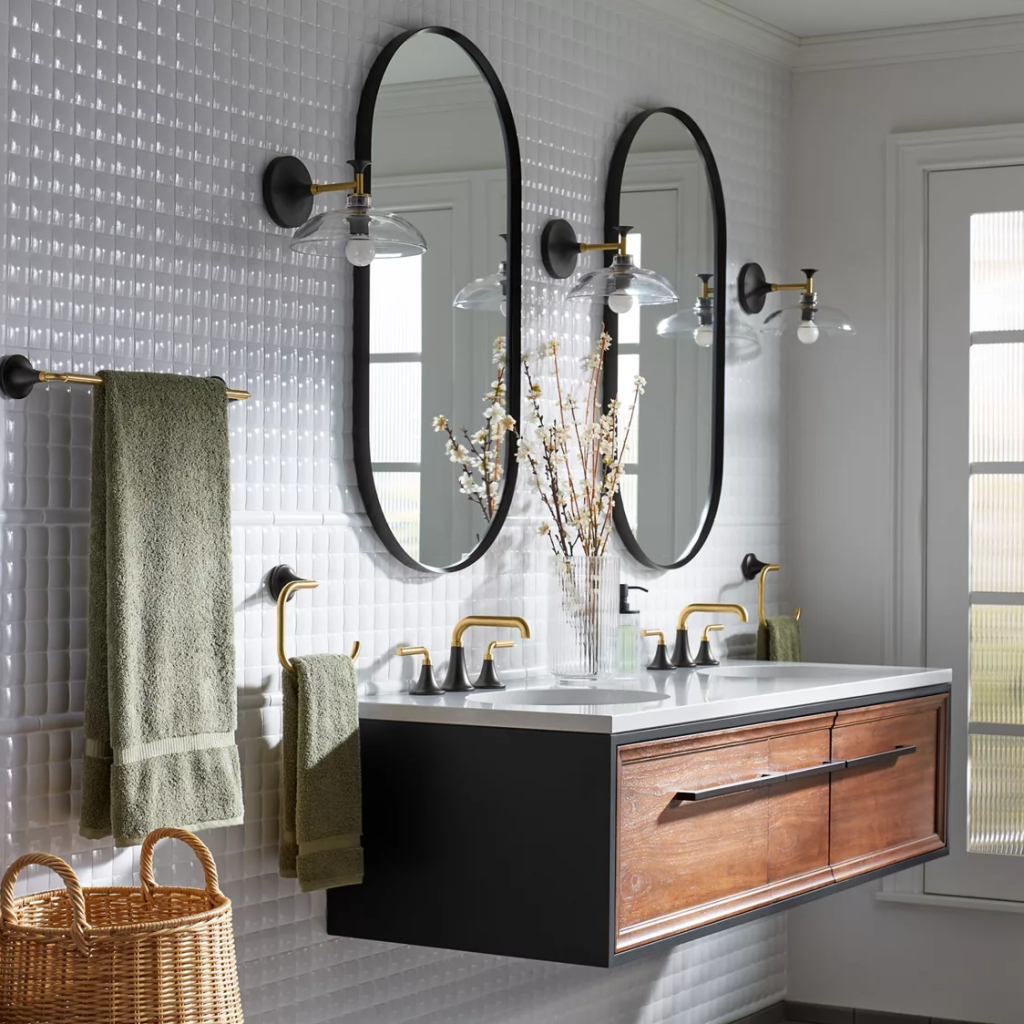
Texture is a metal’s best friend. If you mix a shiny, reflective metal like Polished Chrome with a rough, dark metal like Matte Black, the contrast is visually stunning and forgiving. The difference in texture tells the eye they are meant to be different, reducing the need for them to match perfectly.
5. The “Drip Effect” (Connecting Plumbing)
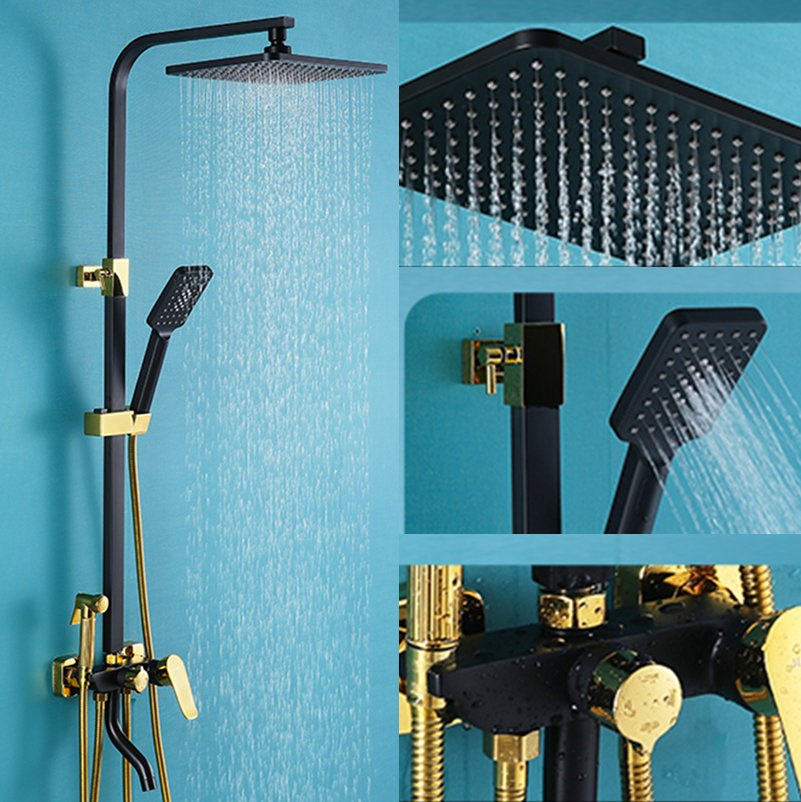
Link your plumbing fixtures (the shower head, tub spout, and sink faucet) together. These elements run on the same “water line” in the house. It looks more cohesive if these three are the same metal (e.g., all Matte Black). This allows you to freely experiment with Brass or Copper for the accessories (toilet paper holder, robe hook) without the room looking chaotic.
6. The Statement Vanity Sconce
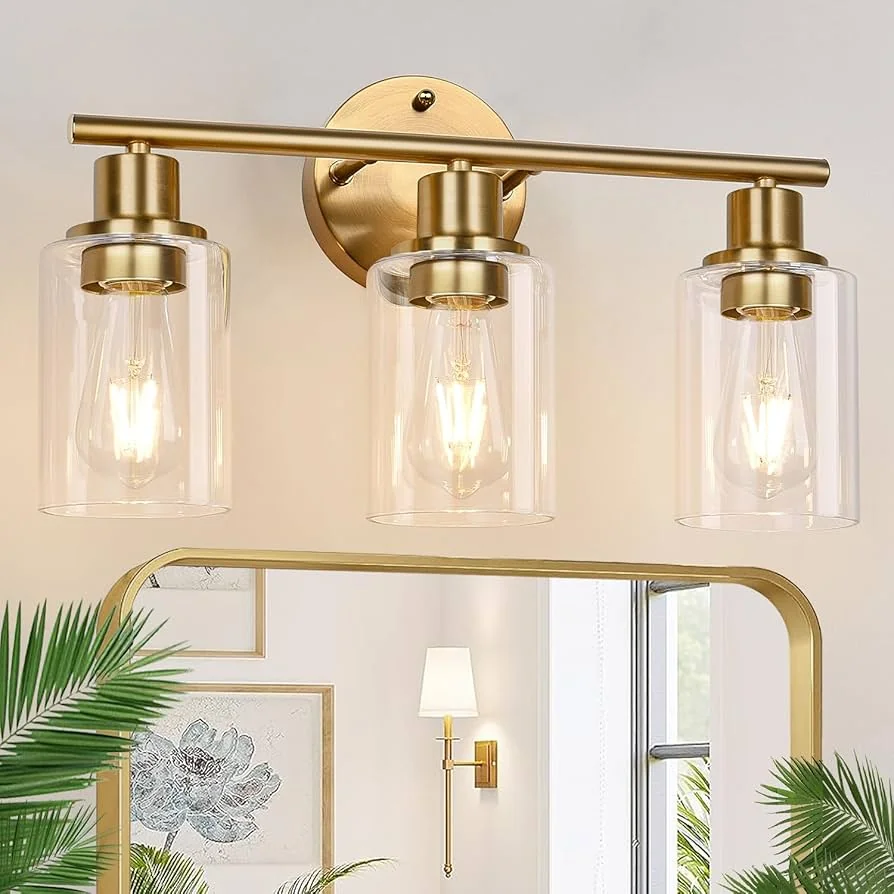
Use your vanity lights as the focal point. If you have a brushed nickel faucet, choose a rich, antique brass for the wall sconces. This immediately elevates the look because it suggests you intentionally selected two high-end finishes to sit side-by-side. Keep the rest of the hardware (like the shower trim) neutral to let the lights shine.
7. The “Jewelry” Approach (The Accents)
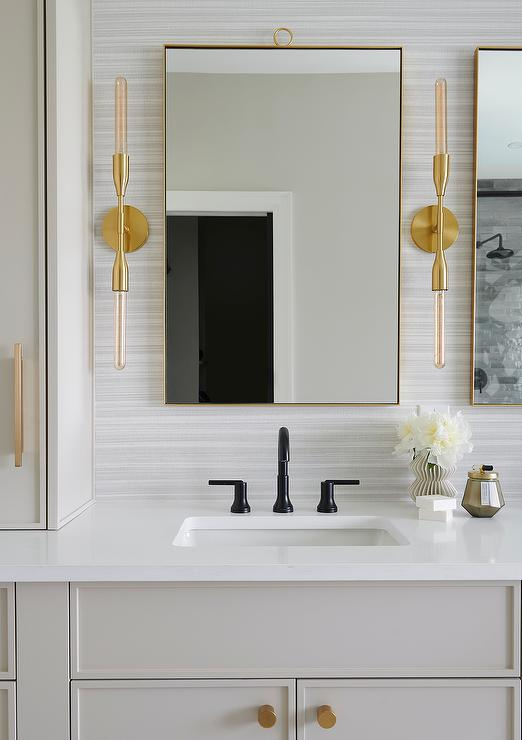
Think of the smallest elements in your room as jewelry. The faucet is the “necklace,” the toilet paper holder is the “earring,” and the cabinet knobs are the “bracelet.” It is perfectly fine to have your cabinet knobs in a different metal than your faucet. In fact, it looks particularly chic to have brushed brass knobs against a matte black faucet, as they feel like separate, intentional adornments.
8. The Nickel & Black Contrast
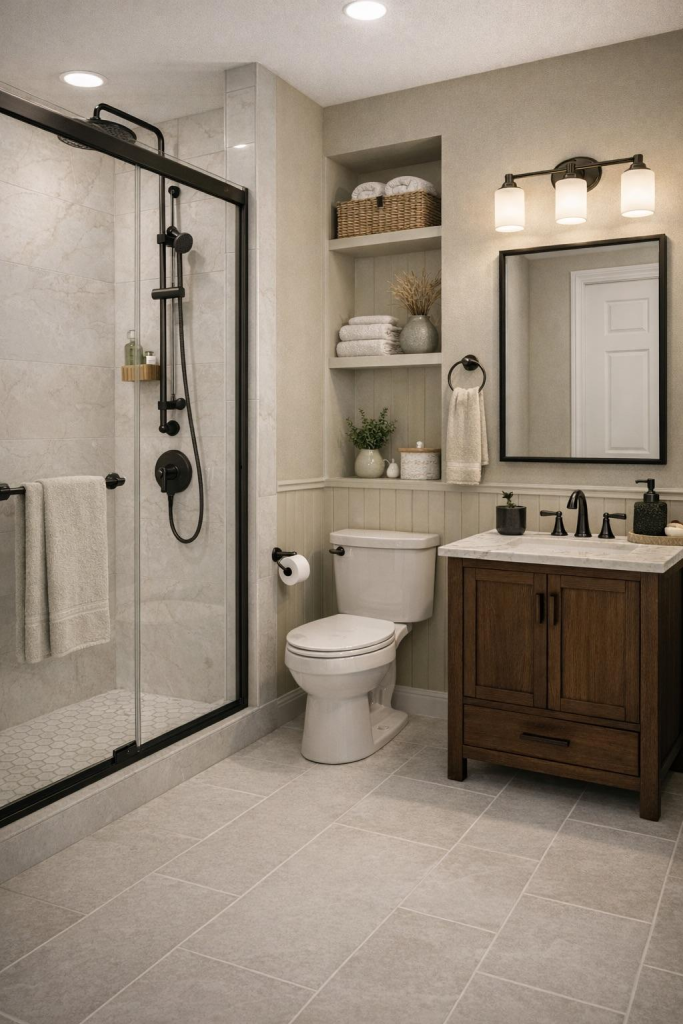
This is the safest pairing for beginners. Brushed Nickel (or Satin Nickel) is the ultimate neutral. It doesn’t scream for attention. Pair it with a high-contrast, modern metal like Matte Black or Oil-Rubbed Bronze. Use the Nickel for the large fixtures (faucet, shower) and the Black for the small accessories (mirror frame, shelf brackets) to anchor the room.
9. The Gold and Chrome Gambit
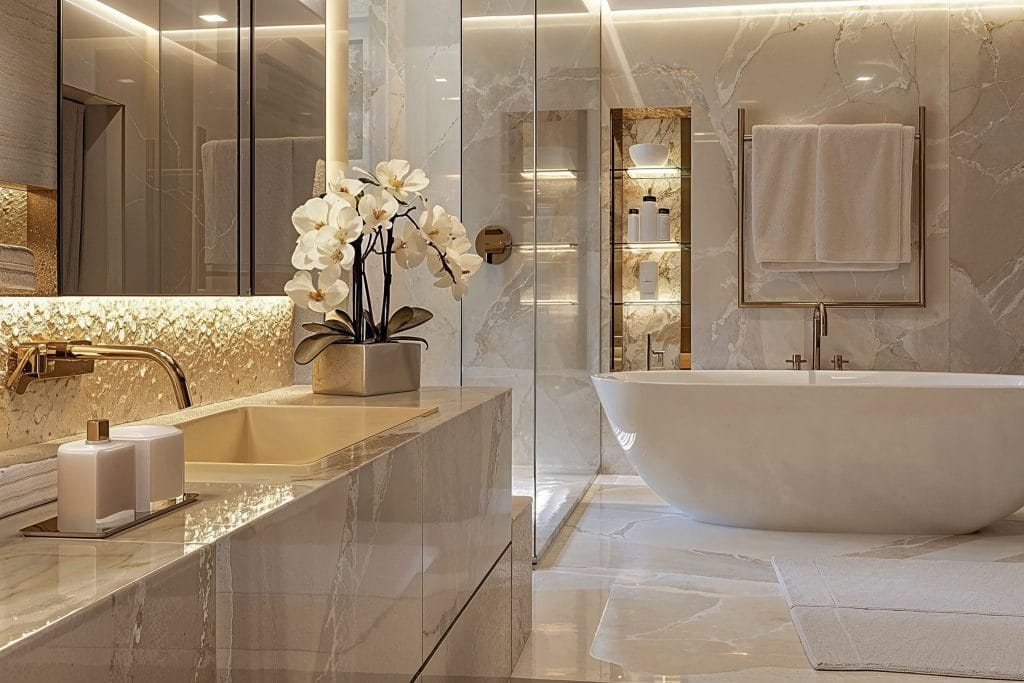
Designers love this high-end look, but it requires discipline. Pair Polished Chrome with Brushed Gold. The key to making this work is to keep the rest of the room very neutral (white marble or simple tiles). Use the Chrome for the shower hardware and the Gold for the main sink faucet and mirror. The chrome acts as a cool, crisp background element that makes the gold pop like fine jewelry.
10. The “Style Unifier” Rule
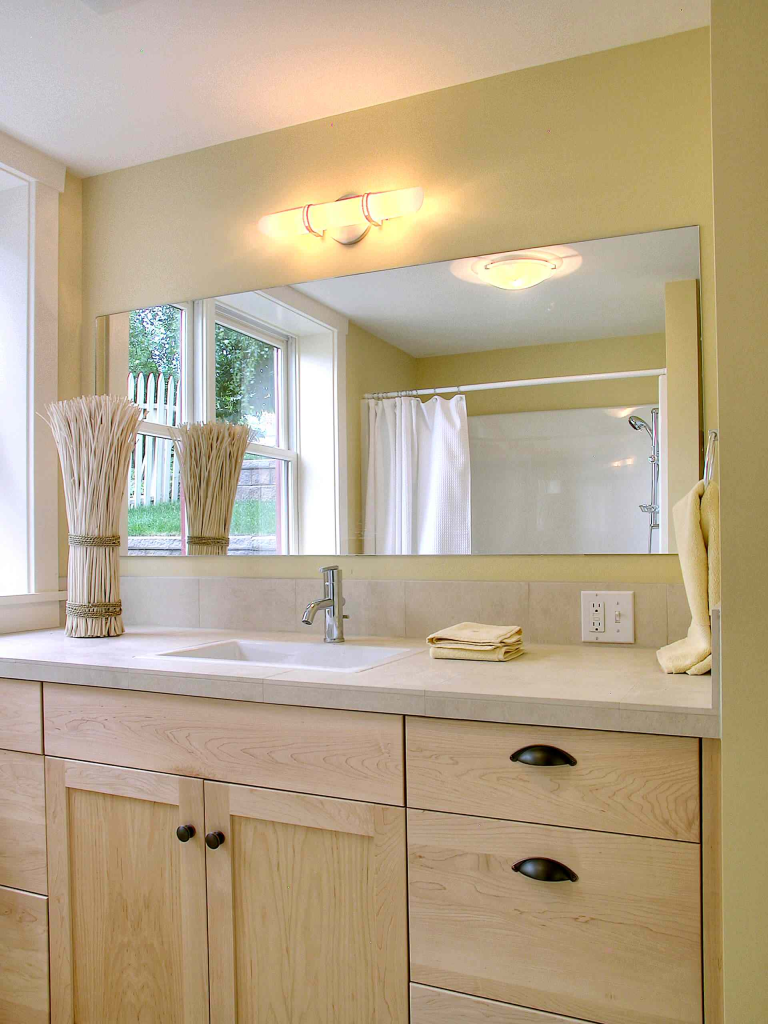
If you are mixing metals, make sure they share a similar shape or style. If your faucet is a sleek, geometric matte black, your brass towel bar should also be geometric and minimal, not ornate and curvy. However, if your faucet is a traditional, curved chrome, a curvy brass mirror works perfectly. If the style matches, the metal doesn’t have to.
What About the Rest of the Room?
Your metal choices don’t exist in a vacuum. Consider how they interact with:
- Tile and Stone: Cool metals (chrome, nickel) pair beautifully with grey marble or cool white subway tiles. Warm metals (brass, copper) sing against warm beige stone or emerald green tiles.
- Cabinetry: Dark wood cabinets can handle bold brass. White cabinets are a blank canvas for any metal.
- Mirror Frames: This is a perfect spot for your accent metal. A gold mirror against a chrome faucet is a classic designer move.
- Textiles: Towels and bath mats should be neutral or complement the dominant metal’s undertone.
Budget-Friendly Tips for Mixing Metals
You don’t need to replace everything at once. Here’s how to ease into the trend without breaking the bank:
- Start with Accessories: Swap out towel bars, robe hooks, and toilet paper holders first. These are inexpensive and easy to change.
- Paint Your Existing Hardware: Yes, you can paint old brass fixtures with metallic spray paint designed for metal. This is a quick DIY fix.
- Mix High and Low: Invest in a quality faucet (it’s used daily) and save on cabinet knobs and drawer pulls from budget-friendly retailers.
- Use a Temporary Bridge: If you’re unsure, introduce a matte black accessory as a neutral bridge. It goes with everything and instantly modernises the look.
Common Mistakes to Avoid
Even with the best intentions, it’s easy to go wrong. Avoid these pitfalls:
- Using Equal Amounts of Everything: If every metal has the same visual weight, the room looks chaotic. Always have a clear leader.
- Forgetting the Finish Sheen: Mixing polished brass with antique brass counts as two different metals because the sheen is different. Be intentional about texture.
- Ignoring the Shower Area: Don’t just focus on the vanity. The shower trim, drain cover, and sliding door hardware are part of the metal family too.
- Skipping the Small Details: Grout colour, tile edges, and even the metal on your soap dispenser count. Be mindful of every visible surface.
Conclusion
Forget the old, strict rules of bathroom design. Mixing metals is no longer a risky gamble; it is the hallmark of a well-designed, personal space. By following these guidelines—choosing a dominant metal, balancing undertones, and using contrast to your advantage—you can create a bathroom that feels layered, intentional, and designer-curated.
Remember, the goal is not perfection, but personality. Start with one anchor piece (like your faucet), pick a second metal for your accessories, and use a third sparingly as a highlight. Whether you are a fan of the bold Brass-and-Black contrast or the classic Nickel-and-Chrome combo, the key is to commit to the mix. When done right, your bathroom will look like it was pulled from the pages of a luxury design magazine, proving that rules are truly meant to be broken.
