The kitchen has long been considered the heart of the home, but by 2027, it has transformed into something far more sophisticated—a multifunctional sanctuary where design, technology, and personal expression converge. The all-white, minimalist kitchen that dominated the past decade is being replaced by something far more characterful: warm, personality-driven spaces that embrace texture, rich colour, and seamless technology integration .
Today’s kitchens respond to fundamental shifts in how we live. Remote work has turned the kitchen into a 24/7 command centre rather than a zone reserved for specific meal times. Climate consciousness demands sustainable materials and energy efficiency. The desire for authenticity pushes back against filtered perfection, favouring spaces that feel genuinely lived-in and personal . The result? Kitchens that are warmer, smarter, and more adaptable than ever before.
Practical Considerations for Homeowners
While trends inspire, practical decision-making ensures a kitchen that works for real life. Here are key factors to weigh before committing to a design:
Budget Realities – Prioritise spending on elements that are difficult and expensive to change later — such as layout, plumbing, and electrical work. Finishes and decorative items can be updated more affordably down the line.
Lifestyle Honesty – Be truthful about how your household actually uses the kitchen. A family with young children has different needs than empty nesters or frequent entertainers. Design should serve your daily reality, not an aspirational ideal.
Future-Proofing – Consider how your needs might evolve over the next five to ten years. Ageing-in-place features — such as adjustable-height worktops and accessible storage — add long-term value without compromising style.
Resale Value – While personal expression is encouraged, extremely niche design choices can limit future buyers’ appeal. Striking a balance between personality and broad marketability is wise if you plan to sell within a decade.
Professional Guidance – Kitchen renovations are complex. Investing in a qualified designer or architect often saves money in the long run by avoiding costly mistakes and ensuring the space functions efficiently.
13 Kitchen Trends Defining 2027
1. Softer Scandinavian Minimalism
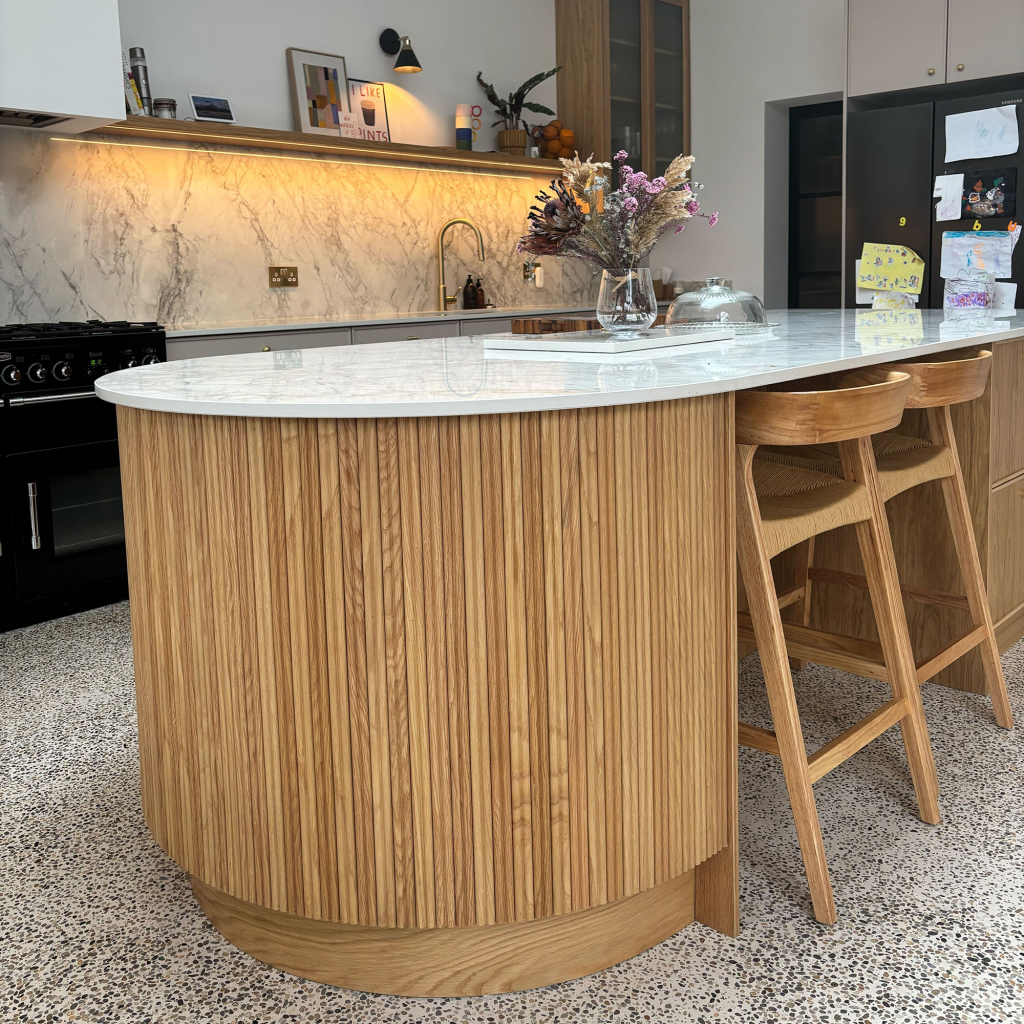
Minimalism isn’t disappearing—it’s evolving. The 2027 version trades sharp edges for rounded forms, muted colours, and warmer expressions. Think curved islands, softly arched cabinetry, and spaces that feel serene and inviting rather than stark and cold. This approach creates calm, cohesive environments that prioritise emotional wellbeing alongside functionality .
2. The Kitchen as a Multifunctional Hub
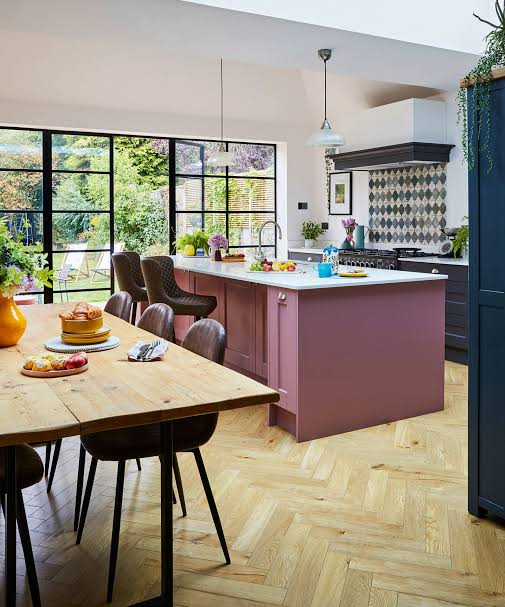
The kitchen now fully embraces its role as the home’s command centre. Beyond cooking, these spaces accommodate remote work, social gatherings, children’s homework, and even relaxation. This shift influences everything from layout to furniture selection, with zones designated for different activities and flexible seating arrangements that encourage interaction .
3. “Dirty” Colours and Nature-Inspired Palettes
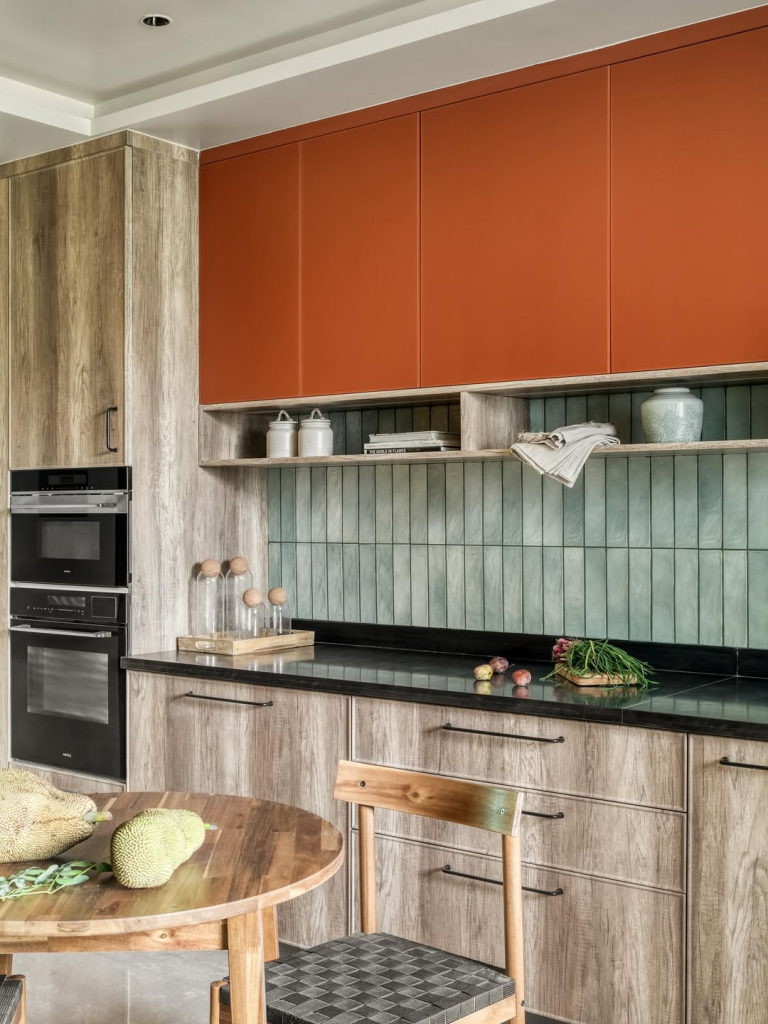
The clean, white kitchen is officially on its way out. In its place: deep, earthy tones that designers call “dirty colours”—mossy greens, muddy browns, putty, clay, and deep terracotta. These grounded shades bring warmth and sophistication while being remarkably practical—they hide fingerprints, crumbs, and everyday wear far better than stark whites . Colour forecasters point to Luminous Blue (WGSN’s 2027 Colour of the Year) and warm neutrals like Coffee and Macchiato as key players .
4. Curved and Organic Island Shapes
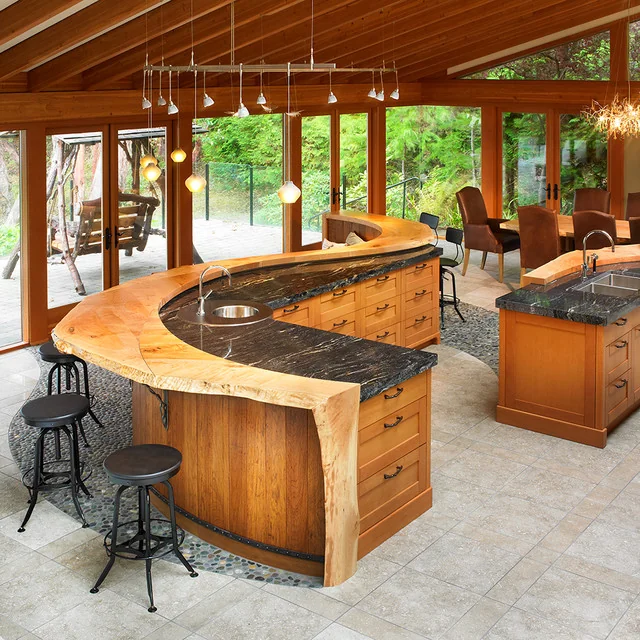
The rectangular kitchen island is giving way to softer, more sculptural forms. Curved islands and gently rounded edges introduce flow and approachability, particularly in open-plan spaces. These organic shapes soften large areas while adding a sculptural element that feels both modern and inviting .
5. Integrated Technology That Disappears
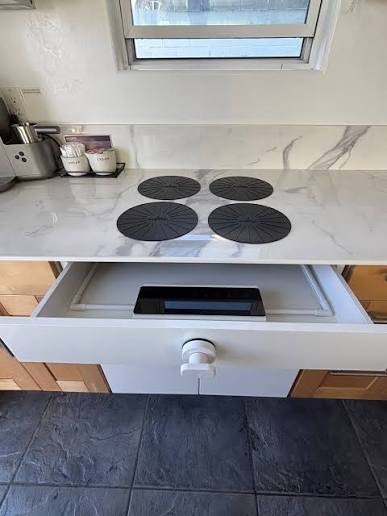
Technology in the 2027 kitchen is powerful but invisible. Smart appliances, voice-activated assistants, and app-controlled lighting are becoming standard, but the emphasis is on integration that doesn’t dominate the visual experience. Think hob extractors that sit flush with the work surface, smart ovens with AI-driven cooking programs, and app-controlled hoods—all designed to enhance functionality while maintaining clean aesthetics .
6. Textured Surfaces and Tactile Materials
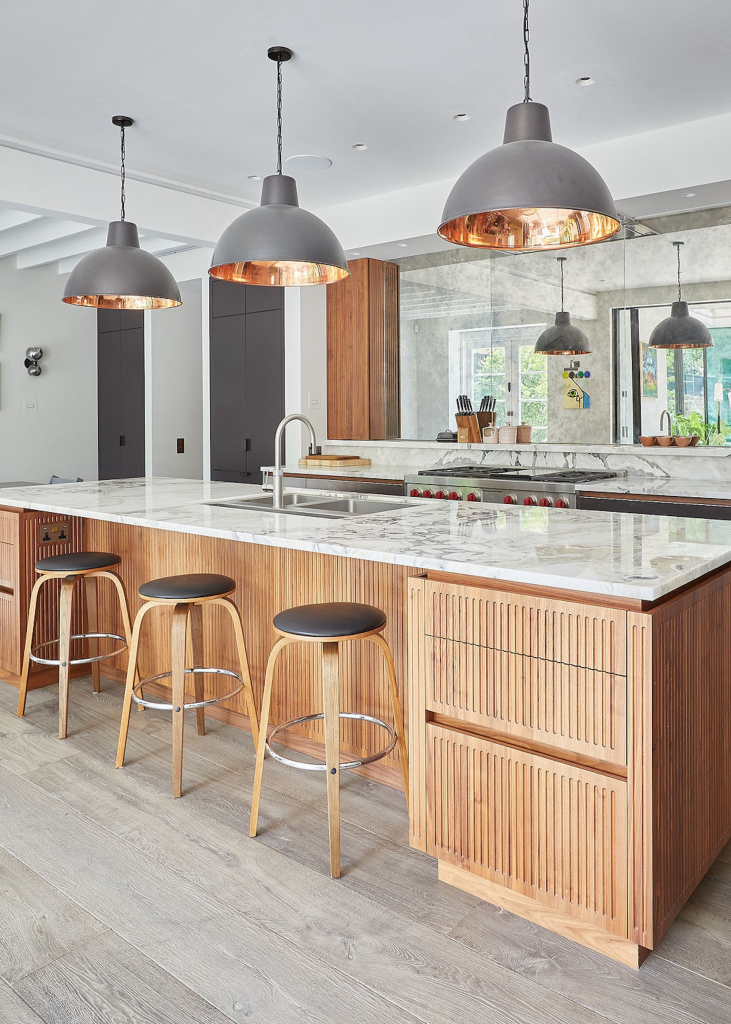
Flat, glossy finishes are being replaced by surfaces you want to touch. Textured doors with stone or wood finishes, fluted wood details, ribbed surfaces, and matte finishes add depth and character. Honed stone, Dekton, and porcelain worktops offer durability with interesting finishes .
7. The Pantry Revolution
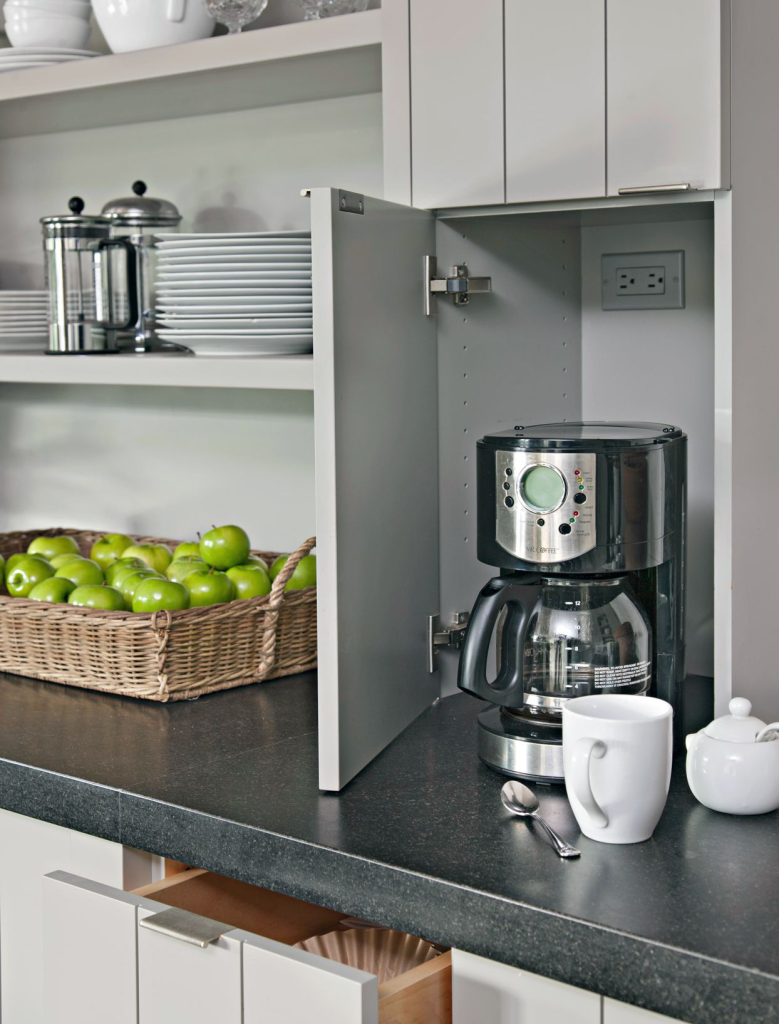
The pantry has become one of the most requested design elements for 2027. Homeowners are seeking clever ways to hide clutter—from coffee machines and air fryers to toasters—behind elegant doors that blend seamlessly with cabinetry. Pantry zones range from compact 600mm-wide units to full-size walk-in spaces .
8. Kitchen Couture and Personal Expression
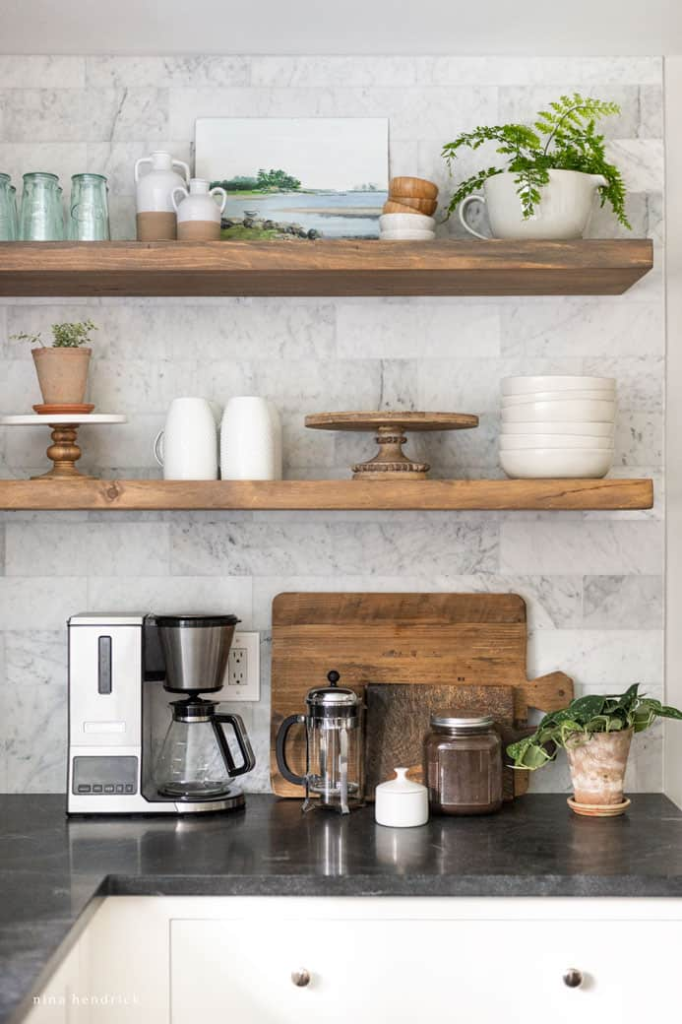
The trend of “kitchen couture” celebrates the beauty of everyday items. Artful displays of packaged goods—beautifully designed olive oil bottles, coffee beans, and other pantry staples—transform counters and open shelving into curated showcases. This trend allows homeowners to display their personality and favourite food brands .
9. Multifunctional Islands with Purpose
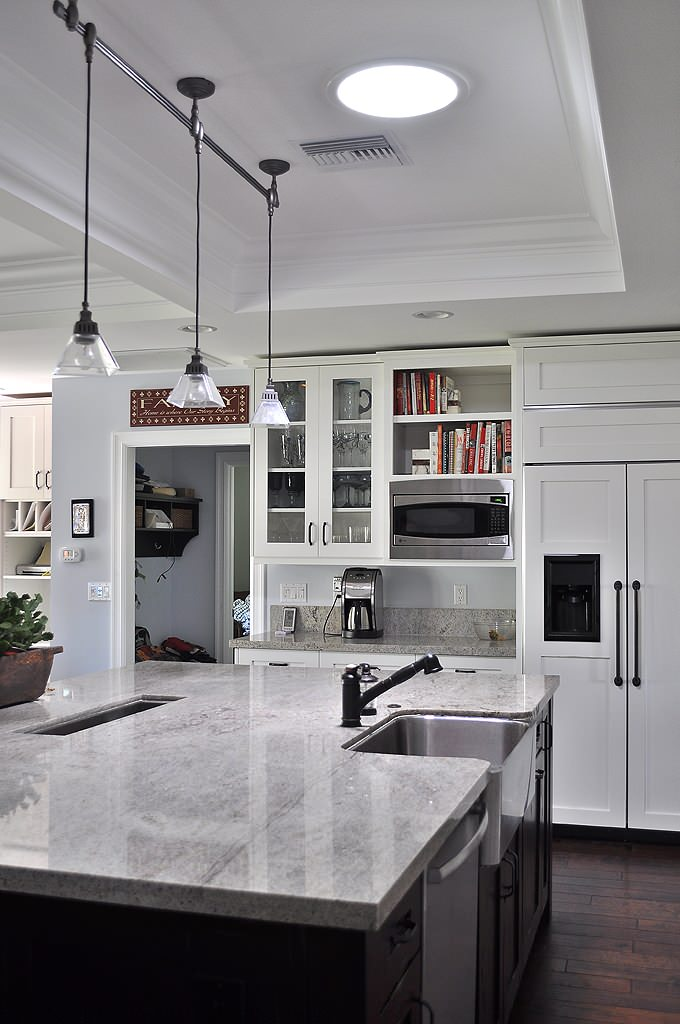
The kitchen island is evolving beyond a simple prep surface. By 2027, islands incorporate built-in cooktops, sinks, seating, and even hidden drinks cabinets that swivel open to impress guests. The design emphasises clear division between the working side and the social side, ensuring optimal workflow while maintaining a welcoming atmosphere .
10. Freestanding and Vintage-Inspired Pieces
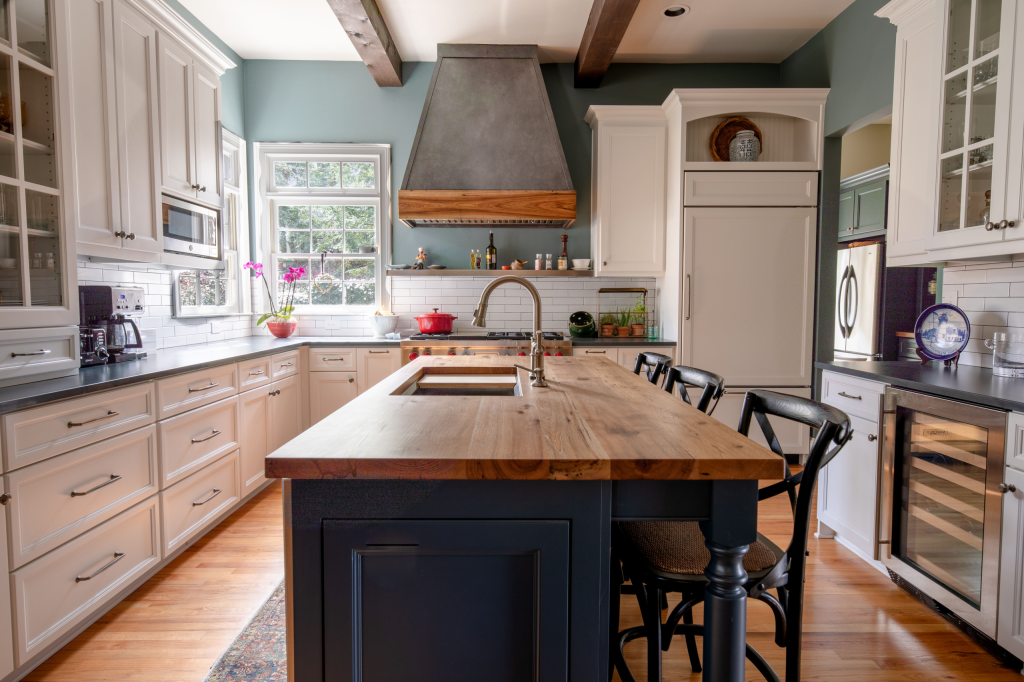
The 2027 kitchen is moving away from entirely fitted designs toward a more collected, curated feel. Freestanding pieces—bar cabinets, traditional-style dressers, and repurposed vintage furniture such as butcher blocks or baker’s tables—bring character and warmth. Pairing a vintage island with a sleek contemporary stone top creates a singular focal point .
11. Sustainability as a Design Principle
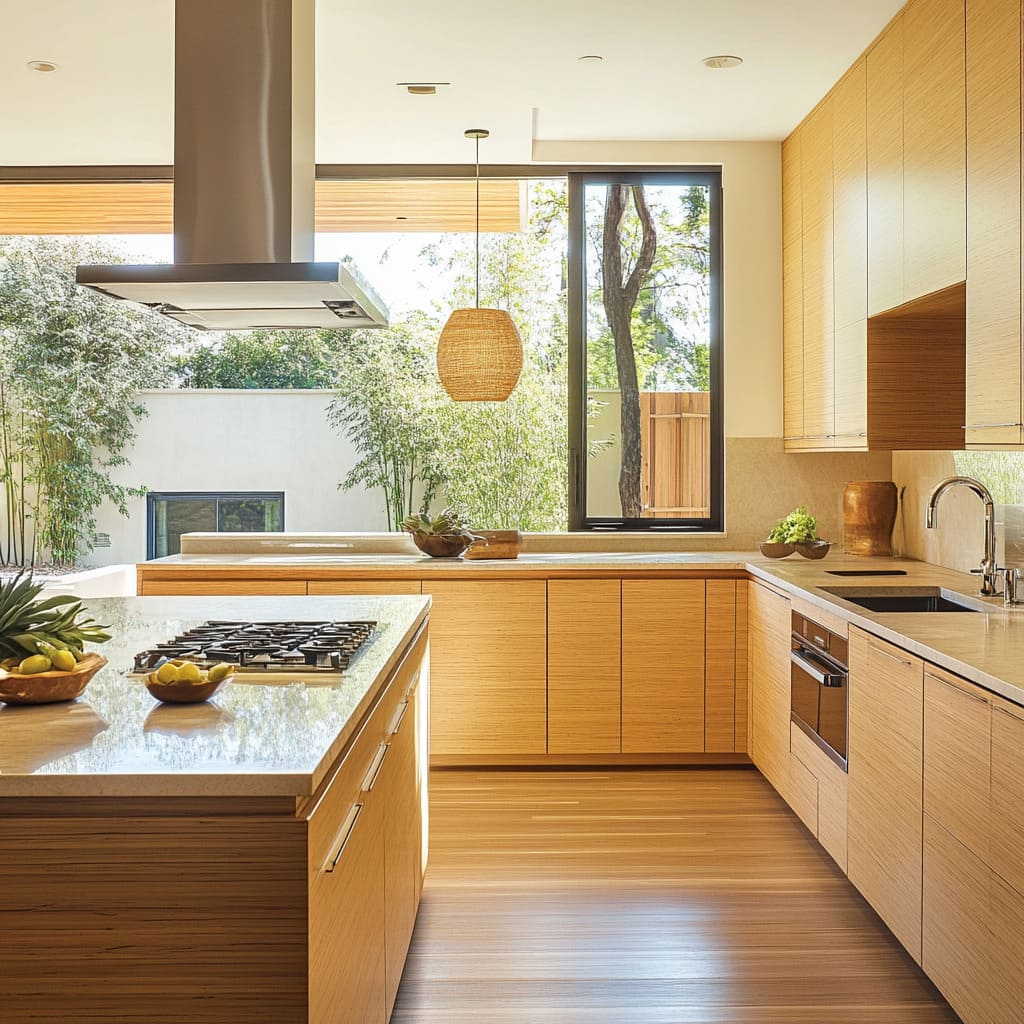
Sustainability in 2027 transcends material choices. It encompasses creating environments that remain relevant and cherished over time—long-lasting, durable materials and timeless design that won’t require frequent updates. Eco-friendly materials such as bamboo, reclaimed wood, and recycled metal are becoming standard, while energy-efficient appliances are no longer optional but expected .
12. Seamless Storage Solutions
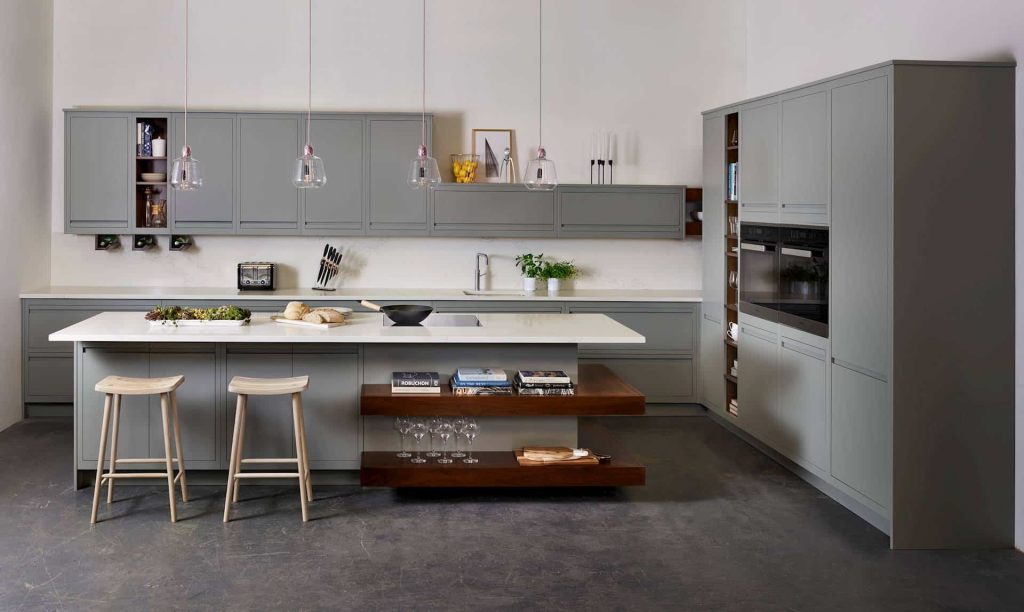
Full-height shaker cabinetry replaces open shelving without losing warmth. Handleless cabinets with push-to-open systems, recessed finger pulls, and integrated edge handles create a streamlined look while reducing visual clutter. Inside, custom drawer organisers keep everything in clear view the moment you pull the drawer open .
13. Smart Storage for Small Spaces
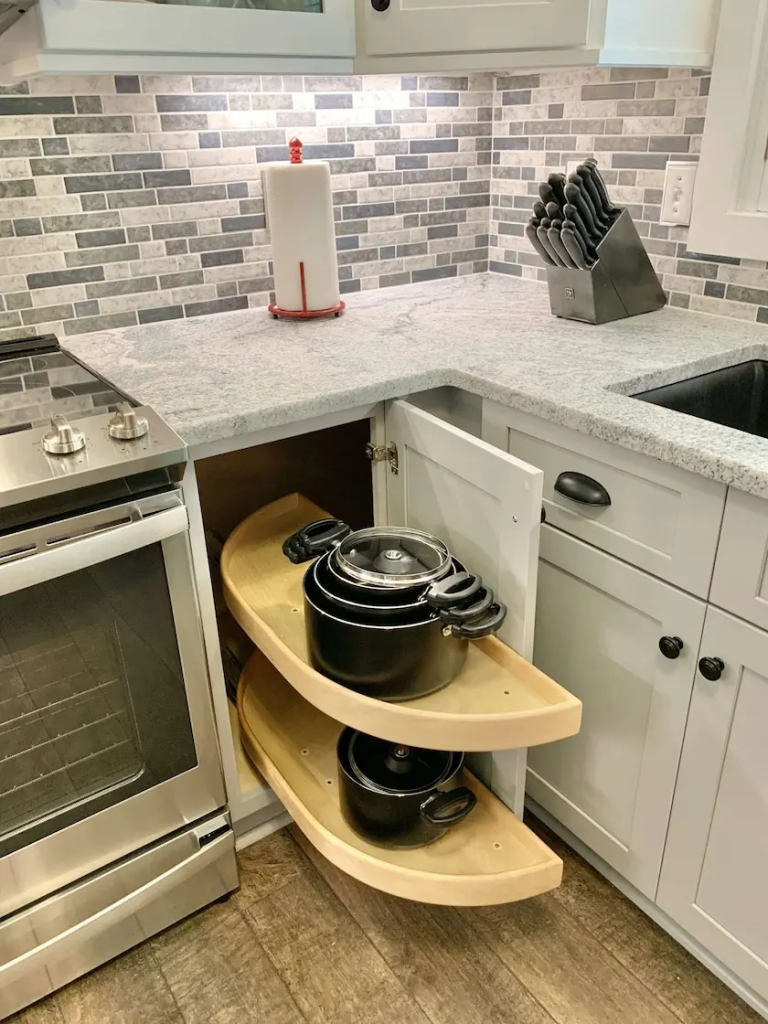
Compact kitchens demand smarter solutions. Toe-kick drawers beneath base cabinets, slim pull-outs beside appliances, and corner carousel systems that prevent wasted space are transforming how small kitchens function. Modular storage systems allow homeowners to reconfigure shelves, drawers, and inserts as needs change .
The Role of Lighting in 2027 Kitchens
Lighting has emerged as a crucial design element that transforms the kitchen’s mood and functionality:
Layered Lighting – Designers combine ambient (general), task (work-specific), and accent (decorative) lighting to create depth and flexibility. This approach allows the same space to feel bright and energetic during cooking, then warm and intimate for evening gatherings.
Smart Controls – App-controlled dimmers, colour-temperature adjustments, and motion sensors are becoming standard. Homeowners can preset “scenes” — such as morning prep, dinner party, or late-night snack — that automatically adjust lighting levels.
Under-Cabinet and In-Drawer Illumination – Practical lighting hidden beneath upper cabinets and inside drawers improves visibility while maintaining clean sightlines. This subtle approach enhances functionality without clutter.
Statement Lighting – Pendant lights, sculptural fixtures, and oversized lamps act as jewellery for the kitchen. These pieces add personality and serve as visual anchors, particularly over islands and dining areas.
Natural Light Maximisation – Skylights, larger windows, and glass doors remain highly desirable. Designers are also incorporating light tubes and reflective surfaces to channel daylight into darker zones.
Material Innovations Shaping the Future
The material palette of 2027 reflects both aesthetic preferences and technological advances:
Bio-Based Materials – Mushroom mycelium, algae-derived composites, and agricultural waste products are entering kitchen design as sustainable alternatives to traditional materials. These options offer unique textures while reducing environmental impact.
Advanced Porcelain and Ceramics – Ultra-thin, large-format porcelain slabs provide seamless worktops and splashbacks with exceptional durability, heat resistance, and stain protection. Digital printing allows realistic wood and stone patterns.
Recycled and Upcycled Surfaces – Worktops made from recycled glass, paper composite, and plastic waste are gaining mainstream acceptance. These materials often feature distinctive speckled or flecked appearances that add character.
Thermally Modified Wood – Heat-treated timber offers improved stability and durability without chemical treatments. This process enhances the wood’s natural colour, producing rich, dark tones that suit contemporary styles.
Low-VOC and Non-Toxic Finishes – Health-conscious consumers are demanding paints, sealants, and adhesives that emit minimal volatile organic compounds. These products contribute to better indoor air quality without sacrificing performance.
Colour Forecasting Beyond the Trends
While “dirty colours” dominate current conversations, understanding the broader colour landscape helps contextualise choices:
The Rise of Luminous Blue – WGSN’s 2027 Colour of the Year represents a shift toward optimistic, forward-looking hues that evoke clarity and digital-age calm. This shade works particularly well as an accent in otherwise neutral kitchens.
Earth Tones as Anchors – Warm browns, ochres, and terracottas provide grounding stability. These colours connect interior spaces to the natural world, a response to growing environmental awareness.
Dual-Tone Cabinetry – Rather than a single colour, designers are pairing contrasting hues — such as deep green lower cabinets with pale cream uppers — to add visual interest without overwhelming the space.
Monochromatic Warmth – Layering different shades of the same colour family — from pale beige to rich walnut — creates depth and sophistication while maintaining a cohesive, restful atmosphere.
Pops of Unexpected Colour – Small accents in bold shades — mustard yellow, rust orange, or emerald green — inject personality through bar stools, small appliances, or decorative accessories that can be easily changed.
Sustainability: Beyond Green Materials
True sustainability in kitchen design extends far beyond choosing eco-friendly products:
Circular Design Principles – Designers are planning for disassembly, using joinery methods that allow components to be separated and recycled at the end of their life. This approach reduces waste and supports material reuse.
Durability Over Disposability – Investing in high-quality, timeless pieces reduces the need for frequent replacement. This philosophy challenges the trend-driven consumerism that has dominated interior design for decades.
Water Conservation – Aerated taps, sensor-controlled flow, and greywater recycling systems reduce water consumption without compromising performance. Some designs incorporate integrated herb gardens that use recycled water.
Energy Efficiency – Induction cooktops, convection ovens, and heat-pump dryers significantly reduce energy consumption. Smart appliances optimise usage patterns, further lowering carbon footprints.
Local Sourcing – Using materials and craftspeople from the local area reduces transportation emissions while supporting regional economies. This approach also creates kitchens with authentic regional character.
Waste Reduction – Composting systems, recycling stations, and bulk-storage pantries encourage sustainable habits. Thoughtful design makes eco-friendly behaviour effortless and intuitive.
The Psychology of Kitchen Design
Increasingly, designers recognise the kitchen’s profound impact on mental health and social dynamics:
Colour Psychology – Warm tones promote relaxation and appetite, while cool blues and greens evoke clarity and focus. The 2027 palette deliberately balances these effects to create spaces that adapt to different moods and activities.
Openness and Connection – Open-plan layouts encourage family interaction and social cooking. The kitchen becomes a stage for shared experiences rather than a separate work zone.
Order and Serenity – Clutter-free surfaces and hidden storage reduce visual stress. The 2027 emphasis on seamless storage reflects a desire for mental clarity and calm.
Personalisation and Ownership – Spaces that reflect personal taste foster emotional connection and pride. The trend toward kitchen couture and vintage pieces allows homeowners to imprint their identity on the space.
Sensory Experience – Texture, scent, and sound are increasingly considered. Soft-close mechanisms, natural-material finishes, and integrated aromatherapy elements engage multiple senses, creating richer experiences.
Conclusion
The kitchen of 2027 is a space of paradoxes: warm yet high-tech, personal yet sustainable, curated yet lived-in. The all-white, showroom aesthetic has given way to spaces that embrace natural materials, deep earthy colours, and the comforting imperfection of real life. Technology has matured to the point where it enhances functionality without dominating the visual experience. Sustainability is no longer a niche concern but a fundamental design principle that extends from material choices to the longevity of the space itself.
Perhaps the most significant shift is philosophical: the 2027 kitchen is designed to adapt to real life rather than to look perfect in photographs. It supports hybrid working, accommodates changing family needs, and reflects individual personality rather than mass-market trends. As designers note, luxury in today’s kitchen isn’t about excess—it’s about thoughtful consideration of materials, details, and how the space makes us feel . The future of kitchen design lies not in chasing the next trend, but in creating spaces that evolve with us, serving as the true heart of the home for years to come.
