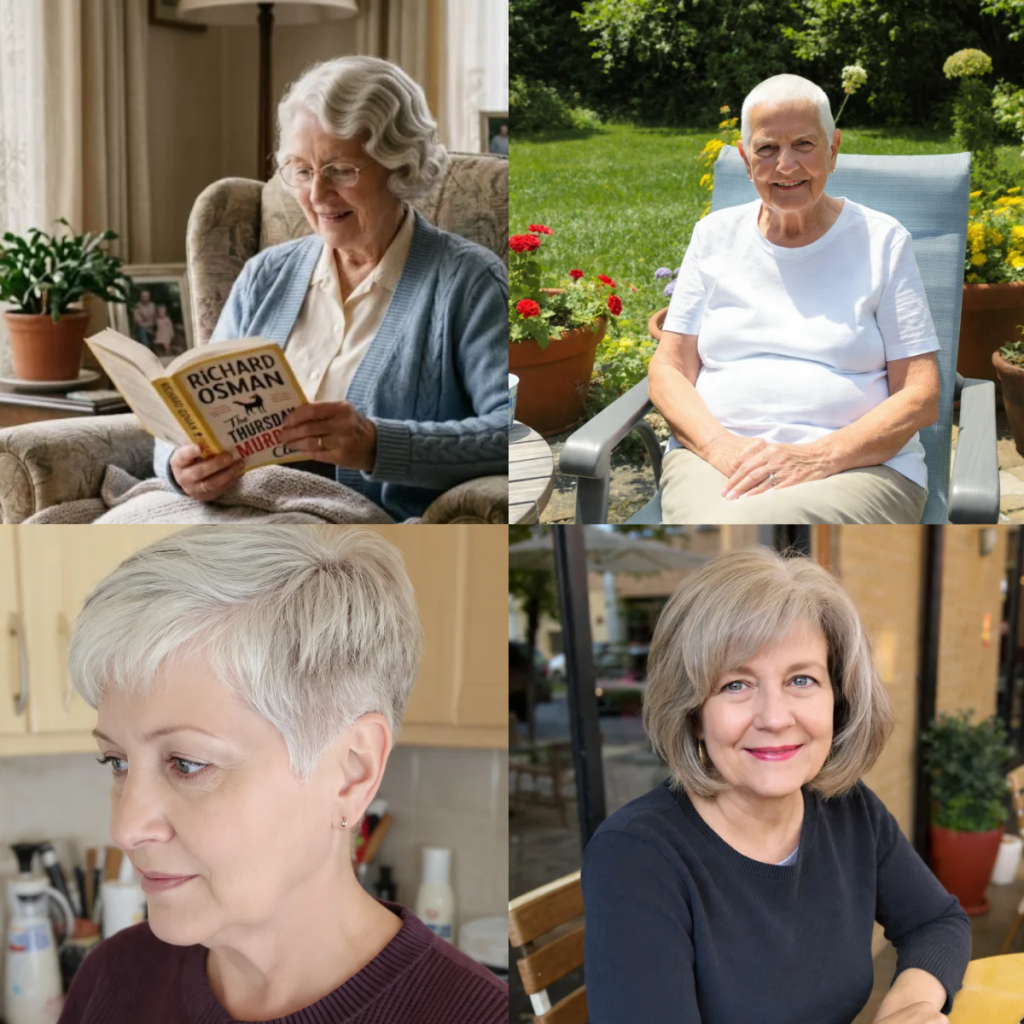
There’s a common misconception that as women age, their hairstyle choices become limited. The truth is quite the opposite. Stepping into your 50s, 60s, 70s, and beyond is the perfect opportunity to embrace a short hairstyle that celebrates confidence, ease, and personality. Longer hair can sometimes drag the face down, thin out, or become difficult to manage. A well-chosen short cut, however, lifts features, adds volume where you want it, and cuts your styling time in half—or more. Whether you’re looking for a wash-and-go pixie, a sophisticated bob, or something with playful texture, these 10 short hairstyles prove that age is just a number and style is forever.
What to Consider Before Going Short
Making the switch to a short hairstyle is exciting, but a few practical considerations will ensure you love your new cut.
- Face shape matters. A pixie can elongate a round face; a chin-length bob can soften a square jaw; volume on top balances a heart-shaped face. Ask your stylist for a dry consultation before any cutting begins.
- Hair texture is your guide. Fine hair thrives with blunt ends or textured crops. Thick, curly hair needs internal layers to remove bulk. Straight hair shows every line, so precision cutting is key.
- Lifestyle is everything. If you exercise daily, travel often, or dislike blow-drying, choose a wash-and-go style like a crop or buzz. If you enjoy styling, a long pixie or layered bob offers more versatility.
- Transition gradually. Nervous about going very short? Try a long bob first, then a long pixie, then a classic pixie over several appointments.
- Commit to maintenance trims. Short hair reveals its shape quickly. Plan for a trim every 4–6 weeks to keep the silhouette fresh.
10 Well-Structured Ideas
1. The Classic Pixie Cut
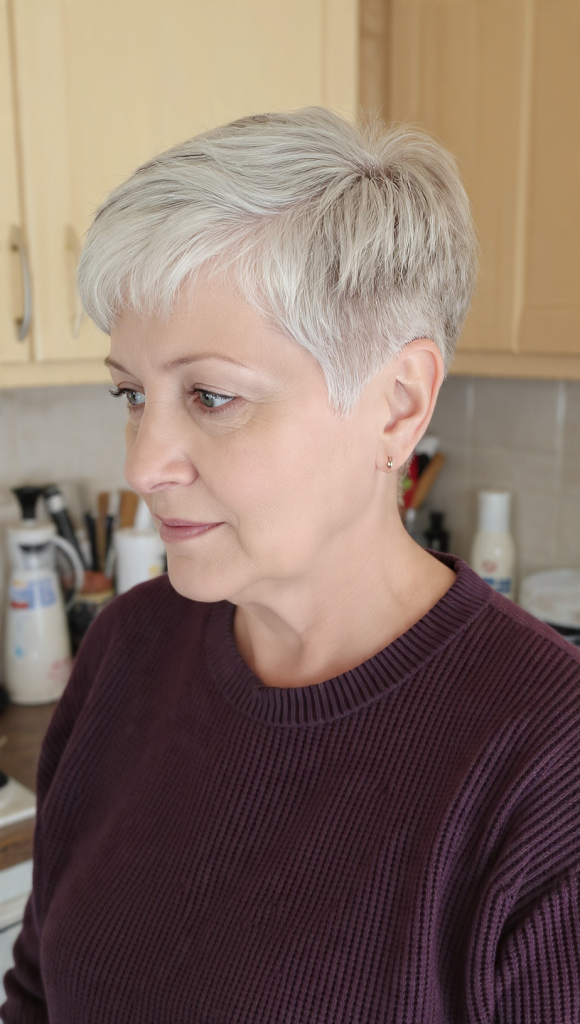
- Structure: Very short at the back and sides, slightly longer on top (about 1–2 inches).
- Why it works: It’s timeless, low-maintenance, and draws attention to your eyes and cheekbones. Great for fine hair because the short length creates natural lift.
- Styling tip: Rub a pea-sized amount of texturizing paste between your fingers and run through the top for piece-y definition.
2. The Textured Crop
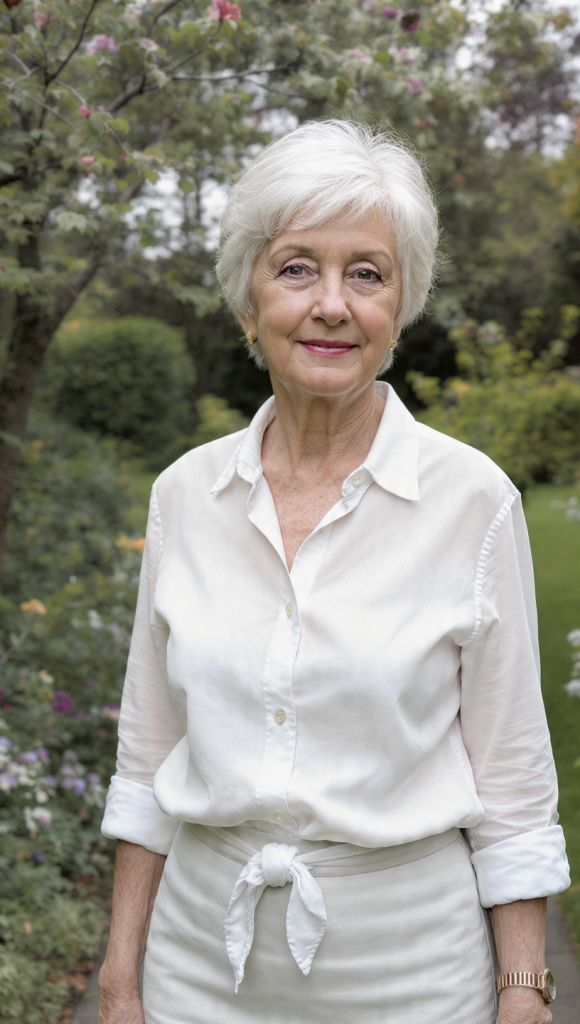
- Structure: Even length all over (about ½ to 1 inch), but with soft, choppy layers cut into the ends.
- Why it works: Ideal for very thin or thinning hair. The texture creates the illusion of density and movement without requiring volume products.
- Styling tip: Use your fingers to rough-dry hair forward—no comb or brush needed.
3. The Long Pixie (Pixie-Bob Hybrid)
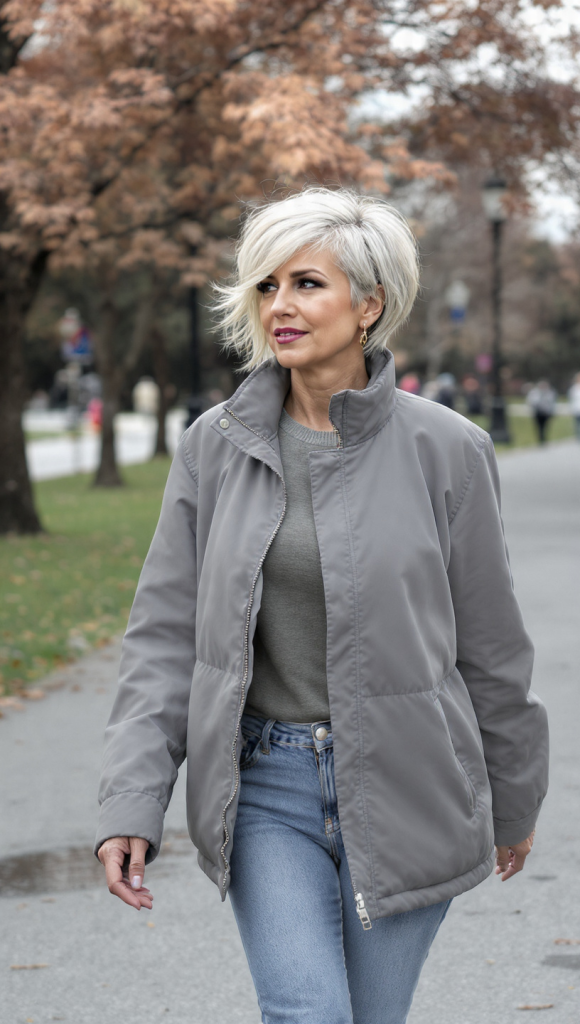
- Structure: Longer than a traditional pixie (2–3 inches on top), with the back tapered but not shaved. It touches the ears but doesn’t cover them.
- Why it works: A perfect transition cut if you’re nervous about going very short. It offers versatility—you can sweep it to the side or add soft waves.
- Styling tip: A side-swept fringe softens forehead lines and adds a romantic feel.
4. The Layered Bob (Chin-Length)
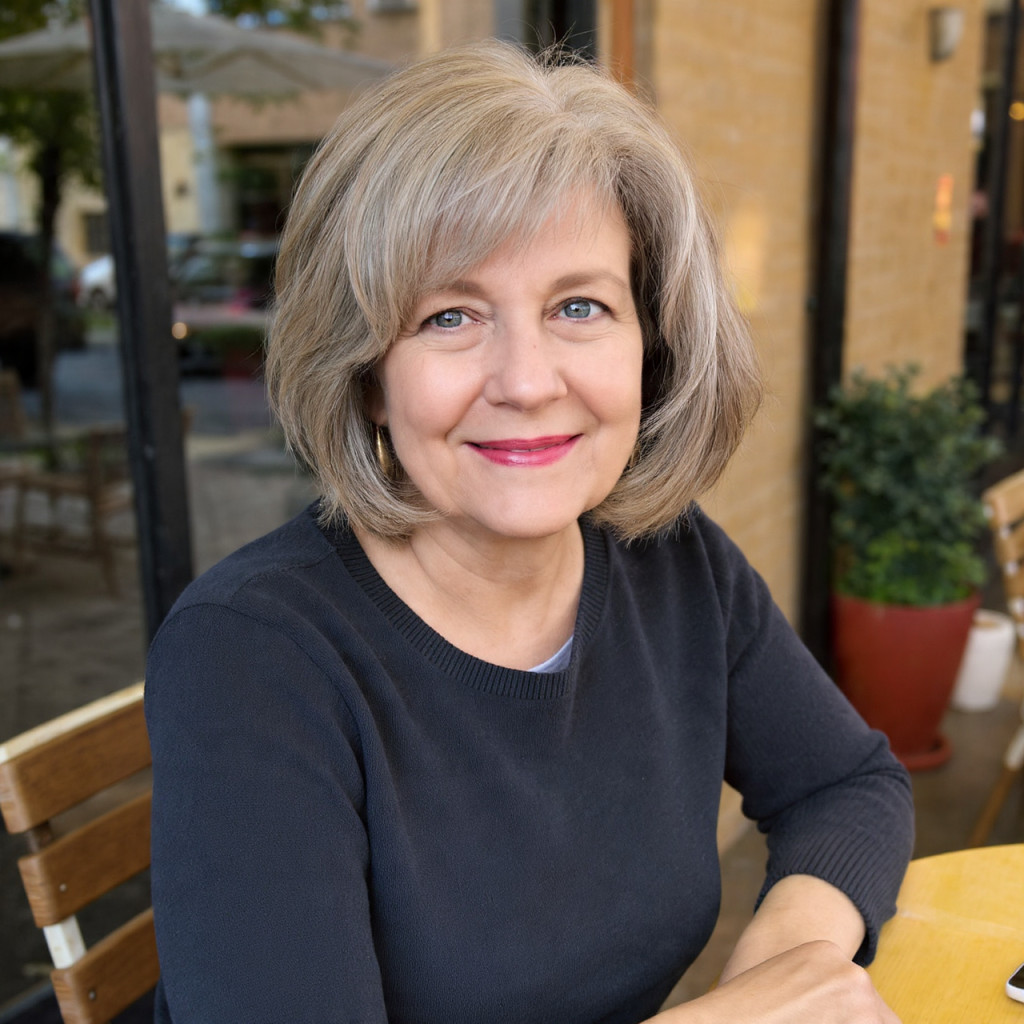
- Structure: Falls right at or just below the chin, with internal layers to remove bulk and add movement.
- Why it works: One of the most universally flattering cuts. The layers prevent a heavy, blunt look, while the chin length frames the jawline beautifully.
- Styling tip: Blow-dry with a round brush, turning the ends under slightly for a polished finish.
5. The Cropped French Bob

- Structure: Shorter than a standard bob—ending mid-ear to just above the chin. Often paired with a blunt fringe (bangs).
- Why it works: Exudes effortless, Parisian chic. The short length removes weight, making hair appear fuller. Bangs can cleverly cover forehead wrinkles if desired.
- Styling tip: Leave it slightly tousled and air-dried for authenticity; perfect for natural gray or silver hair.
6. The Tapered Nape Cut
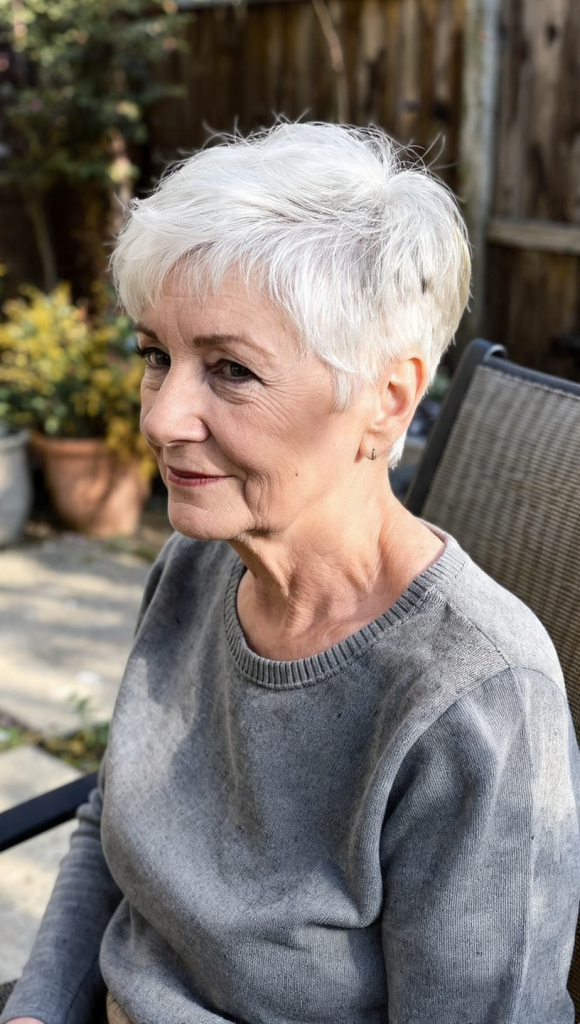
- Structure: Short and closely tapered (clipper-short) at the nape of the neck, graduating to longer, soft layers on top and around the ears.
- Why it works: Keeps the back of the neck cool and neat—excellent for hot flashes or dense, curly hair. The contrast between the close nape and soft top is very sculptural.
- Styling tip: Keep the top length long enough to tuck behind an ear for variety.
7. The Curly Short Shag
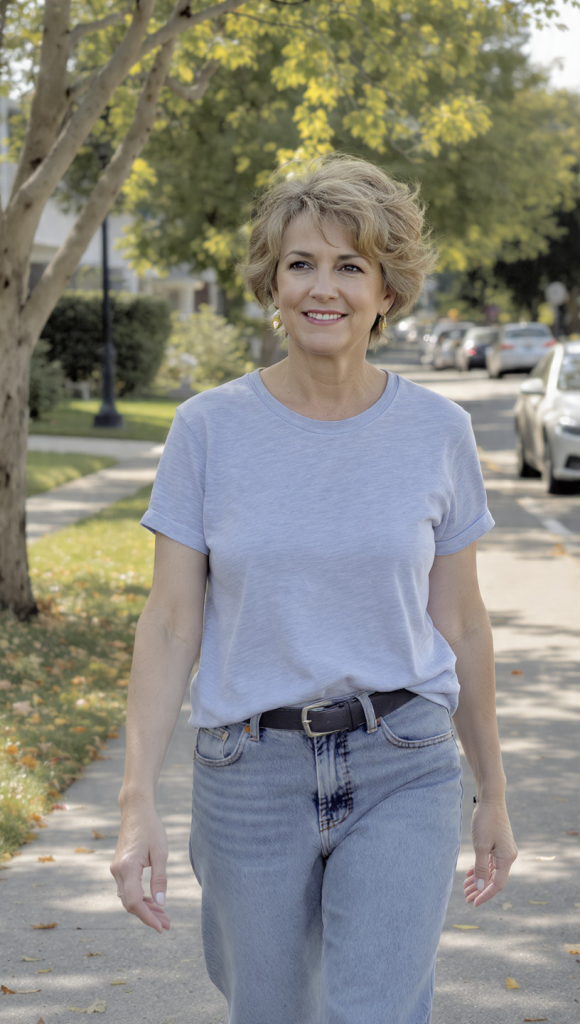
- Structure: Layered heavily all over, with shorter layers at the crown and longer pieces around the face. Often includes wispy, uneven bangs.
- Why it works: Made for naturally curly or wavy hair. The shag cut removes weight so curls spring up, not down. It’s playful, youthful, and full of volume.
- Styling tip: Scrunch in a leave-in conditioner or mousse when wet, then air-dry or diffuse.
8. The Sleek Asymmetrical Cut

- Structure: One side slightly longer (e.g., grazing the ear) and the other side shorter (above the ear), with clean, smooth lines.
- Why it works: Adds modern edge and sophistication. The asymmetry creates visual interest and can balance out facial asymmetry or a strong jawline.
- Styling tip: Use a flat iron and a drop of shine serum to keep it glossy; this cut looks best when polished.
9. The Soft Finger Wave Set (Short)
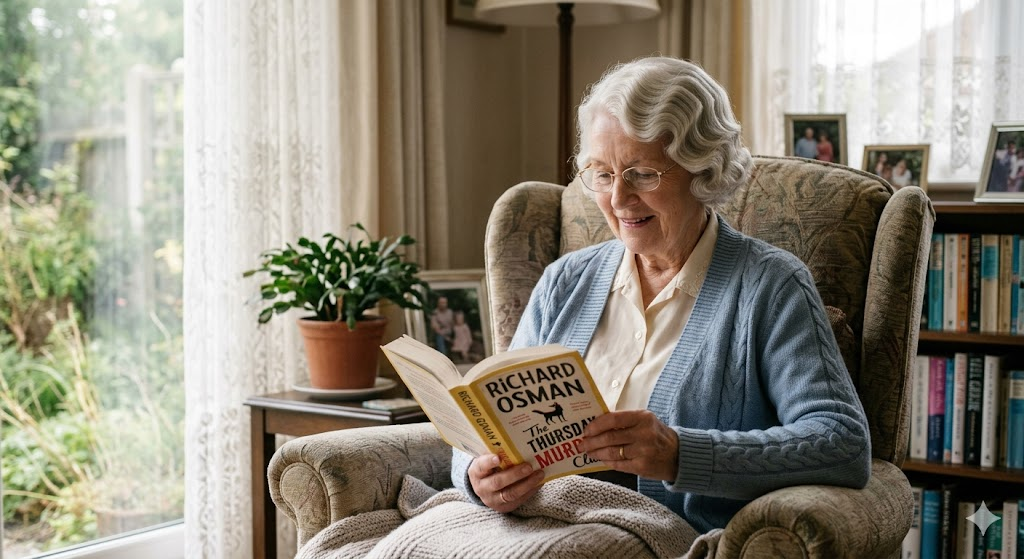
- Structure: Hair is cut into a uniform short length (1–2 inches), then set in classic ‘S’-shaped finger waves.
- Why it works: A stunning option for women who love retro glamour. It’s also practical for fine hair because the waves create built-in body that lasts for days.
- Styling tip: Have your stylist teach you a quick pin-curl set at night; in the morning, brush out lightly for soft waves.
10. The Wash-and-Go Buzz (Very Short Crop)
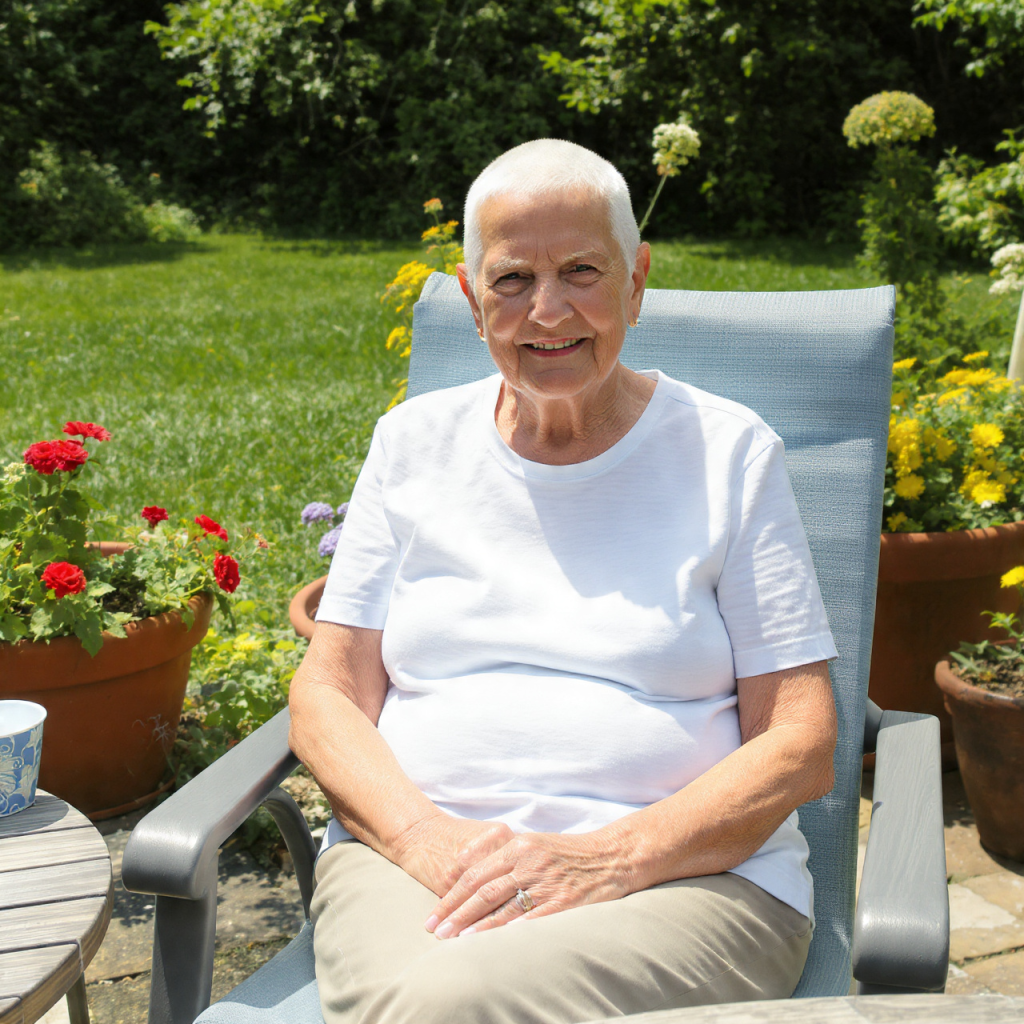
- Structure: Uniform ¼ to ½ inch length all over, using clippers.
- Why it works: The ultimate low-maintenance cut. It’s bold, confident, and liberating—especially for women experiencing severe thinning or medical hair loss. It highlights great earrings, glasses, and skincare.
- Styling tip: Zero daily styling. Just wash, towel-dry, and go. A moisturizing scalp lotion keeps skin healthy.
How to Communicate With Your Stylist
Clear communication prevents disappointment. Use these exact phrases when you sit in the chair.
Do say:
- “I want a low-maintenance cut that looks good air-dried.”
- “Please keep length around my ears to balance my glasses.”
- “Add texture to remove bulk but don’t thin out the ends completely.”
- “Show me where my natural parting falls before you cut.”
- “I want volume at the crown to lift my face.”
Don’t say:
- *”Give me the same cut as this photo of a 30-year-old.”* (Different hair density and texture change everything.)
- “Just take a little off everywhere.” (That leads to shapeless results.)
- “Make it easy but also versatile.” (Be specific: easy means air-dry; versatile means you can style it two ways.)
Bringing photos helps. Save 2–3 images of women over 50 with similar hair texture to yours. Point to what you like: the fringe, the nape length, the side shape.
Daily Styling Tips for Short Hair
Short hair is faster to style, but technique matters. These tips save time and frustration.
For fine or thin hair:
- Use a volumizing mousse on damp roots before drying.
- Blow-dry upside down for 30 seconds only.
- Finish with a light dry shampoo at the roots even on clean hair.
For thick or curly hair:
- Never brush dry curls. Detangle only when wet with conditioner.
- Apply a leave-in cream or gel, then scrunch and leave alone.
- Sleep on a satin pillowcase to prevent frizz and flattening.
For all hair types:
- Keep dry shampoo and a small texture spray near your bathroom sink for 30-second refreshes.
- Train your hair to fall in place by finger-combing it in the same direction every time you pass a mirror.
- Trim your own nape hairs between salon visits using a small handheld mirror and electric trimmer (ask your stylist to show you once).
Styling Products Worth Owning
You don’t need a dozen bottles. These four products handle almost every short hairstyle.
| Product | Best for | How to use |
|---|---|---|
| Texturizing paste or wax | Pixies, crops, shags | Warm a pea-sized amount between fingers, then scrunch into dry hair for piece-y definition. |
| Volumizing mousse | Fine or flat hair | Apply to damp roots only, then blow-dry with fingers lifted upward. |
| Light hold hairspray | Bobs, sleek cuts | Spray from 12 inches away after styling to lock shape without stiffness. |
| Leave-in conditioner spray | Curly or dry hair | Mist over damp hair before any other product; detangles and prevents frizz. |
Avoid heavy oils, gels, and serums on short fine hair — they weigh everything down and look greasy by noon.
Common Concerns (And Honest Answers)
“Will short hair make me look older?”
Not if it’s cut well. Long, limp, thinning hair often looks more aging than a crisp, lifted short cut. The key is keeping texture and avoiding a helmet-like shape.
“What if I hate it?”
Short hair grows faster than you think — about half an inch per month. Within 8–10 weeks, you’ll be back to a bob length. In the meantime, headbands, clips, and scarves become your best friends.
“Can I still pull it back?”
Yes, if you keep the top long enough (2+ inches). A long pixie or layered bob can be pinned back with bobby pins or small claw clips for workouts or windy days.
“I have a double chin. Can I still go short?”
Absolutely. Asymmetrical cuts, side-swept bangs, and styles with height at the crown draw the eye upward, not downward. Avoid severe, ear-exposed pixies if this concerns you — a chin-length bob or long pixie is more flattering.
“What about natural gray hair — does it behave differently?”
Gray hair is often coarser, drier, and more wiry. You’ll need extra moisture (leave-in conditioner) and potentially more frequent trims because gray strands can stick out faster. The upside: gray hair holds texture and volume beautifully.
Conclusion
Choosing a short hairstyle after 50 isn’t about giving up — it’s about leveling up. The right short cut saves you time every morning, makes your features look brighter, and lets your personality take center stage instead of your hair. Whether you’re drawn to the effortless charm of a textured crop, the bold confidence of a buzz cut, or the polished elegance of a layered bob, there is a short style waiting to make you feel like yourself again — just lighter, freer, and more radiant.
Remember: the most beautiful hairstyle on any older woman is the one that makes her stop fussing and start living. Short hair delivers exactly that. So book that consultation, show your stylist what you want, and step out with the kind of low-maintenance, high-impact style that proves age truly is an asset.
