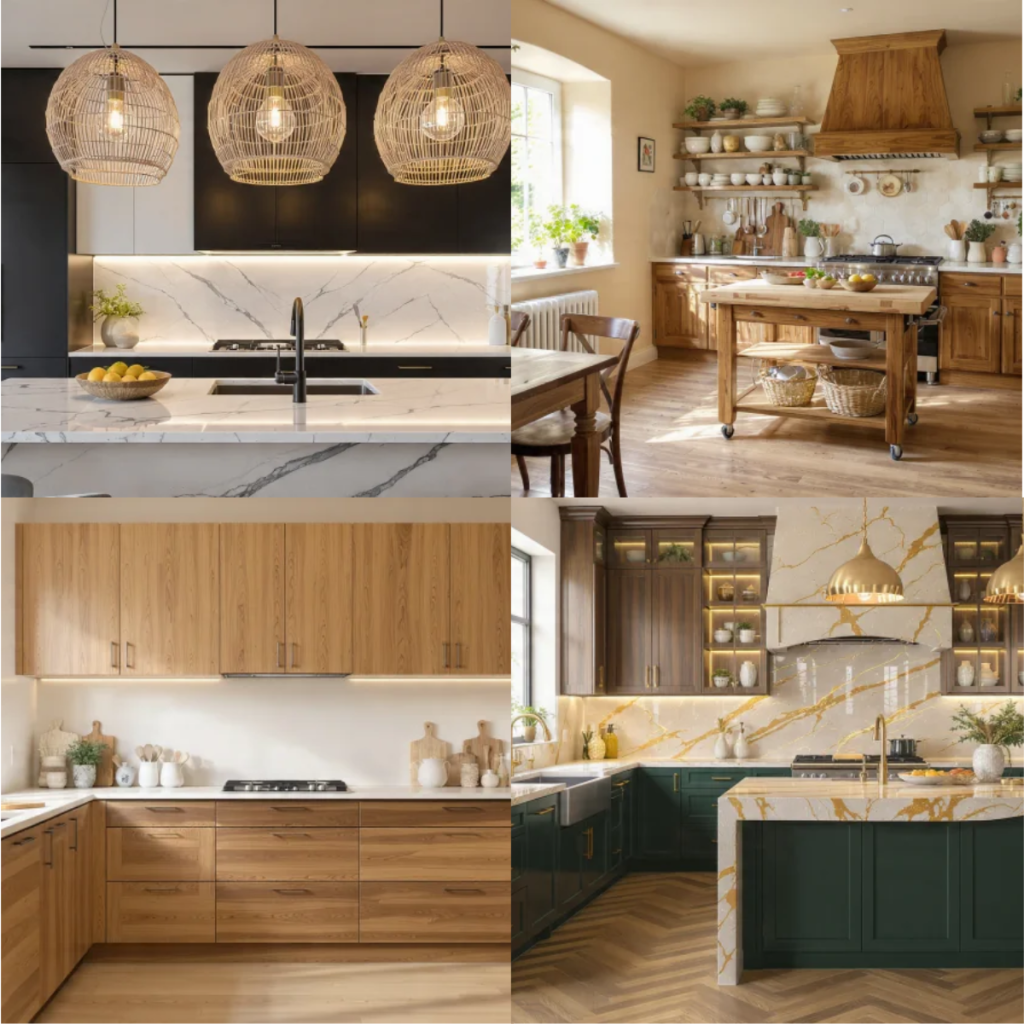
We’ve reached that time of year when it becomes abundantly clear which kitchen trends have lasting staying power and which are already beginning to feel overdone and predictable . What looks striking on social media doesn’t always translate into something that works day after day. I’ve spent enough time walking through finished kitchens and lived-in spaces to notice a clear pattern: trends driven by popularity rather than longevity often leave homeowners with spaces that feel dated before the paint is even dry .
The good news? You don’t need a full remodel to bring your kitchen up to speed. The shift is toward warmer, more layered spaces that feel collected rather than showroom-perfect. Kitchens are becoming softer and less formal, with interest coming from craftsmanship, texture, and materials that age beautifully over time . Here are the 12 trends designers say have had their day—and what to embrace instead.
What to Embrace Instead
If you’re planning a kitchen update, here are the directions designers are recommending right now:
Warm woods and natural textures. Oak, walnut, cherry, and other natural timbers bring instant warmth. Look for wood with visible grain and character rather than uniform, bleached-out finishes.
Layered lighting. Rather than relying on one central fixture, plan for multiple light sources. Under-cabinet lighting, pendants, sconces, and task lighting create depth and allow you to adjust the mood.
Mixed metals. The days of matching every metal finish are over. Combining brass, copper, nickel, and black hardware adds visual interest and prevents the space from feeling too coordinated.
Heritage materials. Soapstone, marble, terracotta, and limewash paint bring a sense of permanence and history. These materials develop a patina over time, becoming more beautiful with age rather than looking dated.
Functional storage solutions. Pull-out pantries, deep drawers, and customized inserts make daily life easier. The most timeless kitchens work perfectly for how you actually cook and live.
1. Fully Fluted Cabinetry
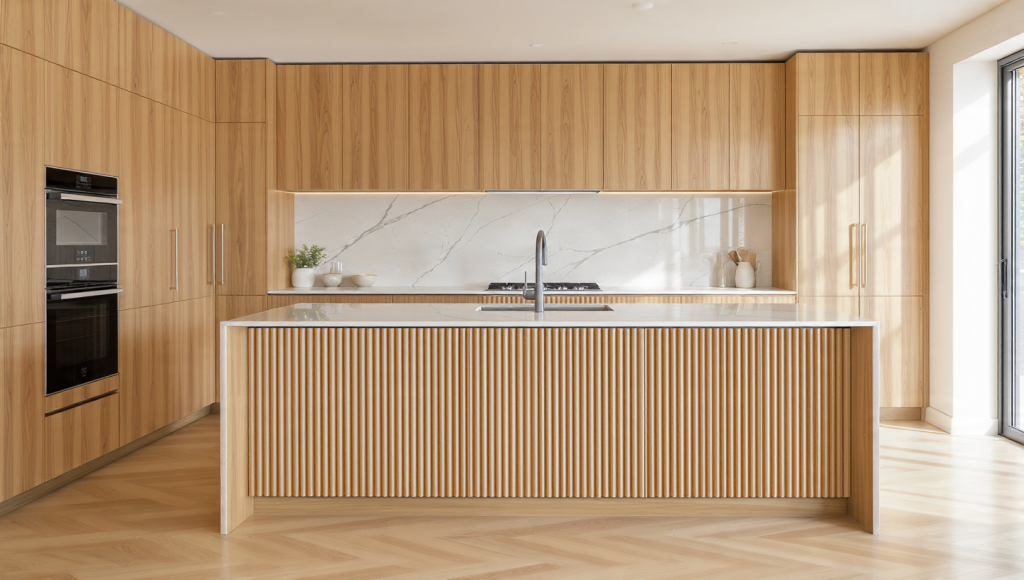
Fluted wood cabinetry made major waves, adding texture and tactility to kitchens. But designers say it’s already beginning to feel overdone. “Fluted wood everything, from cabinet fronts to range hoods to islands… I don’t think fluting is quite as timeless as other traditional hand-carved wood details,” says interior designer Kathy Kuo. She also notes that most fluted cabinetry uses wood veneer, which is less durable than solid wood .
The alternative: Use fluting as an accent rather than covering every surface. Wrap a curved island edge or choose select drawer fronts to add texture without overwhelming the space .
2. Over-Grouted Stone Backsplashes
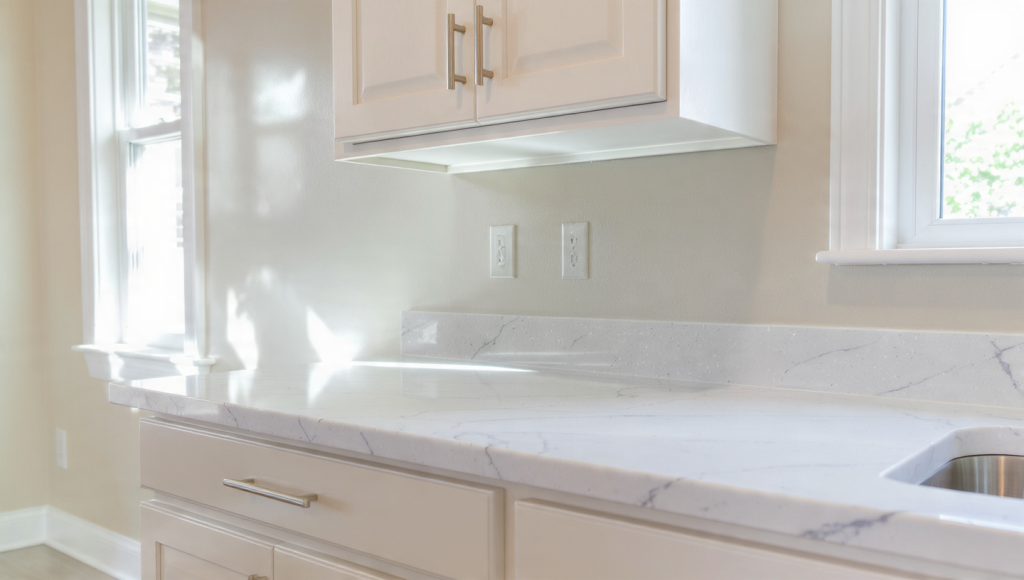
Large slab backsplashes with heavy grout lines for an authentic look worked beautifully in the right setting—but overuse in properties that don’t suit the style has made the trend feel forced. “If it does not fit the overall architecture, it can feel too forced,” says designer Sadie Beachy .
The alternative: Pull the natural stone countertop up about 18 inches as a backsplash, then add an architecturally authentic material above that complements your home’s existing style .
3. Smart-Filled Kitchens
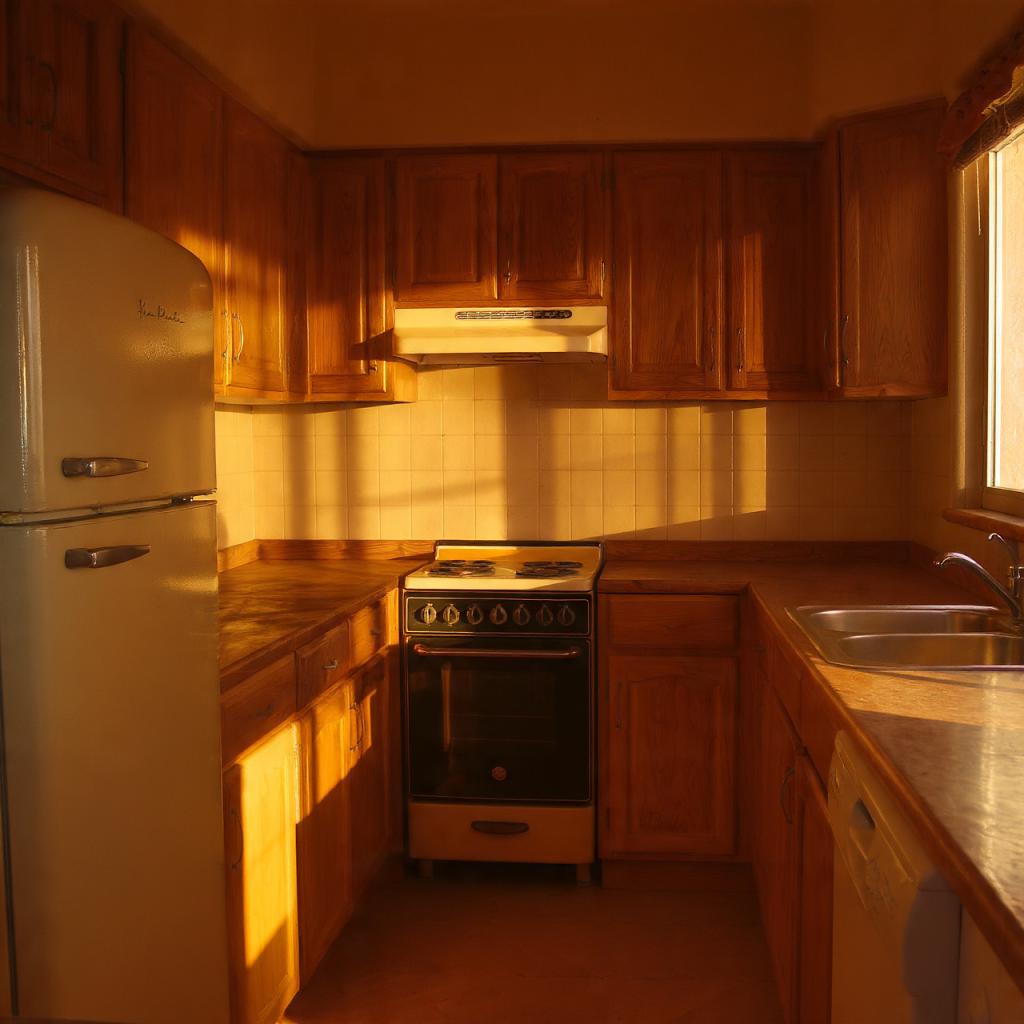
In a year focused on disconnection and analogue living, homeowners are pulling back from technology in the kitchen. “Smart features seem to be everywhere these days… I also see some of my clients pushing back. They want a kitchen where they do not need their phone to turn on the coffee maker,” says designer Maggie Griesbeck .
The alternative: Embrace simplicity. Appliances that function with a button press rather than an app feel more reliable and less likely to leave you with a frozen dinner when technology fails .
4. Oversized Kitchen Islands
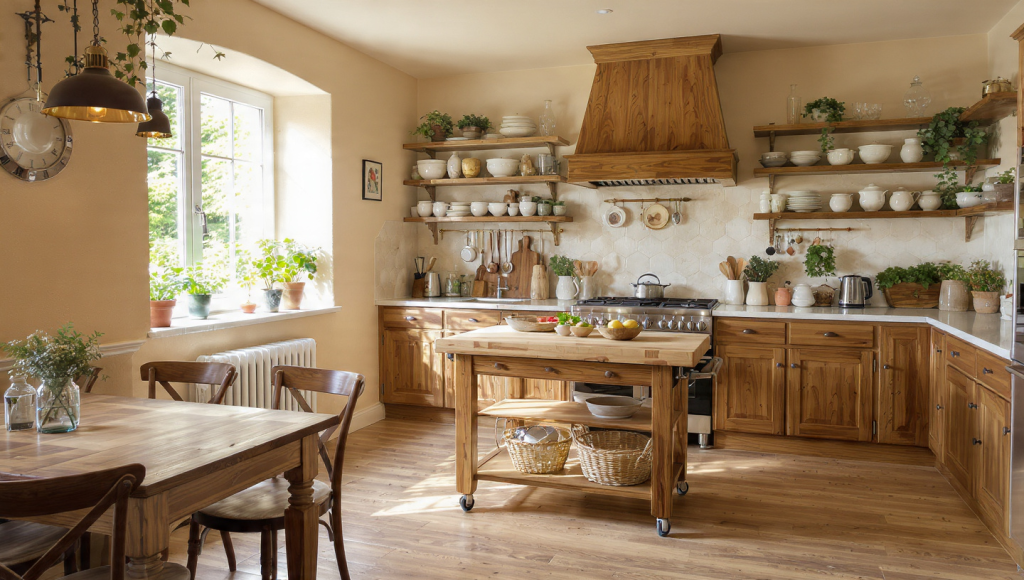
“Kitchens have been moving toward larger and larger islands, often becoming sculptural centerpieces… Many have started to feel more performative than practical,” says designer Vanessa Katzen. Oversized islands can impede flow and function, becoming barriers rather than hubs .
The alternative: More thoughtful layouts with smaller, flexible pieces like furniture-inspired islands, worktables, and defined zones. Compact but multi-functional designs work better for everyday life .
5. Taj Mahal Countertops Paired with Light Oak Cabinets
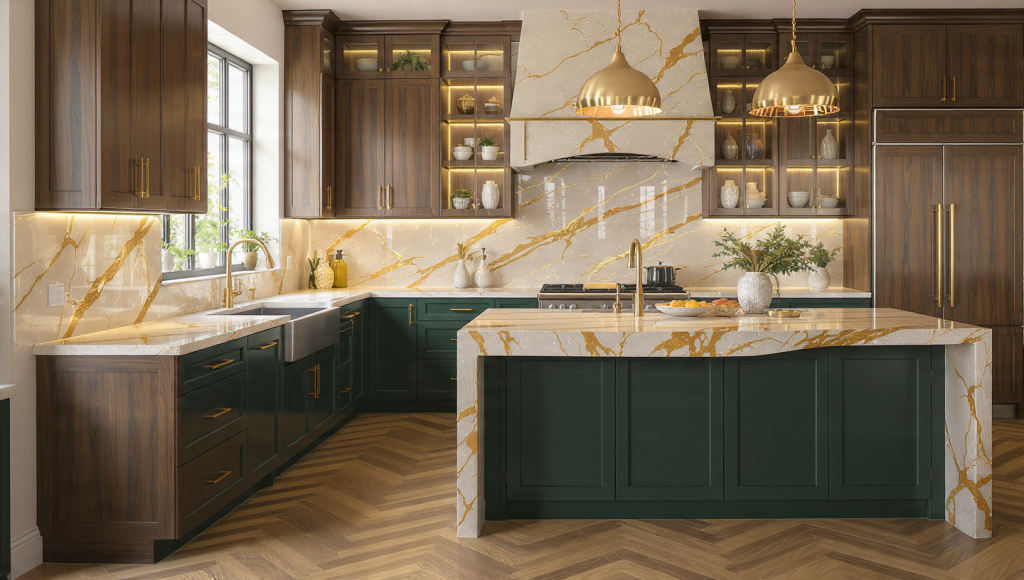
On their own, these elements are a great combination, but the pairing has become so repetitive that it leaves little room for unique design. “We have seen just those two items paired together a lot, making a perfect starting point. Build off of that, add more character and intentional details,” advises Sadie Beachy .
The alternative: Bring in darker wood tones or painted cabinetry for contrast, or swap the countertop for rich soapstone or an unexpected burgundy marble slab .
6. Color-Drenched Kitchens in One Dark Tone
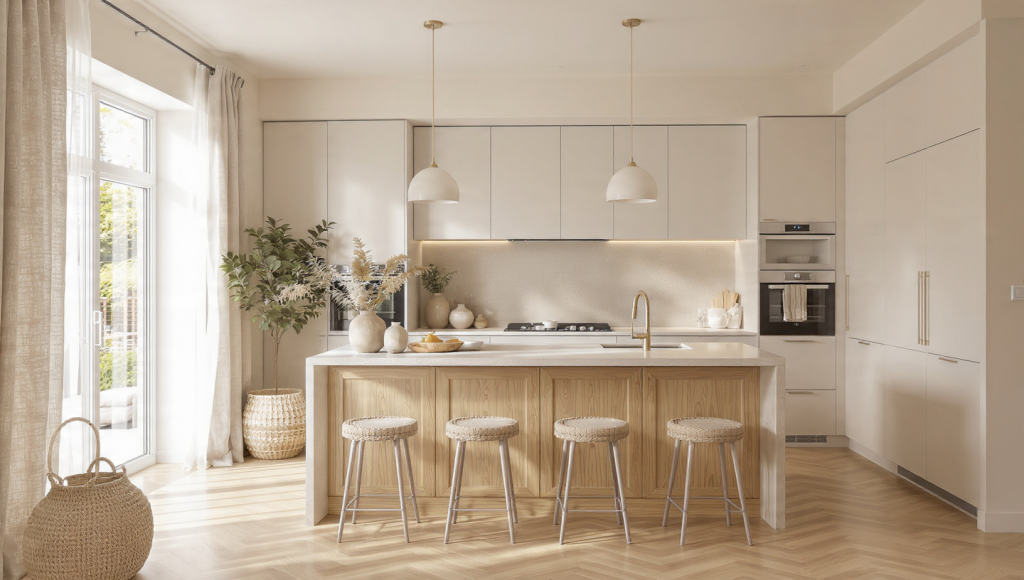
Moody palettes are enduring, but not when one statement color dominates every surface. “Very dark charcoal cabinetry and heavily saturated trend tones used throughout an entire scheme… can look striking initially, but they’re often quite difficult to live with long-term,” says designer Laura Stephens .
The alternative: A softer, more layered approach. Complex neutrals, natural timber finishes, and materials that bring warmth and texture create quieter, more sophisticated spaces .
7. All-White Kitchens with No Contrast
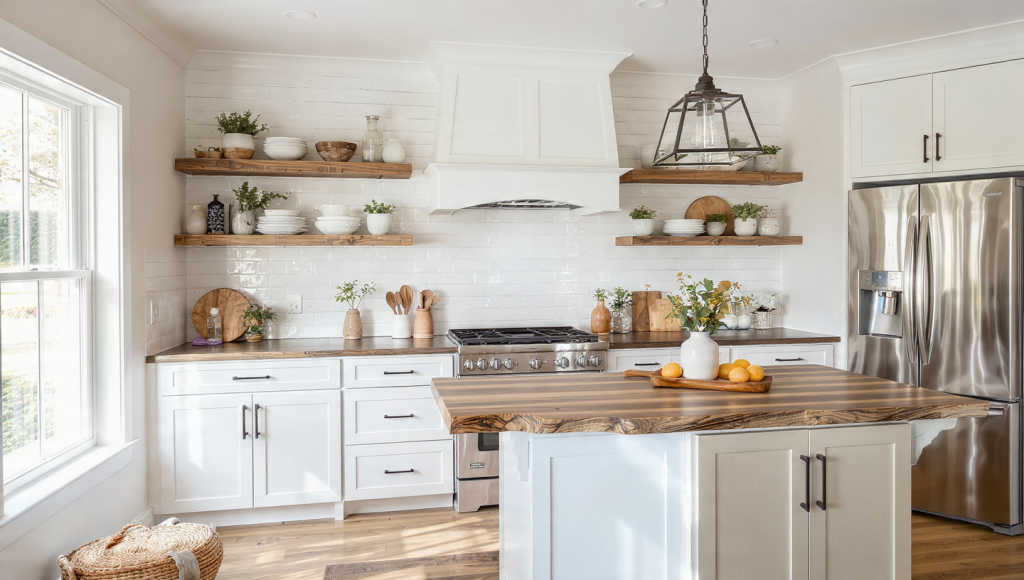
The all-white kitchen has been declared officially overdone. “Completely white kitchens without any contrast feel flat and uninspired today… removes personality from the space,” says designer Cara Woodhouse. These spaces feel sterile rather than inviting .
The alternative: Incorporate warm woods, stone with movement, or subtle color. Even small touches like warm wooden cutting boards or earthy textiles can add much-needed depth .
8. Ultra-Minimalist, Handle-Free Kitchens
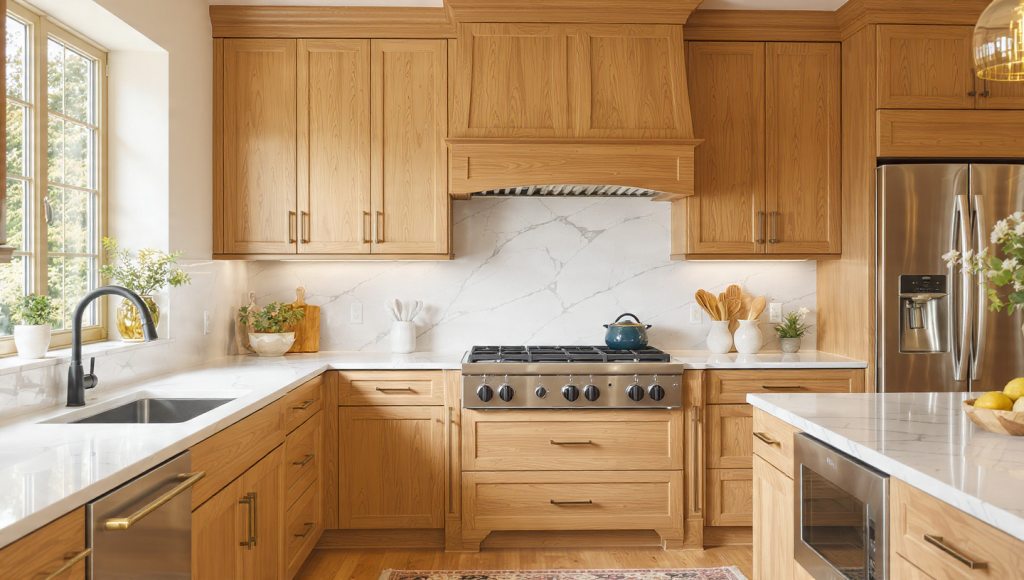
Handleless cabinetry is losing momentum. “The streamlined look now feels a little flat compared to the more detailed, crafted approach people are gravitating toward,” says designer Sophie Pringle. Design is moving back toward pieces with personality .
The alternative: Handles, hinges, and joinery details bring soul to a kitchen. Classic forms in timeless finishes feel considered and refined while adding subtle elegance .
9. Open Shelving Replacing Upper Cabinets
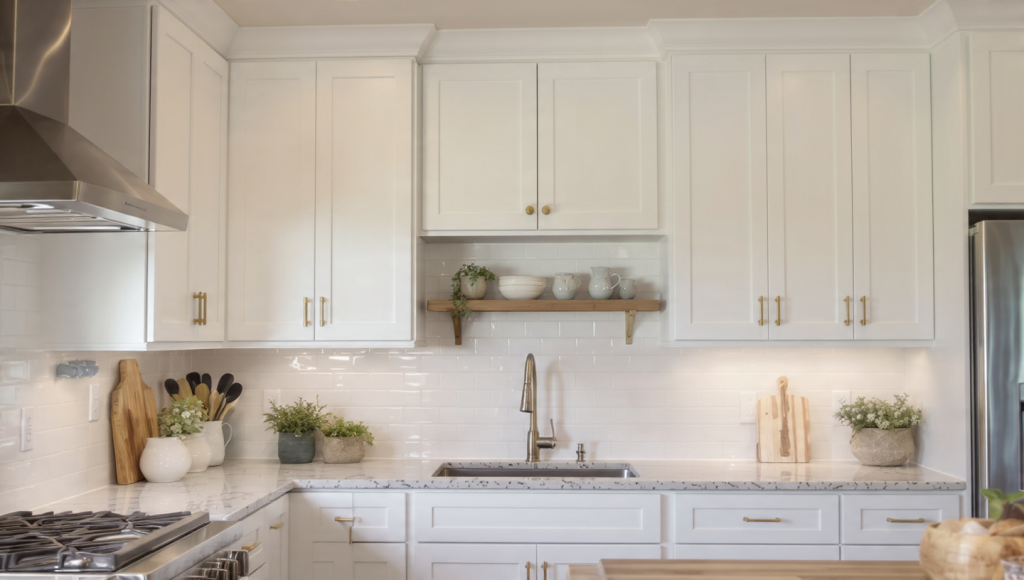
This is one of the most criticized trends. “In real life, it became a consistent maintenance—a dust trap,” says designer Shannon Kadwell. “Plates, glasses, and other items collected grease, dust, and cooking splatter” .
The alternative: Use open shelving as an accent, not a full storage strategy. One short shelf for daily items or decor, with closed cabinets for everything else .
10. High-Gloss Lacquered Cabinetry
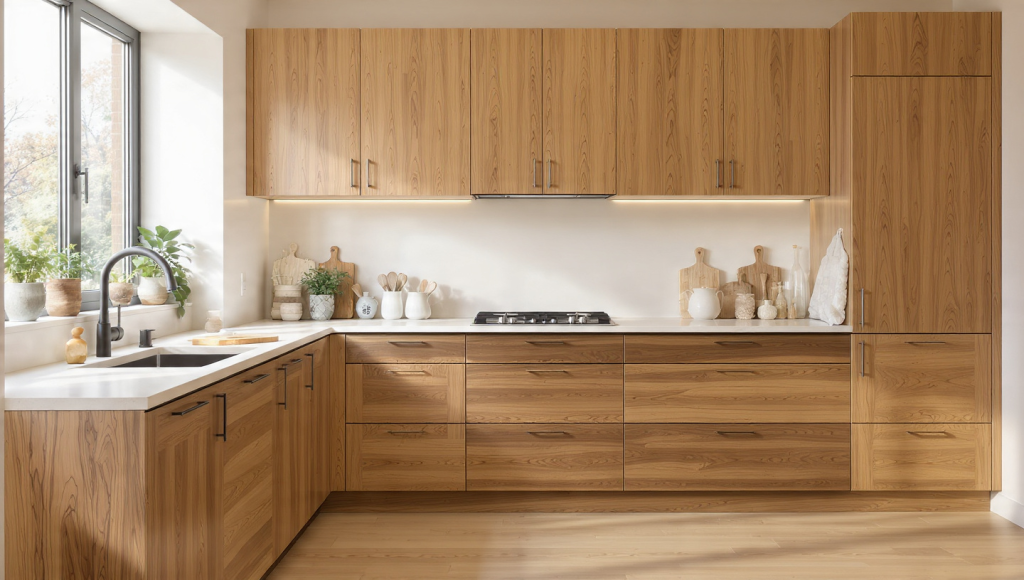
Highly lacquered, glossy kitchens are beginning to feel overdone. They “can feel somewhat clinical and disconnected from the warmth people increasingly want in their homes,” says Sophie Pringle. They also show every fingerprint and scratch .
The alternative: Matte or satin finishes that hide marks better and feel less fragile. Clients are drawn to timber, texture, and thoughtful detailing that bring character and longevity .
11. Ultra-Bold, Highly Veined Countertops
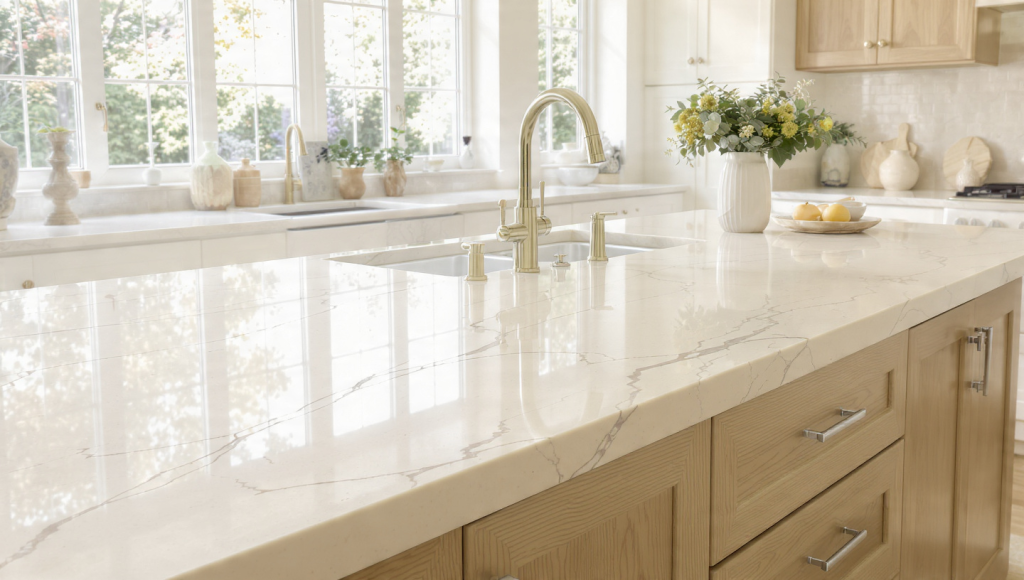
Dramatic quartz countertops with heavy gray veining look striking in photos but quickly dominate a space. “They can feel heavy in practice… quick to feel dated as the next trend comes along,” says Shannon Kadwell. The problem is especially acute with faux-marble quartz where veining looks too uniform .
The alternative: Quieter stone surfaces with warm undertones and more organic veining patterns. Honed quartz with a matte appearance is growing in popularity .
12. Overly Ornate Farmhouse-Style Pendants
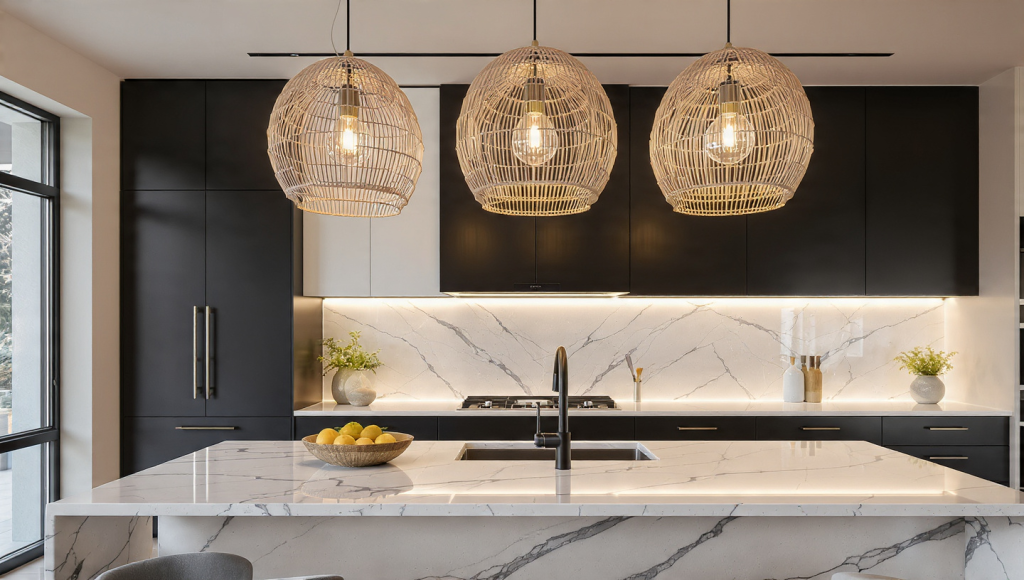
Farmhouse lantern pendants that once felt charming now read as theme-driven rather than timeless. “Design is moving toward intentionality and warmth… kitchens have become more architectural and tailored,” says designer Cathleen Gruver .
The alternative: Lighting that feels integrated, sculptural, and material-driven. Think hand-blown glass, plaster, aged brass, woven textures, or textured ceramic in softer silhouettes .
Budget-Friendly Ways to Update Without a Full Remodel
Not everyone has the budget for a complete kitchen overhaul. Fortunately, there are smaller changes that can refresh your space without breaking the bank:
Swap your hardware. Changing cabinet pulls and knobs is one of the most affordable updates with the biggest visual impact. Choose classic shapes in unlacquered brass or matte black for longevity.
Update your lighting. Replacing dated pendants or chandeliers changes the entire feel of the room. Look for sculptural pieces in warm materials like rattan, ceramic, or textured glass.
Paint your cabinets. A fresh coat of paint in a warm neutral or subtle color can transform tired cabinets. Stick with classic shades like warm cream, sage green, or soft grey-blue.
Add a backsplash. Even a small section of tile or stone adds texture and visual interest. Consider zellige tiles for an imperfect, handcrafted look.
Bring in textiles. A runner rug, dish towels, and window treatments add softness and color. These are low-commitment ways to experiment with trends without permanently altering your space.
Styling with purpose. Curate what you display on countertops and open shelves. Group items in odd numbers, mix heights and textures, and leave some breathing room.
Common Remodeling Mistakes to Avoid
Even with the best intentions, it’s easy to make mistakes during a kitchen remodel. Here are the most common pitfalls and how to avoid them:
Designing for resale rather than yourself. It’s tempting to make choices that you think future buyers will want, but this often results in a generic space that doesn’t bring you joy. Prioritize what works for your life and family.
Ignoring workflow. The classic kitchen triangle—sink, stove, refrigerator—exists for a reason. Before finalizing any layout, think about how you move through the space when cooking.
Skimping on storage. It’s impossible to have too much storage. Think carefully about where you’ll put pots, pans, baking sheets, and small appliances before committing to a layout.
Choosing style over quality. Trendy materials that are cheaply made will look worn and dated much faster than classic materials built to last. Invest in quality where it matters most—cabinetry, countertops, and appliances.
Forgetting about ventilation. A beautiful kitchen that smells like last night’s dinner isn’t a success. Invest in a quality range hood that vents properly.
Neglecting the ceiling. Painting the ceiling a warmer tone or adding architectural interest like beams can transform the feel of the room. Don’t leave it as an afterthought.
How Long Should a Kitchen Design Last?
Understanding the expected lifespan of different kitchen elements can help you make smarter investment decisions:
Cabinetry: 15 to 20 years with proper care. This is where you should invest the most money, as quality cabinets will outlast multiple design trends.
Countertops: 10 to 15 years for natural stone, longer for quartz. Choose classic colors and patterns that won’t feel dated in a decade.
Appliances: 10 to 15 years for most major appliances. Stainless steel remains the safest choice, though panel-ready appliances are growing in popularity.
Backsplash: 10 to 15 years. This is a good place to take a slightly bolder risk, as it’s relatively affordable to replace.
Hardware and lighting: 5 to 10 years. These are the easiest elements to update, so feel free to be a bit more trend-forward here.
Paint: 5 to 7 years before it needs refreshing. This is your lowest-risk area for experimenting with color trends.
Conclusion
The common thread across these outdated trends is not dislike of design—it’s fatigue with repetition. The trends people are moving away from were often overused, misapplied, or chosen without considering how long a kitchen is meant to last.
Today’s most successful kitchens feel layered, lived-in, and unique. They prioritize craftsmanship, natural materials, and thoughtful details over fleeting fashions. The shift is unmistakable: people want spaces that reflect who they are, not spaces that look like they were pulled from a showroom floor.
The kitchens that will stand the test of time are not the ones that follow every trend but the ones that prioritize how people actually live. A warm, functional kitchen filled with personal touches will always feel more inviting than a perfectly styled but soulless space.
When in doubt, choose quality materials that will age beautifully and a design that works for how you actually live—not how it looks on a screen. Remember that the most enduring kitchens are the ones that feel like home, not like a magazine spread.
