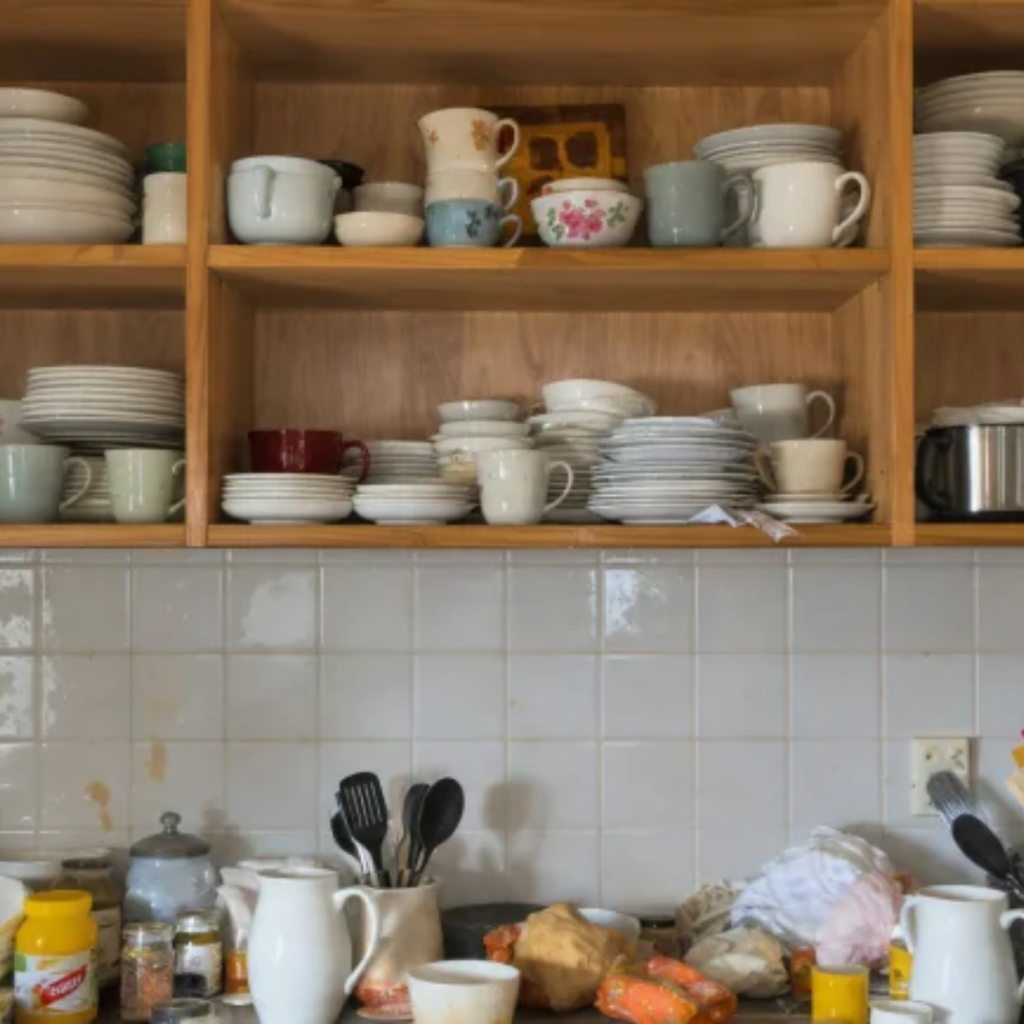
The kitchen of 2027 is no longer just a cooking space—it has evolved into the emotional and functional core of the home, blending efficiency, wellness, sustainability, and personal expression . But as design moves forward, certain trends that once seemed cutting-edge are now being exposed as impractical, costly, or simply dated. The industry is shifting away from short-lived visual hype toward longevity, warmth, and genuine usability . Homeowners and designers alike are prioritizing spaces that serve real life over those designed for the camera. In this article, we explore 10 kitchen trends that experts agree are best left in the past as we look toward 2027.
Budget Considerations for a 2027 Kitchen
Renovating a kitchen is one of the most significant investments a homeowner can make. Understanding where to spend and where to save is critical.
Where to Invest
- Cabinetry: Quality construction and durable finishes will outlast cheap alternatives by decades.
- Countertops: Natural stone or high-quality quartz offers longevity that budget materials cannot match.
- Flooring: Durable, water-resistant flooring is essential in a high-traffic, spill-prone space.
- Lighting: Good lighting transforms the functionality and mood of a kitchen.
Where to Save
- Hardware: Handles and pulls are easily updated and can be changed without major renovation.
- Backsplash: While beautiful, backsplashes are less critical to structural integrity and can be refreshed more affordably.
- Faucets: Many mid-range faucets offer the same functionality as luxury options without the markup.
- Appliances: Unless you’re a professional chef, mid-tier appliances often provide all the features most households need.
1. All-White Kitchens Without Contrast
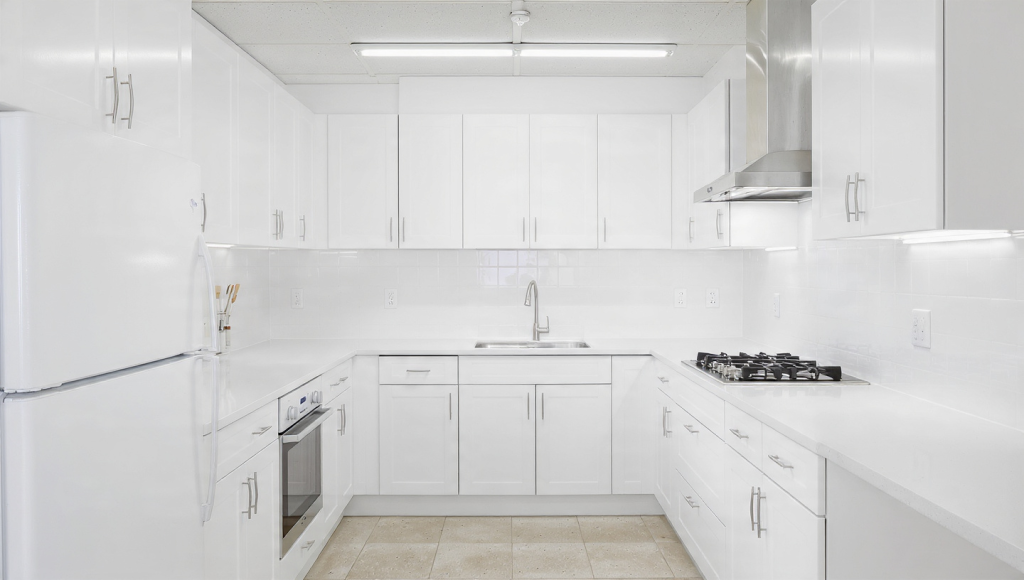
Once the gold standard of clean, timeless design, the all-white kitchen now reads as cold, sterile, and high-maintenance. Without texture or warmth, white shows every scuff, spill, and fingerprint, demanding constant upkeep . Designers advocate for depth through mixed materials, wood tones, and soft contrasts—white can still work, but it needs texture to feel livable . As one designer puts it, “flat white kitchens are not functional or visually interesting” .
2. Full Open Shelving Everywhere
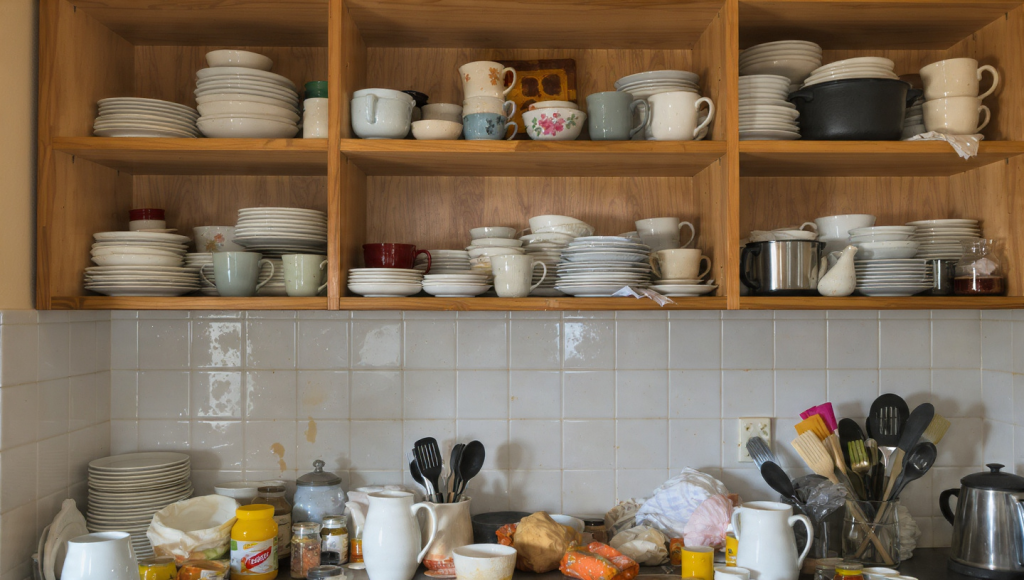
The editorial dream of open shelving quickly becomes a maintenance nightmare in real life. Dust settles, grease floats from cooking, and even curated dishes devolve into visual clutter . Homeowners constantly adjust shelves just to keep them presentable, while storage is sacrificed in the process . Designers are now favoring closed cabinetry that hides imperfections and keeps kitchens organized without the constant styling demands .
3. Overly Dark Cabinetry
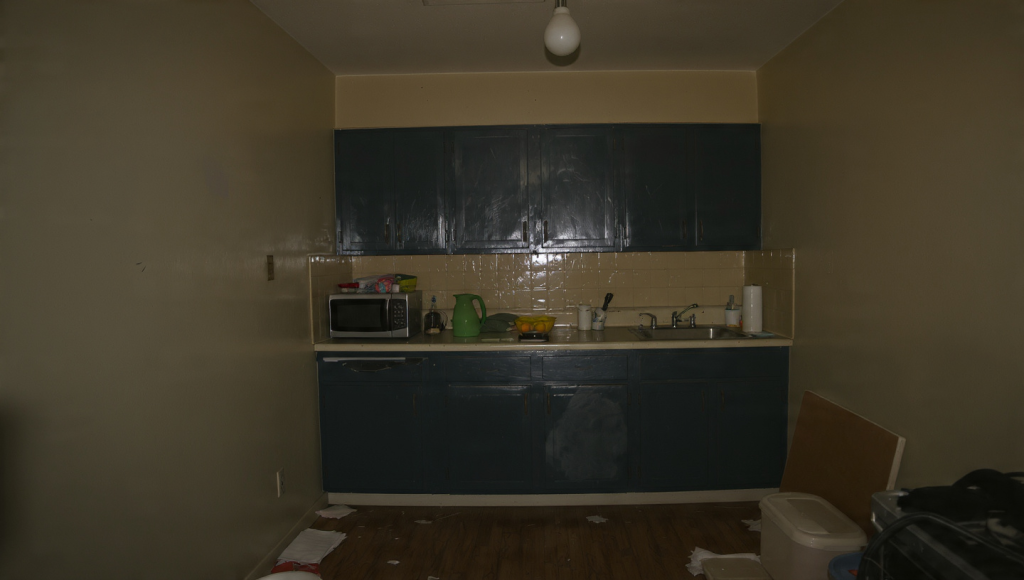
Dark cabinets once offered drama, but they show dust, fingerprints, and scratches mercilessly. In kitchens with limited natural light, they can make the space feel closed-in and oppressive . The trend has shifted toward mid-tones, soft grays, and natural wood that offer warmth while remaining forgiving in daily use . Many homeowners are already repainting or refacing their dark cabinets just years after installation.
4. Waterfall Countertops
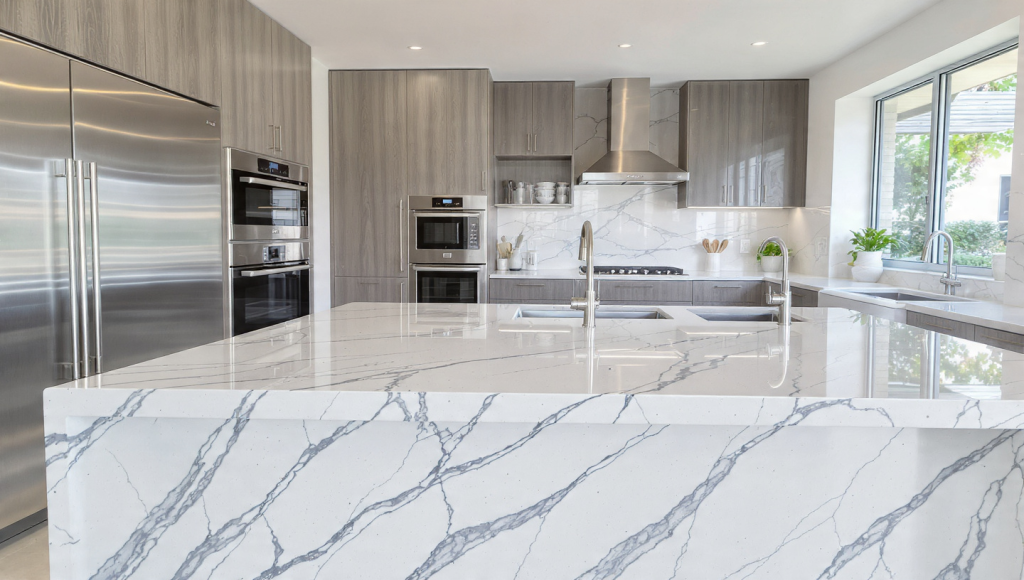
This sleek statement piece comes with a hefty price tag and practical drawbacks. The vertical edges scratch and scuff more easily, especially in busy households, and the extra slab of stone rarely adds equivalent resale value . Waterfall designs limit cabinetry options and can eat into storage space. Simpler, more maintainable countertop styles are taking precedence as homeowners prioritize function over flash .
5. Pot Fillers
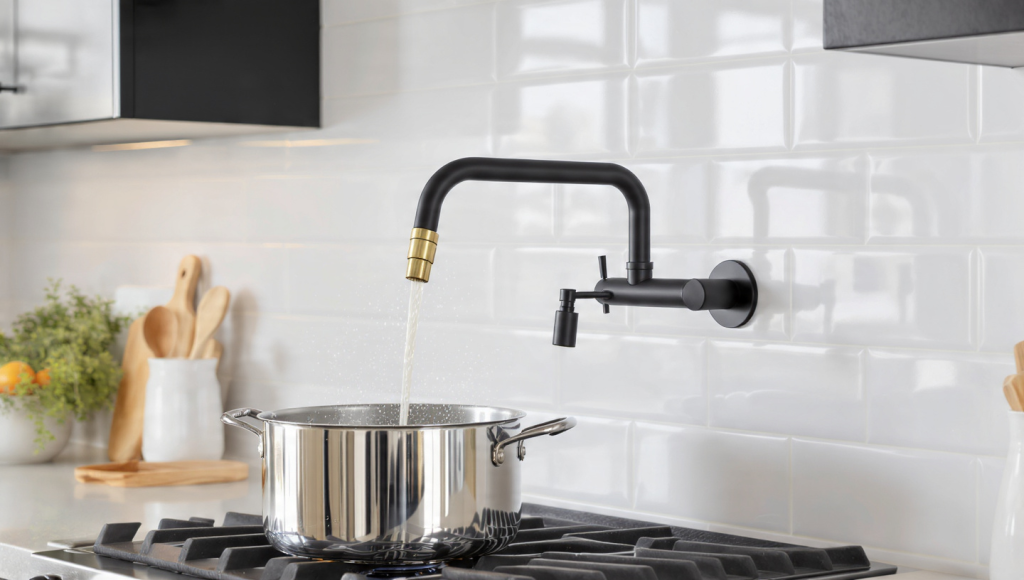
Though they appear on luxury wishlists, pot fillers are rarely used enough to justify the plumbing and maintenance they require. They can leak or break, and the novelty fades when you realize you still have to carry boiling water back to the sink to drain it . By 2027, experts predict these expensive extras will be viewed as unnecessary showpieces rather than practical additions .
6. Two-Tone Cabinets (Dark Lower, White Upper)
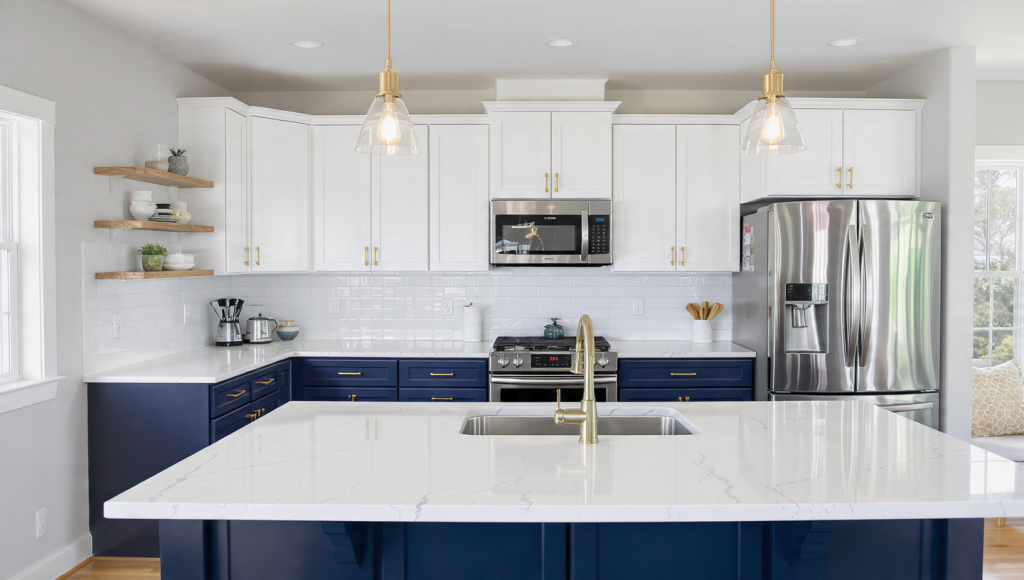
What started as a fresh way to add contrast has become so ubiquitous that it now reads as unmistakably mid-2010s. The navy-and-white or gray-and-white combination has become the new “standard boring” choice, instantly dating a kitchen . Alternatives include single-color schemes, wood tones, or more unexpected color pairings for those who still want contrast without the cliché .
7. Granite with Busy Patterns
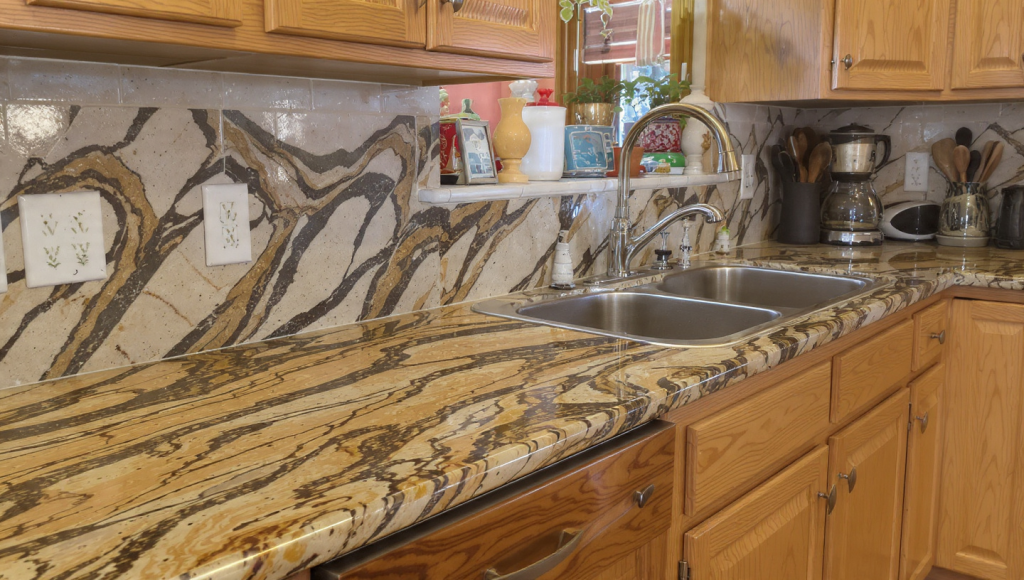
Heavily patterned granite with dramatic veining and swirling colors was once a luxury status symbol. Today, it overwhelms modern aesthetics that favor cleaner lines and understated surfaces . Quartz with minimal patterns, simpler marble, and sintered stone with subtle movement have replaced busy granite as the preferred countertop choices .
8. Overbuilt Islands That Eat the Room
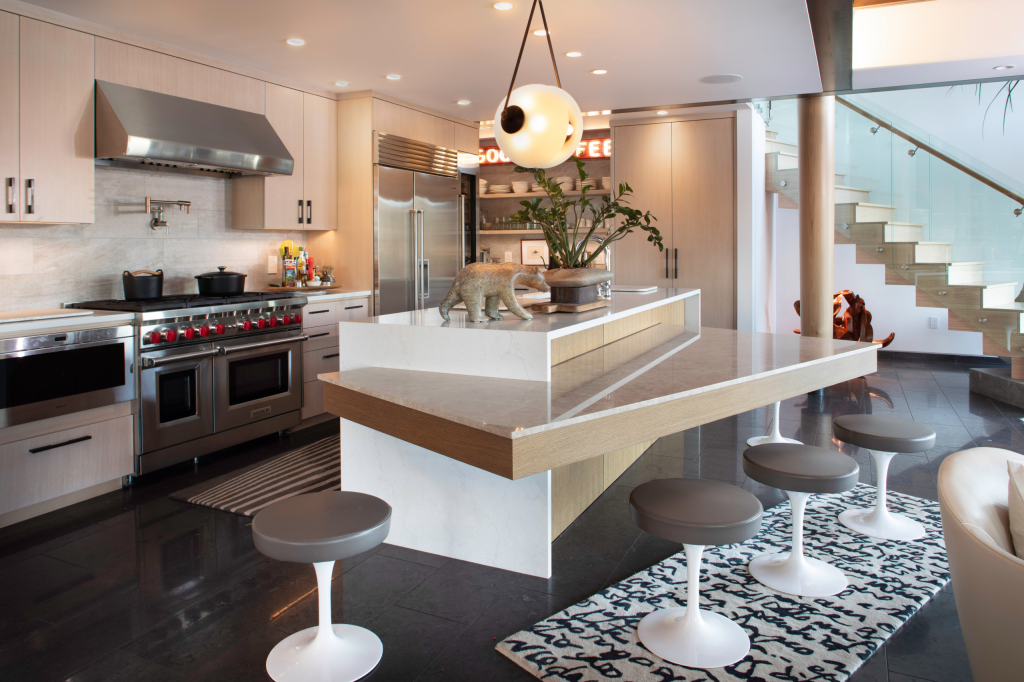
Large, imposing islands with sinks, appliances, and seating may seem dreamy, but they often consume valuable space and make kitchens feel congested. Circulation tightens, stools feel squeezed in, and everyday movement becomes awkward . Designers now recommend more modest islands with flexible storage or movable elements that allow for better traffic flow .
9. High-Gloss Finishes
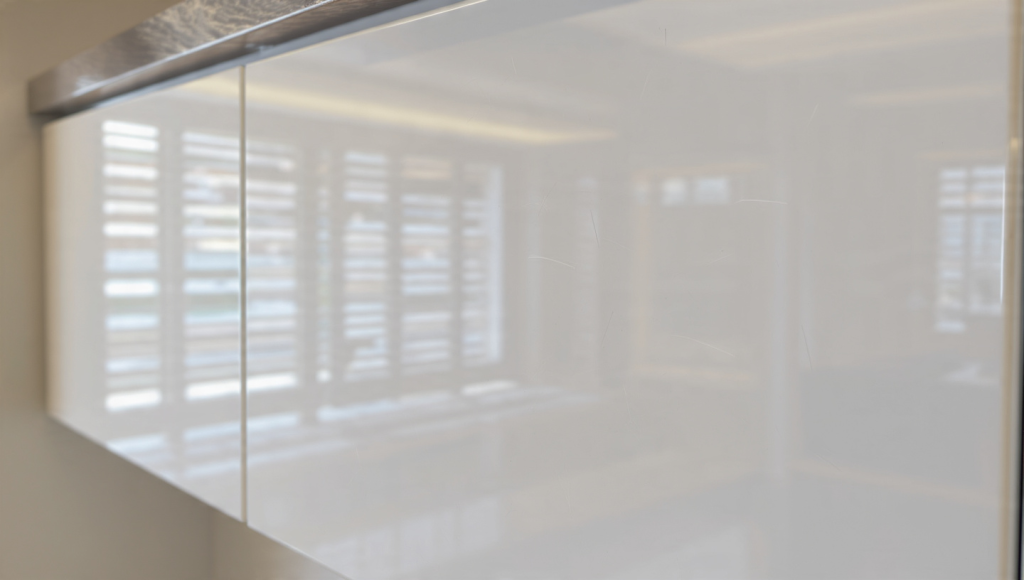
Glossy cabinets and counters show fingerprints, dust, and smudges at an alarming rate. The shine fades over time and becomes scratched, ruining the intended effect . Matte and satin finishes are now preferred for their forgiving nature, softer aesthetic, and versatility across design styles .
10. Statement Backsplashes
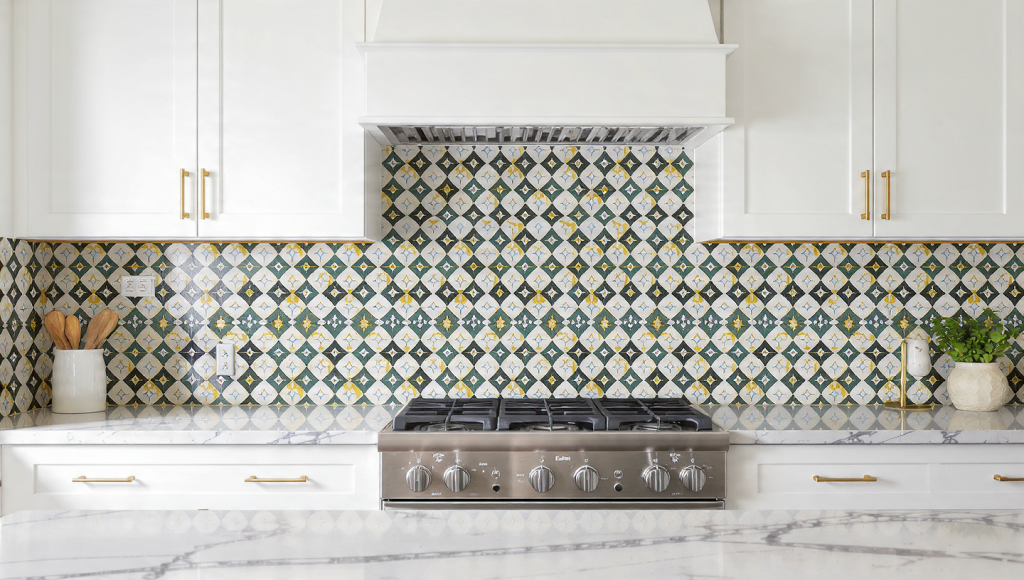
Brightly patterned or unusually textured backsplashes date quickly and often clash with other kitchen elements. What once looked daring can soon feel garish, and these features are among the first replaced in renovations . Designers now favor neutral or classic tile choices with subtle textures that have greater staying power and resale appeal .
Creating Your Timeless Kitchen: A Step-by-Step Approach
If you’re planning a kitchen renovation for 2027 or beyond, follow this framework for lasting success.
Step 1: Assess Your Needs
Document how you actually use your kitchen. Consider cooking habits, entertaining frequency, storage needs, and traffic patterns.
Step 2: Establish Your Non-Negotiables
Identify features you cannot live without—whether that’s a specific appliance, ample counter space, or a particular material.
Step 3: Choose a Timeless Foundation
Select cabinetry, countertops, and flooring that will age gracefully. Neutral palettes with texture variation offer the most longevity.
Step 4: Add Personality Through Accessories
Use paint, hardware, lighting, and decor to express your style—elements that can be refreshed without major investment.
Step 5: Prioritize Quality Over Quantity
A smaller, well-crafted kitchen with quality materials will outlast and outperform a larger kitchen built with budget finishes.
Step 6: Work with Professionals
Experienced designers and contractors can help you navigate choices and avoid common pitfalls.
Conclusion
The kitchens of 2027 are defined by a return to authenticity. After years of trend-chasing and Instagram-driven design, homeowners and designers alike are embracing spaces that prioritize real life over the camera lens. The fourteen trends we’ve explored—from all-white kitchens to faux wood tile—represent a design era that prioritized novelty over longevity, aesthetics over function, and visual impact over daily livability.
As you plan your next kitchen renovation, resist the pull of what’s currently viral. Instead, invest in materials, layouts, and finishes that will serve you well for years to come. Choose warmth over sterility, function over flash, and quality over trends. The most successful kitchens of 2027 won’t be the ones that look most like a magazine spread—they’ll be the ones that feel most like home.
Remember that the best design is invisible; it works so seamlessly with your life that you barely notice it. When your kitchen functions beautifully, supports your well-being, and brings you genuine joy every single day, you’ve achieved something far more valuable than a fleeting trend. Build for your life, not for the algorithm, and your kitchen will never go out of style.
Additional Resources for Your Renovation Journey
- Material Samples: Always request physical samples of countertops, tiles, and paint colors before committing. Digital images can be deceiving.
- Showroom Visits: Experience finishes and layouts in person whenever possible. Online research is valuable but cannot replicate physical presence.
- Professional Consultations: Even if you’re planning a DIY renovation, a one-hour consultation with a designer can save thousands in costly mistakes.
- Long-Term Planning: Consider how your family’s needs might change over the next decade and build flexibility into your design.
- Resale Awareness: Even if you’re not planning to sell soon, avoiding overly personal or trend-driven choices ensures your home remains attractive to future buyers.
