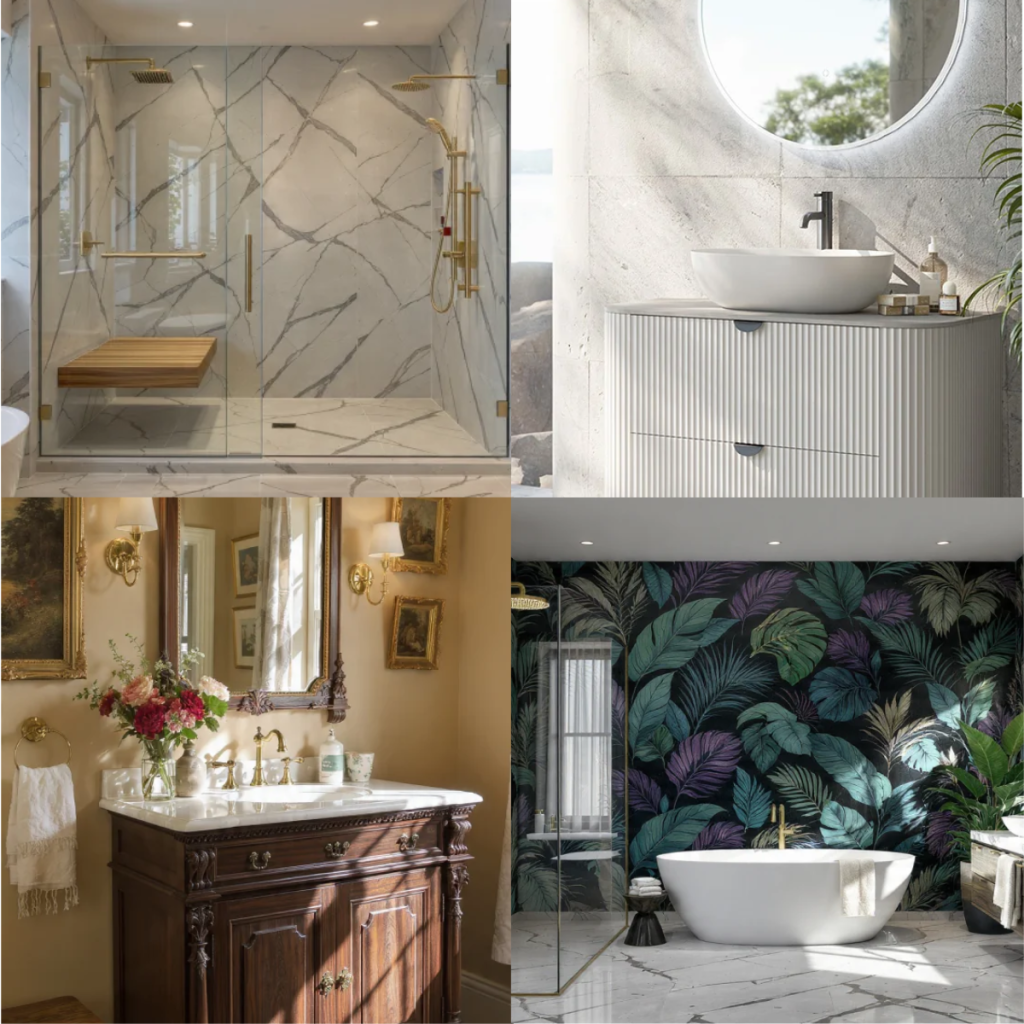
The era of the sterile, all-white bathroom is officially over. After years of minimalist, clinical spaces, bathroom design in 2026 is taking a sharp turn toward warmth, personality, and wellness. According to the National Kitchen & Bath Association’s 2026 Bath Trends Report, bathrooms are evolving from purely functional spaces into “personal sanctuaries” designed to nurture daily rituals and support self-care .
This shift reflects a broader cultural movement—homeowners are treating their bathrooms as restorative retreats rather than utilitarian afterthoughts. As designers surveyed by Fixr.com note, “The cold, sterile material palettes are being replaced with warm, tactile and nature-integrated designs” . Data shows that 75% of designers now consider all-white and all-gray bathrooms to be on their way out, while priorities like increased natural light (62%), heated floors (54%), and biophilic design (42%) are surging in popularity .
But 2026 bathroom trends are about more than just color palettes. From smart technology and sustainable luxury to bold personality-driven choices, here are the 10 most important bathroom trends shaping the year ahead.
10 Bathroom Trends to Watch in 2026
1. Warm, Earthy Color Palettes
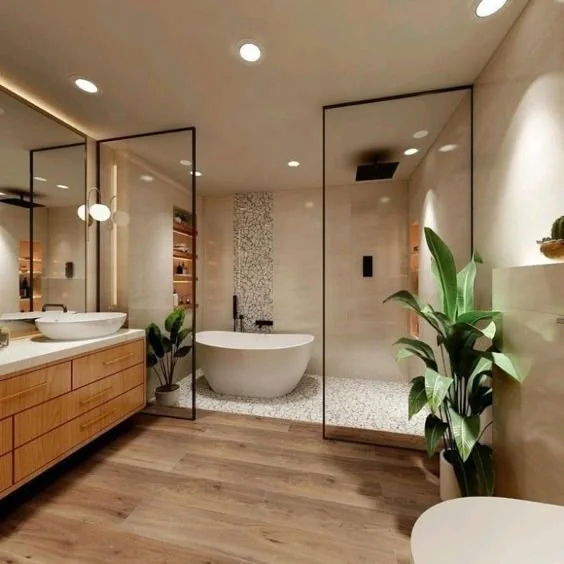
Cool grays and stark whites are making way for warmer, nature-inspired hues. Sage green (favored by 64% of designers) and olive (43%) are emerging as the dominant shades, according to the NKBA report . Soft blush pinks are also gaining momentum, with Houzz reporting a 114% increase in searches for “pink bathrooms” over the past year . These warmer tones create a more inviting, grounded atmosphere that feels less clinical and more restorative.
2. Biophilic Design & Natural Materials
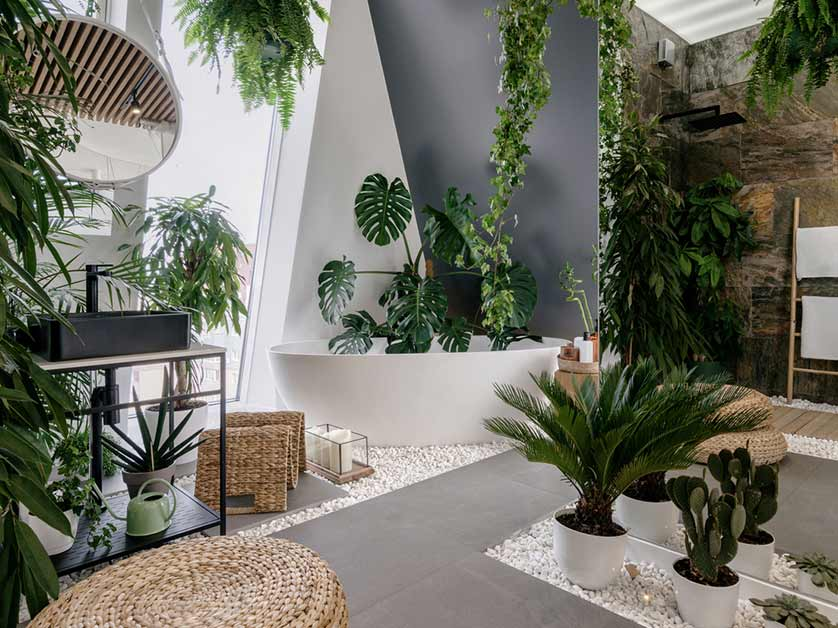
Connecting indoor spaces with nature is now a leading priority in bathroom design. Biophilic elements—including abundant natural light, lush plants, and organic materials—are transforming bathrooms into “serene, calming retreats that nurture wellness” . Wood-faced vanities have overtaken painted ones in popularity (62% vs. 53%), while natural stone and timber finishes are being embraced for their warmth and texture . Even stone-look tiles that mimic natural materials are being used to create a grounded, welcoming feel .
3. Curves & Soft, Organic Forms
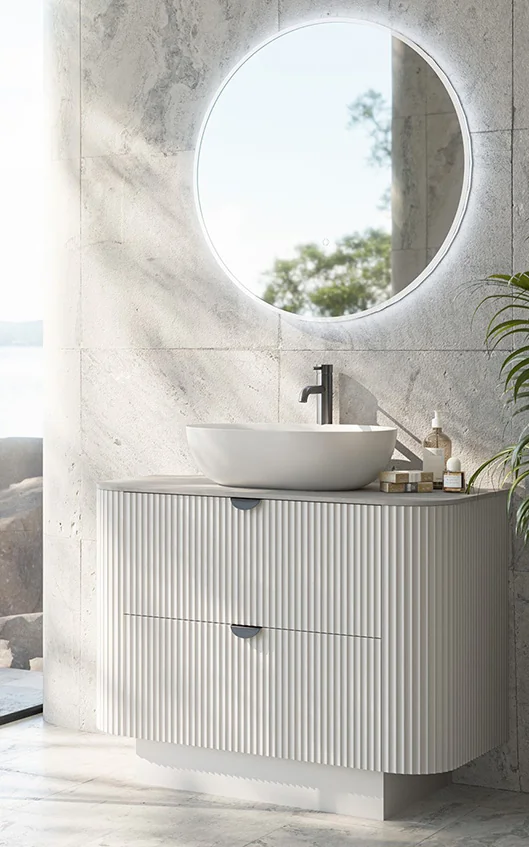
The hard, boxy edges of minimalist design are softening in 2026. Rounded mirrors, curved joinery, arched alcoves, and bull-nose stone benchtops are everywhere . This trend extends to freestanding baths, which are increasingly sculptural in form—positioned near windows or under skylights to maximize natural light and emphasize their organic silhouettes . The effect is a space that feels more fluid, gentle, and spa-like.
4. Statement Marble & Bold Tile
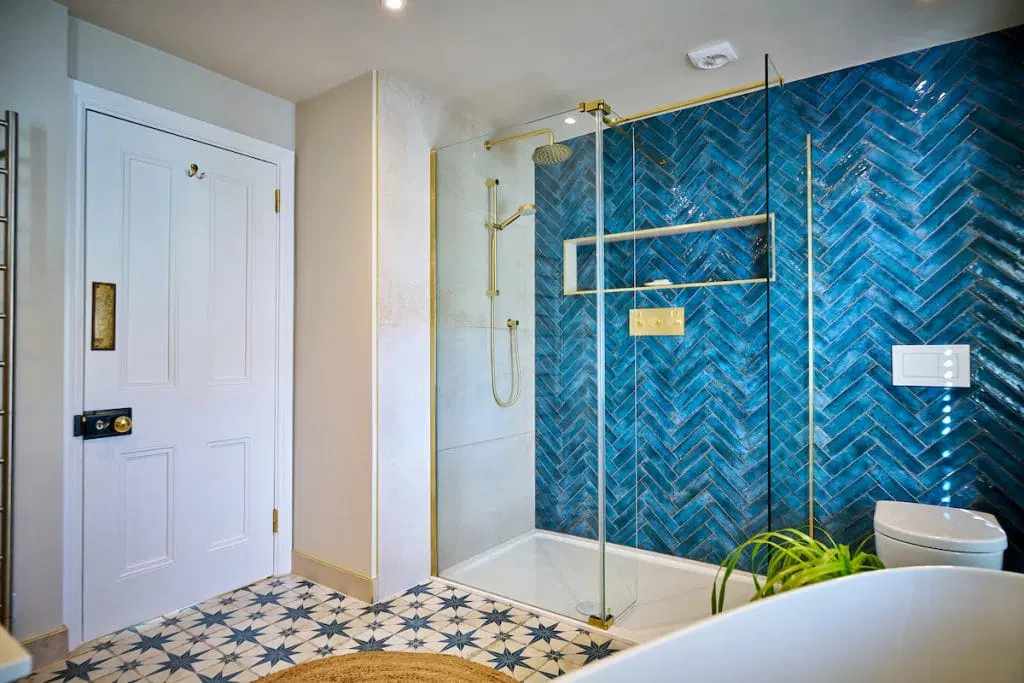
Marble is back, but not as a subtle accent. Designers are using striking marble as a feature—think large-format floor tiles with minimal grout lines offset by dramatic marble wall tiles that “let the stone speak of its beauty” . At the same time, colorful, hand-painted, and artisanal tiles are replacing ubiquitous white subway tile . Earthy greens, ochres, and inky blues are favored for their “collected rather than loud” quality .
5. Colored Fixtures & Plumbing
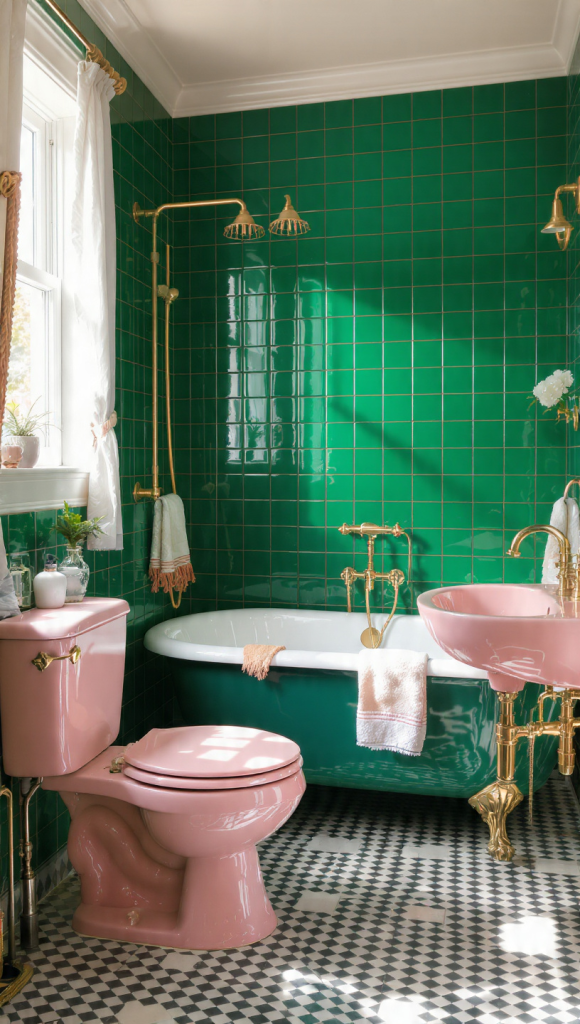
Bathroom fixtures are shedding their neutral shackles. Pink and green toilets, teal clawfoot tubs, and colorful faucets are gaining traction as designers embrace “retro shades from the ’70s” that “add charm, fun, and personality” . Kohler’s vintage-colored product launches have helped normalize this trend, with designers noting that homeowners are “becoming more open to colors that match the rest of their decor instead of just plain white” .
6. Smart Technology & Wellness Features
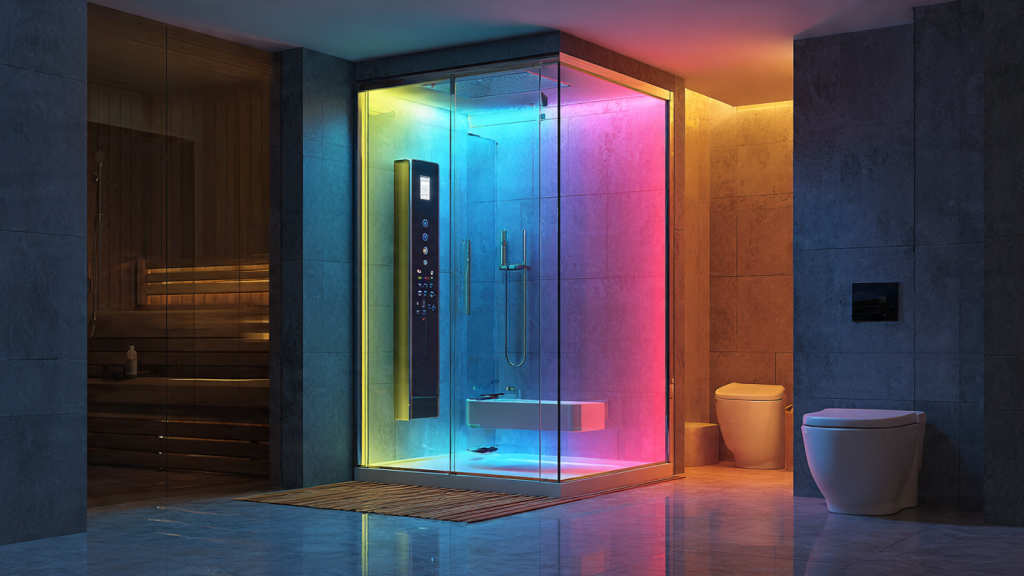
Technology is becoming seamlessly integrated into bathroom design—not as novelty gadgets but as functional wellness tools. Smart toilets and bidets are expected to rise in popularity (51% of designers agree), while smart showers with customizable lighting, steam, and aromatherapy features are increasingly common requests . Heated floors (54%) and heated towel rails remain top priorities, combining luxury with everyday practicality .
7. Alcove Tubs & Tub-Shower Combos
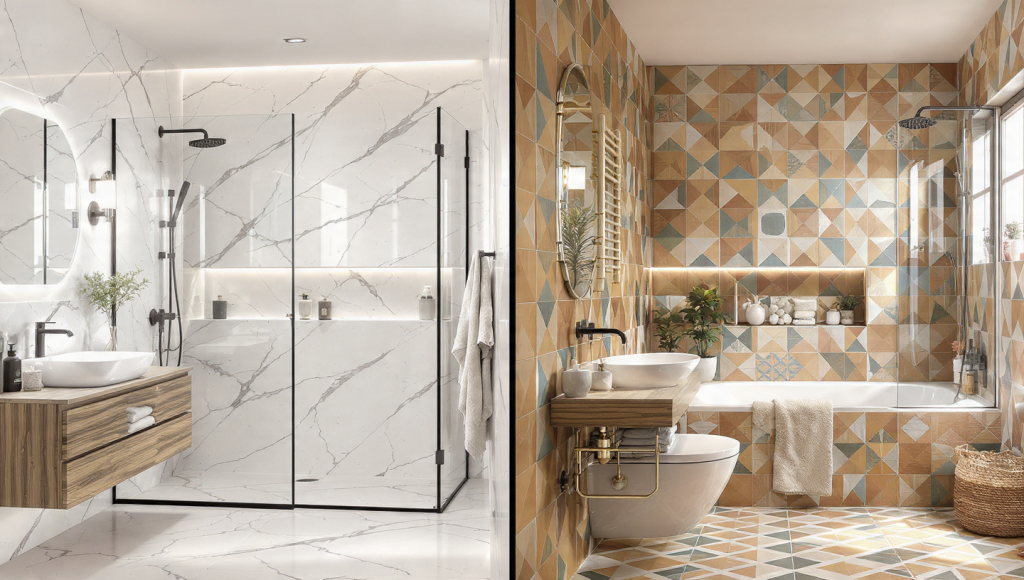
The massive standalone tub isn’t the only option. Alcove tubs—often part of a tub-shower combo—are making a comeback, even in smaller bathrooms where space is limited . Designers appreciate that they “add a spa-like feel to the home without taking up too much square footage” and can be dressed up with marble tile or contemporary bold colors . This trend reflects a broader move toward practicality without sacrificing luxury.
8. Wallpaper in Bathrooms
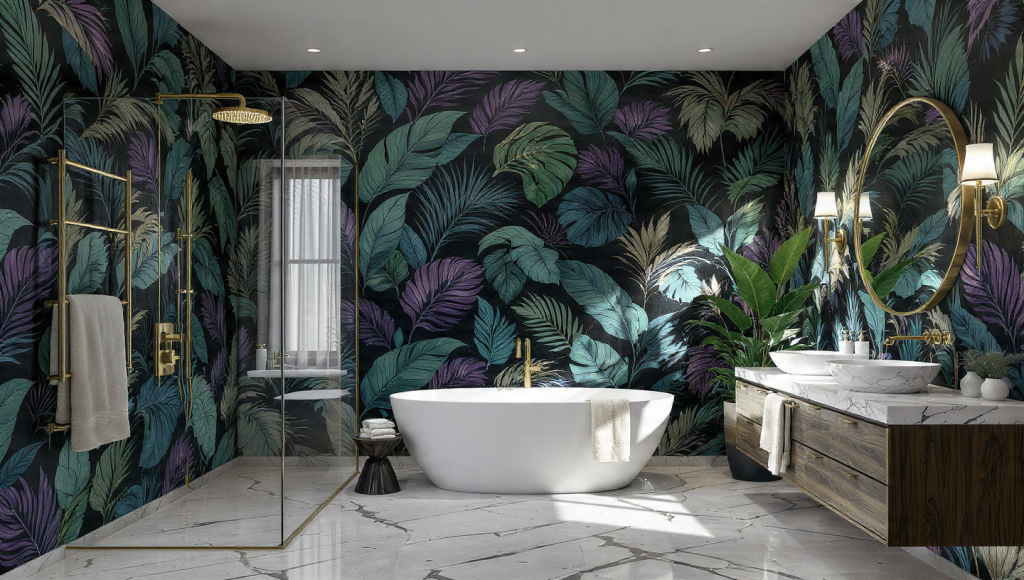
Wallpaper is no longer confined to powder rooms. Designers predict that “real wallpaper” will make its way into full bathrooms in 2026, with moisture-compatible options allowing for jewel-box-like looks that create dramatic, character-filled spaces . This represents a significant departure from the minimalist trend of plain painted walls, adding depth and personality to the room.
9. Personalized & Characterful Details
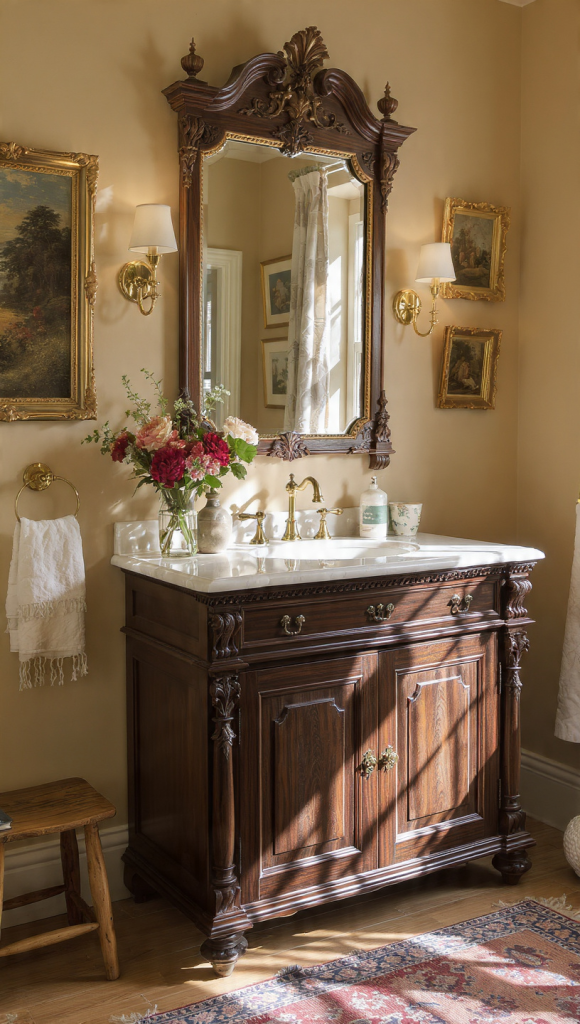
Bathrooms are being designed for the people who use them, not for resale value. Bespoke vanities that “read like furniture rather than integrated joinery” are replacing generic cabinetry . Curated antique pieces, personal artwork, and playful details like vanity curtains are adding warmth and individuality . As one designer puts it, “Bathrooms are renovated roughly every seven years, so design for yourself. Who wants to be timeless?”
10. Aging-in-Place & Accessible Design
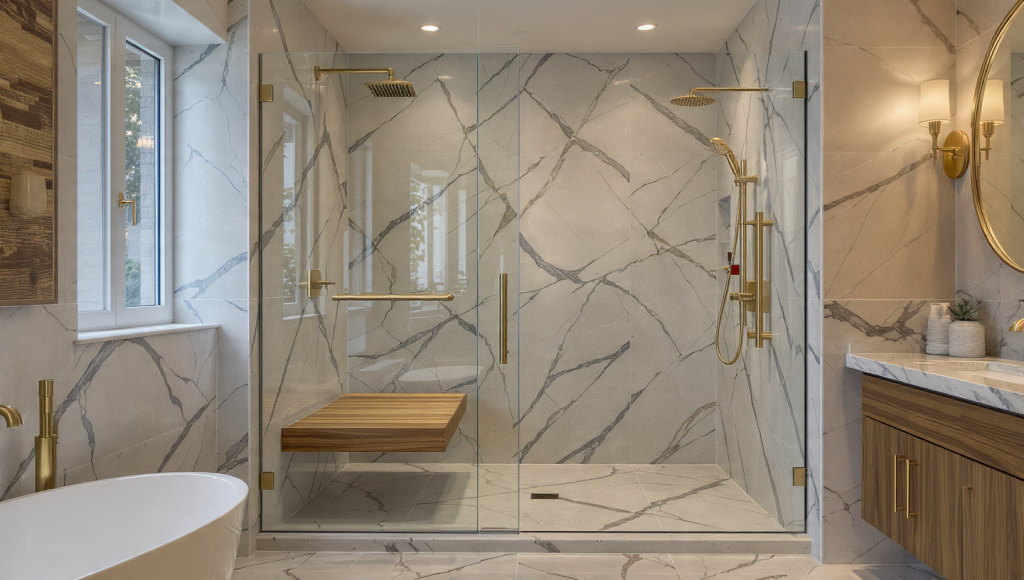
Subtle, elegant accessibility features are moving mainstream. According to the NKBA, 32% of designers consider aging-in-place design already mainstream, while 48% say it’s on its way . Curbless showers, grab bars, shower benches, and wider doors are being incorporated in ways that “make a primary bath look more luxurious and elevated” rather than institutional . This trend aligns with the broader emphasis on wellness and longevity in home design.
Supporting Sections Summary
Key Materials: Natural stone (marble, travertine), large-format porcelain tiles, sealed wood (teak, oak, walnut), terrazzo, and sustainable materials like reclaimed wood and recycled glass.
Lighting: Layered schemes combining ambient, task, and accent lighting; warm LEDs (2700K-3000K); statement pendants and backlit mirrors; smart circadian-rhythm lighting.
Sustainability: Low-flow fixtures, dual-flush toilets, greywater recycling, FSC-certified wood, recycled materials, Energy Star-rated appliances, and durable “buy less, choose better” philosophy.
Color Forecast: Sage green (most popular), olive, blush pink, terracotta, inky blue, warm off-whites, creamy beiges, and ochre/mustard for bold accents.
Budget Considerations: Trends accessible at all price points—paint for quick updates, mid-range tile and vanity swaps, high-end stone and smart systems for major renovations.
Conclusion
The 2026 bathroom is no longer a cold, clinical space—it’s a warm, personalized sanctuary that nurtures wellness and self-expression. Across all ten trends, the common thread is a move toward warmth, nature, and individuality. Homeowners are designing for themselves, embracing color, texture, and personality over resale-value neutrality.
Whether through a fresh coat of sage green paint, a smart shower system, or a curbless accessible design, the goal is the same: creating a space that serves both body and soul. The bathroom is becoming a true retreat—a place to pause, recharge, and feel genuinely at home.
