A guest room with two beds is one of the most thoughtful gifts you can offer your visitors. It speaks to flexibility—accommodating couples, siblings, friends travelling together, or even a solo guest who appreciates having space to spread out. Far from feeling like a dormitory, a well-designed two-bed guest room can exude the polished charm of a boutique hotel or the cozy warmth of a countryside inn . The secret lies in moving beyond the purely functional and embracing design choices that make both beds feel intentional, welcoming, and deeply comfortable. Whether you’re working with a sprawling spare suite or a compact multi-purpose room, these 14 ideas will help you create a space that feels less like an afterthought and more like a destination.
1. The Hotel-Inspired Classic
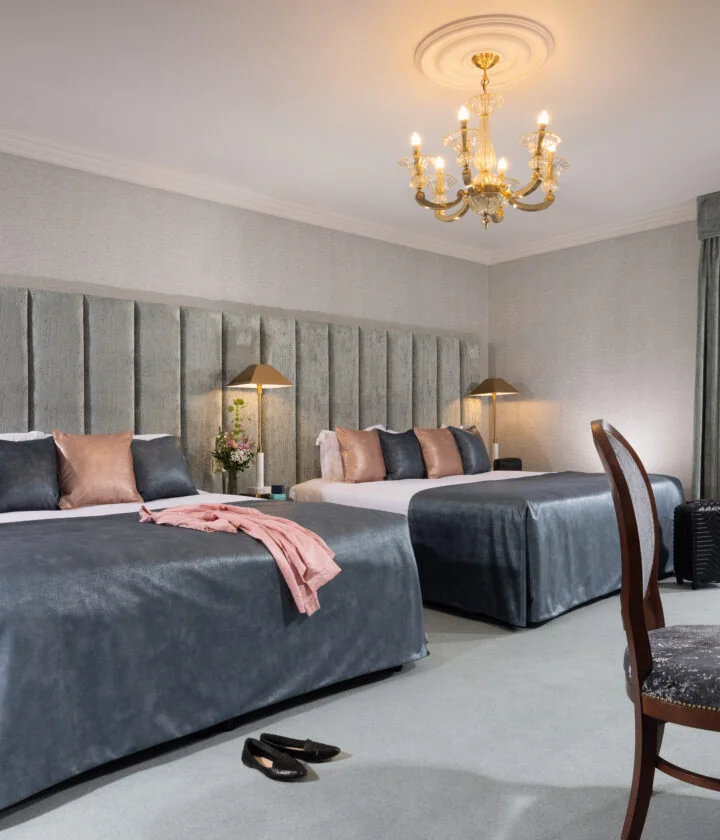
For a look that never fails to impress, channel the understated elegance of a luxury hotel. Position two identical twin beds side-by-side, leaving at least two to three feet of space between them for easy movement . Dress them in crisp white or cream linens—high-quality sheets and fluffy duvets are non-negotiable—and anchor the look with matching nightstands and coordinated lamps . This symmetrical setup feels inherently balanced and calm, making guests feel they’ve stepped into a serene sanctuary. A luggage rack at the foot of one bed adds a practical, five-star touch .
2. The Cozy Cabin Retreat
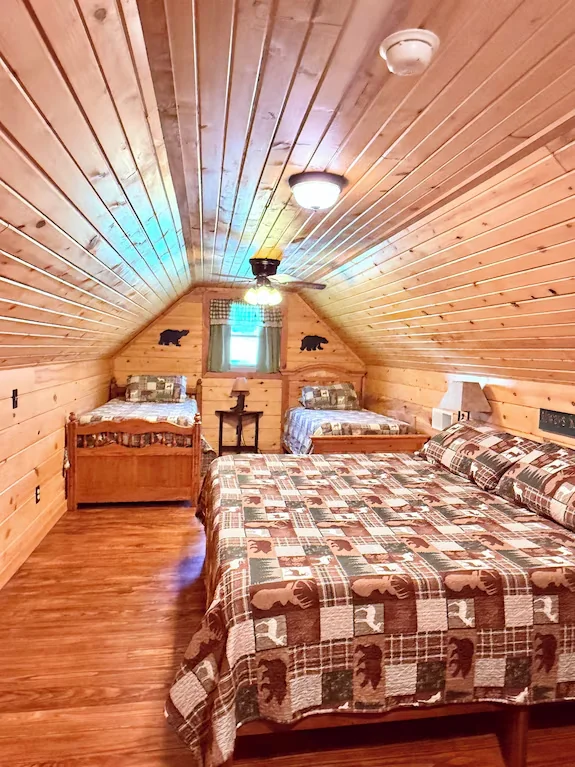
Bring the warmth of a mountain lodge into your guest room with a rustic, cabin-inspired design. Opt for twin beds with natural wood frames or log-style headboards. Layer them with plaid flannel sheets, wool blankets in rich reds or deep greens, and a chunky knit throw . Warm, lantern-style lighting and a vintage wooden trunk at the foot of the beds (which doubles as storage) complete the look . This style is perfect for creating a cozy, snug atmosphere that guests will find irresistible.
3. The Bohemian Paradise
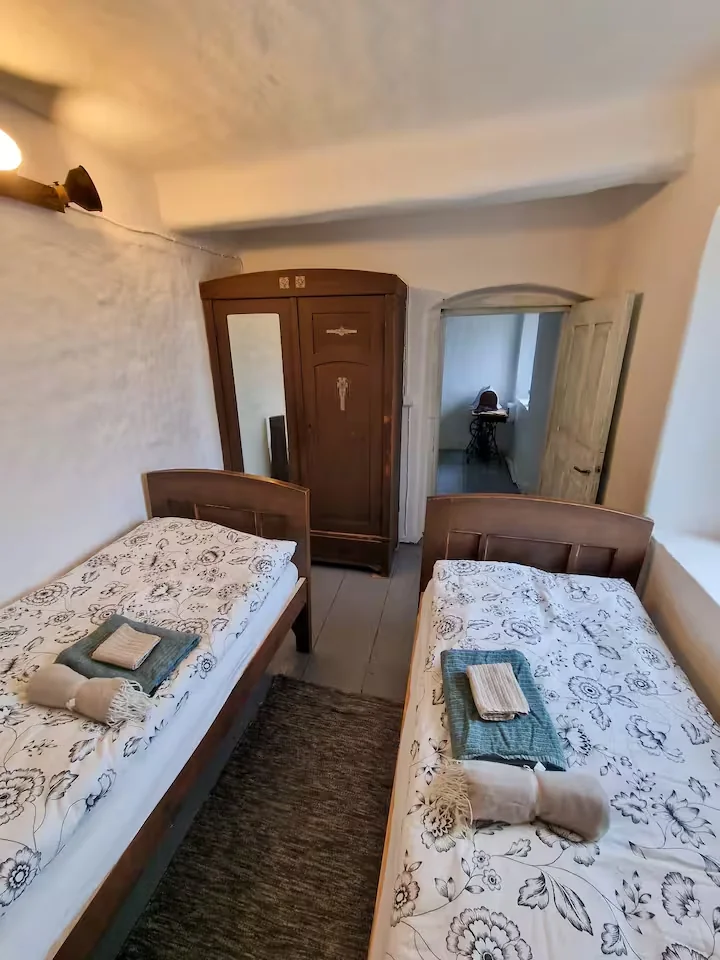
For a more eclectic and vibrant feel, embrace the “more is more” philosophy of bohemian design. Don’t be afraid to play with the layout—positioning twin beds at slight angles or in an L-shape can create a more dynamic and unconventional feel . Layer the beds with a mix of colorful patterned bedding, rich jewel-toned throws, and an abundance of textured pillows. A low wooden table with floor cushions between the beds creates a cozy, casual seating area, while macramé plant hangers and string lights add to the free-spirited atmosphere .
4. The Convertible King Arrangement
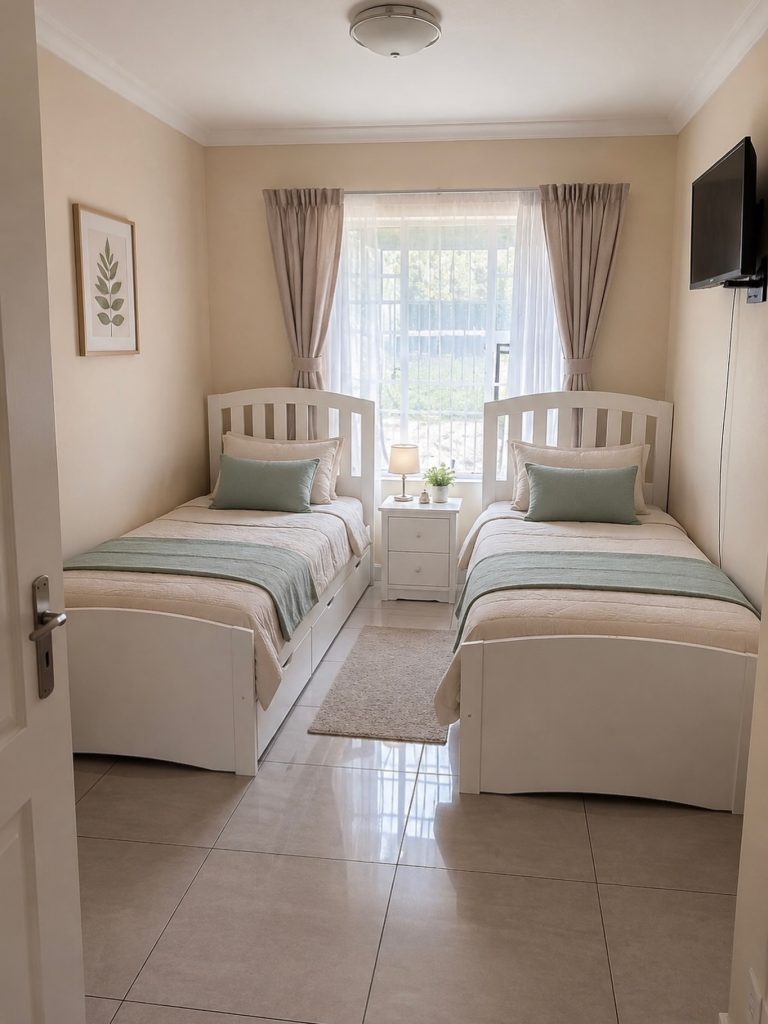
This is the ultimate in flexibility. By placing two twin beds side-by-side and using a “king connector kit” (a special strap and foam bridge), you can easily convert the two beds into one massive, comfortable king-sized bed . This is a brilliant solution for hosting couples who prefer to sleep together while still retaining the option of two separate beds for other guests. Using coordinated bedding helps to create a seamless, unified look when the beds are pushed together . Inform guests of this flexibility so they can set it up as they prefer.
5. The Space-Savvy Bunk Solution
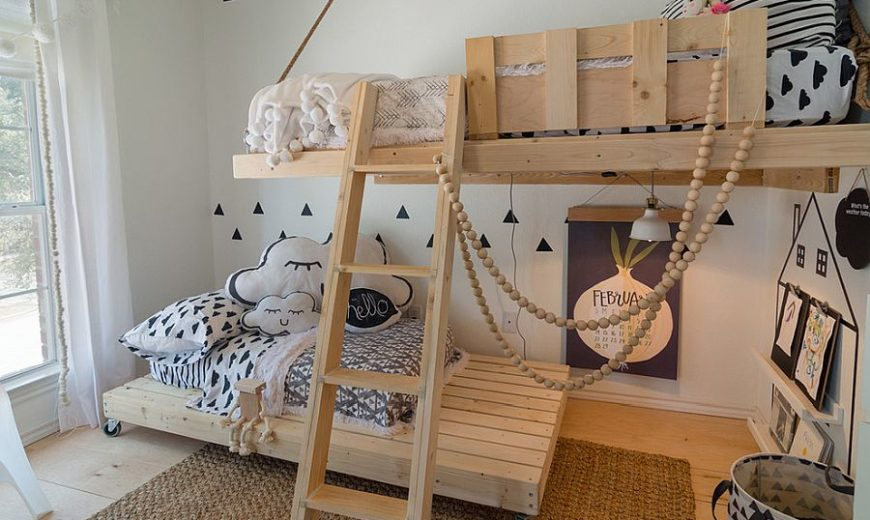
For rooms where floor space is at a premium or for hosting multiple guests (especially families), sophisticated bunk beds are a stylish and practical choice. Look for adult-friendly bunk beds with sturdy construction and elegant design. To make the setup feel more grown-up and comfortable, install individual reading lights and small shelves for each bunk . Adding curtains that can be drawn around each bed provides a sense of privacy and makes the space feel like a cozy “pod” . This frees up significant floor space for a desk or seating area.
6. The Modern Minimalist Haven
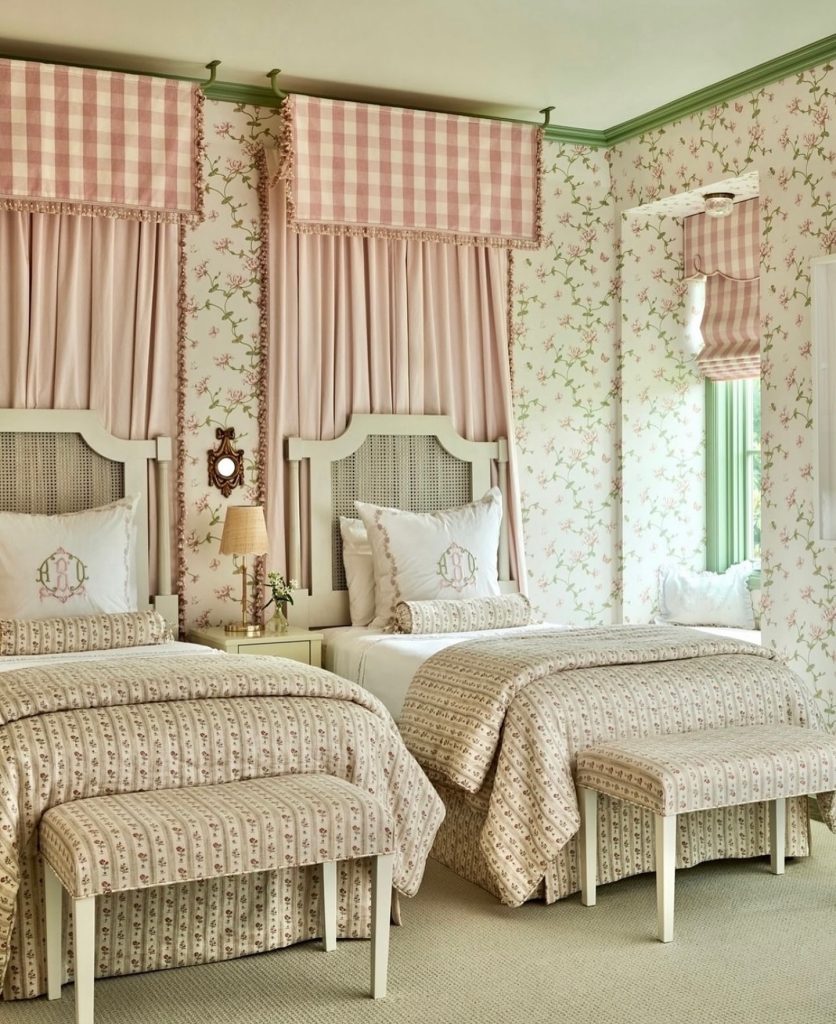
Embrace the beauty of simplicity with a minimalist design that focuses on clean lines, a neutral palette, and high-quality materials. Select twin beds with simple, streamlined frames in light wood or a sleek metal finish. Keep the color palette limited to two or three soothing neutral shades, and dress the beds with high-quality, solid-colored linens in white, gray, or beige . Clutter is the enemy here; keep decorative accessories to a minimum, focusing on essential and purposeful items like a single ceramic vase with a dried branch or a well-chosen piece of art . The result is a calming, clutter-free environment where guests can truly decompress.
7. The Functional Office Combo
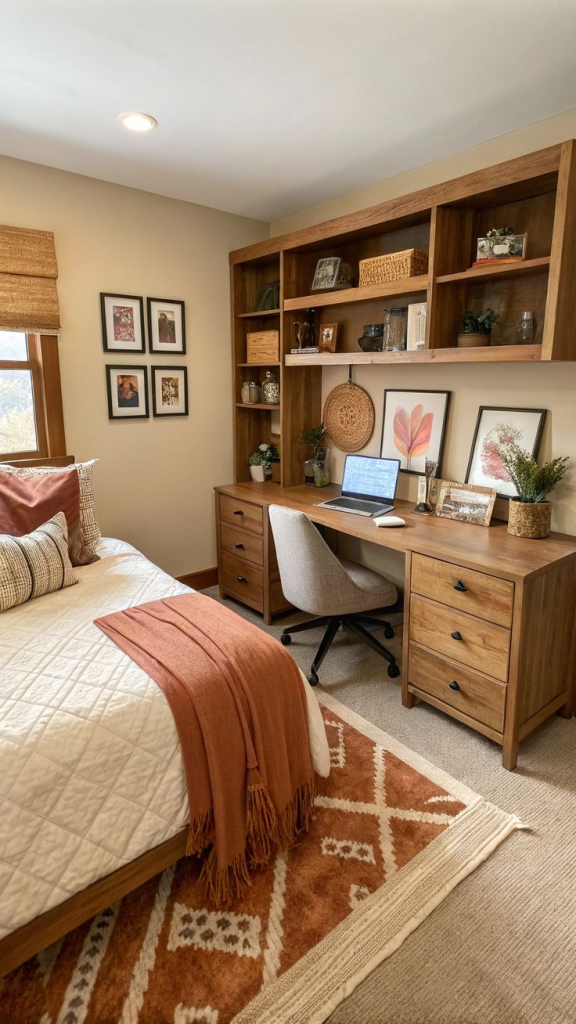
In today’s world, a guest room often needs to serve a dual purpose. To create a seamless office-guest room hybrid, prioritize multi-functional furniture . A sleek, minimalist desk can serve as a workstation during the week and transform into a vanity or extra surface for guests . For an even more efficient solution, consider a fold-down Murphy bed that can be tucked away during the day, allowing the room to function as a spacious office or hobby area . A comfortable ergonomic chair that is also inviting for reading ties the two functions together .
8. The Calming Coastal Haven
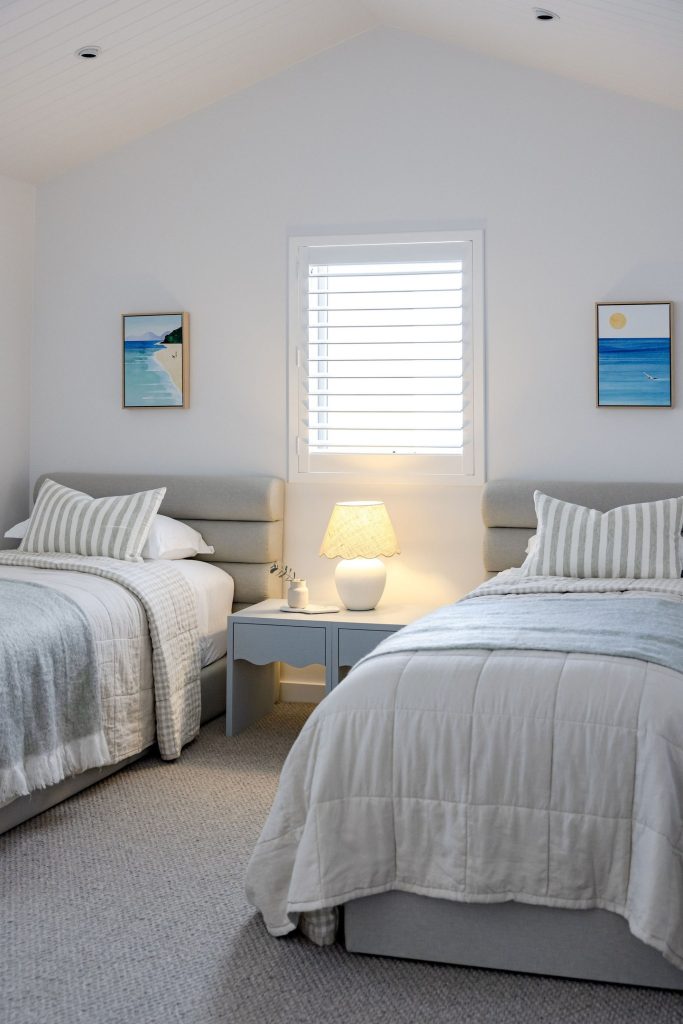
Bring the serenity of the seaside indoors with a fresh and airy coastal palette. Paint the walls in soft blues, seafoam greens, or crisp white . Choose twin beds with whitewashed or natural driftwood-style frames and layer them with striped or solid linens in navy, coral, or white. Natural elements are key here: incorporate a jute rug, woven baskets, and a few shell or rope accents to complete the seaside look . The overall effect should be breezy, light, and peaceful.
9. The Luxe Upholstered Pair
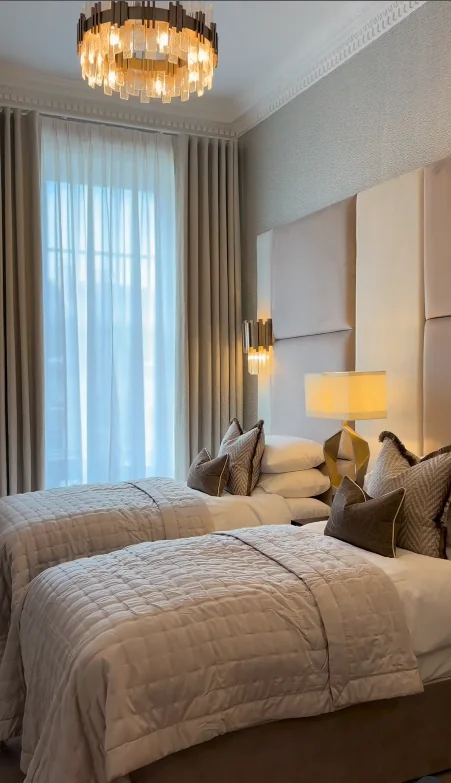
For a touch of pure luxury, choose twin beds with fully upholstered headboards or frames in a soft, performance fabric like velvet or linen. This sophisticated approach brings an undeniable hotel-quality feel to the room . In a soft, neutral tone like dove gray or beige, upholstered beds become a stunning focal point. Elevate the look further with high-thread-count sheets, a plush duvet, and a few velvet or silk accent pillows. Sleek brass wall sconces for reading and a minimalist, contemporary piece of art complete the refined aesthetic .
10. The Vintage Charm Retreat
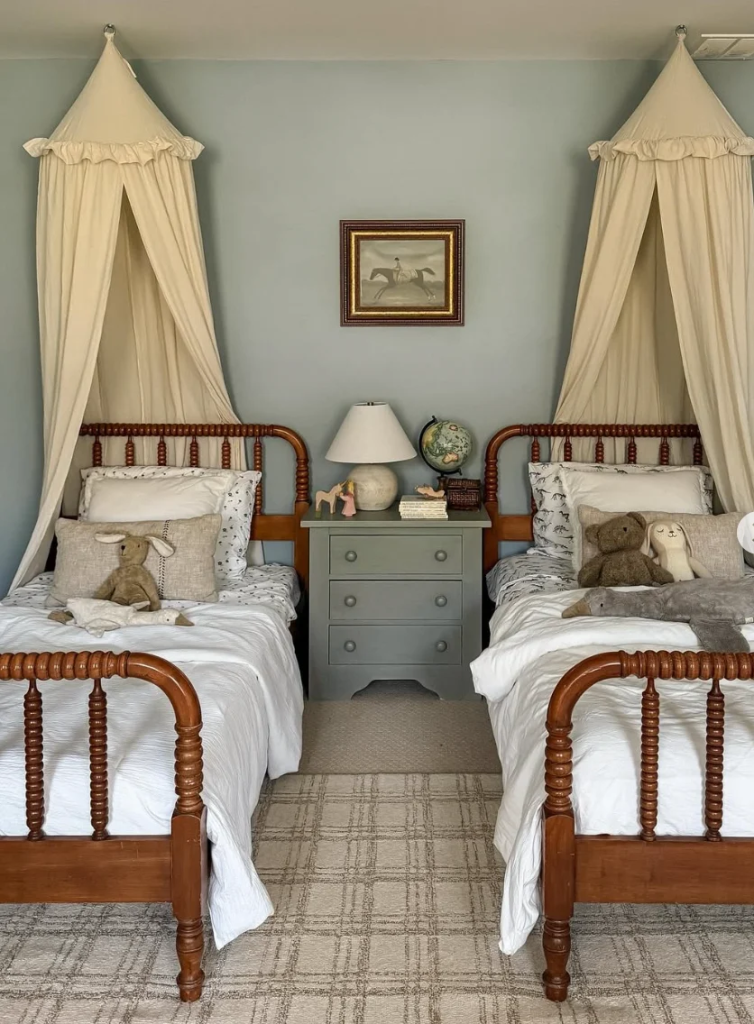
Celebrate the elegance of the past with a guest room filled with vintage character. Hunt for twin beds with ornate metal frames or beautifully carved wooden headboards. Layer them with a charming vintage quilt or a chenille bedspread . A beautiful antique vanity, a vintage armoire, or a collection of vintage books and framed botanical prints will add immense personality and a sense of timeless hospitality . This style creates a room that feels collected and storied, offering guests a unique and memorable experience.
11. The Grounding Green Sanctuary
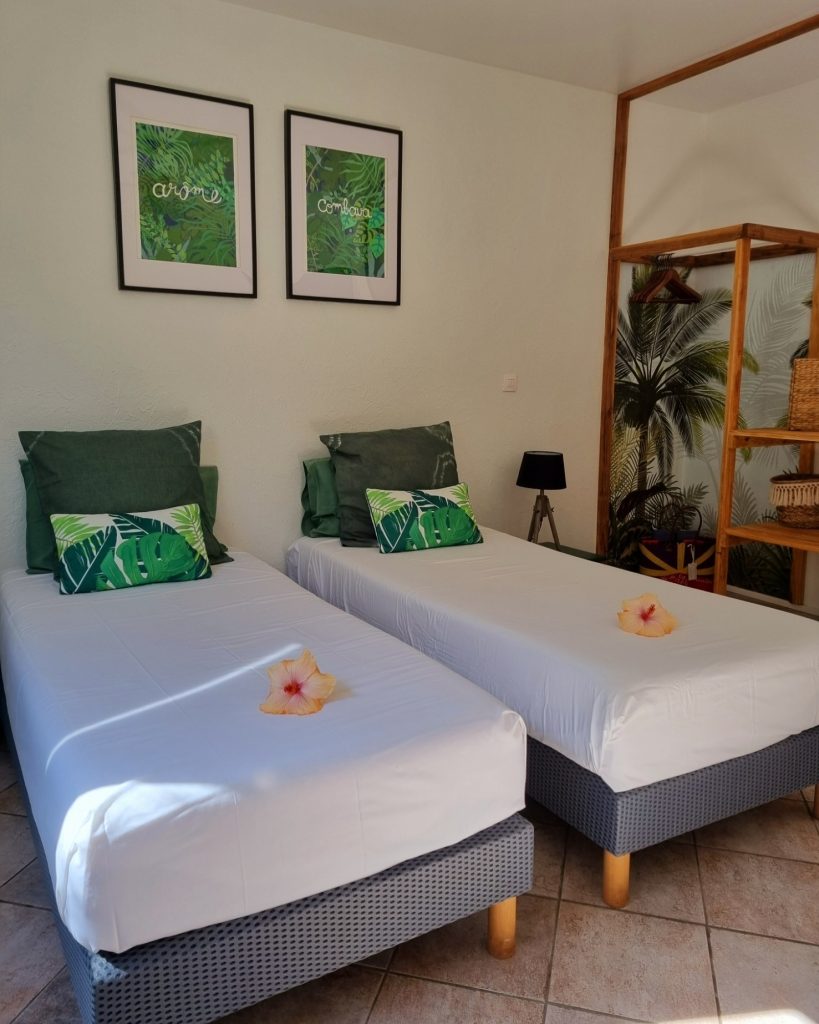
Color has a powerful effect on mood, and green is an ideal choice for a guest room. Whether you opt for a deep, moody forest green or a soft, restful sage, this hue creates a grounding and calming atmosphere . Pair deep green walls with crisp white bedding and warm wood tones for a cozy yet modern feel . Alternatively, a soft sage paired with natural wood and white linen creates a light, rejuvenating space that brings the calm of nature indoors .
12. The Kid-Friendly Fun Room
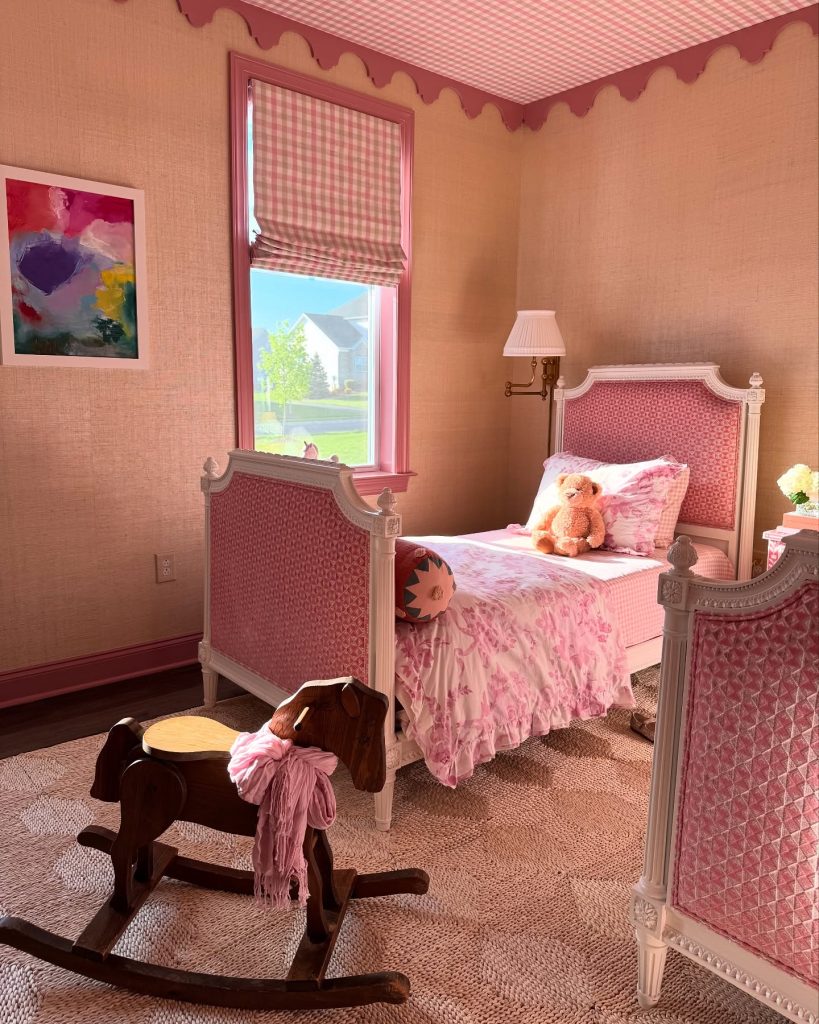
If your guests often include children, design a room that feels playful and inviting for them. Use a fun, colorful theme with playful prints and fun bedding . Prioritize easy storage solutions like low bins and shelves so kids can easily reach their belongings and help keep the room tidy. Twin bunks or a trundle bed are fantastic for sleepovers and can be a source of excitement for young visitors, making them feel like they’re on a special adventure .
13. The “Floating” Layout
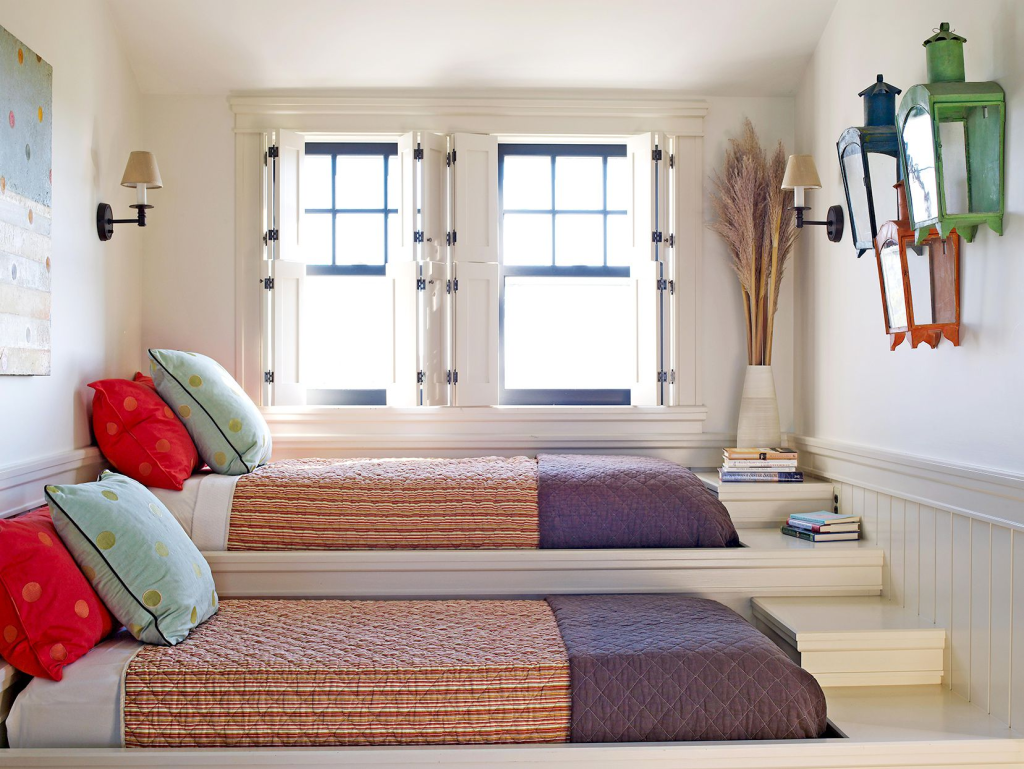
In a narrow room where traditional side-by-side placement feels cramped, try “floating” the beds away from the walls. Position a bed with a slim console table behind it, or place the bed so it faces into the room rather than against a wall . This clever layout can open up the space significantly, improving traffic flow and making the room feel larger. It’s a professional design trick that signals the layout is a deliberate choice, not an accident .
14. The Unexpected Angle
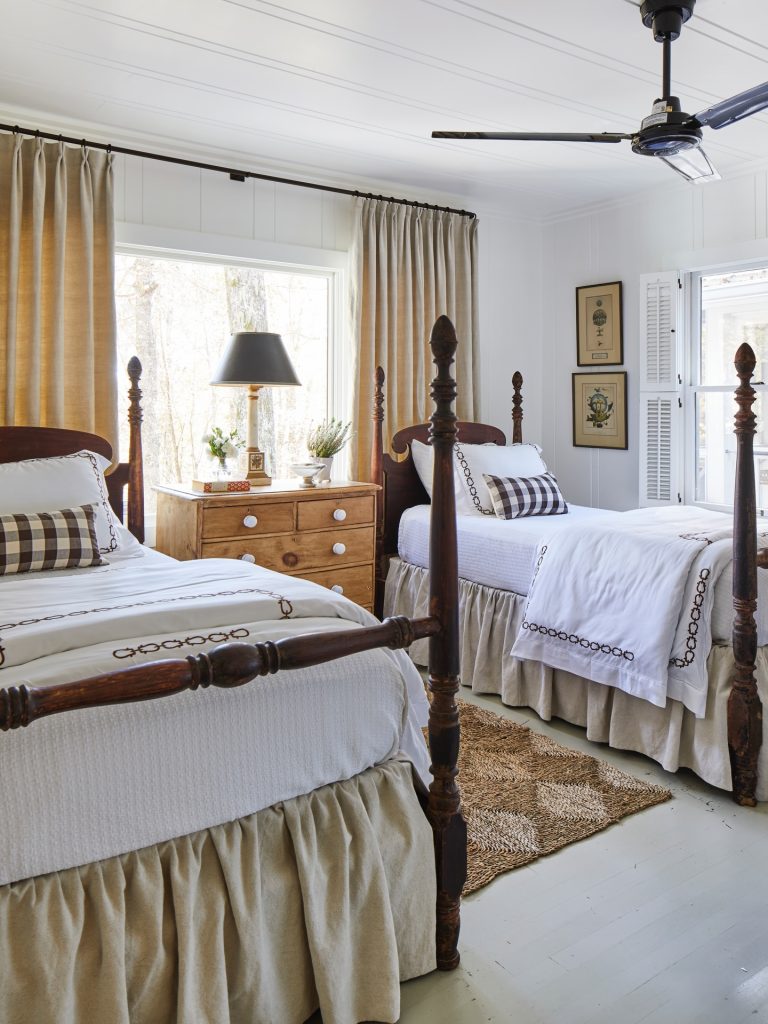
For a truly unique look, try angling one or both twin beds in a corner. This “kitty-corner” layout can be a wonderful space-saving trick that creates the illusion of more floor space and adds a dynamic, interesting element to the room . It works best in smaller rooms where a traditional layout would feel too boxy. Ground the angled bed with a square rug placed at the foot to make the placement look intentional and polished .
Budgeting and Cost Considerations
Setting a Realistic Budget
Before diving into your guest room makeover, establish a clear budget. Break down costs into categories: furniture (beds, nightstands, seating), bedding (sheets, duvets, pillows, throws), lighting, window treatments, paint or wallpaper, and accessories. Allocate approximately 40-50% of your budget to the beds themselves, as quality sleep surfaces are non-negotiable for guest comfort. Remember that you can phase the project—start with the essentials and add decorative touches over time.
Cost-Saving Strategies
You don’t need to break the bank to create a stunning guest room. Shop second-hand for vintage bed frames, nightstands, and armoires—these often have more character than new pieces and can be refinished or painted. Invest in high-quality mattress toppers rather than expensive new mattresses. Use affordable IKEA or big-box store furniture and elevate it with premium hardware and stylish paint. Mix high-end accent pieces with budget basics, focusing spending on items guests interact with most—mattresses, sheets, and pillows.
Where to Splurge vs. Save
Splurge on: Mattresses (or quality toppers), high-thread-count sheets, good pillows, blackout curtains, and quality paint. These directly impact guest comfort and the room’s longevity.
Save on: Decorative accessories, throw pillows (mix expensive with affordable), lamps, rugs, and wall art. These can be swapped out seasonally or updated without major expense.
Long-Term Value Investment
Consider your guest room an investment in hospitality. Quality beds and linens will last for years with proper care. Choose classic, timeless furniture styles rather than trendy pieces that will date quickly. Neutral wall colors allow you to refresh the room’s look with new accessories and bedding without repainting. A well-designed guest room can also increase your home’s resale value and appeal.
Seasonal Adaptations for Year-Round Comfort
Spring and Summer Preparation
As temperatures rise, transition your guest room to feel light and airy. Swap heavy duvets for lightweight quilts or cotton coverlets. Add ceiling fans or portable fans for air circulation. Choose lighter-colored linens in whites, pastels, or breezy patterns. Fresh flowers or potted plants bring the season’s vitality indoors. Consider offering a small fan on the nightstand for guests who prefer extra airflow.
Autumn and Winter Warmth
Prepare for cooler months by layering bedding—add a cozy blanket or throw at the foot of each bed. Switch to flannel sheets or higher-weight cotton for warmth. Provide extra blankets in the closet or at the foot of the bed. Add warm-toned accessories in amber, rust, or deep green. Ensure heating is functioning properly and consider a portable heater for guests who like extra warmth. A hot water bottle or heated blanket can be a luxurious touch.
Holiday and Festive Touches
Welcome guests during special seasons with subtle festive touches. A small vase with seasonal flowers, a bowl of pinecones, or a tasteful holiday arrangement adds warmth. Consider leaving a small treat or welcome gift appropriate to the season—cider mix in autumn, hot chocolate in winter, or fresh fruit in summer. Keep decorations minimal to avoid clutter but thoughtful enough to show you’ve considered the occasion.
Maintaining All-Year Essentials
Regardless of season, maintain consistent essentials: quality pillows (offer both soft and firm options), breathable sheets, a lightweight duvet or comforter that works across seasons, and extra blankets easily accessible. Blackout curtains are valuable year-round for sleep quality. A small humidifier in dry seasons and a dehumidifier in humid months can significantly improve guest comfort.
Space Optimization Strategies
Measuring and Planning
Before purchasing any furniture, measure your room meticulously. Note window and door placements, closet locations, and electrical outlets. Create a floor plan—either using simple graph paper or a digital room planner—to visualize bed placement and traffic flow. Remember that guests need clear pathways to access beds, closets, and the door. Aim for at least 24-30 inches of walking space between furniture pieces.
Small Room Solutions
For compact guest rooms, prioritize space-saving strategies. Consider loft or bunk beds to free floor space. Choose nightstands with drawers or shelves rather than open designs. Use wall-mounted lighting to eliminate tabletop clutter. Select furniture with built-in storage—beds with drawers underneath, ottomans with hidden compartments, or shelving units that double as room dividers. Mirrors strategically placed can make the room feel twice its size.
Multi-Functional Furniture
Maximize versatility with furniture that serves multiple purposes. A desk can function as a vanity, work area, and luggage stand. An ottoman provides seating, storage, and a footrest. Wall-mounted fold-down desks or tables save space when not in use. Consider a daybed or trundle bed that can serve as seating during the day and sleeping space at night. These smart choices allow one room to serve multiple functions without feeling cramped.
Vertical Space Utilization
Don’t neglect your walls. Floating shelves provide storage without consuming floor space. Tall bookcases or wardrobes maximize vertical storage. Wall hooks or peg rails offer convenient hanging space for coats, bags, and towels. Consider mounting the television (if applicable) on the wall rather than using a bulky stand. Window treatments should be mounted high to create the illusion of taller ceilings.
Accessibility and Inclusivity Considerations
Making Your Guest Room Welcoming for All
Thoughtful accessibility features benefit all guests, including seniors, individuals with mobility challenges, and families with young children. Ensure clear pathways at least 32 inches wide for wheelchair access if possible. Choose furniture with rounded corners to prevent injuries. Provide adequate lighting throughout the room, including a well-lit pathway to the bathroom. Place light switches and outlets at accessible heights.
Bed Height and Ease of Access
Consider bed height carefully—lower beds are easier for children, seniors, and individuals with mobility limitations. Choose beds with sturdy bed frames that don’t wobble. If using platform beds, ensure guests can easily get in and out. For bunk beds, reserve the lower bunk for guests who may have difficulty climbing.
Safety Features
Install nightlights to prevent trips and falls during nighttime bathroom visits. Ensure rugs have non-slip backing to prevent slipping. Check that window locks function properly and cords from blinds or curtains are safely secured out of reach. Keep a small first-aid kit accessible in the room or nearby. Ensure smoke detectors and carbon monoxide detectors are functional and positioned appropriately.
Considerate Amenities
Provide reading glasses (in various strengths), magnifying mirrors, and large-print books or magazines for older guests. A bed tray or lap desk accommodates guests who prefer to work or eat in bed. A phone charging station within easy reach of both beds ensures accessibility for all. Consider a cordless phone or emergency call button for guests with specific needs.
Maintenance and Longevity
Cleaning and Care Routines
Establish a regular cleaning schedule for your guest room between visits. Vacuum or sweep thoroughly, dust all surfaces, and wash linens after each guest (even if used briefly). Rotate and flip mattresses seasonally to extend their life. Clean windows and mirrors regularly to keep the room bright and fresh. Consider professional upholstery cleaning annually for chairs, rugs, and upholstered headboards.
Sheet and Linen Care
Invest in quality linens and care for them properly. Wash sheets in hot water to sanitize, and dry on medium heat to prevent shrinkage. Avoid fabric softeners which can break down fibers; use white vinegar in the rinse cycle for softness. Store extra sheets, pillowcases, and blankets in sealed containers or linen closets with lavender sachets to keep them fresh. Have at least two complete sets per bed for easy rotation.
Furniture Preservation
Protect wood furniture with coasters and trivets. Use furniture polish sparingly and follow manufacturer recommendations. Tighten screws and bolts on bed frames periodically. Address scratches, stains, or damage promptly before they worsen. Consider slipcovers for upholstered items for easy cleaning between guests.
Updating and Refreshing
Keep your guest room feeling current with small, affordable updates. Change throw pillows, art, or accessories seasonally or annually. Consider repainting every few years to refresh the space. Update technology as needed—new charging stations, improved Wi-Fi, or streaming capabilities. Small investments in updates show guests you care about their experience.
Guest Experience and Hospitality
Creating a Welcoming Atmosphere
First impressions matter. Ensure the room is fresh, clean, and inviting before guests arrive. Open windows to air out the space. Leave a welcome note handwritten or printed with Wi-Fi details, your contact information, and local recommendations. Consider a small welcome basket with snacks, bottled water, and a local map. Fresh flowers or a plant add life and warmth.
Anticipating Guest Needs
Think through your guest’s entire stay. Do they have space to unpack their suitcase? Is there a place to hang damp towels? Is the Wi-Fi password easily visible? Are there extra blankets, pillows, and hangers accessible? Small preparations demonstrate thoughtfulness and prevent guests from having to ask for basic items.
Privacy Considerations
Respect your guests’ privacy by providing a door that locks and clear guidelines about shared spaces. A small “Do Not Disturb” sign is a thoughtful touch. Ensure windows have adequate coverings for privacy. If the room shares walls with other living spaces, consider soundproofing options or provide white noise machines.
Special Occasion Touches
For guests visiting for special occasions—weddings, anniversaries, birthdays, or holidays—add thoughtful touches like a bottle of champagne, a congratulations card, or festive decorations. These gestures make guests feel celebrated and valued. Even small acknowledgments of their occasion can transform a simple stay into a memorable experience.
Handling Feedback
Welcome feedback from guests about their stay. Ask what could be improved—Was the bed comfortable? Was the room too warm or cold? Is there anything missing? Use constructive feedback to continuously improve the space. Positive feedback reinforces what you’re doing well and can guide future updates.
Conclusion
Designing a guest room with two beds is about creating more than just a place to sleep—it’s about offering an experience of genuine hospitality that leaves a lasting impression. By thoughtfully considering bed placement, investing in quality linens, providing essential amenities, and adding personal touches, you transform a simple spare room into a welcoming sanctuary where guests feel truly valued. The best guest rooms anticipate needs before they arise, offering comfort, privacy, and a sense of ease that makes visitors feel at home. Whether you choose a classic hotel aesthetic, a cozy cabin vibe, a bohemian paradise, or a flexible multi-purpose space, the principles remain the same: prioritize comfort, plan for flexibility, budget wisely, and never underestimate the power of small, thoughtful details. Beyond the beds and the decor, what guests remember most is the care and consideration behind the room. A well-designed guest room strengthens relationships, creates cherished memories, and ensures that your home becomes a destination your visitors look forward to returning to again and again.
