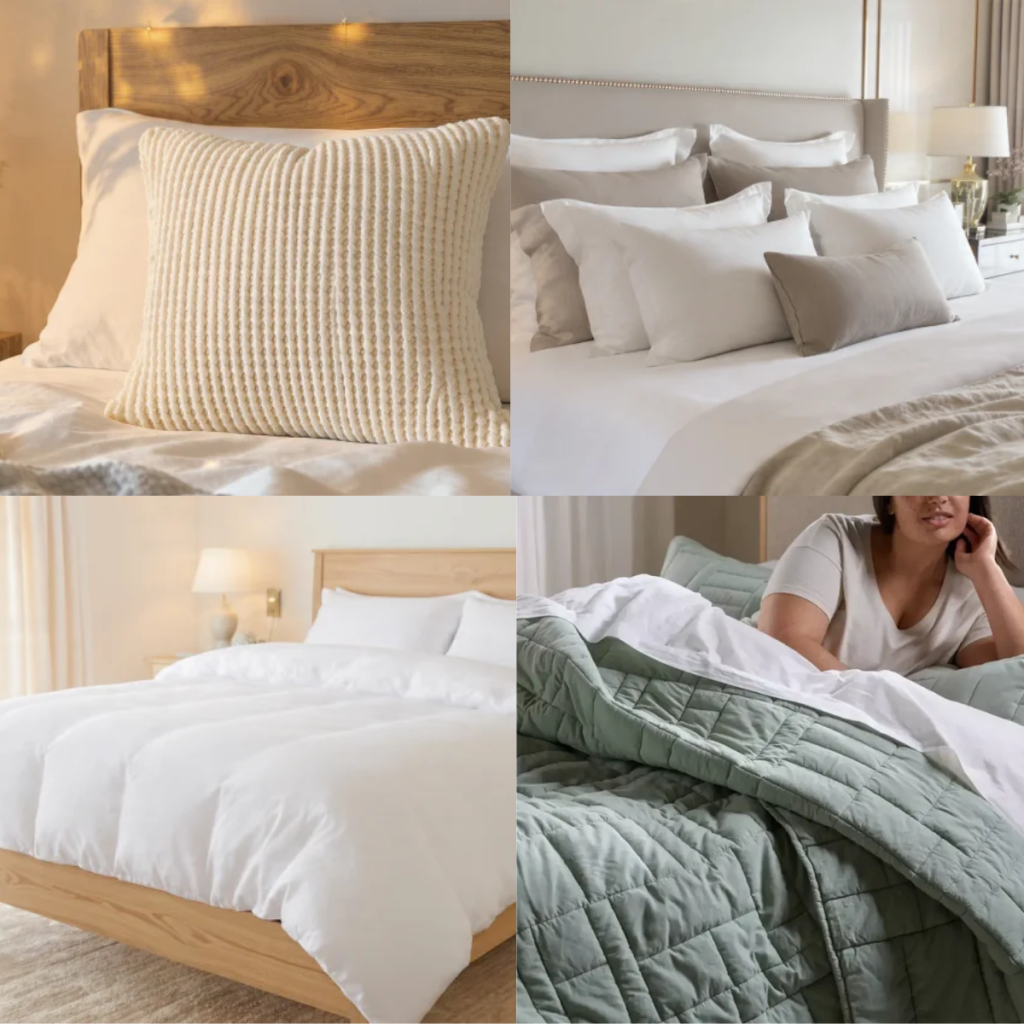
We’ve all scrolled past those dreamy bedroom shots on Pinterest. The beds look like fluffy clouds, adorned with textured throws, perfectly mismatched pillows, and quilts that seem to radiate warmth. You assume it requires a personal shopper and a budget that rivals a small country’s GDP.
But here’s the secret the design world doesn’t want you to know: Great bedding is less about the price tag and more about the technique.
Layering is an art form, not a shopping list. It is about creating depth, texture, and a sense of invitation. The good news? You don’t need expensive Italian linen to achieve that “hotel look.” In fact, some of the best looks come from mixing bargain-bin finds with clever styling hacks.
In this guide, we are going to break down the 11 golden rules of designer layering. We’ll show you how to use texture, proportion, and a little bit of thrift-store savvy to create a bed that looks like a million bucks—without actually spending it.
The 11 Budget-Friendly Tips
Here are the 11 tips structured for easy reading. For each, I’ve included the “Concept” (why it works) and the “Budget Hack” (how to do it cheaply).
1. Start with a “Base Layer” of White (Even if it’s Cheap)
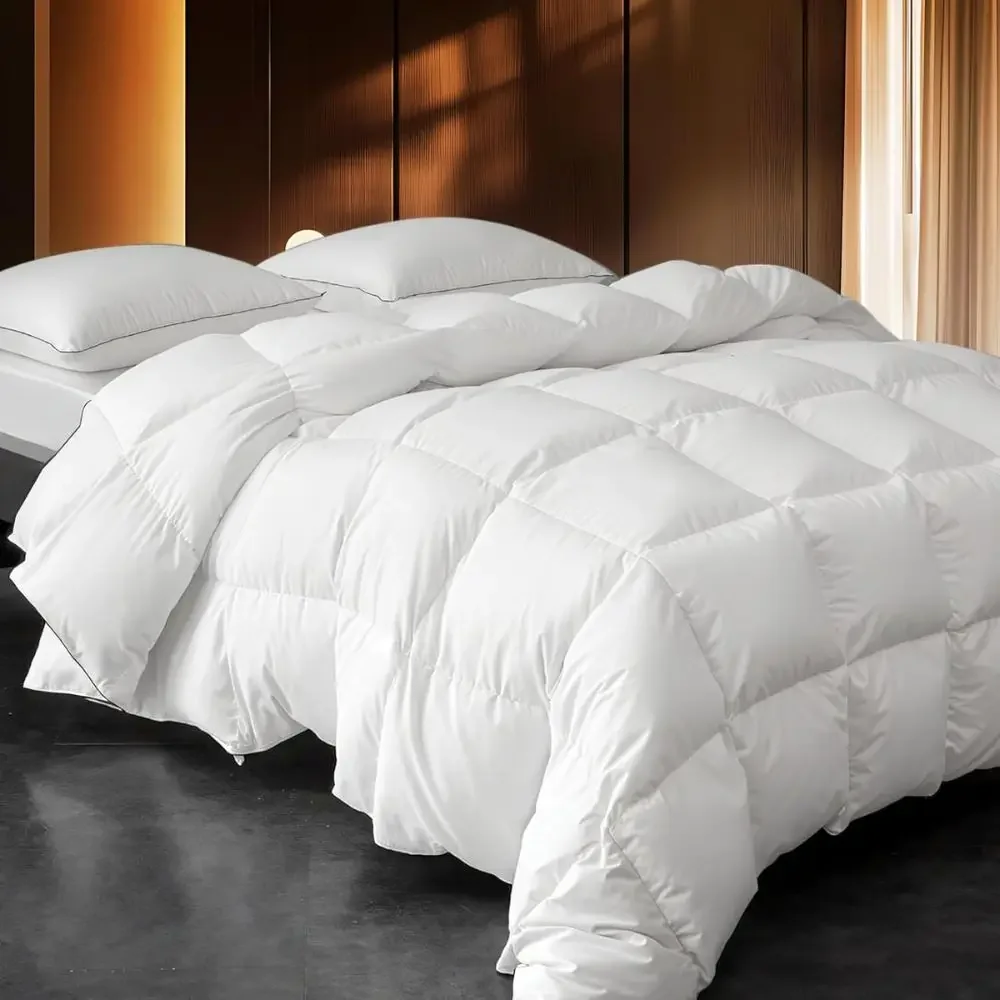
- The Concept: Designers use white sheets because they act as a neutral canvas. White reflects light, making the room feel brighter and the bed look cleaner.
- The Budget Hack: You don’t need high thread-count Egyptian cotton. Look for cotton-rich blends or microfiber sets in bright white at discount stores (like TJ Maxx, Ross, or IKEA). The trick is to bleach them occasionally to keep them crisp. The white sheet is the “foundation” that makes everything else look intentional.
2. Master the “Folded Duvet” (Aka the “Bread & Butter”)
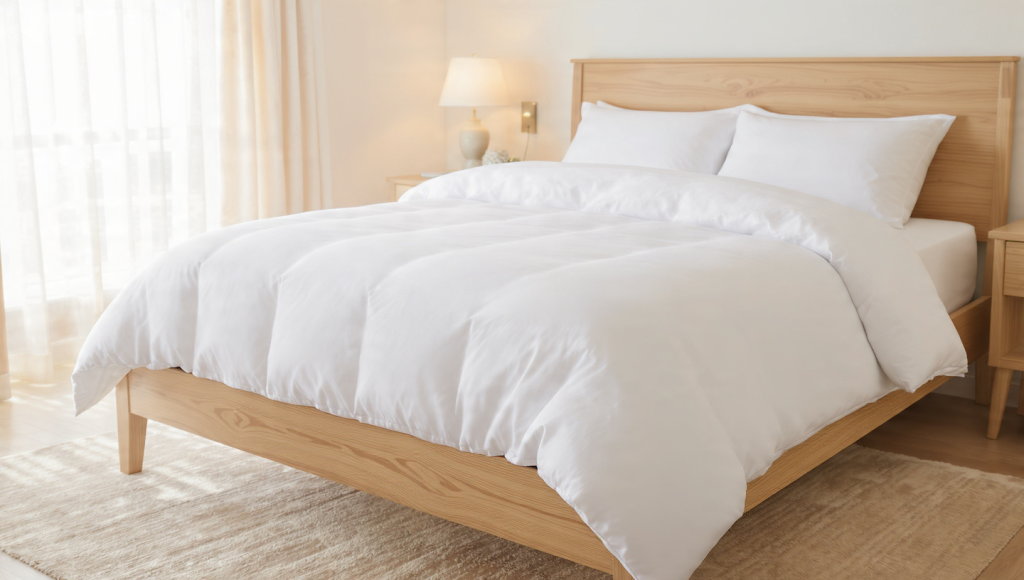
- The Concept: Instead of tucking your duvet in like a sleeping bag, designers fold it down about a third of the way down the bed or fold it completely at the foot. This reveals the layers beneath and adds architectural interest.
- The Budget Hack: Buy a plain, inexpensive duvet cover. To make it look plush without buying an expensive down insert, buy two cheap duvet inserts and stuff them into one cover. It will look incredibly fluffy and expensive for a fraction of the cost.
3. The “Vintage” Throw Blanket (Texture is King)
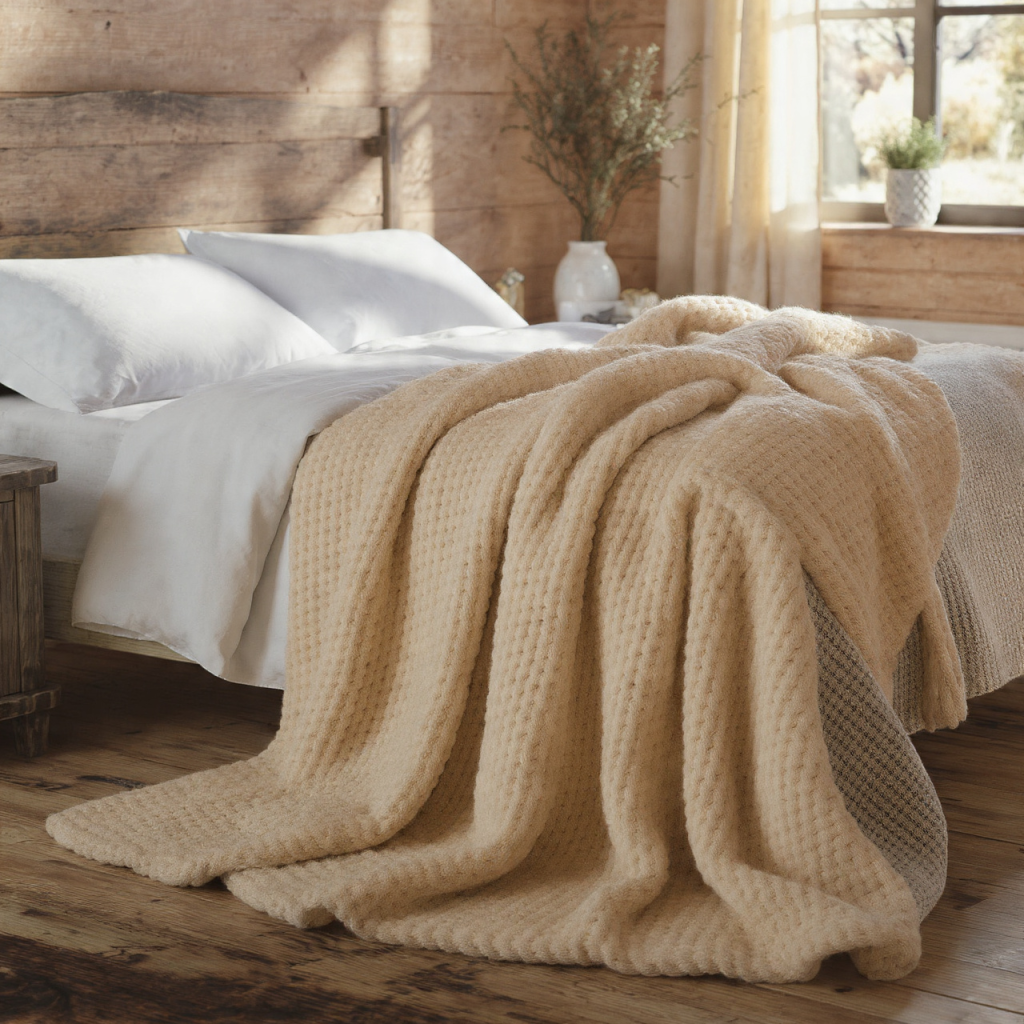
- The Concept: A chunky knit or woven throw draped across the foot of the bed breaks up the smoothness of the duvet and adds visual weight.
- The Budget Hack: Hit the Thrift Store. Look for old wool blankets or cable-knit throws. Even if they are a bit worn, a good wash and a fabric shaver will make them look vintage-chic. If you can’t find one, a $20 fleece blanket from Target or Amazon, rolled up and tied with a ribbon, looks very high-end.
4. The “Fake” Linen Look (Texture Hack)
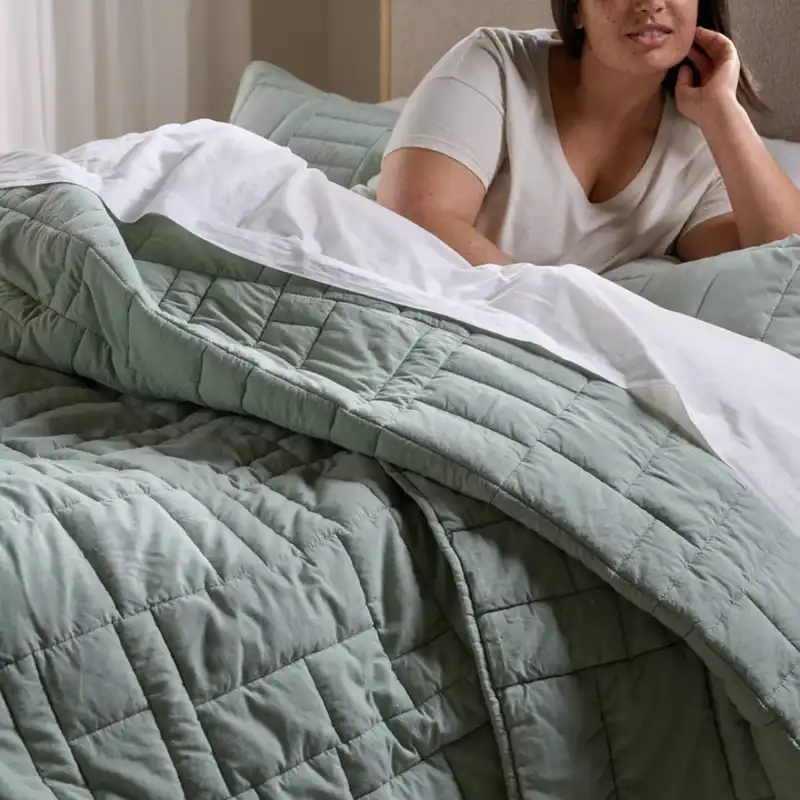
- The Concept: Linen is the designer’s favorite fabric because of its effortless, rumpled texture. But real linen is pricey.
- The Budget Hack: Look for “cotton-linen blends” or “washed cotton.” These are significantly cheaper but mimic the relaxed, wrinkly look of pure linen. Better yet, use a “crinkled cotton” duvet cover. The wrinkles are built into the design, so you never have to iron it—and it always looks “effortlessly chic.”
5. The “Sleeping Bag” Fold (The Crispy Edge)
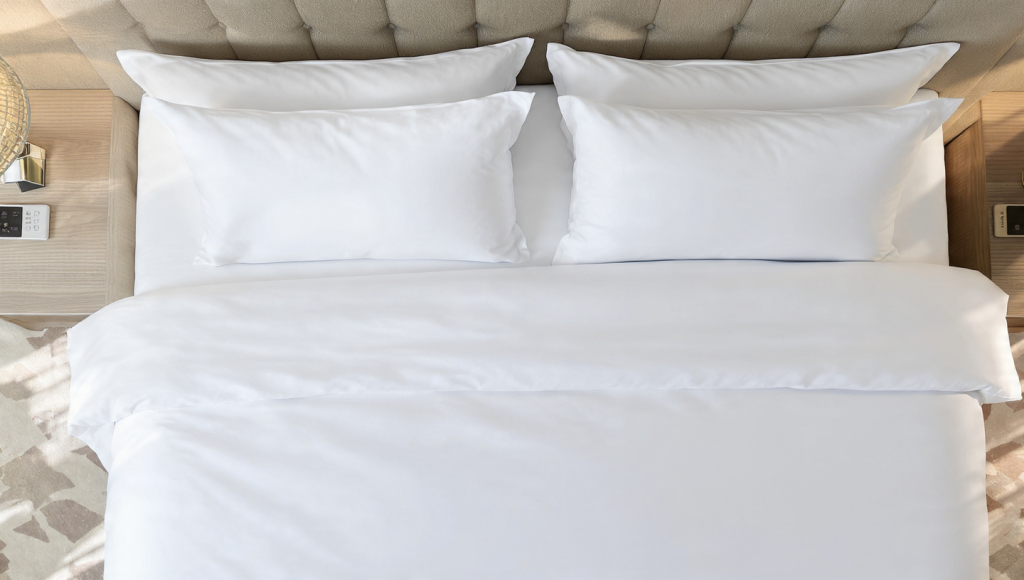
- The Concept: High-end hotels fold the top sheet and blanket back over the duvet to create a crisp, clean edge at the top of the bed.
- The Budget Hack: Lay your flat sheet flat. Place your duvet/comforter on top. Fold both back together about 12 inches from the top. It creates a structured, hotel-style “lip” that frames the pillows perfectly without costing a dime.
6. The Pillow Pyramid (The Rule of Three)
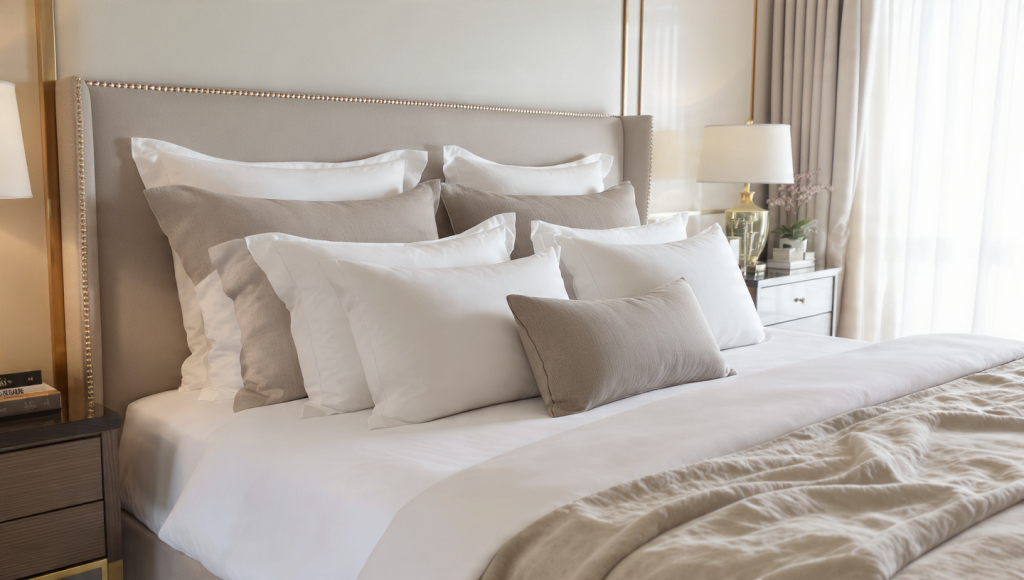
- The Concept: Designers use a mix of sleeping pillows and decorative pillows to create height and depth. The “Golden Rule” is usually: Sleeping Pillows in back, Euro Shams in middle, Accent Pillows in front.
- The Budget Hack: You don’t need to buy 6 pillows. Buy pillow inserts that are one size larger than the cover. For example, put an 18×18 insert into a 16×16 cover. It makes the pillows look stuffed and “overstuffed” like a designer’s. For the shams, use old towels rolled up to fill the back of the sham to push the fabric forward.
7. The “Mismatched” Pattern Rule (Scale is Free)
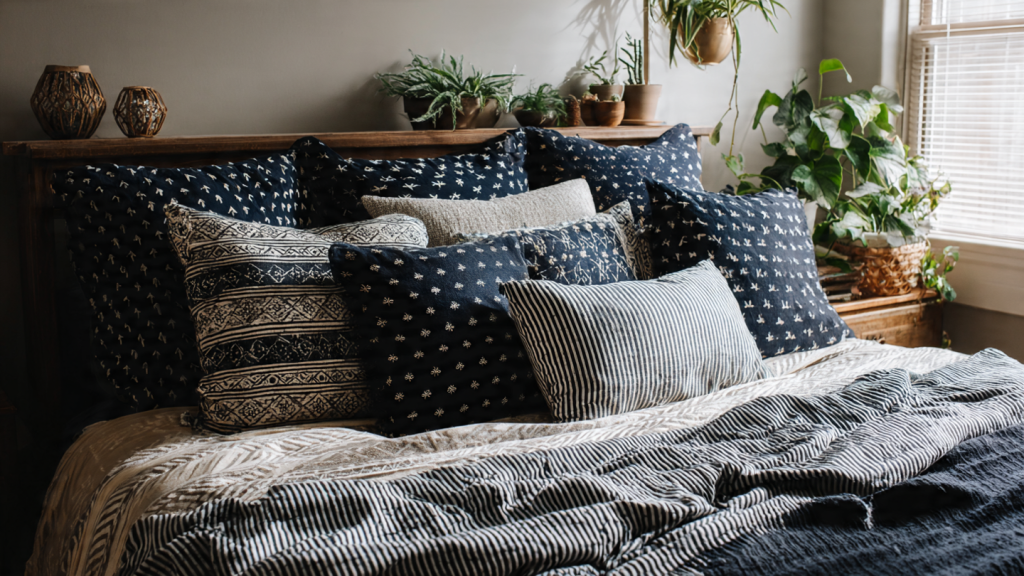
- The Concept: Designers layer patterns by mixing scales. If you have a large floral print, pair it with a tiny polka dot or a pinstripe.
- The Budget Hack: You likely already own these. Pull your pillows out of the closet. Try mixing a plaid shirt (folded as a pillow cover) with a striped duvet. As long as they share one common color (e.g., both have navy blue in them), they will look like a curated designer collection.
8. The “Tuck & Roll” (The Slight Mess)
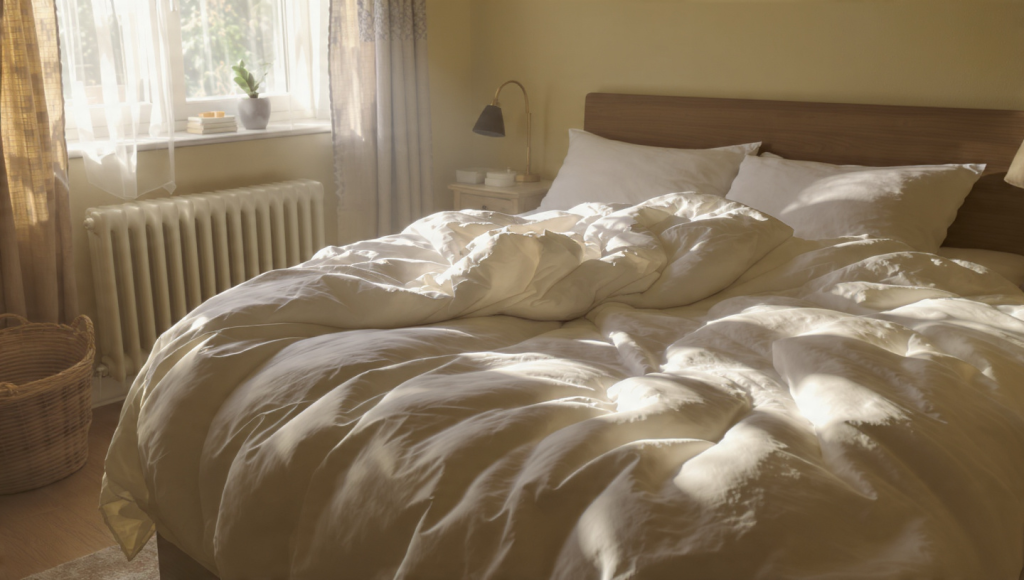
- The Concept: Perfection looks cheap. Effortless imperfection looks expensive. Designers never smooth the duvet completely flat.
- The Budget Hack: After making the bed, take the top edge of the duvet and scrunch it slightly with your hands. Pull the bottom corners of the cover up slightly so the insert bunches a little. This “lived-in” look is free to achieve and instantly elevates the aesthetic.
9. Use a Quilt as a Mid-Layer
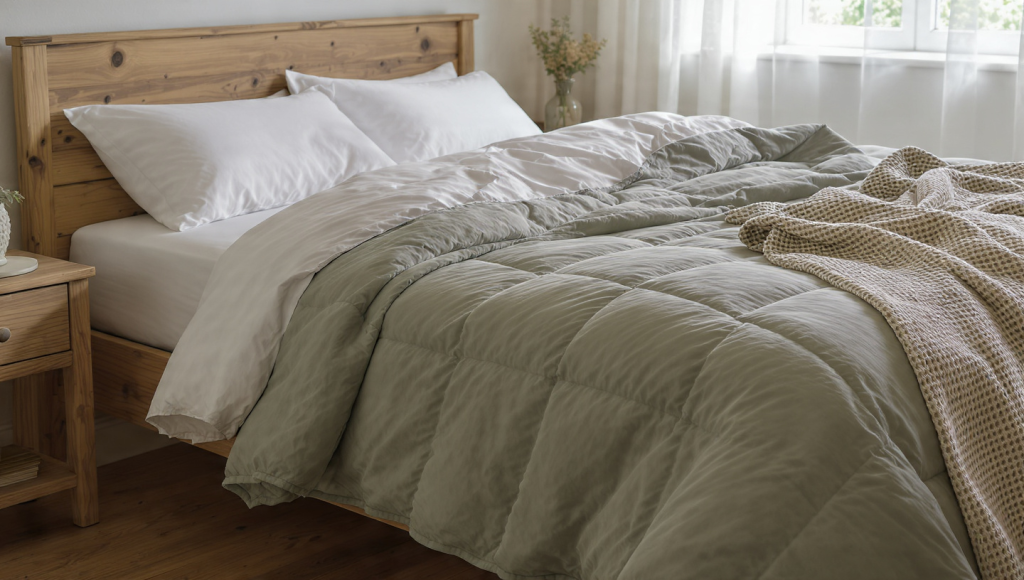
- The Concept: A thin quilt between the sheets and the duvet adds dimension and allows you to adjust temperature.
- The Budget Hack: Look for “Vintage Stitch” quilts at thrift stores or IKEA’s budget section ($30). Rather than buying a new one, dye a cheap white quilt using RIT dye in a muted color (like Sage Green or Terracotta) to create a custom “designer” color that matches your room perfectly.
10. Invest in “Fake” Trim (The Detail Trick)
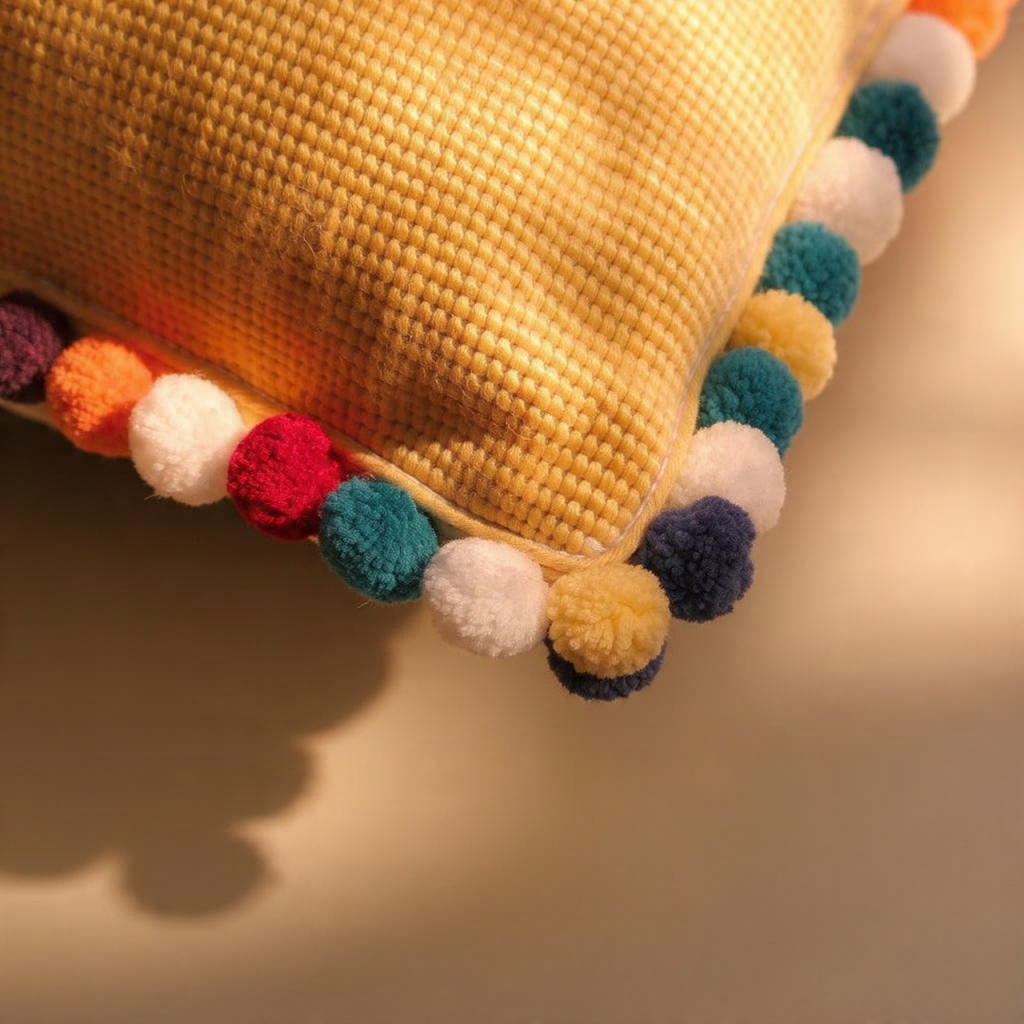
- The Concept: Expensive bedding often features intricate piping or trim.
- The Budget Hack: Use a Fabric Glue Pen or fusible bonding tape to add a ribbon or pom-pom trim to the edge of a cheap pillow sham or the hem of a flat sheet. It costs under $10 to buy the supplies, but it adds a custom, boutique hotel detail that looks like you spent hundreds.
11. The “Sweater” Pillow (Texture on a Budget)
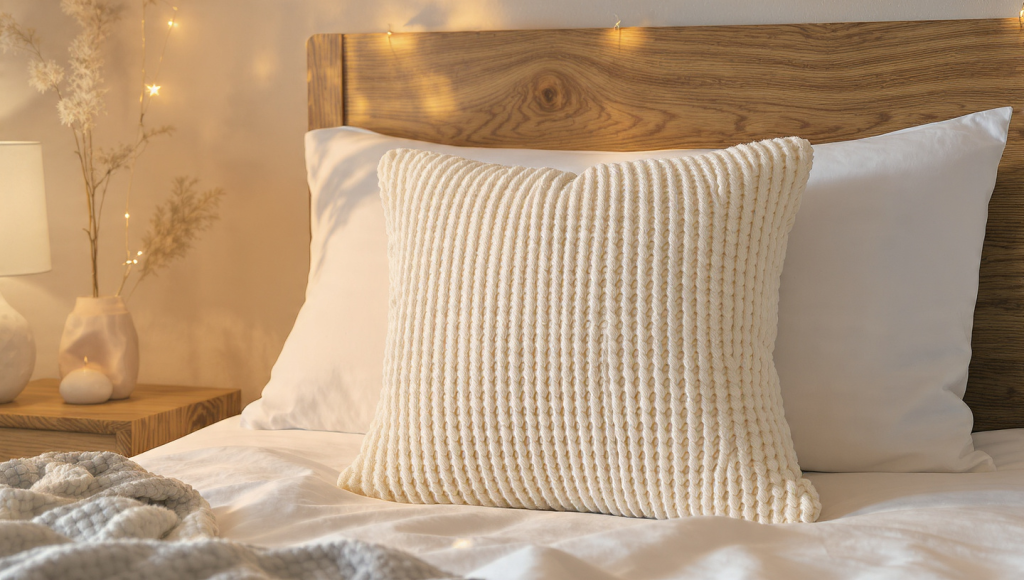
- The Concept: Varying textures (smooth, rough, chunky, sleek) is the secret to a high-end bed.
- The Budget Hack: Raid your closet. Take an old cashmere or chunky knit sweater that has a hole or is unwearable. Cut the sleeves off, sew the bottom shut, and stuff it with a cheap pillow form. You now have a $0 high-end texture that adds the “rich” element to your bed that money can’t usually buy.
Where to Find Budget Bedding Treasures
Knowing the technique is only half the battle; you need to know where to hunt for the materials. Designers don’t just shop at high-end boutiques; they mix in bargain-bin treasures. Here is your budget roadmap:
- Thrift Stores & Charity Shops: Your number-one stop for vintage wool throws, quilts, and unique textured blankets. Wash them with white vinegar to remove musty smells.
- Discount Home Stores (TJ Maxx, Ross, HomeGoods): The best spot for high-thread-count sheets at a fraction of the price. Look for “damaged box” discounts on duvet inserts.
- IKEA: The holy grail for affordable washed-cotton duvet covers and inexpensive pillow inserts.
- Amazon Basics & Target (Threshold Line): Excellent for solid-color microfiber sheets and basic white shams that act as your “base layer.”
- Your Own Closet: The most overlooked store. Old sweaters, scarves, and even large shawls can be repurposed as pillow covers or throws for exactly $0.
Adapting Your Layered Bed for Every Season
A designer bed isn’t static; it changes with the weather. Your layering system should be flexible to keep you comfortable without looking out of place.
- Spring & Summer (Light & Bright): Remove the heavy duvet and use only the quilt as your top layer. Swap chunky knit throws for lightweight woven cotton or linen blankets in pastel or white tones. Focus on crisp, clean folds and minimal pillows.
- Autumn & Winter (The Cozy Cave): Bring back the heavy duvet and add an extra layer between the sheet and duvet (like a fleece blanket). Switch to darker, moodier colors (terracotta, forest green, deep navy) and add that chunky knit throw back in for visual warmth.
- The Transitional “Shoulder” Seasons: Use the “Sleeping Bag Fold” technique. Keep the duvet folded down to the foot of the bed during the day for a lighter look, but pull it up at night when temperatures drop.
Conclusion: The Secret Isn’t Money, It’s Intention
Let’s be brutally honest for a moment. The difference between a bed that looks like it belongs in a catalog and a bed that looks “tired” has very little to do with your credit card limit.
It has everything to do with intention.
A designer doesn’t just throw a comforter on a mattress and call it a day. They consider texture, height, proportion, and the interplay of light. They understand that a little rumple looks more luxurious than a perfectly flat surface, and that a thrifted wool blanket draped casually at the foot tells a story that a brand-new, off-the-rack set never could.
By following these 11 rules, you aren’t just “making your bed.” You are curating a sanctuary. You are using visual tricks—overstuffing pillows, mixing scales, folding edges—that cost absolutely nothing but deliver million-dollar results.
Remember: Style is a skill, not a budget. Start with one technique today. Fold that duvet back. Raid your closet for a sweater pillow. Layer that white sheet. Before you know it, you’ll walk past your bedroom and do a double-take, wondering how your bed got so photogenic.
You didn’t buy a designer bed. You designed it.
