The concept of “frontyard hydrogen” might sound like science fiction, but it’s rapidly becoming a tangible reality. As we search for ways to decarbonize our lives, hydrogen is emerging as a clean energy carrier with immense potential—not just for industry and transport, but for our homes and neighborhoods. From hydrogen fuel cells powering garden installations to hydrogen-rich water boosting plant growth, the fusion of hydrogen technology with landscape design is opening up exciting new possibilities. This article explores how you can bring hydrogen-inspired innovation to your front yard, combining sustainability with striking aesthetics.
Why Hydrogen Belongs in Your Frontyard
Hydrogen is the most abundant element in the universe, and when used as an energy source, its only byproduct is pure water—making it one of the cleanest fuel sources available. Green hydrogen, produced using renewable energy, offers a pathway to true carbon neutrality. But why bring it to your front yard specifically?
Visibility and Awareness: Placing hydrogen technology in a residential front yard normalizes sustainable energy and sparks conversation. It transforms abstract climate concepts into tangible, everyday realities.
Practical Benefits: Hydrogen systems can power outdoor lighting, water features, and even home energy needs. The water byproduct can irrigate gardens, creating a closed-loop system that conserves resources.
Aesthetic Potential: Modern hydrogen technology is sleek and futuristic. When integrated thoughtfully, it becomes a design feature rather than an industrial eyesore.
Property Value: As sustainable homes become more desirable, features like hydrogen integration can significantly enhance property appeal and value.
14 Frontyard Hydrogen Landscaping Ideas
1. The Hydrogen Fuel Cell Focal Point
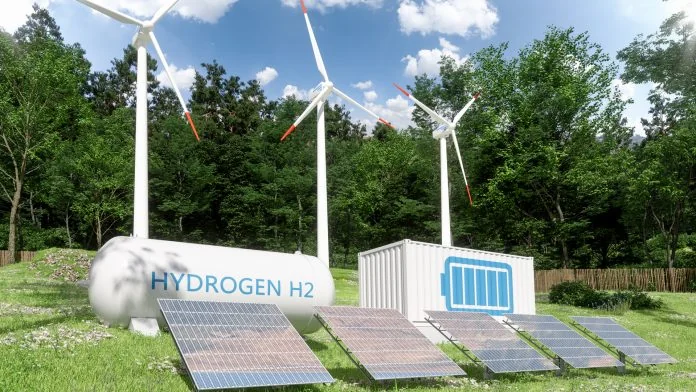
Make a statement with a hydrogen fuel cell as a sculptural centerpiece. The “Urban Oasis” installation by Chetwoods Architects demonstrated this beautifully—a 12-metre high kinetic structure powered by a hydrogen fuel cell, with photovoltaic “petals” that open in response to the sun . At night, the structure transforms into a light sculpture. For a residential front yard, consider a smaller-scale version: a sleek, modern fuel cell unit integrated into a garden feature that provides power for outdoor lighting and generates conversation.
2. Hydrogen-Powered Water Feature
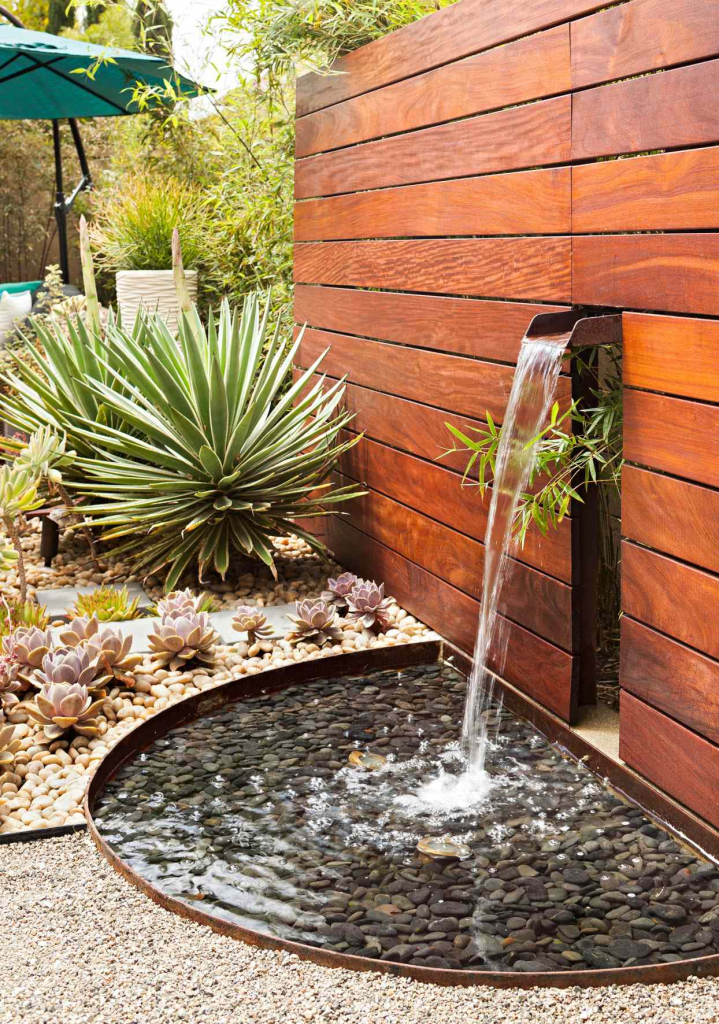
Water features are classic landscaping elements, but imagine one that’s self-sustaining. Hydrogen production creates water as a byproduct—a clean, pure resource that can feed into a pond, fountain, or irrigation system . This closed-loop approach is both poetic and practical. The “Future City Garden” at the UN Biodiversity Conference showed how hydrogen technology and water elements can harmonize in a garden setting . Your front yard could feature a recirculating fountain powered by a small hydrogen fuel cell, symbolizing the cycle of clean energy.
3. Eco-Sculpture with Hydrogen Integration
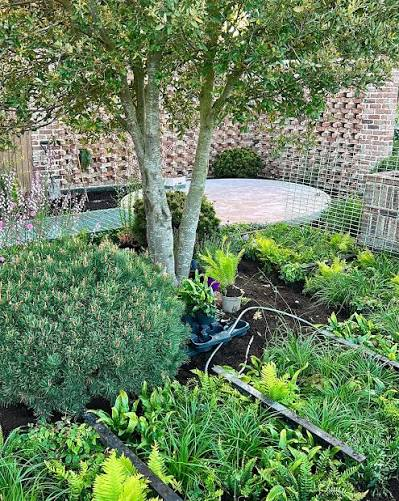
Turn your front yard into a gallery with a hydrogen-powered eco-sculpture. The “Hydrogen House” prototypes advocate for this grassroots approach—integrating fuel cell stations into residential settings, with shared leisure landscapes using the water byproduct . A contemporary sculpture that incorporates a fuel cell not only looks impressive but demonstrates a commitment to sustainable living. Think kinetic art that moves with the energy it produces.
4. The Hydrogen Garden Oasis
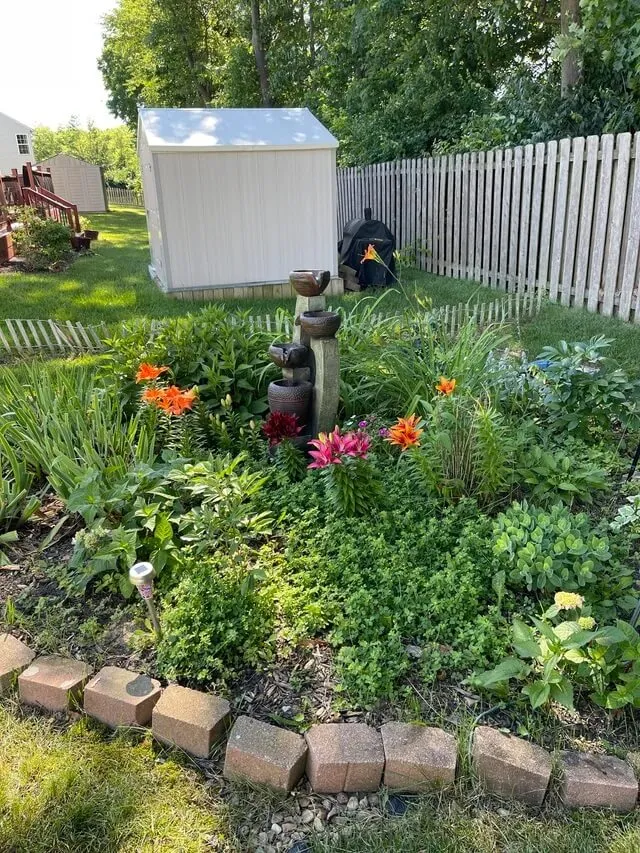
Create an “oasis” theme that showcases the regenerative potential of hydrogen. The award-winning Urban Oasis concept combined a hydrogen fuel cell with photovoltaic petals, harvested rainwater, and a self-sufficient ecosystem . Adapt this for your front yard with a self-contained garden featuring drought-tolerant plants, a small water feature, and a hydrogen fuel cell discreetly integrated into a pergola or garden structure.
5. Hydrogen-Inspired Color Palette

Draw inspiration from the aesthetics of hydrogen itself—the clean blues and whites associated with “green hydrogen.” The H2Olona Hydrogen Valley project in Italy uses a white “accordion-folded” architectural language that echoes the purity of hydrogen energy . Bring this into your landscaping with pale stone pathways, white flowering plants, and sleek metallic accents. Blue agave, silver foliage, and white gravel can create a hydrogen-inspired color story.
6. Living Walls with Hydrogen-Treated Plants

Research shows that hydrogen-rich water can significantly enhance plant growth. Studies on hemp plants irrigated with hydrogen nanobubble water showed a 30% increase in CBD content compared to control groups . Install a living wall or vertical garden in your front yard and consider an irrigation system that incorporates hydrogen-infused water. The result? Lush, vibrant foliage that becomes a talking point for visitors.
7. The Sustainable Building Integration
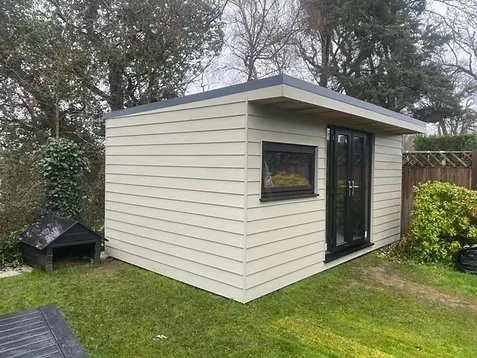
For those building or renovating, consider a home that integrates hydrogen technology. The Wall House project demonstrates a residential prototype with a hydrogen generator operating with solar power, enabling off-grid functionality . In your front yard, this could mean visible elements like a sleek hydrogen storage unit disguised as architectural feature, or transparent solar PV panels on a carport that power an on-site electrolyzer.
8. Constructed Wetland with Hydrogen Irrigation
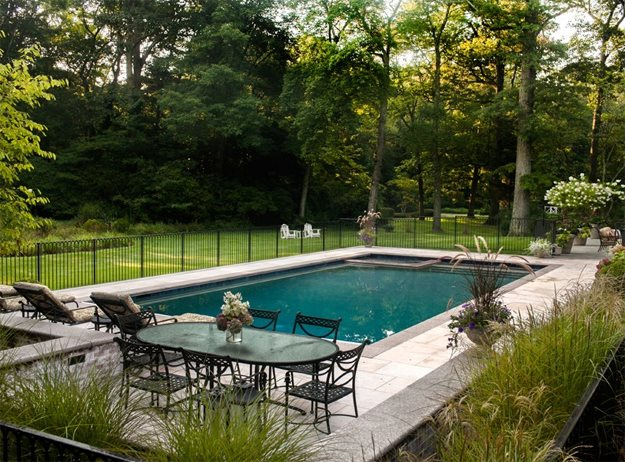
Combine ecological landscaping with hydrogen technology. Patent research shows “hydrogen-oxygen symbiotic garden systems” that incorporate underground irrigation networks with hydrogen generation units, using natural wetland systems for water purification . Create a constructed wetland in your front yard—a small-scale version featuring native reeds and aquatic plants—with a hydrogen-powered irrigation system that demonstrates the circular economy in action.
9. The Hydrogen Valley Microcosm
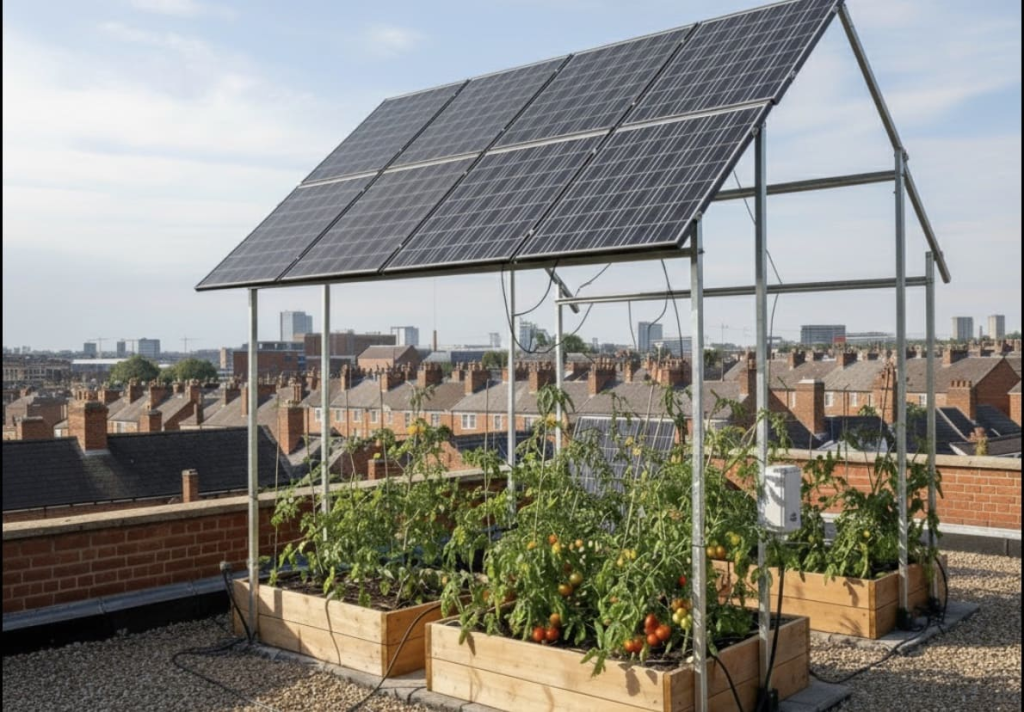
A “hydrogen valley” is a defined area where the entire hydrogen value chain operates, from production to use . Scale this concept down to your front yard! Create distinct zones: a small solar panel array (production), a compact electrolyzer (processing), a storage unit (storage), and a garden feature or outdoor kitchen (use). It’s educational, functional, and visually engaging.
10. Dynamic Roof Systems for Hydrogen Generation
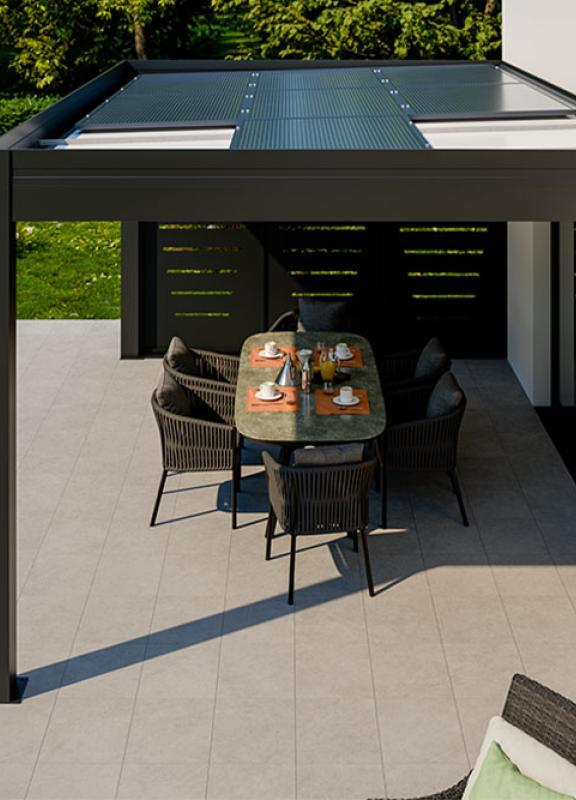
“Dynamic roof” technology is emerging in hydrogen-integrated architecture—roofs with climate-responsive shading and integrated solar panels . In a front yard context, consider a pergola or gazebo with adjustable louvers that track the sun, maximizing solar energy generation for a hydrogen system. This is high-tech landscaping at its finest.
11. Seasonal Hydrogen Storage Display
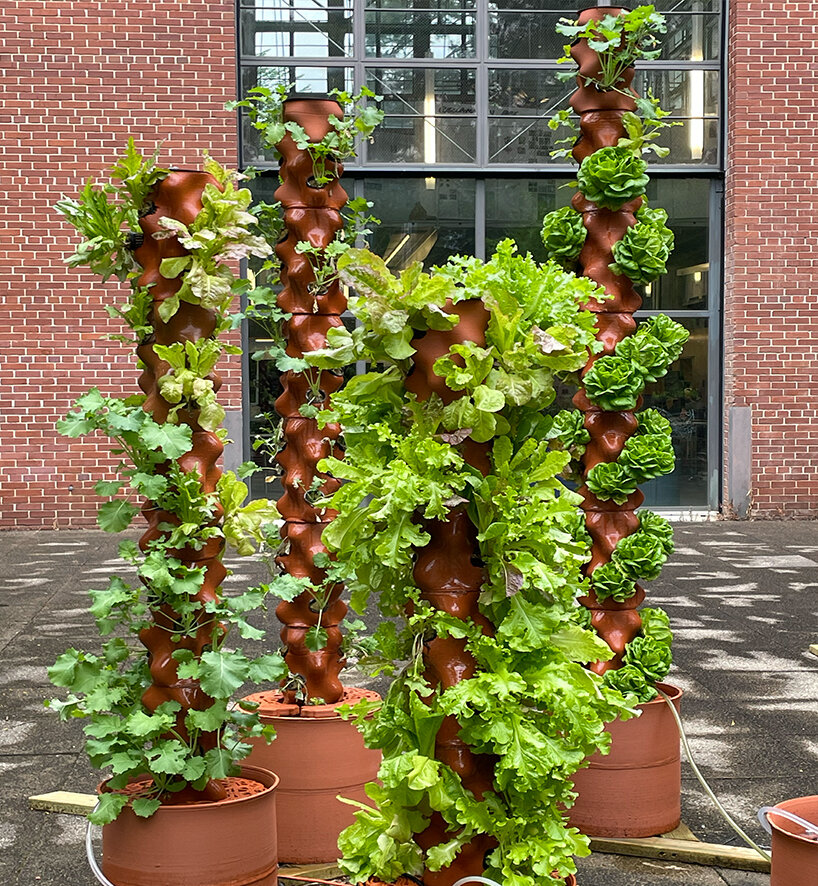
Hydrogen excels at seasonal energy storage—balancing summer production with winter use . Make this visible in your front yard with a display that communicates the seasons: perhaps a series of illuminated glass vessels that show hydrogen storage levels, or a digital display integrated into a garden wall showing how solar energy is being converted to hydrogen for future use.
12. The Water-Self-Sufficient Garden
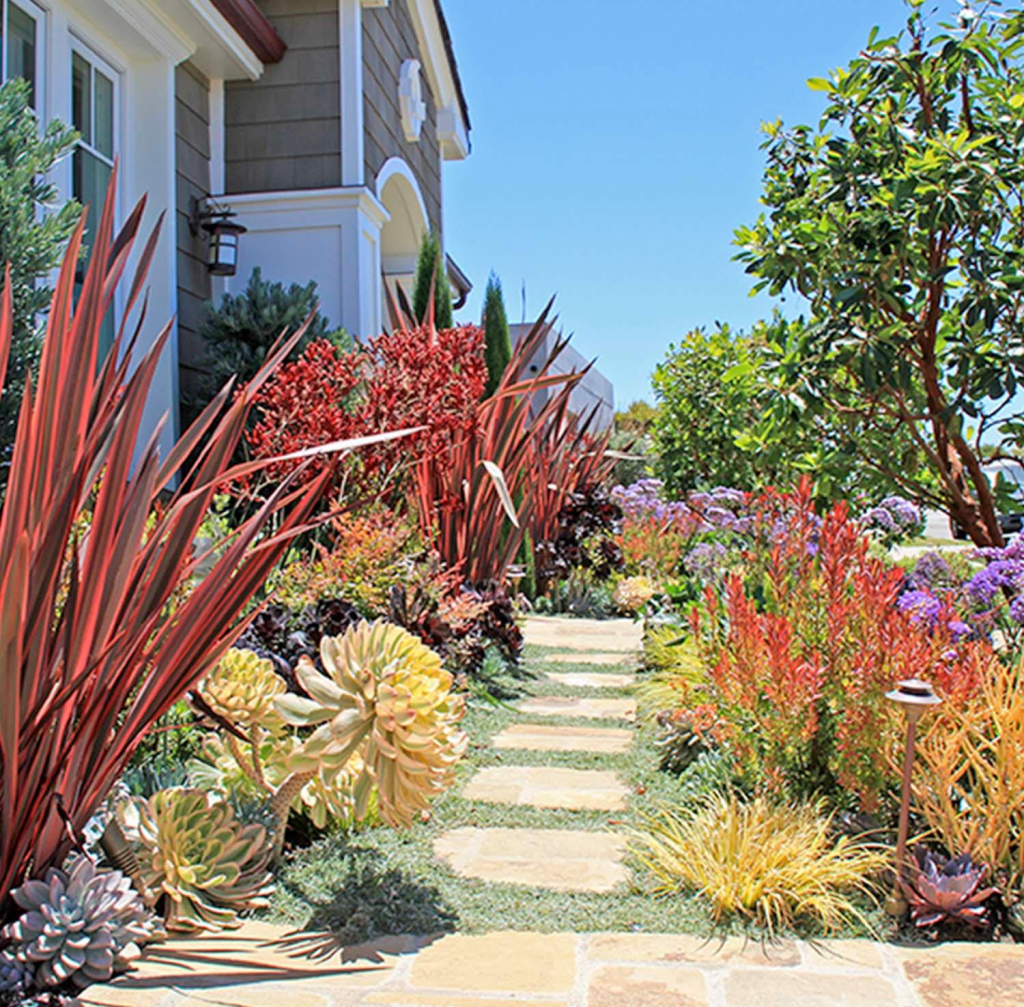
In arid climates, the water-energy nexus is crucial. Research shows that hydrogen-integrated districts can achieve significant water and energy synergies . In your front yard, this means designing a garden with rainwater harvesting, greywater recycling, and a small hydrogen system that produces water as a byproduct. Use this water for a beautiful Mediterranean-style garden with minimal external inputs.
13. Hedging with Plant Growth Enhancement

Use hydrogen-treated irrigation to supercharge your hedging. Research demonstrates that hydrogen nanobubble water promotes healthier plant growth and increased biomass . A dense, fast-growing hedge provides privacy, reduces noise, and can be fed by a hidden hydrogen irrigation system. Imagine a front yard bordered by the most vibrant hedge on the street!
14. The Educational Garden
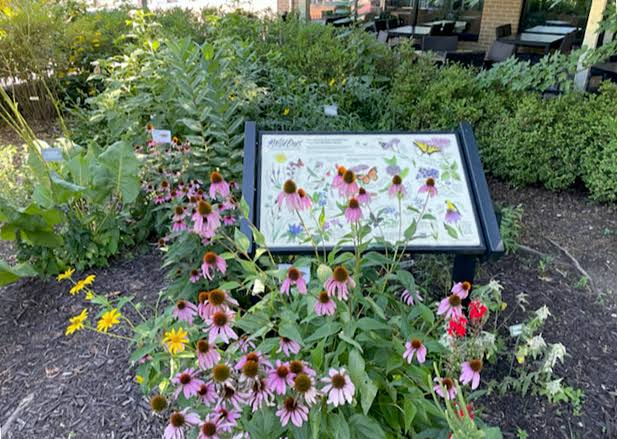
Design your front yard as an educational tool. With the rise of hydrogen awareness, gardens that explain the technology are becoming increasingly popular . Install interpretive signage, visible hydrogen storage, and clearly labeled components. Include QR codes linking to information. This isn’t just a garden—it’s a statement about the future of sustainable living.
Understanding the Technology: A Brief Primer
Before diving into design ideas, it helps to understand the basic components involved:
Green Hydrogen Production
Hydrogen is produced through electrolysis—splitting water into hydrogen and oxygen using electricity. When that electricity comes from renewable sources like solar or wind, the resulting hydrogen is “green.”
Fuel Cells
Fuel cells convert hydrogen back into electricity through a chemical reaction with oxygen. The only byproduct is water and heat, making them exceptionally clean.
Hydrogen Storage
Hydrogen can be stored in pressurized tanks or as a liquid at very low temperatures. Modern storage solutions are becoming safer and more compact, suitable for residential use.
Hydrogen Nanobubble Water
Recent research has shown that water infused with hydrogen nanobubbles can significantly enhance plant growth—up to 30% increase in certain crops. This opens exciting possibilities for landscaping applications.
Key Considerations Before You Start
Safety First
Hydrogen is highly flammable, so professional installation is essential. Always work with certified technicians and comply with local regulations. Choose systems with robust safety features and maintain them regularly.
Local Regulations
Check with your local authorities about permits and zoning laws. Some areas have restrictions on hydrogen storage or fuel cell installations in residential zones.
Cost Assessment
Hydrogen systems require significant upfront investment. Consider:
- Equipment costs (electrolyzer, fuel cell, storage)
- Installation and professional fees
- Maintenance and servicing
- Potential savings on energy bills
Start small—perhaps with a single feature—and expand over time.
Climate and Sunlight
Your location affects hydrogen production efficiency. Solar-powered electrolysis works best in sunny regions. In less sunny areas, consider grid-connected systems or hybrid approaches.
Aesthetic Integration
Plan how hydrogen components will blend with your landscaping. Disguise storage tanks as architectural features, use sleek modern materials, and coordinate colors with your home’s design.
Design Principles for Hydrogen Landscaping
Balance Form and Function
Every hydrogen element should serve both aesthetic and practical purposes. A fuel cell shouldn’t look like industrial equipment—it should be a design feature. Storage units can become architectural elements. Pipes and cables should be concealed or integrated into structures.
Create Flow and Connection
Design pathways that guide visitors through the hydrogen story. Start with visible energy generation (solar panels), move to processing (electrolyzer), then to storage, and finally to usage (lighting, water features, garden irrigation). This creates a narrative journey.
Prioritize Safety Without Sacrificing Beauty
Safety features can be beautiful. Use transparent or translucent materials to reveal hydrogen storage while keeping it secure. Install colorful safety indicators that double as garden lighting. Choose materials that are both durable and visually appealing.
Consider Nighttime Appeal
Hydrogen systems can continue working at night. Use this to your advantage—illuminate storage displays, create glow effects from fuel cells, and design light sculptures powered by the energy your system produces.
Embrace Native and Climate-Adapted Plants
While hydrogen irrigation can boost growth, choose plants suited to your climate. Native species require less water and maintenance, making them perfect partners for hydrogen systems focused on sustainability.
Think Long-Term
Hydrogen technology is evolving rapidly. Design your landscape to accommodate upgrades and expansions. Leave room for additional storage, larger electrolyzers, or new hydrogen applications that may emerge.
Maintenance and Upkeep
Regular System Checks
Professional inspection of your hydrogen system should occur at least annually. This includes checking for leaks, testing pressure valves, and ensuring fuel cell efficiency.
Garden Maintenance
Hydrogen-treated plants may grow faster and require more frequent pruning. Adjust your gardening schedule accordingly. Keep irrigation lines clear and ensure hydrogen delivery systems are functioning properly.
Software Updates
Many modern hydrogen systems include digital monitoring. Keep software updated to ensure optimal performance and safety.
Cleaning and Aesthetics
Keep visible components clean and polished. Dust and debris can reduce efficiency and diminish visual appeal. Design your landscape with easy access for cleaning.
Record Keeping
Track energy production, water byproduct volumes, and plant growth. This data is valuable for optimizing your system and demonstrating its benefits to visitors.
Conclusion
Hydrogen in the front yard might seem unconventional, but it represents a profound shift in how we think about our homes, our gardens, and our energy future. The ideas explored here—from hydrogen-powered water features to living walls with enhanced growth—demonstrate that sustainability and beauty can coexist harmoniously.
As research into “hydrogen energy landscapes” advances, we can expect even more innovative ways to integrate clean energy into our living spaces. The technology is evolving rapidly; costs are falling; and public awareness is growing. Today’s early adopters are paving the way for a future where hydrogen is as common in our gardens as solar panels are on our roofs.
Whether you’re planning a complete landscaping overhaul or just want to add a hydrogen-inspired feature, these ideas offer a starting point. Start small, dream big, and remember that every hydrogen-powered fountain, every fuel cell sculpture, and every lush hydrogen-treated hedge is a step toward a cleaner, more sustainable world.
Your front yard isn’t just a garden—it’s a canvas for change. Make it a statement about the future you want to see.
