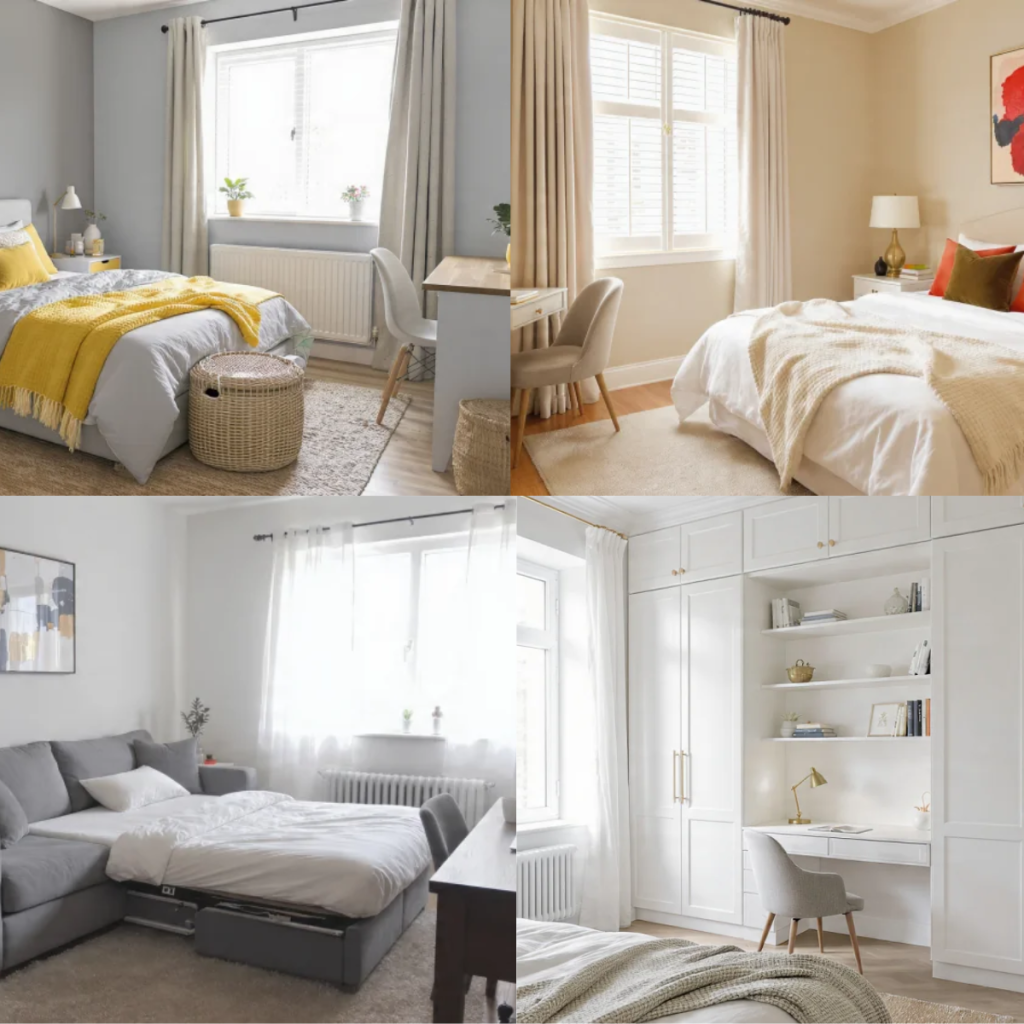
The spare room has long been a luxury—a space that sits empty for most of the year, waiting for the occasional visitor. But in today’s world of hybrid work and flexible living, that underused room can do so much more. Research from Zoopra reveals that two in five households adapted their spaces to suit changing needs during the pandemic, and many continue to prioritise homes with dedicated workspaces .
The challenge? Creating a space that feels both professional enough for focused work and welcoming enough for overnight guests. It’s about striking a balance where functionality meets hospitality—a place that works hard during the week yet still feels like a restful retreat when friends or family come to stay . The key lies in intentional design choices, multifunctional furniture, and a clear vision for how you’ll use the space .
Why Combine a Guest Room and Office?
Combining a guest bedroom with a home office is one of the smartest decisions a modern homeowner can make. Here is why:
Maximising Square Footage — In an era where property prices continue to rise, every square metre matters. A room that serves two purposes gives you more value from your home without the cost of an extension or moving to a larger property.
Supporting Hybrid Work — The traditional 9-to-5 office is fading. More professionals now work from home at least part of the week, making a dedicated workspace essential for productivity and work-life balance.
Welcoming Guests Without Sacrifice — You do not have to choose between having a home office and hosting visitors. A well-designed dual-purpose room means you can do both without compromising either function.
Increasing Property Value — Buyers increasingly look for homes with flexible spaces. A room that can adapt to different needs—office, guest room, nursery, or hobby space—adds appeal and value to your property.
Reducing Clutter — When a room has a clear purpose, it stays organised. A dual-purpose room forces you to be intentional about what you keep, reducing the tendency to treat the spare room as a dumping ground.
Whether you work from home full-time or only occasionally need a desk, these 12 ideas will help you transform your guest bedroom into a stylish, practical dual-purpose haven.
12 Guest Bedroom Office Ideas
1. The Murphy Bed Transformation
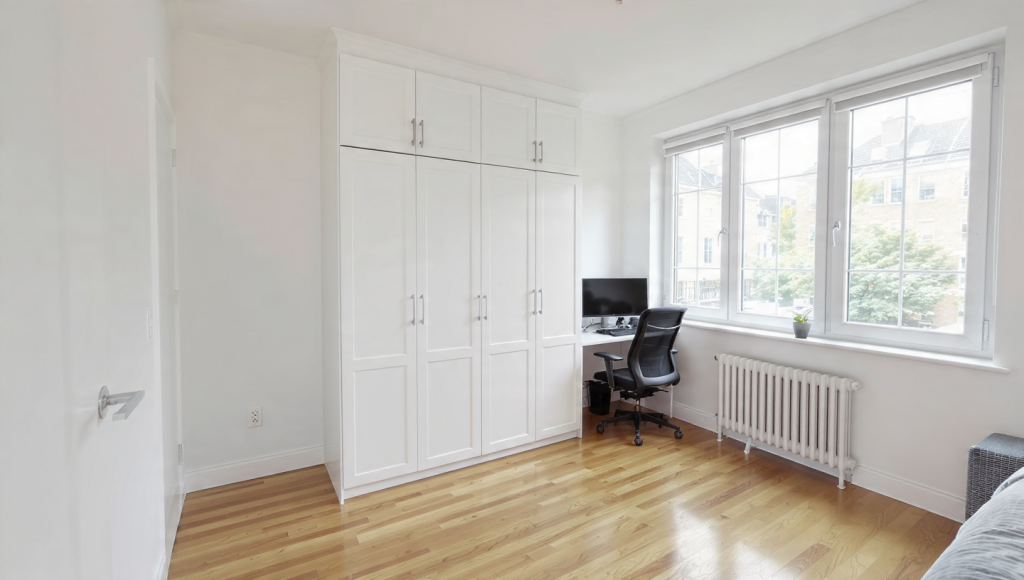
A Murphy bed is the ultimate space-saver for a dual-purpose room. By day, the bed folds neatly into the wall, freeing up floor space for a spacious desk, shelving, and all your work essentials. By night, it effortlessly converts into a comfortable bed for guests . Modern wall bed systems even come with integrated desks that stay level as the bed is lowered, meaning you don’t have to clear your laptop . This solution is perfect for smaller rooms where every square inch counts.
2. The Fold-Down Floating Desk
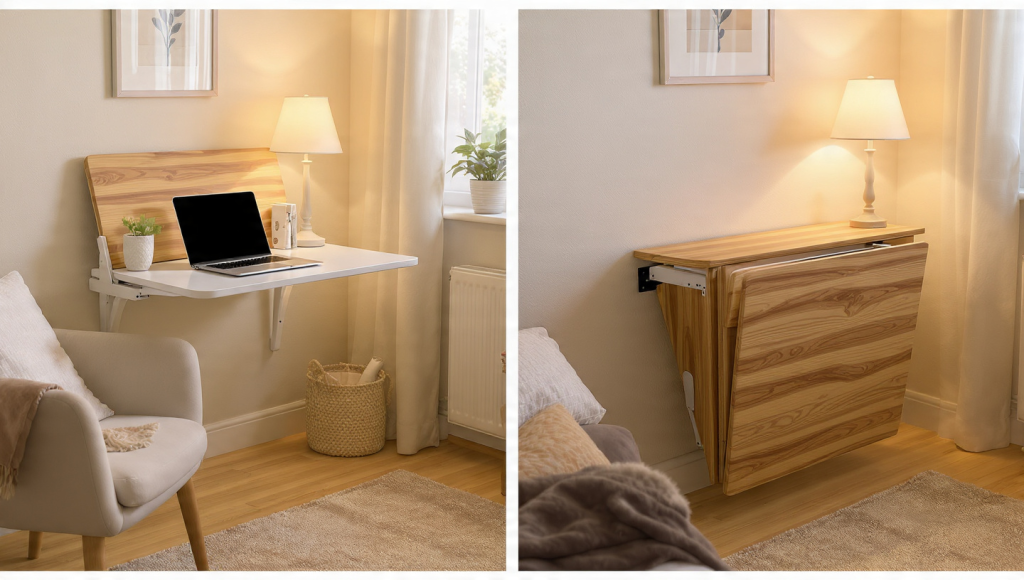
If a Murphy bed feels like too big an investment, consider a wall-mounted folding desk. When you’re working, you have a perfectly functional surface. When guests arrive, you simply fold it up—and it becomes a sleek cabinet or piece of wall art . This approach keeps the floor space clear and ensures visitors don’t feel like they’re sleeping in your office . Choose a fold-down desk that matches your existing furniture for a seamless look .
3. The Daybed Workstation
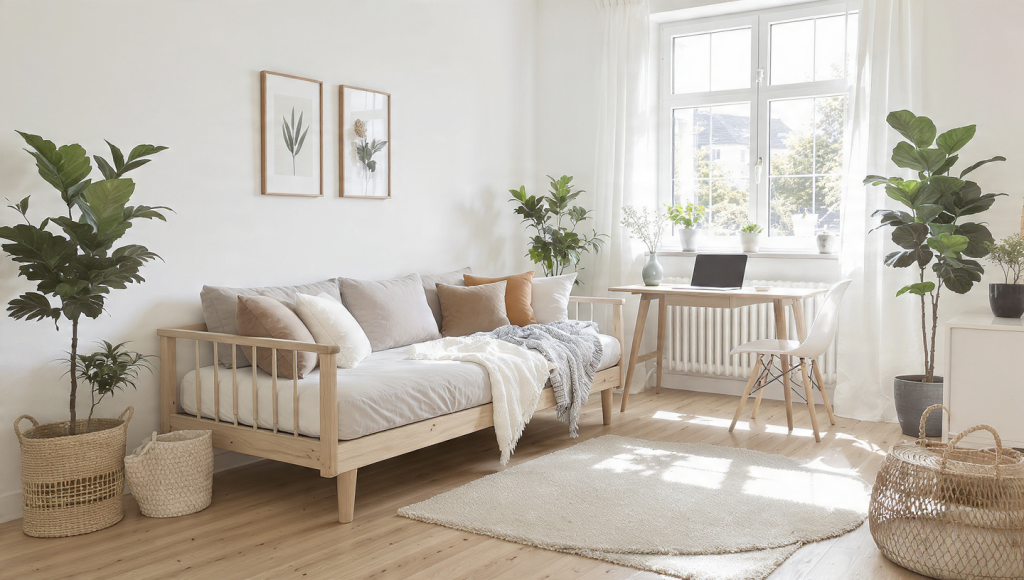
A daybed is a wonderfully versatile choice that shifts the vibe from “bedroom” to “lounge.” During work hours, it functions as a chic sofa for informal meetings or a cosy reading spot. At night, it transforms into a comfortable bed for guests . Layer it with stylish pillows and throws to enhance its role as seating, and pair it with a slim-profile desk for a setup that feels more living room than office .
4. The Closet Office (“Cloffice”)
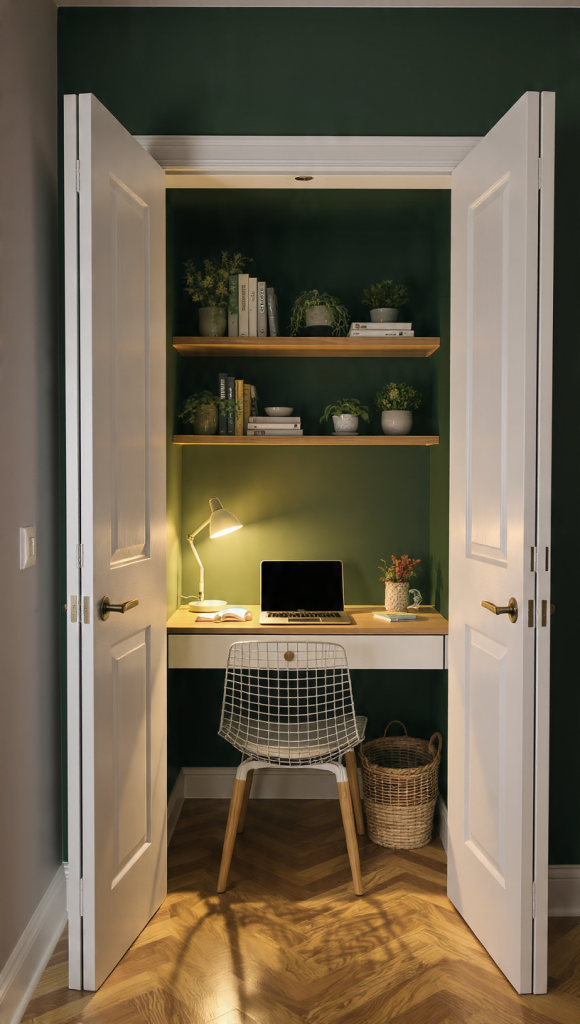
Have you ever considered the hidden potential of a closet? Removing the doors and rod from a reach-in closet can create a cleverly concealed workspace . Install a built-in desktop and shelves, add task lighting, and even paint or wallpaper the interior for personality . When the workday ends, simply close the doors or pull a curtain across, and the room instantly returns to a serene guest retreat .
5. The Loft Bed with Workspace Beneath
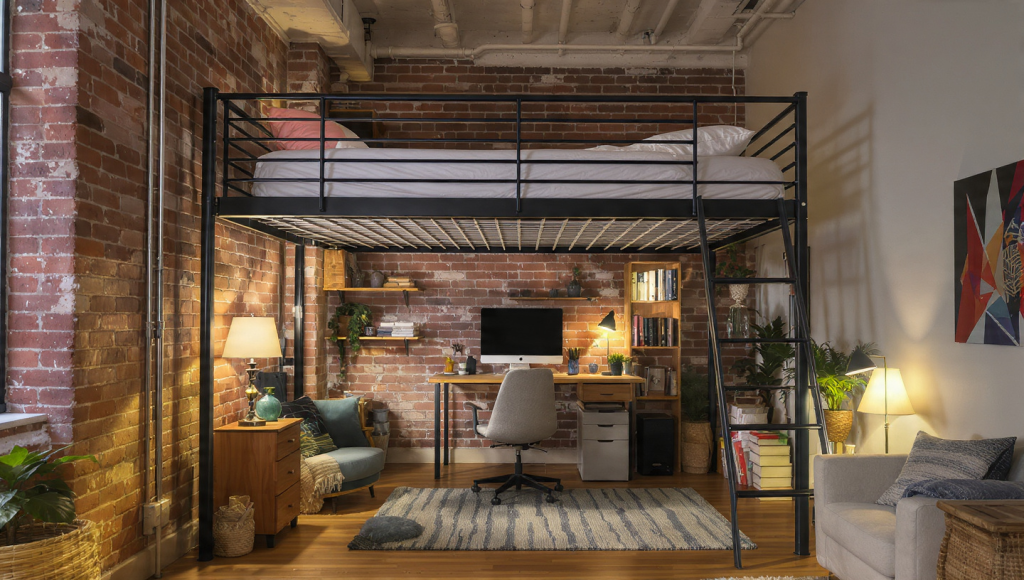
Raising the bed opens up valuable square footage underneath for a desk and shelves . This arrangement clearly separates the sleeping and working zones while occupying a minimal footprint . In one project, a designer even fit a small coffee station under the loft—creating a space guests never wanted to leave . Just be sure to check your ceiling height before committing to this layout .
6. The Modular Desk with Daybed
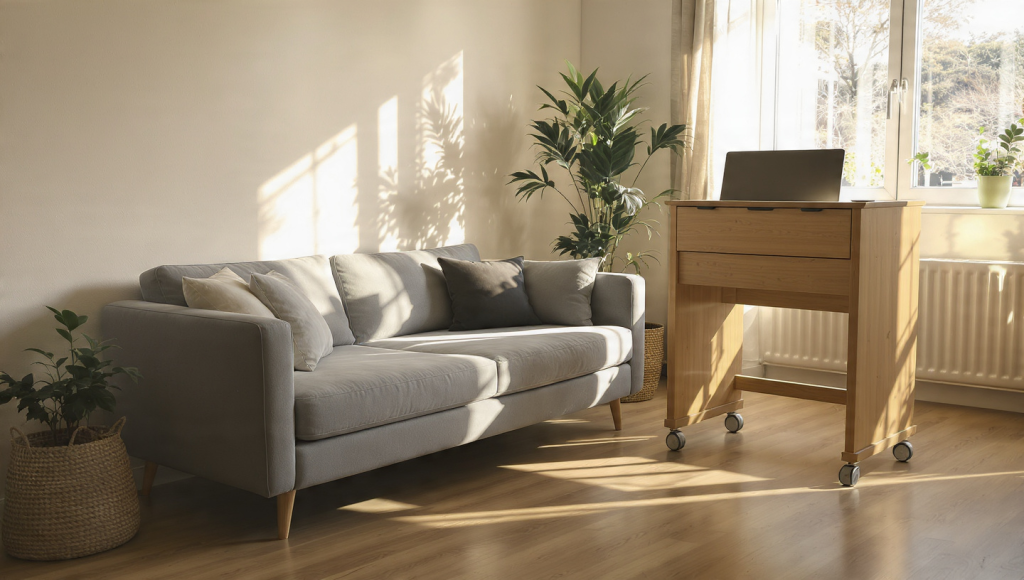
A cushioned daybed positioned by the window works double duty as a reading nook and a guest bed. Pair it with a sleek modular desk that can be tucked away or moved easily . Sliding panels can hide office clutter, keeping the space guest-ready in moments . This setup is particularly effective for maintaining a clean, uncluttered aesthetic.
7. The Built-In Desk Beside the Closet
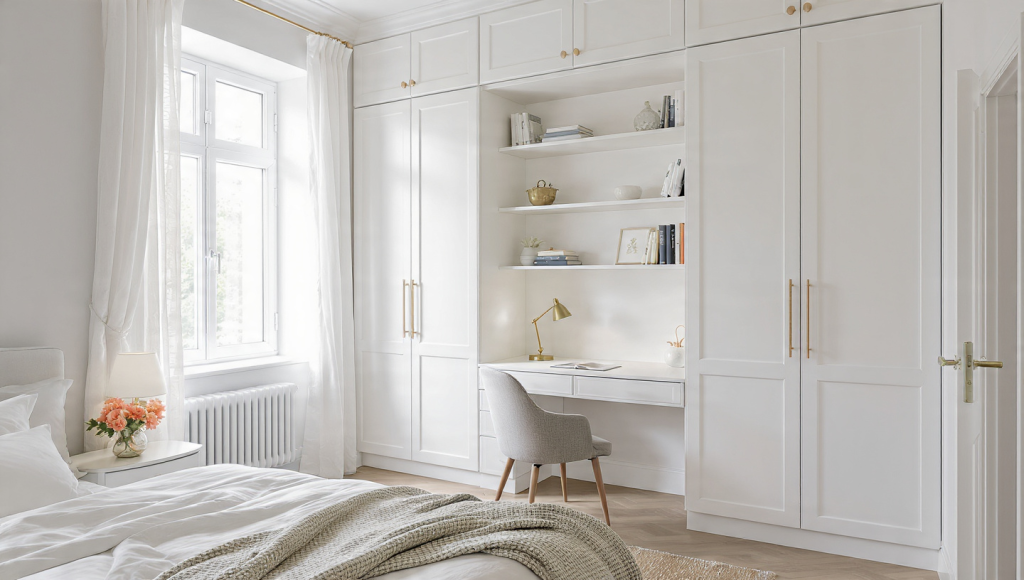
Carving out a desk area right next to the closet is an underrated solution. You can integrate shelves above for books and décor, while guests still have wardrobe space for their belongings . Careful attention to lighting is essential here—task lighting prevents the nook from feeling dark or cramped . Built-in cabinetry also offers hidden storage for office supplies or guest essentials .
8. The Sofa Bed Office
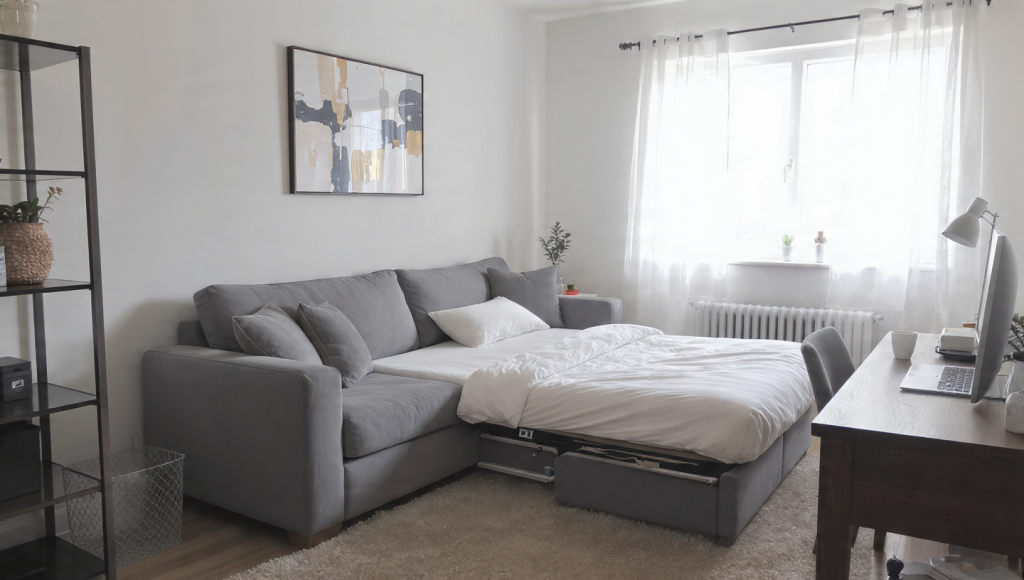
A high-quality sofa bed provides comfortable seating during work hours and converts into a bed for overnight guests . The latest designs are a far cry from the lumpy fold-out mattresses of years past—many now feature memory foam and modern styling . This option is ideal if your primary need is a functional office that can occasionally accommodate visitors .
9. The Scandinavian-Inspired Hybrid
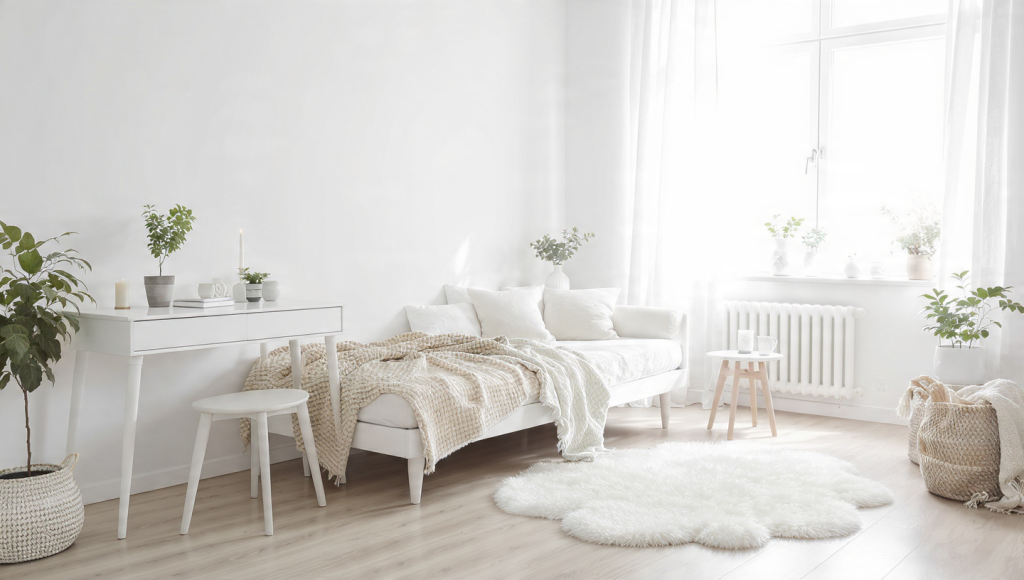
Embrace the principles of “hygge” with a Scandinavian-inspired design that prioritises cosiness and simplicity. A light, neutral colour scheme, natural wood tones, and layered textures create a calming backdrop for both work and rest . A simple, functional desk pairs with plush textiles like wool blankets and faux fur, while minimalist decor keeps the space feeling open and peaceful .
10. The Vertical Space Solution
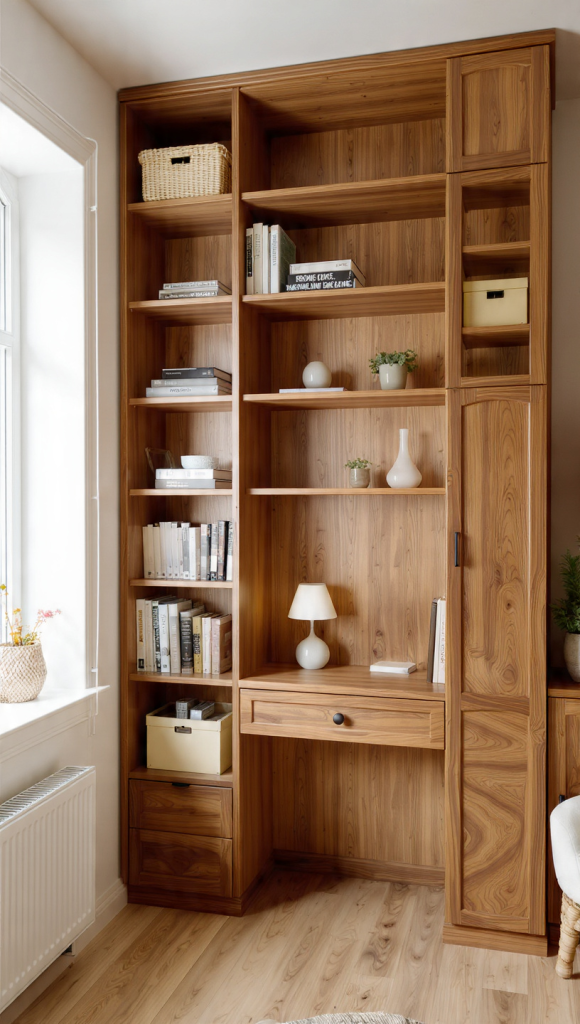
When floor space is limited, look up. A vertical desk design with a small footprint offers plenty of storage with built-in shelves . Mix work supplies with decorative items like small plants and framed photos so the desk blends in as a piece of furniture rather than an office station . Use matching storage boxes on the shelves to hide less attractive office supplies .
11. The Double-Duty Furniture Approach
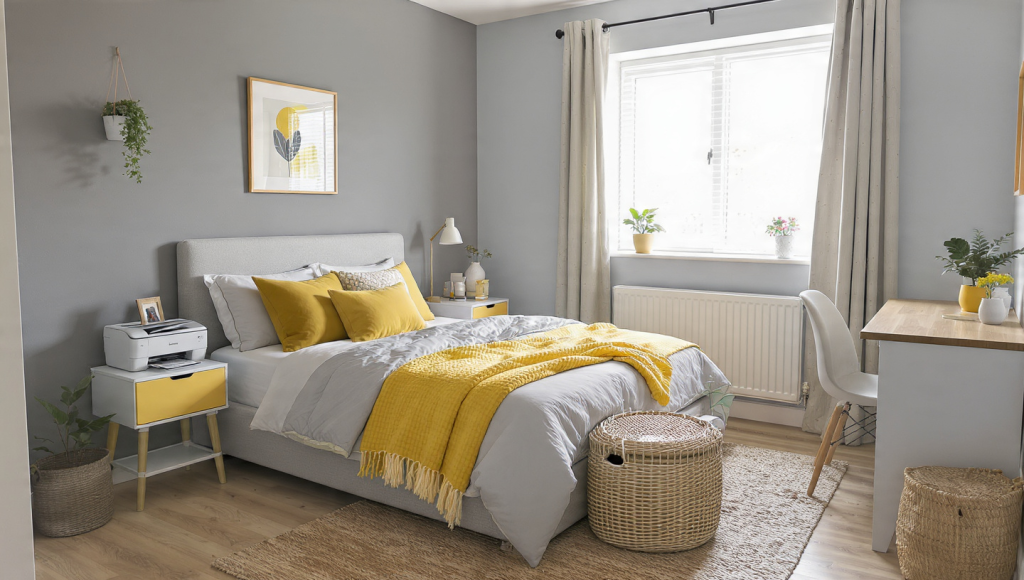
Make every piece earn its place. Think ottomans with hidden storage, a cabinet that doubles as both printer stand and nightstand, or a desk that can function as a bedside table . These pieces save space and money, though they require a sharper eye for matching styles so the room doesn’t look like a furniture thrift shop . Quality hinges and fabrics ensure guests don’t feel like they’re using flimsy furniture .
12. The Neutral Palette with Bold Accents
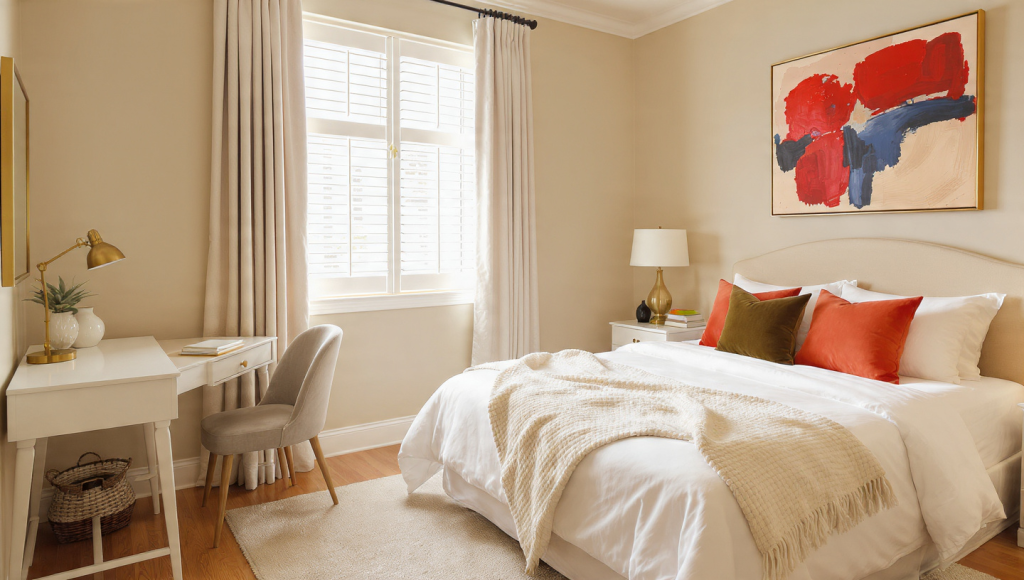
Use calm, neutral walls and furniture to make a small space feel bigger, while bold accent pillows, a statement lamp, or an eye-catching artwork add character . This balance helps both you and your guests feel at ease without sacrificing personality . Soft greys, beiges, and muted tones provide a soothing backdrop that seamlessly accommodates work and relaxation .
Key Considerations Before You Start
Before you buy a single piece of furniture, take time to plan. These considerations will save you money and frustration:
Assess Your Primary Use — Be honest about how you will use the room. If you work from home five days a week, the office function must take priority. If you host guests monthly, the bedroom aspect becomes more important. Your primary use should dictate your layout and furniture choices.
Measure Your Space Carefully — Know the exact dimensions of your room, including ceiling height, window placement, and door swing. This prevents the disappointment of buying furniture that does not fit. Sketch a floor plan before shopping.
Consider Natural Light — Position your desk near the window to benefit from natural light, which boosts mood and productivity. However, ensure guests have blackout options for sleeping. Sheer curtains during the day and blackout blinds at night offer the best of both worlds.
Plan Your Power Needs — Home offices require multiple power outlets for computers, monitors, lamps, and phone chargers. Consider having an electrician install additional outlets before you arrange furniture. Also plan for cable management to keep the room looking tidy.
Set a Realistic Budget — A dual-purpose room often costs more than a single-use space because furniture must work harder. Prioritise spending on items that will be used daily—a quality desk chair, for example—and save on decorative items.
Think About Flow — The room should feel spacious and logical. Avoid blocking windows, doors, or walkways. Guests should be able to move around the bed easily, and you should have clear access to your desk.
Essential Furniture for a Dual-Purpose Room
Choosing the right furniture is the backbone of a successful guest bedroom office. Here is what you need:
The Bed Solution — This is the most critical decision. Options include Murphy beds that fold into the wall, sofa beds that offer seating and sleeping, daybeds that work as sofas, trundle beds that slide out, and air mattresses for occasional use. Your choice depends on how often you host guests and how much space you have.
The Desk — Your desk should fit your work style. Consider a wall-mounted fold-down desk that tucks away, a compact writing desk with a small footprint, a standing desk for health benefits, or a floating desk mounted on brackets. Ensure it has enough surface area for your computer, paperwork, and daily essentials.
The Desk Chair — Never compromise on this item. An ergonomic office chair with lumbar support, adjustable height, and comfortable armrests will protect your back during long work hours. Choose a chair with wheels for easy movement and a design that does not look too “office-like” when guests arrive. A chair with a neutral fabric cover blends in better than a bold mesh or leather executive style.
Guest Storage — Guests need places to put their belongings. A luggage rack or foldable luggage stand keeps suitcases off the floor. Empty drawers or a closet rod with hangers allow guests to unpack if they are staying longer. A small bench at the foot of the bed provides seating and storage.
Nightstands — A small bedside table with a lamp, a glass of water, and space for a phone or book makes guests feel welcome. Choose a nightstand that also functions as extra storage or a printer stand when guests are not present.
Storage Solutions That Work Double Duty
Storage is often the biggest challenge in a small dual-purpose room. These solutions help:
Under-Bed Storage — The space under the bed is prime real estate. Use low-profile storage boxes on wheels for office supplies, guest linens, or seasonal items. If using a loft bed, the area underneath becomes a natural storage zone.
Ottomans with Storage — These versatile pieces provide seating and hidden storage. Use them for extra blankets, pillows, or files. They are easy to move and can serve as additional seating when guests are present.
Wall-Mounted Shelves — Floating shelves free up floor space and provide display and storage. Use them for books, plants, decorative items, or office supplies in matching boxes. Install them above the desk or bed to use vertical space.
Multi-Functional Cabinets — A cabinet can serve as a printer stand, a filing cabinet, and a nightstand all in one. Choose pieces with clean lines that work in both office and bedroom settings. Drawers hide clutter while the top surface displays a lamp or decorative items.
Rolling Carts — A slim metal or wooden cart on wheels can hold office supplies, printer paper, or guest toiletries. It can be rolled into the closet when guests arrive or positioned next to the desk for easy access.
Common Mistakes to Avoid
Even with the best intentions, it is easy to make mistakes. Here is what to watch out for:
Buying the Wrong Bed — A cheap sofa bed with a thin mattress will leave guests uncomfortable and you embarrassed. Test any sofa bed in person before buying. Look for memory foam mattresses, sturdy frames, and easy folding mechanisms. Read reviews from real buyers.
No Storage for Guests — Guests need somewhere to put their suitcase, hang clothes, and set down personal items. Without this, they will feel like intruders in your office. Include a luggage rack, empty drawers, or a closet rod with hangers.
Inadequate Lighting — Relying on harsh overhead lighting creates eye strain during work and an unwelcoming atmosphere for guests. Combine task lighting for your desk, ambient lighting for relaxation, and dimmable options for flexibility.
Underestimating Power Needs — You can never have too many power outlets. Extension cords create tripping hazards and look messy. Plan for multiple outlets near the desk and bedside, with USB charging options.
Forgetting About Temperature Control — A room that is too hot or too cold makes work difficult and guests uncomfortable. Ensure proper ventilation and consider a portable heater or fan. Check that windows open easily for fresh air.
Ignoring Sound — A room near a busy area or thin walls can be noisy. Consider a white noise machine, thick curtains that also absorb sound, or a simple fan for background noise.
Making It Too Personal — The room should reflect your taste but not be a shrine to your personality. Guests should feel like they are in a welcoming space, not someone else’s private sanctuary. Keep family photos and personal items minimal.
Conclusion
A guest bedroom that doubles as a home office is proof that smart design can solve modern living challenges. The key is intention—every choice, from the bed you select to the lighting you install, should serve both functions with equal care.
Start with a clear understanding of how you will actually use the space. If you work from home five days a week, prioritise ergonomic comfort and productivity. If you host guests monthly, focus on a comfortable bed and a welcoming atmosphere. The best rooms strike a balance that honours both uses.
Remember that the room will evolve. Your needs today may differ from those in five years. Choose flexible furniture and timeless styles that can adapt as your life changes. A space that can shift between office, guest room, nursery, or hobby space offers lasting value.
Do not underestimate the power of small touches. A fresh flower on the desk, a scented candle, a stack of guest towels—these details transform a functional room into a space that feels cared for. They communicate warmth and thoughtfulness to your guests and elevate your daily work experience.
Finally, be patient with yourself. Creating a successful dual-purpose room takes trial and error. You might rearrange furniture twice or upgrade your desk chair after a month of use. That is normal. The goal is a room that works for your life, not a picture-perfect magazine spread.
With thoughtful planning, smart furniture choices, and attention to detail, your guest bedroom office can become one of the most valuable and versatile spaces in your home—a place where productivity and hospitality coexist beautifully.
