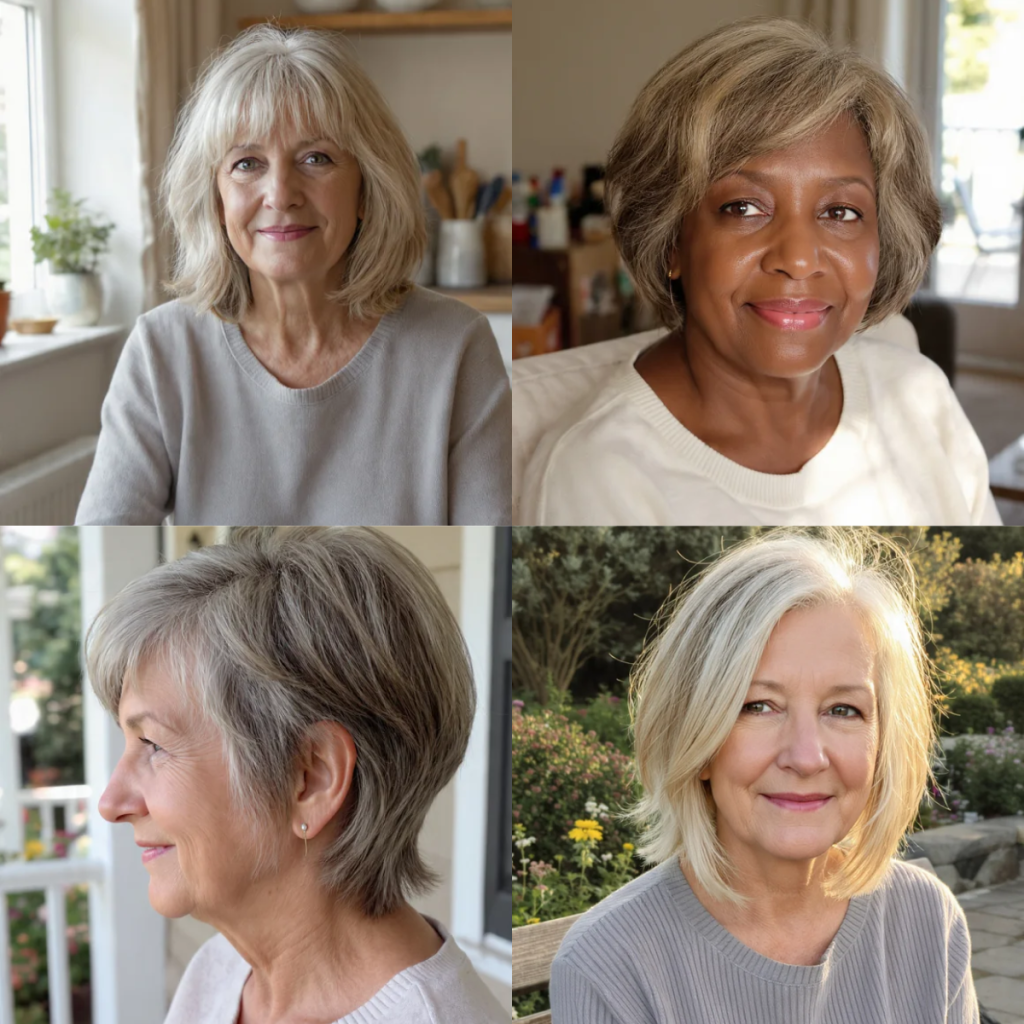
Thin hair can feel like a styling challenge, especially as we get older. Natural age-related thinning, changes in texture, and loss of density are incredibly common — but they don’t mean you have to settle for limp, flat styles. In fact, the right haircut can create the illusion of fullness, movement, and body. The secret? Layering. But not just any layers — strategic, well-placed layers on a medium-length cut.
Medium hairstyles (roughly chin to shoulder-length) are ideal for older women because they’re long enough to style softly but short enough to retain lift at the roots. When combined with thoughtful layering, they remove excess weight that pulls hair down while adding internal volume, texture, and shape. Below are 12 beautifully structured layered medium hairstyles designed specifically for fine, thin hair — each one low-maintenance, face-framing, and volume-enhancing.
Why Medium Length Is the Sweet Spot for Thin Hair
Many women assume shorter hair is always better for thinning hair, but that’s not entirely true. Extremely short cuts can expose scalp visibility, while very long hair weighs thin strands down, making flatness worse. Medium length — anywhere from the chin to just above the shoulders — offers the best of both worlds. It’s short enough to allow roots to lift easily but long enough to create soft movement and versatile styling. For older women, medium length also frames the face gracefully without harsh lines or constant trimming demands.
12 Layered Medium Hairstyles That Instantly Add Volume to Thin Hair:
1. The Chin-Length Layered Bob with Soft Crown Volume
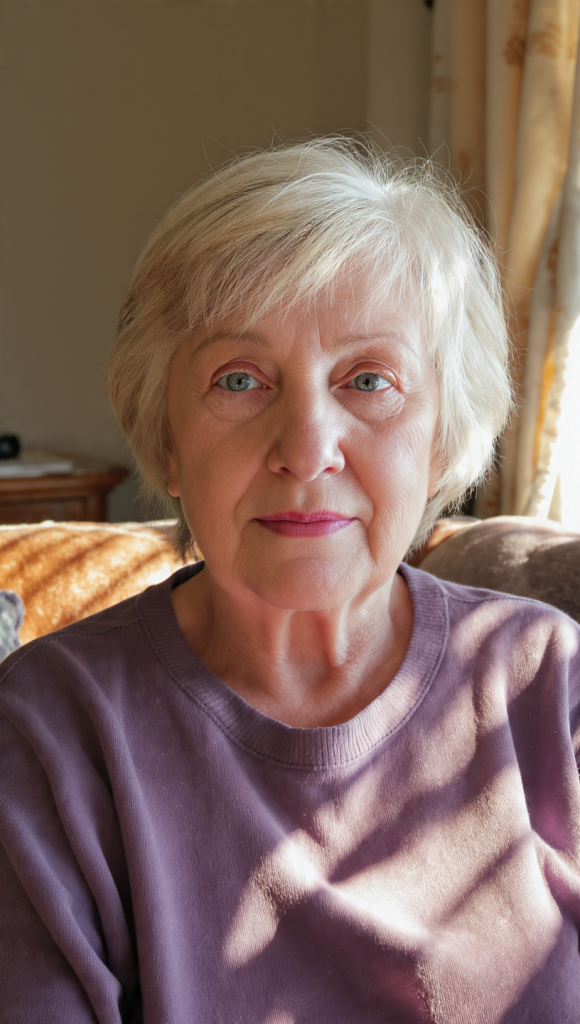
- Structure: Layers begin 2–3 inches from the crown, graduating shorter at the nape.
- Why it works for thin hair: Removes bulk underneath while lifting hair at the top.
- Styling tip: Blow-dry roots upward with a round brush.
- Best face shape: Oval, round, or heart.
2. The Textured Shoulder-Length Shag
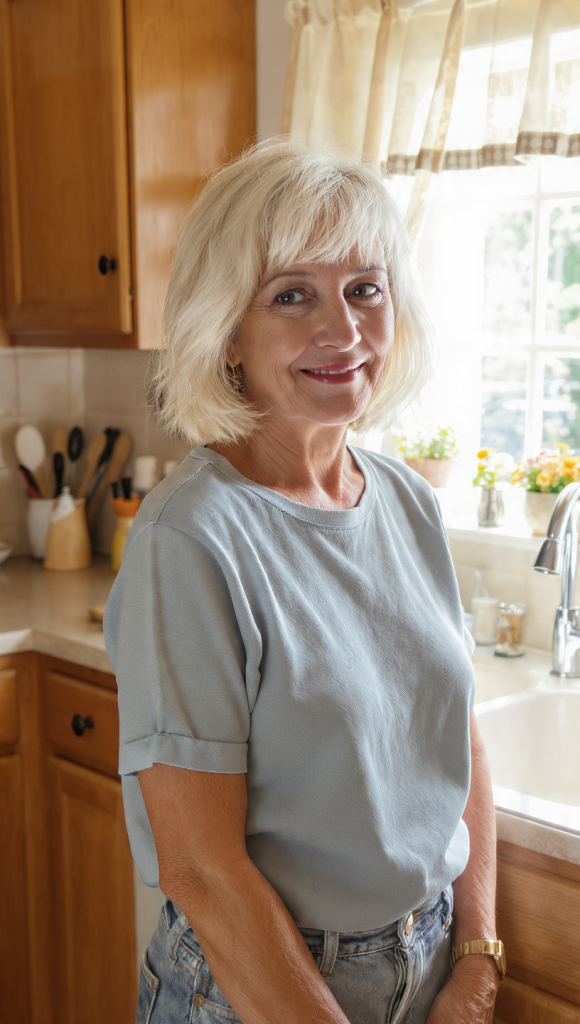
- Structure: Disconnected, choppy layers throughout with light fringe or curtain bangs.
- Why it works: Creates messy, piece-y texture that visually multiplies hair strands.
- Styling tip: Use a volumizing mousse and scrunch air-dry or diffuse.
- Best face shape: Square or oblong — softens jawlines.
3. The Asymmetric Layered Lob (Long Bob)

- Structure: Slightly longer in front (collarbone) with shorter, subtle internal layers.
- Why it works: Asymmetry draws the eye diagonally, giving the illusion of thicker density.
- Styling tip: Add a light dry shampoo at the roots for grip and lift.
- Best face shape: Round or diamond — lengthens the face.
4. The Layered Pixie-Bob Hybrid

- Structure: Short at the nape, gradually longer to the chin, with fine, wispy layers on top.
- Why it works: Minimal length = maximum root lift; layers prevent a “helmet” look.
- Styling tip: Rub a pea-sized amount of texturizing paste between fingers and rake through.
- Best face shape: Oval, heart, or angular.
5. The Curtain-Bang Layered Cut
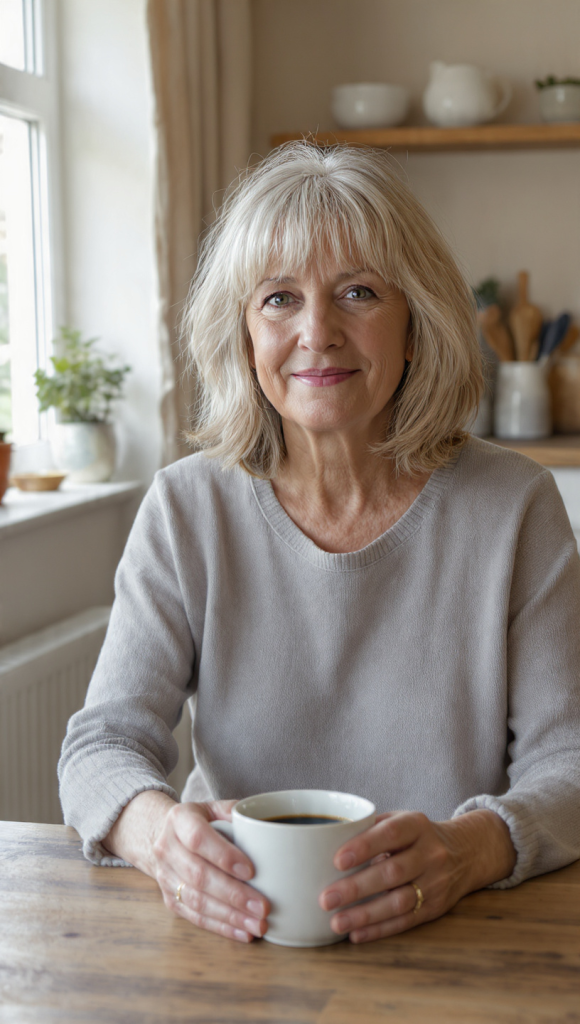
- Structure: Face-framing curtain bangs that blend into long, subtle layers through the ends.
- Why it works: Bangs add thickness around the forehead without heavy bulk elsewhere.
- Styling tip: Blow-dry bangs side-to-side first, then back and away from the face.
- Best face shape: Long or pear-shaped — shortens and widens visually.
6. The Feathered Medium Cut
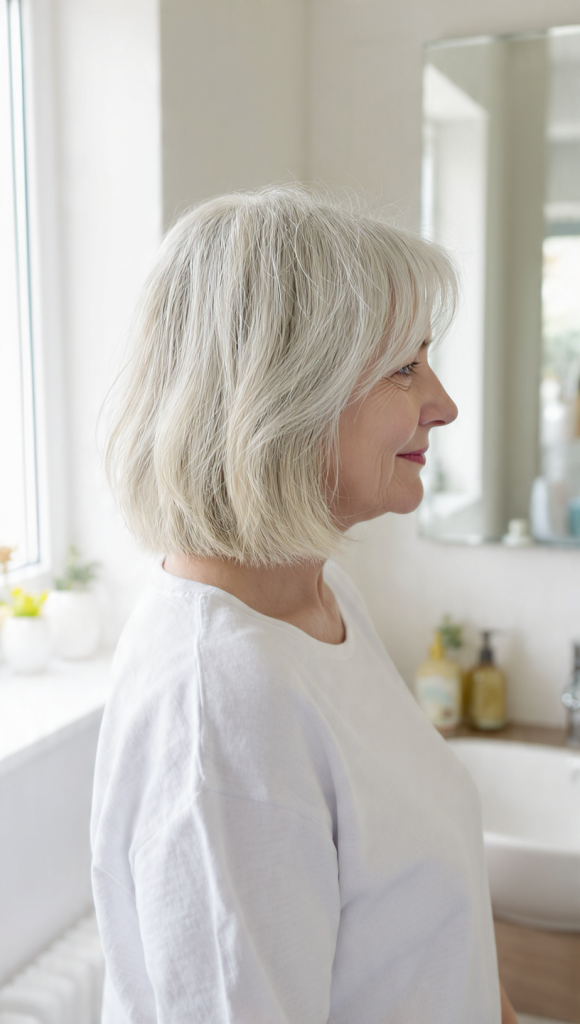
- Structure: Light, feather-like layers (popular in the ’70s/’80s) angled away from the face.
- Why it works: Each layer is carved out to sit slightly apart, boosting fullness.
- Styling tip: Velcro rollers on the crown for 10 minutes after blow-drying.
- Best face shape: All shapes, especially round — adds height.
7. The Invisible-Layer Cut (Weight Line Removal)
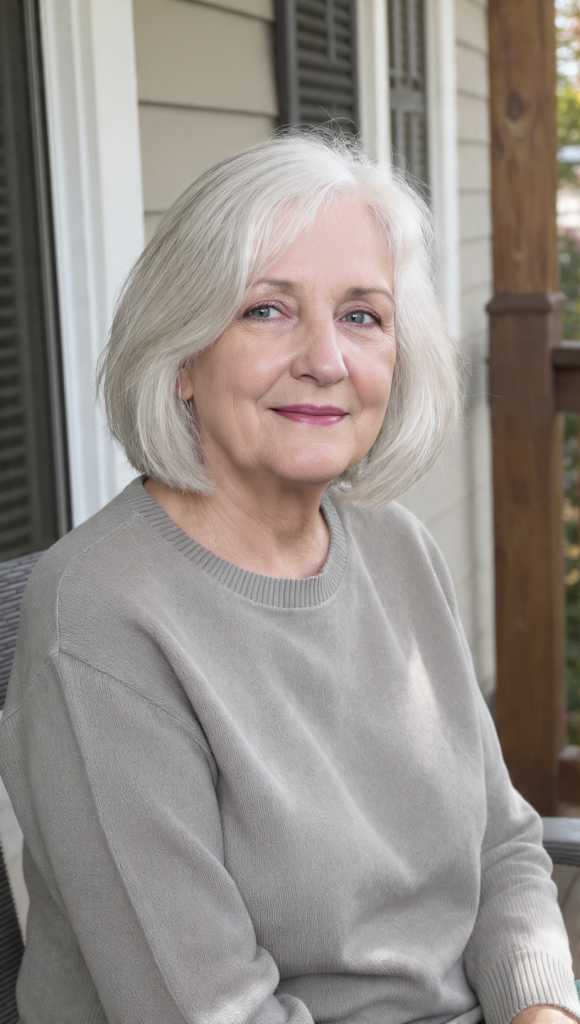
- Structure: Very fine “invisible” interior layers that remove weight without changing the perimeter length (e.g., shoulder-grazing).
- Why it works: Eliminates the flat, triangular shape thin hair often falls into.
- Styling tip: Flip head upside down when blow-drying for instant root volume.
- Best face shape: Any — universally flattering because it keeps length.
8. The Stacked A-Line Bob (Medium Length)
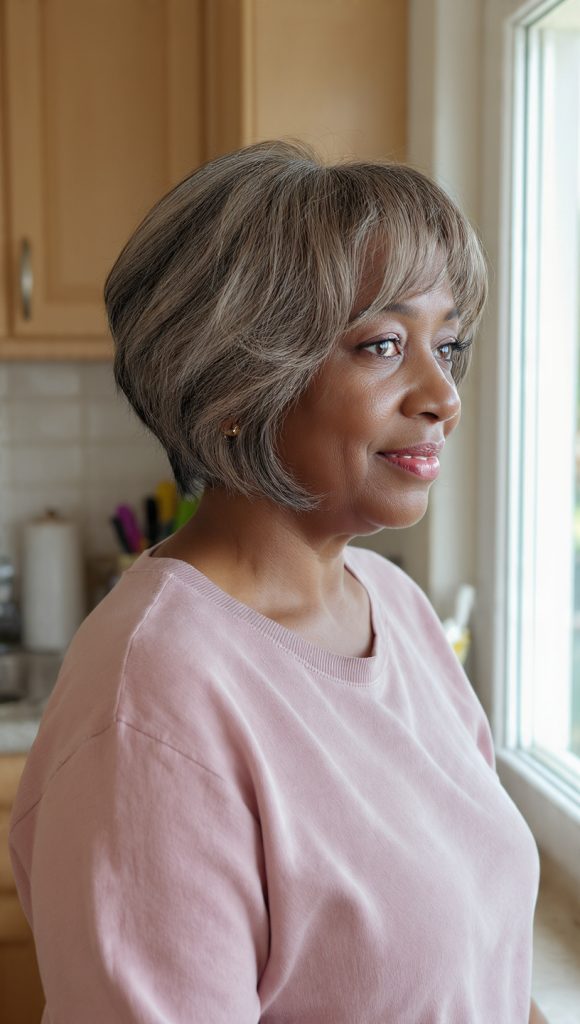
- Structure: Stacked layers in the back with an angled, slightly longer front (think chin to shoulders).
- Why it works: Stacking creates built-in volume at the crown and nape.
- Styling tip: Use a small round brush only on the back stacked section to amplify the shape.
- Best face shape: Round or full — the A-line slim effect works wonders.
9. The Softly Rounded Layered Cut
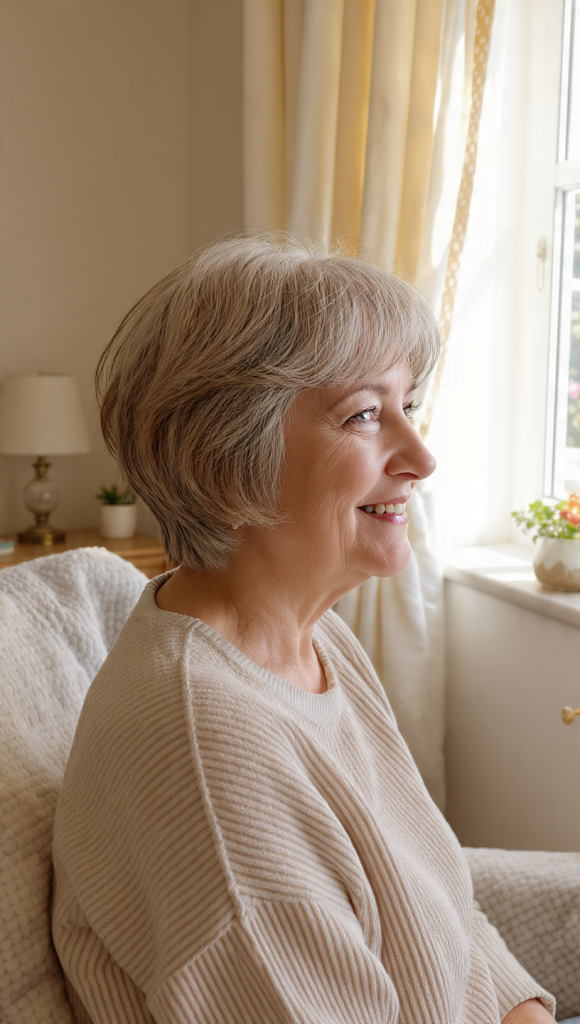
- Structure: Layers curved inward at the ends, with no blunt lines; length between ear and shoulder.
- Why it works: Round shapes reflect light, giving the appearance of denser hair.
- Styling tip: A light spritz of salt spray on damp hair adds texture without heavy product.
- Best face shape: Square or oblong — softens strong angles.
10. The Wispy-Ends Layered Collarbone Cut
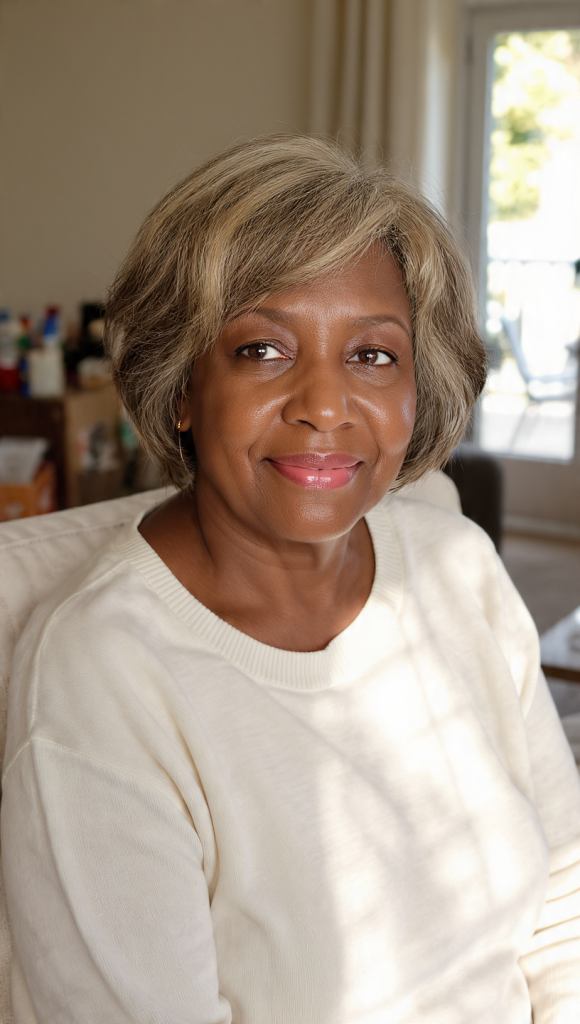
- Structure: Solid perimeter but ends are point-cut into fine wispy layers.
- Why it works: Wispy ends prevent thin hair from looking “see-through” and blend sparse areas.
- Styling tip: Flat iron only the last inch of each section outward for a flipped, fuller look.
- Best face shape: Heart or oval — keeps focus on eyes and cheekbones.
11. The Deep Side-Part Layered Cut

- Structure: All layers cut to be styled drastically off-center (2/3 to 1/3 part).
- Why it works: Deep side parts create instant height at the higher side and cover thinner temples.
- Styling tip: Blow-dry the higher side up and over with a vent brush.
- Best face shape: Round or square — breaks symmetry beautifully.
12. The Modern Mullet (Soft Feminine Version)
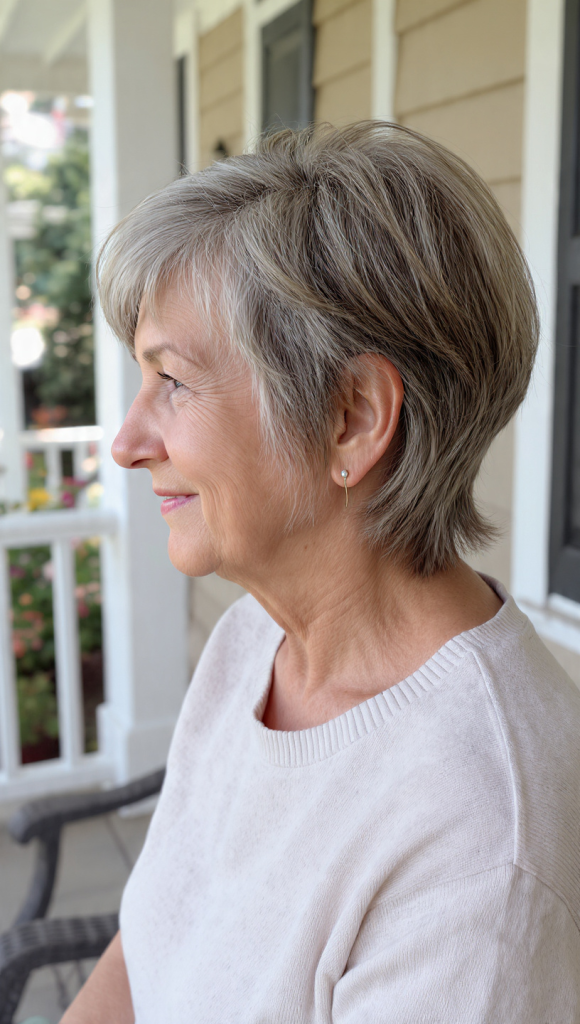
- Structure: Shorter, tighter layers on top and crown, longer softer layers in back (collarbone length).
- Why it works: Dense top layers provide major lift; longer back layers keep it feminine, not edgy.
- Styling tip: Work a lightweight gel foam through roots only before blow-drying.
- Best face shape: Oval or long — adds width where needed.
How Layers Actually Create Volume (The Mechanics)
Layers work by removing weight from the interior of the hair while preserving length at the perimeter. Think of it like pruning a bush: removing some inner bulk allows the outer shape to appear fuller and more dynamic. For thin hair, the key is light, internal layers — not dramatic, chunky ones. A skilled stylist will cut layers that stack subtly, allowing hair to “sit” on itself rather than falling flat. This technique creates what stylists call “lift through layering,” where shorter under-layers push longer top layers outward, mimicking density that isn’t naturally there.
What to Ask Your Stylist (Exact Wording)
When you sit in the salon chair, vague requests like “just add some layers” often backfire for thin hair. Instead, use these exact phrases:
- “I want light, internal layers that remove weight without taking off length from the perimeter.”
- “Please point-cut the ends rather than blunt-cutting — I need wispy, not heavy.”
- “Keep the shortest layer no higher than my ears so I don’t lose volume at the crown.”
- “Do not use a razor. Scissors only.” (Razors fray fine hair and cause split ends.)
Also bring a photo of your chosen style from the 12 ideas above. Visuals communicate better than words alone.
Everyday Styling Routine for Maximum Fullness
Even the best layered cut needs the right home routine. Follow these steps:
- Wash with volumizing shampoo designed for fine hair (avoid “moisturizing” or “smoothing” formulas — they weigh hair down).
- Condition only the ends — never the roots. Leave conditioner on for 30 seconds maximum.
- Towel-dry gently (no rubbing). Apply a lightweight mousse or root-lifting spray to damp roots.
- Blow-dry upside down for the first two minutes to shock the roots into lifting.
- Use a small round brush (1.5-inch barrel) on the crown only. For the rest, finger-style or use a vent brush.
- Finish with dry shampoo at the roots — even on clean hair. This adds grip and texture that mimics thickness.
Total time: under 10 minutes.
Products to Use — and What to Avoid
| Use These | Avoid These |
|---|---|
| Volumizing mousse | Heavy oils (coconut, argan) |
| Root-lifting spray | Silicone-based serums |
| Light dry shampoo | Thick creams or butters |
| Salt spray (sparingly) | “Smoothing” shampoos |
| Texturizing powder | Leave-in conditioners near roots |
One pro tip: Rotate two different volumizing shampoos every wash. Hair adapts to formulas, so switching prevents product fatigue and keeps lift consistent.
Maintenance Schedule for Thin Layered Hair
Layered cuts on thin hair lose their shape faster than blunt cuts because the layers settle and flatten as hair grows. Stick to this schedule:
- Every 6–7 weeks: Trim to refresh layers and remove split ends. Don’t skip — thin hair shows damage more visibly.
- Every 12 weeks: Slightly reshape the layering pattern if volume seems to be dropping off.
- Daily: Use dry shampoo at night before bed, not in the morning. Sleeping in it allows the product to absorb oil gradually, giving you ready-to-go volume when you wake up.
Common Mistakes That Ruin Thin Hair Layers
Even with a great cut, these errors will sabotage your volume:
- Over-conditioning — This is the number one mistake. Thin hair needs conditioner only on the last two inches.
- Skipping heat protectant — Fine hair burns faster, and damaged thin hair becomes see-through.
- Washing daily — Thin hair actually benefits from second-day oil. Wash every other day at most.
- Using wide-tooth combs on dry hair — This flattens layers. Use your fingers or a boar-bristle brush only.
- Asking for “more layers” when volume drops — Often, what you need is a dusting of the ends, not additional layering.
When Layering Isn’t Enough (Medical Realism)
Let’s be honest: for some women, age-related thinning is hormonal or genetic. If you’ve tried layered cuts, volumizing products, and proper styling but still see significant scalp visibility or persistent flatness, consider these next steps:
- Consult a dermatologist to rule out thyroid issues, iron deficiency, or androgenetic alopecia.
- Try topical minoxidil (Rogaine) — the only FDA-approved treatment for female pattern hair loss. Results take 4–6 months.
- Ask about low-level laser therapy or platelet-rich plasma (PRP) treatments — both have evidence for stimulating thinning hair in older women.
- Consider scalp powders or fibers (like Toppik) that adhere to existing thin hair and create instant visual density.
A layered cut works beautifully with these interventions, not instead of them.
Conclusion
Thin hair after 60 or 70 doesn’t have to mean flat, lifeless, or aging styles. The right layered medium haircut can transform not just how your hair looks, but how you feel about yourself every morning when you look in the mirror. The 12 styles outlined here — from the chin-length bob to the soft modern mullet — all share one thing in common: they work with thin hair’s limitations, not against them.
Remember the three pillars: light internal layers, medium length, and strategic styling. Ask your stylist for the right cut, use lightweight products, and commit to a 10-minute daily routine that prioritizes root lift. And if you’re still struggling with volume despite all of this, don’t suffer in silence — a dermatologist can offer medical solutions that paired with your beautiful new haircut will give you the fullness and confidence you deserve.
Your hair has carried you through decades of life. Now let it carry you gracefully — and fully — into this next chapter.
