For years, mulch has been the default choice for garden beds and landscaping projects. But if you’re tired of replacing wood chips every spring and watching them wash away in heavy rain, it might be time to consider a permanent solution. River rock landscaping offers a stunning, low-maintenance alternative that doesn’t decompose, won’t blow away, and can actually save you money in the long run.
While traditional wood mulch breaks down and needs refreshing every one to two years, river rock lasts for decades . Yes, the upfront cost is higher—typically $80 to $140 per cubic yard installed compared to mulch’s $30 to $45—but over a five-to-ten-year period, you’ll come out ahead on both material and labor costs . Beyond the financial benefits, river rock provides superior drainage, helps prevent erosion on slopes, and offers a fireproof ground cover that creates defensible space around your home .
There’s a common misconception that river rock is a “set it and forget it” solution, and while it’s certainly lower maintenance than mulch, it still requires some care. Leaves can collect between the stones, and weeds may eventually sprout through even the best landscape fabric . However, with proper installation and occasional maintenance, river rock can transform your landscape into a polished, durable space that highlights your plants and hardscaping features beautifully.
Whether you’re looking to solve drainage issues, reduce yard work, or simply upgrade your curb appeal, here are 17 creative ways to incorporate river rock into your landscape design.
17 River Rock Landscaping Ideas
1. Dry River Bed
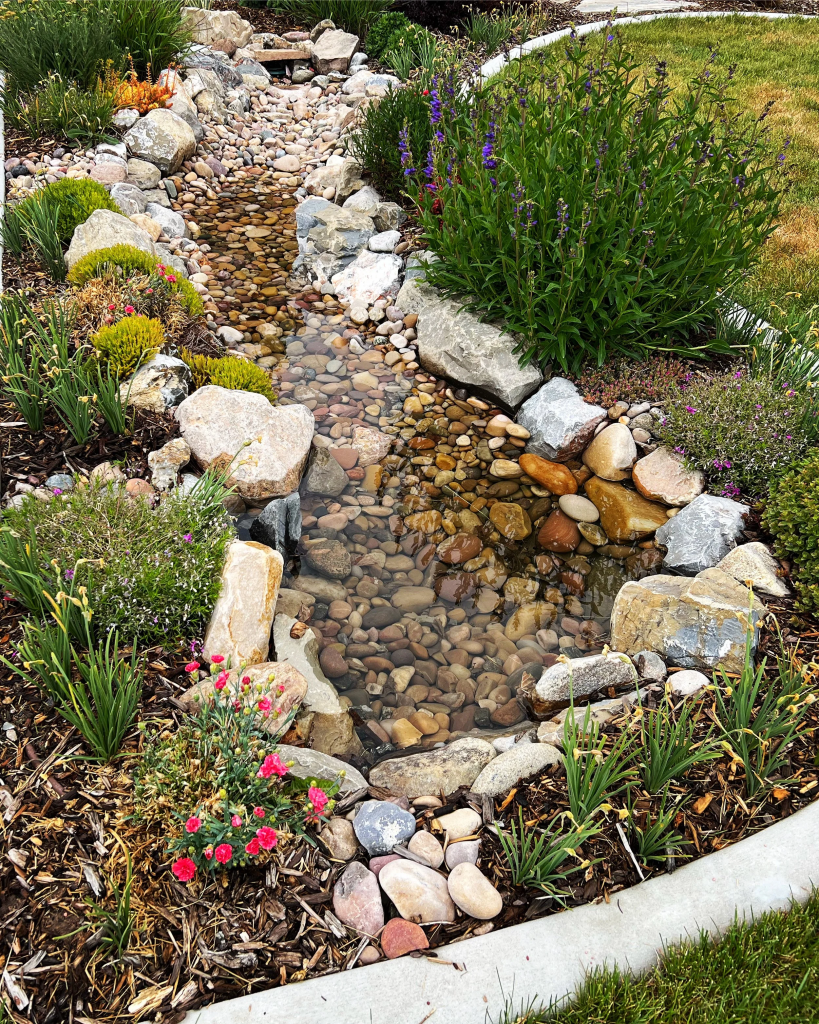
If your yard has drainage problems or sloping areas where runoff is an issue, a dry river bed is both functional and beautiful. Dig a shallow trench, line it with landscape fabric, and arrange river rocks in a stream-like formation using various sizes and colors. The rocks guide rainwater away from problem areas while creating the illusion of a natural waterway .
2. Garden Borders and Edging
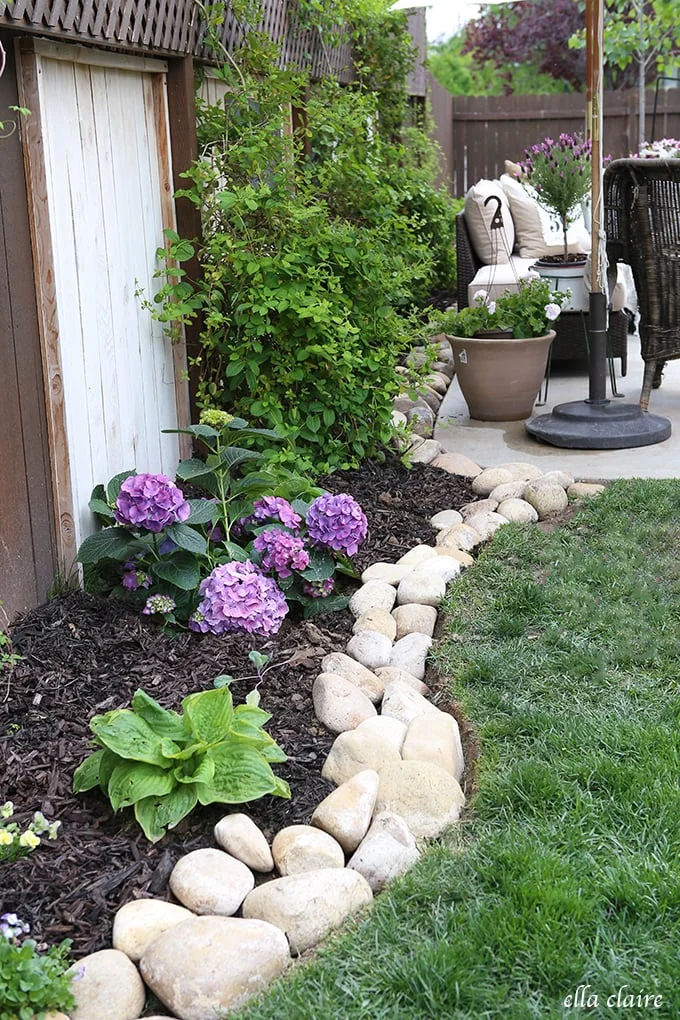
River rock’s smooth texture and earthy tones make it an excellent border material. Use it to frame flower beds, create clean lines around walkways, or define separate zones within your garden. The rounded stones create a polished look that complements both traditional and modern landscapes .
3. Fire Pit Area
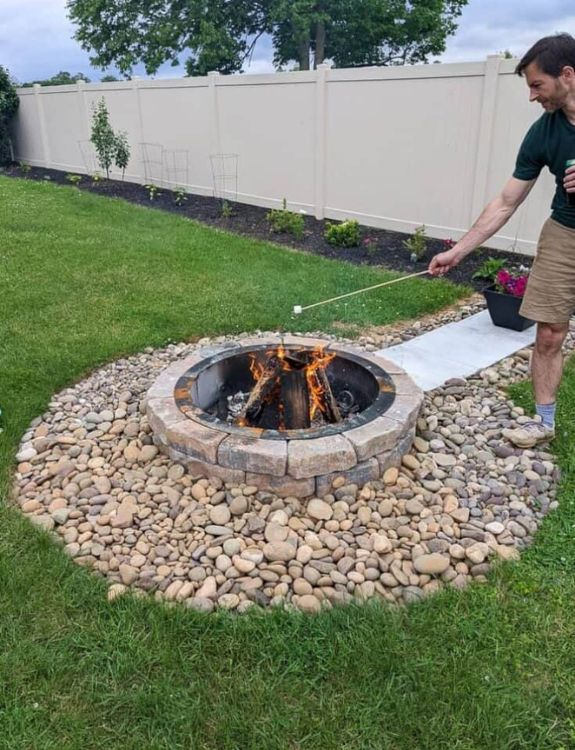
Create a cozy gathering spot by surrounding your fire pit with river rock. The stones provide excellent drainage, eliminate muddy puddles, and create a heat-resistant barrier between the fire and your landscaping. Pair medium-sized rocks as a border with smaller pebbles filling the surrounding area for a sophisticated look .
4. Stepping Stone Pathways
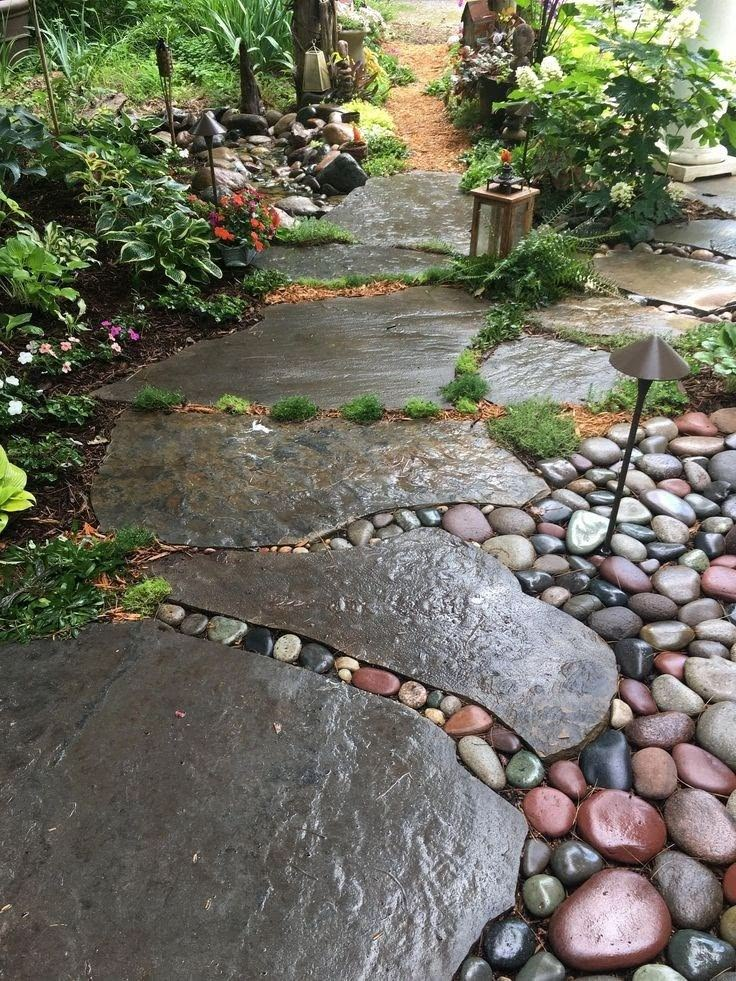
Combine large flat stepping stones with smooth river rocks to create a functional walkway that blends naturally into your landscape. The rocks between pavers help with drainage, prevent mud, and add texture to your garden paths .
5. Rock Gardens
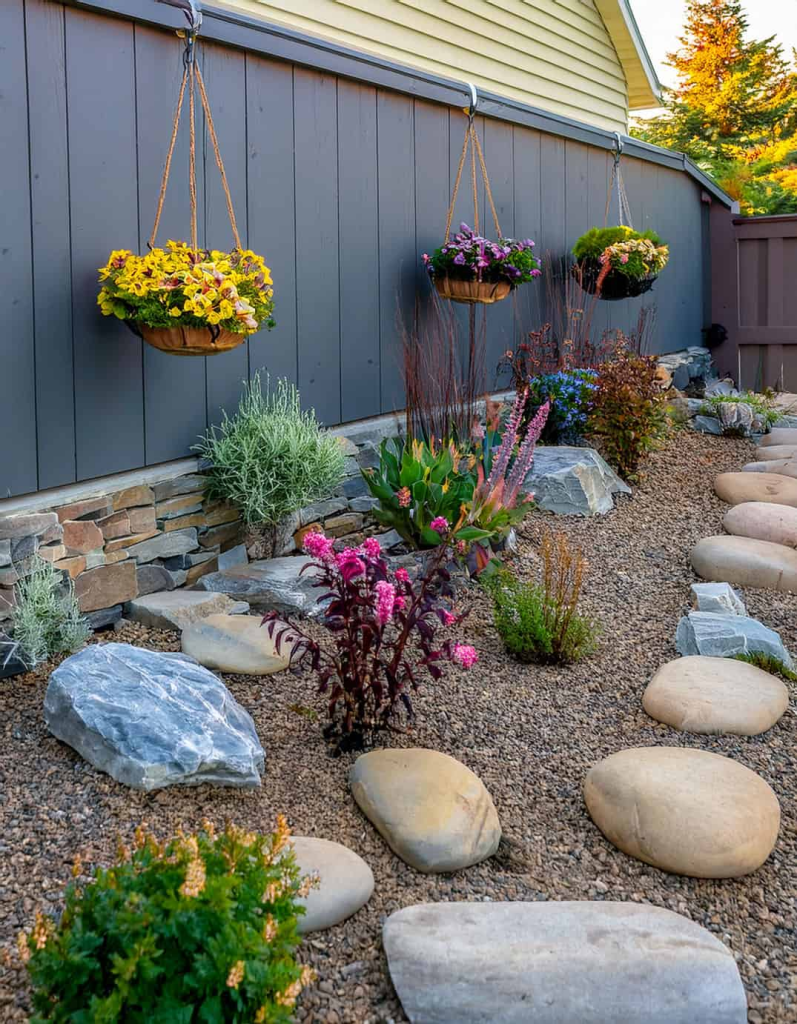
Transform tricky spots—like sloped areas or places where grass struggles to grow—into stunning rock gardens. Combine river rock with larger boulders and drought-tolerant plants like sedums or creeping phlox. The result is a low-maintenance, visually interesting space that adds a calming vibe to your yard .
6. Water Features
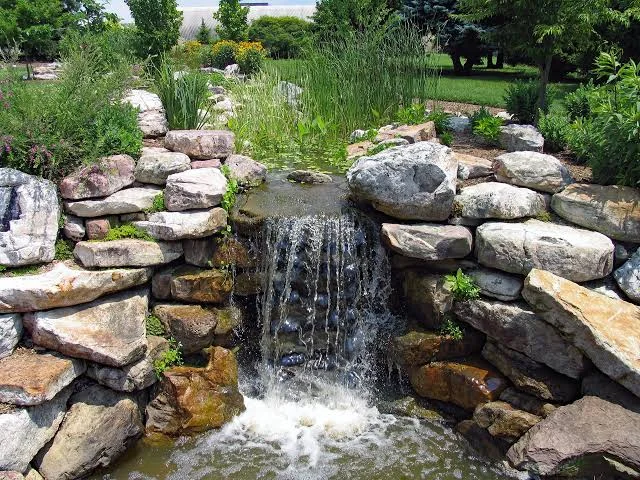
River rock is a natural choice for ponds, fountains, and waterfalls—after all, it’s shaped by water in nature. Use larger stones to line the edges and smaller rocks to fill gaps and cover the base. The smooth texture allows water to flow freely while enhancing the calming sounds of moving water .
7. Pea Gravel Driveways and Patios
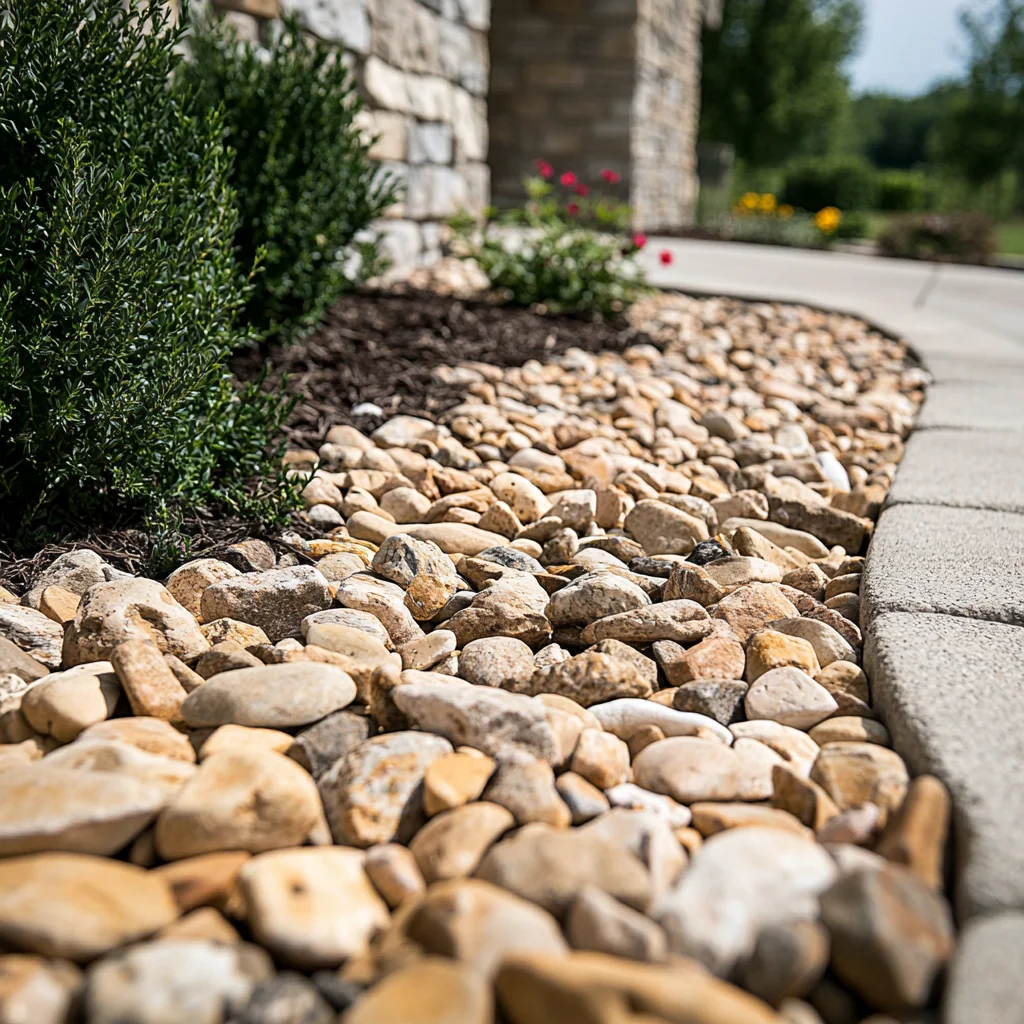
For a stylish, budget-friendly alternative to concrete or pavers, consider a pea gravel driveway or patio. Edge the area with larger river rocks to contain the smaller stones, and enjoy excellent drainage that prevents puddles after rain. Lighter stones create a modern aesthetic while deeper tones offer a rustic feel .
8. Planters and Container Gardens
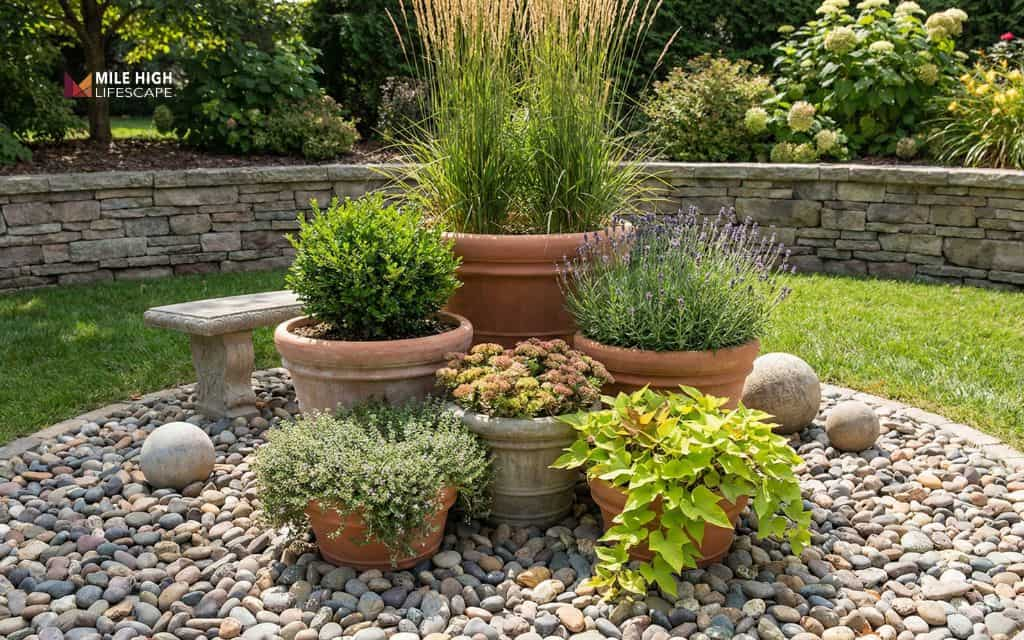
Use river rocks as a top dressing in planters to retain soil moisture and prevent splashing when watering. You can also place larger rocks at the bottom of containers to improve drainage. The neutral stones create beautiful contrast with colorful flowers and deep green foliage .
9. Tree Borders
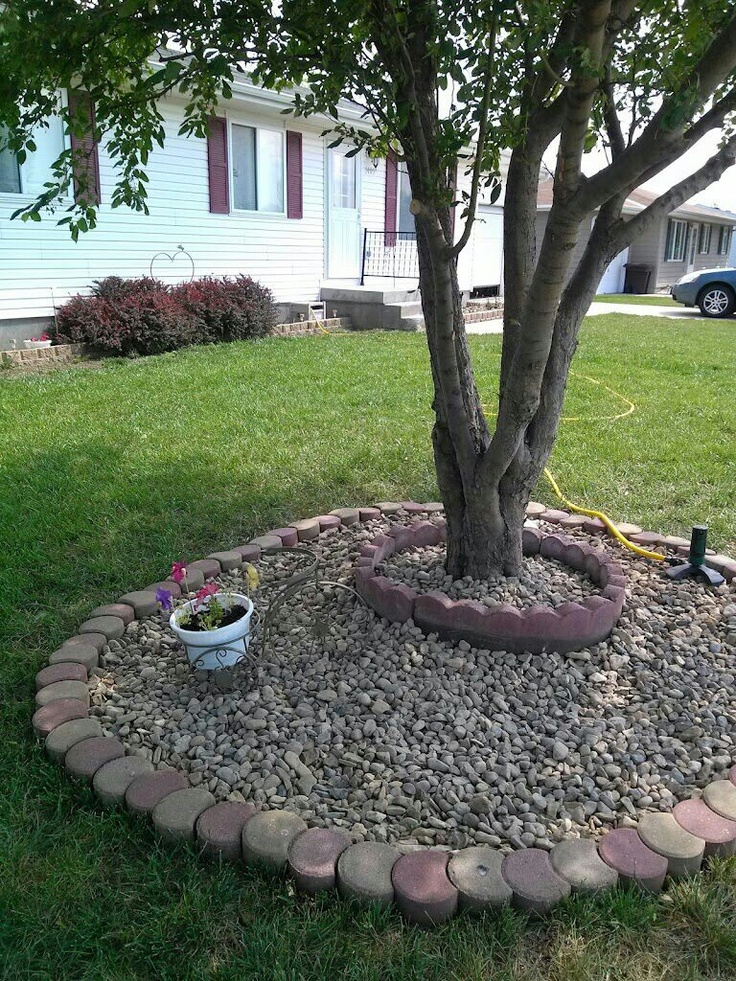
Protect your trees and enhance curb appeal by creating a river rock border around the base. The rocks reduce weed growth, retain soil moisture, and shield roots from lawn mower damage. Use a single layer for a clean look or stack stones for added depth .
10. Zen Garden
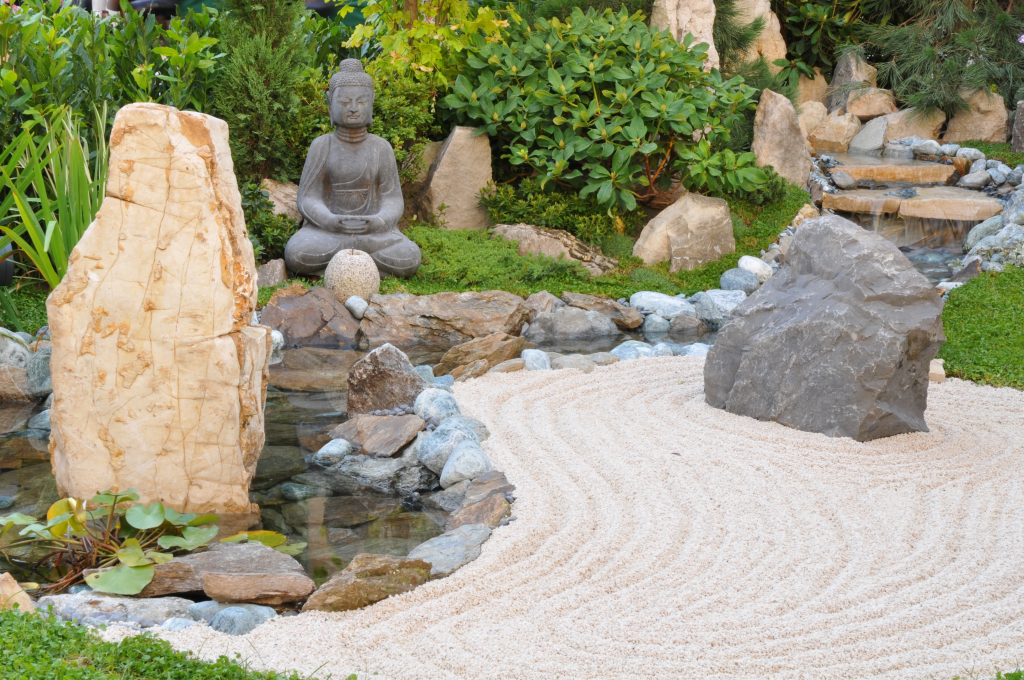
Dedicate a corner of your yard to a calming Zen garden using river rocks as the foundation. Rake small pebbles into flowing patterns, add a few larger stones as focal points, and incorporate minimal greenery for a serene, meditative space .
11. Downspout Drainage Areas
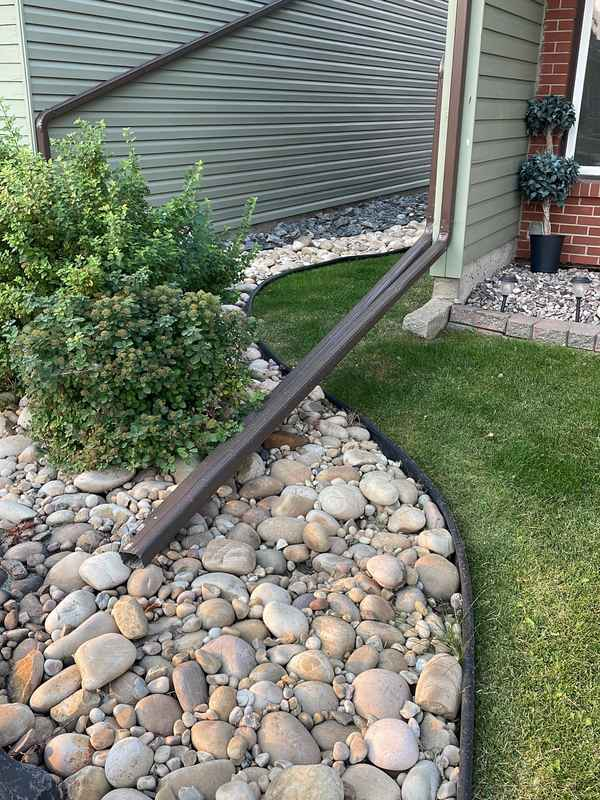
Place river rock beneath downspouts and in low spots where water pools to manage runoff and prevent soil erosion. The stones allow water to flow through quickly while preventing splash-back near your foundation .
12. Retaining and Gabion Walls
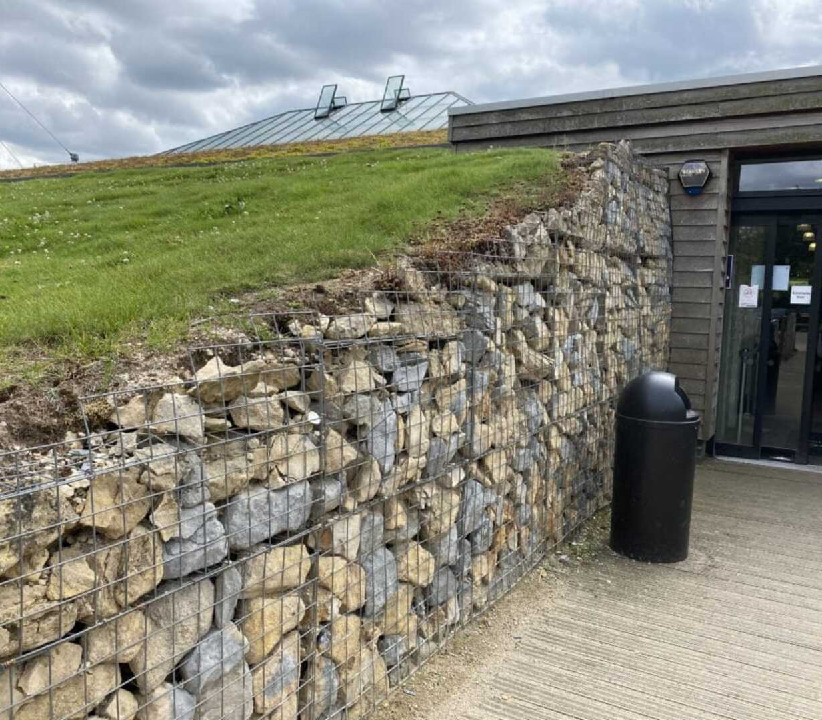
Use river rocks to build functional retaining walls that prevent soil erosion and add visual interest. For a modern look, fill wire mesh cages with river rocks to create gabion walls that can incorporate seating or lighting .
13. Driveway Edging
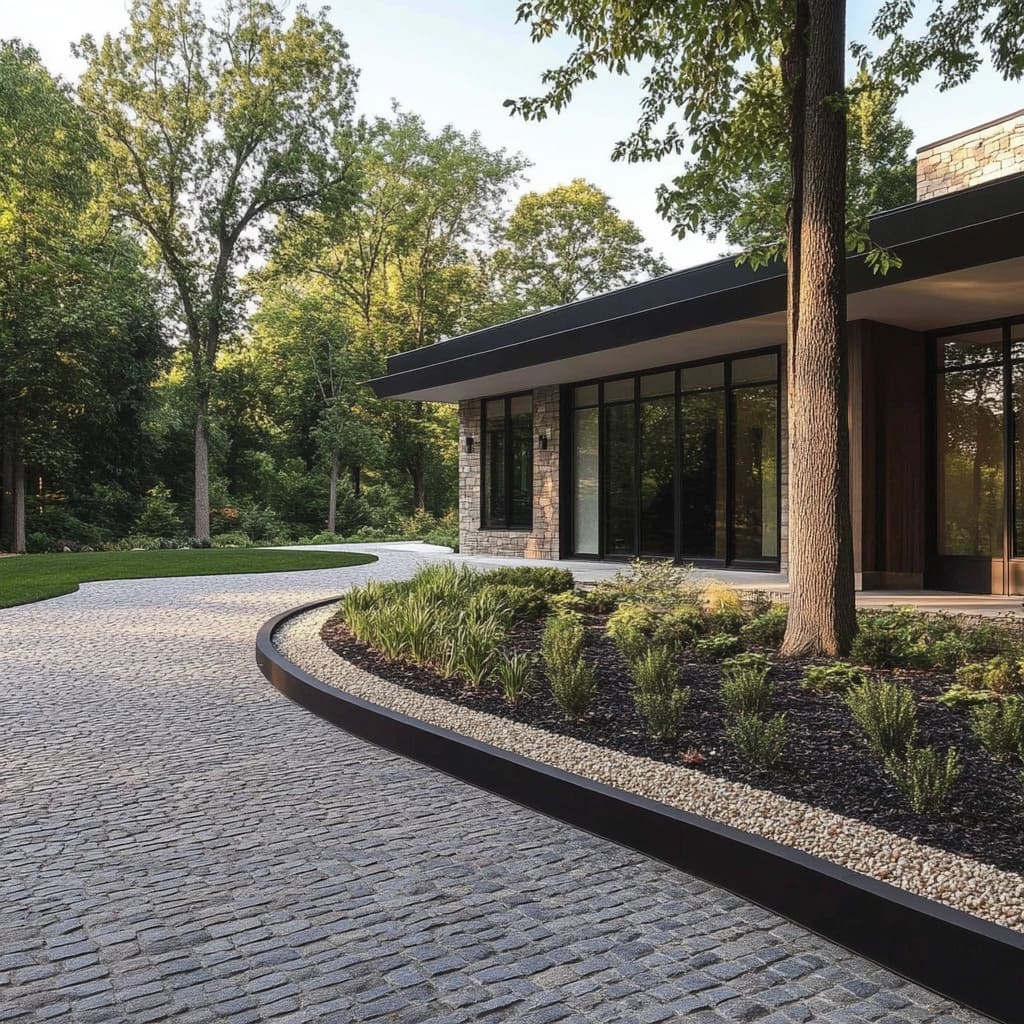
Upgrade your driveway’s curb appeal by lining it with a border of river rocks. This simple upgrade draws the eye away from cracked or aging asphalt and makes your driveway appear wider and more intentional. Choose locally sourced stones in colors that complement your environment .
14. Mulch Replacement in Flower Beds
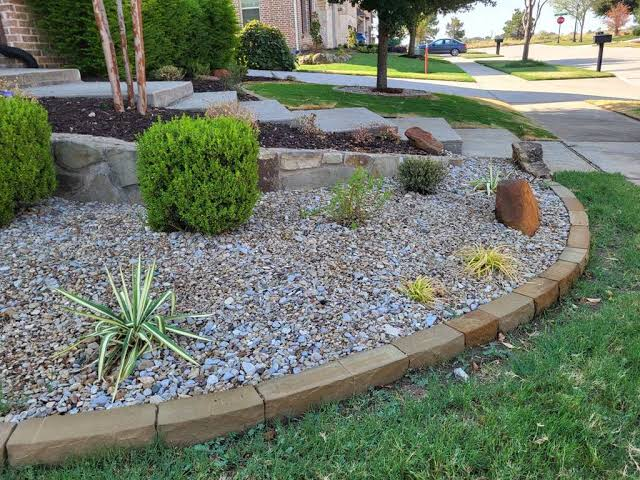
Swap out wood mulch for river rock in flower beds to create a clean, durable backdrop that won’t decompose or blow away. The rocks keep soil in place, prevent weed growth, and retain moisture—all without needing annual replacement .
15. Decorative Accents
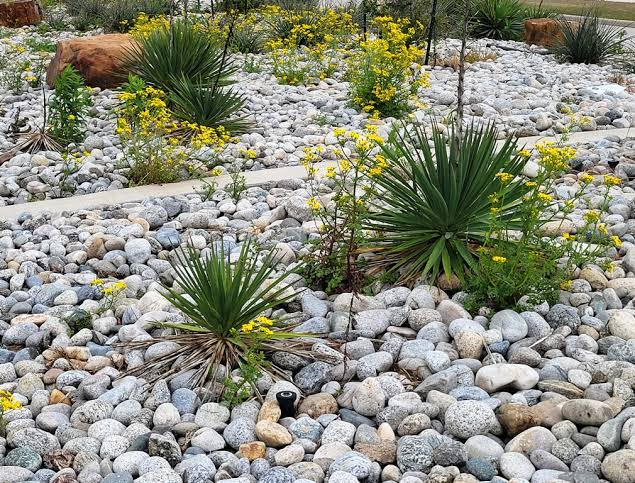
Get creative with river rock as decorative elements throughout your yard. Fill planters with small stones, use them as a base for garden sculptures or art, or arrange them in patterns to create custom mosaics. Because river rock is easily removed, it’s a low-stakes way to experiment with visual interest .
16. Ground Cover Around Specimen Plants
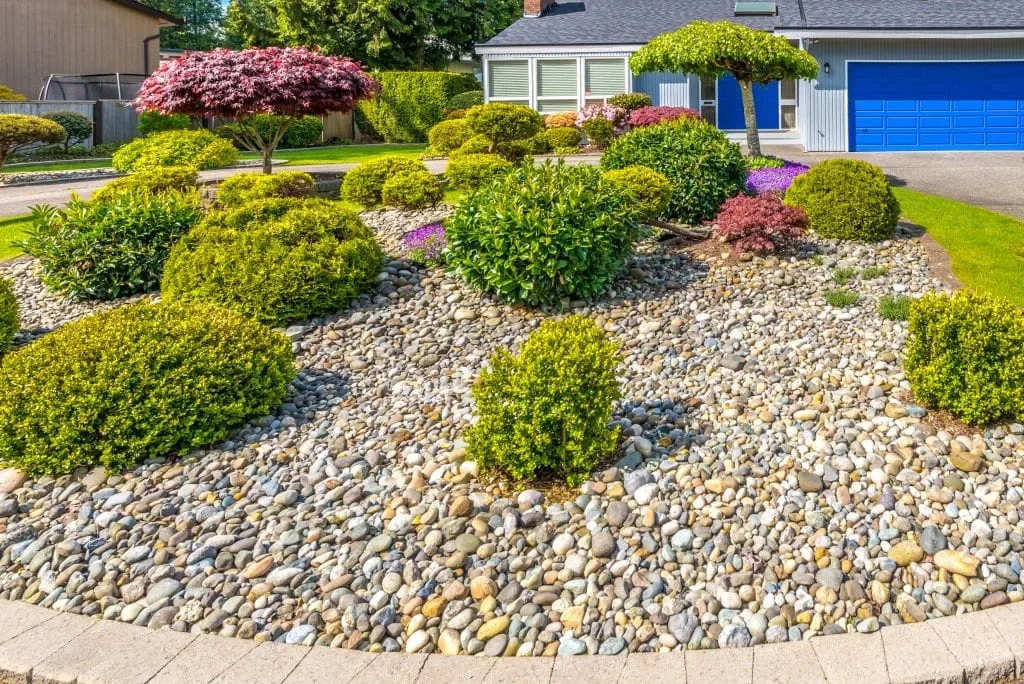
Call attention to favorite shrubs or specimen trees by surrounding them with medium-sized river stones. This creates a “living sculpture” effect while discouraging weed growth around prized plants. For best results, install a weed barrier beneath the stones .
17. Low-Maintenance Ground Cover for Rental Properties
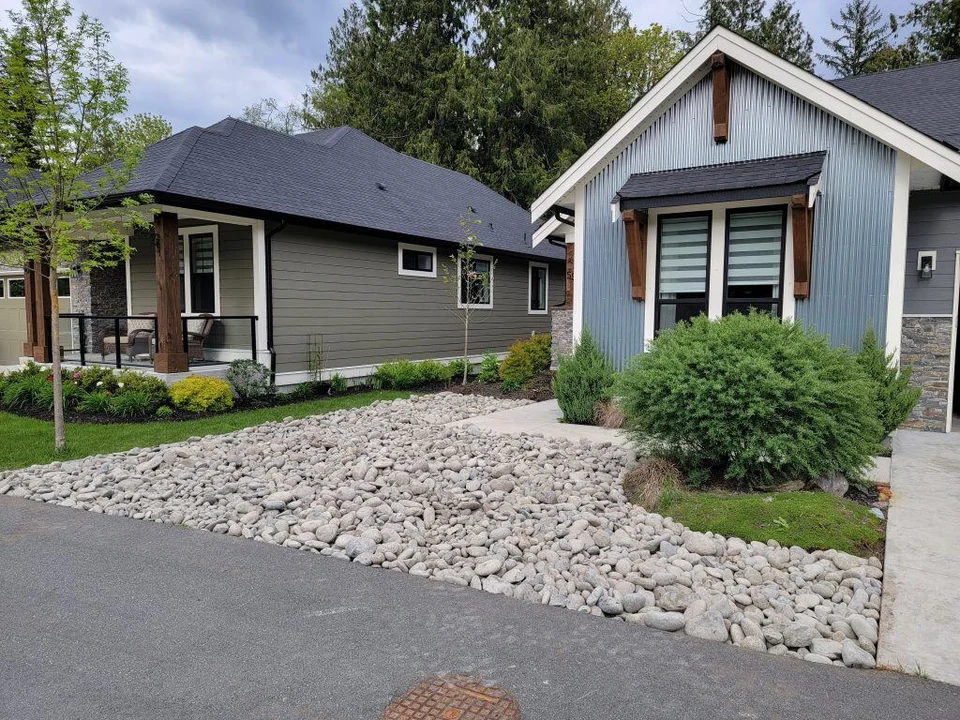
Property managers love river rock for rental and commercial properties because tenants won’t refresh mulch and foot traffic drags organic materials around. River rock holds up without constant maintenance and creates a structured, tidy appearance that lasts .
Advantages of River Rock
- Longevity: River rock never decomposes, meaning it doesn’t need annual replacement like wood mulch. Once installed properly, it can last a lifetime.
- Low Maintenance: No annual topping up, no rotting, and no fungal growth. Occasional leaf blowing and spot weed removal are all that’s needed.
- Fire Resistance: River rock is completely fireproof, making it an excellent choice for wildfire-prone areas and around fire pits.
- Erosion Control: The weight of the stones prevents soil erosion on slopes and in areas with heavy rainfall.
- Drainage: Rocks allow water to flow through freely, preventing puddling and waterlogging around plants.
- Clean Appearance: River rock doesn’t wash away in rain or blow away in wind, maintaining a tidy look year-round.
- Versatility: Available in a wide range of colors, sizes, and textures to suit any design style.
Advantages of Mulch
- Cost-Effective Upfront: Wood mulch is significantly cheaper to purchase and install initially.
- Soil Improvement: As mulch decomposes, it adds organic matter and nutrients to the soil, improving its quality over time.
- Temperature Regulation: Mulch insulates soil, keeping roots cooler in summer and warmer in winter.
- DIY-Friendly: Mulch is lightweight and easy for homeowners to install without special equipment.
- Plant Compatibility: Many acid-loving plants thrive with the natural acidity of pine or bark mulches.
Disadvantages of River Rock
- Higher Upfront Cost: River rock costs significantly more than mulch, especially when factoring in delivery and installation.
- Weed Barrier Required: Without landscape fabric underneath, weeds will grow through the gaps between stones.
- Heat Retention: Dark rocks can absorb and radiate heat, potentially stressing plants in hot climates.
- Dust and Debris: Over time, dust and organic matter accumulate between stones, creating a breeding ground for weed seeds.
- Difficult to Remove: Once installed, river rock is heavy and labor-intensive to remove if you change your mind.
- Limited Plant Options: Not all plants thrive with rock ground cover, as it doesn’t provide the nutrients that decomposing mulch does.
- Mower and Trimmer Damage: Rocks can become projectiles if struck by lawn equipment and may damage mower blades.
Disadvantages of Mulch
- Decomposition: Mulch breaks down and needs to be topped up every year, often requiring complete replacement every few years.
- Fungal Growth: Mulch can harbor fungi, mushrooms, and mold, especially in damp climates.
- Pest Attraction: Wood mulch can attract termites, carpenter ants, and other pests that may threaten your home.
- Washout and Blowaway: Mulch washes away in heavy rain and blows around in wind, requiring frequent replenishing.
- Fading and Discoloration: Even dyed mulches fade over time, losing their aesthetic appeal.
- Fire Hazard: Dry wood mulch is combustible and can spread fire in dry conditions.
Cost Comparison
| Factor | River Rock | Mulch |
|---|---|---|
| Material Cost (per cubic yard) | $80–$140 | $30–$45 |
| Installation Cost (per cubic yard) | $60–$100 | $20–$40 |
| Annual Maintenance | $50–$150 (cleaning, spot weeding) | $200–$400 (refreshing) |
| Lifespan | 10+ years (often permanent) | 1–2 years |
| 10-Year Estimated Cost (per cubic yard) | $800–$1,600 | $1,200–$2,400 |
| Drainage | Excellent | Poor to moderate |
| Erosion Prevention | Excellent (due to weight) | Poor (lightweight, washes away) |
| Fire Resistance | Fireproof | Combustible |
Installation Guide
Step 1: Planning and Site Preparation
- Measure the area carefully and calculate the amount of rock needed—typically 2–3 inches deep for general ground cover and 4–6 inches for drainage areas.
- Determine whether you need a weed barrier or landscape fabric (highly recommended).
- Consider your chosen plants and whether they’ll tolerate rocks as ground cover.
Step 2: Clearing the Area
- Remove existing plants, weeds, and old mulch from the area.
- Dig down 3–4 inches to allow room for both the fabric and the rock layer.
- Grade the area so it slopes slightly away from your home’s foundation to direct water flow.
Step 3: Applying Landscape Fabric
- Lay down high-quality landscape fabric or weed barrier over the entire area.
- Overlap edges by 6–12 inches to prevent weeds from finding gaps.
- Secure the fabric with landscape staples every 2–3 feet.
- Cut X-shaped slits in the fabric where you’ll be planting, then fold the fabric back around the plant base.
Step 4: Installing Edging
- Install edging materials—metal, plastic, stone, or brick—around the perimeter to contain the rocks.
- Ensure edging is at least 1 inch higher than the rock layer to prevent stones from spilling out.
Step 5: Spreading the River Rock
- Distribute the rocks evenly across the area to a depth of 2–3 inches.
- For areas with plants, keep the rock layer slightly thinner near plant stems and bases.
- For drainage areas or heavy foot traffic, increase depth to 4 inches.
- Use a landscape rake to level the rocks evenly for a professional finish.
Step 6: Final Adjustments
- Step back and check for even coverage and adjust where necessary.
- If the area feels sparse or uneven, add more rocks before the fabric deteriorates.
Maintenance Guide
Regular Upkeep
- Seasonal Blowing: Use a leaf blower on a low setting to remove fallen leaves and debris from the rock surface at least twice a year.
- Weed Control: Pull emerging weeds promptly—spot treatment with vinegar or horticultural soap can help, but avoid salt-based products that can damage nearby plants.
- Garden Hose Flush: Occasionally flush the rocks with a gentle spray of water to remove dust and accumulated debris.
Deep Cleaning
- For stone patios or heavy-use areas, use a power washer on a low-pressure setting—too much pressure can displace the smaller rocks or scatter the material.
- Rake the surface periodically to redistribute stones that have shifted.
Long-Term Care
- If you notice the rock layer getting thinner, order additional rocks and top up by a few inches.
- Inspect the landscape fabric every few years and patch any tears to maintain weed protection.
- For organic buildup between stones (which becomes a breeding ground for weeds), consider a professional vacuum or specialized cleaning service once every few years.
When to Choose River Rock vs. When to Choose Mulch
Choose River Rock If:
- You want a permanent solution that won’t require annual replacement.
- You live in a fire-prone area or have a fire pit in your yard.
- Your property has slopes where erosion is a concern.
- You have drainage issues that need solving.
- You prefer a modern, sleek aesthetic.
- You’re installing around specimen trees or in areas you want to look polished.
- You have a rental or commercial property where tenant maintenance is an issue.
Choose Mulch If:
- You’re working with a tight upfront budget.
- You want to improve your soil quality over time (such as in vegetable gardens or flower beds).
- You’re planting acid-loving plants like azaleas, rhododendrons, or blueberries.
- You prefer a more natural, organic aesthetic.
- You enjoy gardening and don’t mind annual maintenance.
- Your climate is very hot and you need extra soil cooling.
- You’re planning to change your landscaping design frequently.
Frequently Asked Questions
Do I need landscape fabric under river rock?
Yes—while not absolutely necessary, landscape fabric is highly recommended. It prevents weeds from growing through the gaps between stones and stops the rocks from sinking into the soil over time.
Can I put river rock over mulch?
No—you should remove existing mulch before installing river rock. Mulch decomposes over time, creating an uneven surface and encouraging weeds that will eventually ruin the rock layer.
Will river rock kill my plants?
It can—dark colored rocks absorb heat and can raise soil temperatures, potentially stressing plants. Additionally, rocks don’t add nutrients to the soil like decomposing mulch does. Choose heat-tolerant plants and keep rocks away from plant stems.
How do I stop weeds from growing in river rock?
The best defense is proper installation with high-quality landscape fabric and regular maintenance. Spot weed removal and occasional use of natural weed preventatives will keep them at bay.
Can I power wash river rock?
Yes, but on a low-pressure setting. High pressure can displace the stones, especially smaller ones. Use the wide-angle nozzle and keep the wand at a safe distance.
Is river rock good for drainage?
Excellent—the spaces between stones allow water to flow through quickly, making it ideal for areas prone to puddling or flooding. That’s why it’s often used in dry river beds and around downspouts.
Can I mix river rock sizes?
Yes—in fact, mixing sizes creates a more natural look. Use larger stones as anchors and smaller ones to fill gaps for a layered, organic aesthetic.
Conclusion
River rock landscaping offers a durable, stylish, and low-maintenance alternative to traditional wood mulch that can transform your outdoor space. While the upfront investment is higher, the long-term benefits—including decades of longevity, reduced annual maintenance, superior drainage, fire resistance, and excellent erosion control—make it a smart choice for many homeowners.
However, river rock isn’t the right solution for every situation. Its success depends on proper installation with quality landscape fabric, thoughtful plant selection, and a commitment to occasional maintenance like leaf blowing and weed removal. For acid-loving plants, vegetable gardens, or areas where soil improvement is a priority, traditional mulch may still be the better option.
The key is to assess your specific needs: consider your climate, your budget (both upfront and long-term), the plants you want to grow, and the time you’re willing to dedicate to maintenance. If you’re ready to invest in a permanent, polished look that will save you time and effort for years to come, river rock is an excellent choice.
With the right planning—careful site preparation, proper installation techniques, and ongoing maintenance—your river rock landscape will provide beauty and functionality for decades, freeing you from the annual cycle of mulch refreshing and allowing you to simply enjoy your outdoor space.
