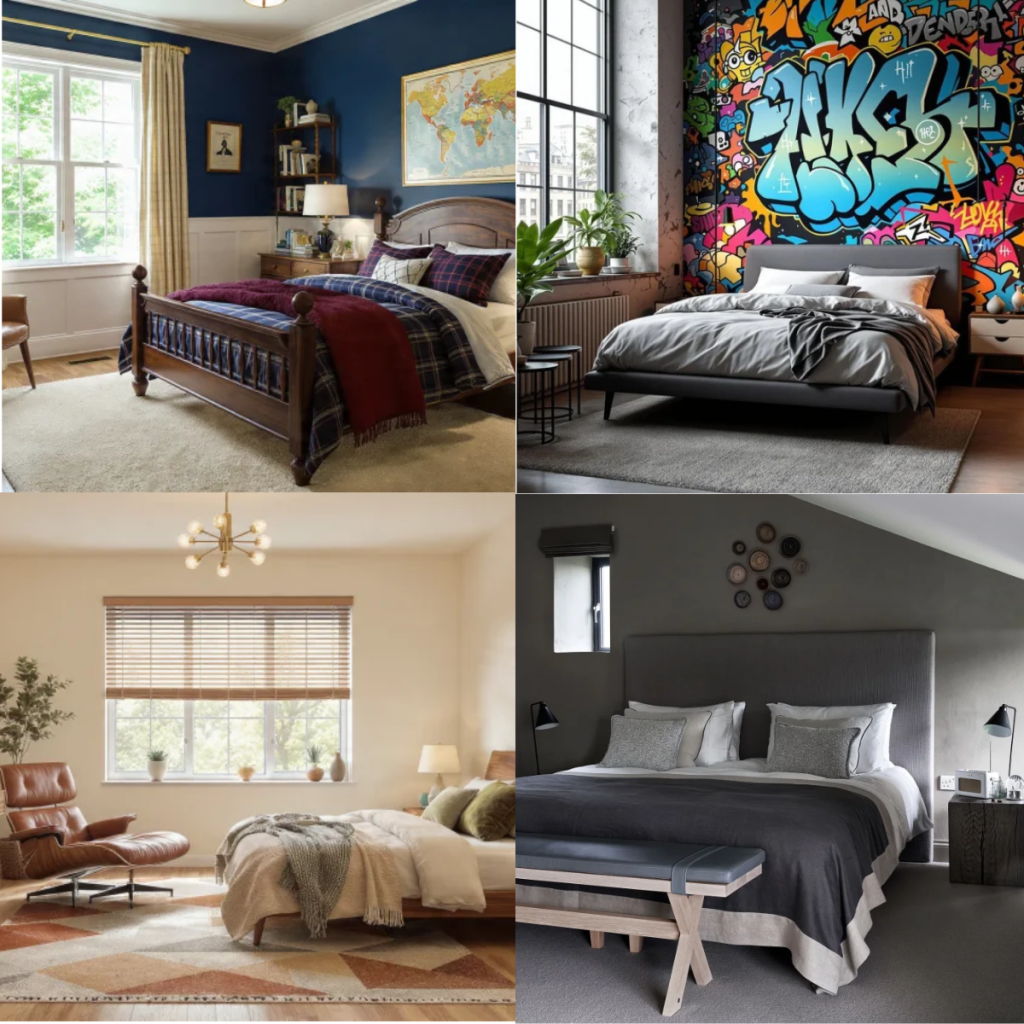
A Room That Reflects the Man He’s Becoming
Turning 18 is a milestone—a threshold between adolescence and adulthood. For the young man standing at this crossroads, his bedroom should reflect not just who he is, but who he’s becoming . No longer a child’s playroom, an 18-year-old’s bedroom is a personal sanctuary, a study space, a place to unwind, and a reflection of his emerging identity.
The difference between a teenager’s room and an 18-year-old’s space is one of intention and sophistication. A younger teen’s room might feature bold posters, gaming stations, and bright colors. An 18-year-old’s room, by contrast, should feel more curated and grown-up—think clean lines, intentional decor, and a color palette that won’t feel juvenile in a year .
Key Considerations Before You Start Designing
- Budget Planning – Set a realistic budget and decide which items deserve a splurge, like a quality mattress or ergonomic chair, and where you can save, such as on decorative accessories. A phased approach works well: invest in big furniture pieces first and add decorative elements over time.
- Space Assessment – Take accurate measurements of the room, noting ceiling height, window placement, door swing, and any architectural features. Understanding spatial constraints helps in choosing appropriately sized furniture and avoiding a cramped feel. Creating a simple floor plan before shopping prevents costly mistakes.
- Identifying Needs and Lifestyle – Consider how the space will be used daily. Does he study primarily in his room? Is it a gaming hub, a creative studio, or a social space? A room designed for a gamer who rarely studies will look very different from one for a pre-med student who needs quiet focus.
- The Transition to Adulthood – An 18-year-old is navigating the journey to adulthood, and the bedroom should honor that process. It should feel grown-up enough to be a source of pride while still reflecting personality and interests. This isn’t about abandoning youthful passions but presenting them in a more curated, intentional way.
- Storage Solutions – Teenagers and young adults accumulate a lot of belongings, so multi-functional furniture like beds with storage drawers, ottomans with hidden compartments, and vertical shelving are invaluable. Creating a place for everything reduces clutter and maintains the clean aesthetic.
- Lighting Strategy – A successful lighting plan includes ambient lighting for overall illumination, task lighting for studying or working, and accent lighting to highlight decor features. Dimmer switches add flexibility, transforming the room from energetic to relaxing instantly.
- The Color Foundation – Neutral backdrops—whites, grays, beiges, and charcoals—create sophisticated bases that can be refreshed easily with accent colors. Bold hues can be introduced through bedding, artwork, or an accent wall, offering personality without permanent commitment.
Whether you’re designing for yourself or helping a young man transition his space, the goal is to create a room that balances maturity with personality—a place that feels cool and contemporary but also functional. Here are 15 well-structured ideas to inspire the transformation.
15 Sophisticated Bedroom Ideas for the 18-Year-Old Man
1. The Urban Industrial Loft
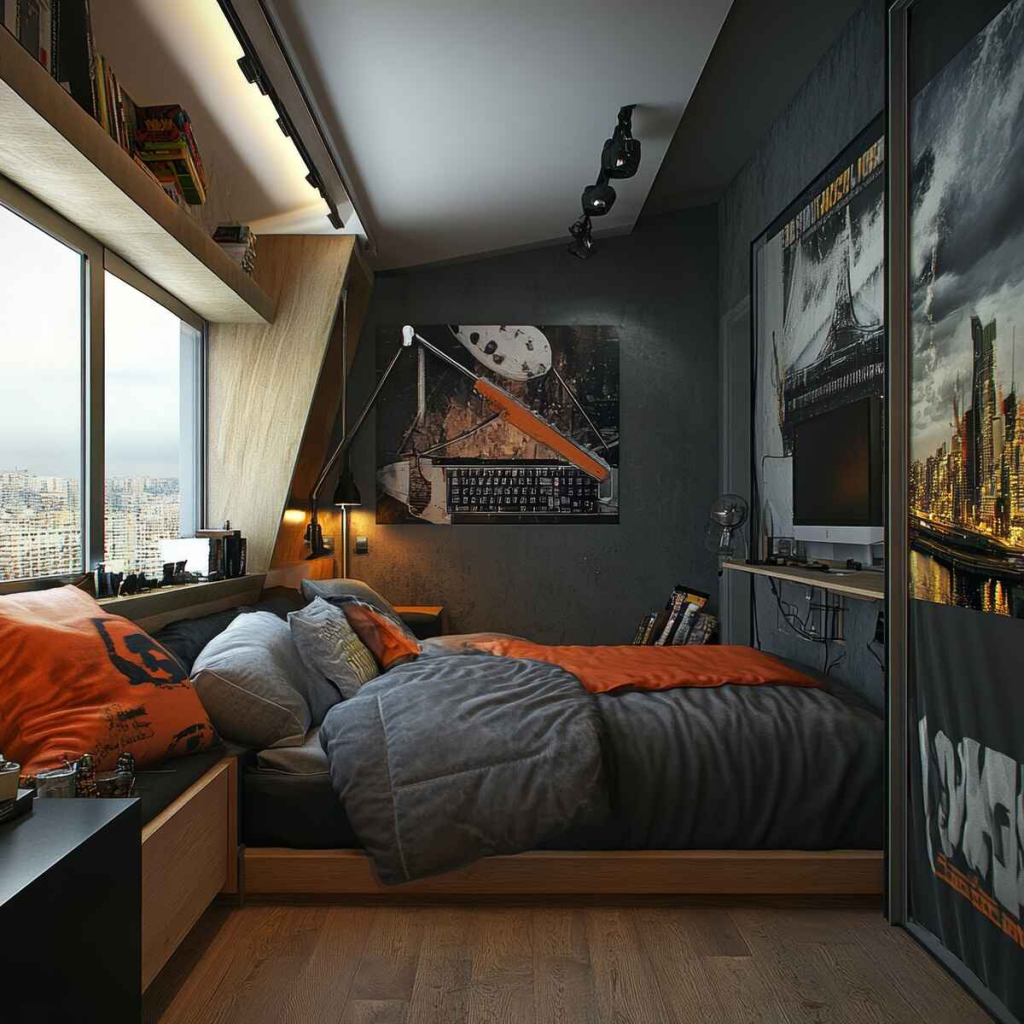
Channel urban sophistication with an industrial loft aesthetic that feels distinctly adult. The key elements are raw materials—exposed brick walls (or wallpaper that mimics the look), metal bed frames, and factory-inspired lighting with Edison bulbs in wire cages .
Why it works: The industrial aesthetic feels grown-up and timeless. The neutral palette of charcoal, gray, and warm wood is versatile, allowing the room to evolve with changing tastes .
Key additions: Metal frame bed, Edison bulb lighting, a worn leather armchair for a reading corner, and reclaimed wood shelves .
2. The Monochrome Statement Room
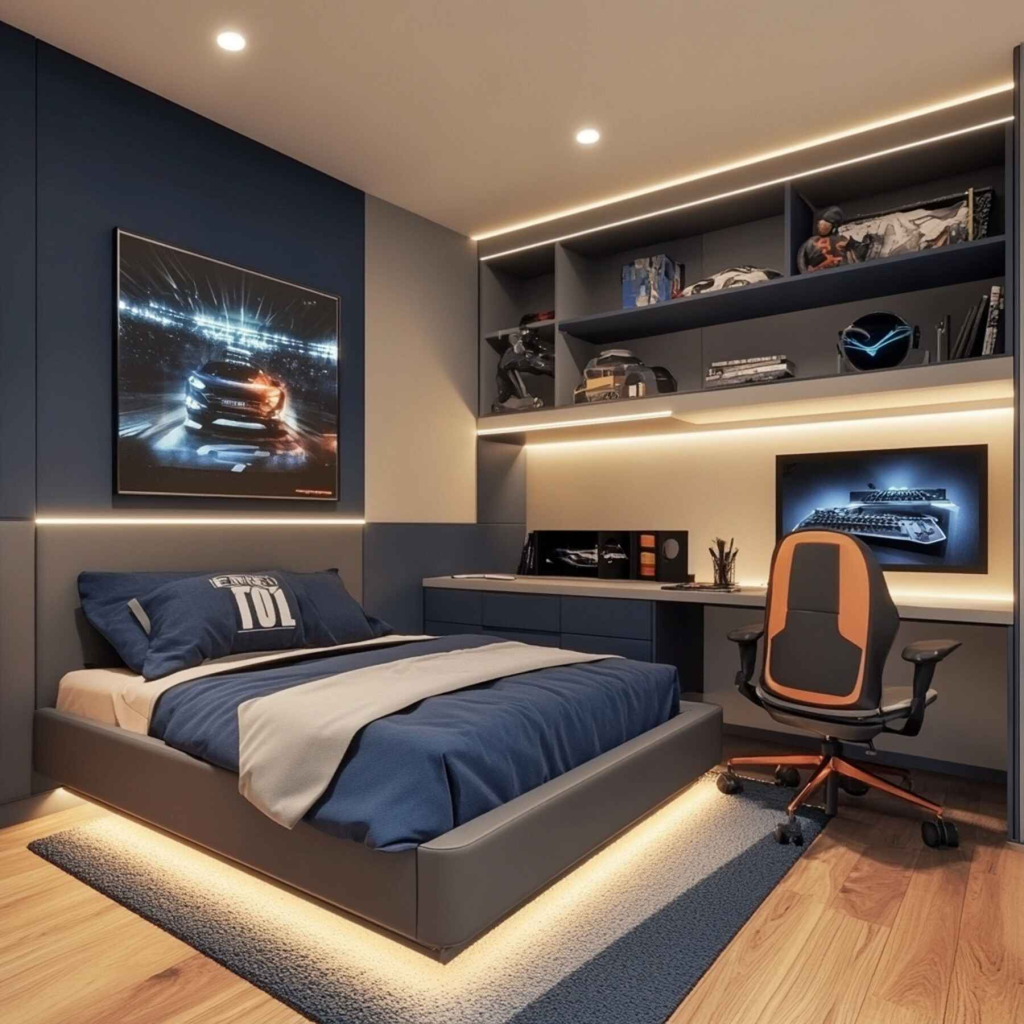
A sophisticated palette of black, white, and gray creates a foundation that instantly reads as adult. The key is layering textures—a chunky knit throw on a leather chair, a shag rug on wood floors, matte and gloss finishes in the same color. One bold accent color—navy, deep green, or burgundy—adds personality without overwhelming the room .
Why it works: Monochrome feels intentional and curated, never juvenile. The single accent color allows for personality expression while keeping the overall look polished .
Key additions: An accent wall in navy or hunter green, monochrome bedding with varied textures, and accent pillows in your chosen pop color .
3. The Modern Minimalist Haven
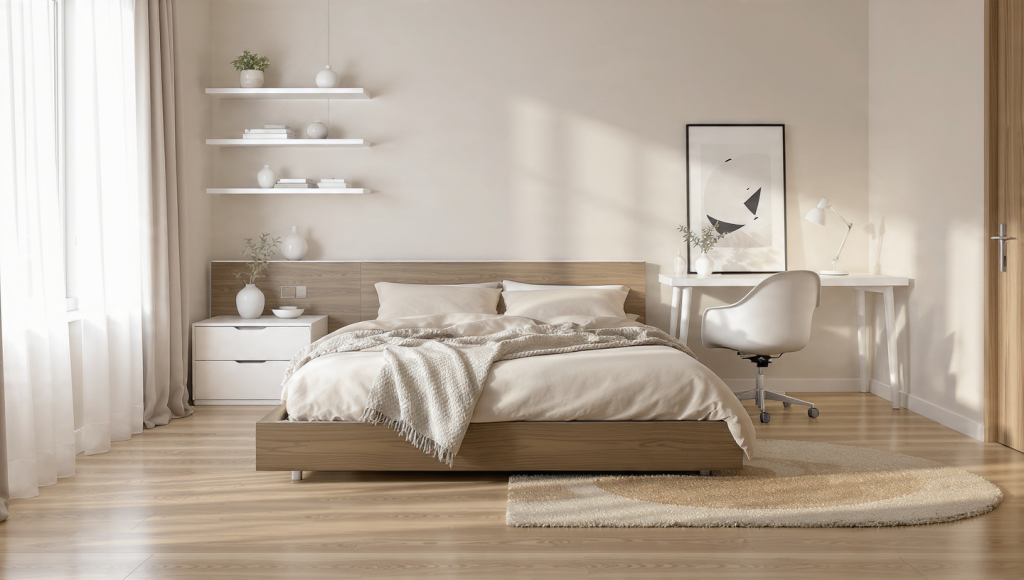
Modern minimalism focuses on clean lines, uncluttered spaces, and a neutral color palette. A platform bed with low-profile storage, a streamlined desk, and minimal wall decor create a calming environment free from visual noise .
Why it works: The clean aesthetic creates a calming environment conducive to studying and sleep. Less clutter means less to clean and more mental clarity .
Key additions: Platform bed with built-in storage, floating shelves, and a sleek desk with a minimalist chair .
4. The Dark Moody Retreat
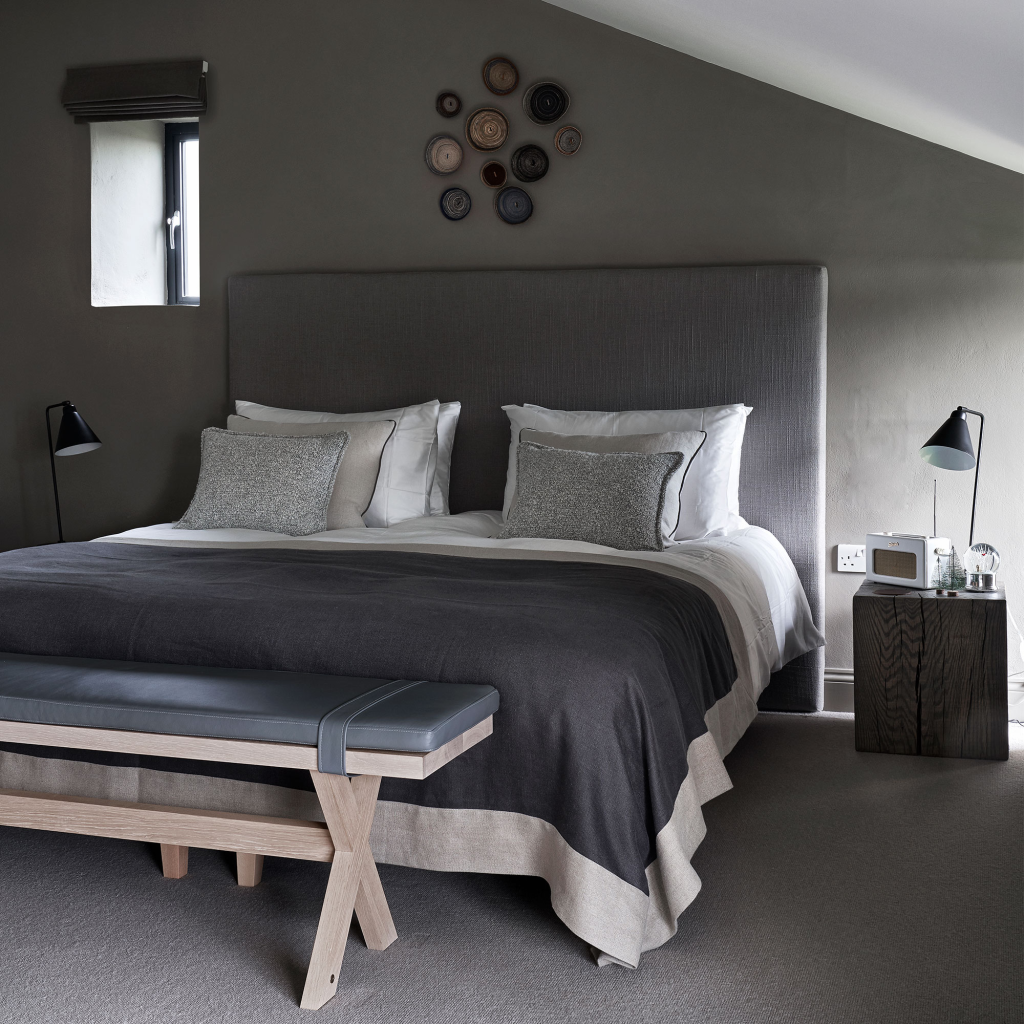
A dark, moody palette of charcoal, black, and deep blue creates a dramatic and sophisticated atmosphere that feels like a boutique hotel room. The key to making dark walls work is layering light through mirrors, metallic accents, and strategic lighting .
Why it works: Dark walls create a cocooning, intimate atmosphere. Textural contrast prevents the darkness from feeling flat or oppressive .
Key additions: Dark paint or wallpaper, a metallic desk lamp, sheer curtains to diffuse light, and mirrors to reflect light around the room .
5. The Mid-Century Modern Space
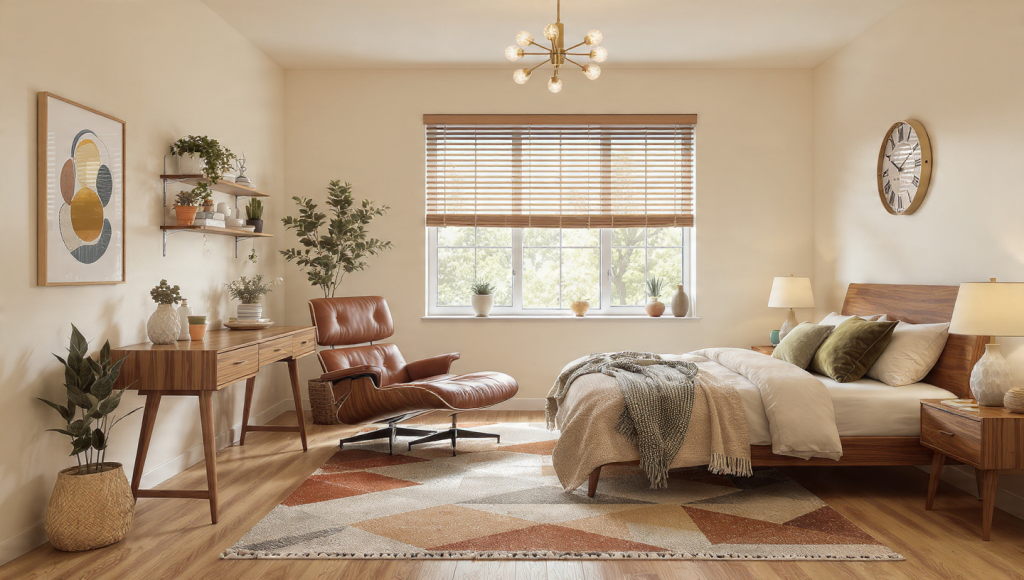
Mid-century modern styling brings vintage sophistication with warm wood tones, organic shapes, and iconic furniture pieces like Eames-style chairs and teak desks. The warm wood and curved lines create a welcoming atmosphere that feels both retro and thoroughly current .
Why it works: Mid-century style is both trendy and timeless. The warm wood tones add warmth while the iconic pieces show design awareness .
Key additions: Wooden desk with tapered legs, an accent chair in a bold color or pattern, and Sputnik-style lighting .
6. The Tech-Forward Smart Room
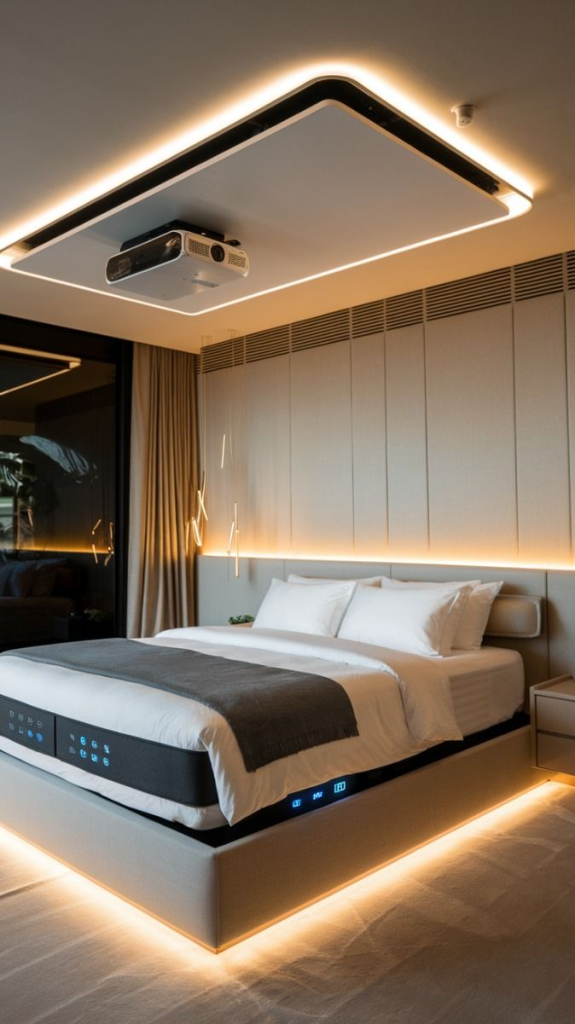
For the tech-savvy young man, a smart room integrates technology seamlessly into the design. Programmable LED lighting, a smart speaker, automated blinds, and wireless charging stations create a space that’s both convenient and cutting-edge .
Why it works: The room reflects his interests and lifestyle. Seamless integration creates a functional and visually uncluttered space .
Key additions: Smart lighting system that can change colors, a Bluetooth speaker, wireless charging station, and automated window treatments .
7. The College Prep Heritage Room
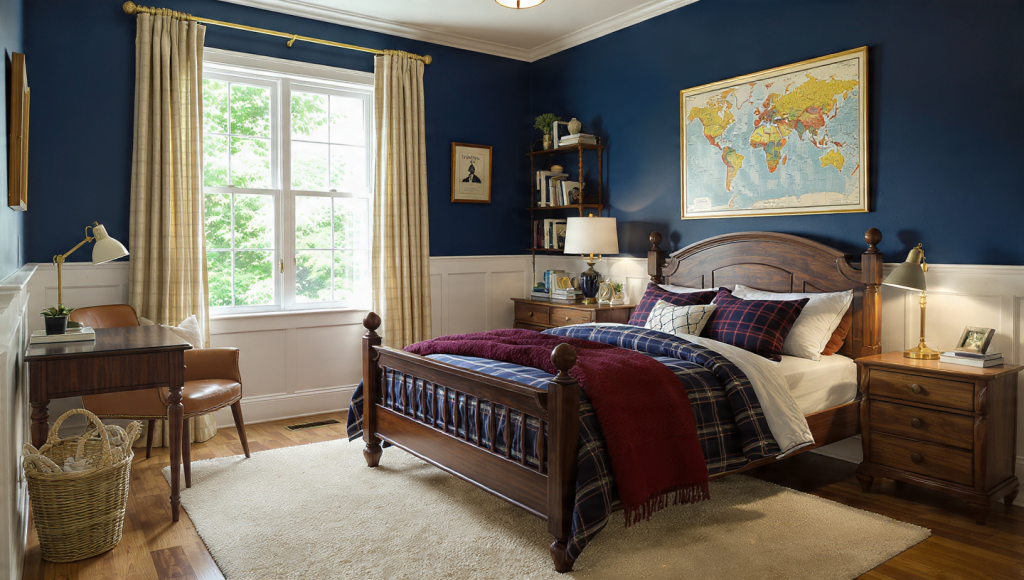
For the young man heading to college, a heritage-inspired room that anticipates dorm or off-campus living is a thoughtful approach. Classic elements—tartan bedding, a leather desk chair, and a simple wooden desk—create a timeless aesthetic that works both at home and in a college setting .
Why it works: Heritage style is classic and enduring. It creates a sense of readiness and maturity appropriate for this life transition .
Key additions: Tartan or plaid bedding, a wooden desk, a leather chair, and a wall map for that collegiate feel .
8. The Gamer’s Paradise
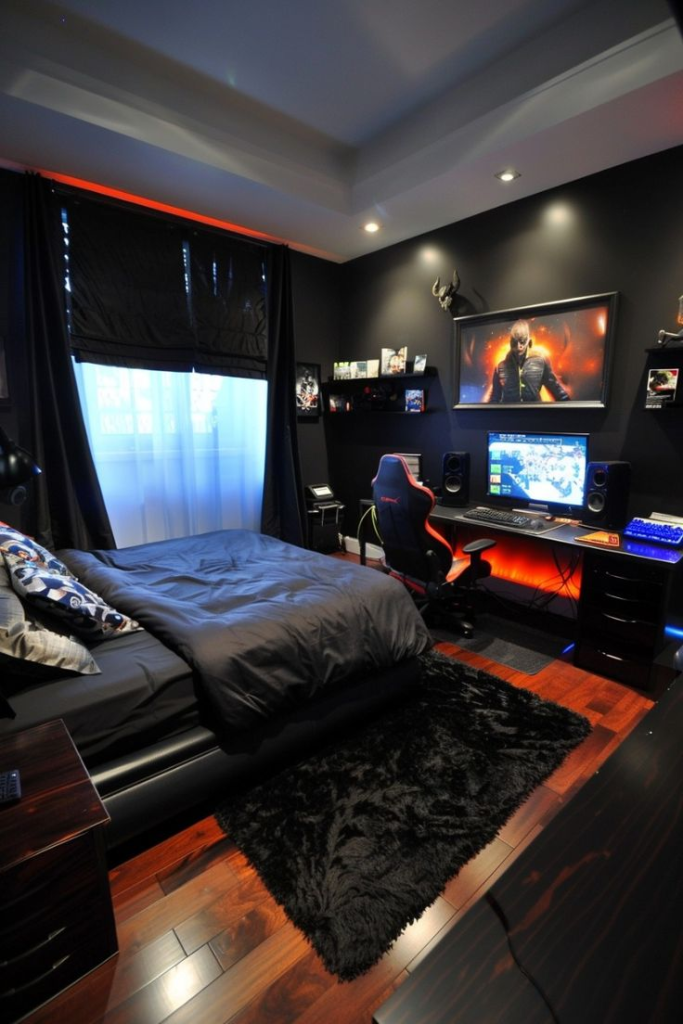
Level up the bedroom with a design centered around the ultimate gaming setup. An ergonomic gaming chair, a large desk with space for multiple monitors, and RGB LED lighting that syncs with gameplay create an immersive atmosphere. Soundproofing panels on the walls can improve acoustics for streaming .
Why it works: The space is optimized for both competitive gaming and relaxation. Dark walls make RGB lighting pop .
Key additions: Ergonomic gaming chair, a desk with cable management, LED strip lights, and wall-mounted shelves for collectibles .
9. The Sports Fanatic’s Tribute
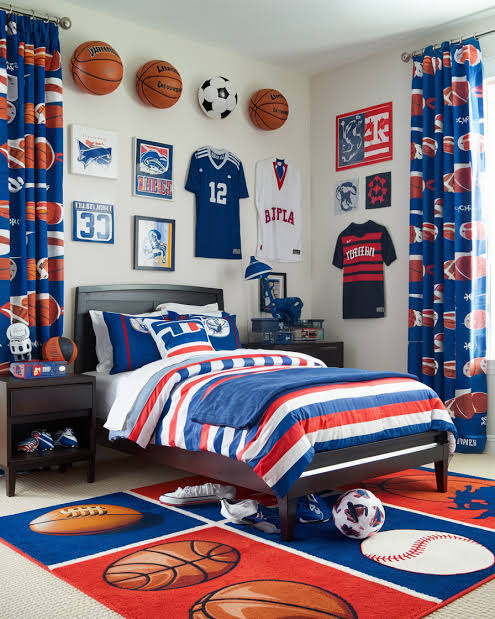
Create the ultimate tribute to a favorite sport or team. The color scheme should reflect team colors, used on an accent wall, bedding, and decor. Framed jerseys, signed memorabilia, and action shots of favorite players can adorn the walls .
Why it works: The room showcases passion without overwhelming the space, creating a dedicated fan zone that’s both spirited and stylishly organized .
Key additions: A comfortable seating area with bean bags for watching games, a mini-fridge for drinks, and jersey displays on the wall .
10. The Musician’s Jam Room
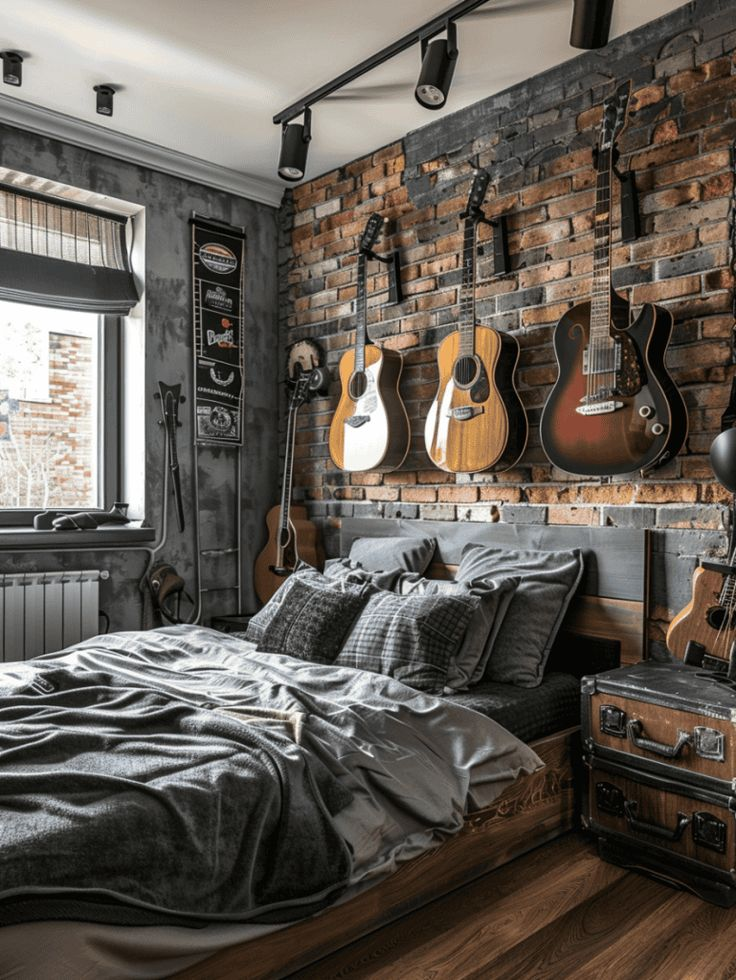
Design a space that doubles as a creative studio. Acoustic panels on the walls serve both as functional sound treatment and a stylistic choice. Wall mounts for guitars and other instruments keep them safe and displayed as art .
Why it works: The room accommodates creative expression while maintaining a cool, curated look. Instruments become part of the decor .
Key additions: Wall-mounted guitar hangers, a sturdy desk for recording equipment, and movable furniture to create space for jam sessions .
11. The Traveler’s World Map Room
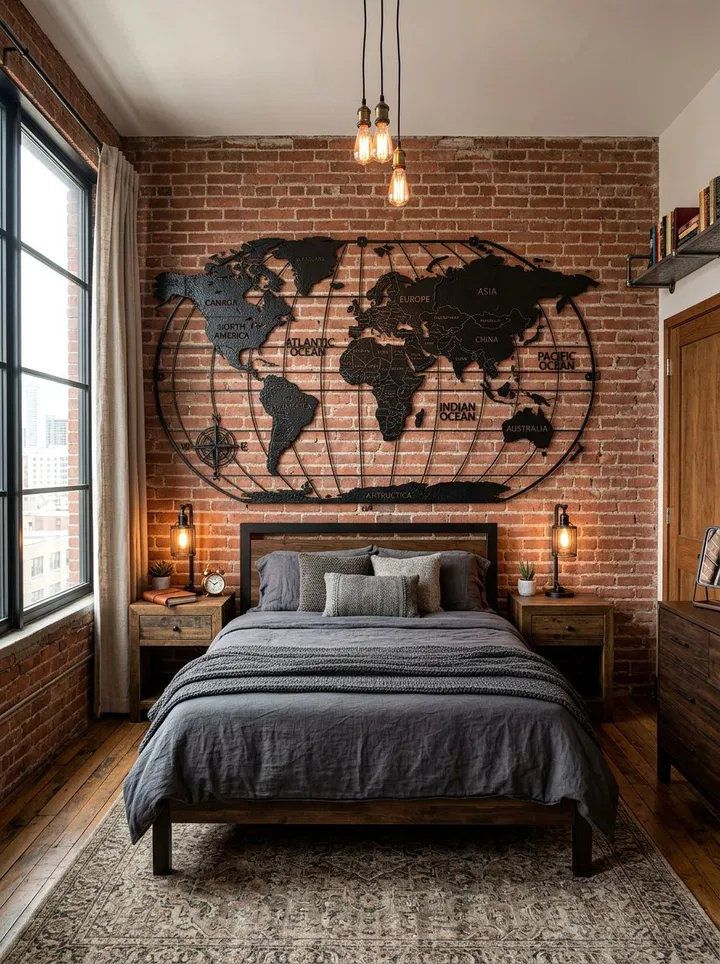
Inspire wanderlust with a bedroom dedicated to travel and adventure. A large world map mural or a collection of framed maps serves as a stunning feature. Decor can include souvenirs and photographs from past trips displayed on floating shelves .
Why it works: The room becomes a personal journal of past journeys and a dream board for future explorations. It tells a story .
Key additions: A vintage trunk repurposed as a coffee table or for storage, a color palette inspired by earth tones or deep blues, and a gallery wall of travel photos .
12. The Biophilic Nature Sanctuary
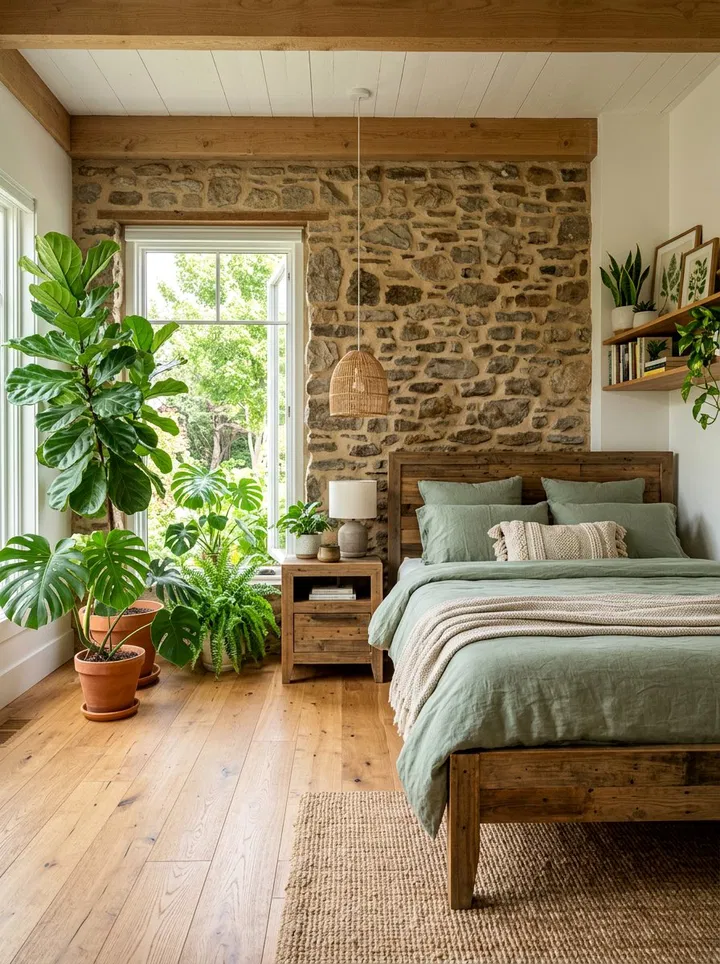
Bring the outdoors in with a bedroom that connects with nature. The design is filled with plants of all sizes—from hanging ivy to large potted ferns—purifying the air and creating a calming atmosphere. Earthy colors and natural materials like wood, bamboo, and linen are key .
Why it works: Natural elements create a calming and grounded atmosphere. The plants add life and responsibility .
Key additions: Easy-care plants like snake plants or succulents, wooden furniture, a natural fiber rug, and botanical wall art .
13. The Coastal Surf Shack
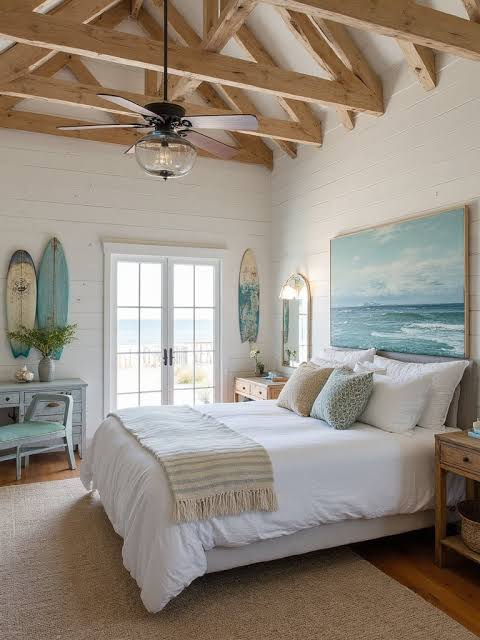
Capture the laid-back vibe of a beachside retreat. A light and airy color palette of sandy beige, seafoam green, and ocean blue creates a relaxed atmosphere. A surfboard mounted on the wall serves as a bold statement piece .
Why it works: The room feels like a perpetual summer vacation. The casual, sun-bleached atmosphere is both relaxing and stylish .
Key additions: Whitewashed wood accents, rattan furniture, nautical elements like rope details, and seashells in glass jars .
14. The Street Art Gallery
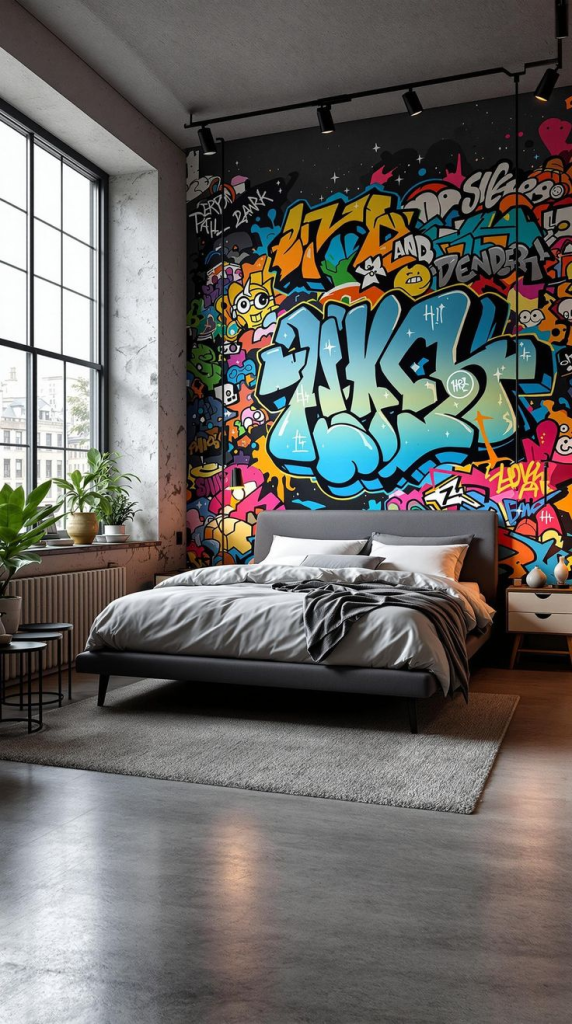
Channel the energy of city streets with a bedroom inspired by graffiti and street art. A custom graffiti mural on one wall can serve as the room’s focal point, reflecting a personal tag or favorite artist’s work. Keep the rest of the room relatively simple to let the artwork shine .
Why it works: It’s a dynamic, expressive, and highly personal space that celebrates creativity and modern urban culture. It’s also cheaper and easier than wallpaper .
Key additions: Industrial-style furniture like a metal bed frame, brick or concrete-effect wallpaper on other walls, and bold pops of color from the mural .
15. The Curated Gallery Wall
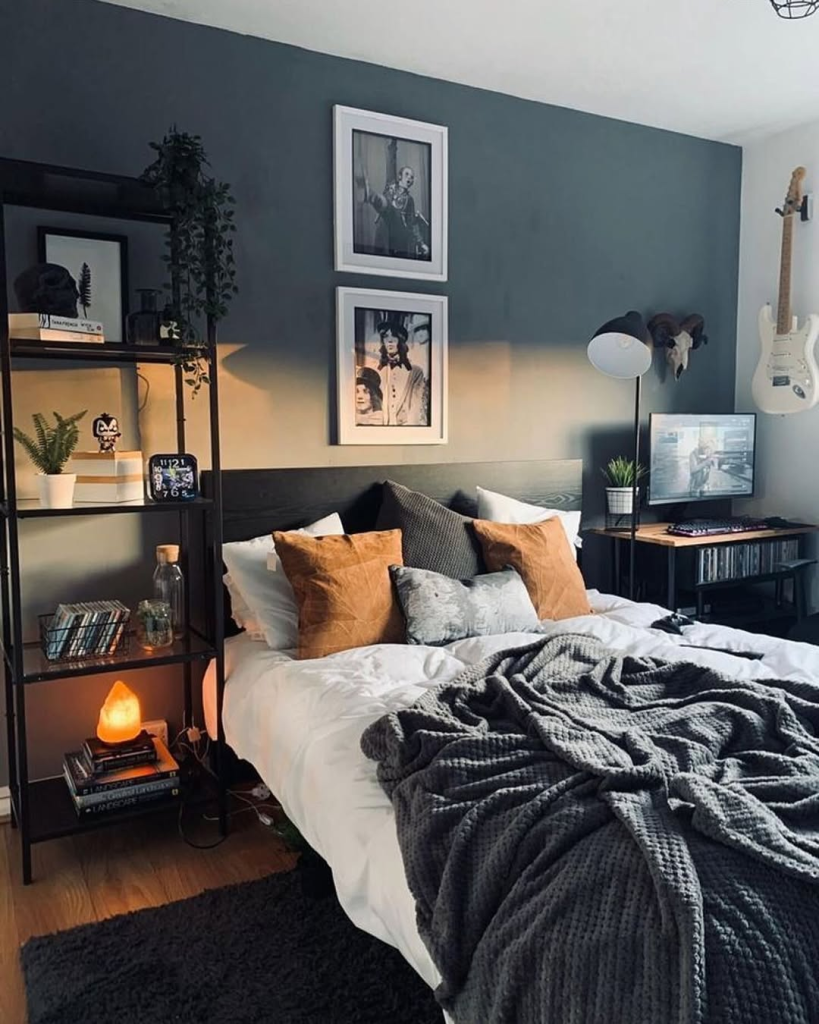
A well-edited gallery wall—a curated arrangement of framed art, photography, prints, and personal items—is a sophisticated way to personalize a room. Instead of tacking up posters, frame them properly in a cohesive style. Mix personal photography, favorite prints, and perhaps a vinyl record or two .
Why it works: The gallery wall is both personal and polished. Framed artwork elevates posters into intentional decor .
Key additions: A mix of black and white photography, album covers, graphic prints, and personal photos in coordinating frames. Lay it out on the floor before hanging .
Essential Furniture Pieces and Where to Invest
- The Bed and Mattress – A quality mattress is non-negotiable for sleep quality and health. The bed frame should suit the room’s style, from simple platform beds to statement upholstered headboards. Invest here – spend the most on a high-quality mattress; the frame should be sturdy but can be found at various price points.
- The Desk and Chair – Essential for studying, creative work, or gaming. The desk should be spacious and the chair must provide proper ergonomic support for long sitting hours. Invest here – prioritize a good-quality ergonomic chair for posture and comfort; a sturdy, well-made desk is also worth the investment.
- Storage Furniture – A dresser, chest of drawers, or wardrobe is essential for clothing. Additional storage like bookshelves and storage ottomans add versatility. Invest here – quality storage pieces made of solid wood or well-constructed engineered wood withstand moving and daily use.
- Nightstand or Bedside Table – Provides essential bedside storage and completes the bedroom’s look. Floating shelves or small stools can serve this function in smaller rooms. Invest here – a mid-range option is suitable; it should be functional and attractive.
- Seating – A small armchair, lounge chair, or floor cushions create space for reading, relaxing, or socializing. Invest here – consider a classic armchair that will transition well to future apartments or homes.
- Wardrobe or Closet System – Adding shelves, drawers, and hanging rods maximizes closet space. A standalone wardrobe offers a stylish alternative for rooms without built-in storage. Invest here – a good closet system is worth the investment for the organization and functionality it provides.
Decor and Personalization
- Art and Wall Decor – Move beyond posters taped to walls. Frame prints, photographs, or personal creations. A gallery wall can showcase a mix of personal photos, favorite artists, and inspiring imagery. Consider scale—one large piece can be as impactful as a collection of smaller works.
- Textiles and Bedding – Quality sheets and duvet covers in sophisticated colors and patterns make a difference. Layer textures with chunky knit throws, velvet pillows, and linen duvets for depth and visual interest.
- Rugs – Choose a rug large enough to anchor the bed or seating area. Natural fiber rugs like jute or sisal add texture, while patterned rugs introduce color and personality.
- Personal Items – Display trophies, collectibles, souvenirs, vinyl records, books, or sports memorabilia. The key is curation—select a few meaningful items rather than displaying everything.
- Plants – Add easy-care varieties like snake plants, pothos, succulents, or ZZ plants. A large statement plant anchors a corner while smaller plants sit on shelves or desks.
- Lighting Fixtures – Statement ceiling lights, interesting desk lamps, or stylish bedside lamps become design features. Choose fixtures that complement the room’s style—industrial, mid-century, or minimalist.
Color Palettes and Their Impact
- Neutrals (White, Beige, Gray) – Create a calm, clean, sophisticated mood. Best for minimalist and modern styles. Use varying shades of a single neutral to create depth without introducing color.
- Cool Tones (Navy, Charcoal, Slate) – Create a moody, dramatic, intimate atmosphere. Best for dark retreats and urban styles. Balance dark walls with light bedding and metallic accents for contrast.
- Warm Tones (Terracotta, Mustard, Olive) – Create a cozy, grounded, inviting feel. Best for mid-century and earthy styles. These colors pair well with natural materials like wood and leather.
- Monochrome (Black, White, Gray) – Create a sharp, intentional, contemporary look. Best for modern and urban styles. Use one bold accent color to prevent the space from feeling flat.
- Earth Tones (Browns, Greens, Beiges) – Create a natural, calming, organic atmosphere. Best for biophilic and nature-inspired spaces. Combine with live plants to enhance the connection to nature.
- Bold Accents (One Pop Color) – Create an energetic, personal, playful mood. Best for adding personality to neutral palettes. Introduce accent colors through easy-to-change items like pillows, throws, and art.
Maximizing Small Bedrooms
- Multi-functional Furniture – Choose beds with storage drawers underneath, desks that double as nightstands, storage ottomans that serve as seating, or loft beds to free up floor space.
- Vertical Space Utilization – Install shelving that goes up to the ceiling, use tall narrow bookcases, hang curtains high and wide to create the illusion of larger windows, and mount televisions or monitors on walls.
- Decluttering Strategies – Use labeled boxes or baskets for organized storage, limit decor to a few well-chosen pieces, follow a “one in, one out” rule for possessions, and store out-of-season items under the bed or in vacuum-sealed bags.
- Light and Color Techniques – Use light neutral colors on walls to reflect light, place mirrors opposite windows to bounce light around, choose furniture with exposed legs to create an airy feel, and minimize the use of dark colors and bulky furniture.
- Smart Storage Solutions – Use over-door organizers for shoes or accessories, install pegboards for organizing small items, use drawer dividers for clothing, and take advantage of the space behind doors for hooks and storage.
Creating a Productive Study Space
- Desk Placement – Position the desk near a window for natural light. Ensure adequate surface area for coursework. Place the desk with a view of the room or door rather than facing a wall if it feels too restrictive.
- Organizational Systems – Use desk organizers for pens, paper, and supplies. Install a bulletin board for reminders and important papers. Create a filing system for assignments and documents. Keep a charging station for devices to reduce cord clutter.
- Lighting for Study – Invest in a good desk lamp with adjustable brightness. Ensure the lighting reduces eye strain. Consider a color temperature of around 4000K for focus. Use a lamp with a flex arm for directed lighting.
- Minimizing Distractions – Keep the study area free from non-study related items. Use noise-canceling headphones if studying in a noisy environment. Consider a “focus zone” with minimal visual distractions. Use screen time trackers or focus apps when working.
- Ergonomic Considerations – Ensure the chair provides good lumbar support. Keep the computer screen at eye level. Position the keyboard and mouse to allow a neutral wrist position. Take regular breaks and incorporate movement.
Hosting and Socializing in the Bedroom
- Seating for Guests – Include additional seating options like bean bags, floor cushions, or an extra chair. Choose lightweight furniture that can be easily moved for group activities. Use storage ottomans that double as extra seating.
- Entertainment Options – Consider a television or projector for movie watching. Ensure the sound system is set up for music. Keep gaming consoles accessible and well-organized. Have comfortable seating for group gaming or movie viewing.
- Refreshments – A small mini-fridge can hold drinks and snacks. Keep a clean area for placing refreshments. Consider a small table or tray for serving.
- Flexibility – Choose furniture that can be easily rearranged for different activities. Use modular or movable pieces when possible. Keep floor space clear for stretching, gaming, or activities.
Budgeting and Shopping Guide
- Essential Investments – Spend most on the mattress ($200-$800), ergonomic chair ($100-$400), and desk ($100-$350). Mid-range investments include the bed frame ($150-$500), lighting ($50-$200), and storage ($100-$400).
- Where to Save – Decorative pillows can be affordable and stylish. Art and posters can be framed budget-friendly prints. Quality synthetic rugs offer lower prices. Small decor items can be found at thrift stores and sales. Good quality bedding can be found without luxury prices.
- Shopping Sources – Affordable options include IKEA, Wayfair, Amazon, and Target. Mid-range sources include West Elm, CB2, and Urban Outfitters. High-end options include Restoration Hardware and Design Within Reach. Second-hand finds can be found on Facebook Marketplace, Craigslist, and thrift stores.
- DIY Options – Paint an accent wall yourself. Create custom artwork or a gallery wall. Build simple shelving or storage. Reupholster a thrifted chair. Create a headboard from reclaimed wood.
Maintenance and Organization
- Weekly Maintenance Routine – Make the bed daily to change how the room feels. Clear surfaces by putting away items that don’t belong. Tidy clothing with a hamper for dirty clothes and putting away clean ones. Do a quick vacuum to keep floors clean and dust-free.
- Monthly Deep Cleaning – Dust all surfaces including shelves and decor. Vacuum thoroughly including under furniture. Wash bedding and pillowcases. Clean windows and mirrors. Declutter surfaces and drawers.
- Seasonal Refresh – Rotate decor and textiles for a new look. Clean windows and window treatments. Assess storage and reorganize if needed. Update artwork or wall decor. Deep clean carpets or rugs.
- Organization Systems – Use drawer dividers for clothing and accessories. Label bins and boxes for easy identification. Create zones for different activities. Use hooks and pegs for quick access to frequently used items.
Conclusion: A Room That Grows With Him
An 18-year-old’s bedroom is far more than just a place to sleep. It’s a multifaceted space that serves as a study, a sanctuary, a social hub, and a canvas for self-expression. Designing this room is an opportunity to honor the transition from childhood to adulthood while creating a space that’s functional, stylish, and deeply personal.
The best room for an 18-year-old accomplishes several things simultaneously. It feels grown-up and sophisticated, signaling maturity through thoughtful design choices and quality pieces. It reflects personality, showcasing interests, memories, and aspirations without looking like a shrine. It is functional, supporting study, rest, and social activities with ease. It is adaptable, able to evolve as tastes and needs change in the coming years. And it is a space he takes pride in, a room that feels like his own and invites others in.
Remember that this room doesn’t need to be perfect right away. The best spaces are built over time, with furniture acquired, artwork collected, and decor curated gradually. Encourage intentionality about what enters the room—each piece should have a purpose or hold meaning. This approach creates a more thoughtful space and builds skills in curation and decision-making that will serve well in future homes.
Above all, this room represents an important life transition. It’s a declaration of independence, a statement of identity, and a foundation for the next chapter. Whether heading off to college, entering the workforce, or taking a gap year, the room at 18 sets the stage for the adult he’s becoming.
So embrace the process, have fun with the design, and create a space that will be remembered as the backdrop for one of life’s most exciting transitions—the dawn of adulthood.
