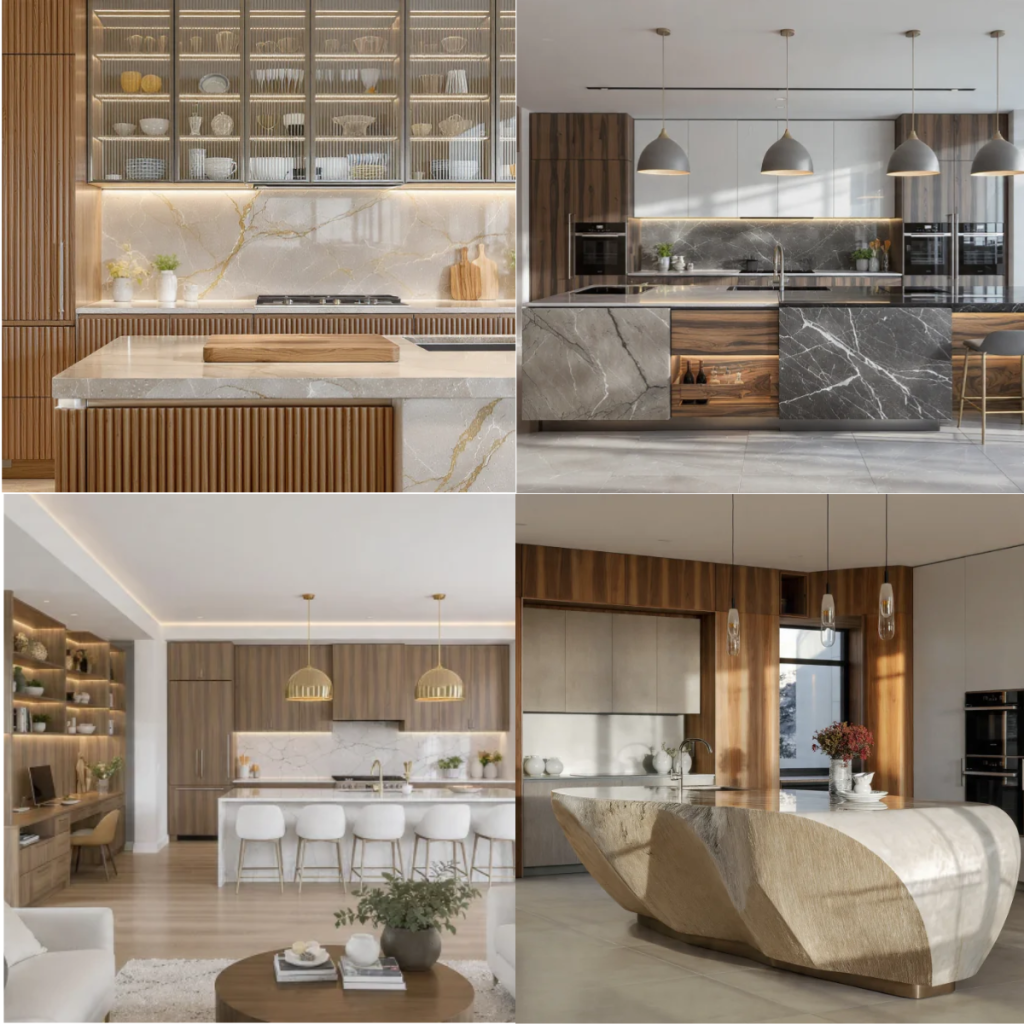
The kitchen has long been considered the heart of the home, but by 2027, it will have transformed into something far more sophisticated—a multifunctional sanctuary where design, technology, and personal expression converge. After analysing insights from leading design houses, trade shows including EuroCucina and Salone del Mobile, and colour forecasters like WGSN and Pantone, a clear picture of the 2027 kitchen emerges: warm, personality-driven spaces that embrace texture, rich colour, and seamless technology integration.
The all-white, minimalist kitchen that dominated the past decade is being replaced by something far more characterful. Designers are embracing what some call “dirty colours”—mossy greens, muddy browns, deep terracottas, and muted earth tones that feel grounded, authentic, and lived-in. These spaces prioritise wellbeing, sustainability, and individual expression, moving away from the clinical towards the warmly personal.
What’s Driving These Trends?
The Post-Pandemic Shift
The events of the early 2020s permanently altered how we use our homes. With remote and hybrid work now established norms, the kitchen has become a 24/7 space rather than a zone reserved for specific meal times. Families spend more hours in this room than ever before, driving demand for comfort, versatility, and spaces that can seamlessly transition from breakfast rush to evening entertaining.
The Wellbeing Movement
There’s growing recognition that our environments profoundly affect our mental health. The 2027 kitchen responds to this by prioritising warmth, natural materials, and calming colour palettes. Designers are moving away from stark, clinical aesthetics toward spaces that feel nurturing and restorative, aligning with broader societal emphasis on self-care and mental wellness.
Technological Maturity
Smart home technology has reached a level of sophistication where it no longer needs to be visible to be effective. Consumers want the convenience of connected appliances without the visual disruption of screens and interfaces. This has pushed manufacturers to develop technology that integrates so seamlessly it disappears entirely, leaving only the user experience.
Climate Consciousness
Sustainability is no longer a niche concern—it’s a mainstream expectation. Homeowners are increasingly aware of the environmental impact of their choices and are demanding materials and products that align with their values. This extends beyond eco-friendly materials to include durability and timelessness, reducing the need for frequent renovations and the associated waste.
The Desire for Authenticity
In an age of digital perfection and filtered realities, there’s a counter-movement toward authenticity and imperfection. This manifests in the embrace of natural materials, handmade elements, and spaces that feel genuinely lived-in. The curated “show home” aesthetic is giving way to environments that tell a personal story.
Generational Influence
Millennials and Gen Z are now the primary home-buying demographics, and their preferences differ significantly from previous generations. They prioritise experiences over possessions, value sustainability, and seek spaces that reflect their individual identities. They’re less interested in uniform, mass-produced aesthetics and more drawn to unique, characterful designs.
Here are 12 kitchen trends set to define 2027:
1. Softer Scandinavian Minimalism
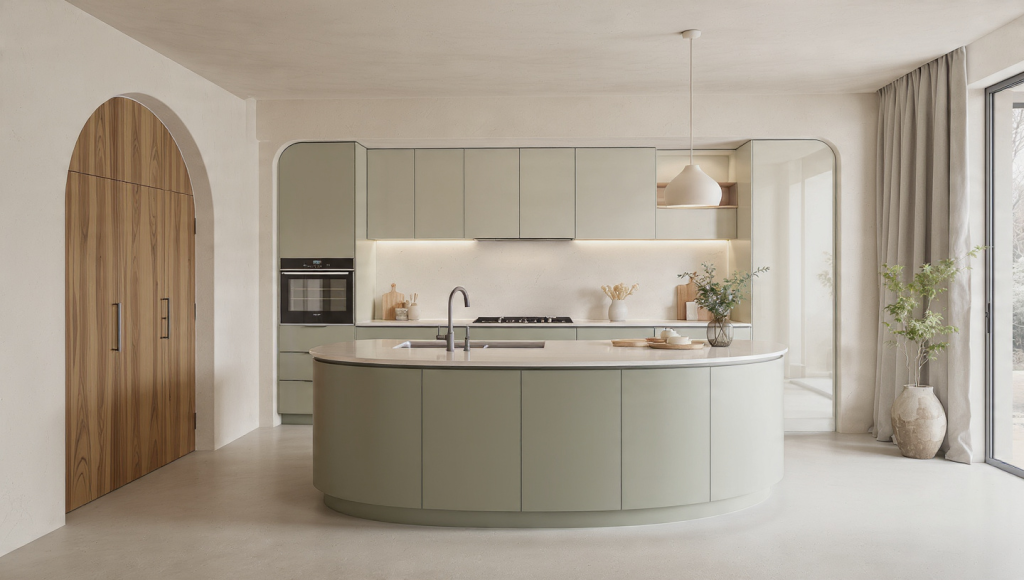
Minimalism isn’t disappearing—it’s evolving. The 2027 version trades sharp edges for rounded forms, dämpad (muted) colours, and warmer expressions. Think curved islands, softly arched cabinetry, and spaces that feel serene and inviting rather than stark and cold. This “mjukare” (softer) approach creates calm, cohesive environments that prioritise emotional wellbeing alongside functionality.
2. The Kitchen as a Multifunctional Hub
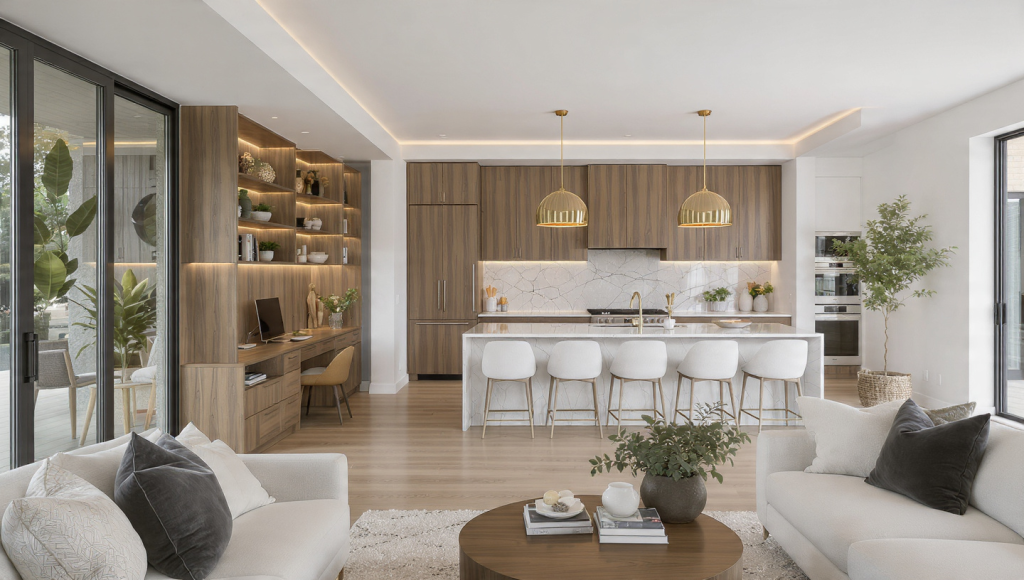
By 2027, the kitchen will fully embrace its role as the home’s command centre. Beyond cooking, these spaces accommodate remote work, social gatherings, children’s homework, and even relaxation. This shift influences everything from layout to furniture selection, with zones designated for different activities and flexible seating arrangements that encourage interaction. The kitchen is no longer just a workspace—it’s a lifestyle space.
3. “Dirty” Colours and Nature-Inspired Palettes
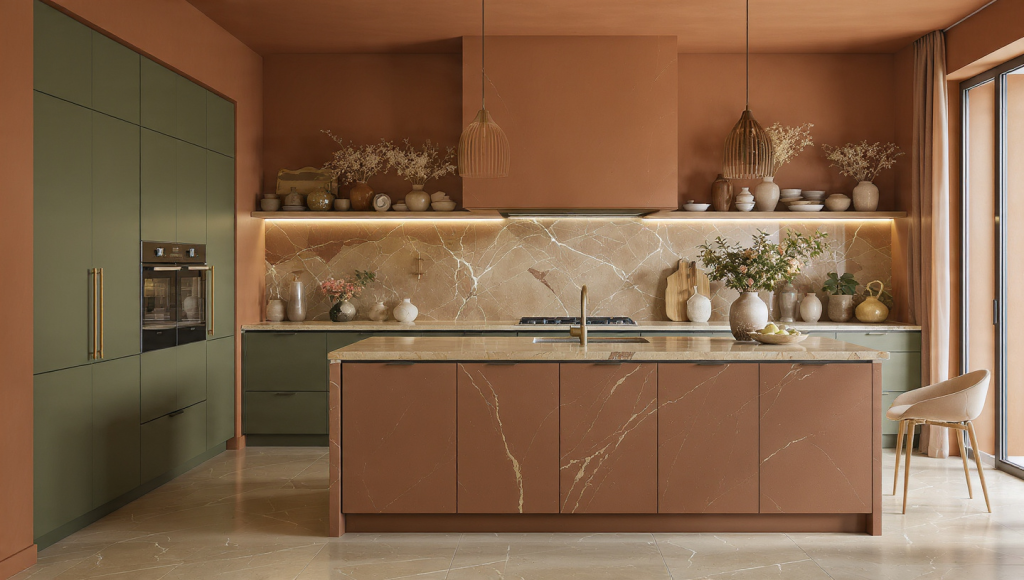
The clean, white kitchen is officially on its way out. In its place: deep, earthy tones that designers call “dirty colours”—mossy greens, muddy browns, putty, clay, and deep terracotta. These muted, grounded shades bring warmth and sophistication while being remarkably practical—they hide fingerprints, crumbs, and everyday wear far better than stark whites. Expect to see these tones on cabinetry, islands, and walls, often paired with natural textures for a layered effect.
The broader palette draws heavily from nature: beige, brown, dämpad green, and mineral blues dominate, occasionally punctuated by bolder accent colours for contrast. Colour forecasters point to Luminous Blue (WGSN’s 2027 Colour of the Year) and warm neutrals like Coffee and Macchiato as key players.
4. Curved and Organic Island Shapes
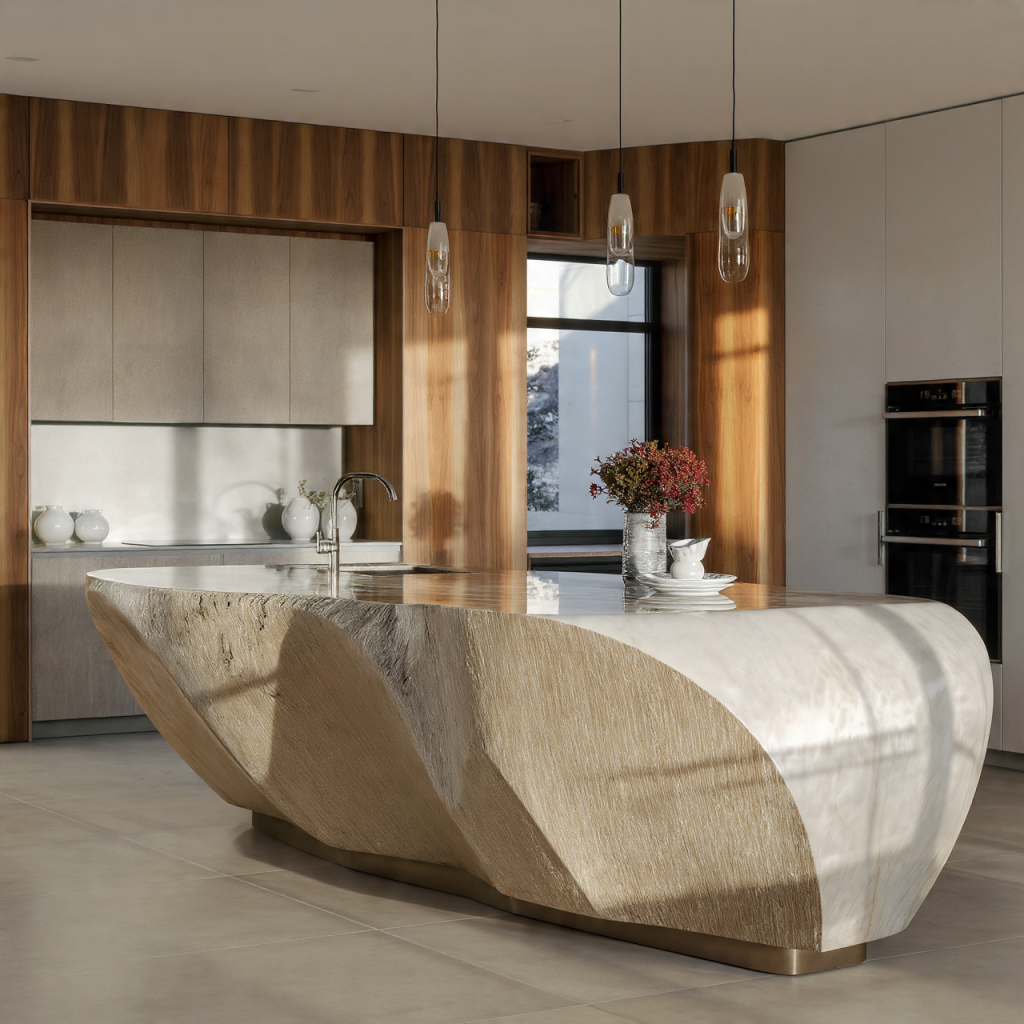
The rectangular kitchen island is giving way to softer, more sculptural forms. Curved islands and gently rounded edges introduce flow and approachability, particularly in open-plan spaces. These organic shapes soften large areas while adding a sculptural element that feels both modern and inviting. Even where rectangular islands remain, designers are incorporating curved seating areas to add visual interest.
5. Integrated Technology That Disappears
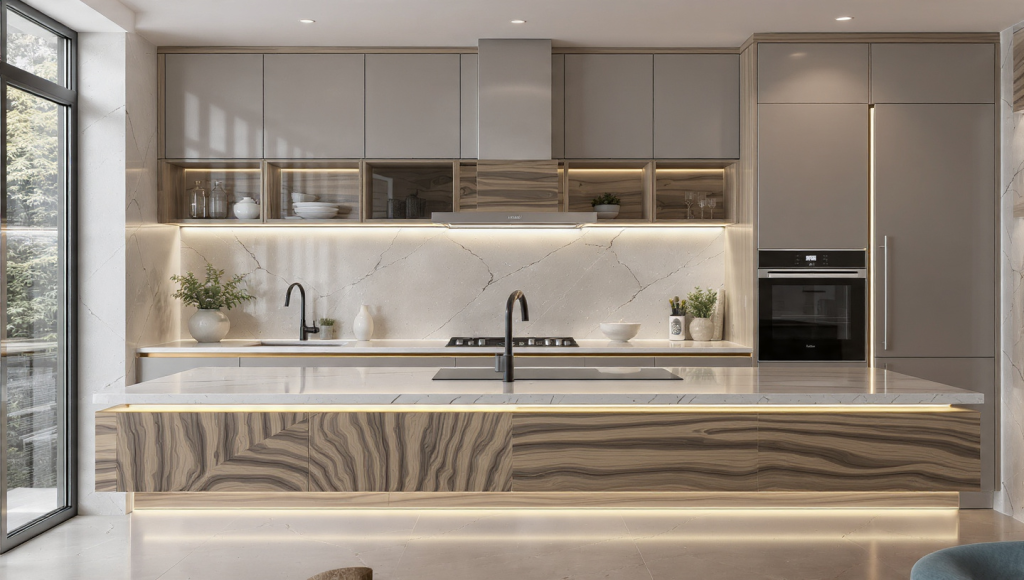
Technology in the 2027 kitchen is powerful but invisible. Smart appliances, voice-activated assistants, and app-controlled lighting are becoming standard, but the emphasis is on integration that doesn’t dominate the visual experience. Think hob extractors that sit flush with the work surface, app-controlled hoods, and smart ovens with AI-driven cooking programs—all designed to enhance functionality while maintaining clean aesthetics.
6. Textured Surfaces and Tactile Materials
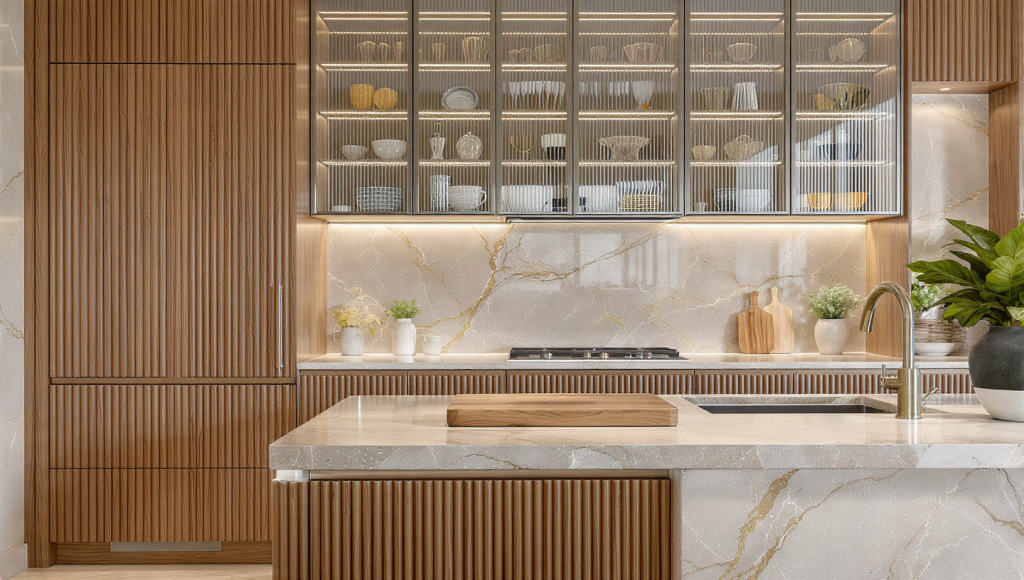
Flat, glossy finishes are being replaced by surfaces you want to touch. Textured doors with stone or wood finishes, fluted wood details, räfflade (ribbed) surfaces, and matte finishes add depth and character. Honed stone, Dekton, and porcelain worktops offer durability with interesting finishes. This emphasis on texture creates layered, sensory-rich spaces that feel curated rather than clinical.
7. The Pantry Revolution and Hidden Appliances
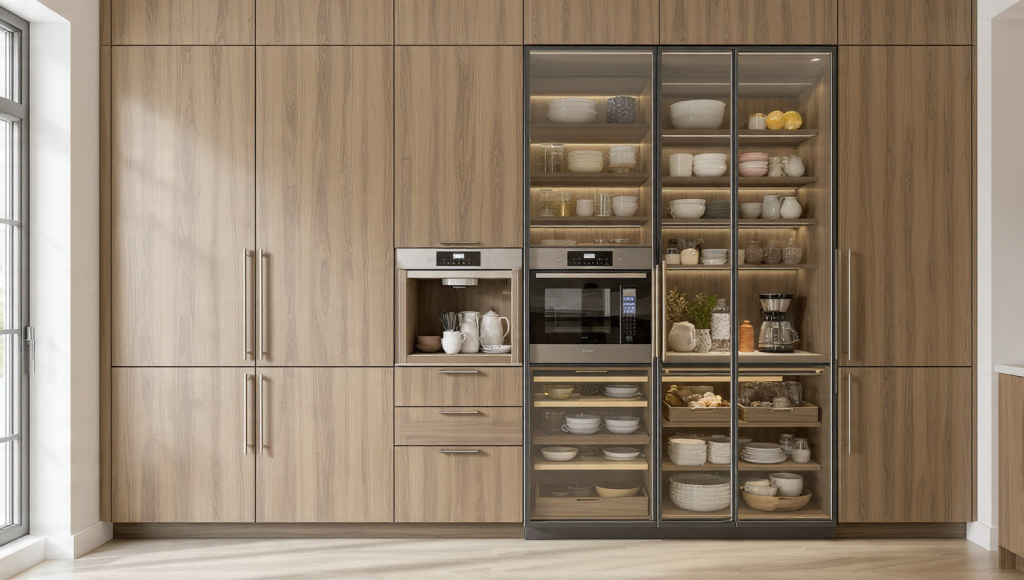
The pantry is becoming one of the most requested design elements for 2027. Homeowners are seeking clever ways to hide clutter—from coffee machines and air fryers to toasters—behind elegant doors that blend seamlessly with cabinetry. Pantry zones range from compact 600mm-wide units to full-size walk-in spaces, keeping daily essentials organised while maintaining a discreet appearance.
8. Kitchen Couture and Personal Expression
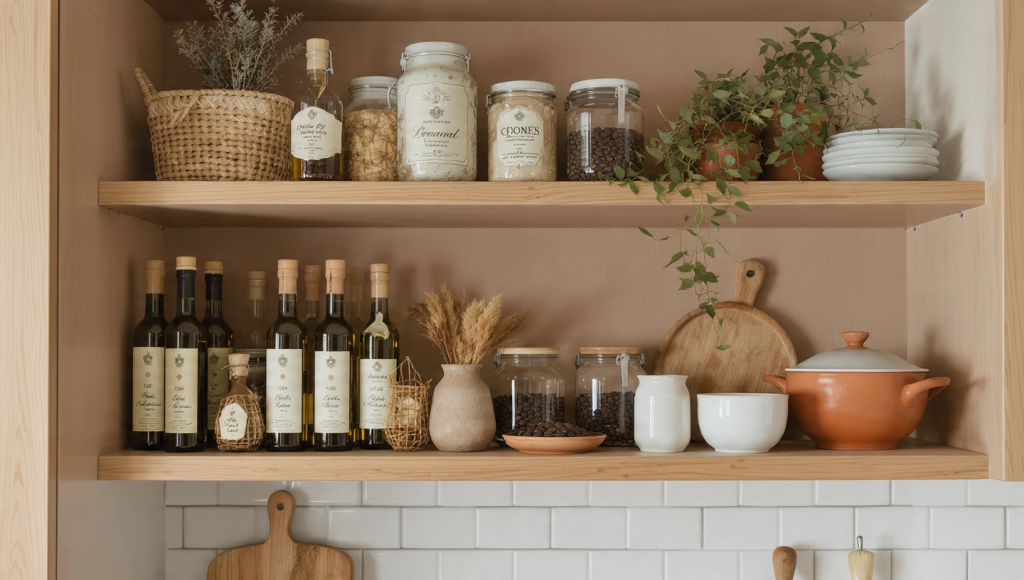
The trend of “kitchen couture” celebrates the beauty of everyday items. Artful displays of packaged goods—think beautifully designed olive oil bottles, tins of sardines, coffee beans, and other pantry staples—transform counters and open shelving into curated showcases. This trend adds colour, lifts emotions, and allows homeowners to display their personality and favourite food brands.
9. Multifunctional Islands with Purpose
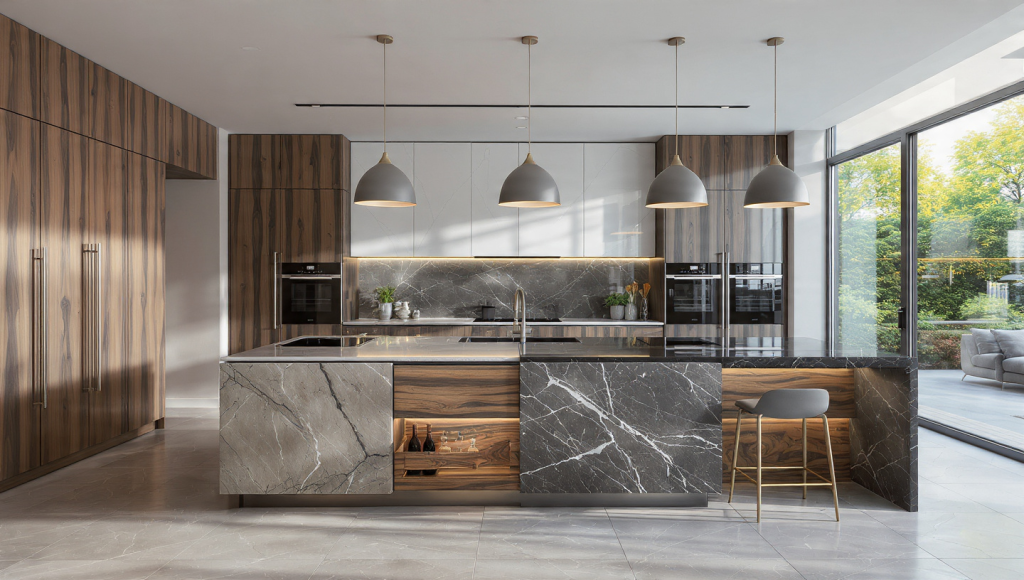
The kitchen island is evolving beyond a simple prep surface. By 2027, islands incorporate built-in cooktops, sinks, seating, and even hidden drinks cabinets that swivel open to impress guests. The design emphasises clear division between the working side (prep, cooking, clean-up) and the social side (dining, entertaining), ensuring optimal workflow while maintaining a welcoming atmosphere.
10. Freestanding and Vintage-Inspired Pieces
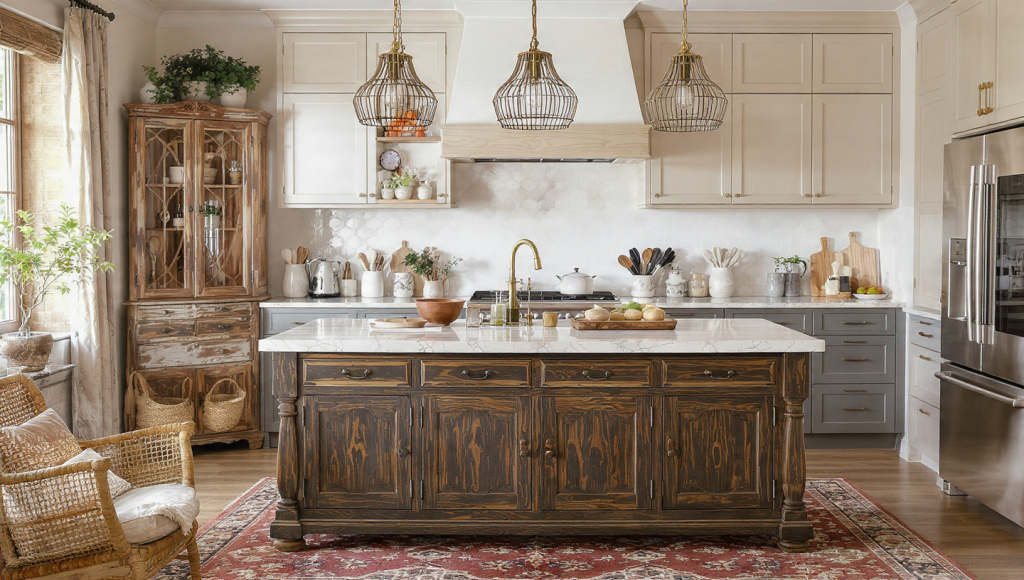
The 2027 kitchen is moving away from entirely fitted designs toward a more collected, curated feel. Freestanding pieces—bar cabinets, traditional-style dressers, and repurposed vintage furniture such as butcher blocks or baker’s tables—bring character and warmth. Pairing a vintage island with a sleek contemporary stone top creates a singular focal point that feels both timeless and current.
11. Sustainability as a Design Principle
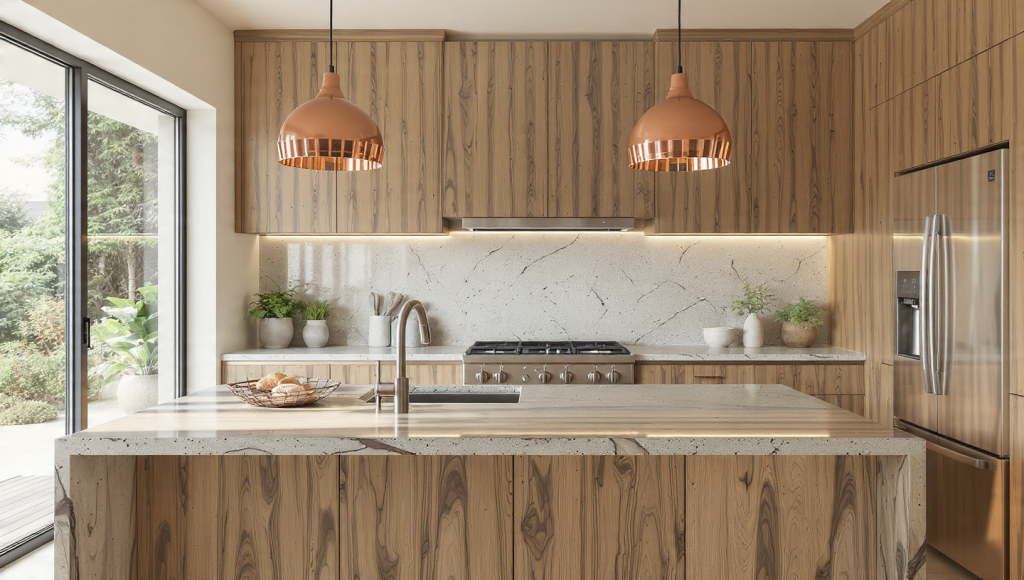
Sustainability in 2027 transcends material choices. It encompasses creating environments that remain relevant and cherished over time—long-lasting, durable materials and timeless design that won’t require frequent updates. Eco-friendly materials such as bamboo, reclaimed wood, and recycled metal are becoming standard, while energy-efficient appliances are no longer optional but expected.
12. Bold Personal Expression Through Colour and Pattern
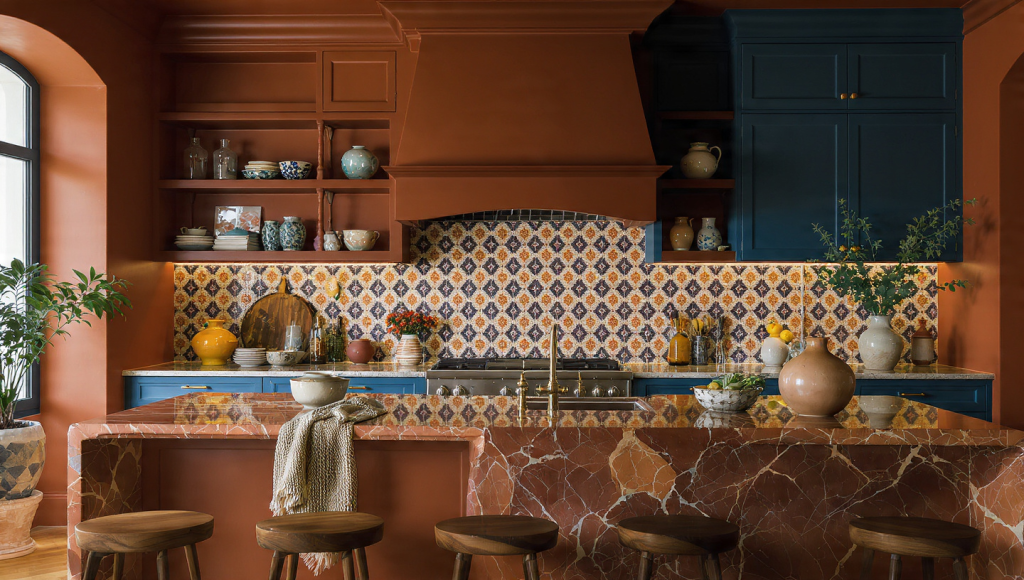
While neutrals provide a calming foundation, homeowners are increasingly using accent colours and patterns to express individuality. Trend-forward hues—sunbaked terracotta, mineral blues, and mossy greens—appear on cabinetry, tile backsplashes, and statement islands. For those craving drama, maximalist approaches celebrate bold colours, rich textures, and intentional contrast, all thoughtfully layered to feel curated rather than chaotic.
Colour Forecast for 2027
Leading Colour Authorities
WGSN has named Luminous Blue as their Colour of the Year for 2027—a vibrant, optimistic blue that evokes clarity and digital-age confidence. This shade appears in kitchen cabinetry, splashbacks, and decorative accents, often paired with warmer neutrals to balance its intensity.
Pantone points toward earthy, grounded tones, with Macchiato (a warm coffee-beige) and Cocoon (a soft grey-mauve) featuring prominently in their forecasts. These shades serve as versatile backdrops that allow bolder accent colours to shine.
Farrow & Ball and Little Greene continue to champion deep, complex hues, with mossy greens and rich terracottas gaining popularity for cabinetry and walls.
The 2027 Kitchen Colour Palette
Earthy Neutrals including putty, Macchiato, Cocoon, and warm beige dominate walls and large surfaces as background tones. Deep Greens such as moss, sage, and forest green appear on cabinetry, islands, and feature walls. Warm Terracottas in clay, burnt orange, and sunbaked terracotta shades create accent walls, tiles, and island bases. Mineral Blues like Luminous Blue, slate blue, and denim make statements on cabinets, splashbacks, and accessories. Muted Browns including coffee and espresso finish wood surfaces and worktops. Off-Whites in warm cream, natural linen, and chalk provide light-filled contrast on ceilings and trim.
How to Use These Colours
For the subtle approach, use earthy neutrals as your base with a single statement piece—perhaps a moss-green island or terracotta splashback. The balanced approach combines two or three complementary colours, such as putty walls, sage green cabinetry, and warm wood accents. For those embracing the bold approach, maximalist design uses deep colours on multiple surfaces with layered textures and intentional pattern mixing. The accent approach keeps the main palette neutral while introducing trendy colours through easily changeable elements like textiles, tableware, or wall art.
Materials and Finishes to Watch
Worktops and Surfaces
Honed granite brings natural beauty with a matte, non-reflective finish that feels soft and organic. Dekton and ultra-compact surfaces offer durability and stain resistance in natural stone finishes. Porcelain provides versatility and hygiene in large-format slabs. Recycled glass terrazzo offers sustainable, colourful, and unique surfaces with visible aggregate details. Natural wood provides warmth and tactility, increasingly treated for durability in kitchen environments. Solid surface materials like Corian and Hi-Macs allow seamless, mouldable designs in curved shapes that are also repairable.
Cabinetry Finishes
Fluted wood adds vertical ribbing that brings depth and texture to islands and tall units. Matte lacquer offers soft, non-reflective surfaces that hide fingerprints and are available in every colour. Textured laminate provides affordable durability in stone and wood finishes. Slatted or ribbed panels create architectural interest on islands or as feature panels. Wood veneer delivers sustainable warmth with a range of grain patterns. Reeded glass adds textured interest to cabinet doors while obscuring contents.
Flooring Trends
Wide plank wood flooring in oak and walnut remains popular, often with matte or natural oil finishes. Large format tiles with minimal grout lines create a seamless look, with stone-effect and terrazzo designs particularly fashionable. Concrete flooring in polished or micro-cement finishes offers contemporary industrial edge softened by warmer elements. Sustainable options including bamboo, cork, and reclaimed wood are increasingly sought after.
Design Tips for Homeowners
Layout Considerations
The classic work triangle is evolving to include additional zones for prep, clean-up, and casual dining, so consider how you actually use your kitchen. Integrating the kitchen with adjacent living or dining spaces creates a fluid, sociable environment. Zoning through lighting, flooring changes, or kitchen islands helps define different activity areas. Universal design principles ensure the kitchen works for everyone, regardless of age or mobility.
Budgeting for 2027 Trends
Invest your budget in key pieces that make the biggest impact—the island, statement splashback, or bespoke cabinetry. Save on neutrals by using budget-friendly materials for less prominent areas while spending on visible surfaces. Consider phased renovations if budget is tight, focusing on high-impact elements first and addressing structural changes later. While expressing personal style is important, avoid overly niche choices that might alienate future buyers when considering resale value.
Lighting Strategies
Layered lighting combines under-cabinet task lighting, pendant statement lights, and dimmable overhead ambient light. Integrated LEDs within shelving, kickboards, and around islands create a soft glow. Sculptural pendants function as jewellery for the kitchen, complementing your design style. Smart controls with app-controlled dimming and colour temperature adjustment allow for different times of day and activities.
Storage Solutions
Deep drawers are more functional than cupboards for pots, pans, and crockery. Pull-out larders maximise vertical space and improve accessibility. Corner solutions like magic corners and pull-out carousels make the most of awkward spaces. Open shelving used selectively for display items complements rather than replaces closed storage. Appliance garages keep countertops clear by hiding frequently used appliances.
The Future Beyond 2027
AI and Predictive Cooking
Artificial intelligence is set to revolutionise how we interact with kitchen appliances. Smart ovens will learn our preferences, suggest recipes based on available ingredients, and predict our cooking habits. Refrigerators will track inventory, suggest meal plans, and automatically reorder staples. The kitchen of the late 2020s will anticipate needs before we’re even aware of them.
Biophilic Design Deepens
The integration of nature into kitchen spaces will become more sophisticated. Living walls, herb gardens integrated into cabinetry, and indoor planters will be standard rather than decorative extras. Materials will increasingly come from renewable sources, and the line between indoor and outdoor spaces will continue to blur.
Circular Economy Principles
The sustainability movement will evolve toward full circularity—products designed to be repaired, reused, and ultimately recycled. Manufacturers will offer take-back schemes, and kitchens will be designed with disassembly in mind, allowing components to be replaced or repurposed rather than discarded.
Personalisation Through Technology
Advancements in manufacturing will make bespoke design more accessible. Three-dimensional printing and CNC machining will allow for custom cabinet fronts, hardware, and even entire kitchen layouts at lower costs. Homeowners will have unprecedented control over the look and functionality of their spaces.
The Return of the Formal Dining Room?
Interestingly, some designers predict a counter-trend where, having experienced fully open-plan living, homeowners begin to crave separation again. The formal dining room, or at least a distinct dining zone, may see a revival as people seek dedicated spaces for focused entertaining.
Conclusion
The kitchen of 2027 is warm, personal, and deeply functional—a space that supports modern life while reflecting individual taste. The move away from clinical minimalism toward characterful, textured, and sustainably-minded design signals a broader cultural shift: homes are becoming sanctuaries that prioritise wellbeing, connection, and authenticity.
Whether through “dirty” colours, sculptural islands, or invisible technology, these trends share a common thread—kitchens are evolving from purely practical spaces into the emotional and social heart of the home. It’s no longer enough for a kitchen to simply function well; it must also inspire, comfort, and adapt to the changing rhythms of contemporary life.
The most successful kitchens of 2027 will balance bold self-expression with timeless appeal. They’ll embrace technology without being dominated by it, use colour to create mood without overwhelming, and prioritise sustainability without compromising on luxury. Above all, they’ll feel human—spaces where families gather, memories are made, and the simple pleasures of daily life are celebrated.
As you plan your own kitchen project, remember that trends serve as inspiration rather than prescription. The best kitchen is one that works for you—your habits, your style, and your life. Use these twelve trends as a starting point to create a space that feels both contemporary and uniquely yours.
