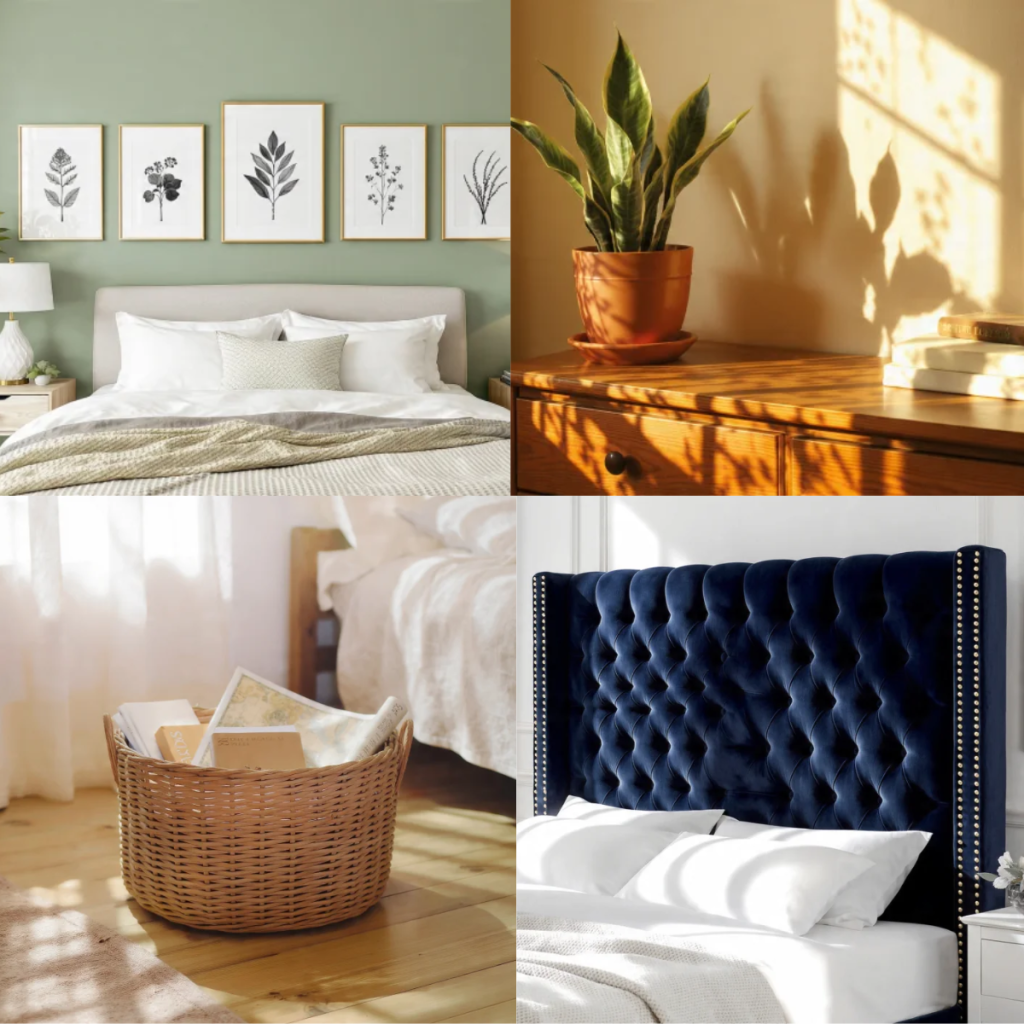
We’ve all been there—staying in a guest room that feels like an afterthought. A creaky bed, a single flat pillow, and a barren wall can make even the most enthusiastic traveler wish they’d booked a hotel. But it doesn’t have to be that way. Your guest bedroom is more than just a spare room; it’s an opportunity to gift your friends and family a sanctuary of rest and relaxation.
Creating a welcoming guest space isn’t about expensive renovations or buying a new mattress every year. It’s about thoughtful details—the little touches that whisper, “We are so glad you are here.” From choosing the right color palette to stocking the ultimate amenity tray, great guest room decor balances aesthetic appeal with functional comfort.
Why These Details Matter
You might wonder—does a water carafe or a handwritten note really make a difference? The answer is yes, and there’s psychology behind it.
When guests enter a well-prepared room, they experience what psychologists call cognitive ease. Everything is where it should be, nothing is missing, and they don’t have to ask for help. This reduces anxiety and allows them to relax immediately.
The emergency kit addresses the fear of forgetting something important—a common travel stressor. The welcome note triggers the release of oxytocin, the bonding hormone, making guests feel cared for and valued. Even the plant taps into biophilia, our innate human tendency to seek connections with nature, which lowers blood pressure and reduces cortisol levels.
In short, these aren’t just decor tips. They are small acts of hospitality that tell your guests: “You matter, and we thought of you.”
Whether you are designing a cozy corner for a weekend visitor or a full suite for long-term family stays, these 15 tips will help you transform your spare room into a stylish, serene, and supremely comfortable retreat.
15 Well-Structured Guest Bedroom Decor Ideas
1. The “Hotel” Bedding Stack
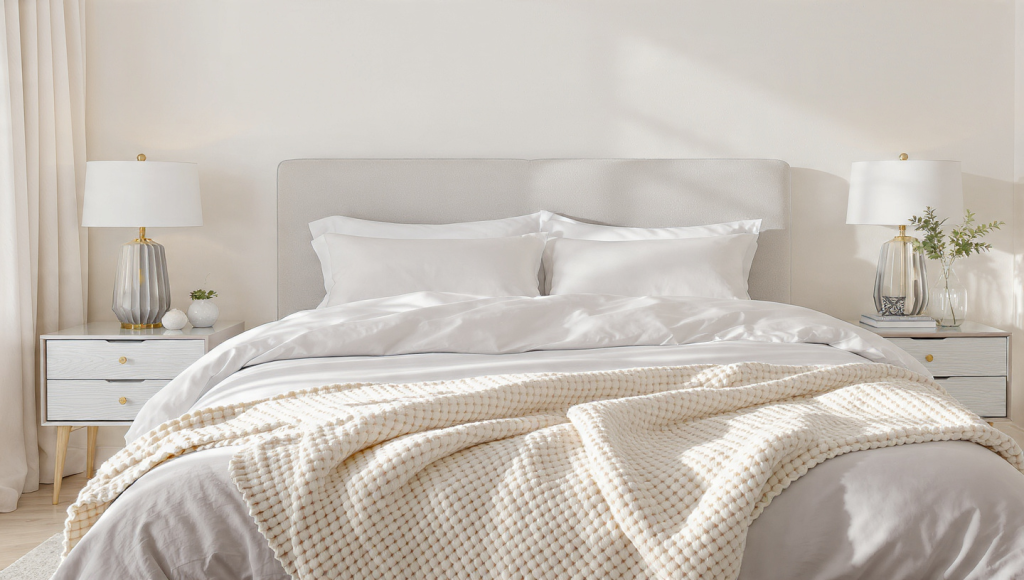
- The Idea: Ditch the single flat sheet and thin comforter. Layer your bedding for luxury and temperature control.
- The Structure: Start with a high-quality fitted sheet. Add a flat sheet, followed by a lightweight duvet or quilt. Fold a chunky knit throw blanket at the foot of the bed, and finish with four pillows (two firm for sitting up, two soft for sleeping).
- Why it works: It allows guests to customize their warmth and comfort, and it looks incredibly inviting.
2. The “Over-Delivering” Nightstand
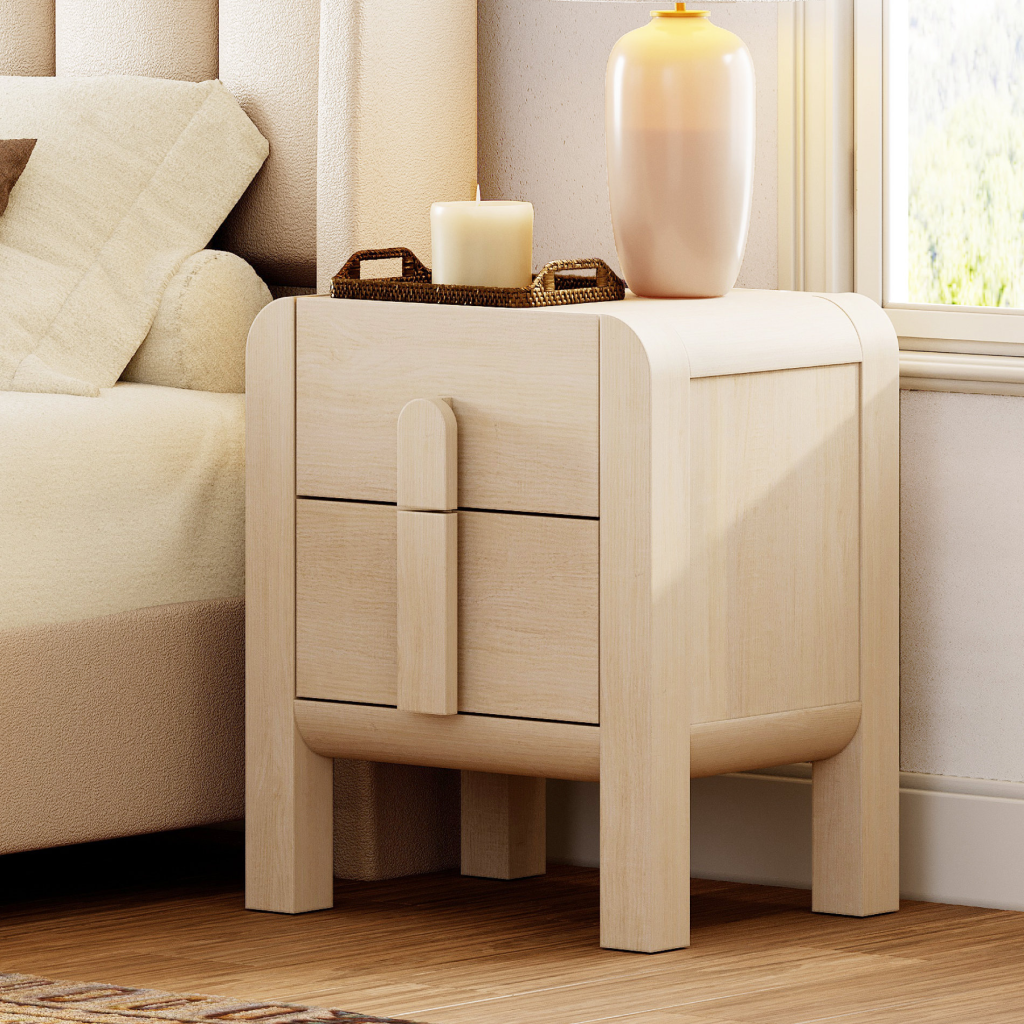
- The Idea: Don’t just leave a lamp; create a functional hub.
- The Structure: Place a table lamp with a USB port, a small carafe of water with a glass, a notepad and pen, and a small dish for jewelry or watch storage.
- Why it works: It anticipates your guest’s needs before they even have to ask, showing you’ve thought of everything.
3. The “Third Space” Seating Area
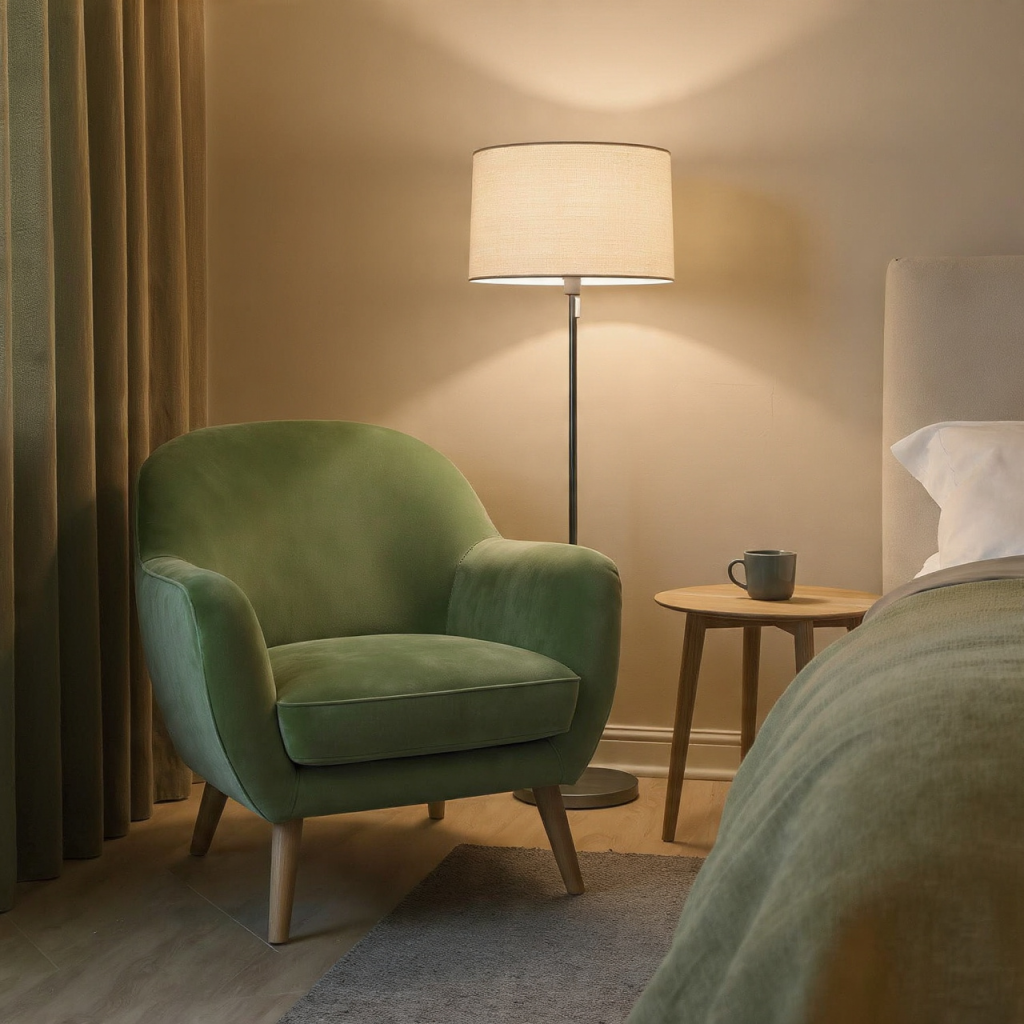
- The Idea: If space allows, avoid the “bedroom is only for sleeping” trap by adding a secondary seating zone.
- The Structure: Place a small accent chair and a floor lamp in a corner. Add a tiny side table for their morning coffee.
- Why it works: It gives guests a place to sit, read, or scroll through their phone without having to sit on the bed or leave the room for privacy.
4. The Visual Anchor: A Statement Headboard
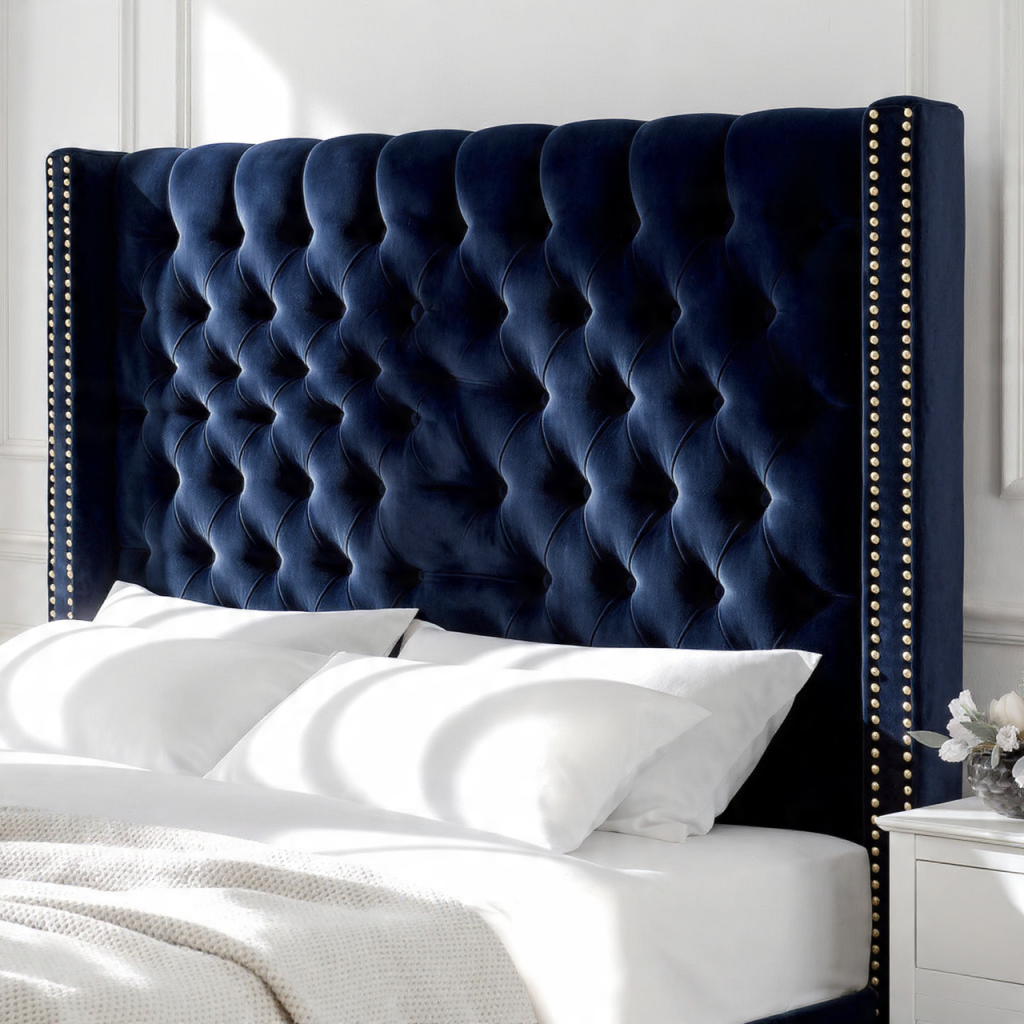
- The Idea: Use the headboard as the room’s main focal point to frame the bed.
- The Structure: Upholster a large rectangular board in a velvet or linen fabric, or go for a natural look with a reclaimed wood panel.
- Why it works: It instantly elevates the room from a “spare room” to a “designed bedroom,” adding texture and a sense of permanence.
5. The “Walk-In” Wardrobe Space (Clear the Closet)
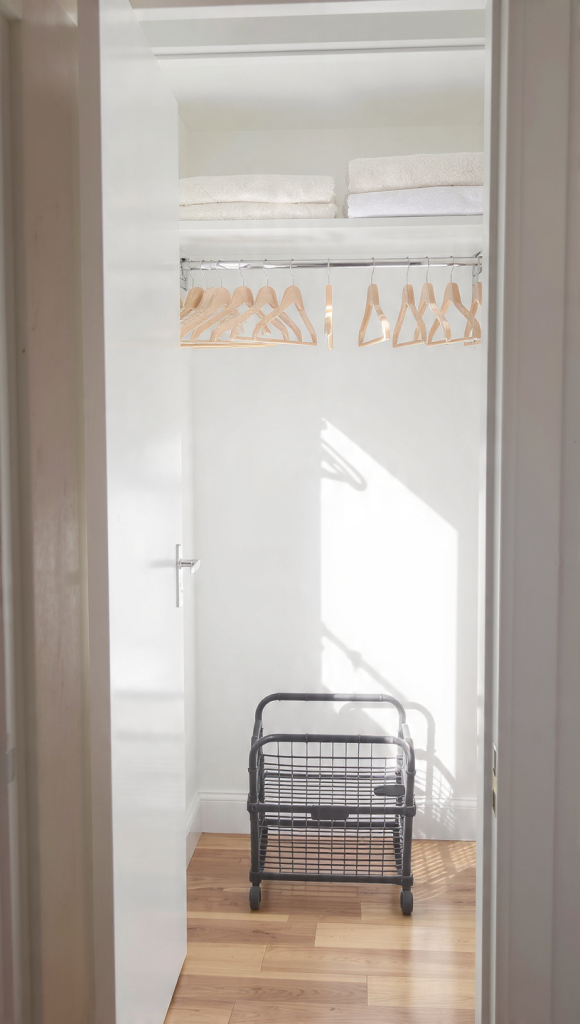
- The Idea: Remove half of your own stored items from the guest closet.
- The Structure: Leave at least 6-8 empty wooden hangers and a few felt ones. Place a luggage rack on the floor and a stack of extra blankets on the top shelf.
- Why it works: It allows guests to unpack and settle in, making a weekend stay feel like a real vacation.
6. The “Touch of Nature”
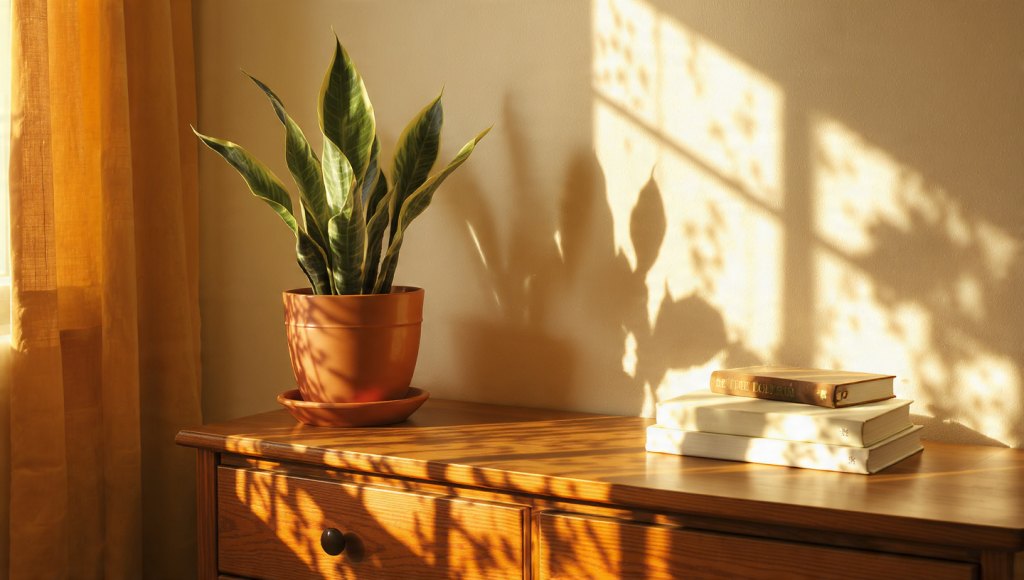
- The Idea: Bring life into the room to create a soothing atmosphere.
- The Structure: Place a low-maintenance plant (like a Snake Plant or Pothos) on the dresser or a faux olive branch in a ceramic vase.
- Why it works: Biophilic design (connecting with nature) reduces stress and anxiety, helping guests feel grounded in a new environment.
7. The “Scent of Serenity”
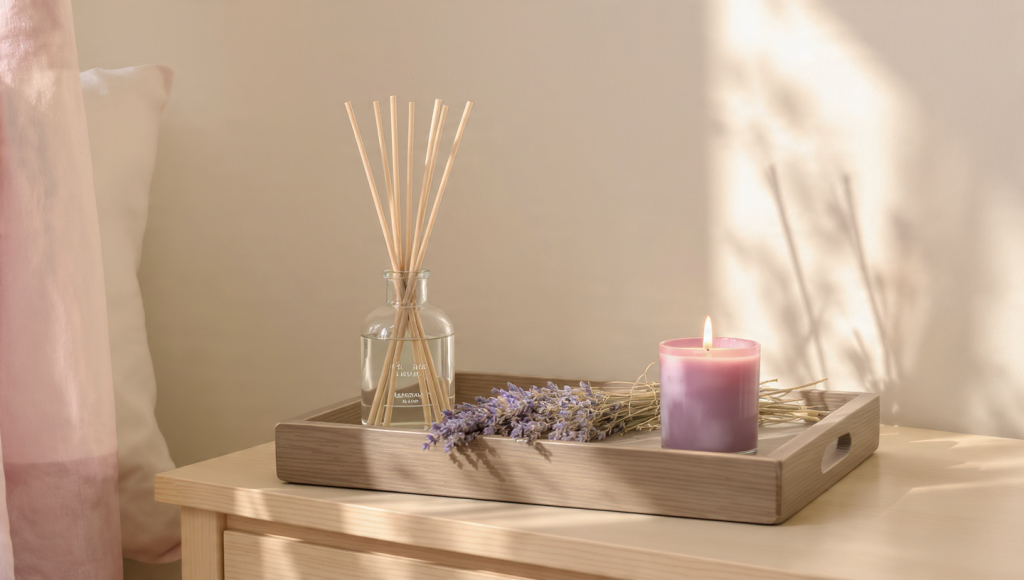
- The Idea: Control the first impression with the sense of smell.
- The Structure: Place a subtle reed diffuser with a scent like lavender, sandalwood, or white tea on the dresser. Avoid overpowering floral scents.
- Why it works: Scent is directly linked to memory and emotion; a clean, fresh smell sets a calming tone for the entire stay.
8. The Blackout Effect
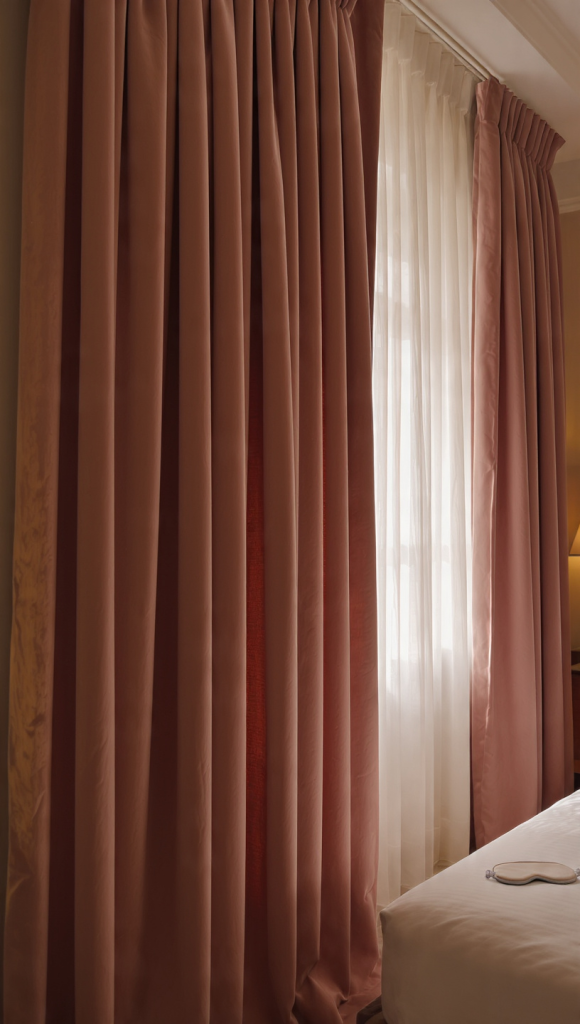
- The Idea: Ensure a great night’s sleep by controlling the light.
- The Structure: Install blackout curtains in a color that matches the wall, or add a sleep mask to the nightstand.
- Why it works: Travelers often suffer from sleep disruption due to unfamiliar light. This guarantees they can sleep in no matter the time of day.
9. The “Rug” Layer
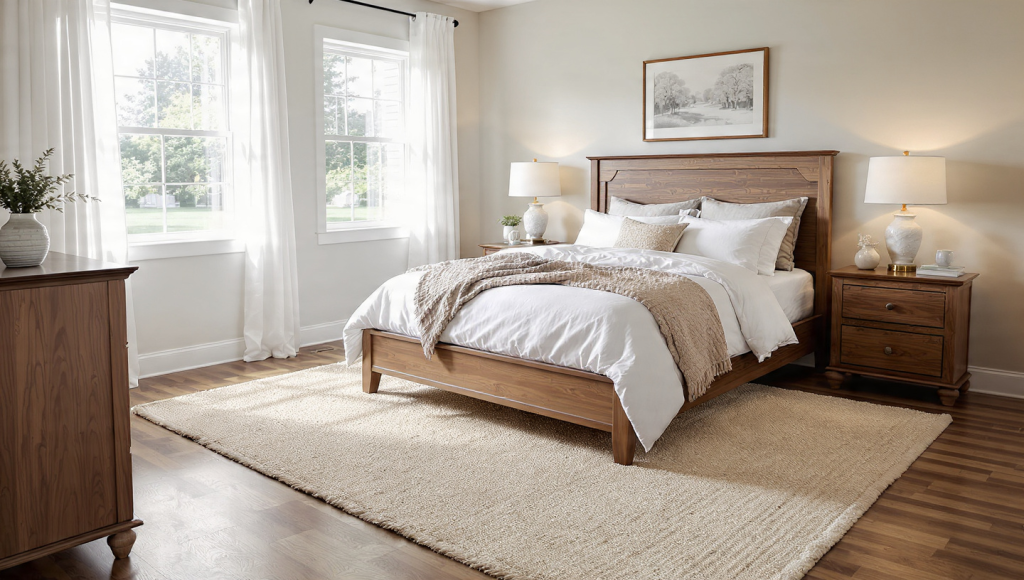
- The Idea: Define the sleeping zone and add warmth underfoot.
- The Structure: Place a large, plush area rug under the bed that extends at least 18 inches on each side.
- Why it works: It provides a soft, warm landing spot for bare feet in the morning and helps to absorb sound, making the room feel quieter.
10. The “Wardrobe” of Reading Materials
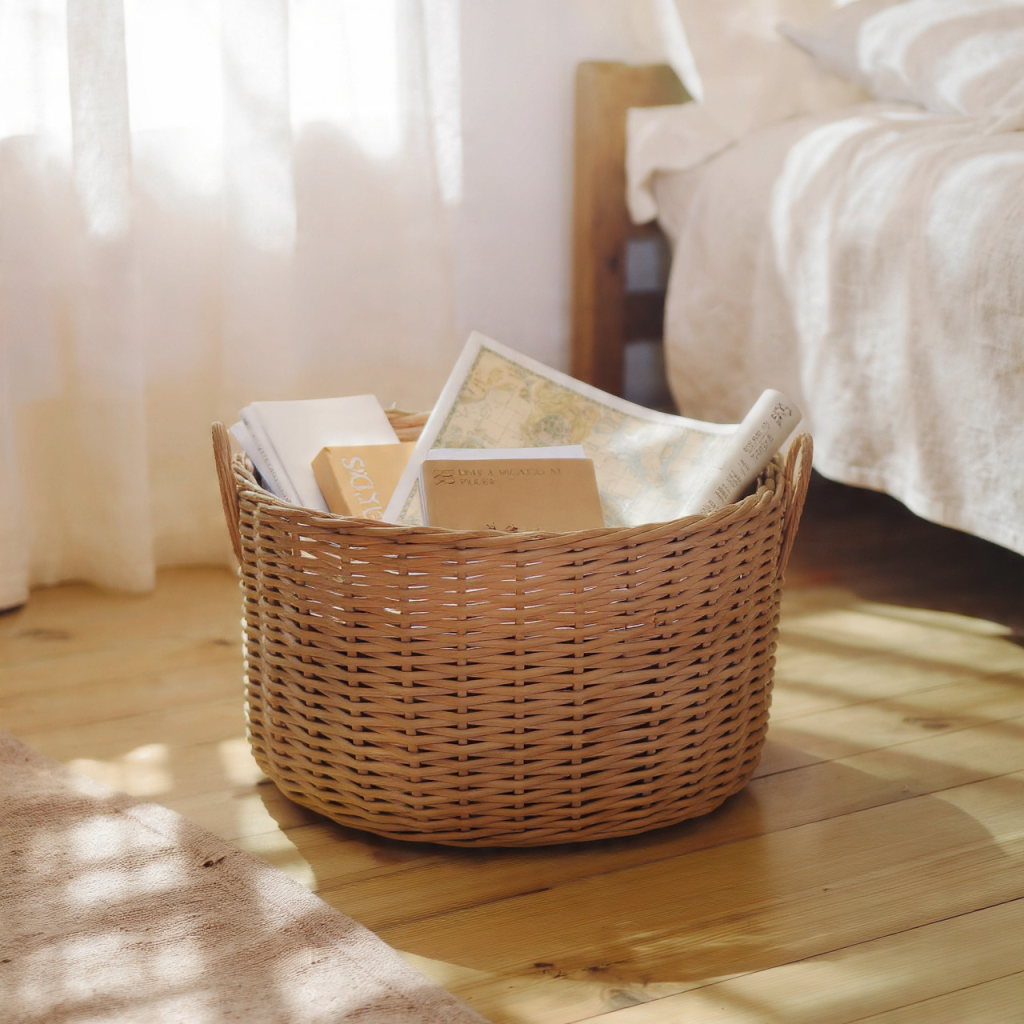
- The Idea: Provide entertainment that doesn’t involve a screen.
- The Structure: Curate a small basket or shelf with a mix of books: a local travel guide, a current bestseller, a coffee table book, and a few magazines.
- Why it works: It caters to different tastes and gives guests a way to unwind before bed without the blue light of a phone.
11. The Personal Welcome Note
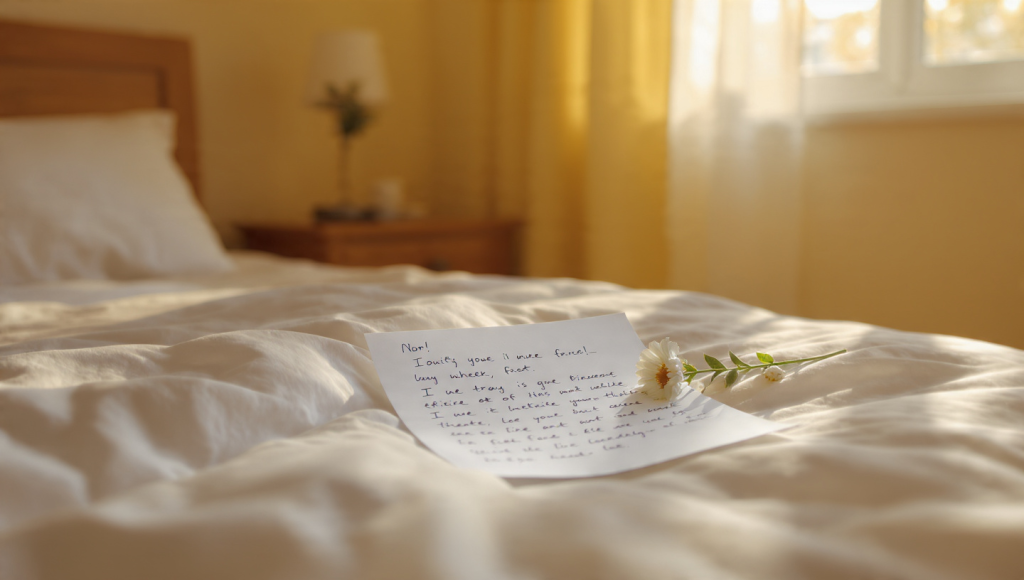
- The Idea: Add a personal touch that technology can’t replace.
- The Structure: Leave a handwritten note on the pillow or dresser that reads, “Welcome! Hope you settle in well. The Wi-Fi password is…” and list your recommendations for local coffee shops.
- Why it works: It immediately makes the guest feel valued and provides a sense of human connection.
12. The “Aesthetic” Gallery Wall
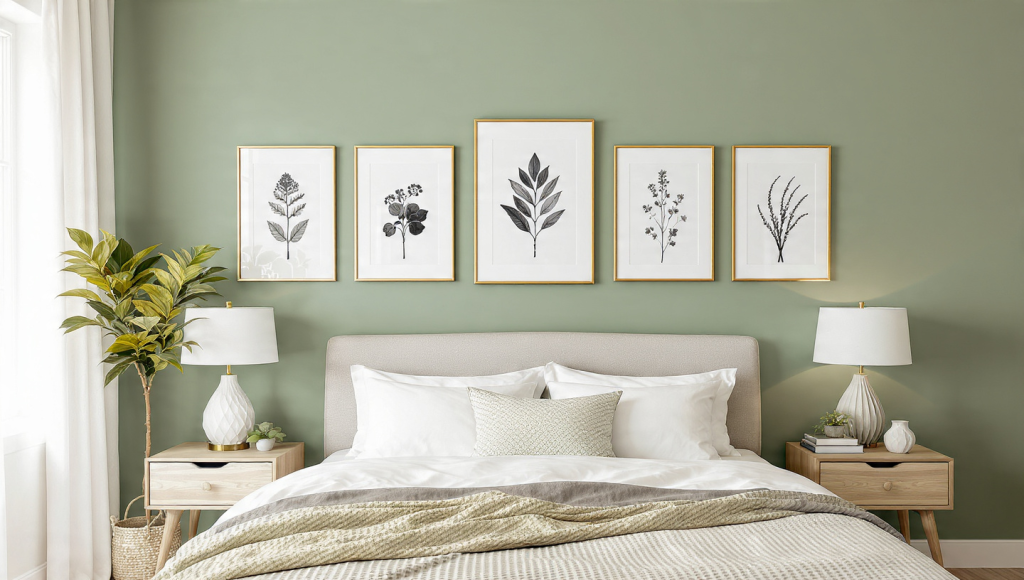
- The Idea: Decorate the walls to give the room personality and interest.
- The Structure: Create a small gallery wall above the bed or dresser with 3-5 framed prints. Use black and white photography or botanical illustrations to keep it serene.
- Why it works: It gives the room a curated feel and prevents the walls from looking sterile or forgotten.
13. The Well-Dressed Mirror
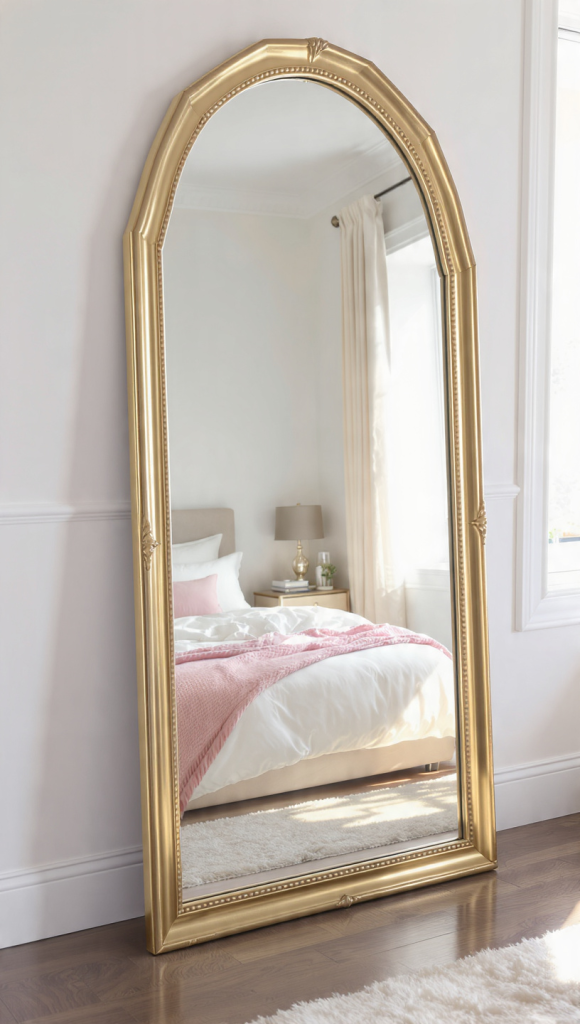
- The Idea: Include a full-length or oversized mirror for outfit checks.
- The Structure: Lean a large arched mirror against the wall or hang one on the back of the door.
- Why it works: It’s a practical necessity that also bounces light around the room, making the space feel bigger and brighter.
14. The Dimmable Lighting Strategy
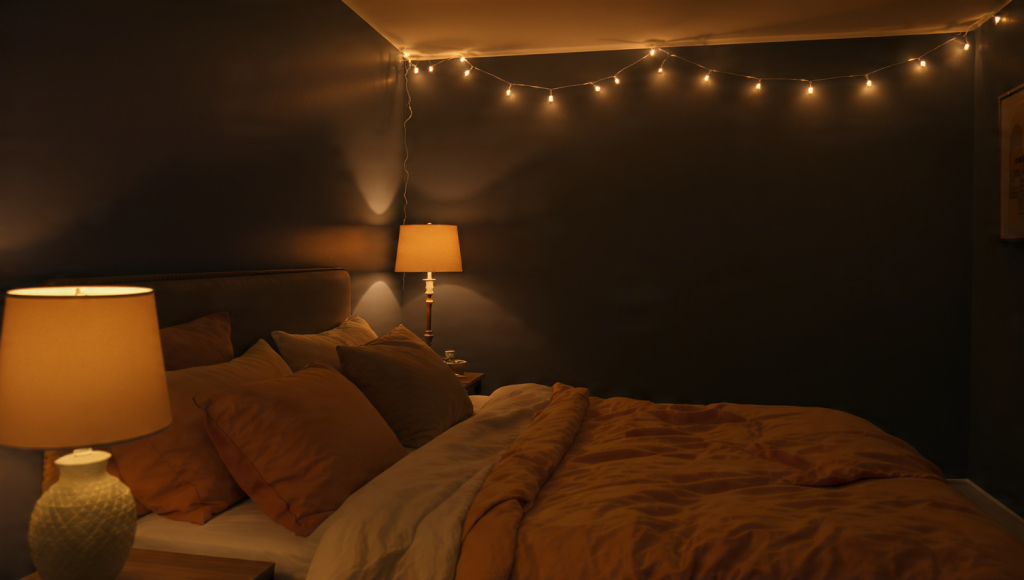
- The Idea: Avoid harsh, overhead lighting.
- The Structure: Use a combination of lighting: a dimmable floor lamp, a bedside table lamp, and perhaps a small string of fairy lights.
- Why it works: Guests can control the ambiance. Bright for packing/unpacking; soft and warm for reading and relaxing before sleep.
15. The “Emergency” Kit
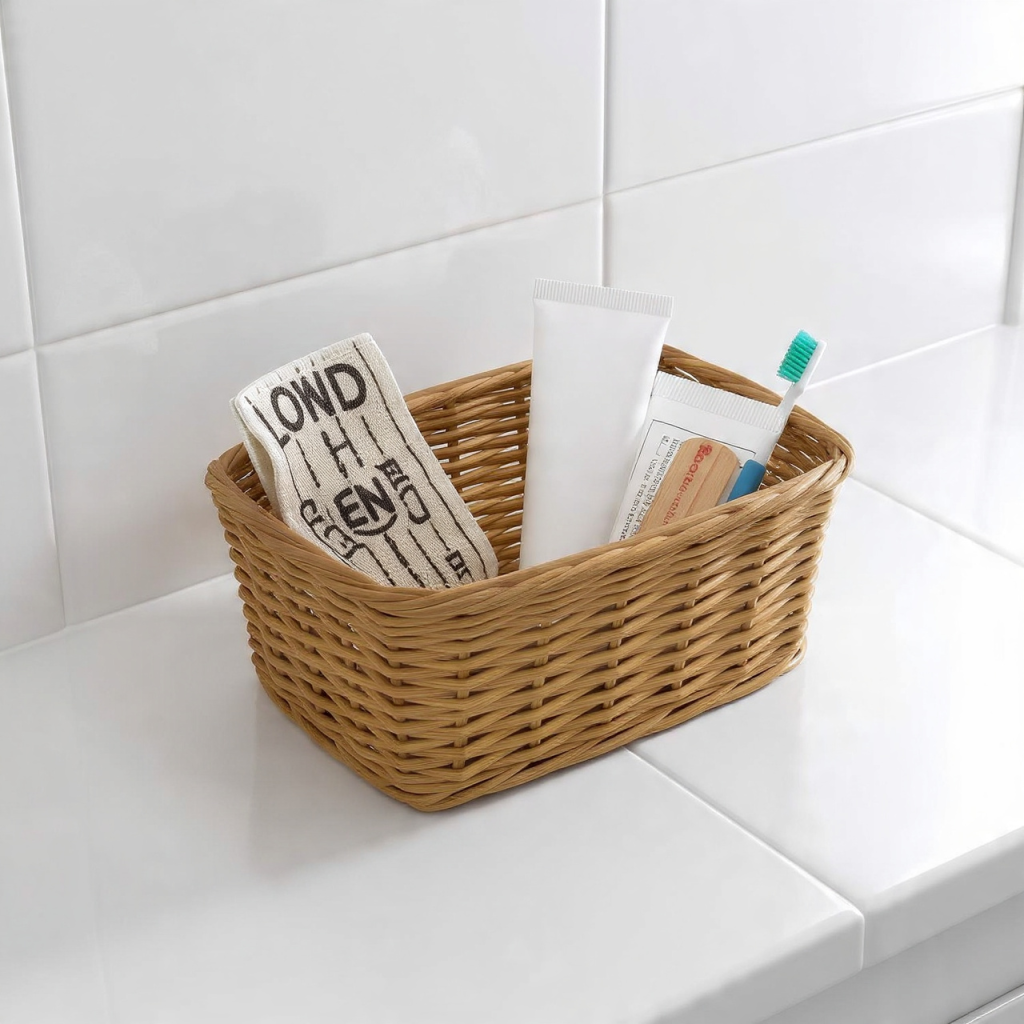
- The Idea: Stock a small basket with items guests often forget.
- The Structure: Fill a woven basket with a brand-new toothbrush, a travel-size toothpaste, a sewing kit, a lint roller, and a few cotton buds.
- Why it works: It saves the guest from embarrassment (or a late-night trip to the drugstore) and reinforces that their comfort is your top priority.
Budget-Friendly Swaps
Not everyone has the budget for velvet headboards and designer lamps, but you can achieve the same effect without breaking the bank. Instead of a costly velvet headboard, paint a DIY headboard on the wall using painter’s tape. Rather than an expensive reed diffuser, simmer cinnamon sticks and orange peels in water before guests arrive. Replace a high-end area rug with a large woven bath mat or flat-weave cotton rug. Layer a crisp white duvet cover with a colorful thrifted quilt for high-end bedding appeal. Find a vintage mirror at a flea market and spray-paint the frame gold. Instead of fresh flowers, forage greenery from your garden or use dried eucalyptus.
The secret isn’t the price tag—it’s the intention behind each item. A five-dollar thrifted vase with a single branch can look more elegant than a fifty-dollar generic decoration.
Common Guest Room Mistakes to Avoid
Even with the best intentions, it’s easy to make common errors. The biggest mistake is using the guest room as a storage dump. Boxes, old clothes, and random clutter immediately make guests feel like they’re intruding rather than being hosted.
Another frequent oversight is poor lighting. Relying solely on a harsh overhead ceiling light creates an unflattering, cold atmosphere. Always include at least two layers of lighting—ambient and task—for a warm, inviting glow.
Many hosts forget to test the bed themselves. A mattress that’s too soft, too firm, or squeaky can ruin a guest’s stay. Lie down on it for a few minutes and adjust with a mattress topper if needed.
Neglecting the Wi-Fi password is a surprisingly common mistake. Guests almost always need it, and having to ask for it feels awkward. Write it down clearly and place it somewhere visible.
Finally, don’t over-fragrance the room. Strong candles or plug-in air fresheners can trigger allergies or headaches. Opt for subtle, natural scents or skip fragrance altogether and focus on cleanliness instead.
Seasonal Updates for Year-Round Comfort
A great guest room adapts to the changing seasons. In winter, swap lightweight throws for heavy wool blankets, add an extra duvet to the closet, and place cozy slippers by the bed. Use warm-toned decor like deep burgundy or forest green accents.
In summer, switch to breathable cotton or linen bedding, add a ceiling fan or portable fan, and provide a lightweight robe. Decorate with fresh, cool colors like soft blues, whites, and pale greens. Keep a pitcher of cold water with lemon slices in the room and offer blackout curtains to block early morning sunlight.
For spring, bring in fresh flowers like tulips or daffodils, open the windows to air out the room before arrival, and use light, airy fabrics. Autumn calls for warm, earthy tones, cozy knitted throws, and a small tray with hot chocolate or cider supplies.
Updating your guest room seasonally shows guests that you’ve thought about their comfort in every weather condition.
Conclusion
Transforming your guest bedroom into a welcoming retreat doesn’t require a complete renovation or a massive budget. What it does require is attention to detail and a genuine desire to make your guests feel valued. From layered bedding and functional nightstands to thoughtful welcome notes and emergency kits, each small touch contributes to an experience that your friends and family will remember fondly.
Remember, the best guest rooms are those that anticipate needs before they arise. They offer comfort without asking, warmth without demanding, and hospitality without expectation. Your guests are giving you the gift of their time and company—the least you can do is give them a space where they can truly rest.
So take these tips, adapt them to your space and style, and create a guest room that doesn’t just look beautiful but feels like a warm embrace. Your visitors will notice, and they’ll thank you for it—probably with a return visit.
