There’s something magical about a walk along the shore or riverbank—the gentle sound of water, the fresh air, and the treasures waiting to be discovered. Among the most versatile of these treasures is driftwood, sculpted by wind and water into organic forms that spark imagination. Each piece tells a story of its journey, making it the perfect starting point for creative adventures with children .
Driftwood crafting offers so much more than just a way to pass a rainy afternoon. It connects children to nature, encourages creative thinking, and helps develop fine motor skills—all while using materials that are free and environmentally friendly . The beauty of working with driftwood lies in its imperfection; no two pieces are alike, and the wood itself often guides the final creation .
Whether you’ve collected driftwood on a family holiday or are planning a nature walk specifically to gather supplies, these 14 craft ideas will transform simple beach finds into treasured keepsakes. The best part? There’s no right or wrong way to create—just imagination, exploration, and fun .
14 Creative Driftwood Crafts for Kids
1. Driftwood Sculptures
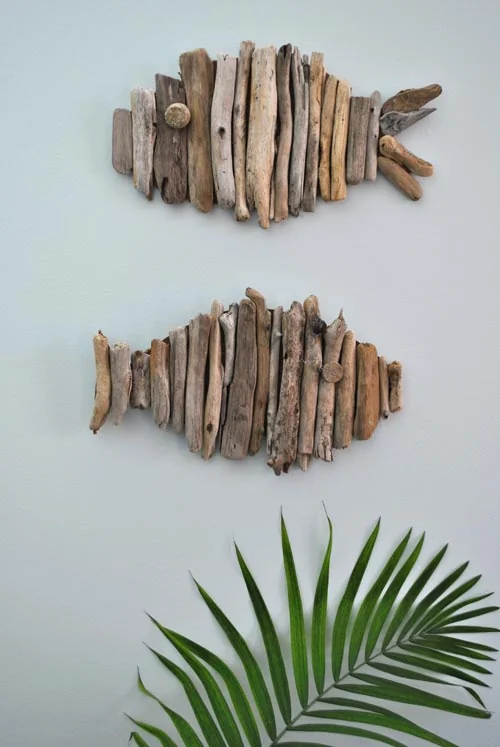
The simplest and most open-ended driftwood craft is sculpture. Give children a collection of driftwood pieces and glue, and let them create whatever they imagine—animals, towers, abstract shapes, or imaginary creatures. This activity encourages creativity and problem-solving as children figure out how pieces fit together .
What you’ll need: Driftwood pieces, strong glue (tacky glue or hot glue with adult supervision), optional paint for decoration.
2. Driftwood Wind Chimes
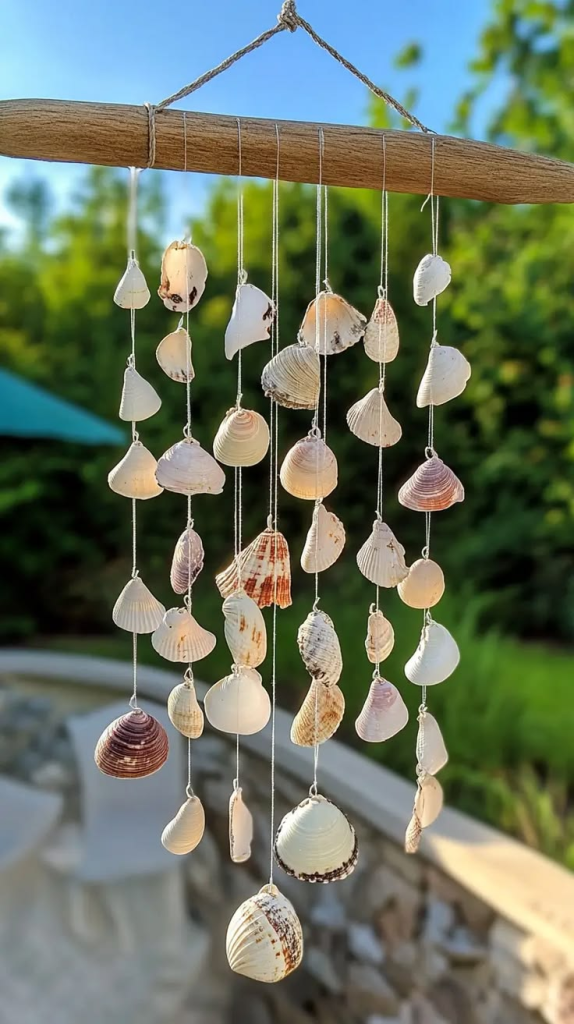
Wind chimes combine art with music, creating a beautiful sensory experience. Tie pieces of driftwood to a central branch using string or fishing line, then add beads, shells, or small bells for extra sound and visual interest . Hang them outside to catch the breeze and create gentle, natural music.
What you’ll need: A larger driftwood piece for the top, smaller pieces to hang, string or fishing line, beads, shells, or bells.
3. Driftwood Mobiles
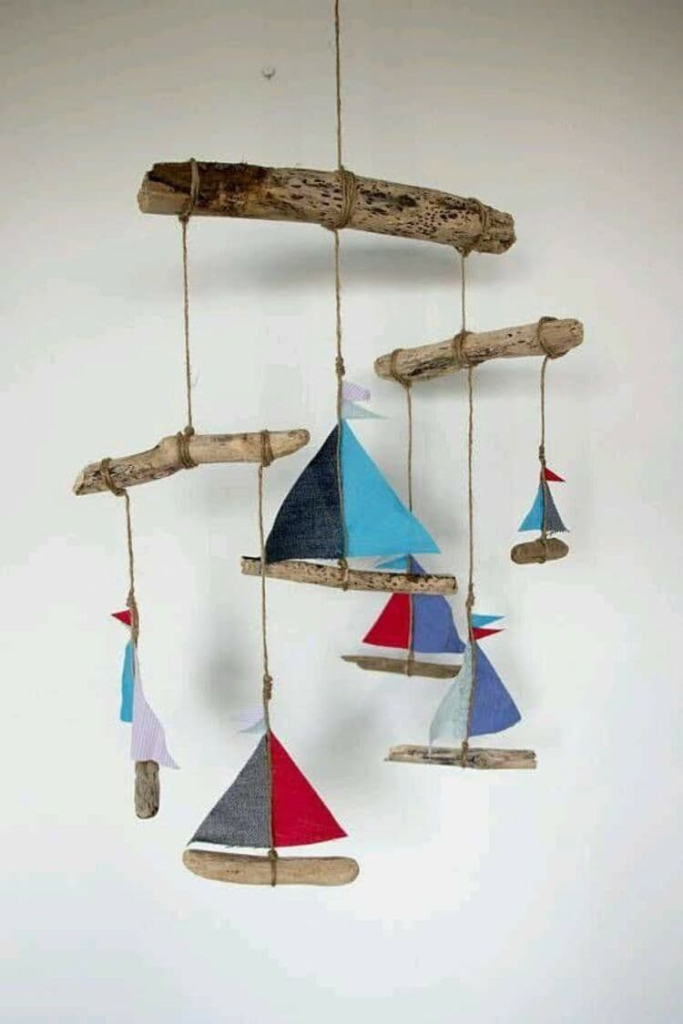
Similar to wind chimes but designed for indoor display, mobiles let children explore balance and composition. Arrange driftwood pieces in a balanced design, hanging them from a central branch. Add feathers, beads, or small shells for decoration. The result is a beautiful piece of natural art that gently moves with air currents .
What you’ll need: Driftwood pieces, string or fishing line, decorations like feathers and beads.
4. Driftwood Picture Frames
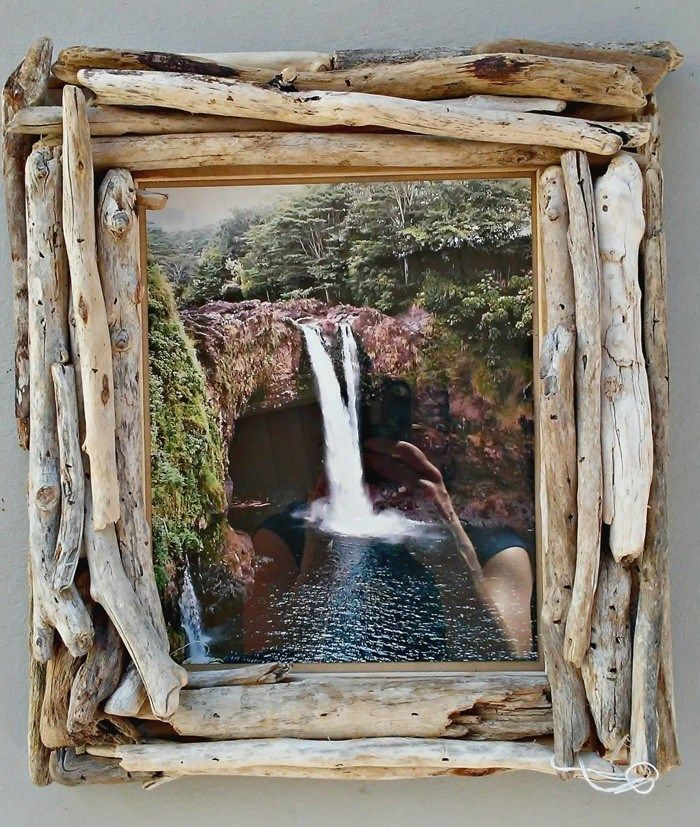
Create unique frames for favorite photos or artwork. Arrange driftwood pieces around a photograph, gluing them to a cardboard backing. The natural, rustic frame creates a one-of-a-kind display that children will be proud to show off .
What you’ll need: Driftwood pieces, photo or drawing, cardboard backing, glue.
5. Driftwood Boats
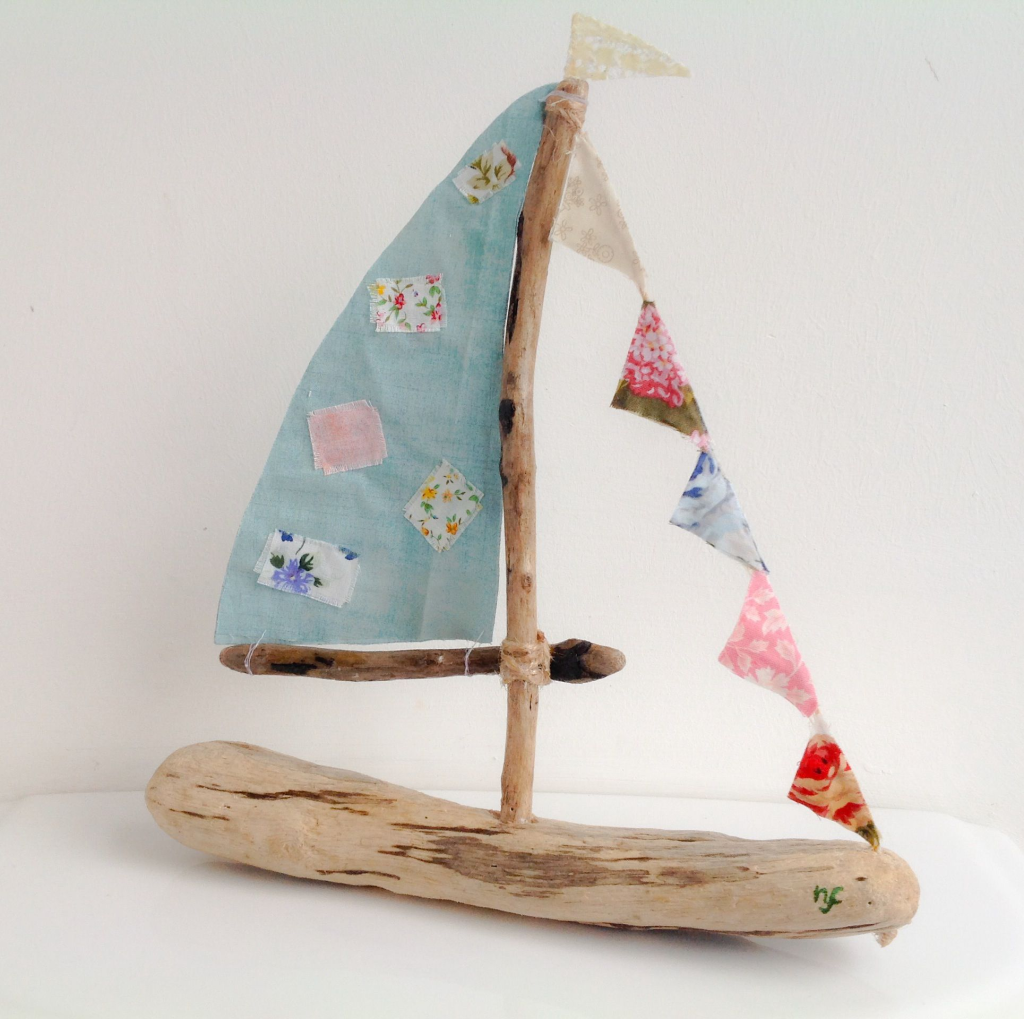
For children who love adventure, driftwood boats are an exciting project. Use a larger piece as the hull and smaller pieces for details, then add a paper or fabric sail. These charming boats can be displayed or floated in water during bath time or outdoor play .
What you’ll need: Driftwood for the hull, wooden dowel or stick for the mast, fabric or paper for the sail, glue.
6. Driftwood Pencil Holders
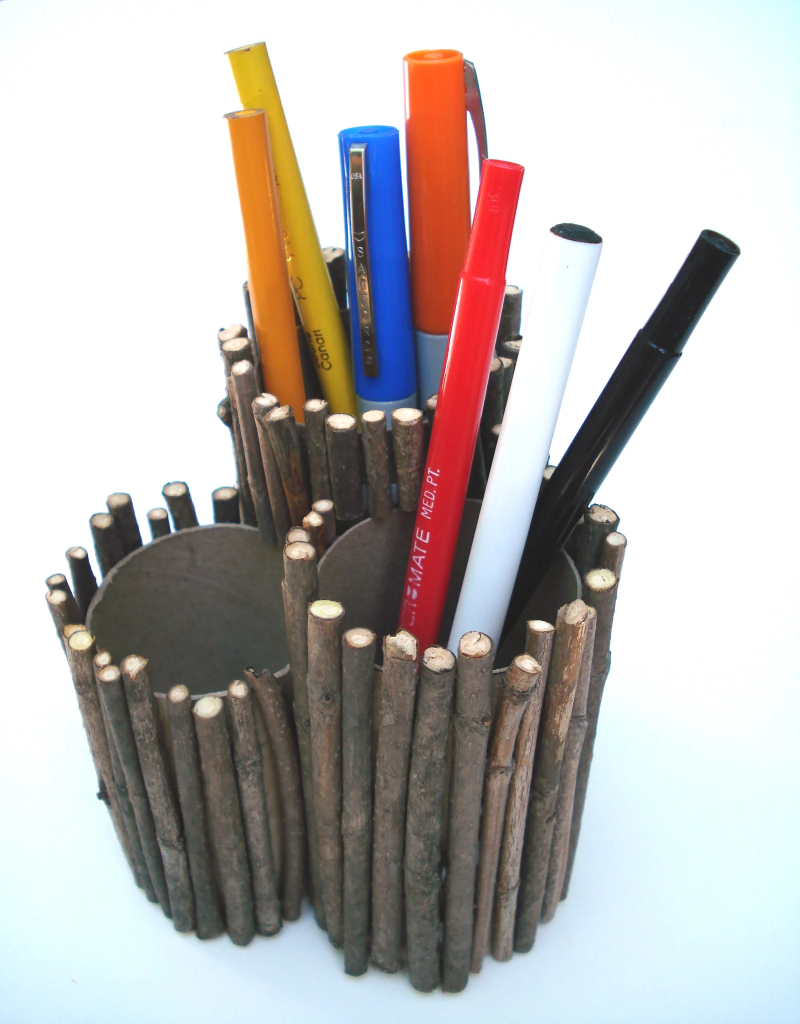
A practical craft that adds a natural touch to any desk. Arrange driftwood pieces around a small jar or can, gluing them in place. This project teaches children about repurposing materials while creating something useful .
What you’ll need: Driftwood pieces, jar or can, glue.
7. Driftwood Animal Figures
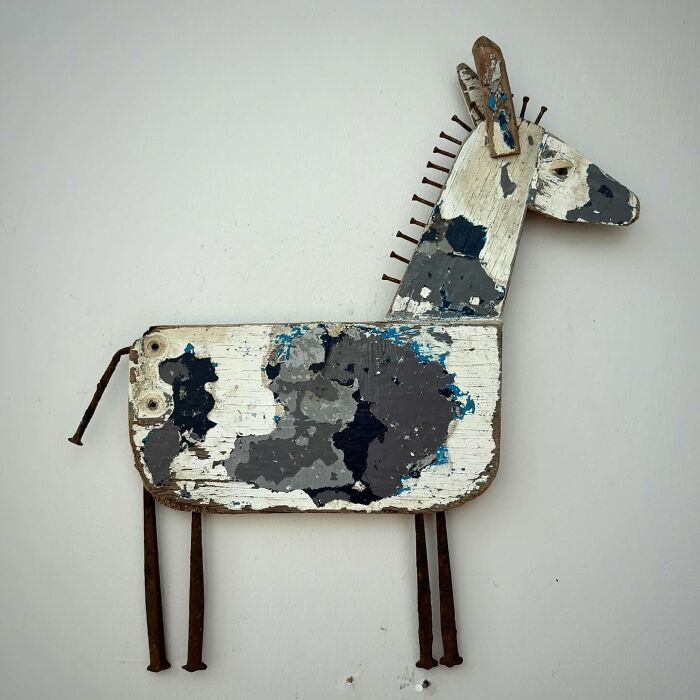
Let children create their favorite animals using driftwood pieces. A long piece might become a snake, a rounded piece a turtle body. Add googly eyes, felt, or pipe cleaners to bring creatures to life .
What you’ll need: Driftwood pieces, craft glue, googly eyes, felt or fabric scraps.
8. Driftwood Garden Markers
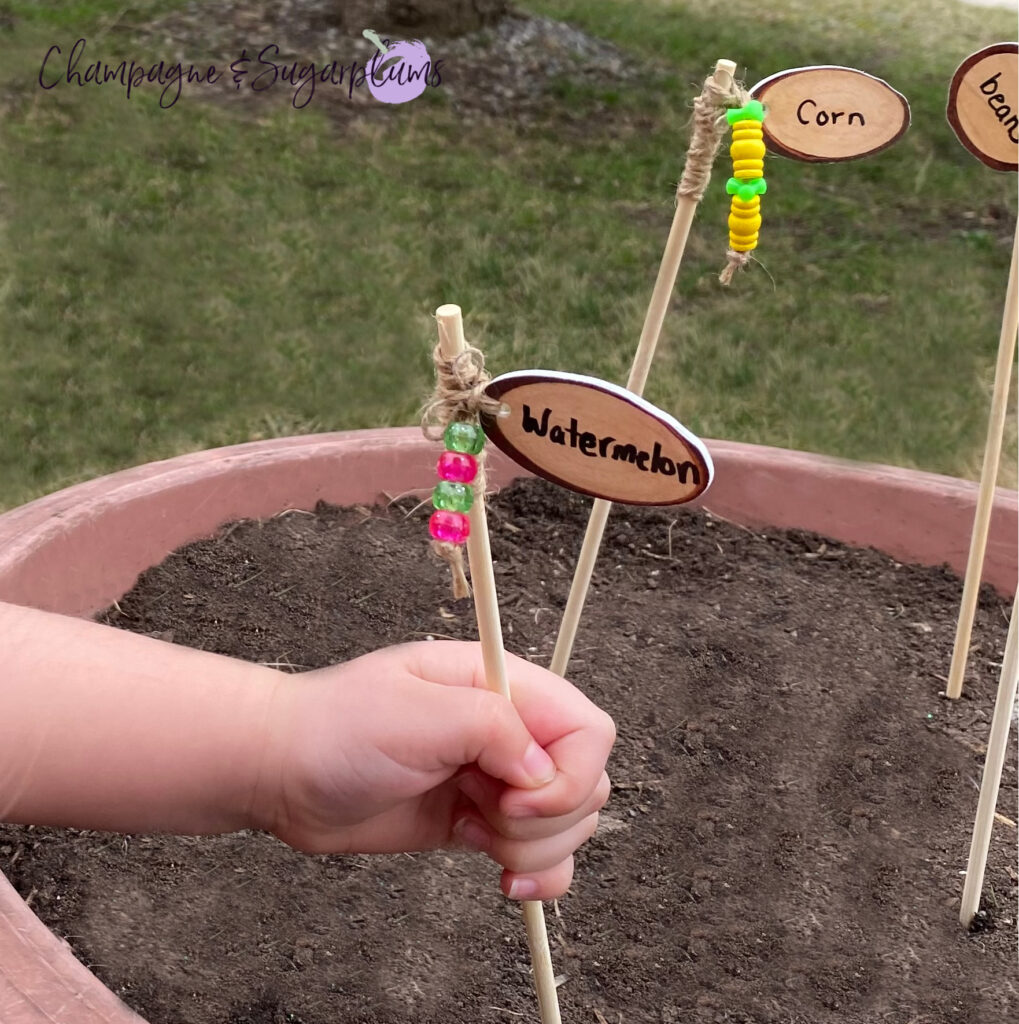
Perfect for children who love gardening. Write plant names on flat driftwood pieces using waterproof markers or paint. These markers add rustic charm to any garden and help children stay involved in outdoor planting .
What you’ll need: Flat driftwood pieces, waterproof markers or paint.
9. Driftwood Wall Art
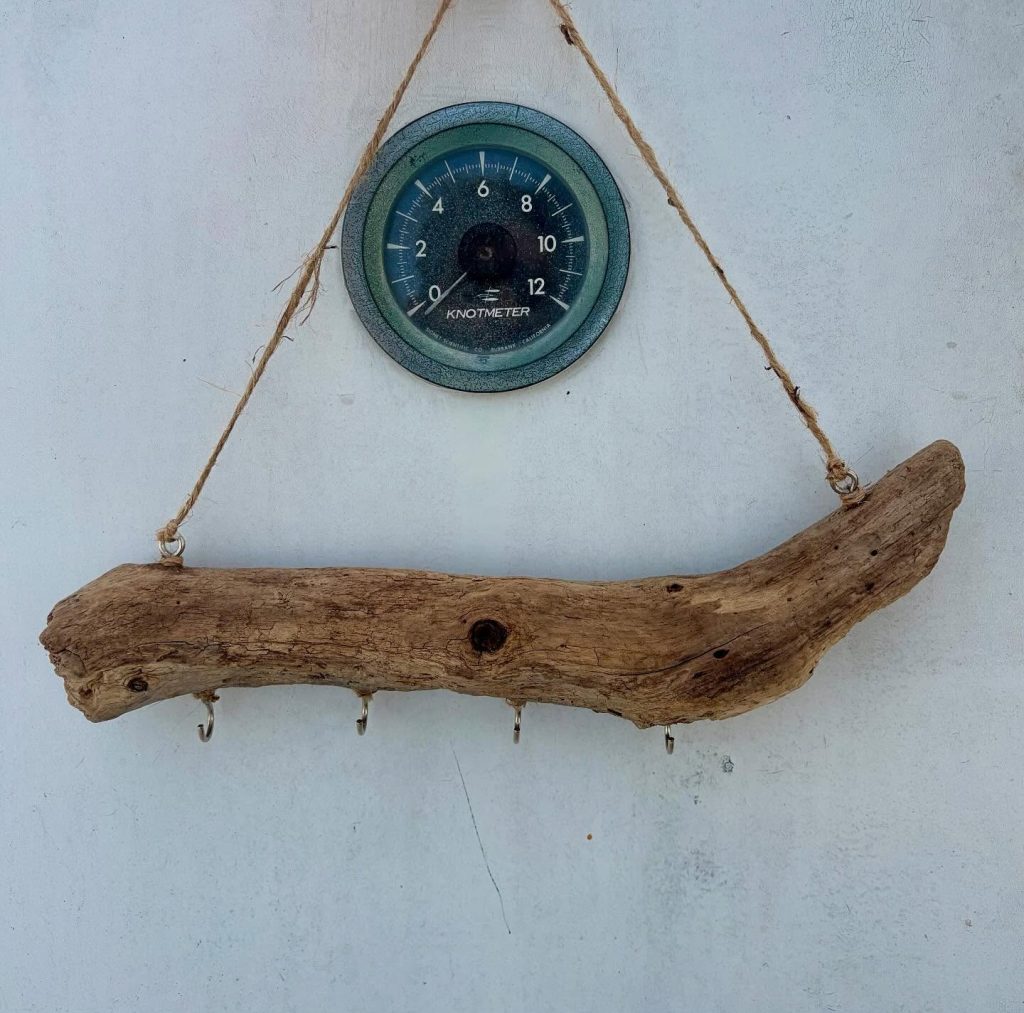
Create a wall art installation by arranging driftwood pieces on a backing board or directly on the wall. The composition can be organic or intentional, creating a beautiful natural element for any room . For a themed project, arrange pieces into shapes like hearts, stars, or Christmas trees .
What you’ll need: Driftwood pieces, glue or nails, optional backing board.
10. Driftwood Jewelry
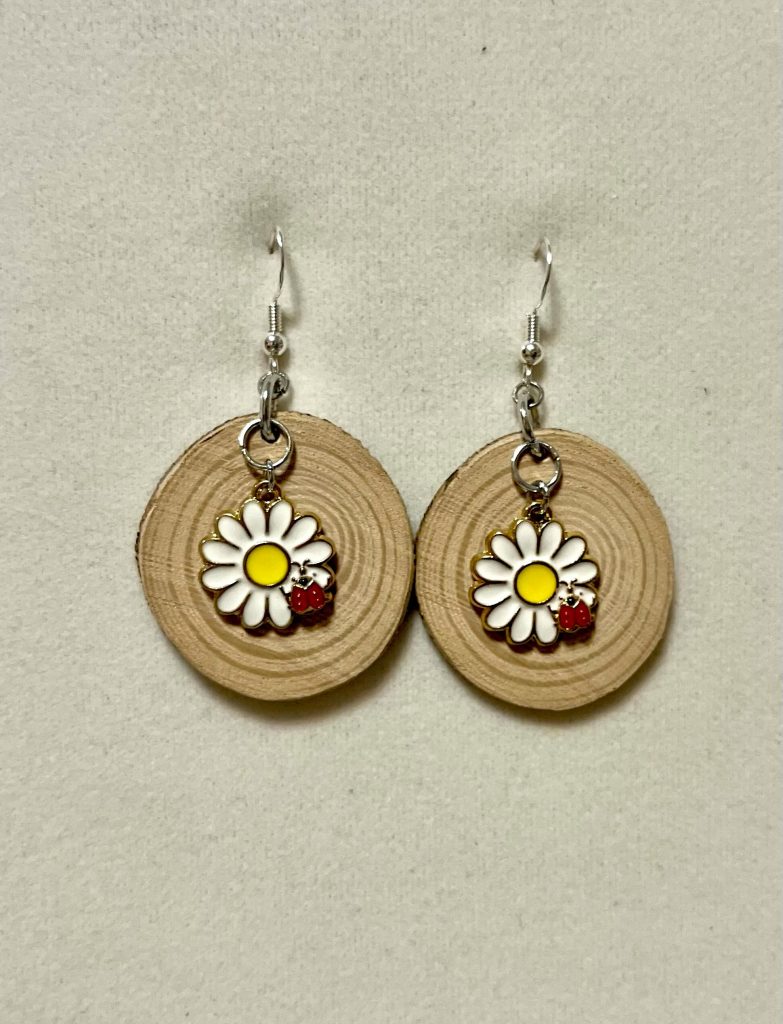
Small, smooth driftwood pieces can become beautiful wearable art. Use them as pendants on cord or leather, adding beads or shells for decoration. These unique pieces make thoughtful gifts .
What you’ll need: Small driftwood pieces, cord or leather, optional beads and shells.
11. Driftwood Garlands
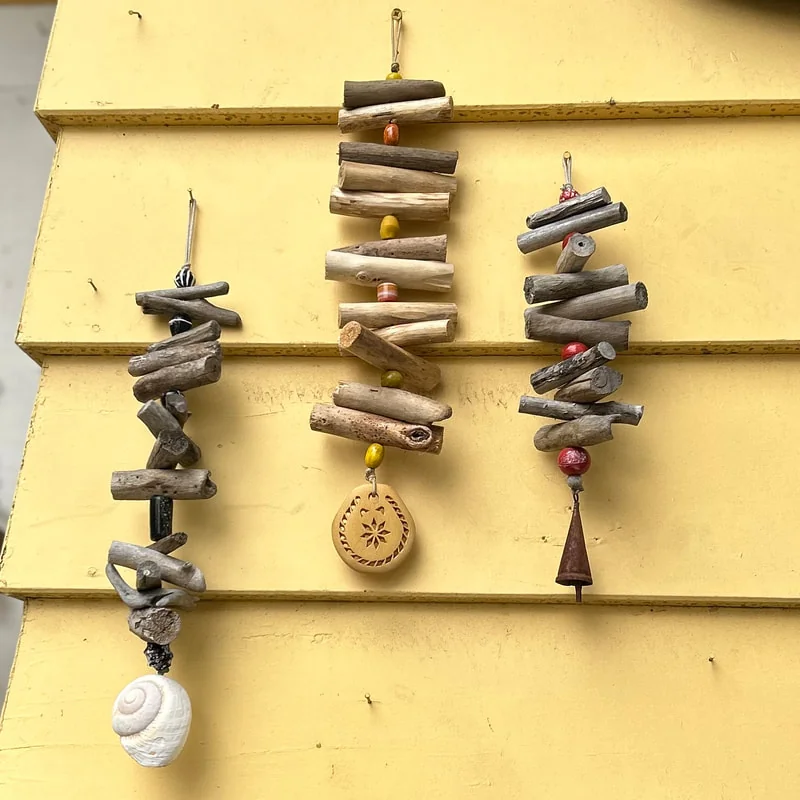
String small driftwood pieces and painted wooden beads onto lightweight wire or fishing line to create a natural garland. This craft works wonderfully as room decoration or party decor .
What you’ll need: Small driftwood pieces (drilled with small holes), wooden beads, wire or string, acrylic paint.
12. Mini Driftwood Weavings
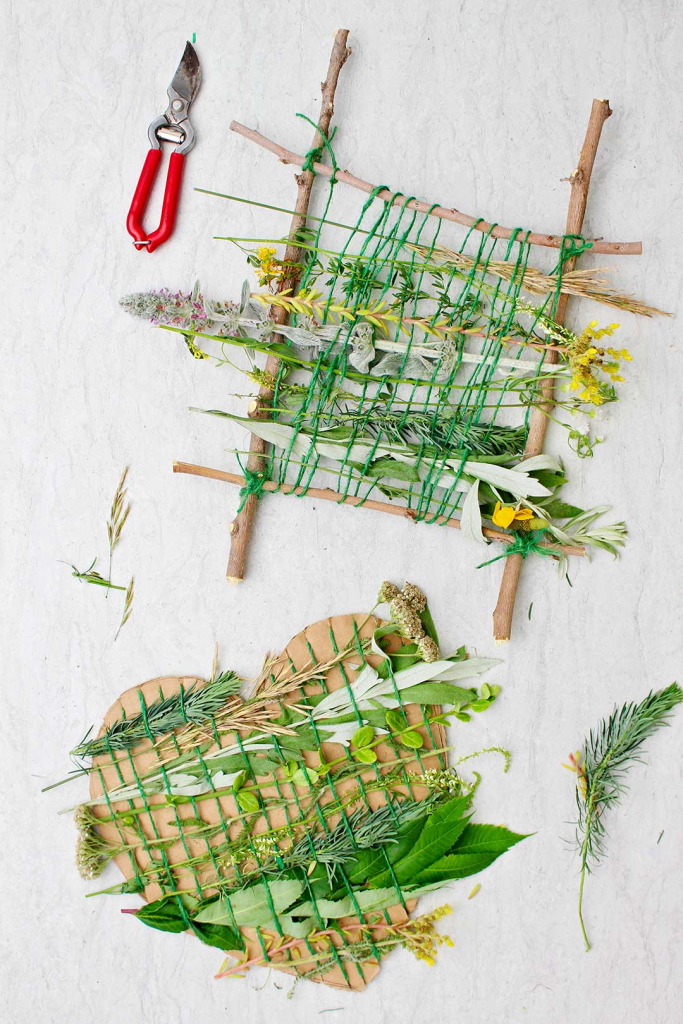
Using a simple cardboard loom, children can weave yarn, ribbon, and fabric scraps into tiny tapestries, then hang them from driftwood sticks. This project introduces basic weaving techniques while creating cozy, boho-style decor .
What you’ll need: Driftwood sticks, yarn in various colors, cardboard loom, twine for hanging.
13. Driftwood Ornaments
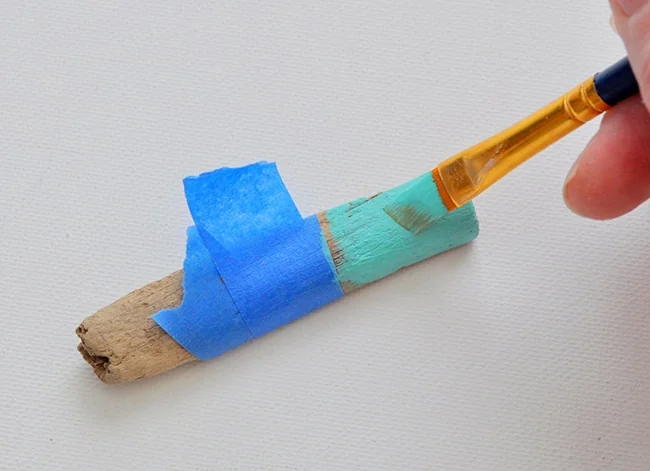
Create ornaments for holidays or year-round display. Decorate small driftwood pieces with paint, beads, or natural materials, then add string for hanging. These charming decorations make wonderful gifts .
What you’ll need: Small driftwood pieces, paint, string, decorations.
14. Driftwood Fairy Houses
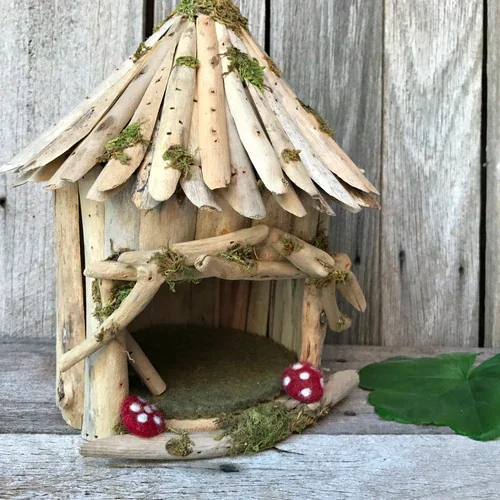
Combine various sizes of driftwood with moss, small pebbles, and tiny shells to construct miniature fairy houses or garden scenes. This project encourages imaginative play and a deeper connection with nature .
What you’ll need: Driftwood pieces, moss, pebbles, shells, glue.
Tips for Driftwood Crafting Success
- Collect responsibly: Look for driftwood along beaches, lakeshores, and riverbanks. Small, lightweight pieces work best for children’s crafts .
- Clean properly: Soak driftwood in a bleach solution (1 part bleach to 9 parts water) to clean and whiten, ensuring any critters or bacteria are removed. Allow to dry completely before crafting .
- Adult supervision needed: Some projects require drilling holes or using hot glue. These steps are great opportunities to teach children about tool safety with adult guidance .
- Embrace imperfections: The beauty of driftwood crafts lies in their organic, imperfect nature. Let the wood guide the creation and don’t worry about perfection .
How to Find and Collect Driftwood
The first step in any driftwood craft project is finding the right pieces. This process is an adventure in itself and can be a wonderful family outing.
Best locations to search: Beaches, lake shores, riverbanks, and along streams are prime spots for finding driftwood. After storms or during low tide are particularly good times to hunt for new pieces that have washed ashore.
What to look for: Choose pieces that are lightweight, dry, and free from rot. Smooth, weathered pieces are ideal as they have been naturally sanded by water and wind. Look for interesting shapes—curves, forks, holes, and unusual textures—as these will inspire the most creative projects. A mix of sizes is useful: small pieces for details, medium for main structures, and larger ones for bases.
Size and quantity: Collect a variety of sizes and shapes. For children’s crafts, pieces that are 2 to 12 inches long are most manageable. Gather more than you think you’ll need—it’s always better to have options.
Safety considerations: Only collect from areas where it is permitted. Avoid taking pieces from protected areas or wildlife habitats. Be mindful of tides and never collect from unsafe or restricted areas.
Cleaning and Preparing Driftwood
Before crafting, it’s essential to properly clean driftwood to ensure it is safe for children to handle and work with.
Step-by-step cleaning process:
- Remove loose debris: Brush off dirt, sand, and loose bark with a stiff brush. Remove any splinters or rough edges that could cause injury.
- Soak in a bleach solution: Mix one part household bleach with nine parts water in a large container. Submerge the driftwood and soak for 24 to 48 hours. This kills bacteria, removes mold, and helps whiten the wood.
- Rinse thoroughly: Rinse the driftwood well with clean water to remove all bleach residue.
- Dry completely: Allow the driftwood to air dry for several days in a sunny, well-ventilated area. This step is crucial—crafting with damp wood can lead to mold growth and glue failure.
- Sanding (optional): For projects requiring smooth surfaces, gently sand the driftwood with fine-grit sandpaper. Always supervise children during sanding and consider having them wear dust masks.
Alternative cleaning method (for those avoiding bleach): Soak driftwood in hot water with mild dish soap for 24 hours, then scrub, rinse, and dry. This method is less aggressive but may not be as effective at killing bacteria.
Essential Tools and Materials
Having the right supplies on hand makes driftwood crafting easier and more enjoyable. Here’s what you’ll need:
Basic toolkit:
- Strong craft glue (tacky glue works well; hot glue requires adult supervision)
- String, twine, or fishing line
- Scissors
- Fine-grit sandpaper
- Small paintbrushes
Optional but helpful:
- Acrylic paints and sealants
- Beads, shells, buttons, and other decorative items
- Wire and pliers
- Small hand drill (adult use only)
- Googly eyes and felt for animal crafts
- Cardboard or wood backing boards
Safety tip: Create a crafting kit that includes child-safe scissors, non-toxic glue, and washable paints. Keep sharp tools and hot glue guns for adult use only.
Safety Guidelines for Crafting with Children
Safety should always be the top priority when crafting with kids. Follow these guidelines to ensure a safe and enjoyable experience:
General safety:
- Supervise children at all times, especially when using tools or glue
- Use non-toxic, child-safe materials whenever possible
- Keep small parts away from very young children who might put them in their mouths
- Ensure working areas are well-ventilated when using paints or adhesives
Age-appropriate activities:
- Ages 3-6: Focus on sorting, arranging, and gluing with adult assistance. Use larger pieces to avoid choking hazards.
- Ages 7-10: Children can handle more independent crafting with supervision. Introduce painting and simple assembly.
- Ages 11+: Older children can use tools with guidance and take on more complex projects.
Tool safety:
- Hot glue guns should be operated only by adults
- Demonstrate proper scissor use and ensure scissors are age-appropriate
- Any drilling, cutting, or sanding should be done by or with adult supervision
Displaying and Preserving Driftwood Crafts
Once the crafting is complete, proper display and preservation will help these creations last for years.
Preservation tips:
- Seal your crafts: Apply a clear sealant or varnish to painted driftwood to protect it from dust and moisture. For outdoor pieces, use an outdoor-grade sealant.
- Avoid direct sunlight: Prolonged sun exposure can cause driftwood to become brittle and fade paints.
- Dust regularly: Use a soft brush or cloth to gently remove dust from finished pieces.
Creative display ideas:
- Wall displays: Create a gallery wall featuring multiple driftwood pieces or arrange them on a shelf.
- Seasonal rotation: Change displays with the seasons—holiday ornaments, spring garden markers, summer wind chimes.
- Gift giving: Many driftwood crafts make wonderful handmade gifts for grandparents, teachers, or friends. Encourage children to gift their creations.
The Educational Benefits of Driftwood Crafting
Driftwood crafting offers numerous developmental benefits for children beyond just creative expression.
Development of fine motor skills: Handling small pieces, threading string, and applying glue all help strengthen the small muscles in children’s hands, improving dexterity and hand-eye coordination.
Encourages creativity and imagination: With no fixed instructions, children are free to imagine and create. They learn to see possibilities in natural objects—a curved branch becomes a snake, a flat piece becomes a boat. This kind of open-ended play fosters divergent thinking.
Connection with nature: Collecting driftwood encourages outdoor exploration and observation. Children learn about natural processes like weathering, erosion, and the water cycle. They develop a deeper appreciation for the environment.
Problem-solving skills: Figuring out how pieces fit together, how to balance a mobile, or how to make a sculpture stand teaches children to think critically and overcome challenges.
Patience and perseverance: Cleaning and preparing driftwood teaches patience. Projects often require multiple steps, teaching children to follow processes and stick with tasks until completion.
Environmental awareness: Using natural, found materials teaches children about sustainability and reducing waste. It encourages them to see value in what might otherwise be overlooked.
Conclusion
Driftwood crafting is a wonderful way to combine outdoor exploration with creative expression, offering children a unique opportunity to connect with nature while developing important skills. From simple sculptures to beautiful wind chimes and practical garden markers, the possibilities are as endless as a child’s imagination.
The true value of these crafts lies not in the finished product but in the journey—the discovery of interesting pieces along the shore, the planning and problem-solving during creation, the pride in displaying a handmade treasure, and the precious time spent together. Each project becomes a memory, a story, and a connection to the natural world.
Remember to embrace imperfections. The beauty of driftwood is in its uniqueness—the twists, knots, and weather-worn textures tell stories of journeys across water. Let the wood guide your creations, and don’t worry about achieving perfection. The most meaningful crafts are those born from joy, curiosity, and shared experience.
So gather your driftwood, gather your children, and let the creative adventure begin. Whether you’re building fairy houses, stringing wind chimes, or simply arranging beautiful sculptures, you’re creating more than crafts—you’re creating memories that will last a lifetime.
